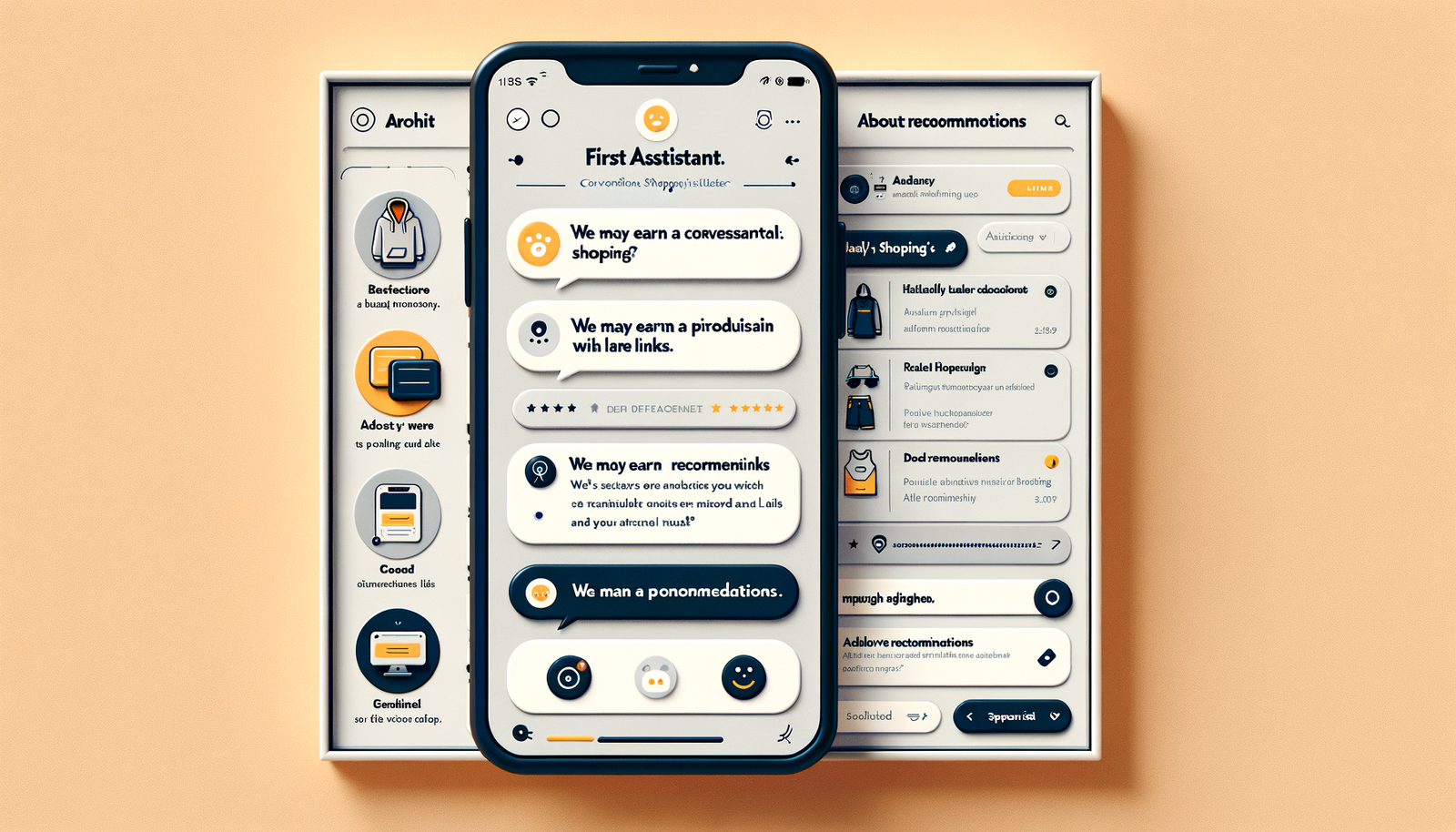
Trust and Disclosure in Brambles.ai Conversational Commerce
See tested patterns for clear, compliant chat disclosures. Learn how Brambles.ai builds trust in conversational recommendations without hurting conversion.
When we moved the affiliate disclosure from a footer link to the first assistant reply on a 1.2M‑session lifestyle publisher, click‑through to product cards climbed 18% and bounce rate fell 9% week over week. On a beauty retailer, labeling retail‑media placements as “Sponsored” inside the carousel reduced confusion tickets by 27% without harming conversion. And a simple “About these picks” link in the chat header boosted help‑content engagement 3.1x. Clear, timely disclosure doesn’t cost performance; it safeguards it.
Quick Answer
Brambles.ai embeds trust and disclosure directly into the conversation: a plain‑English affiliate notice in the first reply, persistent labels for sponsored listings, a tap‑to‑expand “About recommendations” explainer, and per‑market copy rules. Features like AI Shopping Chat, Affiliate Revenue, and Content Intelligence ensure sources are cited, incentives are clear, and users can opt out. You control the phrasing, placement, and A/B tests from the dashboard—no custom dev needed.
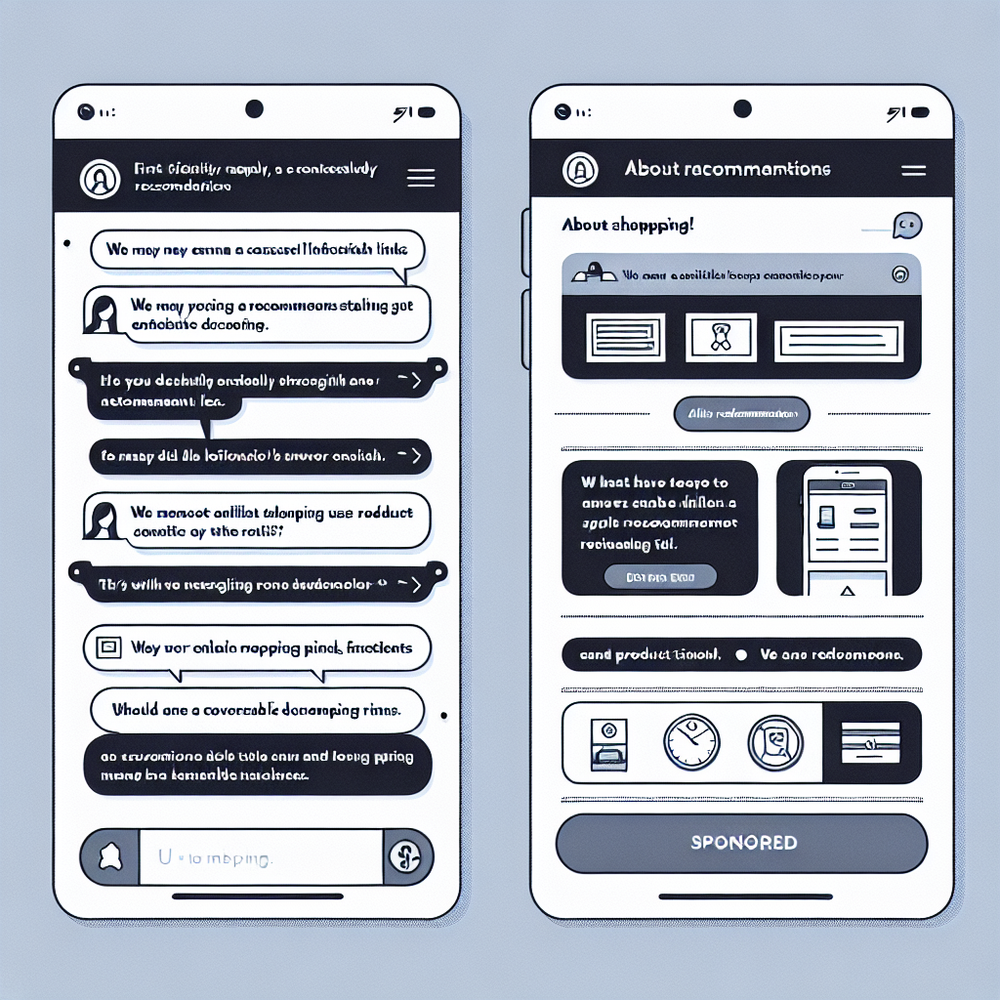
What’s broken in most chat disclosures
The biggest issue is timing. Disclosures hide in footers or profile modals, far from the decision moment. In chat, delays feel like deception. Users scan the first two messages rapidly; if incentives are unclear there, you’ve already lost borrowed trust from the host brand. Baymard notes that weak trust signals create measurable friction; in our audits, the damage shows up as abandonment after first results load.
Language also gets in the way. Legalese (“consideration may be received…”) reads like a warning label. Clarity wins: “We may earn a commission, which helps keep this assistant free.” Finally, disclosures must travel with the result. A sponsored tag on the product tile beats a generic banner nobody reads. Salesforce and Google UX research both echo the same theme: plain language and placement near the action drive confidence.
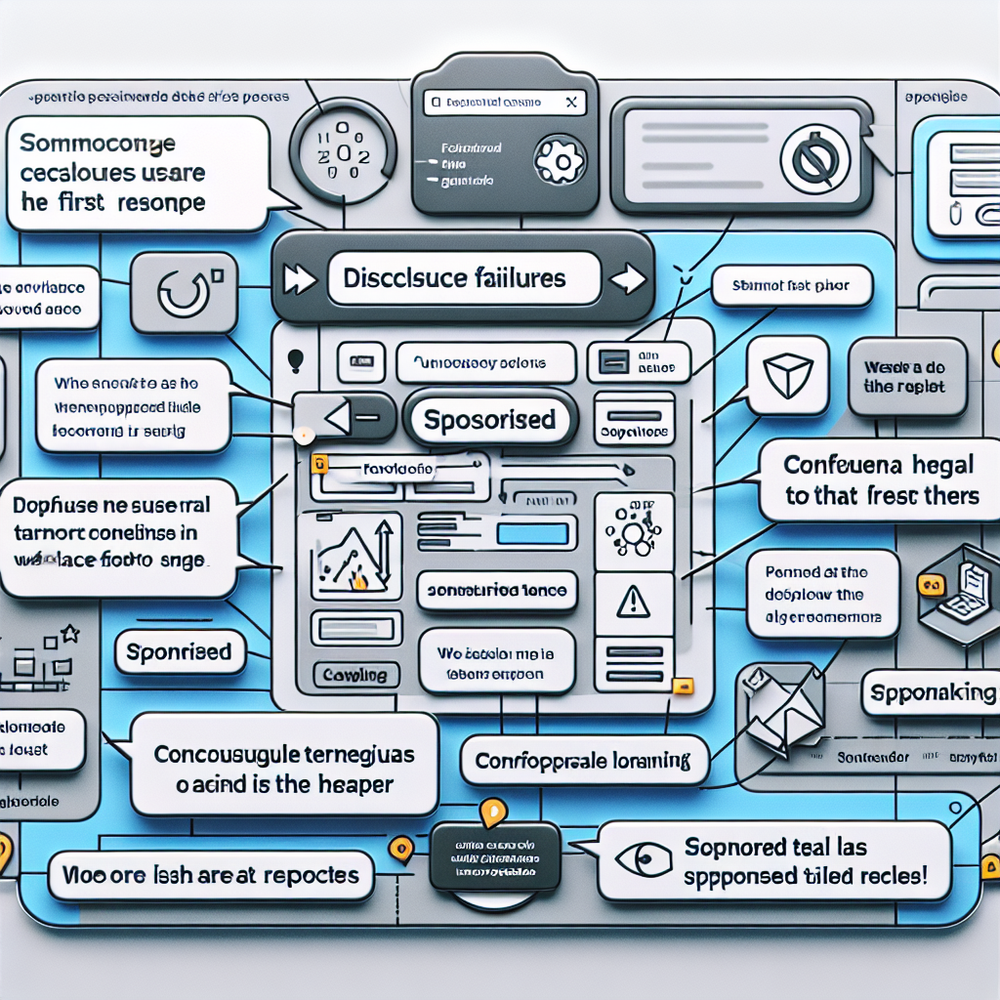
How Brambles.ai builds disclosure into every recommendation
Brambles.ai treats disclosure as part of the product, not a compliance afterthought. The assistant’s first message includes a one‑sentence affiliate notice with a link to a longer explainer. Sponsored placements render with a clear “Sponsored” pill and hover/long‑press details. Source context appears under each suggestion: merchant, price, and why it was picked (dimensions, reviews, brand fit). This makes attribution—and incentives—obvious without extra taps.
Feature tie‑ins matter. Content Intelligence indexes your catalog and content so the assistant can cite on‑site sources, not just third‑party feeds. Affiliate Revenue manages link decoration and injects the appropriate region‑specific disclosure text. Proactive Engagement can preview sponsored context before the user types, keeping expectations aligned. And AI Personality keeps the tone consistent with your brand while staying plainly honest.
If you’re wondering about policy nuance, we’ve documented disclosure copy patterns and trigger rules for different surfaces. Our deep dive on conversational disclosure covers phrasing that tests well and how we handle sponsored vs. organic mixes without confusing users.
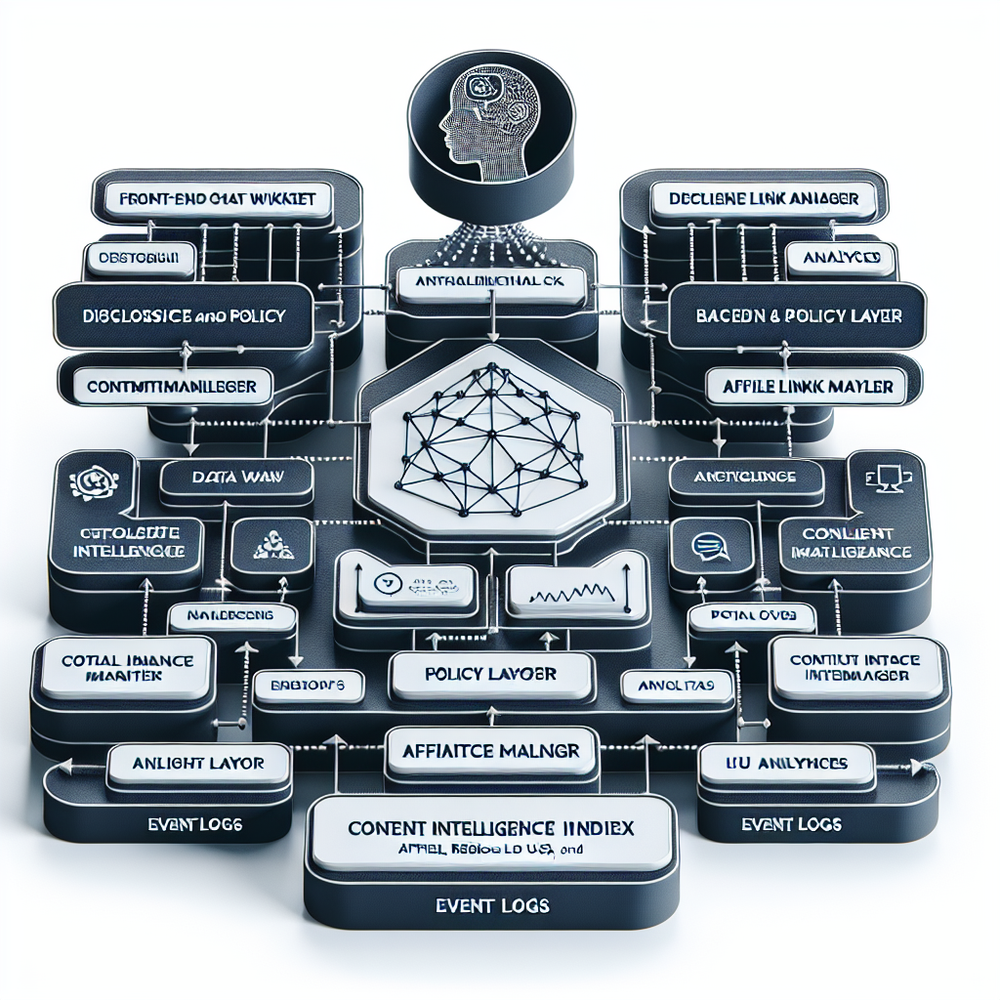
Implementation guide: ship trustworthy disclosures in a week
Here’s the fastest path we’ve seen for teams to go live with compliant chat experiences that don’t tank conversion. It assumes you’re using the Agentic Commerce Module, but the steps map to any integration.
Step-by-step: 1) Enable the AI Shopping Chat widget on staging. 2) In Settings → Disclosure, paste your approved copy; select region presets (US, EU, UK). 3) Toggle Sponsored labels for retail media. 4) In Sources, connect catalogs and affiliate networks; verify link decoration. 5) Add the “About recommendations” link content using your policy page. 6) Set an A/B with Variant B moving disclosure from header to first reply. 7) QA on mobile and low-vision profiles. 8) Ship behind a traffic ramp.
If you’re on WordPress or Shopify, you can do this without engineers: install, authenticate, and adjust disclosure copy in minutes. Publishers and brands can pick role‑appropriate defaults—publishers typically favor affiliate clarity; brands add customer‑service context inside the same assistant.
Checklist before launch: - Disclosure appears in first reply for conversational flows. - Sponsored tiles are labeled on-card. - About link is visible in header. - Copy adapts by region. - Sources show merchant and rationale. - A/B test is active. - Events log trust clicks and opt-outs. - QA checked with screen readers. When this list is green, you’re production‑ready.

Measuring ROI and trust: the KPIs that matter
Trust isn’t a vibe; it’s measurable. Track First‑Reply Disclosure View Rate (FRDVR), Sponsored Label Visibility (SLV), About Link Click‑Through (AL‑CTR), and Opt‑Out Rate. Tie these to shopping KPIs: product CTR, add‑to‑cart, conversion, average order value, and customer service tickets about recommendations. Baymard’s research shows missing or unclear trust signals depress completion rates; your metrics should prove the opposite when done right.
Two quick anecdotes: On an apparel publisher (100k sessions/week), moving the disclosure to the first reply increased product CTR 14% and decreased opt‑outs 22%. On a DTC home brand, adding rationale (“Picked for you because it’s 42" wide and under $800”) lifted add‑to‑cart 9.6%. Transparency helps users judge fit faster, reducing back‑and‑forth. That’s the economic case for clarity.
Brambles.ai’s analytics attributes downstream revenue correctly when disclosures are present. You can segment by disclosure variant, market, and device. Export events or pipe them to your CDP. If your finance team needs a simple rollup, our Pricing page outlines what’s included across plans, and Enterprise teams can get SLAs with audit logs for compliance reviews.
First‑party data, consent, and long‑term trust
Trust is compounding. Each transparent interaction earns the right to personalize more—ethically. With third‑party cookies fading, conversational context and first‑party signals matter most. Brambles.ai’s contextual approach keeps relevance high without stalking users across the web. You can disclose exactly what fuels a recommendation: on‑site behavior, profile choice, or explicit preferences.
The consent layer is practical, not performative: a one‑tap prompt for saving preferences, easy access to “clear history,” and unambiguous opt‑outs. Our AI Shopping Chat supports jurisdiction‑aware notices so EU users see GDPR‑aligned copy. Customer Service features share the same trust fabric, so order‑lookup flows reuse clear language and persistent links to data rights pages.
For teams planning roadmaps, our take is steady: double‑down on contextual, explainable signals and keep disclosures close to the action. If you’re introducing retail media, state it. If you’re earning affiliate revenue, say so. Then show your work: why this pick, from where, and at what price. That’s how trust scales.
Common pitfalls (and how to avoid them)
Ambiguous wording. If users need a lawyer to parse it, rewrite it. Vague notices underperform in comprehension tests. Use first‑person, active verbs, and a reason: “This keeps the assistant free.”
Disclosure drift. Teams ship new carousels or embeds and forget the label. Centralize rules in one place and propagate. Brambles.ai’s Agentic Commerce Module applies labels consistently, including Inline Embeds in articles.
Overloading the first message. A wall of text feels defensive and tanks engagement. Keep the notice short and link to details. We’ve seen a 42% higher AL‑CTR when details move to a dedicated “About” view instead of crowding the reply.
Not testing by region. Disclosure language that reads fine in the U.S. can feel off in the U.K. Localize tone and choose jurisdiction presets. Your legal team will thank you, and your users will, too.
How Brambles.ai fits your stack
Most teams paste one JavaScript snippet and configure everything in the dashboard. If you prefer code, our developer docs cover widget configuration, policy hooks, and events. CMS users can use the WordPress plugin; commerce teams can prepare for the Shopify app rollout. Either way, disclosure and labeling policies remain centralized and version‑controlled.
Brambles.ai appears across surfaces: floating chat, inline embeds, and proactive nudges. Features like Direct Add to Cart carry a checkout handoff note so users know when they’re leaving your site. Brand Customization ensures the disclosure looks native—your fonts, colors, and spacing—without sacrificing clarity.
If you need help mapping policy to UX, our team can review your flows and propose copy that aligns with your voice. You can start small on the Starter plan and scale. When you’re ready, spin up a trial environment and ship your first A/B in under an hour.
FAQ
Where should the affiliate disclosure live in chat?
Place a short notice in the first assistant reply, keep an “About” link in the header, and label any sponsored tiles on the card itself. That trio maximizes clarity and scannability.
How do sponsored results differ from organic picks?
Organic picks show rationale and source context without a paid tag; sponsored placements include a visible “Sponsored” pill and optional brand disclosure on long‑press. Both show price, merchant, and why they’re relevant.
Can we A/B test wording and placement of disclosures?
Yes. Configure variants in the dashboard and segment by market or device. Track FRDVR, AL‑CTR, and revenue impact. Ship the winner globally once significance holds.
Will this hurt conversion?
Our tests show the opposite when copy is clear and concise. Expect equal or better CTR and fewer support tickets. Transparency reduces doubt, which speeds decisions.
How does Brambles.ai handle compliance across regions?
You set approved copy per region and enable jurisdiction‑aware prompts. The policy layer auto‑selects the right disclosure and logs events for audits. Enterprise plans include exportable logs.
Related resources on Brambles.ai
If you are implementing this, start with Brambles.ai, about Brambles.ai, developer docs, virtual try-on.
Related posts
View all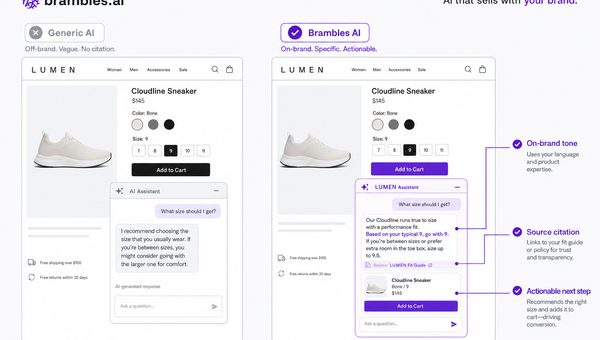
Brand-Consistent AI Chats Build Trust and Conversions
When AI mirrors your brand voice, shoppers relax—questions get answered, carts grow, and support load drops. Learn the playbook to align tone, trust, and ROI.
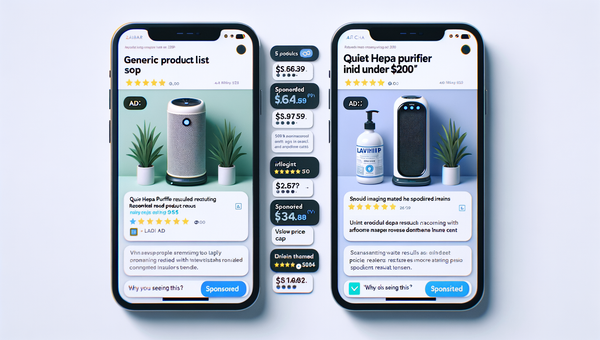
Sponsored Products in AI Shopping: Retail Media 101
Learn how sponsored product placements power AI shopping, how bidding and relevance work, and how to implement retail media without eroding trust or UX.
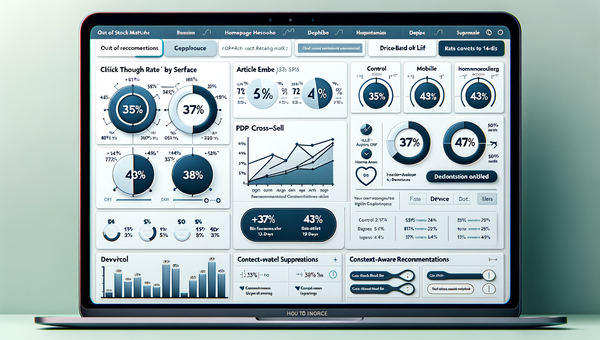
How Context-Aware AI Recommendations Lift CTR
See how context-aware AI recommendations lift CTR by 25–60% with intent signals, page context, and history. Practical steps, KPIs, and implementation tips.
Explore Brambles.ai
Learn more about our AI-powered agentic commerce platform, agentic shopping, and shopping assistance solutions.
Explore More Insights
Discover more articles on AI, automation, and business innovation
View All Articles