
Sponsored Products in AI Shopping: Retail Media 101
Learn how sponsored product placements power AI shopping, how bidding and relevance work, and how to implement retail media without eroding trust or UX.
Sponsored Products in AI Shopping: Retail Media 101
In our last seasonal test, a home-and-garden publisher added AI shopping chat to five buyer’s guides. We layered in sponsored product slots with tight relevance thresholds. Result: +21% RPM for the publisher, +13% ROAS for brands, no drop in session NPS. The surprise wasn’t the lift—it was that buyers told us the sponsored results felt “useful, not pushy” because they matched the exact question typed into the chat. That’s the bar: sponsored only works when it’s context-perfect and clearly disclosed.
Quick Answer
Sponsored product placements in AI shopping are paid results that appear within a conversational product recommendation flow. They’re chosen by an auction (bid + quality) but gated by strict relevance and disclosure rules so users don’t feel tricked. Done right, they lift revenue for publishers and deliver measurable ROAS for brands without hurting UX. Brambles.ai bakes this into its AI shopping chat, product discovery, and retail media features—so you can turn intent-rich questions into trusted, monetized answers.
What’s broken with sponsored products today
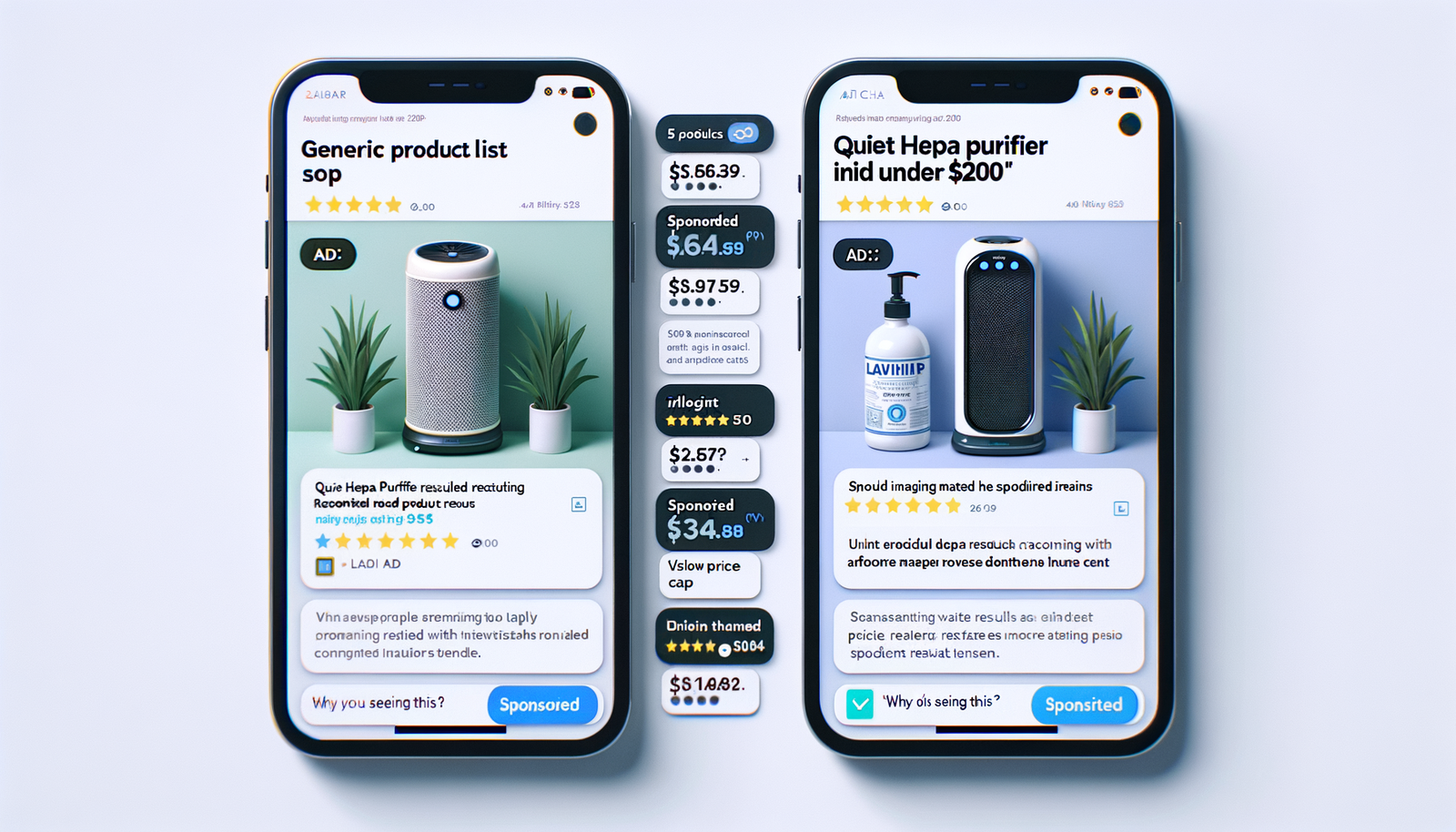
The biggest failure in sponsored placements is misaligned context. Shoppers ask for “quiet HEPA purifiers under $200” and see a loud device at $329 because it has a higher bid. That’s how trust erodes. Disclosure is another pain point—labels get tiny, and placement feels like a trick rather than help. Finally, measurement is often siloed: brands see clicks and ROAS, publishers see RPM, and nobody inspects post-click satisfaction or margin impact.
Two things make this worse. First, search-era ad logic still dominates, even when the surface is a chat where intent is richer and more nuanced. Second, ad stacks aren’t wired to honor first-party rules like brand exclusions within certain buyer’s guides or frequency caps within a single conversation. Without those guardrails, sponsored feels like interruption, not assistance.
How sponsored placements work inside AI shopping
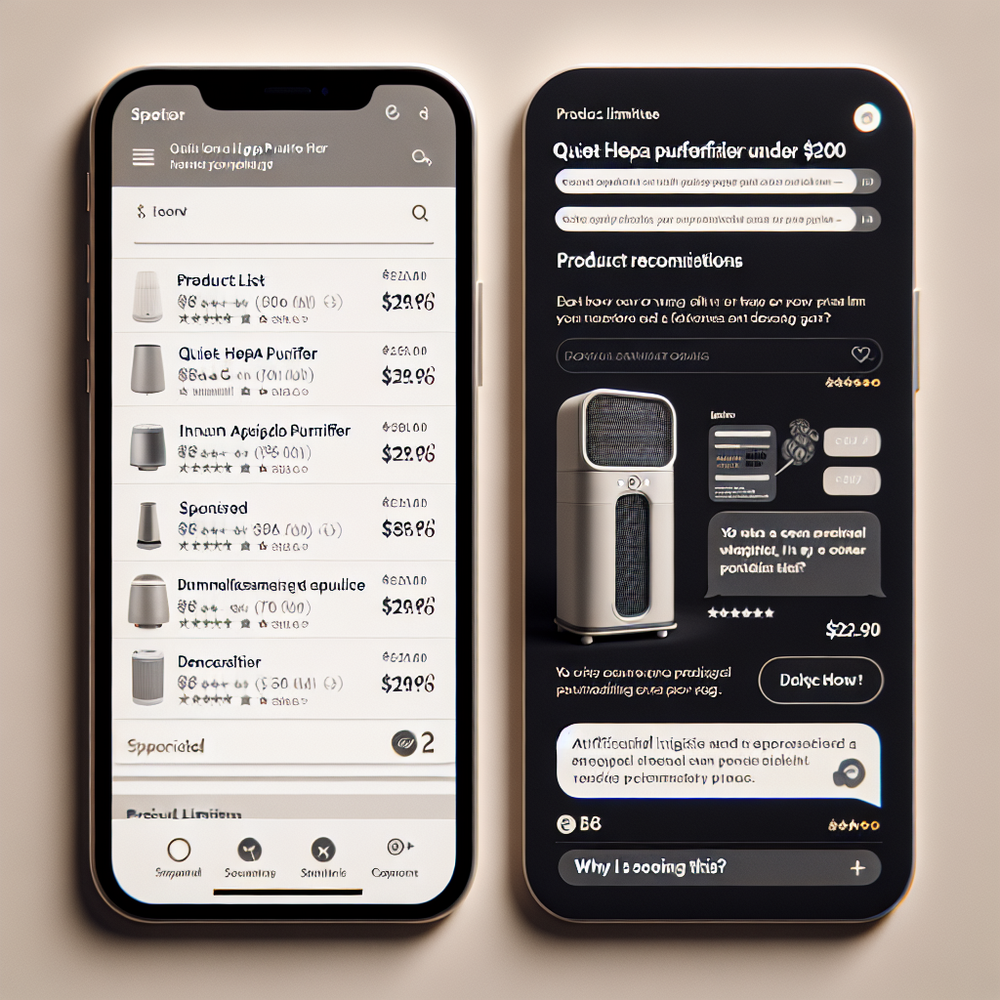
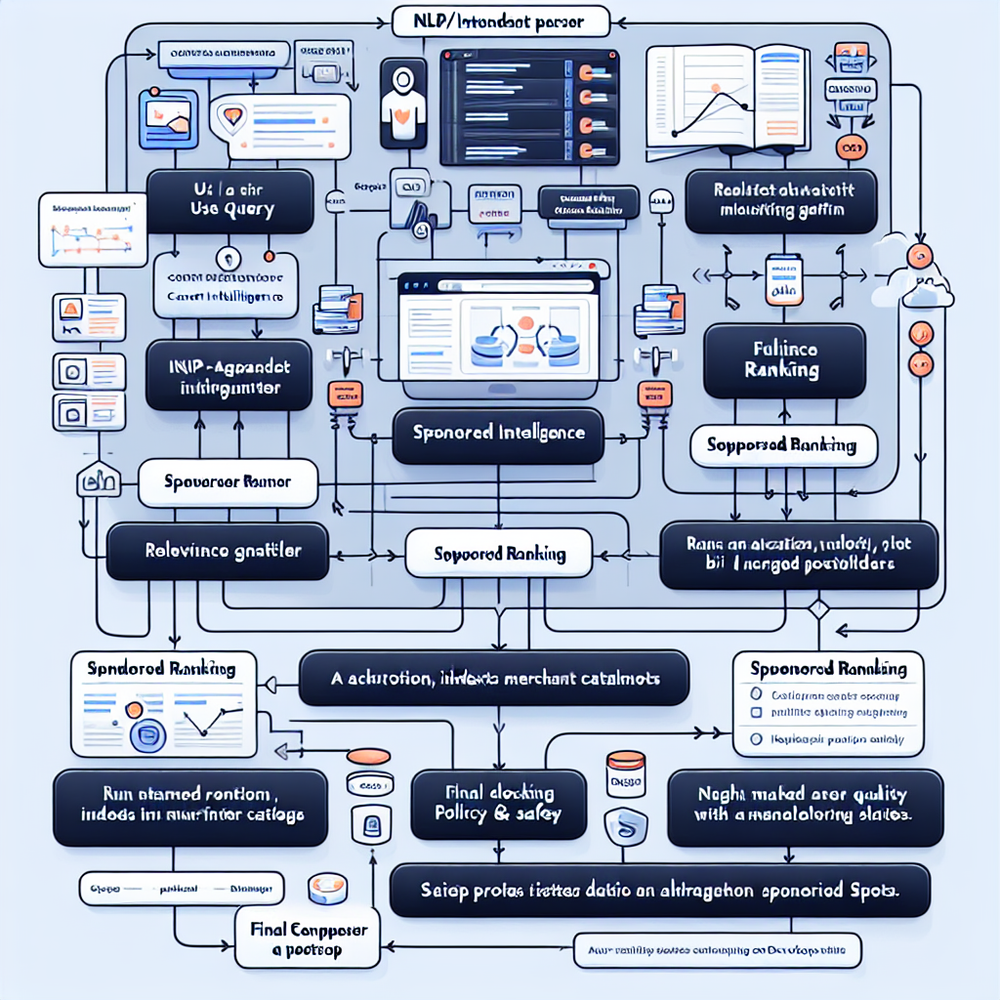
In conversational shopping, the model turns a user’s question into structured intent (budget, attributes, brand preferences, use cases). Candidates are retrieved, scored on relevance, and then a sponsored auction can claim one or more fixed slots. The ad server ranks bids but only from products that pass quality thresholds (fit-to-query, stock, price range, policy). Clear labels and an inline disclosure keep it honest.
We prefer second‑price or weighted VCG auctions with budget pacing and frequency caps per session. Negative keywords and brand safety lists remove bad matches. Post-click feedback (thumbs up/down, dwell, compare interactions) loops back to raise quality scores for helpful sponsors and reject opportunistic bids. eMarketer notes US retail media spend continues to surge, but growth only sticks when the user experience earns trust.
Implementation guide: launching retail media with Brambles.ai
Brambles.ai bakes sponsored placements into a commerce-first stack, so you don’t glue five tools together. Here’s the fastest path to production that we’ve used across publishers and brand sites.
Step-by-step setup
1) Add the widget. Use the Agentic Commerce Module to drop a single JS tag and enable AI shopping chat or inline embeds on product and article pages. WordPress and Shopify installs take minutes.
2) Index your catalog and content. Content Intelligence crawls product data, attributes, pricing, and editorial context to power precise retrieval and guardrails for sponsored slots. Keep feeds fresh to avoid out‑of‑stock ads.
3) Enable retail media. In the console, choose placement rules (top-1, top-3, interleaved), set minimum relevance scores, pick auction type, and add pacing, caps, and brand safety lists. Start with conservative slot density (1 in 6 results) until you have engagement baselines.
4) Wire conversions. Turn on direct add-to-cart for participating merchants and map order events for ROAS. If you monetize via affiliates, Brambles routes links and attributes revenue back to your reporting.
5) Tune disclosure and UX. Use built-in labels, an accessible info tooltip, and a dedicated disclosure link. Keep sponsored answers concise; let organic picks provide breadth. Audit labels on mobile first.
Feature highlights you’ll use
• AI product discovery: turns natural language (“quiet under $200”) into structured filters and retrieves the best matches from your catalog and merchant feeds, ensuring sponsors can only compete when truly relevant.
• Retail media: configures auctions, slot density, frequency caps, and brand safety. Provides transparent reporting for ROAS, RPM, CPC, and share of sponsored impressions across pages and conversations.
• Proactive engagement: automatically invites shoppers to ask high-intent questions on key pages (e.g., buyer’s guides, PDPs), increasing qualified traffic into sponsored-capable sessions.
• AI shopping chat: a floating assistant on every page that answers with cited products, clear sponsored labels, and optional direct add-to-cart. Fully brandable to match your site.
Launch checklist
- Confirm product feed freshness and price accuracy. - Set minimum relevance thresholds and policy filters. - Start with 1 sponsored slot per 5–7 organic results. - Enable frequency caps (per session and per day). - Turn on disclosure labels and add a short explainer link. - QA mobile first. - Define weekly KPIs and benchmarks before flipping budgets up.

Measuring ROI and KPIs that matter
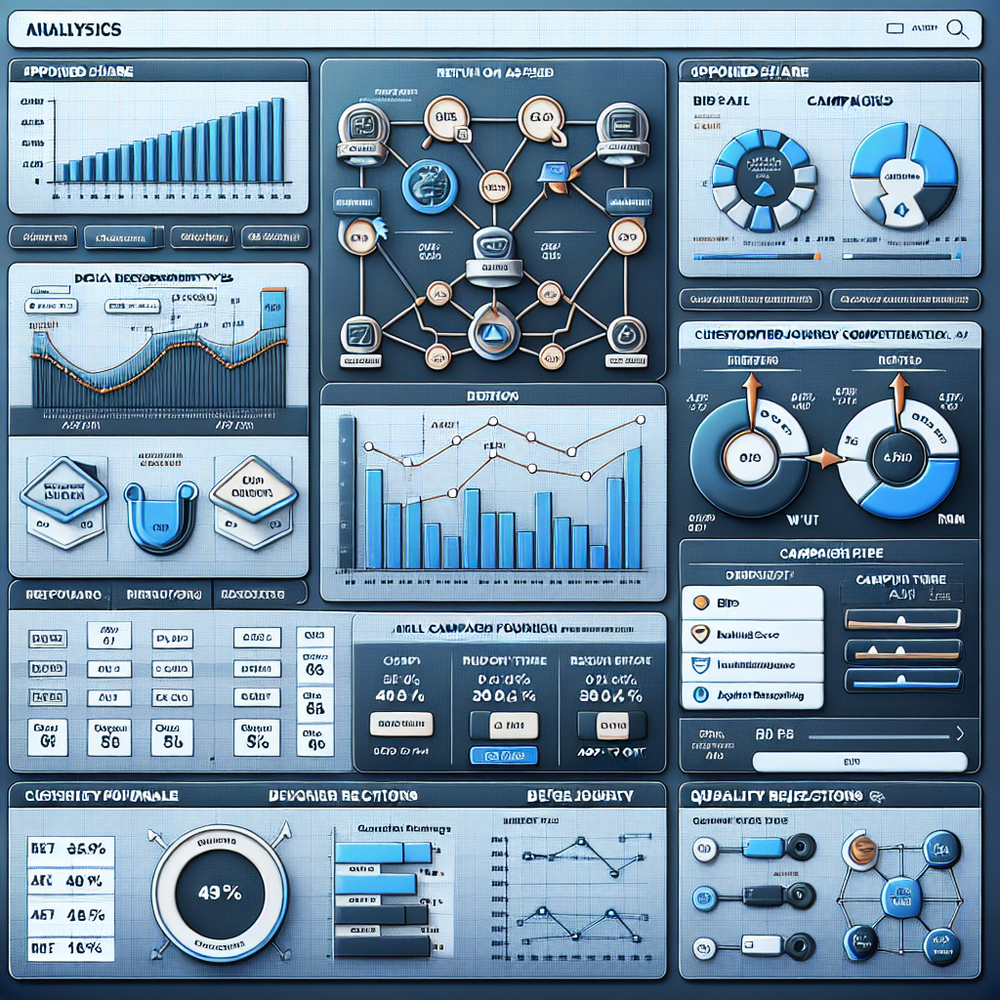
Measure like a portfolio manager, not a click counter. Track CTR, CPC/CPA, ROAS, RPM for publishers, average order value, and the share of sponsored impressions per session. Add experience metrics: assisted conversion rate, dwell, and returns/cancellations. McKinsey and others note retail media outpaces most digital channels; the trick is ensuring quality signals govern spend, not just bids.
Anecdote 1: On a 2.3M‑session tech publisher, we launched two sponsored slots per conversation with a minimum relevance score of 0.82. Over 30 days, RPM rose 24%, and time-to-first-click dropped by 19%. Organic conversion held steady. Anecdote 2: A mid-market beauty brand used direct add-to-cart in chat and saw a 14% lower CAC on sponsored clicks vs. paid social within two weeks.
Build a simple scorecard:
- Efficiency: CPC, CPA, ROAS by campaign and by query theme. - Monetization: RPM, eRPS (earnings per session), and sponsor share of revenue. - Experience: CSAT/NPS for sessions with sponsored exposure, bounce, and repeat chat rate. - Governance: % of rejected bids due to low relevance or policy conflicts.
First-party data, disclosure, and shopper trust
Trust starts with labels. Sponsored results should be clearly marked and accompanied by a short disclosure that explains how placements work. Google’s UX research emphasizes clarity around ad labeling; we see the same in chat. When shoppers understand why something is elevated—and it matches their request—they reward it with attention, not skepticism.
First-party context is gold: page topic, user’s question, on-site behaviors—no third‑party cookies required. Brambles uses page semantics and conversation intent to gate sponsor eligibility. That aligns with an ad‑light philosophy where sponsorship augments answers rather than overrides them. For publishers, this dovetails with affiliate programs; for brands, it means buying against declared intent, not inferred personas.
Practical disclosure pattern: label each sponsored item; include a 'Why am I seeing this?' link; add a short, plain‑English policy page. This mirrors best practices we outlined previously and consistently tests well in mobile usability sessions.
Common pitfalls (and how to avoid them)
- Over-stuffing sponsored slots: Start sparse. Too many sponsors increase scroll, reduce choice confidence, and hurt CSAT. - Weak relevance gates: Never let a high bid outrank a poor fit—protect the experience. - Opaque reporting: If brands can’t see query themes and quality rejections, budgets won’t scale. - Ignoring post-purchase: High returns destroy ROAS; monitor category-specific rates.
Two quick fixes we use often: 1) Raise the minimum relevance threshold until NPS stabilizes, then widen budgets. 2) Add Proactive Engagement on high-intent pages to funnel qualified conversations—brands love buying that traffic because it converts without gimmicks.
Future outlook: retail media inside conversations
Retail media budgets are shifting from static PDP carousels to conversational surfaces that understand constraints and use cases. Expect more multi-sponsor answers (e.g., a budget pick and a premium pick) with clear labels and transparent logic. The winners will combine intent understanding with disciplined auctions and honest UX. Publishers and brands that operationalize this now will ride the next compounding wave of incremental revenue.
FAQ
How many sponsored slots should I run per answer?
Start with one sponsored placement per 5–7 organic recommendations. Watch CSAT/NPS and assisted conversion before scaling. Many sites settle at two sponsors in longer lists.
Which auction model works best?
Second‑price or weighted VCG is a safe default with quality scores. Add pacing and frequency caps. Avoid first‑price without guardrails; it leads to bid shading and volatility.
Will sponsored results hurt trust?
Not if they’re relevant and clearly labeled. Use a short disclosure and an info link. Our tests show no NPS drop when minimum relevance is enforced and labels are readable on mobile.
How does Brambles.ai fit my stack?
Add the Agentic Commerce Module or the WordPress plugin, index your feed, toggle retail media, and ship. Developers can customize via the API and config docs; brands and publishers can align pricing plans to their goals.
Related resources on Brambles.ai
If you are implementing this, start with enterprise solutions, about Brambles.ai, virtual try-on, view in room.
Related posts
View allProactive Chat for Product Discovery: A Practical Guide
Learn what proactive chat does, how to match an invitation to a shopper's task, and what to measure before expanding it across a store or publisher site.
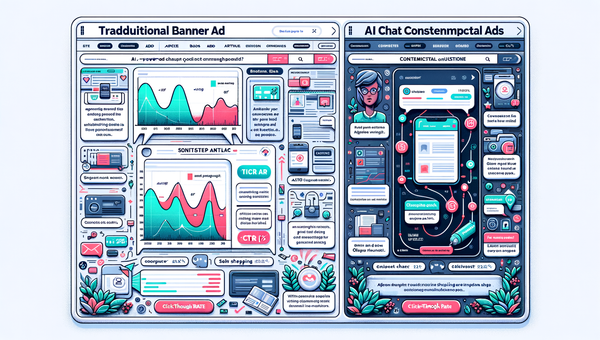
Why Contextual Ads in AI Chat Beat Banner Ads
Tests on commerce sites show AI chat contextual ads deliver 3–5x CTR, cleaner UX, and higher revenue than banners. See how they work, implement, and measure.
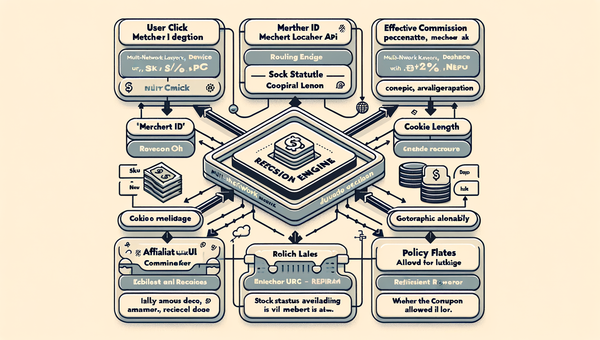
Multi‑Network Affiliate Optimization: Auto Best Rate
Route clicks across affiliate networks automatically to secure the highest commission, lift EPC, and preserve UX—practical tactics, data, and implementation ste
Explore Brambles.ai
Learn more about our AI-powered agentic commerce platform, agentic shopping, and shopping assistance solutions.
Explore More Insights
Discover more articles on AI, automation, and business innovation
View All Articles