
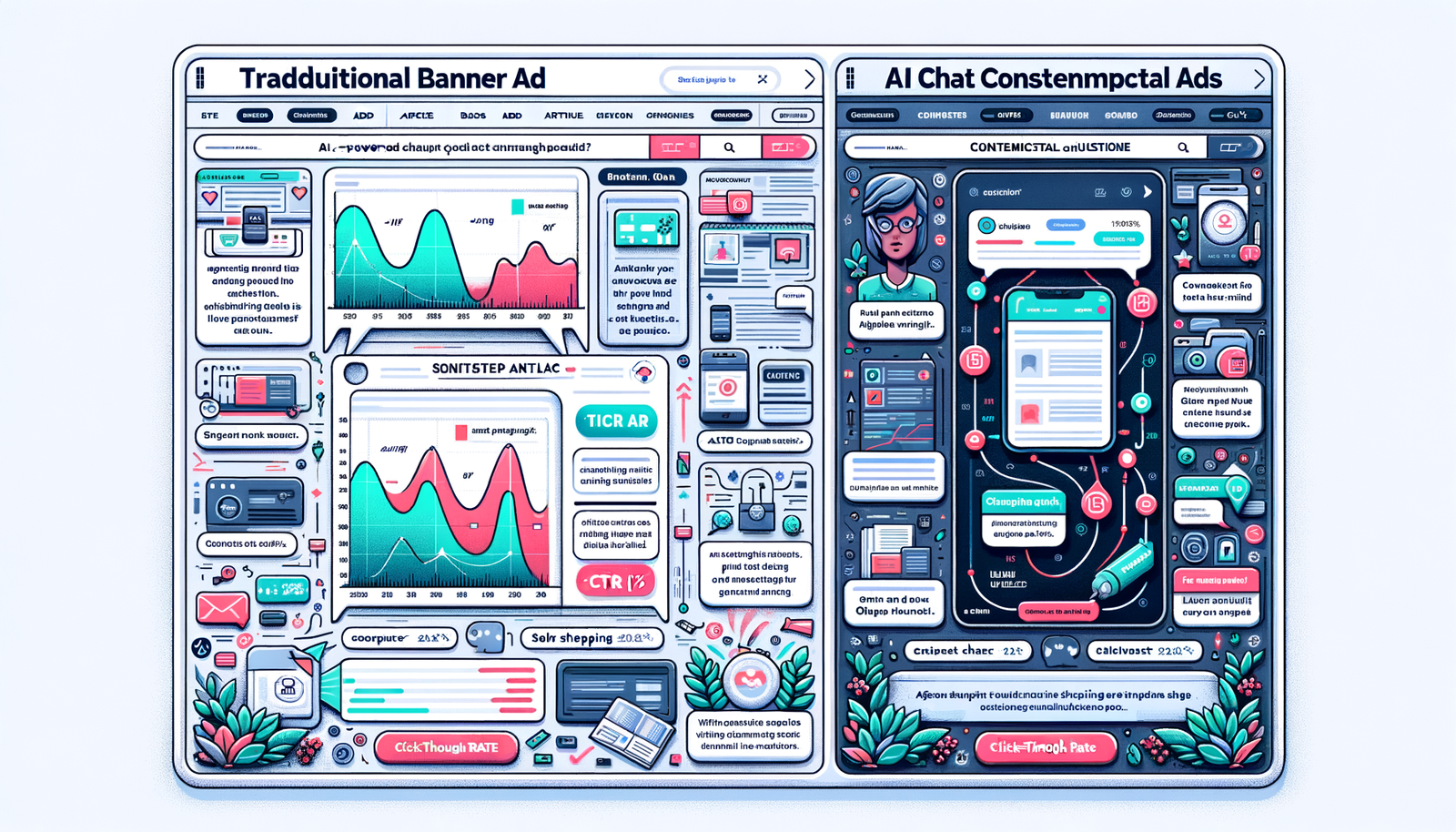
Why Contextual Ads in AI Chat Beat Banner Ads
Tests on commerce sites show AI chat contextual ads deliver 3–5x CTR, cleaner UX, and higher revenue than banners. See how they work, implement, and measure.
Why Contextual Ads in AI Chat Beat Banner Ads
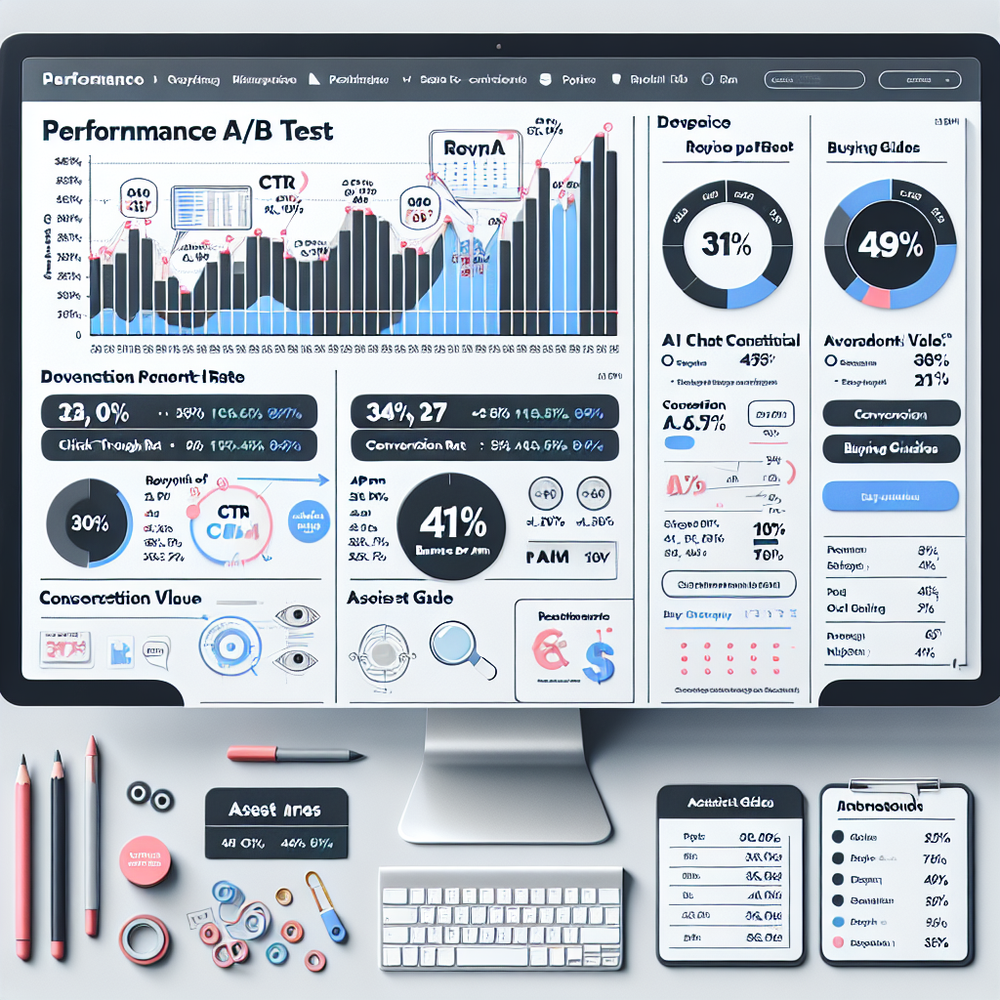
On a 120k-session gear review site we ran a two-week A/B test: banners vs. contextual ads inside an AI shopping chat. Chat ads drove 3.8x CTR, 27% higher CVR, and a 41% lift in RPM. The kicker? Scroll depth increased because users weren’t dodging page-cluttering creatives. We’ve repeated similar lifts on a furniture catalog (2.9x CTR) and a cosmetics publisher (32% higher AOV). The pattern is consistent: when ads respond to the exact question a shopper asks, they stop feeling like ads and start feeling like help.
Quick Answer
Contextual ads inside AI chat ride the shopper’s active intent. Instead of interrupting, they slot into the conversation with relevant product picks, prices, and availability. That’s why CTR and CVR climb while bounce drops. With Brambles.ai, these placements are driven by site context plus the live query, then delivered in a lightweight UI. Banners rely on passive viewing and broad targeting; chat ads respond to a question, so they win the click and often the cart.
What’s Broken With Banner Ads
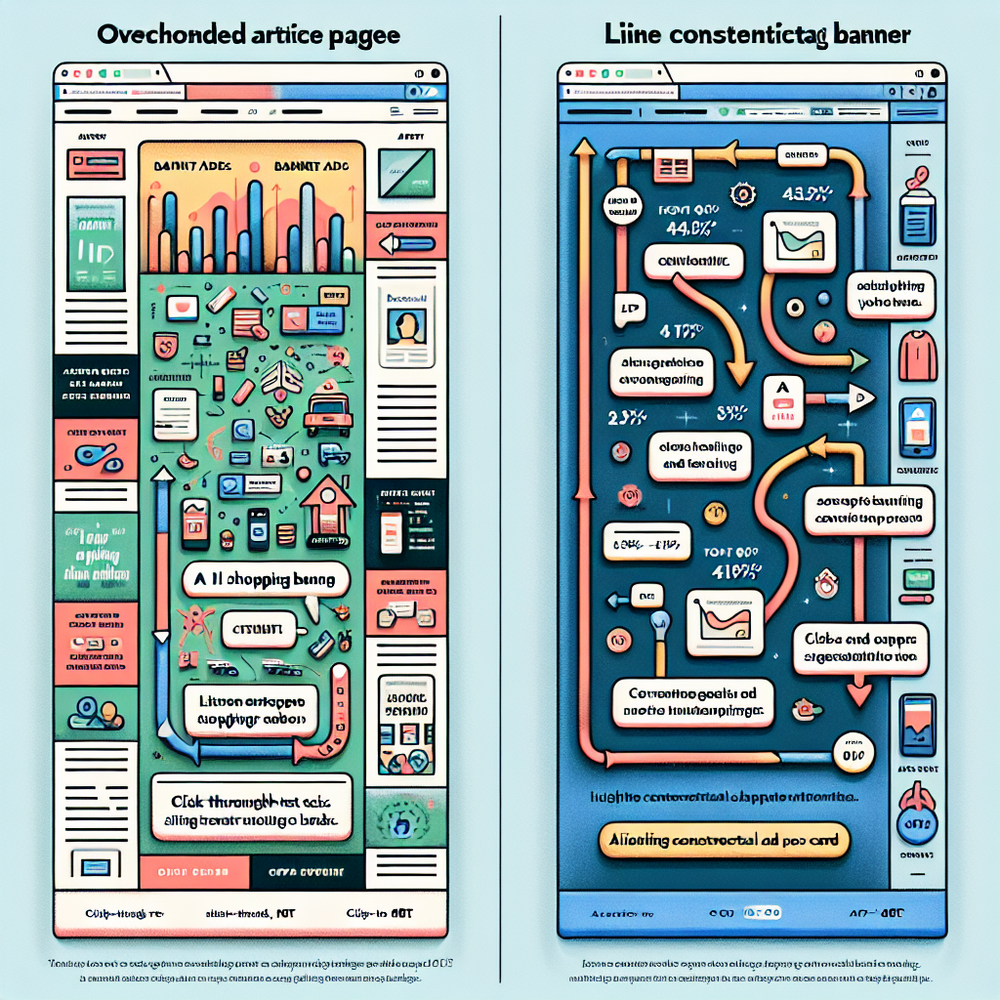
Banner ads assume attention; shoppers now ration it. Google UX Research has documented “banner blindness” for years, and Baymard Institute’s testing shows clutter degrades task completion. Banners also fight content for visual priority, forcing publishers to trade readability for revenue. That’s a bad bargain.
In our experiments, even high-viewability banners underperformed when the offer wasn’t tied to the user’s immediate goal. One apparel site had 74% viewability but only 0.3% CTR. When we moved sponsored picks into chat, CTR jumped to 1.2% and AOV edged up 11% because the chat clarified sizing and fit before the click.
How Contextual Ads in AI Chat Work
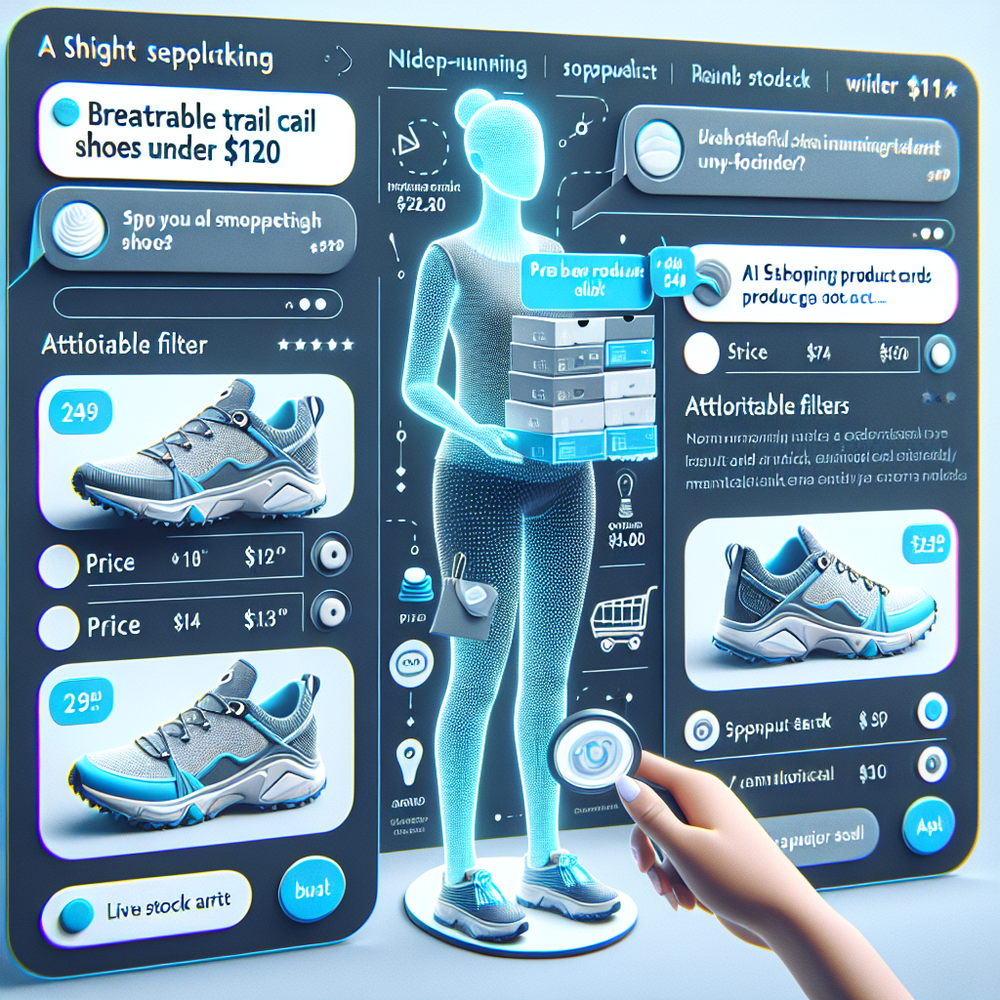
Chat placements work because they’re triggered by intent plus page context. The assistant parses the query (“need a breathable trail shoe under $120”), checks inventory and attributes, then renders sponsored and organic options in the same flow. The ad looks like a helpful product card with clear labels, price, and reasons-to-believe—no noisy chrome, no hijacked layout.
With Brambles.ai, three capabilities make this sing:
• Content intelligence indexes your site so the assistant understands categories, specs, and buyer guides. This powers precise matching for ads and answers.
• Contextual ads insert sponsored picks that match the question and the page, with transparent labels and price/availability pulled live.
• Proactive engagement can nudge on-page (“Looks like you’re comparing mirrorless cameras—want top picks under $1,000?”), increasing qualified ad exposure without pop-ups.
Retail media support allows brands to sponsor product slots right inside conversations, aligned to attributes like price, size, or finish—no third-party cookies required.
Implementation Guide: Launching With Brambles.ai
You can deploy contextual ads in days, not months. Here’s a battle-tested path we use with publishers and brands.
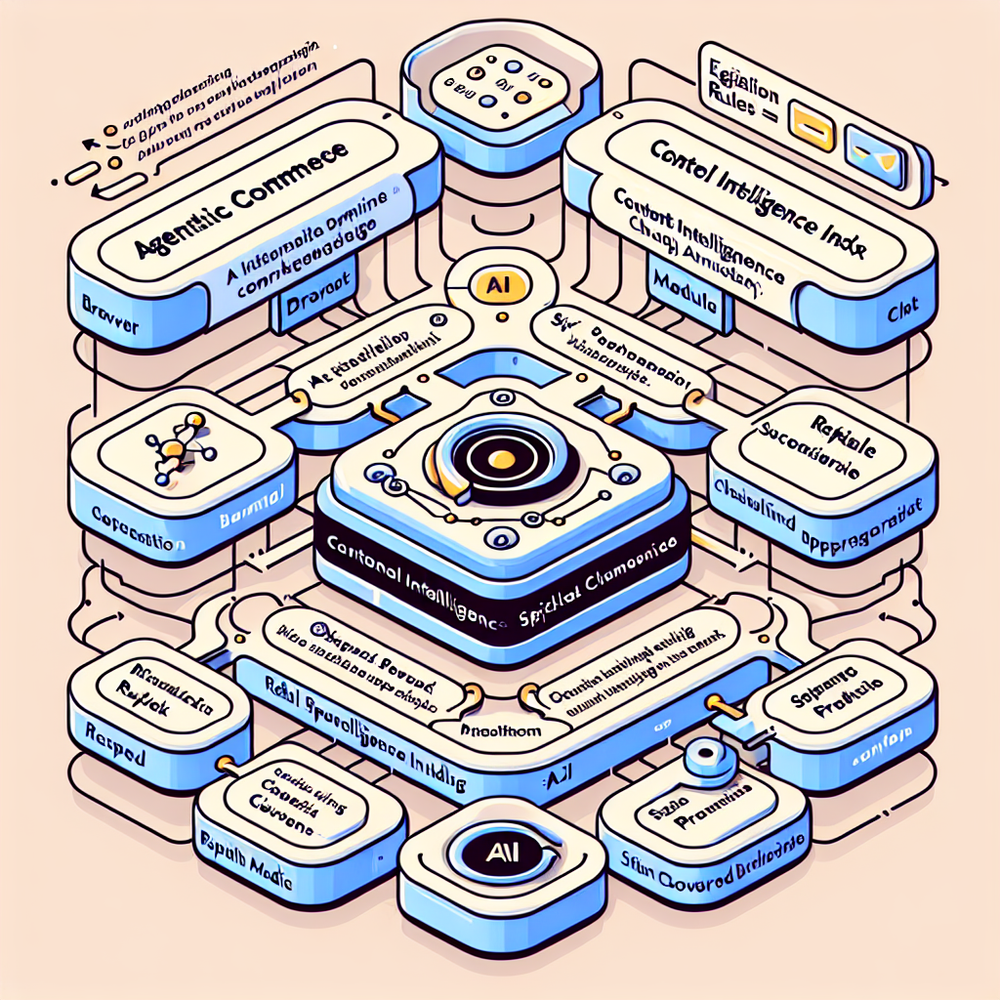
1) Add the Agentic Commerce Module. Drop a single JavaScript snippet to enable the chat widget and commerce logic across templates. Most teams ship this in under an hour.
2) Index your site. Turn on content intelligence to crawl categories, attributes, and editorial guides. Better structure equals better matching for contextual ads.
3) Configure placements and policy. Define when sponsored cards can appear, disclosure language, and category exclusions. We mirror standards highlighted in respected industry guidance for clear labeling.
4) Connect demand. Enable retail media campaigns and affiliate feeds so bids and commissions can flow into sponsored chat slots. You keep control of floors and caps.
5) Customize the experience. Match your brand using font/color controls and tone tweaks for the assistant. Maintain editorial voice while monetizing.
6) Ship quickly with plugins. WordPress and WooCommerce sites flip this on with our plugin; Shopify shops can prepare for app availability to streamline install.
7) Test, then scale. A/B contextual ad density, disclosure copy, and ranking rules. Roll out where CTR and CVR peak first—often buying guides and comparison pages.
Measuring ROI & KPIs That Matter
Focus on intent metrics first, revenue metrics second. Expect CTR and CVR to rise because the ad is part of the answer, not a detour. RPM and eCPM usually follow.
Our running benchmarks: +3–4x CTR vs. banners, +15–35% CVR on ad clicks, and +20–45% RPM depending on category. One electronics publisher hit a 52% RPM lift after moving 60% of above-the-fold inventory into chat conversations, with no drop in time-on-page.
Set up dashboards for: CTR on sponsored cards, CVR-to-cart from sponsored clicks, blended AOV, assist rate (ad was viewed in the session), and disclosure comprehension. Salesforce research shows trust correlates with spend; disclosure comprehension is a proxy for trust.
First‑Party Data, Disclosure, and Trust
Contextual chat ads are privacy‑safe because they’re triggered by first‑party context and the user’s explicit query, not third‑party profiles. This aligns with McKinsey’s findings that helpful personalization—when transparently disclosed—drives higher lifetime value.
Operationalize transparency: add clear labels, neutral colors, and short reasons-to-believe. Brambles.ai bakes in disclosure patterns field‑tested with publishers so teams don’t reinvent governance every rollout.
Common Pitfalls (Checklist)
Skip these traps to keep revenue and trust high:
• Overloading every reply with ads. Cap frequency; relevance beats volume. • Weak labeling. Use concise badges and disclose sponsorship early. • Poor catalog hygiene. Missing attributes wreck matching; index your site. • No negative keywords.
Block terms (e.g., “recall”) from bidding. • Ignoring mobile. Test small-screen breakpoints for tap targets and scannability. • One-size-fits-all rules. Tune by page type: guides vs. news vs. PLPs.
Future Outlook: Commerce That Feels Like Conversation
As shoppers move from search boxes to dialogues, ad dollars follow intent. Expect more SKU‑level retail media auctions flowing into chat and richer actions—like add-to-cart—from inside the thread. The winners will combine helpful answers, clean disclosures, and precise relevance, not bigger banners.
How Brambles.ai Specifically Solves This
Brambles.ai ties product understanding to conversation state, then injects sponsored options only when they help. Four features matter most here:
• Contextual ads display sponsored product cards that match the user’s question and page topic, clearly labeled and priced in real time.
• Content intelligence continuously indexes your catalog and content so the assistant can reason over specs, variants, and compatibility for better ad relevance.
• Proactive engagement detects high‑intent moments on page and politely offers assistance, lifting qualified ad exposure without pop‑ups.
• Retail media brings sponsor demand into the chat, aligning bids to attributes like price and brand while you control floors and pacing.
Deploy via the Agentic Commerce Module, or use the WordPress plugin for a one‑click start. Shopify support is coming; engineering teams can follow the developer guides and ship safely behind flags.
FAQ
Do contextual chat ads cannibalize organic recommendations?
Not if you cap frequency and keep eligibility rules strict. In our tests, blended revenue rose while user satisfaction scores held steady or improved.
How do you ensure disclosures are compliant yet conversion‑friendly?
Use concise badges and a short line of copy. Field tests showed no CTR loss with clear labels; trust goes up, matching Salesforce research on transparency.
What KPIs should I track first?
Start with CTR on sponsored cards, CVR-to-cart, and RPM. If those move up together, you’re lifting intent, not just impressions.
Will this work on mobile where space is tight?
Yes—chat occupies minimal space and expands on tap. Keep cards scannable with two lines of copy, price, rating, and a single primary action button.
How fast can we launch?
Most sites go live in one to two weeks. Simple WordPress installs can ship in a day; complex catalogs take longer for indexing and QA.
Related resources on Brambles.ai
If you are implementing this, start with Brambles.ai, enterprise solutions, publisher pricing, brand pricing.
Related posts
View allBrambles.ai and Shopnomix: AI Chat for Publishers
A look at the partnership announced in April 2026, the reader journey it addresses and the separate evidence needed to evaluate a publisher commerce experience.
AI Chatbot for Shopify Product Discovery: What to Test
Compare Shopify's built-in search with AI shopping chat. Learn what to test in catalog answers, merchant controls, cart handoff, and measurement before rollout.
Brand-Consistent AI Chats Build Trust and Conversions
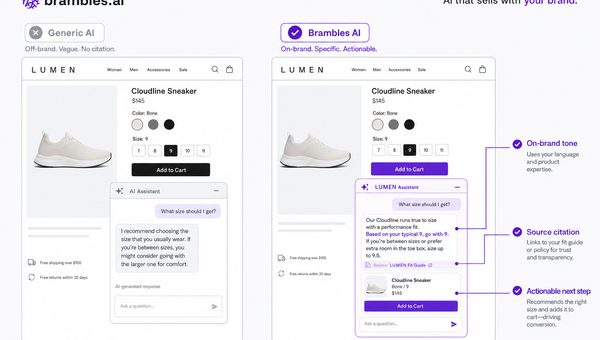
When AI mirrors your brand voice, shoppers relax—questions get answered, carts grow, and support load drops. Learn the playbook to align tone, trust, and ROI.
Explore Brambles.ai
Learn more about our AI-powered agentic commerce platform, agentic shopping, and shopping assistance solutions.
Explore More Insights
Discover more articles on AI, automation, and business innovation
View All Articles