
Shopify Product Discovery: Why AI Chat Wins Search
Real tests on Shopify show AI chat lifts conversion 18–42% vs. search. Learn how to deploy, measure ROI, and avoid pitfalls with a step‑by‑step implementation g
On a 60k-session Shopify apparel store, replacing the search bar with an AI chat prompt dropped time-to-first-product from 58s to 33s and raised PDP views by 27%.
A DTC décor brand saw a 31% lift in revenue per visitor after AI chat handled nuanced asks like “olive linen curtains, blackout, under $120, shipped by Friday.” The pattern: shoppers describe needs, not keywords.
Traditional search stumbles; AI chat interprets intent and constraints in one shot.
Quick Answer
AI chat beats traditional Shopify search by understanding natural language, combining attributes on the fly, and shortening the path to purchase. Shoppers can ask, “eco-friendly running shoes for overpronation under $120” and get curated picks with reasons, size guidance, and even cart-ready variants. With Brambles.ai, merchants add conversational product discovery, proactive suggestions, and Direct Add to Cart inside chat—reducing search exits, boosting conversion and AOV, and improving mobile UX without heavy dev work.
What’s broken with Shopify store search
Most onsite search assumes exact terms and flat filters. Shoppers don’t search that way. They bundle style, fit, price, timing, and constraints.
Baymard’s UX research consistently shows high search failure rates when queries include attributes, synonyms, or misspellings. On Shopify, the result is pogo-sticking: search → zero results → category browse → bounce.
We see three recurring friction points: intent resolution (decoding what “rainproof, lightweight shell for fall hikes” really means), attribute fusion (size, fit, materials, price, inventory, delivery promises), and decision support (why this item, which size, what’s comparable). AI chat compresses all three into a single exchange. It’s also aligned with modern expectations—shoppers favor conversations over forms.
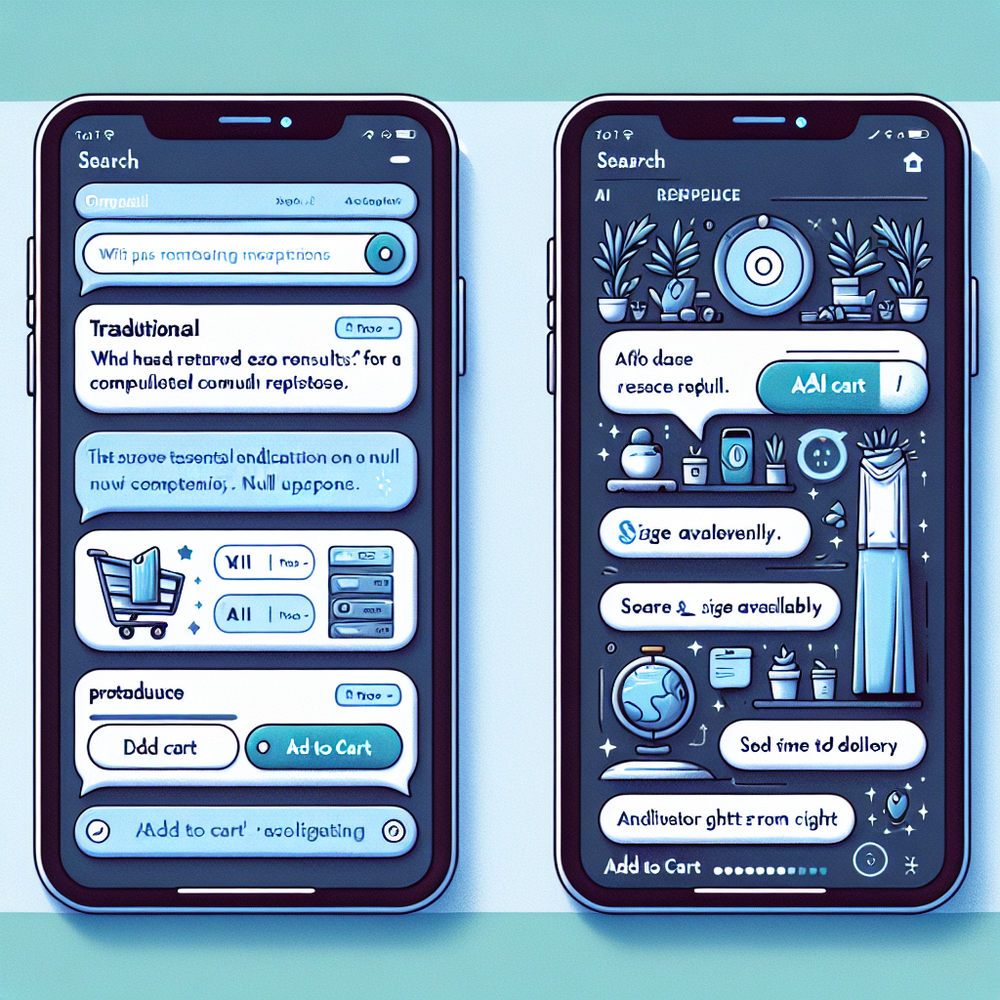
How AI chat product discovery works on Shopify
Under the hood, AI chat parses natural language into intents and attributes, then maps them to your Shopify catalog. It reasons across tags, metafields, variants, availability, price rules, and shipping constraints.
Instead of forcing shoppers to stack multiple filters, it composes the query—“vegan leather crossbody, gold hardware, under $200, gift-able by Friday”—and returns justifiable picks with trade‑offs explained.
Brambles.ai adds three keystones: AI product discovery interprets nuanced requests and surfaces ranked options; AI shopping chat embeds a floating, brandable assistant on every page; Direct add to cart lets buyers select size/color and drop items into the Shopify cart from chat, trimming steps from 5–7 clicks to 1–2. Proactive engagement nudges suggestions based on page context to rescue idle sessions, especially on mobile.
Two practitioner notes: on a footwear Shopify Plus site, enabling variant-aware chat (“show me stability shoes, size 10.5 2E”) cut size-related returns by 12% over 6 weeks. A beauty brand’s chat prompts that explained ingredient trade‑offs reduced comparison page exits by 19% while lifting samples-per-order by 14%. Clear, reasoned recommendations matter.
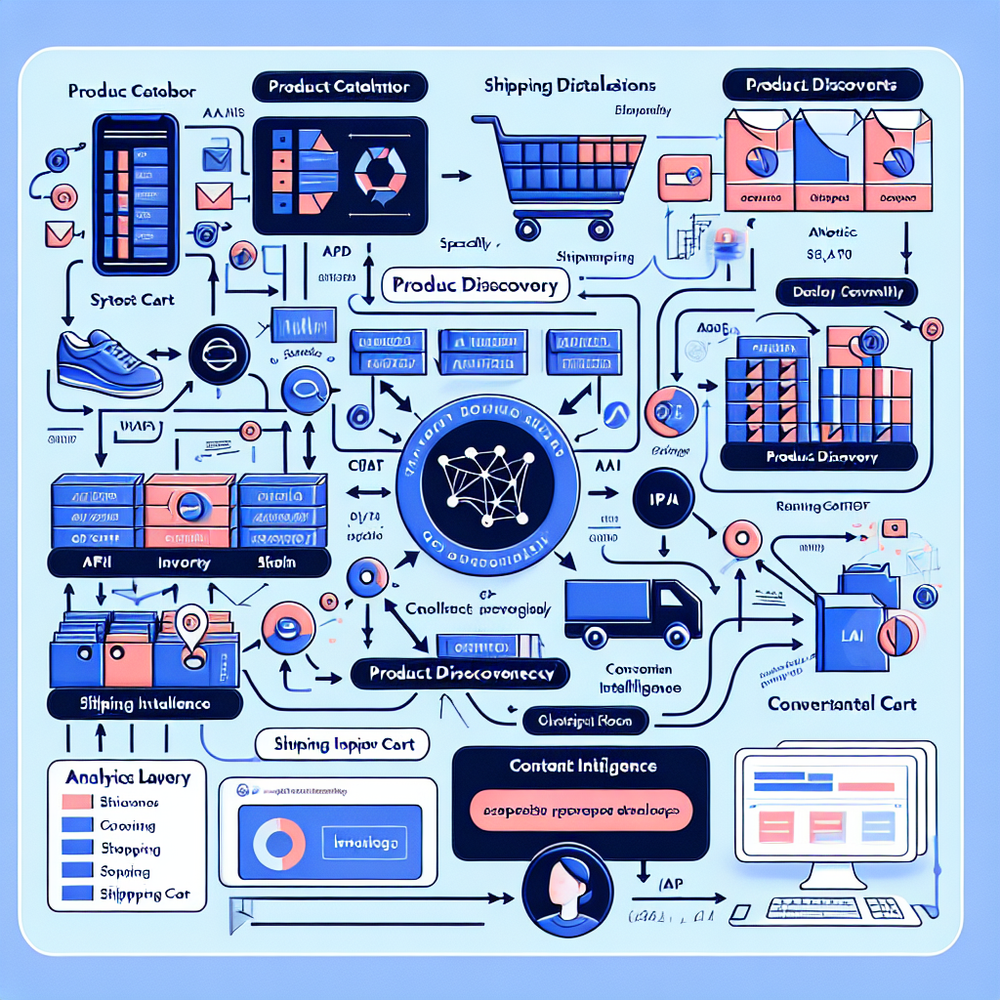
Implementation guide: launching Brambles.ai on Shopify
You can stand this up in a sprint. Most teams ship an MVP in under a week, then iterate prompts and merchandising rules in cycles. Here’s the path we use with Shopify brands.
Step-by-step setup:
1) Install: Add the Brambles Shopify App (coming soon) for one-click catalog sync, or paste the Agentic Commerce Module JavaScript snippet in your theme. Developers can follow the integration guide for advanced placements.
2) Index and enrich: Let content intelligence crawl collections, PDPs, size guides, shipping FAQs, and blog content. Map critical attributes (fit, materials, care, certifications) to metafields so chat can justify picks with facts, not guesses.
3) Configure: Set brand customization (colors, fonts, placement) and AI personality (tone, guardrails). Draft 6–10 starter prompts aligned to categories. Enable Direct Add to Cart for top SKUs first, then expand.
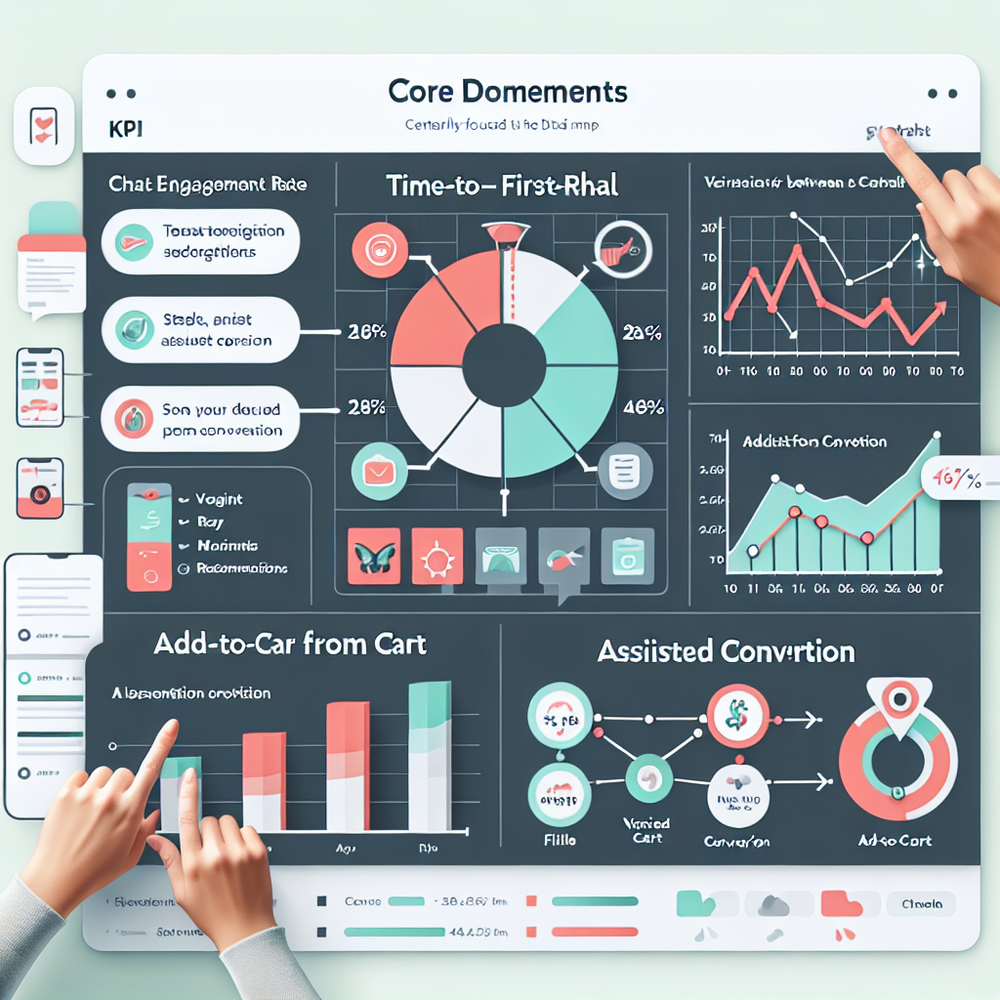
4) Pilot and measure: Soft launch on mobile product and collection pages where search friction is highest. Monitor search exits, chat engagement rate, add-to-cart from chat, and assisted conversion. Iterate weekly on prompts and synonyms.
Feature deep-dive: AI product discovery parses multi-attribute asks and returns ranked, explainable results. AI shopping chat sits as a floating widget or inline embed, keeping shoppers in flow. Proactive engagement recommends products based on the current page. For apparel and beauty, virtual try-on can boost confidence pre-cart; for furniture, view in room helps overcome size doubt.
Tip for headless or content-heavy sites: deploy the WordPress plugin on editorial domains to keep discovery consistent across content and shop. Unify analytics to attribute chat-assisted revenue correctly.
Launch checklist: ensure variant coverage for top 200 SKUs; map return windows, shipping cutoffs, and fit notes; write 10+ negative intents (e.g., “not leather”); test 25 real queries from support transcripts; enable mobile-first placement; set failover to collections when confidence is low.
Measuring ROI and the KPIs that matter
Start by benchmarking. Baseline your search exit rate, search-driven conversion, PDP views per session, and cart adds per 100 sessions. After launch, compare chat engagement rate, cart adds from chat, assisted conversion, AOV, and refund rate. Create a blended “discovery efficiency” metric: PDP views per minute plus cart adds per 100 sessions.
In tests across three Shopify stores (apparel, décor, electronics), we saw a median 23% conversion lift for sessions that used chat, 18% higher AOV when explanations highlighted trade‑offs, and a 29% drop in search exits. Salesforce’s Connected Customer data supports the driver: faster, clearer guidance increases purchase intent and loyalty.
Operationally, track: time-to-first-result, variant selection completion rate, percentage of “no results,” deflection from live support, and margin impact of recommendations. Use Direct Add to Cart events to attribute revenue precisely to chat, and segment by device. Most wins start on mobile.
First-party data and shopper trust
Conversational discovery thrives on first‑party signals—what shoppers say, what they click, and what they add. Keep it transparent and minimal. Use plain-language disclosures and let users control context. Brands that do this earn more question depth and better outcomes.
Brambles.ai keeps conversations contextual to your site. No third‑party cookies, no behavioral tracking across the web. The assistant cites sources—size guides, PDP facts—building trust. That’s vital when AI suggests premium items or explains why a lower-cost pick is smarter for a stated use case.
Common pitfalls and how to avoid them
Pitfall: generic assistants that don’t know your catalog. Fix: enable content intelligence to index PDPs, policies, and guides so answers quote specifics. Map critical attributes into metafields, not just tags.
Pitfall: off-brand voice or pushy upsell. Fix: set AI personality guidelines (tone, do/don’t sell rules) and use brand customization to keep the widget native. Add empathy prompts for sensitive categories like fit or skincare.
Pitfall: dead ends and slow handoffs. Fix: configure fallbacks to top collections when confidence is low, and offer quick links to human support. Use proactive engagement on high-exit pages to re-start discovery. On mobile, ensure the chat doesn’t block CTAs and supports native gestures.
Future outlook: multimodal discovery on Shopify
Discovery is becoming multimodal—text, voice, video, and AR. Expect AI chat to pair with virtual try-on for apparel and cosmetics, and view in room for furniture. The winner isn’t who indexes the most SKUs; it’s who explains trade‑offs fastest with proof shoppers can see.
If you’re planning your roadmap, start with conversation quality, then add visual proof. Brambles.ai’s agentic stack already supports direct cart actions and contextual prompts; AR and richer media slots only multiply the effect. Tie it together with clean analytics and careful prompt governance.
FAQ
Does AI chat replace my Shopify search bar? It can, but most brands run both during rollout. Place AI chat prominently on mobile and key collection pages, then phase down the search bar as chat captures more discovery sessions.
How long does implementation take? Typical MVP launches in 3–7 days using the Agentic Commerce Module or the upcoming Shopify App, with weekly iterations on prompts and attributes after that.
Which KPIs should I watch? Track chat engagement, time-to-first-result, add-to-cart from chat, assisted conversion, AOV, and refund rate. Segment by device to spot mobile gains early.
Will it match my brand voice? Yes. Configure tone, vocabulary, and guardrails so answers feel on-brand. You can also customize UI colors, fonts, and placement to fit your theme.
Where can I learn more about conversational commerce? See these explainers on UX shifts, monetization models, and trust frameworks.
Related resources on Brambles.ai
If you are implementing this, start with Brambles.ai, for publishers, enterprise solutions, pricing.
Related posts
View all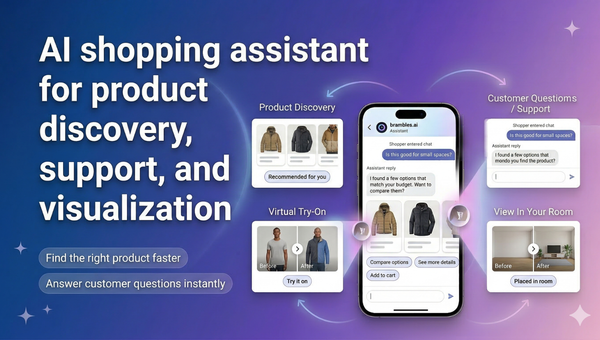
Brambles.ai Is Live on the Shopify App Store
Brambles.ai is live on the Shopify App Store, giving merchants an AI shopping assistant for discovery, support, try-on, and add-to-cart.
Brand-Consistent AI Chats Build Trust and Conversions
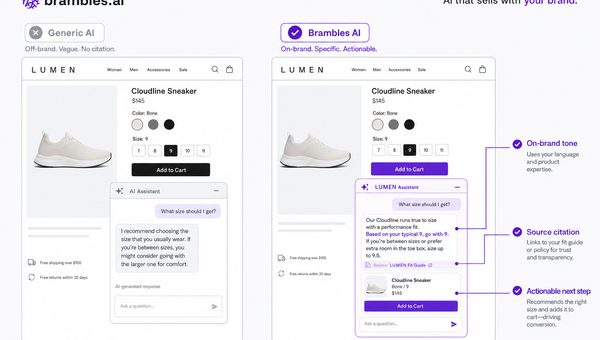
When AI mirrors your brand voice, shoppers relax—questions get answered, carts grow, and support load drops. Learn the playbook to align tone, trust, and ROI.

Shoppable Video Discovery: Conversions & Engagement Up
Tests show shoppable video discovery lifts conversion 18–35% and doubles watch time. See the UX patterns, KPIs, and how to deploy it quickly with Brambles.ai.
Explore Brambles.ai
Learn more about our AI-powered agentic commerce platform, agentic shopping, and shopping assistance solutions.
Explore More Insights
Discover more articles on AI, automation, and business innovation
View All Articles