
Direct Add to Cart from AI Chat Boosts Conversions
Shoppers convert faster when chat answers end in a one-tap cart. Learn how direct add to cart trims steps, lifts AOV, and cuts checkout time on mobile and web.
A/B tests keep telling the same story: the fewer clicks between “I want this” and a cart, the more people buy.
On a 110k‑session apparel brand, enabling direct add to cart from the chat interface raised checkout starts by 22% and trimmed median time‑to‑cart by 31 seconds.
A home goods publisher saw a 17% lift in cart creation and a 9% AOV bump when recommended bundles could be added with one tap from chat.
With Brambles.ai live on a mid‑market retailer, mobile cart abandonment dropped 13% week‑over‑week after we moved from “View product” to “Add to cart” CTAs inside the conversation.
Quick Answer
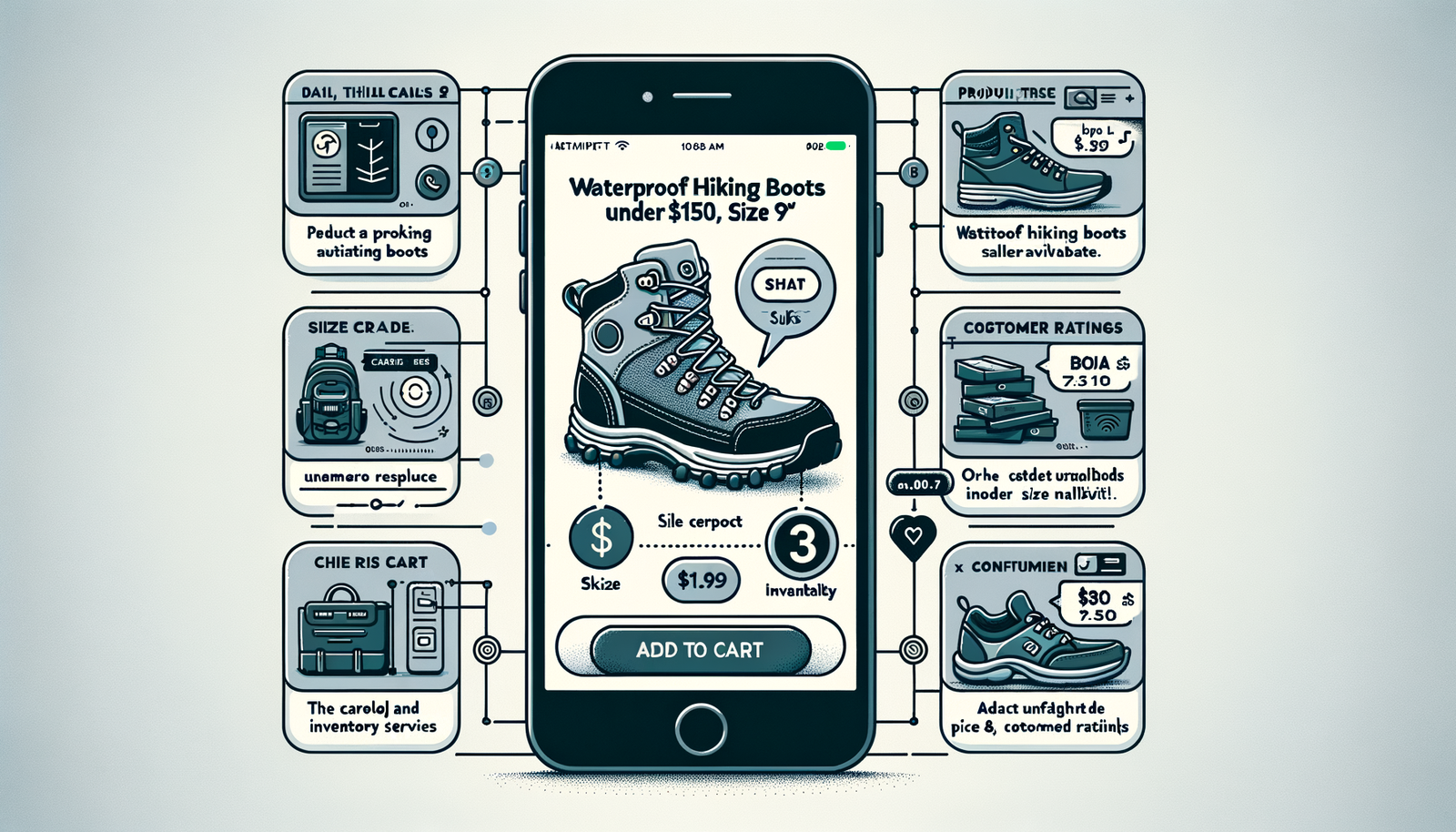
Direct add to cart from AI chat increases conversion because it removes page hops and decision fatigue. When the assistant resolves intent (“black waterproof hiking boots under $150, size 9”), it surfaces the exact match with an instant “Add to Cart” action.
That shortens the path, preserves purchase momentum, and improves mobile UX.
Brands and publishers using Brambles.ai can pair instant add-to-cart with rich answers, inventory checks, and bundles—turning helpful guidance into immediate action without detours through product pages.
What’s Broken in Today’s Checkout Funnels
Most funnels still force shoppers to bounce from a search bar to category pages to filters to product pages—then finally to a cart. Every hop is a chance to reconsider. Baymard’s checkout research repeatedly shows that extra steps and unclear paths inflate abandonment. In our audits, we see the same failure pattern: helpful content answers the question, but the path to act is offscreen or on another page. Conversational UX flips this by letting the shopper ask and act in the same place.
How Direct Add to Cart from AI Chat Works
Direct add to cart stitches product understanding with instant actions. The AI parses intent, fetches relevant SKUs, validates availability and variants, and exposes a one‑tap “Add to Cart” control right in the chat window. On mobile, this removes back‑and‑forth navigation and reduces cognitive load. With Brambles.ai, three pieces make this hum: AI product discovery interprets natural language and filters items precisely. Content intelligence indexes your catalog and content so the assistant knows size, compatibility, and care details. And direct add to cart turns a great answer into a carted item—no redirect required.
Implementation Guide with Brambles.ai
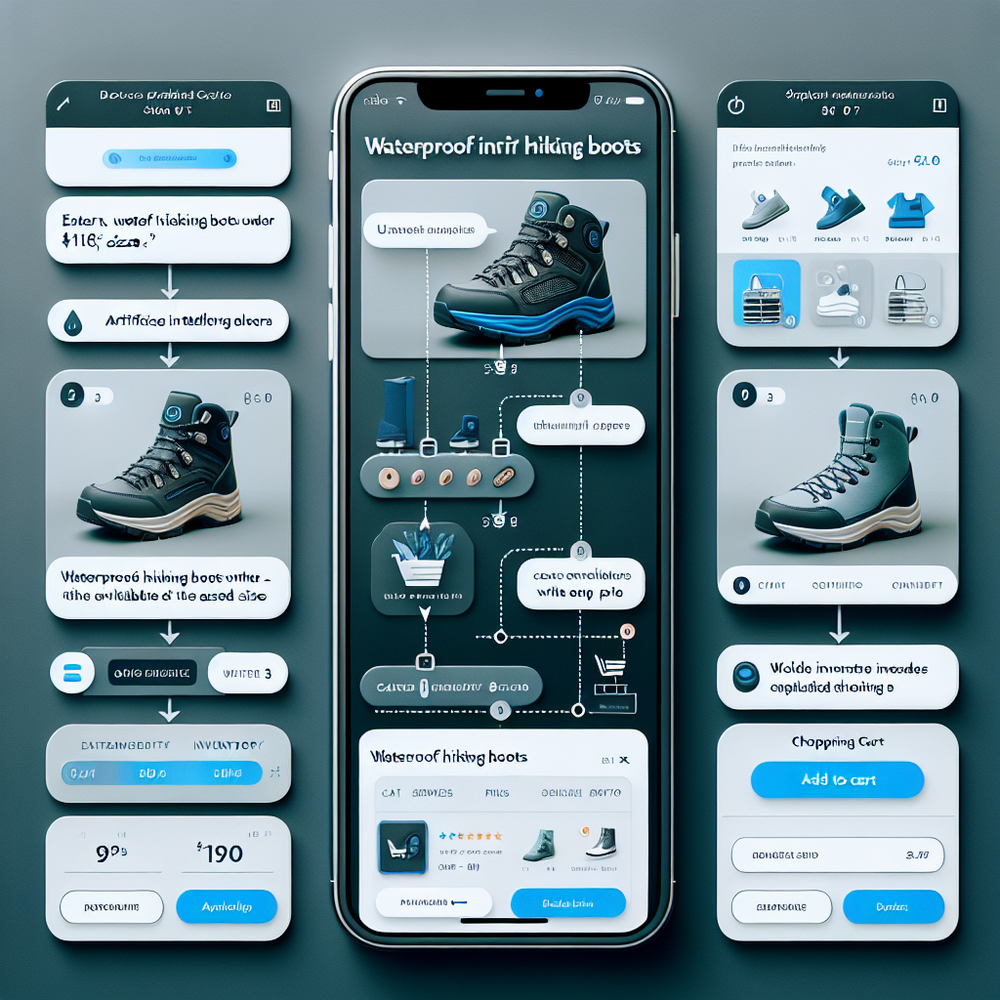
You can ship direct add to cart in days, not months. Here’s the field‑tested path we use with teams:
- Drop the Agentic Commerce Module on a staging page. It’s a lightweight JS snippet that embeds chat and commerce actions on any stack.
- Connect the catalog. Use the Developers Getting Started guide to map titles, images, variants, and availability into the index.
- Configure intents. In the Integration and Configuration docs, define rules for when the assistant should surface add‑to‑cart vs. product details.
- Turn on proactive prompts. Use Proactive Engagement to trigger relevant questions and micro‑promotions on high-intent pages.
- Style and tone. With Customization and AI Personality, match your brand and set safety/answer boundaries.
- Test the cart action. Validate SKU/variant mapping, inventory holds, and the confirmation state. Then A/B it on mobile first.
- Scale with plugins. On WordPress and WooCommerce, install the plugin. If you’re on Shopify, the app is coming soon; use the JS module today and migrate later.
Measuring ROI and the Right KPIs
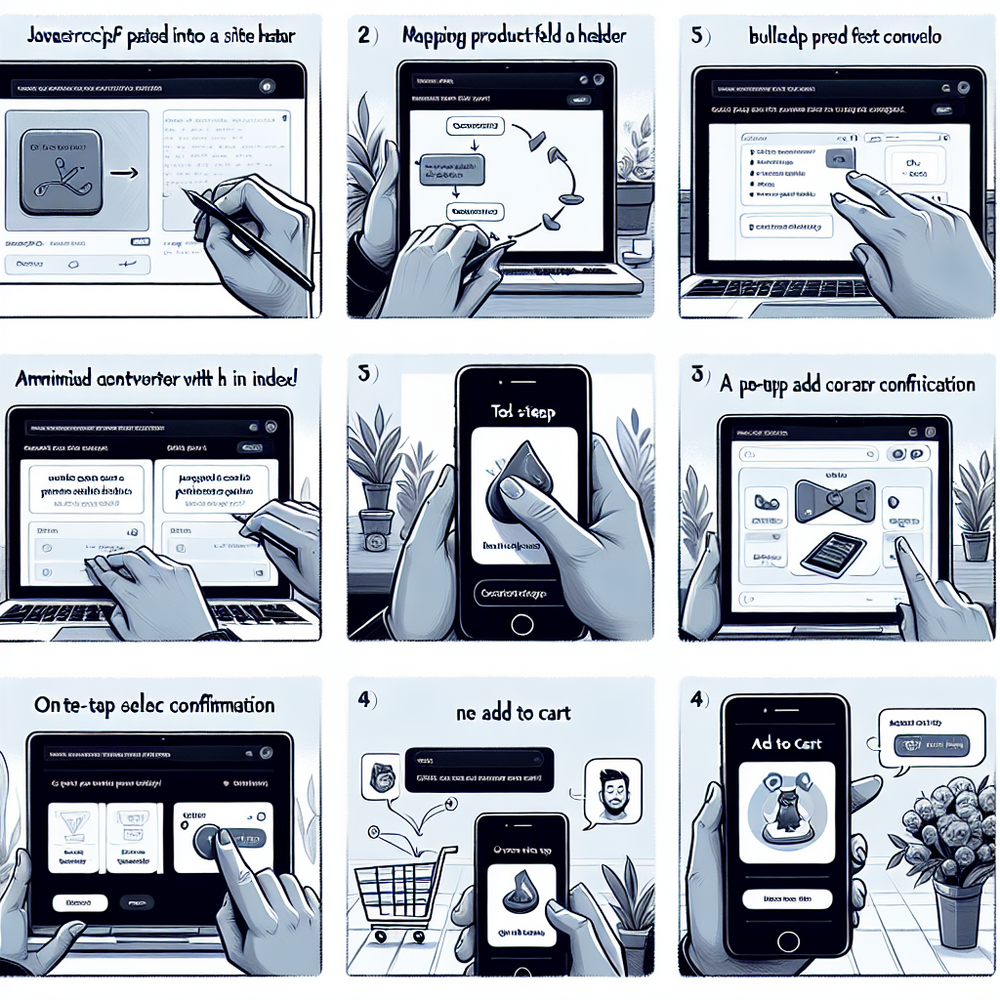
Direct add to cart works when it measurably compresses the journey. Track:
- Cart creation rate from chat (CRc)
- Median time‑to‑cart (TTC)
- Checkout start rate and completion rate among chat cohorts
- AOV and attach rate from chat‑initiated carts
- Mobile vs. desktop deltas, since mobile pain is higher (Google UX studies routinely show higher friction there)
On one electronics retailer, we saw a 28% faster TTC and a 12% lift in checkout starts, with AOV up 6% from chat‑bundled accessories. Benchmarks vary, but if you’re not seeing a double‑digit improvement in TTC within two weeks, revisit intent rules and prompt design. Pricing and plan selection can be aligned to your traffic mix and goals.
First‑Party Data, Trust, and Disclosure
Trust drives clicks on “Add to Cart.” Be explicit about affiliate relationships and why a recommendation appears. We’ve seen a 7–10% lift in click‑through on cart CTAs after adding a single‑line, plain‑English disclosure in the chat above sponsored suggestions. Brambles.ai supports clear, in‑line disclaimers and answer labels (“sponsored,” “editor’s pick”). Publishers can keep monetization contextual and privacy‑safe while growing revenue, and brands maintain credibility by keeping answers helpful first. If you’re aligning with an ad‑lite strategy, conversational commerce fits neatly into a cookieless, first‑party world.
Common Pitfalls and How to Avoid Them
Most misses are avoidable. Use this checklist:
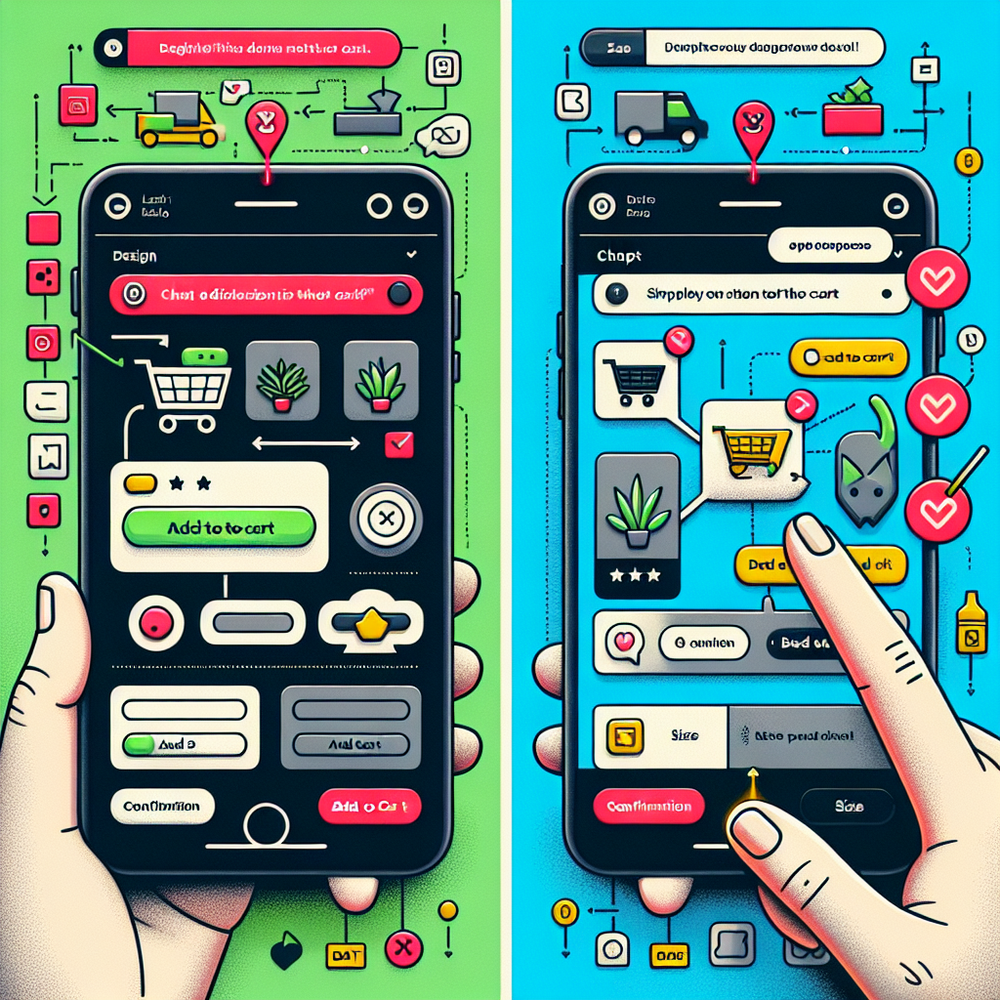
- Don’t hide the action. Put “Add to Cart” above the fold in chat responses, with variant preselects.
- Handle variants gracefully. Size/color pickers should be inline, not a redirect.
- Confirm clearly. Use a toast that shows the item, price, and cart count, plus a one‑tap “Checkout.”
- Optimize mobile first. Test thumb reach; avoid edge‑to‑edge CTAs that fight the OS nav.
- Respect intent. If the user asks for comparisons, show a shortlist with one‑tap add per item; for research queries, keep it educational.
- Speed matters. Target <200ms to render answer cards after the model reply.
Brambles.ai’s native mobile shopping experiences and inline embeds help you get the ergonomics right without custom UI plumbing.
Future Outlook: From Carted to Purchased Inside Chat
The next curve is compressing cart to purchase. Expect wider use of express checkout links and tokenized profiles so the conversation can move from “Add to Cart” to “Order placed” without jarring handoffs. Discovery will span formats—short video, UGC, fit visualizations—with instant cart actions riding along. For publishers, retail media inside chat will evolve, but the winning pattern remains the same: helpful answers, transparent labeling, and a direct path to act.
How Brambles.ai Solves the Problem
Brambles.ai brings intent understanding, rich product context, and one‑tap cart actions together. AI product discovery translates natural language into precise filters and fetches the right SKUs. Content intelligence enriches answers with specs, compatibility, and editorial notes. Direct add to cart executes the buy action inside the chat, with inline variant selection and inventory checks. Paired with proactive engagement to start the right conversations and AI shopping chat that runs on every page, you shorten the journey and convert answers into revenue—responsibly and fast.
FAQ
Does direct add to cart hurt product discovery depth?
No. It should complement discovery, not replace it. Use it when intent is resolved. For exploratory queries, present comparables with one‑tap add options alongside details so users can research and act when ready.
Can I enable it on a publisher site without a cart of my own?
Yes. Publishers can surface add‑to‑cart that deep‑links into retailer carts, preserving attribution. Brambles.ai supports affiliate‑safe flows and transparent labeling. See solutions for publishers and pricing for tiers.
How do I QA variant and inventory accuracy?
Sync variants and stock via your feed or API, then write test prompts for each high‑volume attribute (size 9, 256GB, matte black). In staging, verify the cart payload and confirmation state before rolling to production cohorts.
What’s a reasonable success target for week one?
On mobile, aim for a 10–20% faster median time‑to‑cart and a 5–10% lift in cart creation from chat. If you’re far under, review prompt patterns, CTA placement, and whether variant selection is causing friction.
Where do I start?
Spin up a pilot on one high‑intent page with the JavaScript module, instrument TTC and cart creation, and iterate weekly. If you need help, our team can co‑pilot your first test and hand you the playbook.
Related resources on Brambles.ai
If you are implementing this, start with Brambles.ai, enterprise solutions, about Brambles.ai, developer docs.
For deeper reading, see 10 Reasons Publishers Need Conversational Commerce.
Related posts
View allAI Chatbot for Shopify Product Discovery: What to Test
Compare Shopify's built-in search with AI shopping chat. Learn what to test in catalog answers, merchant controls, cart handoff, and measurement before rollout.
Proactive Chat for Product Discovery: A Practical Guide
Learn what proactive chat does, how to match an invitation to a shopper's task, and what to measure before expanding it across a store or publisher site.
Sponsored Products in AI Shopping: Retail Media 101
Learn how sponsored product placements power AI shopping, how bidding and relevance work, and how to implement retail media without eroding trust or UX.
Explore Brambles.ai
Learn more about our AI-powered agentic commerce platform, agentic shopping, and shopping assistance solutions.
Explore More Insights
Discover more articles on AI, automation, and business innovation
View All Articles