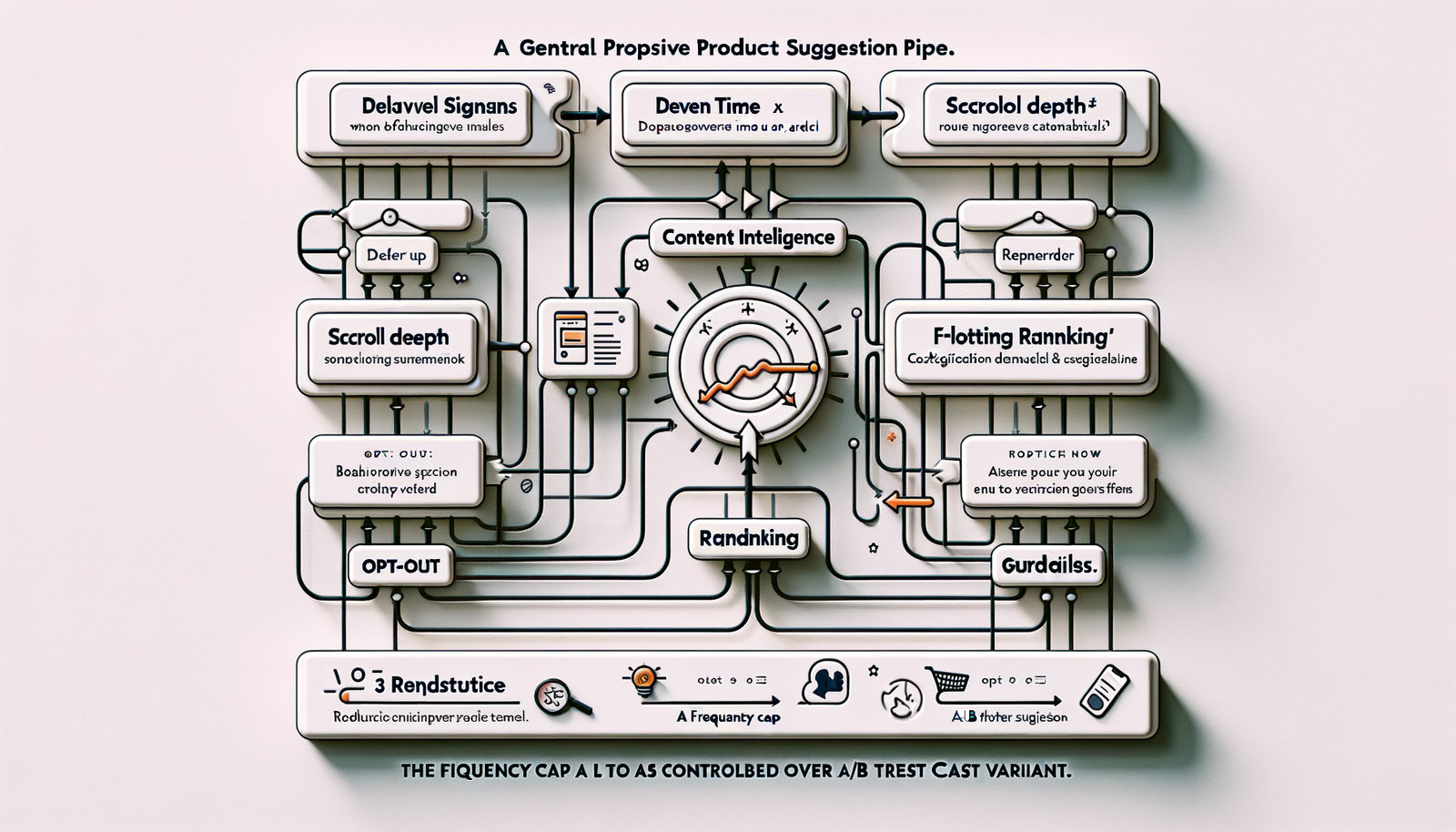
AI Proactive Product Suggestions That Engage Visitors
Turn passive browsers into buyers with AI-driven, proactive product suggestions. Learn the UX patterns, metrics, and steps to deploy it without feeling pushy.
On a 600k-session home goods site, a single contextual nudge—shown after 30 seconds of dwell time and 60% scroll—drove a 31% lift in product discovery without spiking bounce.
Another test on a media publisher’s gift guides replaced a generic exit-intent popup with a low-key “Want options under $50?” prompt. Result: 22% more clicks to merchants and an 11% AOV bump in two weeks.
Passive visitors aren’t disinterested; they just need the right invitation.
The best results came when the message matched page context and intent signals—category, price sensitivity, device, referrer—not when we blasted everyone.
Baymard’s research consistently shows findability and decision friction as top checkout and discovery killers. Small, timely nudges bridge that gap without feeling like marketing.
Done well, proactive suggestions feel like a helpful store associate who overheard the question you didn’t ask yet.
Quick Answer
Proactive product suggestions use behavior and context signals—like dwell time, scroll depth, page type, and referrer—to trigger tailored recommendations before users ask. The key is restraint and relevance: cap frequency, align suggestions to the page’s job, and include one-tap actions (compare, save, add-to-cart). With Brambles.ai, you can configure these nudges with guardrails, test variants, and measure uplift across CTR, conversion rate, and AOV.
What’s Broken: Passive Visitors Aren’t Actually Idle
Most sites wait for users to search or open filters. Many never do. They skim, hesitate, and leave—especially on mobile, where typing is high-friction. Google UX research shows micro-frictions compound quickly; a few extra taps or seconds wreck intent.
McKinsey reports personalization can lift revenue 10–15%. The opportunity is to meet users half‑way with context-aware prompts that remove the next decision.
Conversation-led interfaces have already normalized this pattern. Instead of forcing keywords, the interface offers options and clarifies needs in plain language. If you’re exploring this shift, start with a primer on how shoppers prefer dialogs over forms and filters in modern retail UX.
Publishers have a related challenge: monetization without creepiness. Contextual suggestions inside content can help users act on inspiration with fewer dead ends—and earn fairly through affiliate or retail media when disclosed properly.
How Proactive Suggestions Work
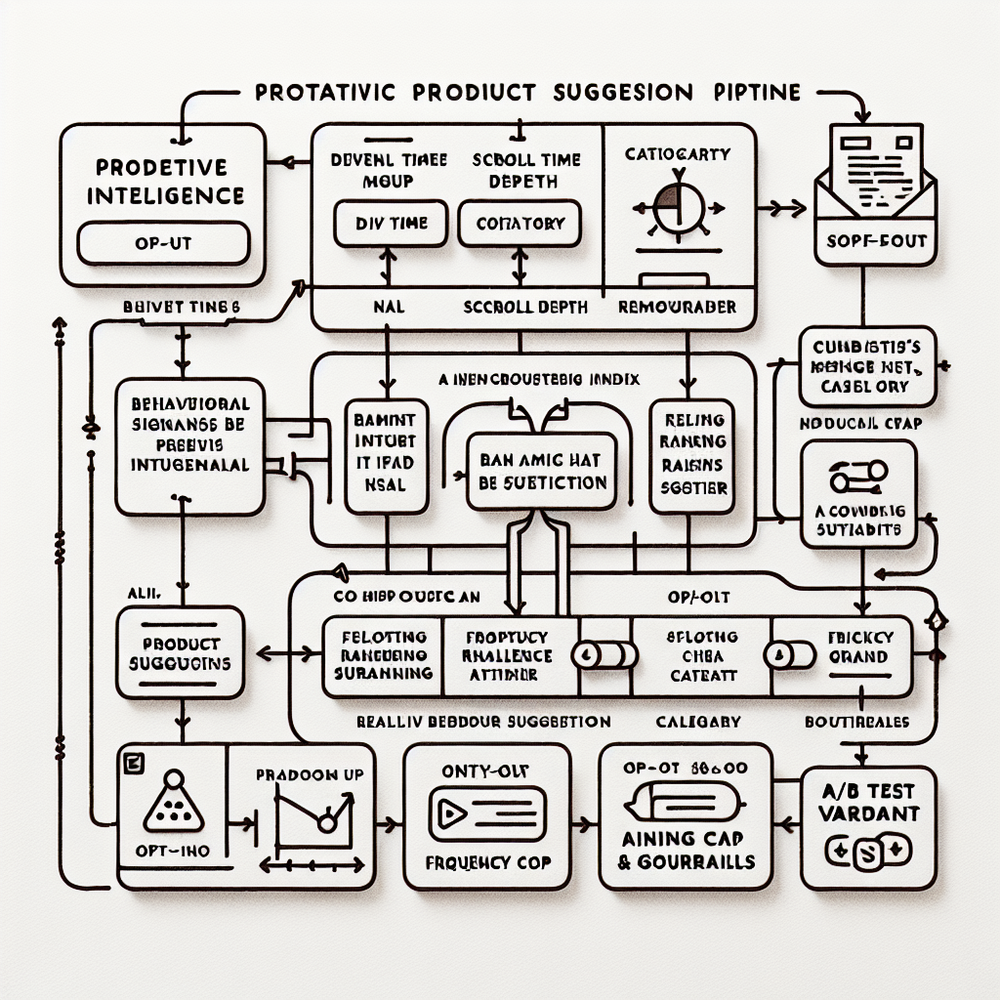
Think in three parts: signals, suggestion logic, and UI. Signals include dwell time, scroll, category, price band, inventory, and referrer. Logic ranks likely needs—e.g., budget versions, complementary items, or size guides.
The UI delivers with minimal friction: a quiet chip, inline card, or chat opener—never a full-screen roadblock. Frequency caps and opt-out maintain trust. Keep the first suggestion single-purpose and actionable.
With Brambles.ai, the Proactive Engagement feature watches page context and behavior to trigger helpful prompts—“Want to compare widths?” or “See in your room?”—without interrupting browsing. Content Intelligence indexes your catalog and content so the system understands product attributes and relationships, powering highly precise suggestions.
When a user engages, AI Product Discovery smart-filters inventory via natural language and returns options that match constraints like price, fit, or availability. If a product is a match, Direct Add to Cart removes the hopscotch: users can commit from the suggestion thread and keep momentum.
Implementation Guide with Brambles.ai
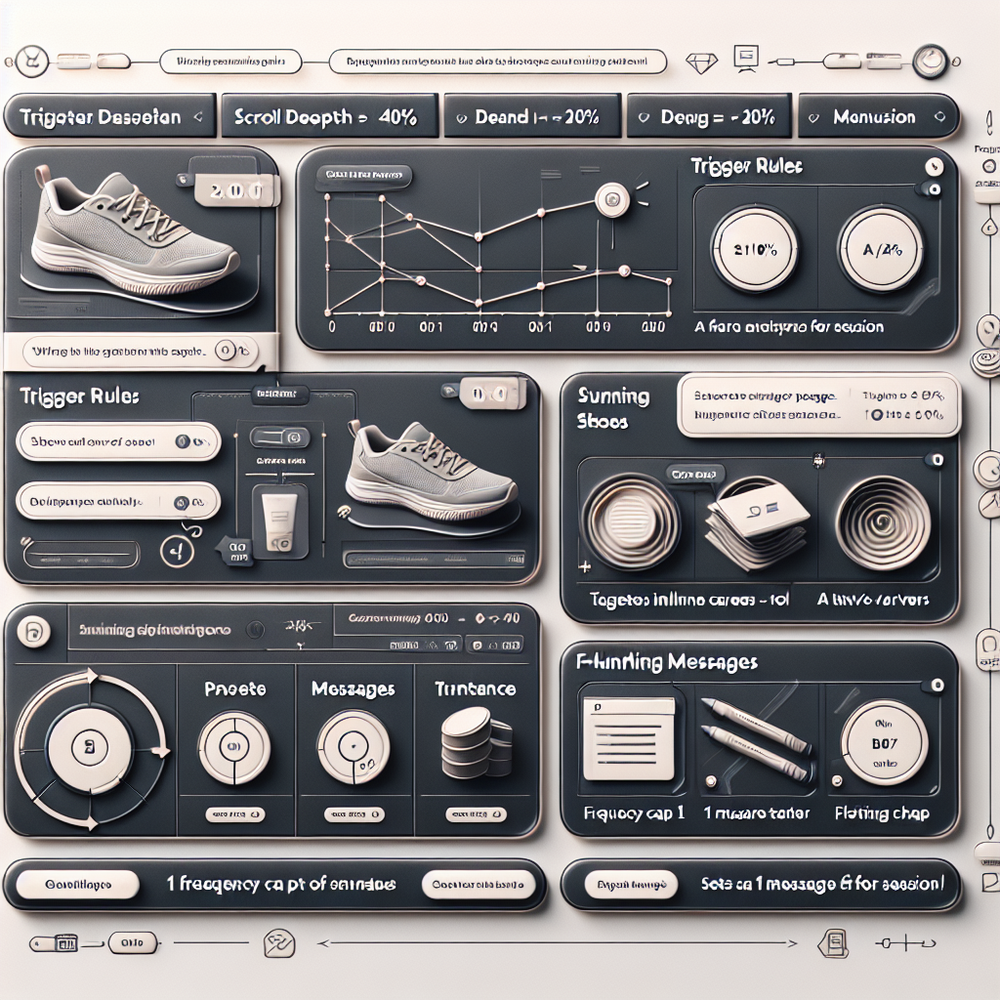
Good implementations start small. Pick one high-traffic template (e.g., category pages) and one intent signal (e.g., 40% scroll + 20s dwell). Offer one next step: compare top 5, see similar under $100, or check fit. Then iterate messaging and timing with A/B tests until interaction rate stabilizes above baseline.
Set up quickly using the Agentic Commerce Module—drop a JS snippet or install our WordPress plugin or Shopify App. You’ll get a floating AI Shopping Chat and optional inline embeds that can be targeted per page type, tag, or collection.
Feature setup in brief: Proactive Engagement defines triggers and caps; AI Product Discovery handles retrieval in natural language; Content Intelligence improves precision via site indexing; Direct Add to Cart lets users purchase from the conversation; AI Personality sets tone; Brand Customization makes it feel native.
Step-by-step checklist:
- Identify pages with high dwell and low CTR to PDPs. - Choose one trigger and one suggestion. - Write two message variants (friendly vs concise). - Cap at 1 suggestion per session per template. - Test mobile-first. - Ship a 14-day A/B test with a 10% holdout. - Review CTR, add-to-cart, and AOV. - Expand to two more templates.
Implementation notes from the field: On an apparel brand, swapping “Need help with size?” for “Find your fit in 20 seconds” raised suggestion CTR by 19% and reduced returns by 7% month-over-month. On a publisher’s review hub, a price-band prompt (“Top picks under $75”) outperformed generic recommendations by 28% CTR.
Developers can configure triggers and surfaces via the dashboard or code. The integration guide covers widget placement and event hooks, while configuration docs outline frequency caps, exclusions, and variant weights. If you’re an enterprise team, our SLAs and dedicated support keep rollouts predictable.
Measuring ROI and KPIs
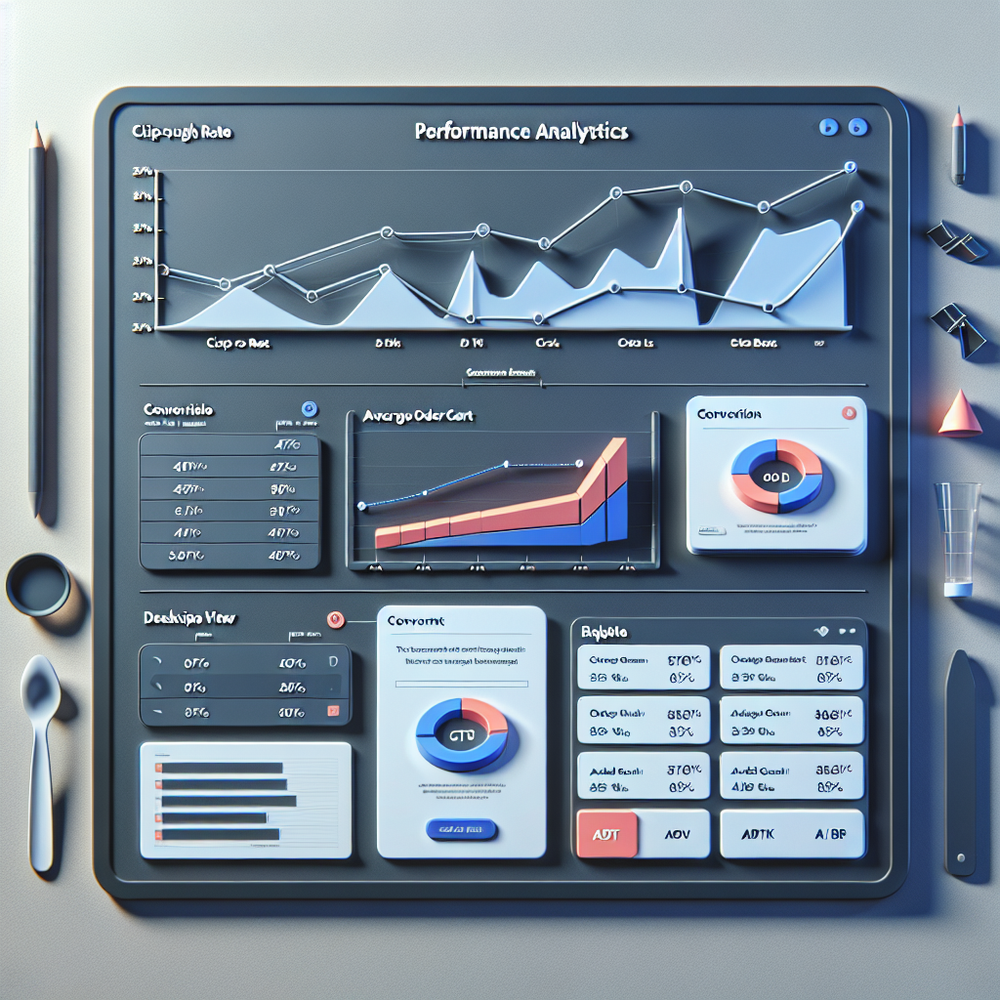
Start with suggestion CTR, then track assisted metrics: product views per session, add-to-cart rate, conversion rate, and AOV. Segment by surface (inline vs chat), trigger type, and device. Hold out 10–20% of eligible sessions for a clean read. Use 14–28 days to smooth seasonality and influencer/referrer spikes.
Benchmarks we’ve seen: 6–12% suggestion CTR on category templates, 3–6% on articles; +5–15% PDP views; +3–8% add-to-cart; +4–12% AOV when bundling or budget pivots are included. Your mileage varies by assortment and brand equity, but these provide guardrails for planning and pricing.
For publishers, proactive suggestions can also route demand to the right merchants without cluttering layouts. See our analysis of where conversational commerce beats banner ads for earning power and user satisfaction.
First-Party Data, Trust, and Tone
Trust is the moat. Use first-party behavioral signals, explain why the suggestion appears, and maintain a visible dismiss/opt-out. Keep prompts helpful and human—no hard sells. AI Personality lets you tune tone, while Brand Customization keeps colors, typography, and iconography on-brand.
If commerce is involved, disclose clearly. We prefer inline copy like “We may earn a commission on links.” It sets expectations without scaring users. For patterns and scripts that work in chat-based flows, study our deep-dive on disclosures done right and our vision for an ad‑free, choice-first shopping internet.
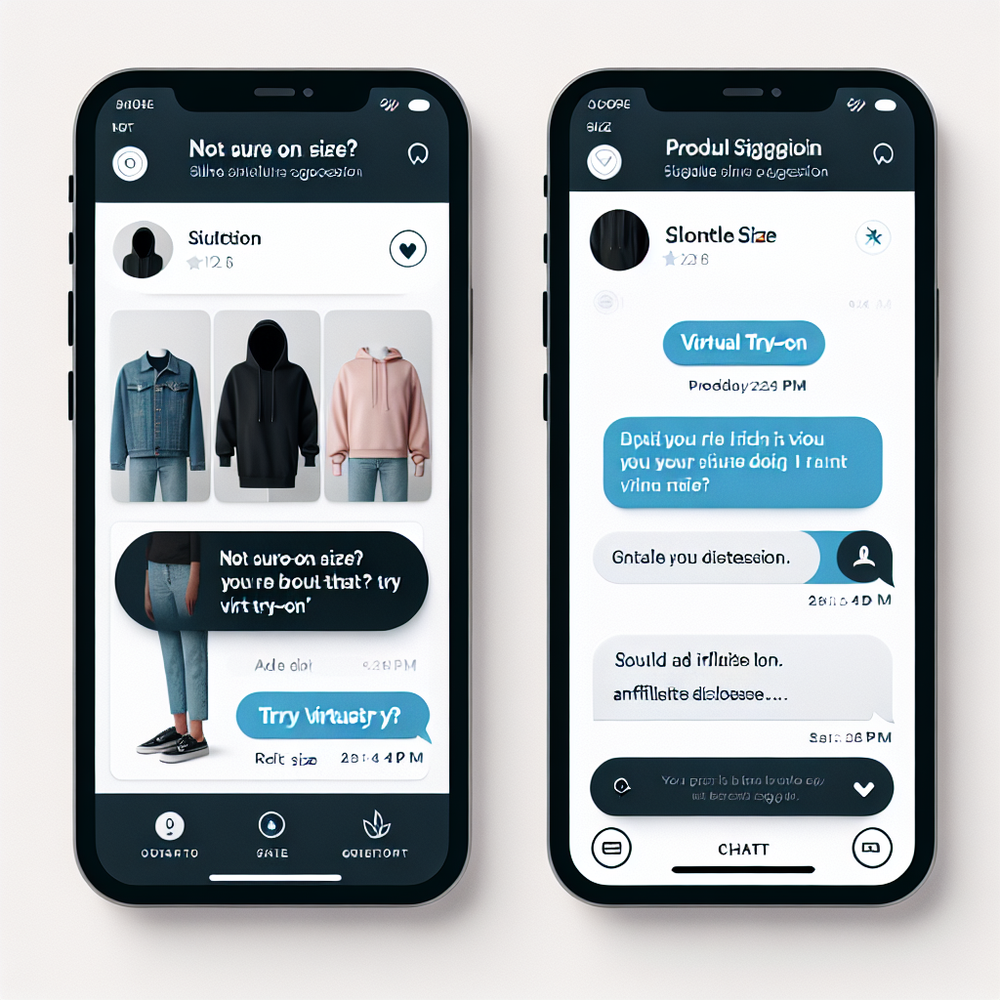
For retailers, pair proactive suggestions with visual confidence boosters. “View in room” and “Virtual try-on” eliminate doubt on size, fit, and style—especially on mobile. These reduce returns and boost conversion while keeping the interaction opt-in and respectful.
Common Pitfalls to Avoid (Checklist)
- Too many prompts: Cap at 1 per session per template. - Off-context messages: Tie copy to the page’s job. - Premature upsells: Suggest education or comparison first. - No escape hatch: Always include dismiss and cooldown.
- Desktop bias: Design for thumb reach on mobile. - Ignoring stock: Filter out low inventory. - No holdout: You can’t prove lift without a control.
One more: don’t overfit early winners. As assortment and seasons change, rotate suggestions and revisit guardrails. We’ve seen a spring footwear prompt underperform in fall until we switched to “weather-ready picks,” recapturing a 14% CTR loss. The best systems evolve with context and timing.
Future Outlook: From Nudges to Agentic Shopping
Proactive suggestions are the first rung. Next is agentic commerce—systems that negotiate constraints, compare tradeoffs, and act with permission. Brambles.ai is building toward this with composable features: discovery, reasoning, and in-thread actions that collapse the purchase path while staying transparent and brand-safe.
If you’re ready to pilot, choose a plan that fits your traffic, run a 14-day test on one template, and expand with confidence. Our team can help with messaging and KPI design so you see signal fast and avoid learned helplessness from noisy tests.
FAQ
What triggers work best for proactive suggestions?
Start with dwell time plus scroll depth on high-intent templates (category, search results, long-form guides). Layer referrer (ad vs organic), device, and inventory health. Avoid exit-intent everywhere; it’s often too late and too loud on mobile.
How do we keep suggestions from feeling spammy?
Cap frequency, match message to context, offer real help (compare, fit, budget), and honor dismissals. Use friendly, concise copy. Brambles.ai’s frequency caps and AI Personality settings keep tone and timing consistent with your brand.
Which KPIs prove lift beyond clicks?
Track add-to-cart rate, PDP views per session, conversion rate, AOV, and return rate. For publishers, measure merchant clicks, EPC, and time on site. Always keep a 10–20% holdout for causal inference, not just correlation.
How does this fit with conversational commerce?
Proactive suggestions are the on-ramp to conversation. They help users articulate needs and open the door to a guided dialog that resolves constraints faster than filters can. See our perspective on why this model outperforms banners and cluttered menus.
Can we use this in articles without breaking layout?
Yes. Use inline suggestion cards scoped to headings or sections. With Brambles.ai you can embed contextual recs right inside content blocks and limit frequency to protect readability.
Related resources on Brambles.ai
If you are implementing this, start with about Brambles.ai, developer docs, AI customer service, native mobile shopping.
Related posts
View all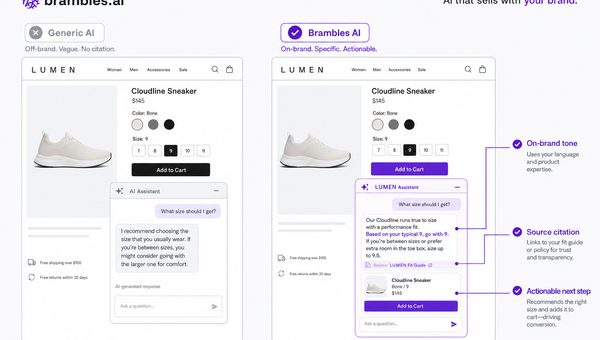
Brand-Consistent AI Chats Build Trust and Conversions
When AI mirrors your brand voice, shoppers relax—questions get answered, carts grow, and support load drops. Learn the playbook to align tone, trust, and ROI.
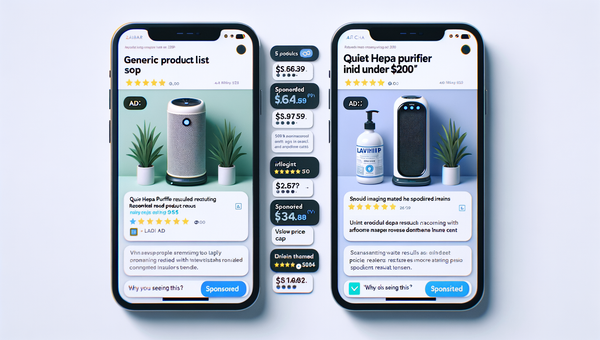
Sponsored Products in AI Shopping: Retail Media 101
Learn how sponsored product placements power AI shopping, how bidding and relevance work, and how to implement retail media without eroding trust or UX.

Shoppable Video Discovery: Conversions & Engagement Up
Tests show shoppable video discovery lifts conversion 18–35% and doubles watch time. See the UX patterns, KPIs, and how to deploy it quickly with Brambles.ai.
Explore Brambles.ai
Learn more about our AI-powered agentic commerce platform, agentic shopping, and shopping assistance solutions.
Explore More Insights
Discover more articles on AI, automation, and business innovation
View All Articles