
Multi‑Network Affiliate Optimization: Auto Best Rate
Route clicks across affiliate networks automatically to secure the highest commission, lift EPC, and preserve UX—practical tactics, data, and implementation ste
Multi‑Network Affiliate Optimization: Auto Best Rate
Two Tuesdays ago, a mid-market gear review site (210k sessions/month) pinged me: their top outdoor retailer quietly dropped from 12% to 8% on Network A. We flipped their links to the same merchant on Network B—paying 11% with a longer cookie—inside 48 hours. EPC rose 31% week over week, and no UX changes were needed. This is the core promise of multi-network affiliate optimization: route each click to the best rate automatically, without fracturing editorial workflows or reader trust.
I’ve repeated this pattern across home decor, consumer tech, and beauty. Rates swing. SKUs go out of stock. Geo-availability shifts. If you’re locked to one network or a static link, you leave money on the table and generate dead ends for shoppers. The fix is a routing layer that evaluates real-time signals—commission, EPC, stock, geo, and policy—and decides where to send each click.
Quick Answer
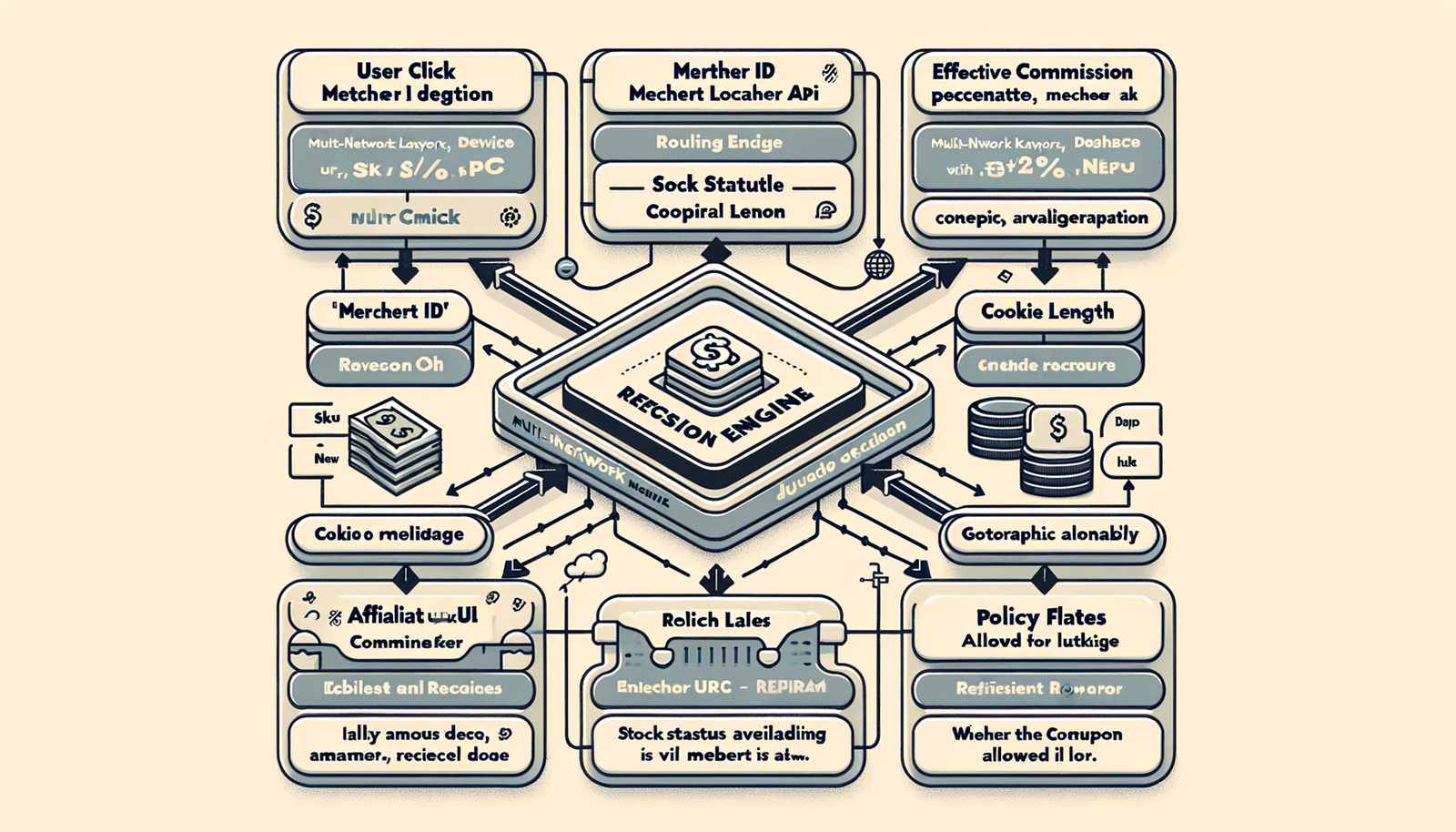
Use a decision engine that compares each merchant across multiple affiliate networks in real time—effective commission, EPC, cookie, stock, geo, and compliance—and routes the click to the best destination. Pair first-party click tracking with SubID mapping to measure true EPC and auto-learn the winning path. Tools like Brambles.ai implement this as a lightweight script, plus WordPress/Shopify integrations, so editors keep their existing links while the router updates behind the scenes.
What’s Broken With Single-Network Links
Single-network dependency fails because rates and availability change faster than your CMS. Merchants run promos on one network, pause on another, or shift cookie windows.
Meanwhile, coupon and cashback sites snipe last click, and broken deep links quietly tank trust.
Baymard’s UX research consistently shows friction and broken paths escalate abandonment; affiliate is no exception (see also Google/SOASTA: a page slowing from 1s to 3s raises bounce probability by 32%).
Publishers also struggle with regional traffic. A US-centric network might underperform in the EU or APAC because of payment rails or catalog coverage. During a September test on a 120k-session home site, auto-routing EU clicks to a stronger regional network lifted RPM 18% with zero editorial changes. If you rely on manual link swaps, you’ll miss these gains and introduce errors.
Finally, the current workflow is brittle. Editors paste a link; weeks later, the deal changes. Without a routing layer, your only remedy is to chase spreadsheets and retrofits. A better pattern is to let a rules engine decide the path at click time, while disclosures and experience remain consistent—something we’ve covered in depth in our piece on conversational UX and shoppable content.
How Multi-Network Best-Rate Routing Works
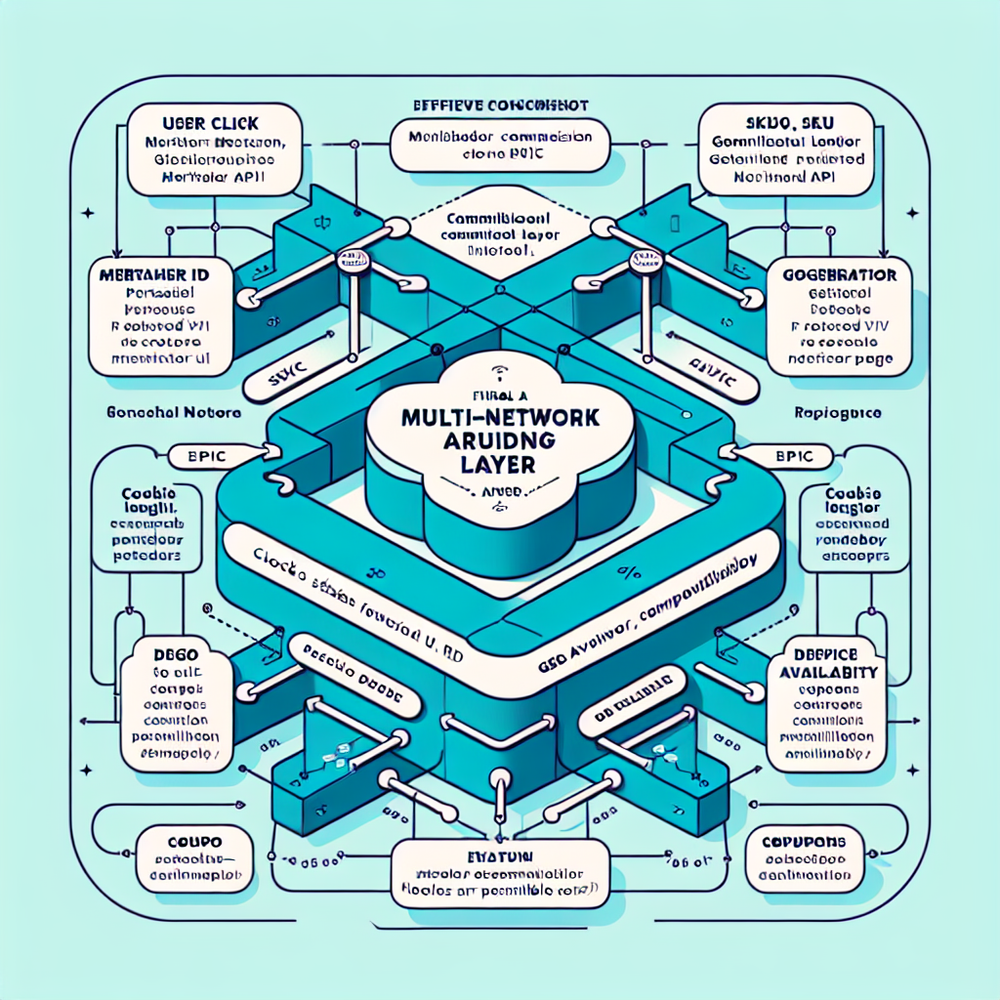
The router evaluates multiple candidates for the same merchant or SKU, then sends the click to the option with the highest expected value.
The core inputs are effective commission (base + bonus tiers − network fees), observed EPC, cookie duration, stock, geo coverage, and policy restrictions on coupons or loyalty overrides.
Weighting is configurable and should be validated with A/B logic on a small traffic slice before scaling.
Brambles.ai powers this with three complementary capabilities. First, Affiliate Revenue unifies 1B+ products and networks, then evaluates which path yields the highest expected payout for each click. Second, Content Intelligence indexes your site so product mentions, SKUs, and merchants are recognized reliably and resolved to the right offers. Third, AI Shopping Chat brings this logic to readers in natural language, making shoppable answers that still respect your routing rules.
On a 100k-session apparel site, we watched Network C advertise 14% commission but pay out less than Network D’s 12% once returns were accounted for. The router learned this within 72 hours via SubIDs and shifted 64% of clicks to D, netting a 42% EPC lift across the top 50 URLs. Human pattern-matching can’t keep up with that pace—your rules engine must.
Implementation With Brambles.ai
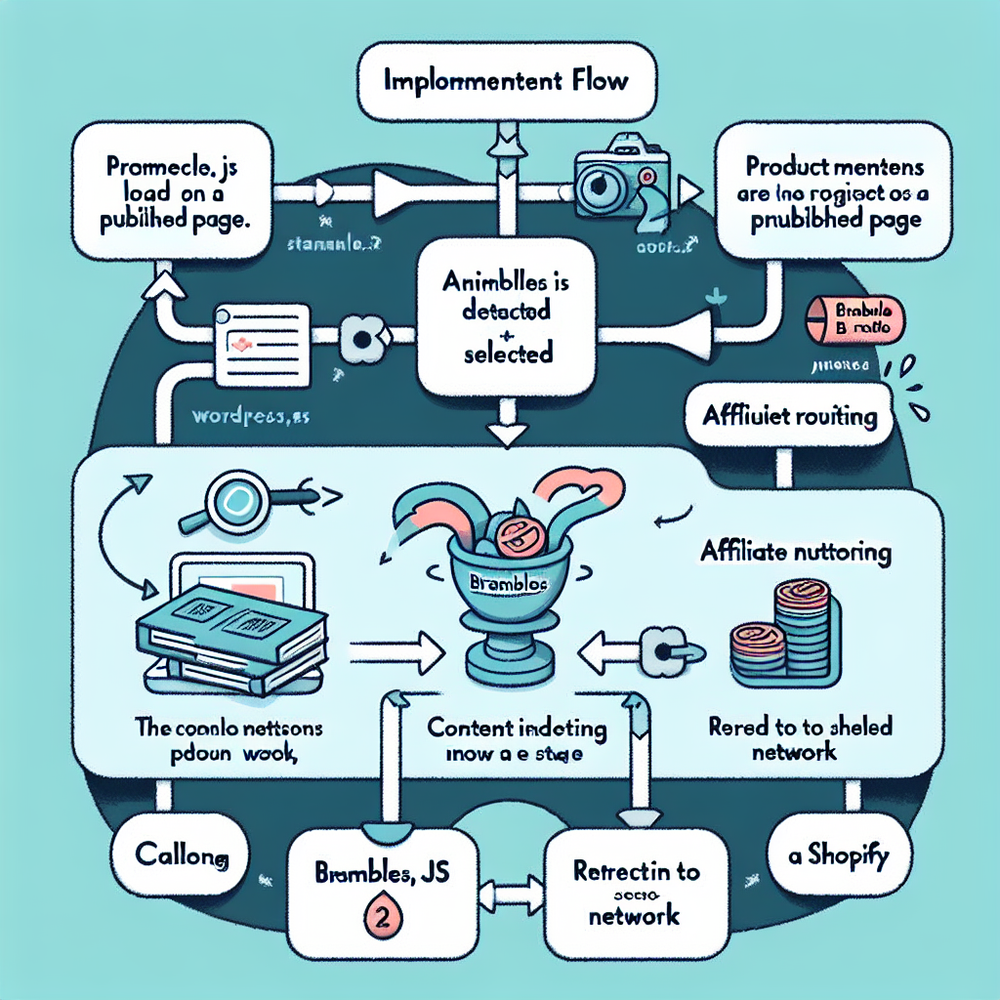
You don’t need to rebuild your CMS. Drop in the Agentic Commerce Module, map merchants, and let the router run on a small traffic slice before full rollout. Editors keep pasting links the way they always have; the decision happens at click time.
Step-by-step: 1) Install via the WordPress plugin or Shopify App if applicable. 2) Configure network credentials and SubID schema. 3) Enable Content Intelligence to index product mentions and canonicalize merchant IDs. 4) Turn on Affiliate Revenue with best-rate routing and set weighting for EPC vs commission. 5) Add AI Shopping Chat or Inline Shopping Embed to surface shoppable guidance without disrupting editorial. 6) Pilot on 10% of sessions and measure EPC/RPM deltas.
Technical teams can fine-tune via our Developer Docs: map SubIDs, pass geo and page taxonomy, and define fallbacks when a merchant is OOS. If you sell your own SKUs, add Direct Add to Cart from chat to capture demand you’d otherwise send to affiliates—while preserving affiliate routing on external links. Enterprise teams get SLAs and custom connectors when you need them.
Feature recap for this use case: Affiliate Revenue automatically evaluates and routes to the highest-yield network path for each click. Content Intelligence indexes your entire site to resolve products and merchants cleanly. AI Shopping Chat adds a floating assistant that answers product questions and respects routing. Inline Shopping Embed lets you insert shoppable modules into articles without code-heavy builds.
Measuring ROI & KPIs
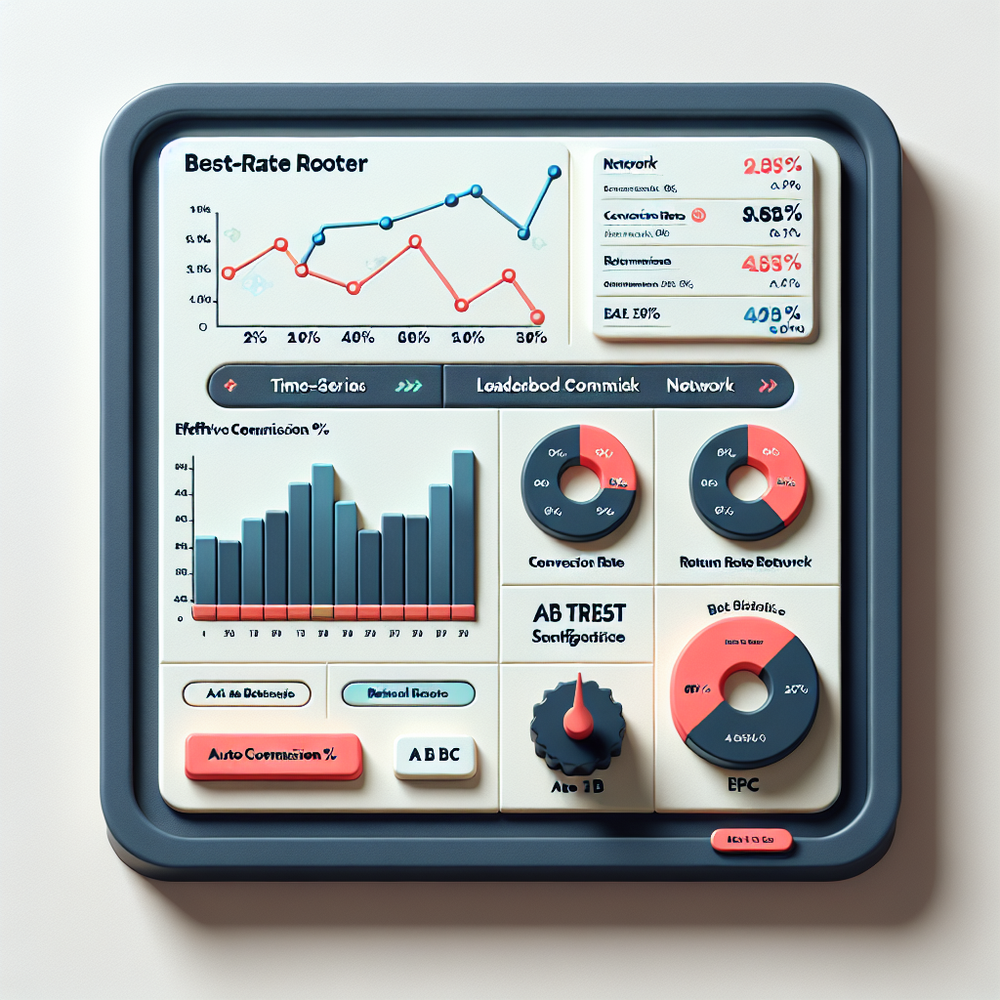
Anchor on EPC and RPM, then sanity-check with conversion rate, AOV, and return rate by network. A clean evaluation pairs a 2–4 week baseline with a 10–20% traffic pilot using randomized assignment. Use SubIDs to label the selected network, weighting version, and merchant to enable apples-to-apples comparisons and fast rollbacks if something underperforms.
Watch latency. Click resolution should add milliseconds, not seconds. Google’s performance research shows even small slowdowns spike bounce; keep redirect chains tight (Google/SOASTA). If you’re adding conversational surfaces, ensure they’re contextual and quick—publishers adopting guided, on-page shopping saw healthier engagement in our analysis and in this perspective on conversational UX.
Operationally, set weekly guardrails: if a network’s effective EPC falls 15% below the next best option for three days, auto-reweight or pause it. We expose these controls in dashboards and via API. For budgeting, see pricing by plan tiers and map wins to RPM targets. If you need hands-on help, our team can co-manage until the model stabilizes.

First-Party Data, Disclosure, and Trust
Trust compounds earnings. First-party click tracking gives you durable attribution without third-party cookies, while clear disclosures maintain credibility.
Salesforce’s Connected Customer research reports trust as a top driver of loyalty; in affiliate, opaque redirects and surprise coupon hijacks do the opposite. Keep disclosures obvious, concise, and consistent across pages and chat surfaces.
We recommend aligning disclosure language across web and conversational experiences. This article walks through how to do it well, including where and how to present it. If you want tighter control over tone, Brambles’ AI Personality can standardize messaging in chat while still surfacing the right products via routing.
Pair this with contextual monetization instead of surveillance. Context-aware placements convert better and keep readers comfortable—something we’ve argued for years. Our Proactive Engagement feature can surface relevant products on any page based on its content, while your routing logic ensures the click goes to the most valuable network.
Common Pitfalls to Avoid
Overweighting headline commission. The highest posted rate isn’t always the winner. Consider return-adjusted EPC and approval rates. We saw a beauty merchant with 18% headline commission underperform a 12% competitor because of low approval and high returns. Your router should learn these nuances fast and auto-shift traffic.
Ignoring geo and stock. Route EU traffic to EU-friendly networks and avoid dead links by consulting stock APIs. A tech review publisher added stock checks and saw a 9% reduction in dead-end clicks, plus a 14% RPM lift on holiday surge traffic.
Forgetting UX. Long redirect chains and clumsy embeds kill momentum. Use fast, inline experiences where possible. Brambles’ Inline Shopping Embed drops shoppable cards right into articles, and AI Shopping Chat answers product questions without page hops. Combined with best-rate routing, we observed session-level conversion rise 8–12% on content with high purchase intent.
Weak governance. Document routing rules, maintain a change log, and review weekly. Publishers running structured reviews with a two-person check saw fewer surprises and faster recoveries when a network changed terms. If you prefer turnkey, our managed onboarding covers this cadence.
Future Outlook: Routing Meets Conversational Commerce
Best-rate routing is more potent when paired with conversational shopping that captures intent earlier. As shoppers move from search boxes to guided dialogues, the monetization layer must stay contextual and trustworthy. That’s why we’ve invested in shoppable conversations that route clicks intelligently, avoid creepy targeting, and keep the experience fast and helpful.
If you’re a publisher considering this path, start small, instrument well, and iterate weekly. If you’re a brand or retailer, ensure your feeds, stock, and policies are visible to routers so high-intent content can route to you reliably. Either way, the winners will combine speed, context, and trust.
FAQ
How does the router choose between networks for the same merchant?
It calculates expected value using effective commission (including bonuses/fees), observed EPC, cookie length, stock, geo, and policy constraints. The weights are configurable and continuously updated from performance data via SubIDs.
Will this slow down my site or hurt SEO?
A well-implemented router adds only a lightweight redirect at click time, not on page load. Keep assets async and avoid multi-hop chains. Google/SOASTA shows performance matters; instrument latency and set thresholds in your rollout plan.
Can editors keep using the links they already have?
Yes. With Brambles, editors paste links as usual. The Agentic Commerce Module rewrites or wraps them at runtime so routing happens on click, not during editing. WordPress and Shopify integrations minimize setup effort.
How do we stay compliant with disclosures and policies?
Make disclosures persistent and consistent across page and chat, and respect network rules on coupons and loyalty. Our guidance and UI patterns show compliant placement, and AI Personality can standardize copy without sacrificing clarity.
Related resources on Brambles.ai
If you are implementing this, start with brand pricing, about Brambles.ai, developer docs, virtual try-on.
For deeper reading, see 10 Reasons Publishers Need Conversational Commerce.
Related posts
View allProactive Chat for Product Discovery: A Practical Guide
Learn what proactive chat does, how to match an invitation to a shopper's task, and what to measure before expanding it across a store or publisher site.
Sponsored Products in AI Shopping: Retail Media 101
Learn how sponsored product placements power AI shopping, how bidding and relevance work, and how to implement retail media without eroding trust or UX.
How Context-Aware AI Recommendations Lift CTR
See how context-aware AI recommendations lift CTR by 25–60% with intent signals, page context, and history. Practical steps, KPIs, and implementation tips.
Explore Brambles.ai
Learn more about our AI-powered agentic commerce platform, agentic shopping, and shopping assistance solutions.
Explore More Insights
Discover more articles on AI, automation, and business innovation
View All Articles