
AI Shopping for Publishers: Practical Use Cases
Practical AI shopping use cases for publishers: buying-guide questions, product comparisons, merchant links, clear disclosures, and a measurable pilot.
A reader reaches a buying guide with a specific question: which option fits their budget, how two models differ, or whether a recommendation suits their situation. AI chat can give that reader a place to ask. For a publisher, the useful starting point is one reader task and a clear next step, such as a related article or a merchant visit.
Start with a small set of pages whose content you can check. Choose the answer sources, the commercial destination, and the evidence you need from a pilot before expanding. The use cases below are evaluation patterns, not promises of a particular revenue lift or features available in every deployment.
Answer questions inside buying guides
A buying guide may cover several audiences, budgets, and products. A reader should be able to ask a follow-up without working through every section again. For example: “Which of these headphones would suit commuting?”
Build a test set from questions your editors can answer using the guide. Check that the response respects the article’s recommendations and links readers back to the relevant source. When the source does not cover a requirement, the answer should say what is missing rather than fill the gap with an invented specification.
Make product comparisons easier to follow
Comparison questions are a useful place to test AI chat because the reader’s decision is concrete. Ask how two products differ on the details your publication has verified: dimensions, included accessories, intended use, or an editor’s documented assessment.
Separate editorial opinion from manufacturer information. Do not present a product as available at a particular price unless the deployment has a reliable current source for that claim. A merchant link lets the reader check the latest offer; it is not proof that the information in the answer is current.
Connect an answer to the next useful page
Not every question needs a product link. Someone reading a beginner’s guide may need a glossary, a detailed review, or another article before choosing. Include those editorial routes in the pilot instead of treating every conversation as a sales opportunity.
Test the placement on the actual page. Check whether readers can reach the article, whether the chat covers an advertisement or consent control, and whether the experience works on a narrow mobile screen. An unobtrusive placement is an acceptance criterion to verify on your site.
Add a commercial route only where it fits
An affiliate link can be a useful next step when a reader asks about a product covered by your publication. Confirm the approved merchant destination, the applicable affiliate arrangement, and what happens if a product or offer is no longer available. Follow the link yourself as part of QA.
Sponsored placements require a separate editorial and advertising decision. Agree which content is eligible, how commercial relationships will be disclosed, and which topics should stay free of commercial recommendations. Clear disclosure should travel with the recommendation rather than depend on a distant policy page. The FTC’s disclosure guidance explains why material commercial relationships should be easy to notice and understand.
Measure the whole reader journey
Choose the outcome before choosing the metric. A question, an answer view, a related-article click, a merchant visit, and a confirmed commission are different events. Google Analytics can measure implemented website interactions; commission or sale confirmation requires the relevant merchant or affiliate evidence.
For a pilot, record eligible page sessions, use of the chat, useful onward clicks, and confirmed commercial results where available. Compare equivalent page and audience groups, account for traffic changes, and keep implementation costs visible. Assisted revenue is not automatically incremental revenue: a comparison group is needed to test whether the experience changed the outcome.
Read our guide to measuring conversational commerce for a fuller measurement plan. Do not adopt another publisher’s reported lift as a forecast for your own site.
Set a clear boundary for the pilot
Agree on the pages, source content, reader task, placements, merchant routes, and measurement owner. Test factual questions, unsupported questions, commercial disclosures, mobile behavior, and the links that leave the page. Give editors and the commercial team a shared way to flag an unsuitable answer or recommendation.
Expand only after the pilot answers the original question. If people open the chat but do not find a useful next step, inspect the questions and responses before adding more placements. If clicks increase without confirmed commercial results, investigate that gap before calling the pilot successful.
Where to start with Brambles.ai
Brambles.ai powers AI chat for publishers. Use our publisher overview to explore the reader experience, then review publisher pricing and the measurement guide with the people who own your content, commercial relationships, and implementation. Evaluate the exact proposed experience on your own pages before deciding to expand.
Related posts
View all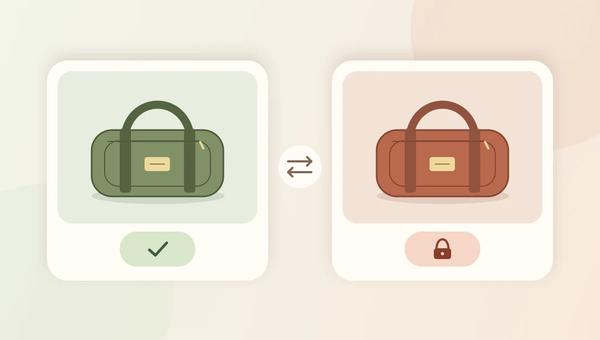
How to Test AI Chat for Final-Sale Variants on Shopify
Use one product and two colors to check whether AI chat gives the right return terms before a shopper adds the item to their cart.
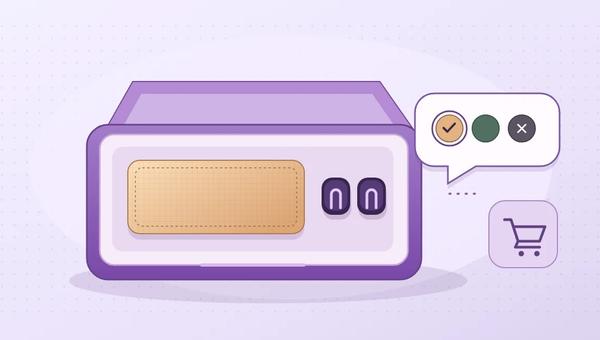
How to Test AI Chat for Fixed Bundles on Shopify
Compare a bundle added from AI chat with the same bundle added from its Shopify product page. Check the options, quantities, and cart grouping.
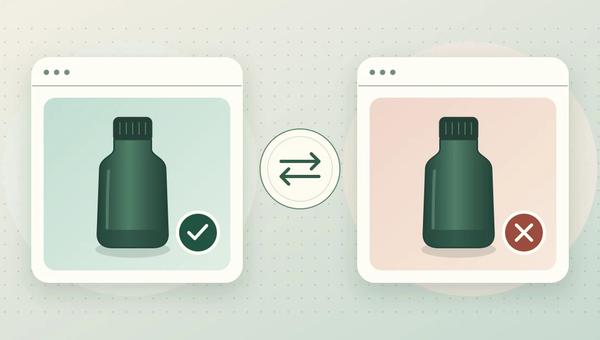
How to Test AI Chat Across Shopify Markets
Use two Shopify markets and two products to see whether AI chat recommends items shoppers can buy after they change countries.
Explore Brambles.ai
Learn more about our AI-powered agentic commerce platform, agentic shopping, and shopping assistance solutions.
Explore More Insights
Discover more articles on AI, automation, and business innovation
View All Articles