The Ethics of AI Shopping: Transparency, Consent, and Trust For Publishers: Monetization & Strategy
Explore the ethical considerations of AI-powered shopping, focusing on transparency, consent, and trust. Learn effective monetization strategies for publishers and how to balance profit with responsible AI practices.
Artificial Intelligence has fundamentally reshaped online shopping, transforming the consumer experience through personalization and automation. For publishers, leveraging AI-driven tools unlocks new revenue streams, but it also introduces a host of ethical considerations around transparency, consent, and trust. Navigating these challenges while creating meaningful monetization strategies is essential for sustainable success.
Understanding the Importance of Transparency in AI Shopping
Transparency is vital when implementing AI technologies in ecommerce. Publishers must ensure users understand when and how AI-driven recommendations, dynamic pricing, or content personalization are used. Disclosure—such as labeling AI-suggested products or clarifying data usage—builds credibility and can positively impact user engagement.
Obtaining and Respecting User Consent
User consent is more than a legal checkbox; it is an ethical imperative. Publishers should clearly explain what data is collected, how it will be used, and who it will be shared with. Designing easy-to-understand consent forms and offering granular privacy controls empower users to make informed choices regarding their data.
Building Trust with Your Audience
Trust is the foundation of any successful AI-driven shopping experience. Transparency and consent reinforce trust, but publishers must also actively listen to user feedback, resolve concerns promptly, and provide accessible resources explaining AI’s role in the shopping process. Long-term trust leads to higher engagement and greater monetization opportunities.
Monetization Strategies for Publishers in the Age of AI
AI opens up diverse monetization options, from personalized affiliate marketing to dynamic ad placements and intelligent product suggestions. However, balancing these revenue strategies with ethical AI practices is crucial. Prioritize methods that respect privacy and user experience—such as opt-in personalized recommendations and contextual advertising—over aggressive or opaque tactics.

Strategic Considerations for Ethical AI Deployment
When integrating AI into shopping experiences, publishers should adopt clear AI policies, regularly audit algorithms for bias and fairness, and maintain open communication with users about changes. Partner with technology vendors who share a commitment to ethical AI, and ensure compliance with local and international data regulations (such as GDPR and CCPA).
Best Practices for Balancing Ethics and Monetization
- Clearly disclose AI use to users through visible labels and help resources.
- Implement straightforward and transparent consent mechanisms.
- Use AI responsibly—avoid manipulative nudging and prioritizing profit over user welfare.
- Regularly review and update privacy policies as AI technologies evolve.
- Collect feedback to refine AI strategies and maintain user trust.
Conclusion: Embracing Responsible AI for Sustainable Growth
Ethical AI shopping is not just a regulatory requirement—it’s a competitive advantage. By prioritizing transparency, consent, and trust, publishers can build stronger relationships with their audiences while implementing profitable, future-ready monetization strategies. Those who embrace responsibility today are best positioned for long-term growth and success in the evolving digital landscape.
Related posts
View all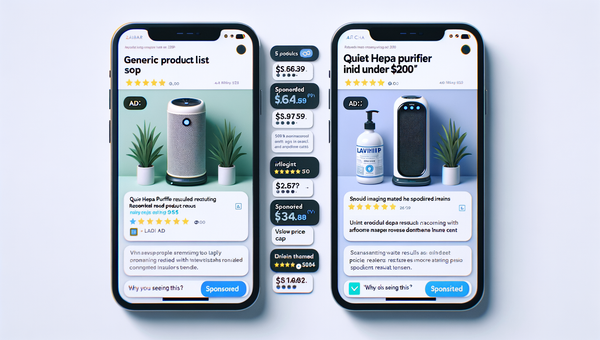
Sponsored Products in AI Shopping: Retail Media 101
Learn how sponsored product placements power AI shopping, how bidding and relevance work, and how to implement retail media without eroding trust or UX.
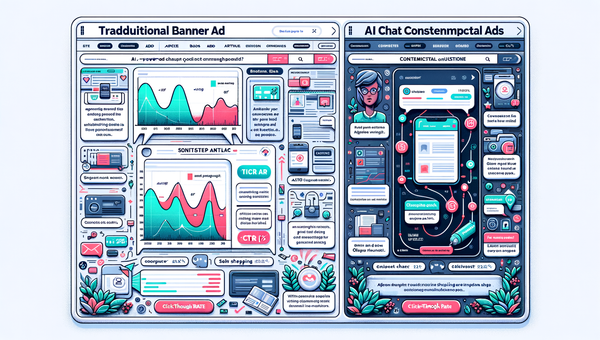
Why Contextual Ads in AI Chat Beat Banner Ads
Tests on commerce sites show AI chat contextual ads deliver 3–5x CTR, cleaner UX, and higher revenue than banners. See how they work, implement, and measure.
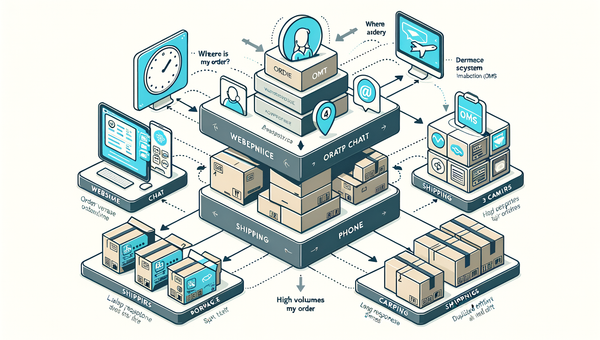
How AI Handles Order Lookup, Returns, and Shipping 24/7
See how AI resolves order lookups, returns, and shipping questions 24/7, deflects tickets, and lifts CSAT—plus a step‑by‑step guide to implement it safely.
Explore Brambles.ai
Learn more about our AI-powered agentic commerce platform, agentic shopping, and shopping assistance solutions.
Explore More Insights
Discover more articles on AI, automation, and business innovation
View All Articles