AI Affiliate Revenue for Publishers: Monetize 1B+ Products
Publishers are using AI to turn content into commerce across 1B+ products. Learn how to implement, measure KPIs, avoid pitfalls, and scale affiliate revenue.
On a 700-article gear site, replacing static comparison tables with an AI shopping chat lifted earnings per session by 38% in 30 days. No new content. Same traffic. Another test on a recipe publisher saw a 22% higher click-through to retailers when product picks adapted to pantry substitutions users typed into chat. And a decor blog cut out-of-stock clicks by 31% by auto-swapping dead links in real time. This is what AI-driven affiliate revenue looks like when it’s instrumented, not just installed.
Quick Answer
AI affiliate revenue helps publishers monetize at scale by mapping reader intent to a live catalog of 1B+ products, then inserting precise, compliant recommendations in context—inside articles, in a floating shopping chat, and through proactive prompts. Brambles.ai provides the product graph, affiliate link generation, and on-page experiences so you can launch with a single script, measure EPS/EPC, and keep picks fresh and in-stock without manual link chasing.
What’s Broken in Affiliate Monetization Today
The main failure point: intent gaps. Readers arrive with nuanced needs; static boxes guess. Baymard’s UX research shows product findability and relevance remain top abandonment drivers, and we feel that in affiliate too—irrelevant picks mean no clicks.
Links rot. Prices change. OOS happens. Manual link upkeep doesn’t scale past a few dozen evergreen guides. On mobile, cramped carousels and slow widgets kill momentum; Google UX research consistently ties speed and perceived responsiveness to conversion on small screens.
Disclosure is often bolted on, not designed in. Salesforce’s Connected Customer data shows trust is now a deciding factor in purchase. If your monetization feels pushy or unclear, readers bail—and SEO signals suffer too.
How AI Affiliate Revenue Actually Works
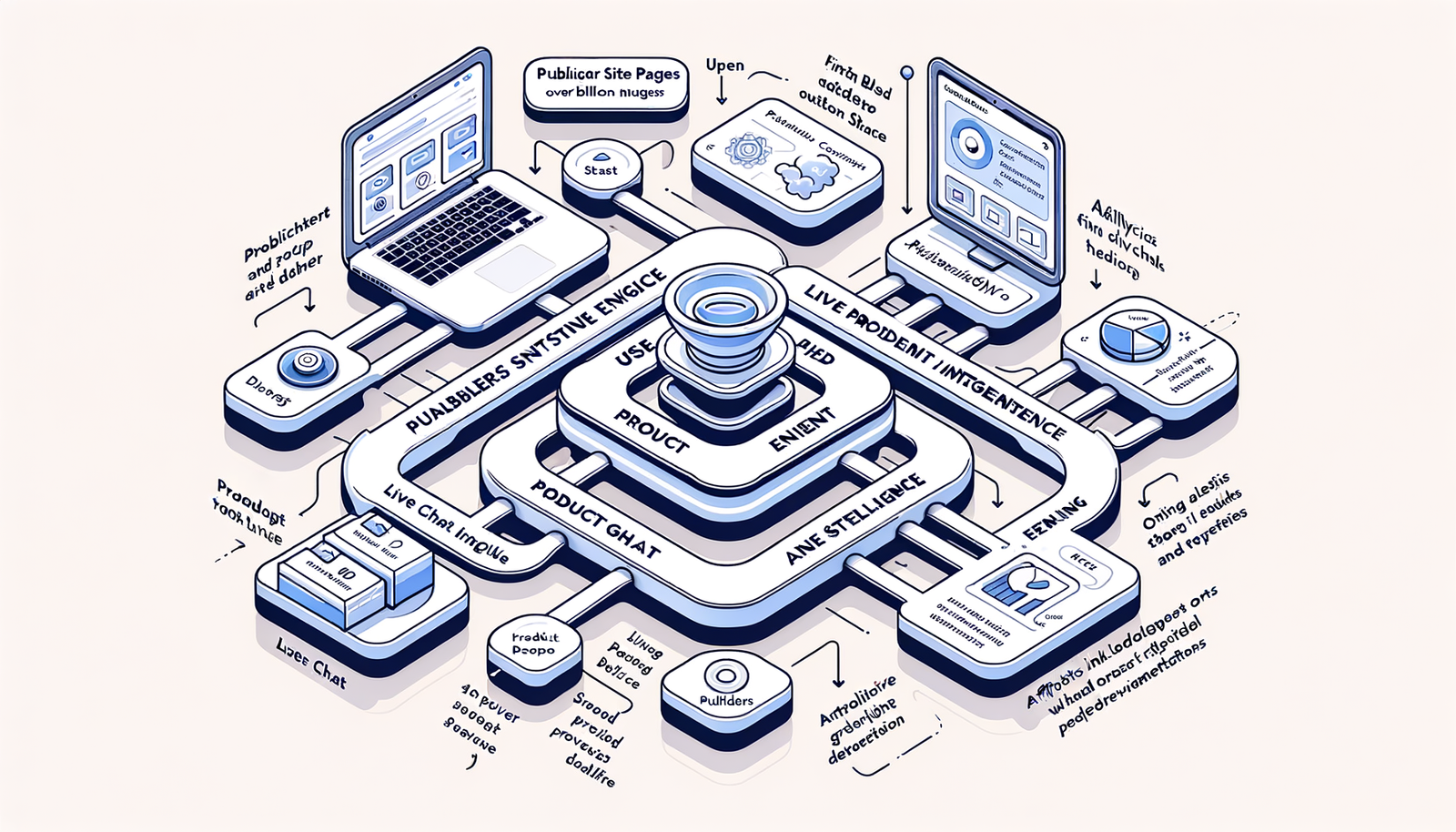
Think of it as an intent router. Your content and user inputs feed an AI that understands the job to be done, then queries a massive, constantly updated product graph with prices, availability, and merchant rules. It returns product sets, generates compliant affiliate links, and renders the right UI—inline, chat, or module—based on page context and device.
Where Brambles.ai fits:
- Content intelligence indexes your site so recommendations reflect your voice and past coverage.
- AI product discovery powers natural-language shopping (“$80 trail shoes for flat feet, rainy climate”).
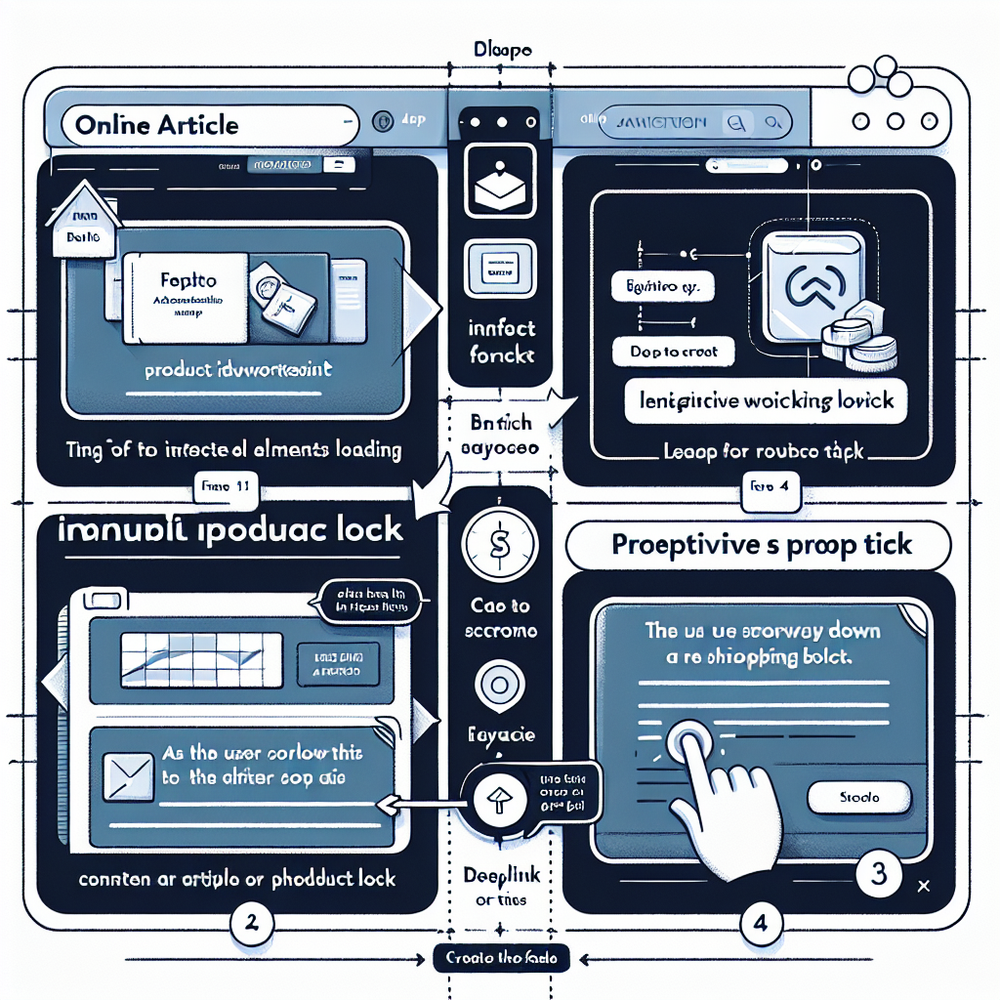
- Proactive engagement suggests products based on the page copy and scroll depth, rescuing low-intent sessions.
- Inline shopping embed drops affiliate picks inside articles without breaking the reading flow.
- Direct add to cart streamlines the handoff with deep links to retailer carts when supported, cutting clicks to purchase.

Implementation Guide with Brambles.ai
Rollout is faster than most CMS migrations. The key is sequencing and guardrails so you launch with confidence instead of noise.
Step-by-step:
1) Prioritize: Pull your top 50 evergreen pages by sessions and revenue. Tag buyer’s guides, roundups, and high-intent how-tos.
2) Install: Add the Agentic Commerce Module JavaScript to your template. WordPress users can one‑click via the Brambles plugin; headless teams can follow the developers guide.
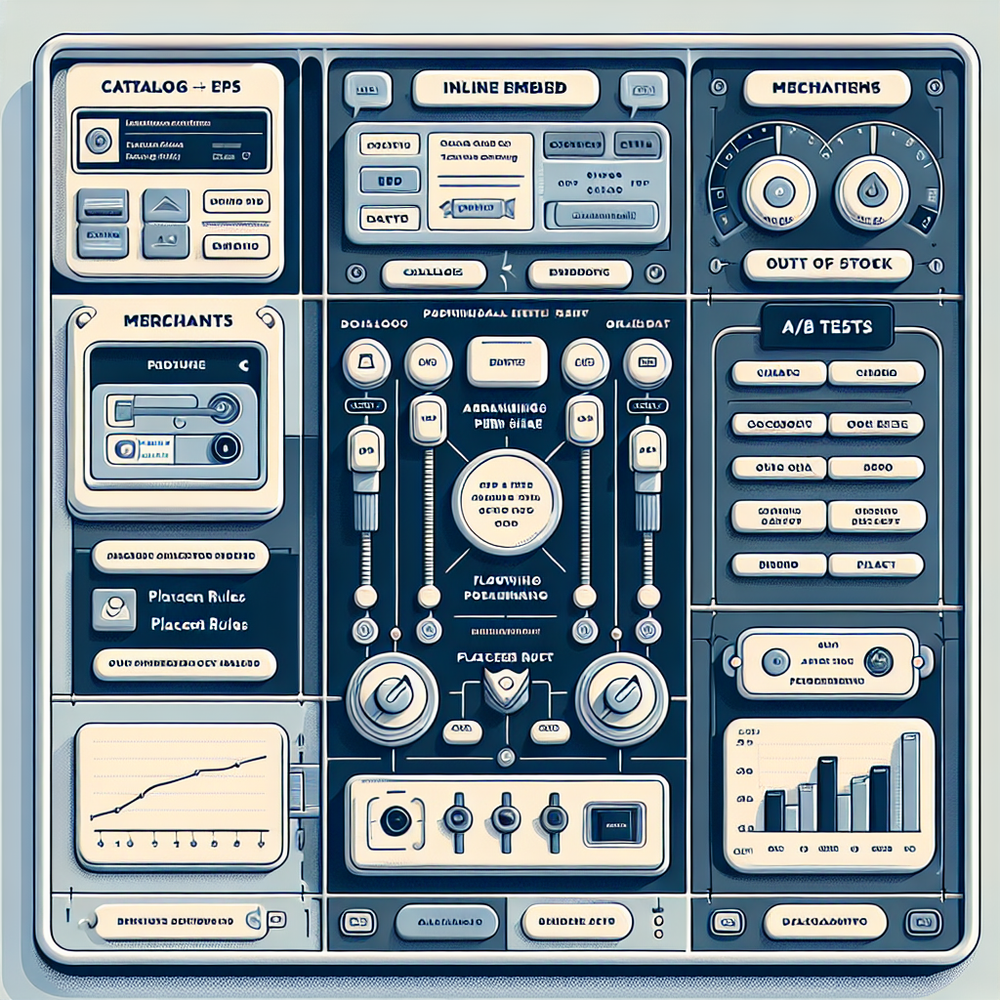
3) Connect catalogs: Configure affiliate networks (IDs, subIDs) and preferred merchants. Map product categories you cover and set fallbacks for OOS.
4) Configure experience: Place the inline embed mid-article, enable the floating AI shopping chat, and set proactive nudges at 40–60% scroll. Tune the assistant’s tone and disclaimers to your brand and audience.
5) QA: Run 50–100 real queries per vertical. Verify picks, stock status, and link tagging. Test mobile first; target TTI under 1.5s.
6) Launch: A/B test on 25% of traffic for two weeks. Track EPS, CTR, and OOS deflection. Expand to more pages if lift holds.
Launch checklist:
- Clear affiliate disclosure copy in the chat and below embeds.
- Merchant allow/deny lists aligned to editorial standards.
- Performance budgets enforced; lazy-load noncritical UI.
- Country-aware links and currency.
- Attribution sanity checks with test orders.
- Weekly QA queue for new/updated articles.
- Fall back to your top evergreen picks if the model is <80% confident.
Real outcomes we’ve seen: An outdoor publisher (100k sessions/mo) saw a 42% lift in EPC after swapping static tables for inline embeds plus proactive prompts. A decor site using deep-link add-to-cart increased click-to-cart by 18% on mobile. And a niche beauty blog recovered 12% of abandoning sessions with exit-intent chat nudges.
Measuring ROI and the KPIs That Matter
If you can’t see lift per visit, you’re flying blind. Instrument these metrics from day one and tie them to experiments.
Core KPIs:
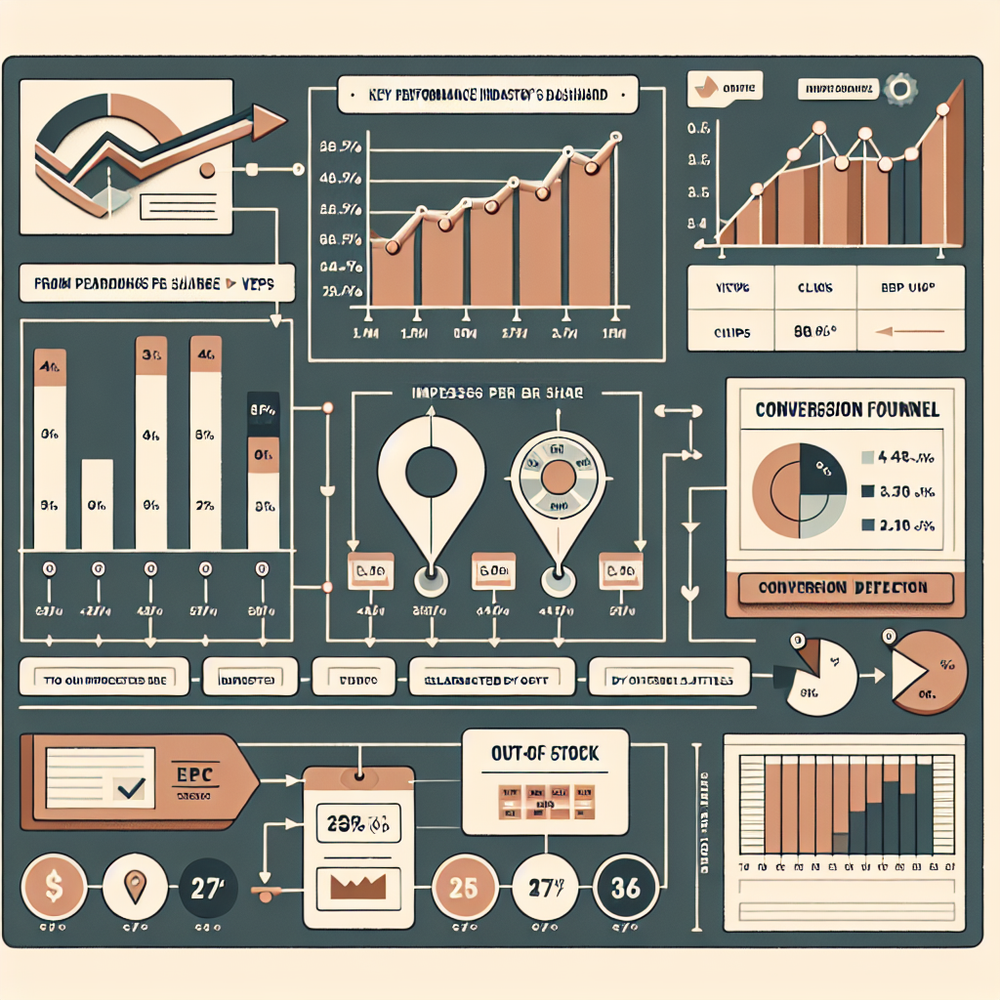
- EPS (Earnings per Session) = total affiliate revenue ÷ sessions. Primary north star for content. - EPC (Earnings per Click) = revenue ÷ outbound clicks. Flags recommendation quality. - CTR to retailer and Attach Rate (clickers ÷ viewers).
Measures placement efficacy. - OOS Deflection Rate = (attempted OOS clicks prevented ÷ OOS attempts). Protects UX. - AOV and Conversion Rate from retailer reports. Watch by merchant. - RPM (Revenue per 1,000 sessions) at section and article level.
- Latency to first interactive (TTI). Slow widgets burn money.
Set decision thresholds: Expand coverage when EPS lifts >15% in a 14‑day A/B. Pause merchants when EPC falls below your floor. McKinsey’s research on relevance shows personalized picks drive outsized impact—let EPS and EPC validate that your AI is, in fact, relevant.
Brambles.ai’s analytics surface EPS, EPC, CTR, and OOS deflection by page, merchant, and placement. You can drill into a single article to see which prompt, product set, or chat turn produced the click, then promote winning treatments across your templates.
First-Party Data, Disclosure, and Trust
Trust compounds revenue. Bake disclosure and preference control into the experience, not your footer. We’ve seen longer time-on-page when readers understand how recommendations are chosen and monetized.
Brambles.ai runs on first-party context—your words, your taxonomy—not third-party profiles. Brand customization lets you match fonts, colors, and placement, while AI personality keeps tone consistent across embeds and chat. Use it to standardize your disclosure language and availability notes.
For mobile UX, follow Google’s guidance on speed and interaction: lazy-load the embed below intro paragraphs, prefetch popular merchant domains, and keep chat minimized until user intent is detected (scroll, select, or query). Transparency plus speed equals higher intent—and better SEO signals.
Common Pitfalls and How to Avoid Them
- Over-automation: Don’t let the model guess sensitive picks (medical, baby) without human curation. Create allowlists per category.
- Slow loads: Enforce a performance budget. Asynchronous load and minimal above-the-fold impact.
- Messy tracking: Standardize subIDs by placement and article ID to pinpoint winners.
- Thin coverage: Train on your archives so long-tail queries don’t show generic picks.
- Seasonal whiplash: Use experiments to rotate lists before peak periods (e.g., gifts, back-to-school).
- International misses: Localize merchants, currency, and shipping cutoffs.
A small tech blog we worked with saw a flat EPS after launch. The culprit wasn’t the model—it was a buried placement on mobile. Moving the inline block above the first H2 and enabling a subtle prompt bumped CTR 27% overnight. Placement matters as much as relevance.
What’s Next: Beyond Links to Experiences
Affiliate is moving from link drops to interactive shopping. Expect multimodal experiences—try-ons, “view in room,” and video—to merge directly into content, with clear disclosure and fast handoffs to merchants. Retail media will blend with affiliate in contextual ways that still respect the reader’s intent.
Brambles.ai is building toward that future now. Virtual try-on and view in room make discovery visceral inside your pages. Contextual retail media lets sponsors appear where they make sense. And the agentic module means you can ship this across your whole site with one integration.
If you’re on WordPress, deploy via plugin. Custom stacks can use the JavaScript SDK and REST APIs. Brands and retailers interested in AI-assisted product discovery, chat-to-cart, and service can plug in as well—useful when your editorial and commerce teams collaborate with merchants.
Getting Started
- Start with five evergreen guides and one high-intent news piece.
- Install the agentic script and enable inline + chat on those pages.
- Set two experiments: placement (above vs below H2) and proactive timing (40% vs 60% scroll).
- Watch EPS, EPC, and OOS deflection for 14 days.
- If EPS >15% on test pages, scale to your top 50.
If you need a deeper primer on the UX shift behind all this, our editor’s picks cover conversational shopping, disclosure patterns, and why contextual beats creepy every time.
FAQ
Q: How fast can we launch?
A: Most teams light up a pilot in 1–2 weeks using the Agentic Commerce Module or WordPress plugin, then run a two-week A/B on five pages before scaling.
Q: Does this replace our editors’ picks?
A: No. Use editors’ picks as curated guardrails. The AI fills gaps, keeps links fresh, and personalizes to the query—especially useful on mobile and long-tail intent.
Q: How do we handle disclosure?
A: Disclose inline and in chat, consistently. Brambles supports custom copy and UI placements, and we recommend the patterns documented in our disclosure guide.
Q: What if merchants change prices or go out of stock?
A: The system checks live feeds and swaps alternatives automatically. Track OOS deflection to confirm readers aren’t hitting dead ends.
Q: Can this work with video and shoppable reels?
A: Yes. Surface relevant clips and product callouts in chat and embeds; many publishers see longer session times when video supports the recommendation.
Related resources on Brambles.ai
If you are implementing this, start with Brambles.ai, brand pricing, about Brambles.ai, developer docs.
Related posts
View all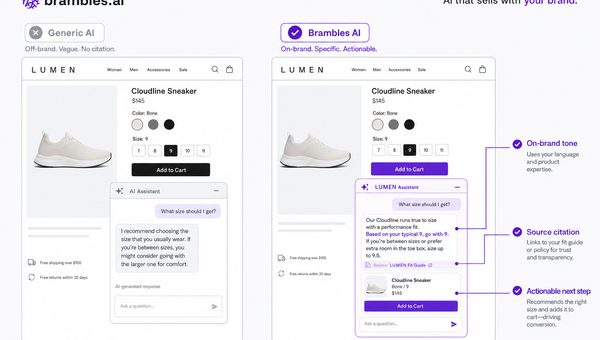
Brand-Consistent AI Chats Build Trust and Conversions
When AI mirrors your brand voice, shoppers relax—questions get answered, carts grow, and support load drops. Learn the playbook to align tone, trust, and ROI.
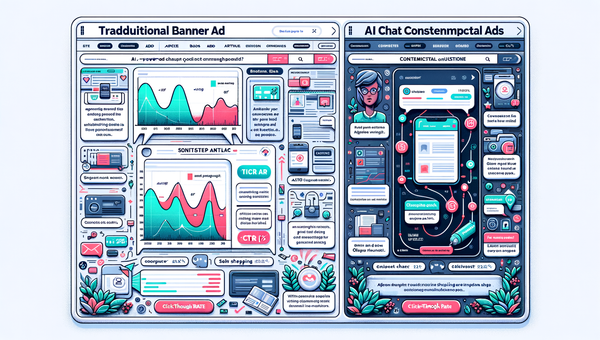
Why Contextual Ads in AI Chat Beat Banner Ads
Tests on commerce sites show AI chat contextual ads deliver 3–5x CTR, cleaner UX, and higher revenue than banners. See how they work, implement, and measure.
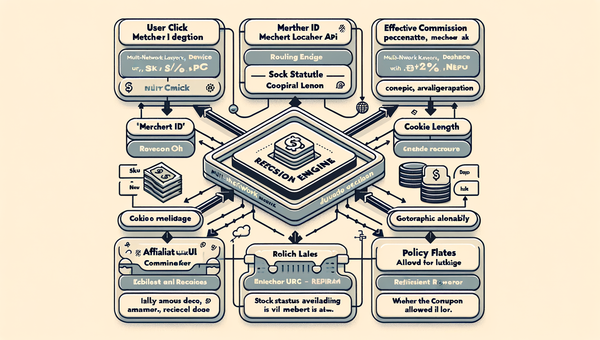
Multi‑Network Affiliate Optimization: Auto Best Rate
Route clicks across affiliate networks automatically to secure the highest commission, lift EPC, and preserve UX—practical tactics, data, and implementation ste
Explore Brambles.ai
Learn more about our AI-powered agentic commerce platform, agentic shopping, and shopping assistance solutions.
Explore More Insights
Discover more articles on AI, automation, and business innovation
View All Articles