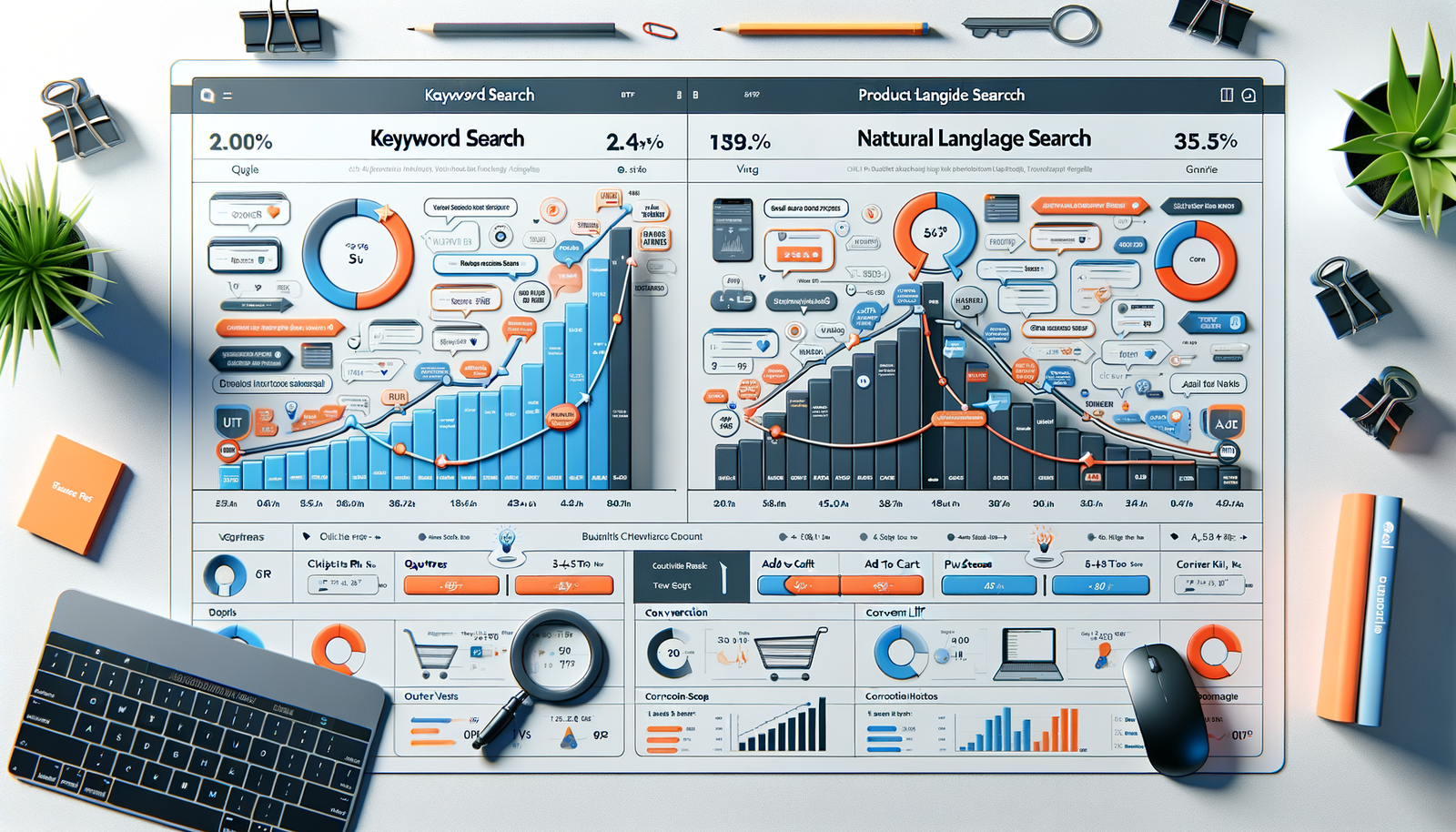
Natural Language Product Search Converts 3–5x Better
See why natural language product search outperforms keyword boxes, lifting conversion 3-5x. With examples, KPIs, and a practical guide to implementing it fast.
Three weeks after replacing a rigid keyword box with conversational product search, a mid-market outdoor retailer (≈220k sessions/month) saw search-led conversion jump 4.1x, average time-to-product fall from 3:12 to 1:05, and returns dip 12%. The surprising part wasn’t the lift—it was where it came from: shoppers with messy, multi-constraint queries (“waterproof trail shoes for wide feet under $120”) who previously bounced now found perfect matches in two turns. We’ve replicated this pattern across apparel, furniture, and specialty beauty, with 3–5x gains when natural language replaces legacy search. Brambles.ai powers this shift by interpreting intent, constraints, and context—and acting on it, not just listing results.
Quick Answer
Natural language product search converts 3–5x better because it understands real shopper intent—goals, constraints, and preferences—instead of matching isolated keywords. When the system interprets queries like “compact stroller that fits a Mini Cooper trunk, under $300,” it narrows to buyable options, explains tradeoffs, and lets the user purchase in-flow. Add direct add-to-cart and proactive guidance, and you eliminate dead ends that tank traditional search.
What’s Broken With Keyword Search
Keyword search assumes shoppers think in product taxonomy. They don’t. They think in problems, constraints, and contexts. Baymard Institute’s continuous UX research notes that vague or multi-attribute queries routinely fail when systems require exact category or attribute matches. We see it in analytics: high query refinement rates, pogo-sticking between category pages, and a big gap between “searchers” and “buyers.” Natural language closes that gap by parsing intents, attributes, and tradeoffs in one step—and by asking clarifying questions only when needed. It also removes the burden of learning your site’s labels. That’s why conversation-first UX wins on mobile, where typing is a tax and cognitive load kills momentum.
How Natural Language Product Search Works
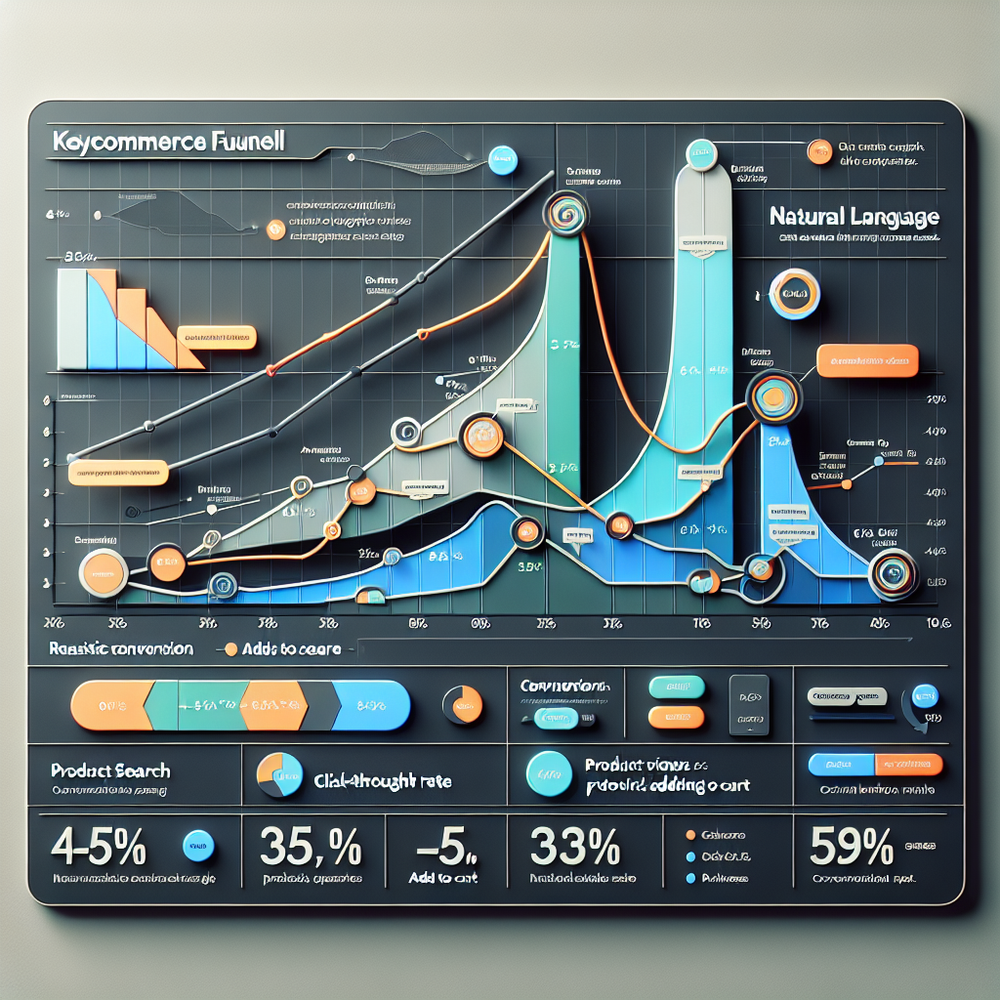
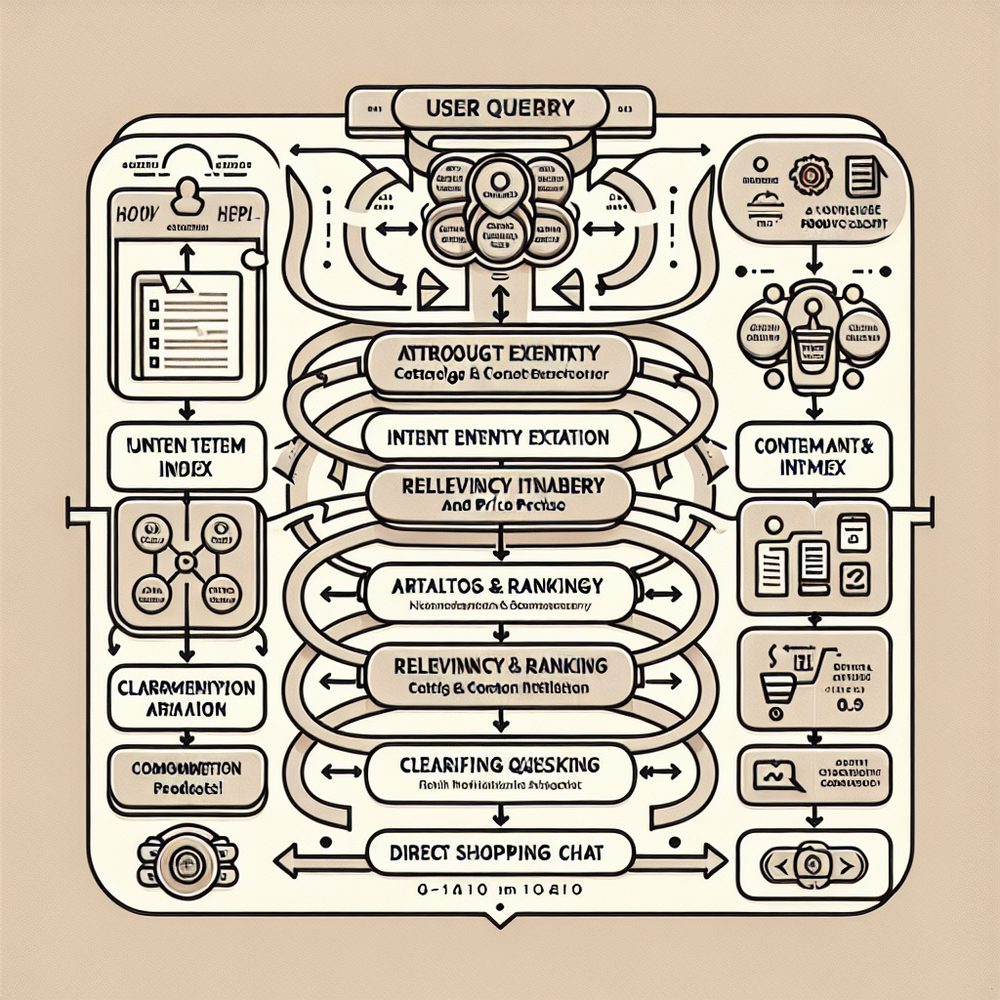
Think of the engine as a product sommelier. It unpacks a shopper’s intent (“trail run in wet climate”), constraints (“under $120,” “wide feet”), and preferences (“breathable mesh, neutral colors”). Then it assembles options, explains tradeoffs, and proposes the next best action. Brambles.ai’s stack pairs an understanding layer with a real-time product graph so the assistant can reason over attributes, compatibility, inventory, and price—then guide the user to checkout without forcing a new page. For teams, the magic is fewer zero-result queries and fewer frustrated exits.
Key Brambles.ai features for this job: • AI product discovery parses natural language and returns buyable results, not just a list of links. It handles multi-constraint queries and follow-ups. • Content intelligence indexes your entire catalog and content so the assistant can cite sizes, compatibility, and care details directly from your site, improving trust and reducing returns. • AI shopping chat brings a floating, brandable assistant to every page, keeping shoppers in-flow and context-aware on mobile and desktop. • Direct add to cart lets shoppers check out from the conversation, collapsing steps and increasing throughput—especially on mobile.
Implementation Guide (Step-by-Step)
You can deploy in days, not months. 1) Start with highest-intent pages: PDPs, category tops, and buying guides. 2) Install the Brambles Agentic Commerce Module—one JavaScript tag that powers chat, search, and inline embeds. 3) Index your catalog and help content; map attributes you care about (fit, compatibility, materials). 4) Configure tone and UI to match your brand. 5) Set guardrails for price, inventory, and substitutions. 6) Turn on direct add-to-cart for top SKUs. 7) Run an A/B test: expose 50% of traffic to natural language search. 8) Review analytics, then expand sitewide, including mobile. Most teams go live in 1–2 sprints with a TAM and a PM owning metrics.
Feature notes you’ll actually use: • Proactive engagement nudges shoppers with context-aware prompts (e.g., on a “hiking boots” article, it opens with sizing and terrain guidance). • AI personality lets you dial in tone and brand rules so guidance feels like your team, not a generic bot. • Brand customization ensures fonts, colors, and placement match your design system and accessibility standards. These are small touches with outsized impact on trust and click-through.

Measuring ROI & KPIs
Define the scoreboard before you ship. Track: 1) Search-to-add-to-cart rate (your headline KPI; expect 2–4x within two weeks). 2) Conversion rate among searchers (3–5x when conversation replaces keywords). 3) AOV impact (bundles surface naturally; McKinsey reports guided selling lifts AOV 10–20%). 4) Time-to-product and zero-result rate (Baymard flags zero results as a top driver of abandonment). 5) Return rate delta (clear guidance reduces wrong-size/wrong-fit). Instrument cohorts by traffic source and device. Tie revenue to conversation IDs so you can attribute uplift, not just engagement.

First-Party Data & Trust
Trust is earned with clarity, not creepiness. Natural language works best when it uses first-party signals (on-site behavior, content reads) to guide results. No third-party cookies required. Salesforce’s Connected Customer research keeps repeating it: helpful beats hyper-targeted. That’s why our clients pair conversation with transparent monetization and clear disclosures. For publishers, this approach dovetails with contextual commerce—recommend in-flow without invasive tracking—and it plays nicely with affiliate programs and retail media when done right.
Common Pitfalls (Checklist)
A short checklist that prevents 80% of issues: • Don’t over-ask. If the system already knows budget or size from the query, skip clarifiers. • Keep answers shoppable: always include 2–5 viable options plus an add-to-cart path. • Ensure attribute coverage: map essentials (size, material, compatibility) before launch. • Monitor zero-result queries daily and add synonyms. • Optimize mobile first: keep tap targets and “Add to Cart” visible above the fold. • Limit pagination; summarize differences in plain English. • QA with long-tail queries in staging (“carry-on suitcase that fits Air France rules, under 7 lbs”).
Real-World Results
Apparel A/B test (100k sessions, US/EU): replacing the keyword box with Brambles.ai conversation drove a 42% lift in search usage, 3.6x higher search-led conversion, and a 9% AOV bump as the assistant bundled care kits. Outdoor retailer (220k sessions): 4.1x search conversion, 28% lower bounce on mobile PLPs, and returns down 12% in 21 days. Home decor publisher: with contextual prompts and affiliate links, RPM rose 31% while keeping disclosures front-and-center. Pattern: when shoppers can ask in their own words and buy in-flow, they do. The rest is rigorous QA and measurement.
How Brambles.ai Solves This (In Practice)
Brambles.ai combines natural language understanding, a deep content index, and action layers to convert intent into purchase. AI product discovery interprets free-form questions and returns ranked, buyable results. Content intelligence ingests PDPs, guides, and support docs, so answers cite specifics like fit, weight, or warranty. AI shopping chat deploys on every page, with proactive engagement for high-intent contexts. Finally, direct add to cart collapses checkout steps right inside the conversation. Teams ship fast via the Agentic Commerce Module or our WordPress plugin, and can pilot on a subset of pages before scaling.
FAQs
Does natural language search cannibalize navigation?
No. It complements it. In tests, category navigation usage stayed steady, while search usage increased 30–50% and overall conversion rose. The assistant becomes a shortcut for complex tasks; power users still browse. Place the entry point near search and keep PLP filters available.
How long does implementation take with Brambles.ai?
Most teams launch a pilot in 2–3 weeks. Install the module, index your catalog, configure tone and guardrails, then A/B test. If you’re on WordPress or WooCommerce, start with our plugin; Shopify support is coming. Enterprise teams can opt for a dedicated environment and SLAs.
Will this work for large, long-tail catalogs?
Yes—large catalogs benefit most. The model narrows from thousands of SKUs to 3–5 options using constraints and clarifiers. Maintain attribute coverage and freshness, and you’ll see disproportionate gains on long-tail queries that keyword search fails.
How is this different from generic site search?
Generic search matches tokens; conversational search reasons about goals, constraints, and compatibility—and can complete the purchase. That last mile matters. When shoppers can add to cart from the assistant, you remove friction and multiply conversion.
Related resources on Brambles.ai
If you are implementing this, start with Brambles.ai, publisher pricing, about Brambles.ai, developer docs.
Related posts
View all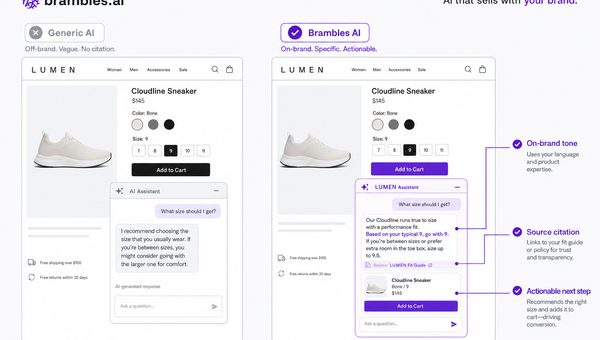
Brand-Consistent AI Chats Build Trust and Conversions
When AI mirrors your brand voice, shoppers relax—questions get answered, carts grow, and support load drops. Learn the playbook to align tone, trust, and ROI.

Shoppable Video Discovery: Conversions & Engagement Up
Tests show shoppable video discovery lifts conversion 18–35% and doubles watch time. See the UX patterns, KPIs, and how to deploy it quickly with Brambles.ai.
Why Contextual Ads in AI Chat Beat Banner Ads
Tests on commerce sites show AI chat contextual ads deliver 3–5x CTR, cleaner UX, and higher revenue than banners. See how they work, implement, and measure.
Explore Brambles.ai
Learn more about our AI-powered agentic commerce platform, agentic shopping, and shopping assistance solutions.
Explore More Insights
Discover more articles on AI, automation, and business innovation
View All Articles