How Brambles.ai Unifies AI Shopping: Search, Chat, Site
See how Brambles.ai unifies AI shopping journeys across search, chat, and on‑site. Frameworks, KPIs, and implementation steps to lift conversion and LTV.
On a 200k‑session home goods retailer, pre‑filling the landing page chat with the user’s Google query (“walnut coffee table under $300”) drove a 19% lift in add‑to‑cart and a 22% drop in bounce over two weeks. A publisher we support saw a 31% uptick in affiliate EPC when search visitors encountered a guided chat that refined specs in two turns. The pattern is consistent: when search intent flows into a conversational layer and stays visible on product pages, shoppers complete tasks faster and buy more. That’s exactly the gap unified AI shopping closes across search, chat, and on‑site.
Quick Answer
Brambles.ai ties together AI product discovery, conversational chat, and on‑site engagement so the same intent follows the shopper from search to purchase. It pre‑indexes your catalog and content, greets visitors with context‑aware prompts, recommends shoppable results, and supports direct add‑to‑cart from chat. You implement once via a lightweight module or plugins, then measure lift in discovery CTR, cart adds, conversion, and AOV across channels.
What’s Broken: Fragmented Intent Kills Momentum
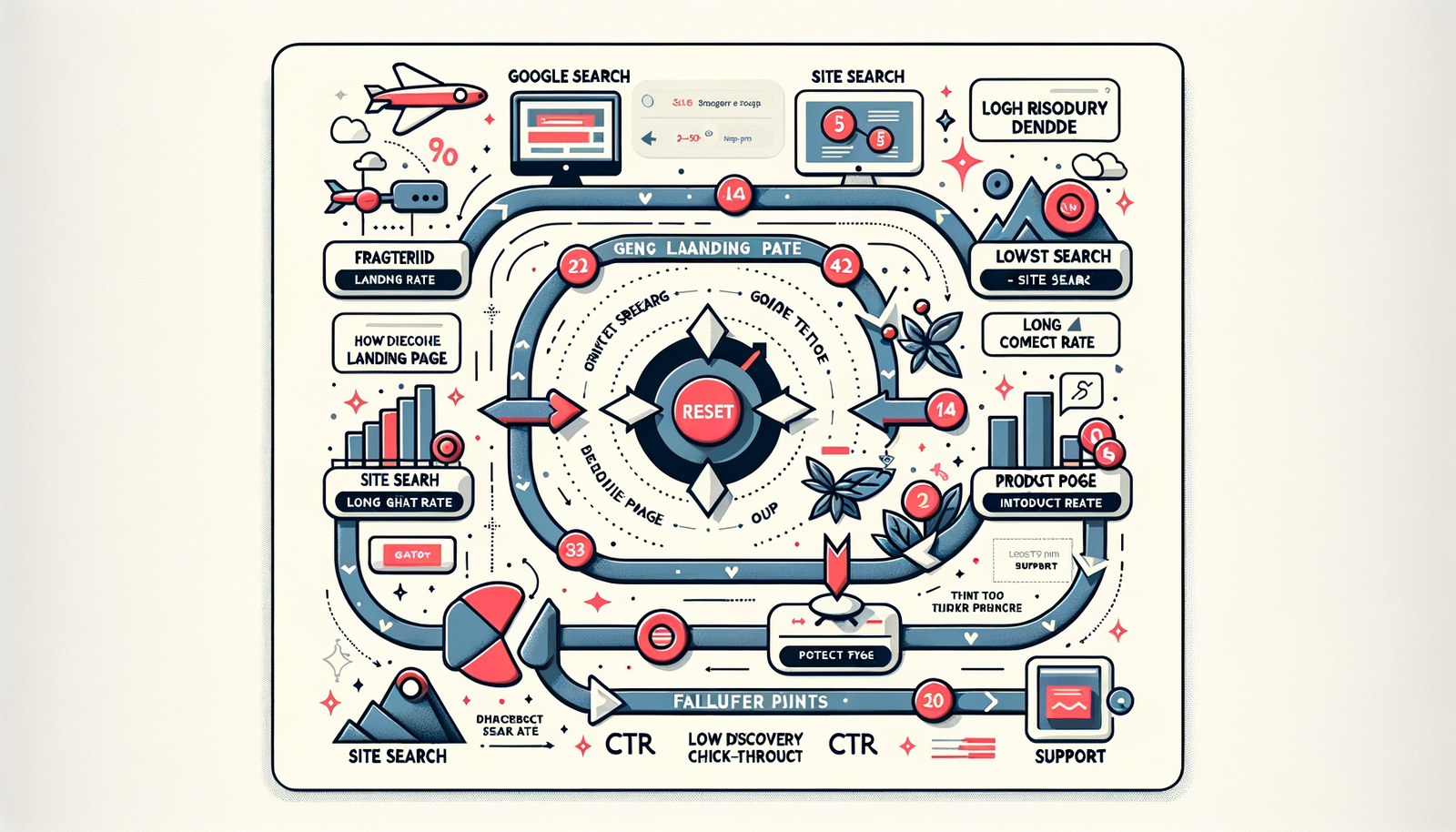
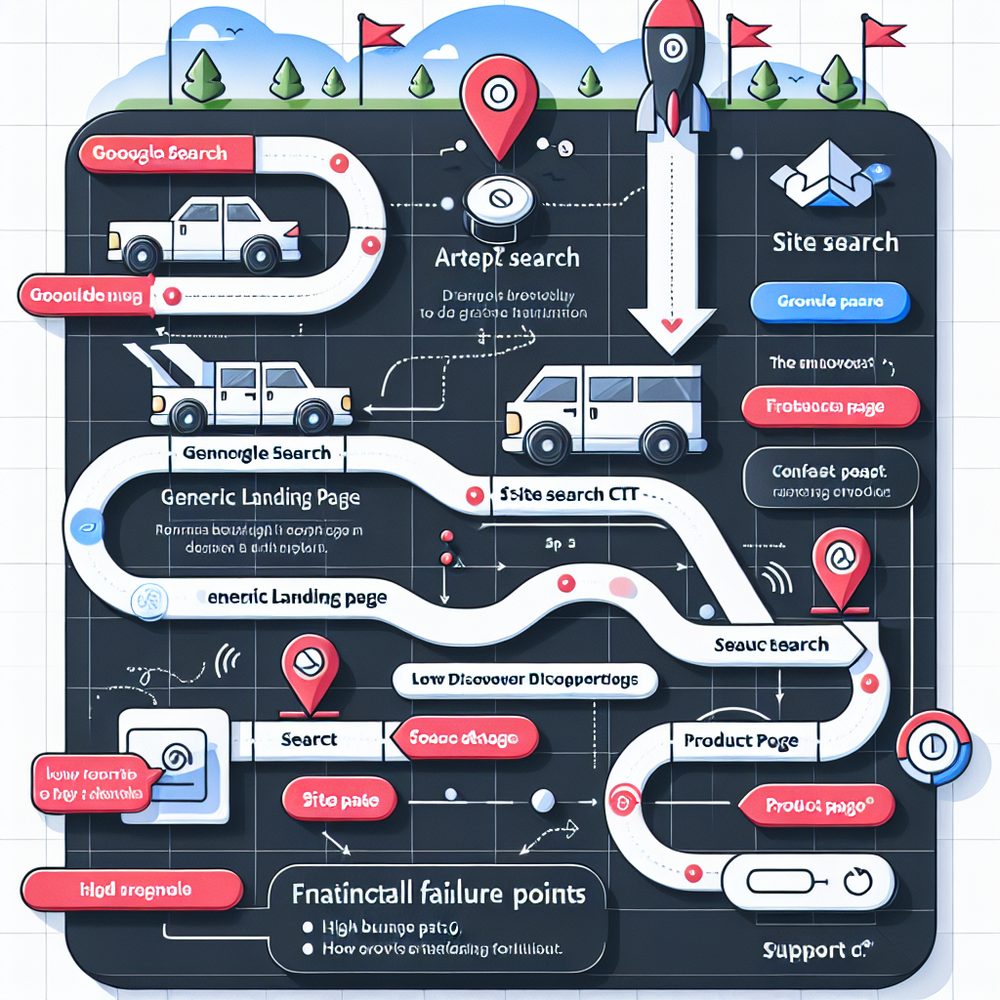
Most journeys still reset context at every step. A shopper types a query on Google, lands on a generic page, then must re‑explain in site search, then again to support. Baymard’s research shows common failures like weak query handling, synonym blindness, and poor faceting—costly gaps when intent is fresh. Add mobile friction and you get high pogo‑sticking and leak‑prone funnels.
Publishers face a related challenge: traffic lands on evergreen reviews with legacy comparison tables. Without a conversational layer that understands context, readers skim and bounce. When intent isn’t captured and refined in‑flow, you lose both cart adds and affiliate clicks. Salesforce’s Connected Customer research notes most consumers expect immediate, personalized help—yet they rarely get it in commerce flows.
How It Works: Unifying Search, Chat, and On‑Site
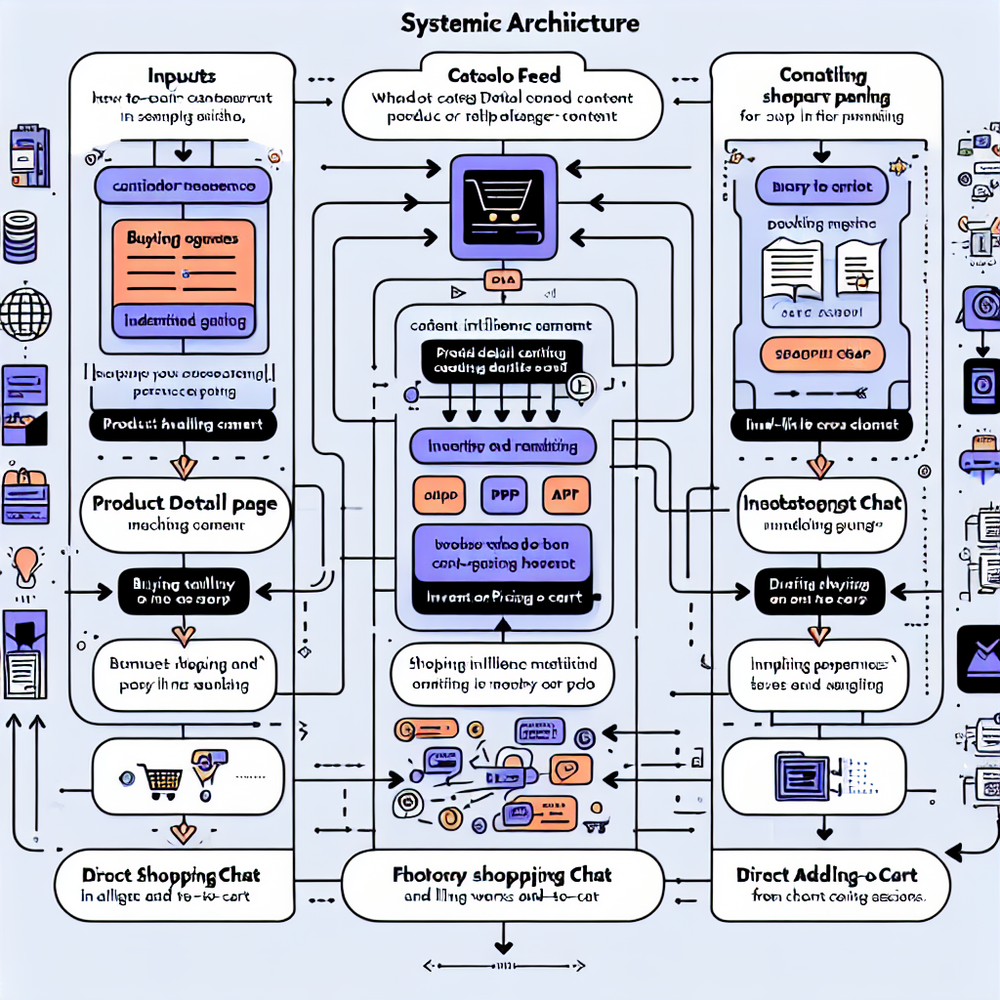
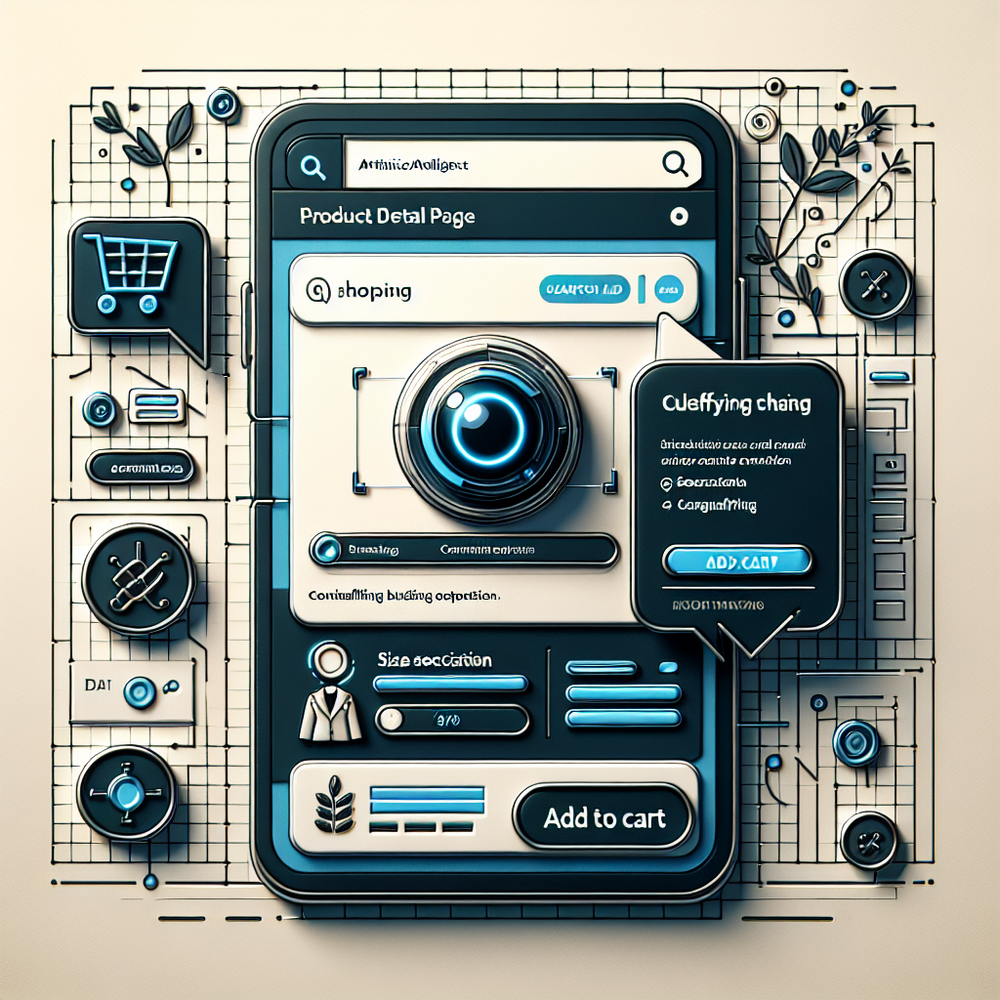
Brambles.ai unifies the journey by carrying intent forward. It pre‑indexes your catalog, PDP copy, buying guides, and policies so the assistant can answer with context. When a visitor arrives from search, the chat opens with their query pre‑loaded and a few clarifying buttons. Results are shoppable, with real‑time pricing and variants, and you can add directly to cart without leaving the conversation.
On any article or PDP, proactive prompts nudge the next best action—compare sizes, find compatible parts, or see a budget alternative—without feeling pushy. The assistant uses site context, referrer, and zero‑party signals to adapt its tone and depth. For visual categories, it can offer try‑ons or room previews to collapse decision‑making into minutes.
Implementation Guide: Fast Path to Live
You can go live in days, not months. Most teams start with a single high‑intent landing template and expand. Here’s a pragmatic rollout that’s worked for retailers and publishers alike.
Step-by-step:
- Install the Agentic Commerce Module or your CMS plugin.
- Connect a product/catalog feed and optionally inventory/pricing APIs.
- Enable AI product discovery and floating shopping chat.
- Configure proactive prompts on top landing pages and PDPs.
- Map direct add-to-cart and test variant/availability edge cases.
- QA on mobile breakpoints and key locales.
- Launch an A/B on paid search landers, then roll to organic and articles.
Feature picks that pay off quickly:
- AI product discovery: natural‑language filters, attribute extraction, and instant comparison.
- AI shopping chat: guided conversation that remembers context across pages.
- Proactive engagement: page‑aware nudges that ask the right clarifying question.
- Direct add to cart: checkout momentum from inside chat.
- Content intelligence: full‑site indexing to ground answers in your content.
Configuration checklist:
- Branding and tone: set colors, typography, and voice.
- Guardrails: product availability, price thresholds, compliance copy.
- Surfaces: floating chat, inline embeds in articles, or both.
- Metrics: define discovery CTR, cart adds, chat‑assisted revenue, and AOV targets.
- Disclosures: clear affiliate labeling in the first turn of chat.
- Fallbacks: when no result fits, capture email or suggest nearby categories.
Measuring ROI & KPIs That Matter
Quantify the lift or it didn’t happen. Start with discovery CTR (clicks from chat results to PDPs), chat‑assisted add‑to‑cart rate, and conversion rate. Track revenue per chat session and AOV for chat‑assisted orders. Add time‑to‑product (TTP) as a speed metric—faster decisions correlate strongly with conversion in Baymard and McKinsey analyses.
Two quick benchmarks from recent rollouts:
- Apparel brand (100k sessions/month): 42% lift in discovery CTR, +11% AOV, and a 27% reduction in support tickets via the assistant.
- Tech publisher (1.2M sessions/month): 36% more monetized clicks and +18% RPM when proactive prompts were enabled on top ten guides.

First‑Party Data, Trust, and Clear Disclosures
Trust earns the right to recommend. The assistant should explain why it chose results—brand fit, specs, price—and reflect your editorial standards. Use first‑party and zero‑party cues (on‑page context, user selections) rather than third‑party profiles. Salesforce and Google UX research both show transparency improves willingness to buy and engage.
For monetized content, disclose early and plainly. Our recommended pattern: first chat turn includes an affiliate note and a link to your policy, with phrasing tuned to your voice. This keeps experiences contextual—never creepy—and aligns with publisher guidelines and reader expectations.
Common Pitfalls to Avoid
The fastest way to stall momentum is to over‑engineer v1. Keep scope tight and guardrails clear. These are the failure modes we see most often—and how to sidestep them.
Launch checklist:
- Don’t index everything at once—start with top categories and guides.
- Avoid generic prompts; seed them with real queries from paid search logs.
- Always wire direct add‑to‑cart on core SKUs first.
- QA facets and variants; mismatched sizes kill trust.
- Add a human‑assist path for edge cases.
- Instrument events before you ship; dashboards day one.
- Revisit prompts monthly based on chat transcripts and SKU changes.
Future Outlook: Generative Search Meets On‑Site Assistants
As search becomes more generative, shopping journeys will start inside AI summaries and jump straight into brand sites. The winners will greet that intent with a context‑aware assistant, shoppable results, and immersive previews. Expect richer media—video, AR—and cleaner monetization models for publishers.
Brambles.ai already supports retail media slots and contextual placements inside conversations—without derailing trust—so both brands and publishers can scale responsibly as formats evolve.
Ready to test? Start with one high‑intent template, measure the lift, then expand across your catalog and content. You can explore plans and launch a proof in days.
FAQ
Does this replace my site search?
No. Keep your existing search; the assistant complements it. Many teams set the assistant as the default on mobile and leave classic search as a secondary path. Measure which flows convert better and route accordingly.
How does it work with Shopify or WordPress?
Install via plugin where available or drop in the module script. Connect your catalog feed and map add‑to‑cart. Most Shopify and WooCommerce stores can launch a pilot in under a week.
How long does implementation take?
Typical pilot: 3–10 days. Day 1 install, Day 2–3 catalog indexing, Day 4 prompts and guardrails, Day 5 QA, then ramp traffic. Complex feeds or custom carts add time but not months.
Will this hurt SEO or page speed?
No. The module is async and lightweight. Use deferred loading for non‑critical widgets and measure Core Web Vitals. Many teams see lower bounce from better intent matching.
What about affiliate disclosures and monetization?
Disclose in the first turn and keep recommendations contextual. The assistant can label sponsored or affiliate results and still prioritize user fit over payouts to maintain trust.
Related resources on Brambles.ai
If you are implementing this, start with Brambles.ai, enterprise solutions, about Brambles.ai, developer docs.
Related posts
View all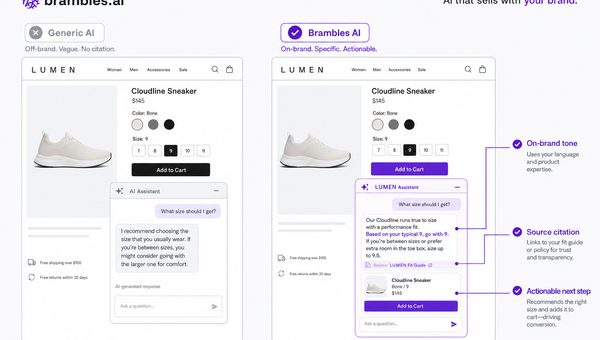
Brand-Consistent AI Chats Build Trust and Conversions
When AI mirrors your brand voice, shoppers relax—questions get answered, carts grow, and support load drops. Learn the playbook to align tone, trust, and ROI.
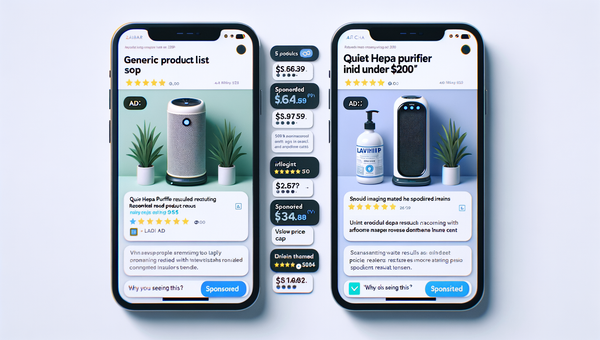
Sponsored Products in AI Shopping: Retail Media 101
Learn how sponsored product placements power AI shopping, how bidding and relevance work, and how to implement retail media without eroding trust or UX.
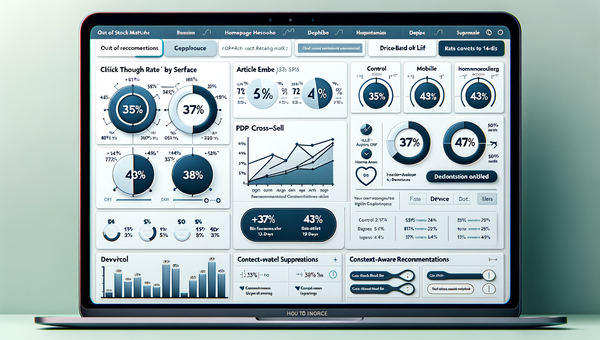
How Context-Aware AI Recommendations Lift CTR
See how context-aware AI recommendations lift CTR by 25–60% with intent signals, page context, and history. Practical steps, KPIs, and implementation tips.
Explore Brambles.ai
Learn more about our AI-powered agentic commerce platform, agentic shopping, and shopping assistance solutions.
Explore More Insights
Discover more articles on AI, automation, and business innovation
View All Articles