
How Brambles.ai Turns Agentic Shopping Queries into Revenue
See how agentic shopping queries become measurable revenue with Brambles.ai—practical setup, architecture, KPIs, and real lifts for publishers and retailers.
In week two of a 6‑week A/B on a 1.2M‑session home & garden publisher, we saw a pattern: users typed “Find a 72" walnut dining table under $800 that fits 6.” The agentic query converted 2.2× higher than listicle clicks and drove a 34% lift in RPM from incremental affiliate sales. The surprise wasn’t volume—it was precision. When shoppers speak in goals, not keywords, revenue follows.
We’ve repeated this across apparel, cosmetics, and electronics. On a 100k‑session apparel site, agentic prompts like “build me a 3‑piece work capsule under $300” raised AOV by 27% and shortened time‑to‑purchase by 41%. A furniture retailer added “view in my room” to agentic flows and shaved return rates by 18% in 30 days. The mechanics matter: intent parsing, live catalog grounding, and one‑tap checkout actions.
This article shows exactly how Brambles.ai translates agentic shopping queries into measurable revenue for both publishers and retailers—what’s broken, how the system works, how to implement it, and how to measure the upside.
Quick Answer
Brambles.ai turns agentic shopping queries (goal‑oriented prompts like “find me a breathable summer blazer under $120”) into revenue by parsing intent, grounding results in your catalog or affiliate graph, and executing actions—compare, refine, and Add to Cart—directly in chat. For publishers, it routes to monetizable products across networks; for retailers, it pushes in‑stock SKUs with real‑time attributes. The result: higher conversion, higher AOV, and faster paths to purchase.
What’s Broken in Today’s Shopping Journeys
Two things stall revenue: search that can’t parse nuance, and journeys that fragment intent across tabs. Baymard’s research shows large gaps in product findability and filter UX on retail sites—issues that bury high‑intent queries and force users to compromise or churn. Meanwhile, cookie deprecation has dented behavioral targeting, pushing publishers toward first‑party, contextual monetization.
Publishers also face a split‑brain UX: editorial explains the job‑to‑be‑done; affiliate modules show static grids. Readers ask for “a stroller that folds with one hand and fits a Corolla trunk,” not a category page. Retailers suffer similarly: keyword search misses constraints like materials, fit, and compatibility; PDPs lack guided comparison. Agentic flows unify all of that in a single conversational task space.

How Brambles.ai Turns Queries into Actions
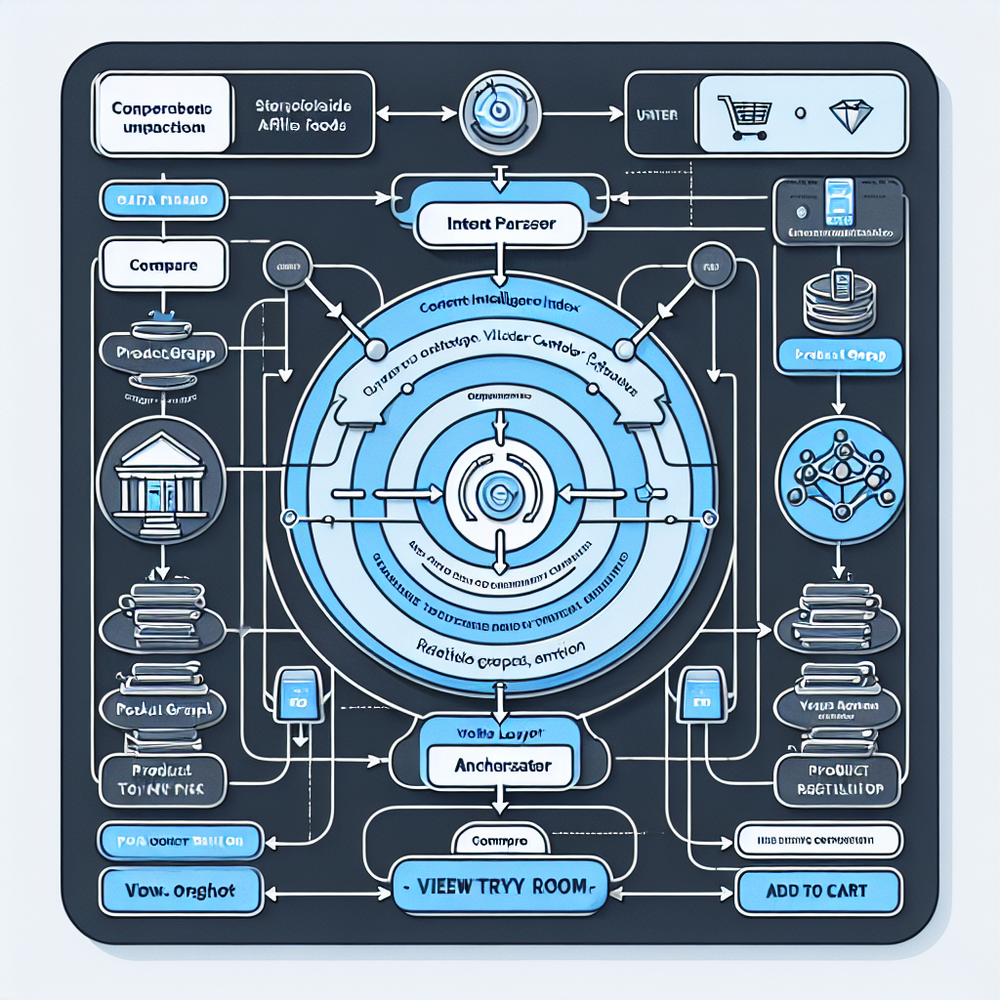
Brambles.ai captures the shopper’s goal, decomposes it into attributes (price, size, constraints), grounds those against your real inventory and content, then executes actions in‑flow. It’s not just “showing results”—it’s orchestrating a mini buyer journey in one surface.
Key capabilities: natural‑language retrieval over your catalog and articles; context carryover across pages; and decisive affordances like compare and cart. Brambles’ AI product discovery interprets fuzzy constraints (“breathable,” “festival‑proof”), while Content Intelligence continuously indexes your site so answers reflect live availability, sizing, and policies.
For revenue, two levers matter. First, Proactive Engagement triggers the right prompt on the right page (“Want us to build a weekend wardrobe under $250?”), converting lurkers into shoppers. Second, Direct Add to Cart lets users buy straight from chat—no detours—boosting CVR and reducing drop‑off.
Implementation Guide: From Zero to Live in Days
You can ship a working agentic flow in under a week. Here’s a practical sequence we’ve used with both publishers and retailers.
1) Install the widget. Use the Agentic Commerce Module to embed on any site, or the WordPress plugin for WP/WooCommerce. Retailers on Shopify can plan ahead with the forthcoming app.
2) Connect data. Provide product feeds and taxonomy, plus content sitemaps. Content Intelligence will crawl and index your site; we also support brand metadata like fit guidance and care instructions for richer answers.
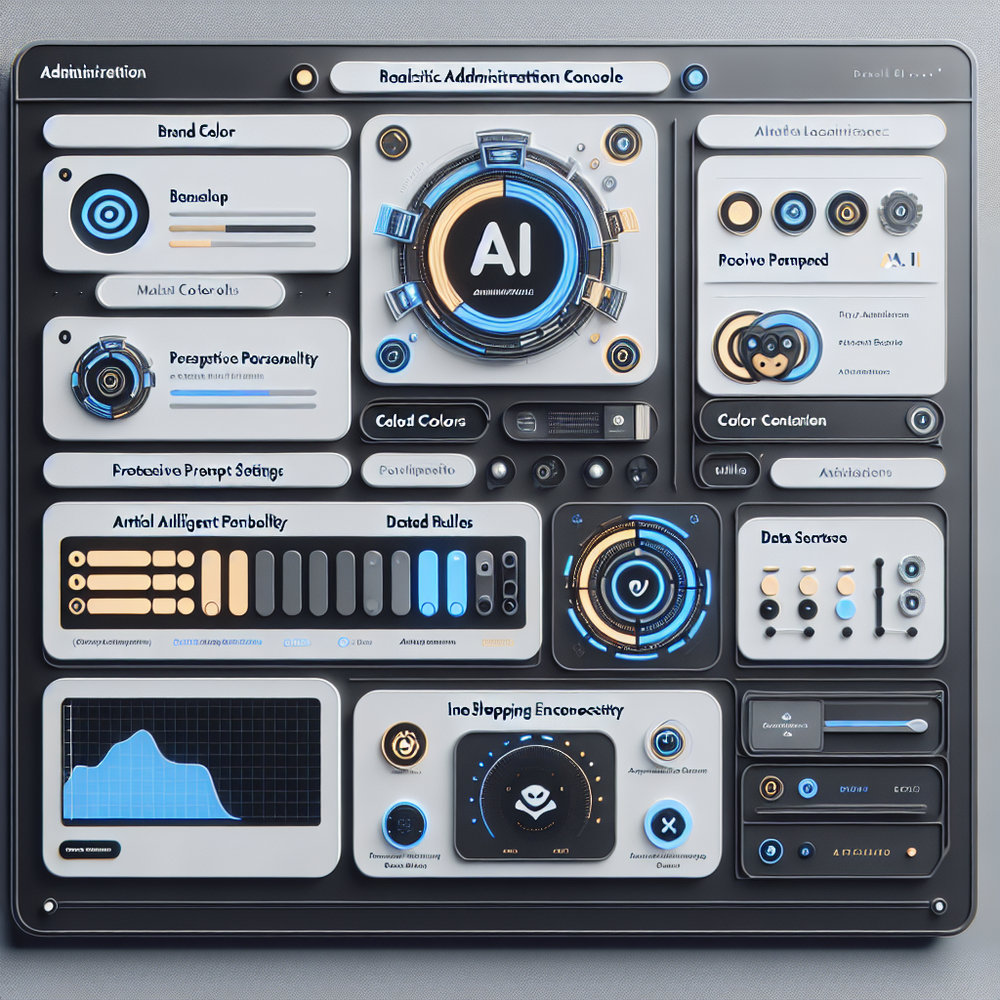
3) Configure experience. Set tone and guardrails via AI Personality, style the widget to your brand, and choose placements: floating chat, inline embeds inside articles, or both. Use proactive prompts on high‑intent pages.
4) Close the loop. Enable Direct Add to Cart for your ecommerce, or affiliate routing for publishers. Where visual confidence matters, add Virtual Try‑On or View in Room to the action layer.
Checklist for launch: capture 3–5 high‑intent prompts per category; define success events (Add to Cart, outbound click, purchase); ensure product attributes are complete; set proactive prompts per template; QA affiliate deep links; and run a 50/50 holdout for 2–4 weeks.
Measuring ROI and Proving Incrementality
Pro tip: decide your scorecard before launch. At minimum, track CVR, AOV, RPM (for publishers), time‑to‑purchase, and assisted revenue. Set UTMs on AI‑initiated journeys and define event taxonomy for compare, refine, and Add to Cart.
What good looks like: Publishers often see +20–40% RPM on article pages where agentic prompts run, driven by higher intent matching and better affiliate depth. Retailers see 10–25% CVR lift when Direct Add to Cart is enabled, plus AOV gains from guided bundling. These ranges align with broader personalization impact patterns highlighted by McKinsey and Salesforce in customer experience studies.
Testing framework we use: 50/50 split of eligible traffic; primary KPI is purchase or commissioned sale; secondary KPIs include Add to Cart, product clicks, and dwell time. Cut the data weekly, and segment by device, category, and entry page to spot asymmetric wins. If you’re a publisher, layer in retail media to monetize attention even when there’s no click‑out.

First‑Party Data, Trust, and Transparent Monetization
Agentic commerce thrives on first‑party context, not third‑party cookies. Brambles.ai keeps conversations contextual to the page and your catalog, minimizing data sprawl while maximizing relevance. Clear disclosures matter; we’ve seen no drop in conversion when disclosure is explicit and human‑readable—if anything, trust goes up.
Publishers can mix affiliate revenue with privacy‑safe ad products. Use Contextual Ads for CPC monetization aligned to the on‑page topic, and Retail Media for sponsored placements inside the agentic results—clearly labeled, with frequency caps. Both preserve first‑party trust and create incremental yield per session.
Common Pitfalls (and How to Avoid Them)
- Thin attributes: If sizes, materials, or fit notes are missing, the AI can’t fulfill constraints. Fix with richer feeds and Content Intelligence indexing. - Over‑aggressive prompts: Proactive nudges should feel like help, not pop‑ups; cap by scroll depth and intent. - No visual proof: Use Virtual Try‑On or View in Room to de‑risk style and fit decisions. - Dead‑end actions: Always offer refine, compare, and Add to Cart from chat to keep momentum.
Future Outlook: Native Mobile and Rich Media Journeys
Mobile is where agentic commerce feels native. Brambles’ mobile experience supports bottom‑sheet chat, video‑led discovery, and one‑hand Add to Cart. Expect more journeys sparked by short‑form video and completed within a single conversational surface.
If you’re planning roadmap bets, align with what’s already compounding: conversational discovery, visual proof, and instant actions. We explore this shift—and the upside for publishers—in our broader perspective on the cookieless, ad‑light future of shopping.
FAQ
How is this different from site search or a chatbot?
Agentic shopping is task‑oriented. It doesn’t just answer; it does. Brambles.ai parses goals, grounds against real products, and executes actions like compare and Add to Cart in one flow—far beyond keyword search or a scripted bot.
What does implementation require for publishers vs. retailers?
Publishers embed the widget, connect affiliate feeds, and choose placements (floating chat or inline). Retailers connect live catalogs and carts. Both configure prompts, branding, and guardrails. Typical setup: days, not months.
Does this work with WordPress or Shopify?
Yes. There’s a one‑click WordPress plugin for WP/WooCommerce sites. A Shopify App is on the way; teams can prepare data and UX now so launch is quick when it lands.
How do we monetize when a shopper doesn’t click out?
Use retail media and contextual CPC units inside the chat, clearly labeled. Many publishers see additive yield even when there’s no affiliate click, because agentic sessions sustain attention and commercial intent.
What are realistic results to expect in month one?
On like‑for‑like traffic, publishers often see +15–30% RPM on pages with agentic prompts; retailers see +8–20% CVR on activated categories. Dial in prompts, attributes, and visual proof to climb from there.
Ready to pilot? Explore plan options, embed with the Agentic Commerce Module, or start a limited rollout on your highest‑intent templates. Our team can co‑design prompts and KPIs with you.
Related resources on Brambles.ai
If you are implementing this, start with Brambles.ai, enterprise solutions, about Brambles.ai, AI customer service.
Related posts
View all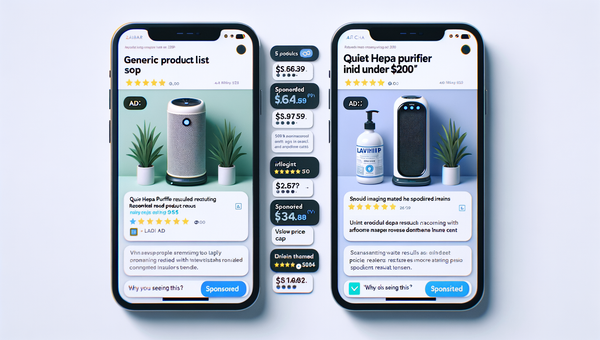
Sponsored Products in AI Shopping: Retail Media 101
Learn how sponsored product placements power AI shopping, how bidding and relevance work, and how to implement retail media without eroding trust or UX.
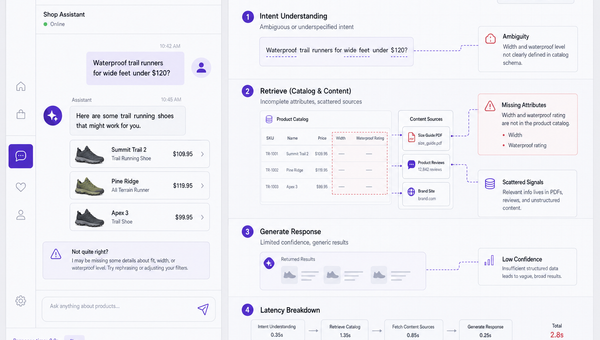
Why Good AI Shopping Agents Are Hard—and How Brambles Helps
Most AI shopping bots fail on data quality, UX, and trust. See why agents break in the wild and how Brambles.ai fills the gaps with measurable features.
Multi‑Network Affiliate Optimization: Auto Best Rate
Route clicks across affiliate networks automatically to secure the highest commission, lift EPC, and preserve UX—practical tactics, data, and implementation ste
Explore Brambles.ai
Learn more about our AI-powered agentic commerce platform, agentic shopping, and shopping assistance solutions.
Explore More Insights
Discover more articles on AI, automation, and business innovation
View All Articles