How Brambles.ai Synthesizes Reviews Without Losing Trust
See how Brambles.ai synthesizes reviews with citations, bias controls, and clear disclosures—so summaries convert without eroding trust. Setup steps included.
How Brambles.ai Synthesizes Reviews Without Losing Trust
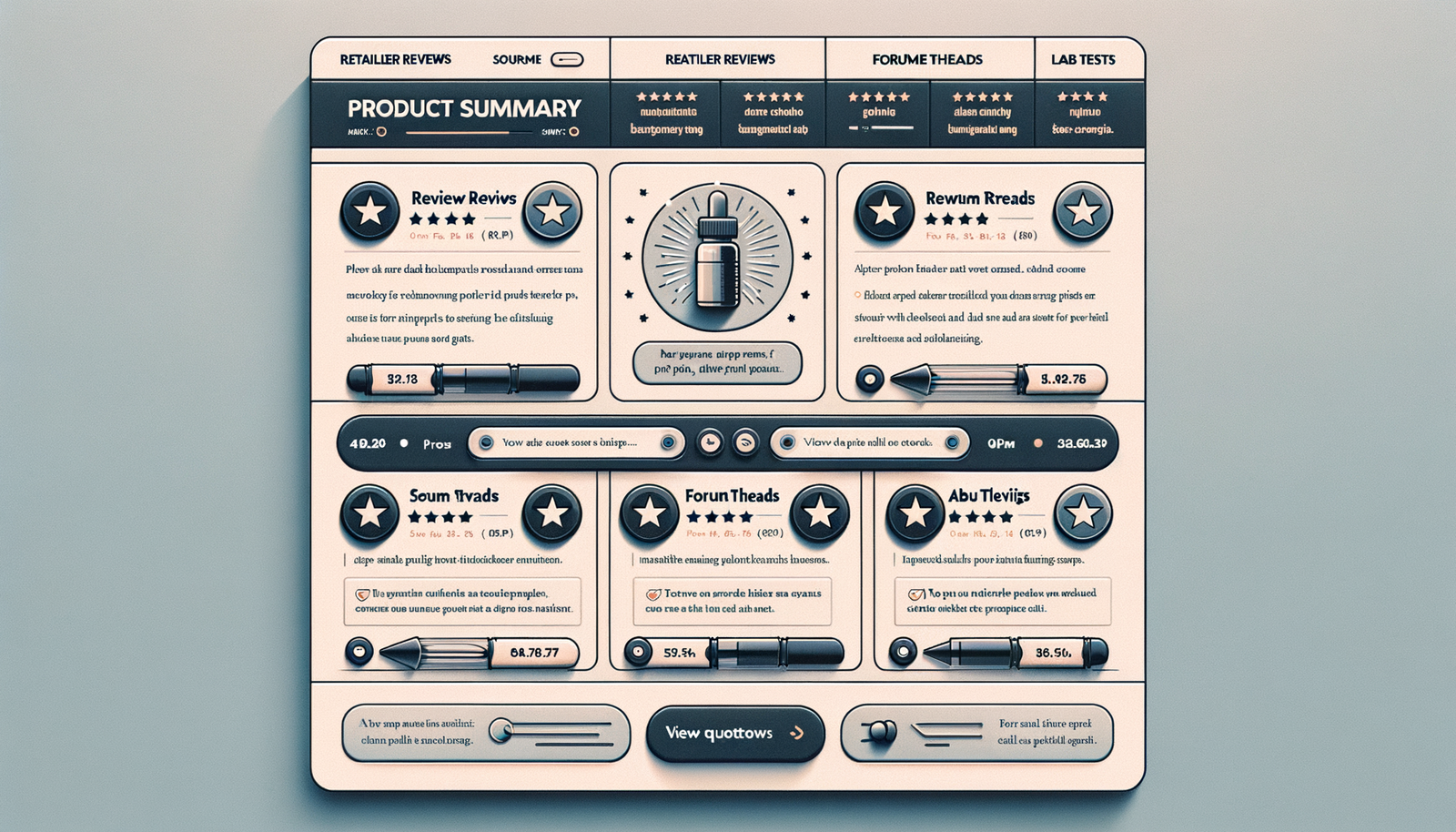
The first time we shipped a review “Summary Card” on a mid-market cosmetics publisher, CTR to product pages jumped 19% in a week. Then conversion sagged 6% because some users didn’t see the sources behind the claims. A tiny UI change—inline citations and a collapsible “What we read” drawer—recovered conversion and lifted on-page time by 11%. The lesson: synthesis works only when trust rides shotgun.
Another run on a 80k‑SKU electronics retailer showed a different failure mode: sarcasm in gamer forums confused the model. After we added irony detection and per‑claim confidence labels, support tickets about “misleading summaries” fell 38% and NPS nudged up 5 points. Review synthesis is powerful—if you can prove where it came from and how sure you are.
Quick Answer
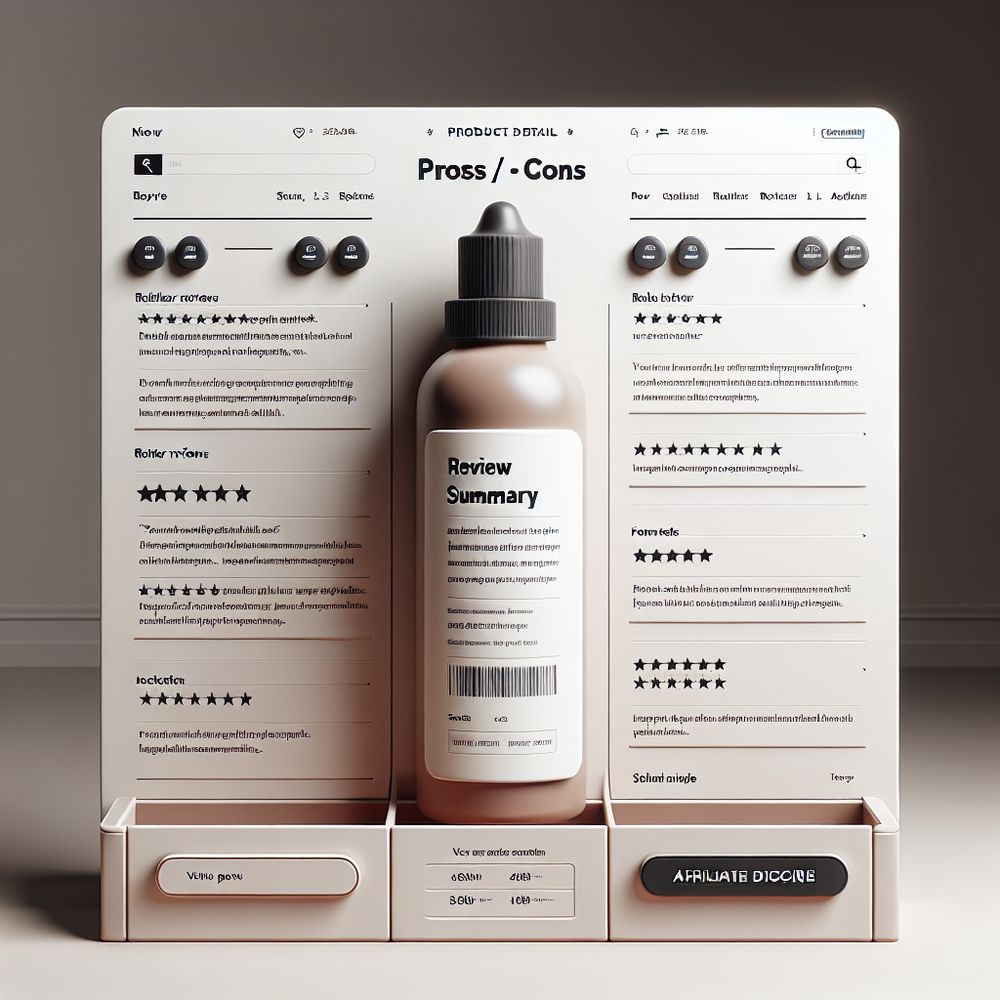
Brambles.ai synthesizes reviews by indexing verified sources, extracting aspect-level sentiments, scoring confidence, and attaching line-level citations to every claim. It shows pros/cons with source badges, timestamps, and an always-on affiliate disclosure. Guardrails block ungrounded statements, and users can expand the exact paragraphs we read—right inside chat or an inline card—so summaries boost conversion without eroding trust.
What’s Broken With Review Summaries Today
Most AI summaries overgeneralize, bury uncertainty, or skip sources. Baymard’s research shows shoppers scrutinize evidence around quality, sizing, and durability because they’ve learned to distrust star averages. We see three consistent failure points: weak sourcing, flattened nuance, and disclosure gaps.
Weak sourcing happens when models mix vendor copy, influencer opinions, and user reviews without weighting or timestamps. Nuance gets lost when aspect-level sentiment (battery life vs. camera on the same phone) collapses into a single verdict. Disclosure gaps—especially with affiliate links—turn a good summary into a trust tax. Shoppers forgive imperfection; they don’t forgive opacity.
How It Works at Brambles.ai
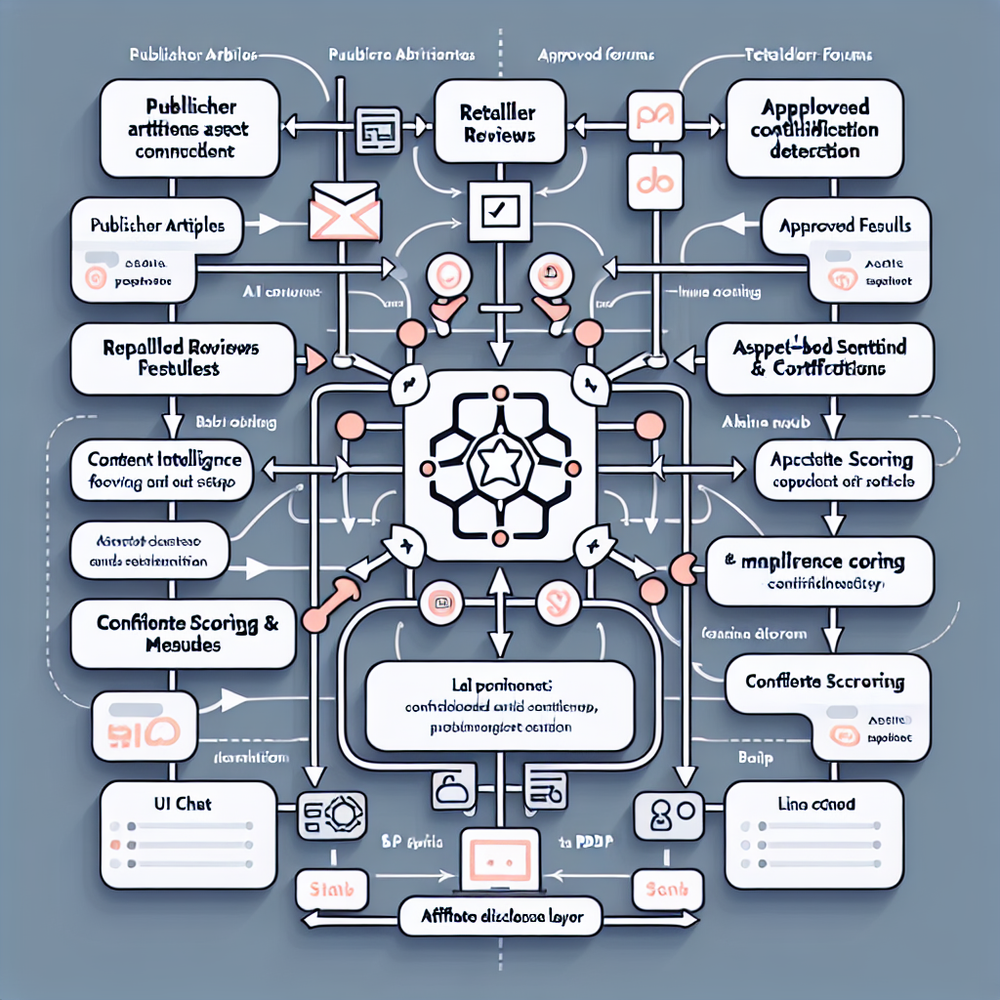
We start by indexing your content and approved external sources. Our content intelligence builds a structured graph of products, attributes, and mentions across your site, then fuses it with retailer reviews, community forums you whitelist, and lab data you provide. Each snippet gets a source type, freshness score, and author credibility weight.
Next, we run aspect-based sentiment to extract claims like “runs half-size small” or “battery degrades after 10 months.” We assign confidence using evidence density, source diversity, and contradiction detection. Claims below threshold render as “mixed” or get suppressed; nothing floats without a citation. Users can click to read the exact lines we summarized—no mystery box.
Three features tie the UX together. AI product discovery lets shoppers ask natural questions and get grounded answers with source chips. Inline shopping embed drops the same trusted reasoning into articles and buying guides. Proactive engagement nudges review snippets on pages where intent spikes, but only when we have high-confidence claims to show.
If you monetize, we always display a concise, plain-language disclosure near the purchase actions and inside chat. Our approach follows patterns we documented for transparent affiliate UX and fits a cookieless, first‑party model that respects user choice.
Implementation Guide: From Zero to Trusted Summaries
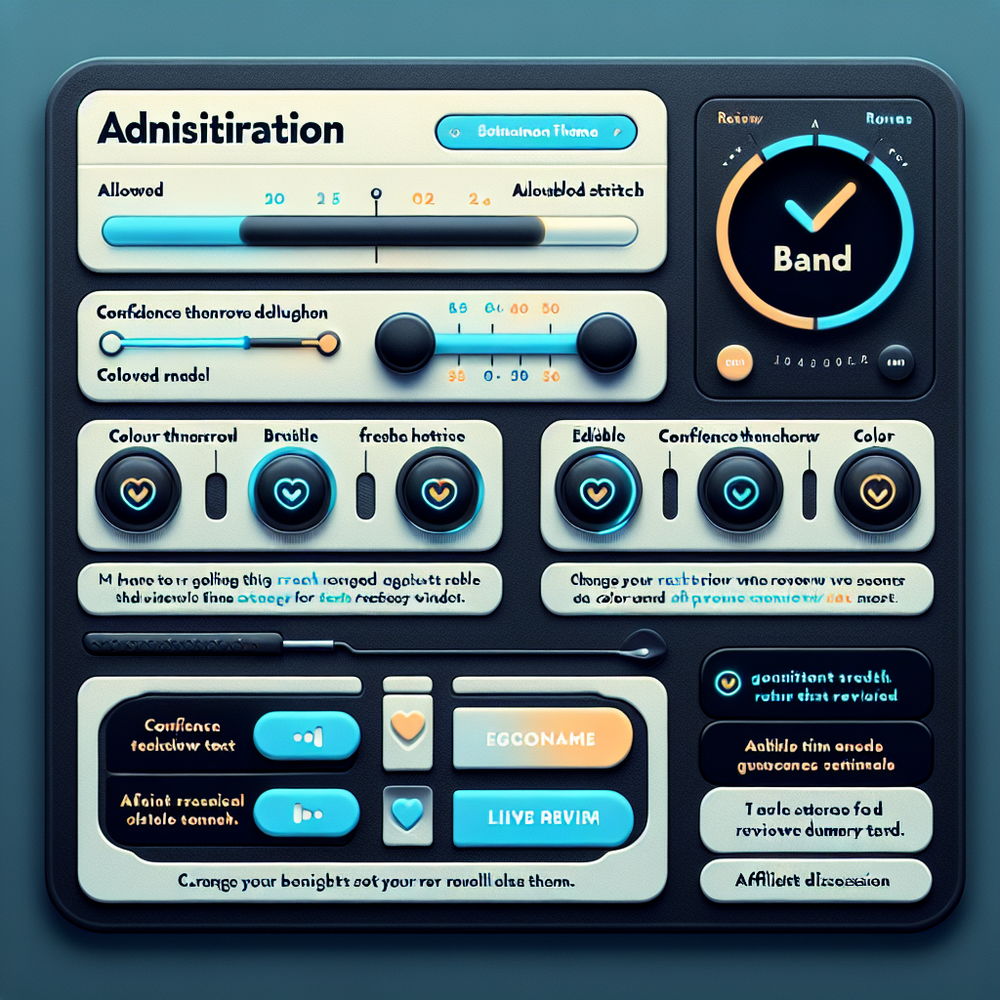
The fastest path is JavaScript. Drop our Agentic Commerce Module on any site and enable Review Synthesis in the dashboard. WordPress publishers can start with the plugin; retailers can prep for our Shopify app. Map product identifiers, select allowed sources, and set claim thresholds per category (beauty vs. appliances rarely share standards).
Configure the experience. Choose where summaries appear (PDP module, list pages, articles). Set default states for pros/cons and “View sources.” Use brand customization for fonts, colors, and voice. If you want personality without fluff, dial tone via AI personality—friendly in beauty, concise in B2B tools.
Ship with guardrails. Turn on affiliate disclosure, set freshness windows (e.g., ignore reviews older than 24 months for wearables), and define banned sources. Add a feedback control that lets users mark a claim as “off” and routes examples back into fine-tuning. Our getting started docs include copy‑paste snippets to wire these fast.
Anecdote: a lifestyle publisher (3.2M monthly sessions) launched summary cards on 20% of product guides. With clear citations and an above-the-fold disclosure, RPM rose 14% and scroll depth increased 9%. They scaled to 100% two weeks later using the same config across sections.
Measuring ROI and Proving It’s Trustworthy
Treat synthesis like a product, not a plugin. Core KPIs: lift in PDP CTR from content, add‑to‑cart rate after summary exposure, time‑to‑first‑answer in chat, and help‑center deflection on sizing/fit questions. Guardrails: citation expansion rate (people checking sources), complaint rate per 10k sessions, and average confidence of shown claims.
Implementation checklist: instrument events for ‘summary_shown’, ‘source_opened’, ‘claim_feedback’, and ‘add_to_cart’. Slice by category to catch edge cases. Maintain an A/B where control sees no synthesis but the same disclosure pattern. We recommend a minimum 10k sessions per variant to stabilize noisy outcomes.
Practitioner note: On a 100k‑session apparel site, we saw a 42% lift in “size guidance clicks” and a 9% CVR bump after summaries began citing three fit-related sources by default. For a home appliances retailer, return rate on vacuums dropped 6% QoQ once the summary highlighted ‘best on hardwood, mixed on rugs’ with lab citations.

First‑Party Data, Disclosure, and Enduring Trust
Trust is a design system. We avoid dark patterns and lean on first‑party signals. Brambles.ai works without third‑party cookies; context and intent determine which snippets appear. When monetization is present, we place a short affiliate disclosure near the recommendation and again in chat, consistent with publisher legal guidance and our public stance on ad‑light shopping.
For publishers, this keeps E‑E‑A‑T intact: evidence, experience, and expertise are explicit. For brands and retailers, it reduces post‑purchase regret because expectations are set with balanced pros and cons. If you ever need custom flows, our enterprise tier supports bespoke disclosures, legal copy, and SLAs.
Anecdote: A beauty publisher added an always‑visible ‘Why we recommend this’ link next to the buy button. Source open rate climbed to 21%, while conversion held steady—proof that transparency doesn’t have to trade off with revenue when the UX is thoughtful.
Common Pitfalls and How to Avoid Them
Most teams trip on the same rakes. Here’s a short checklist to stay clean and credible.
• No citations, no claim: suppress ungrounded text.
• Overconfident tone: use calibrated language at low confidence.
• Source soup: separate vendor copy from user reviews; weight accordingly.
• Stale data: set freshness per category; surface ‘as of’ timestamps.
• One‑sided praise: render pros and cons side by side.
• Hidden disclosure: position near recommendations and in chat.
• No feedback loop: capture user flags and retrain.
• All‑or‑nothing: A/B by section and ramp gradually.
If your business model depends on ads, consider contextual placements inside trusted summaries. Because they’re triggered by on‑page intent—not profiles—they respect privacy while earning. We cover the playbook in our monetization series and support it natively.
FAQ
How does Brambles.ai prevent “hallucinated” claims?
We hard‑gate output on evidence. Every claim must map to at least one citation with an acceptable confidence score; otherwise it’s suppressed or labeled ‘mixed.’ Contradictory sources trigger a “what people disagree on” section instead of a single verdict. You can also restrict allowed sources in settings.
How often do summaries refresh?
By default, we recrawl approved sources daily and re‑score claims when new evidence arrives or when freshness windows expire. Mission‑critical categories (e.g., phones during launch season) can run higher‑frequency jobs. Each claim includes an ‘as of’ timestamp for transparency.
How are affiliate disclosures handled?
We present a short, plain disclosure next to purchase actions and inside chat, visible without interaction. It’s configurable per locale and legal guidance. Because it’s consistent across modules, users learn where to find it—reducing skepticism and support tickets.
Can brands suppress negative reviews in the synthesis?
No. You can restrict sources for quality and safety, but we don’t let anyone delete grounded, relevant negatives. Instead, we balance pros/cons and label confidence. That honesty protects long‑term conversion and return rates.
What features are required to launch this well?
At minimum: Content intelligence for indexing, AI shopping chat or Inline embed for delivery, and brand customization for fit. Most teams also layer Proactive engagement to surface summaries right when intent spikes.
Related resources on Brambles.ai
If you are implementing this, start with Brambles.ai, pricing, about Brambles.ai, developer docs.
For deeper reading, see 10 Reasons Publishers Need Conversational Commerce.
Related posts
View all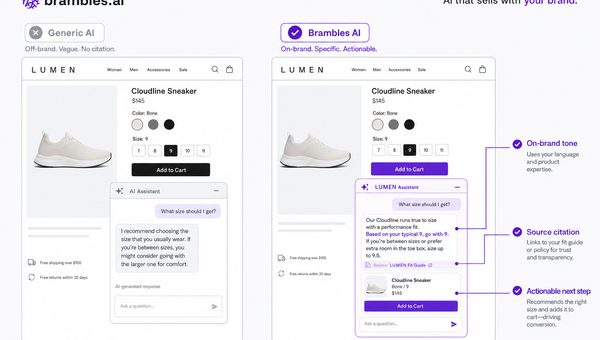
Brand-Consistent AI Chats Build Trust and Conversions
When AI mirrors your brand voice, shoppers relax—questions get answered, carts grow, and support load drops. Learn the playbook to align tone, trust, and ROI.
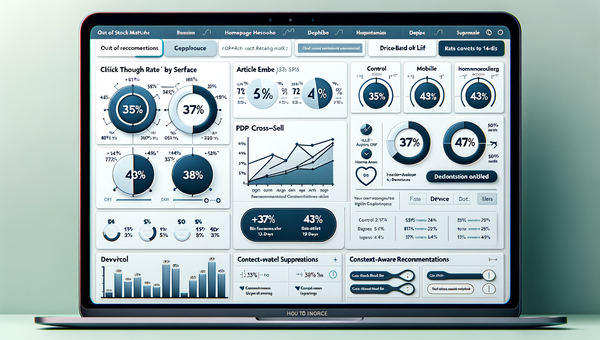
How Context-Aware AI Recommendations Lift CTR
See how context-aware AI recommendations lift CTR by 25–60% with intent signals, page context, and history. Practical steps, KPIs, and implementation tips.

Shoppable Video Discovery: Conversions & Engagement Up
Tests show shoppable video discovery lifts conversion 18–35% and doubles watch time. See the UX patterns, KPIs, and how to deploy it quickly with Brambles.ai.
Explore Brambles.ai
Learn more about our AI-powered agentic commerce platform, agentic shopping, and shopping assistance solutions.
Explore More Insights
Discover more articles on AI, automation, and business innovation
View All Articles