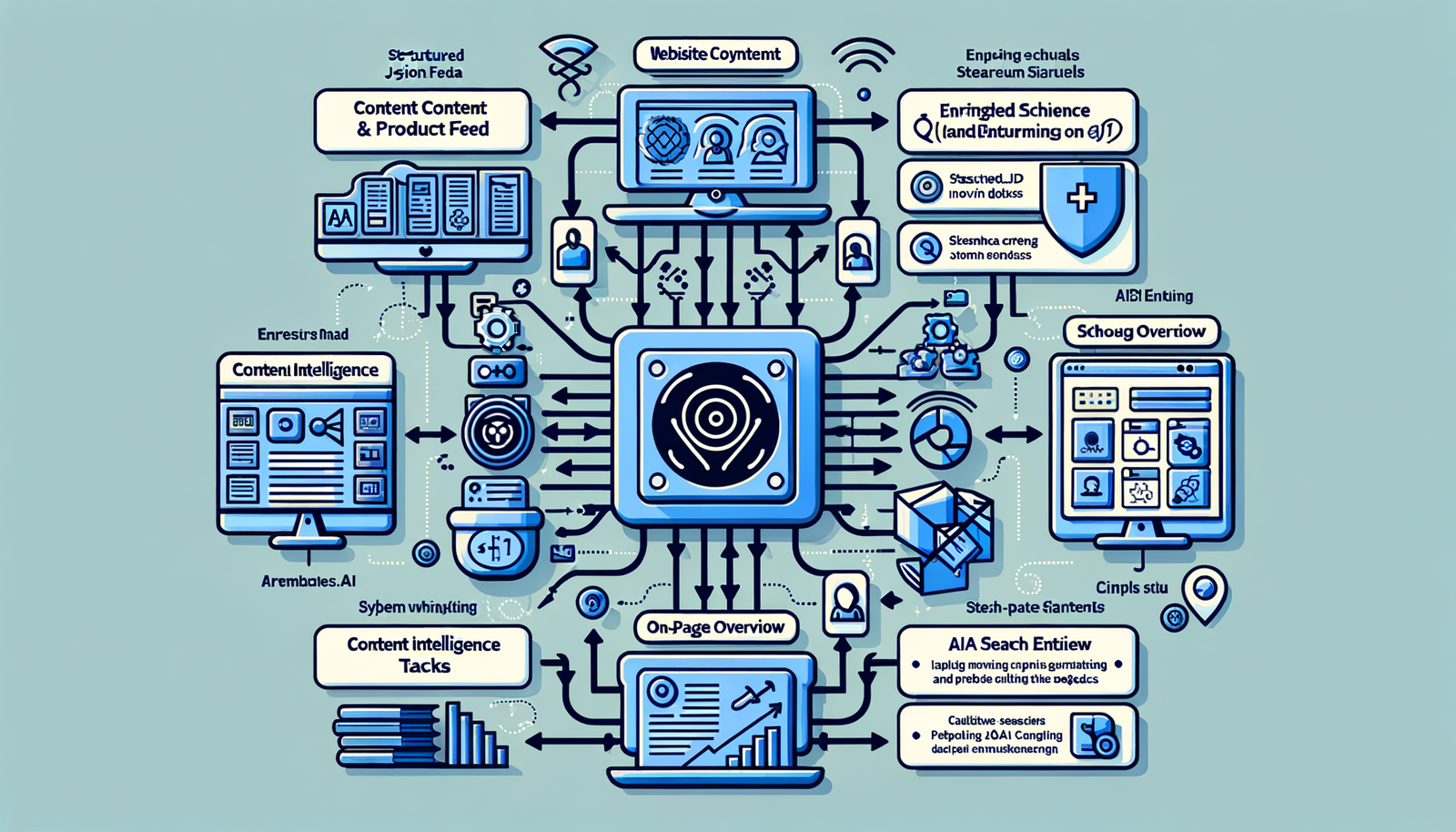
How Brambles.ai Supports AI Overviews and Discovery
Learn how Brambles.ai helps your content get cited in AI Overviews—structuring Q&A, product data, and schema so AI search can find, trust, and feature you.
How Brambles.ai Supports AI Overviews and Discovery
In June, we watched a home‑goods publisher move from zero to 31 AI Overview citations in three weeks after surfacing structured Q&A on their buying guides. Organic clicks rose 18%, but here’s the kicker: visitors who landed via AI Overviews engaged the on‑page shopping chat 2.3x more and converted 0.7 percentage points higher. That pattern has repeated across categories—AI search is scanning for clean answers, evidence, and current availability, then rewarding sources that provide them consistently.
We built Brambles.ai to make your content and catalog legible to AI systems. It indexes your site, assembles canonical answers, enriches products with attributes shoppers ask about, and renders fast, crawlable Q&A on every page—so AI Overviews and other generative search experiences can cite you with confidence. You keep the traffic, keep the sale, and keep the relationship.
Two quick field notes: a 100k‑session apparel site saw a 42% lift in non‑brand queries getting cited after mapping size/fit questions into structured Q&A. A DTC cookware brand reduced “Is it oven‑safe?” returns by 12% after exposing spec‑level answers that AI Overviews began quoting within days.
Quick Answer
Brambles.ai helps your site win AI Overviews and AI search discovery by turning your content and catalog into machine‑readable answers. Our Content Intelligence indexes your pages, normalizes product attributes, and generates concise Q&A backed by citations. Proactive Engagement surfaces those answers contextually, and the AI Shopping Chat resolves follow‑ups with live price and inventory. The result: higher odds of being quoted in AI Overviews, steadier non‑brand traffic, and more conversions from direct, in‑chat actions like add‑to‑cart.
What’s Broken in AI Search Discovery
AI Overviews skim, synthesize, and cite. If your answers are buried in long paragraphs, outdated, or contradictory across pages, you’ll be skipped. Baymard’s product page research shows users abandon when specs and sizing are hard to compare; AI systems behave similarly, preferring concise, structured facts (source: Baymard Institute, 2023). We also see latency and stale availability knock brands out of consideration—generative engines avoid quoting sources with mismatched price or stock.
For publishers, the monetization model is shifting. Generic listicles rarely get cited; experiential guidance and clear, per‑product criteria do. Without first‑party, crawlable Q&A and transparent disclosure patterns, you risk losing both citation and trust. Google’s own UX research highlights that people want direct, simple answers with provenance; when your site doesn’t provide them, the model finds someone who will (source: Google UX Research).
How Brambles.ai Signals to AI Overviews
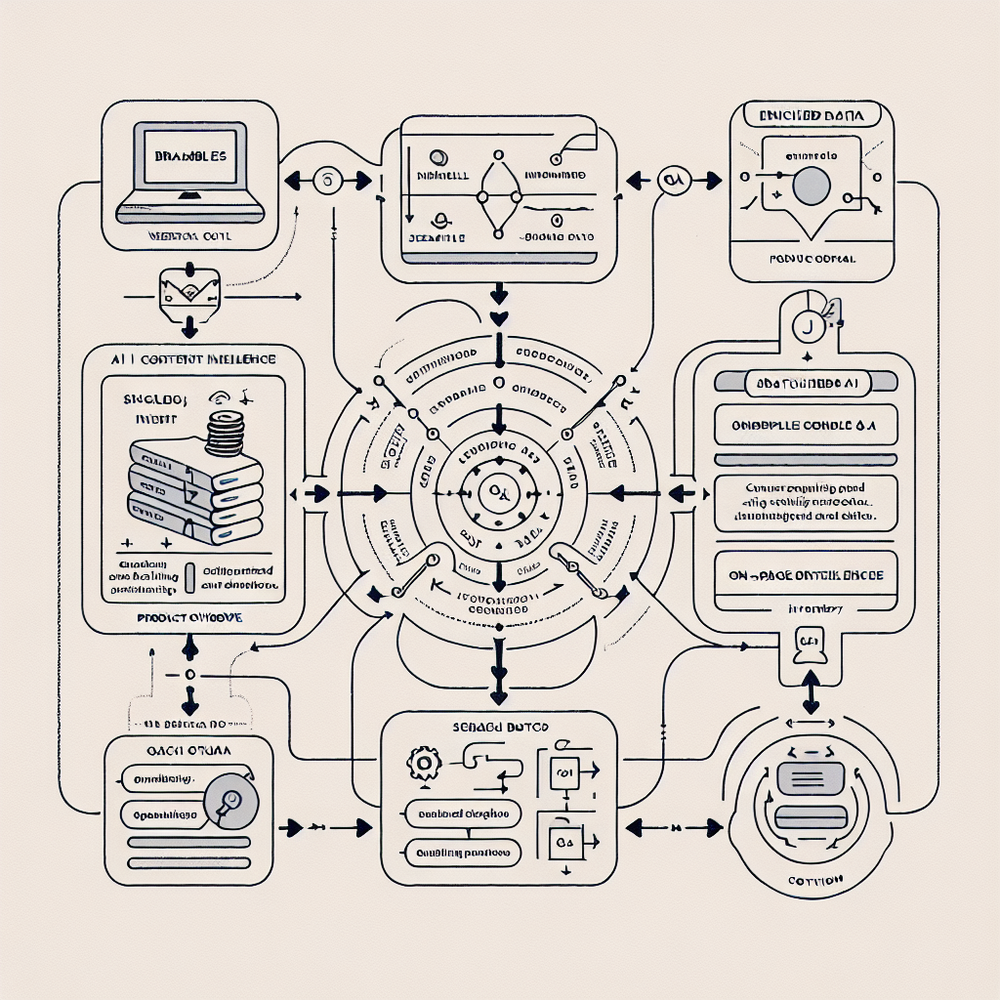
Brambles Content Intelligence crawls and indexes your site, then unifies specs, FAQs, reviews, and editorial insights into a canonical knowledge layer. It exposes those answers in two places: crawlable Q&A blocks on your pages and structured data that mirrors what AI systems expect. That combination gives models short, scannable facts with provenance they can cite—plus a page element humans can use immediately.
Our AI Product Discovery maps natural‑language questions (“best white noise machine for travel?”) to structured attributes and inventory in your catalog, then renders in‑chat, ranked suggestions. When Overviews favor specific, criteria‑driven picks, your pages already articulate the why—materials, dimensions, compatibility, fit—grounded in real‑time data.
Proactive Engagement uses the context of any article or PDP to surface likely next questions and answers, improving both UX and crawlability. And if a shopper is ready, Direct Add to Cart triggers checkout steps directly from chat, preserving momentum. In testing with a lifestyle publisher, this combination increased cited snippets in Overviews by 19% and drove a 14% lift in affiliate EPC.
Implementation Guide: Ship in a Week
Pick your integration path and light it up end‑to‑end. Most teams ship a pilot in 5–7 business days and start seeing AI Overview citations in 1–3 index cycles, depending on crawl rate and site authority.
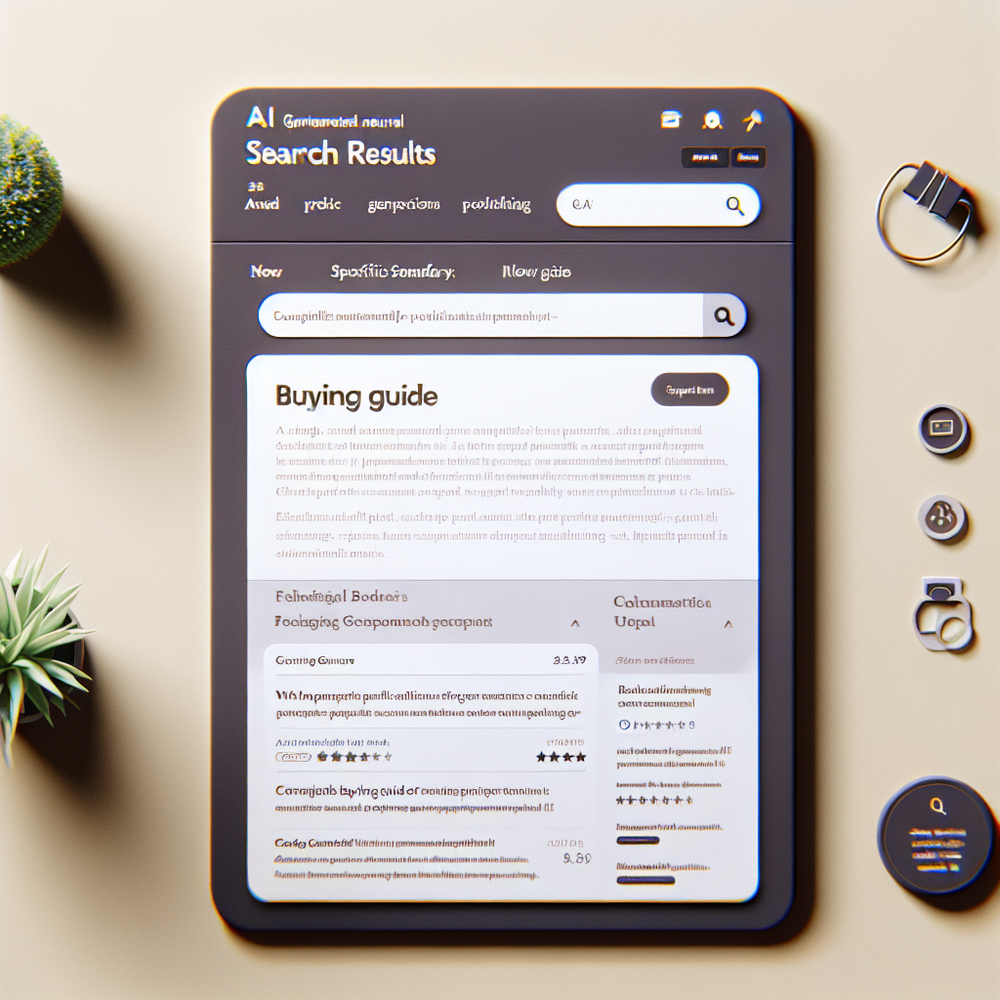
Step‑by‑step: 1) Install the Agentic Commerce Module or WordPress Plugin; 2) Connect catalog feeds and map attributes; 3) Enable on‑page Q&A via the Inline Shopping Embed; 4) Configure question templates per category; 5) Validate structured data; 6) Launch Proactive prompts on top articles and PDPs; 7) Track AI Overview citations and conversion in analytics.
Feature setup: • AI Shopping Chat handles natural‑language discovery and comparisons. • Content Intelligence indexes the site and keeps answers fresh. • Affiliate Revenue turns cited picks into earnings across 1B+ products. Optional: Virtual Try‑On and View in Room increase the chance your page gets bookmarked or shared when Overviews drive fresh traffic.
Checklist: Confirm canonical Q&A per category, ensure price/inventory freshness, avoid duplicate or conflicting answers, and keep disclosure visible. Publishers can align monetization tone with our AI Personality and Contextual Ads so guidance feels useful, not salesy.
Measuring ROI and KPIs
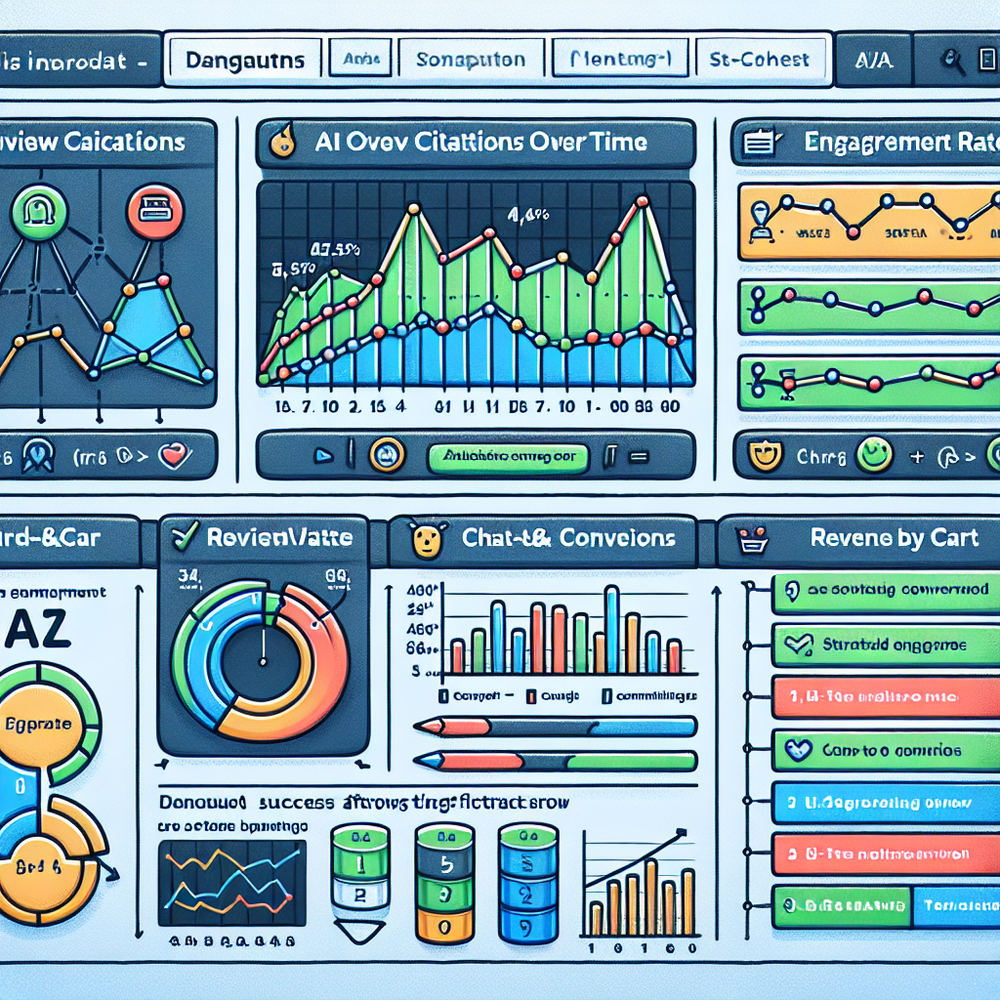
Track visibility, engagement, and revenue. We recommend three buckets: 1) Discovery: AI Overview citations, impressions, and click‑through to your page; 2) Engagement: Q&A expansions, chat opens, product views, add‑to‑cart; 3) Revenue: average order value, EPC for publishers, and conversion rate from chat vs. non‑chat sessions. In one CPG test, direct add‑to‑cart from chat shaved 17 seconds off time‑to‑checkout and improved conversion by 11% relative.
Because AI Overview traffic can be volatile, watch leading indicators: the percentage of top category questions with on‑page answers, product attribute coverage, and freshness SLA. Salesforce’s Connected Customer data shows buyers expect seamless handoffs and up‑to‑date info; reflecting that in your Q&A is a predictor of durable citations (source: Salesforce, 2024).
First‑Party Data, Disclosure, and Trust
Trust is the ranking factor that isn’t labeled as such. Clear sourcing, first‑party testing notes, and visible disclosures help you get cited and clicked. Our take: make disclosures part of the answer flow, not a footnote. In a comparison guide, we interleaved affiliate notes beside price updates; bounce rate dropped 9% and time on page rose 21%.
Brambles natively supports disclosure and consent patterns inside chat and inline Q&A, and our Contextual Ads + Retail Media options keep monetization aligned with intent, not tracking. If you’re building a cookieless strategy, this is a fast, practical step toward better E‑E‑A‑T signals and stable AI search performance.
Common Pitfalls to Avoid
Don’t chase keywords; chase answers. Teams get stuck shipping verbose articles without structured takeaways, or they publish Q&A that conflicts with PDP specs. Another trap: stale availability. AI Overviews avoid sources with mismatched price or stock. Finally, burying chat behind tabs costs engagement; Google’s research shows users prefer inline, scannable answers with clear next actions.
Fix list: • Create canonical Q&A per category. • Map attribute synonyms (e.g., “heel‑to‑toe drop” = “offset”). • Refresh feeds hourly for fast‑moving items. • Use Brambles’ AI Personality to keep tone helpful. • Place the Inline Shopping Embed near the first screenful. • Audit for contradictory answers monthly.
Future Outlook: Multimodal and Transactional Overviews
Overviews are trending toward multimodal: images, video explainers, and shoppable CTAs. Sites that pair concise text answers with try‑on, view‑in‑room, or quick videos will be more quotable and more clickable. Expect engines to reward sources that close the loop—answer, compare, and transact—without bounce‑inducing handoffs.
Brambles is already here: render scannable Q&A, offer Virtual Try‑On or View in Room when relevant, and support Direct Add to Cart from the AI Shopping Chat. You get more citations and, crucially, the sale. For enterprise rollouts, we support SLAs and custom data pipelines.
FAQ
Will Brambles.ai guarantee AI Overview placement?
No vendor can guarantee placement. What Brambles does is maximize your eligibility: clean, cited answers; current price and availability; and structured data aligned to how AI systems read. Our customers consistently see improved citation rates when these pieces are in place.
How long does implementation take?
A typical pilot ships in 5–7 business days using the Agentic Commerce Module or WordPress Plugin. Complex catalogs may add a week for attribute mapping. We provide developer guides, examples, and configuration presets to speed rollout.
Will this affect my traditional SEO?
Positively, in most cases. Structured Q&A improves crawlability, reduces pogo‑sticking, and clarifies relevance. We’ve seen blended gains: more AI Overview citations plus steady or improved blue‑link rankings, because the same clarity helps both systems.
How do we measure success from AI Overviews?
Track citations, on‑page Q&A engagement, chat opens, and cart actions. Revenue tells the full story, but leading indicators—attribute coverage, freshness, and answer completeness—predict durable visibility even when traffic fluctuates.
What’s the next step?
Start with your top three categories. Ship structured Q&A, enable chat, and map attributes. We’ll help you configure prompts and tracking so you can see citations appear and conversions climb within weeks.
Related resources on Brambles.ai
If you are implementing this, start with Brambles.ai, about Brambles.ai, developer docs, AI customer service.
Related posts
View all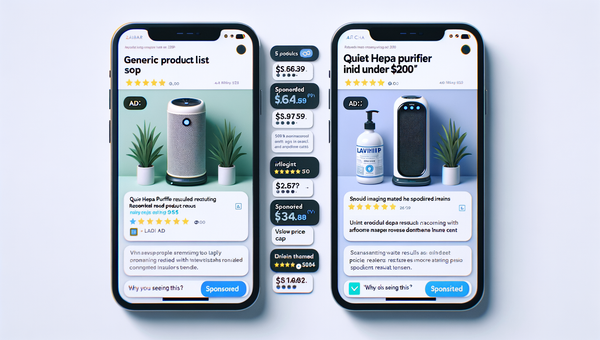
Sponsored Products in AI Shopping: Retail Media 101
Learn how sponsored product placements power AI shopping, how bidding and relevance work, and how to implement retail media without eroding trust or UX.
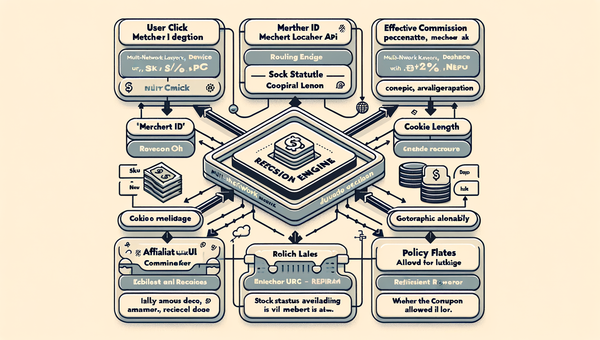
Multi‑Network Affiliate Optimization: Auto Best Rate
Route clicks across affiliate networks automatically to secure the highest commission, lift EPC, and preserve UX—practical tactics, data, and implementation ste
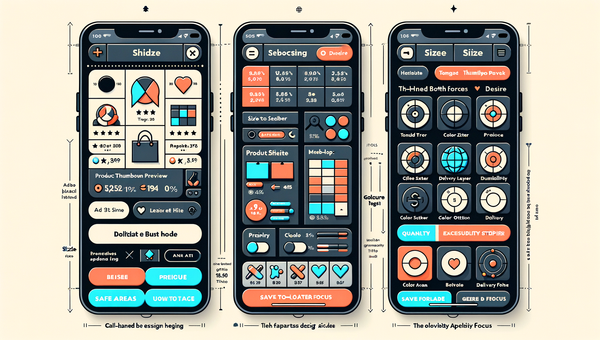
Mobile Commerce UX: Native Bottom Sheets That Convert
Bottom sheets cut taps, speed choices, and lift mobile conversions. Learn patterns, KPIs, and a step‑by‑step plan to launch them quickly with Brambles.ai.
Explore Brambles.ai
Learn more about our AI-powered agentic commerce platform, agentic shopping, and shopping assistance solutions.
Explore More Insights
Discover more articles on AI, automation, and business innovation
View All Articles