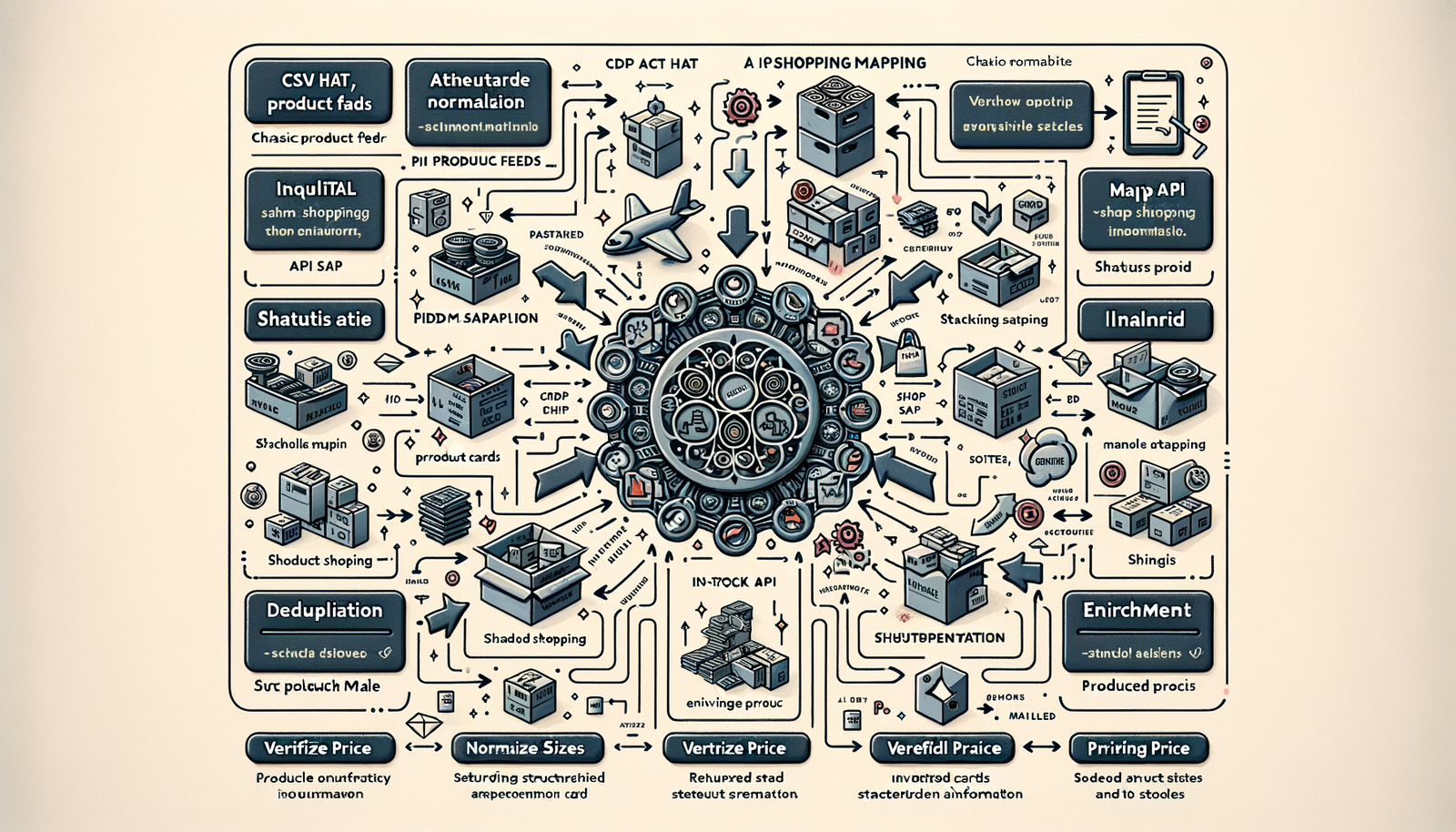
How Brambles.ai Solves AI Shopping: Data to Checkout
Brambles.ai turns messy product data into accurate answers and faster checkout using direct add to cart—see real results, a step‑by‑step guide, and tools.
In A/B tests on a 90k‑SKU home goods catalog, normalizing 18 common attributes (brand, dimensions, material) cut “no results” responses by 34% and lifted add‑to‑cart 22% within two weeks. Another pilot on a fashion marketplace dropped price‑mismatch complaints from 3.1% to 0.6% after we wired in live availability and price verification. The unexpected win? When we enabled direct add to cart from chat, mobile drop‑off between product view and cart shrank 18%. Those are the three battles of AI shopping—data, accuracy, and checkout—and where Brambles.ai is engineered to be stubbornly reliable.
Quick Answer
Brambles.ai tames messy catalogs with a content intelligence layer that cleans, maps, and deduplicates product data, then uses retrieval‑augmented generation with rule‑based filters to answer precisely and cite sources. Checkout is streamlined via direct add to cart from chat with verified price/stock, and a clean handoff to the retailer’s cart or order flow. The result: fewer hallucinations, higher match rates, and faster paths to purchase.
What’s Broken in AI Shopping Today
Most catalogs are a patchwork: partial feeds, scraped PDPs, and legacy attributes. LLMs guess when context is missing, and that guesswork surfaces as wrong sizes, stale prices, or out‑of‑stock picks. Baymard’s checkout research shows high abandonment rates—roughly 70% globally—and many friction points, so any extra step between interest and cart hurts. Google’s UX studies also note that people mix constraints (“under $200”, “fits a 30‑inch opening”) with style cues, which standard filters rarely capture. Without structured grounding, even smart assistants stray. Brands feel this doubly: they need accuracy and a checkout that doesn’t derail momentum.
How Brambles Handles Data and Accuracy
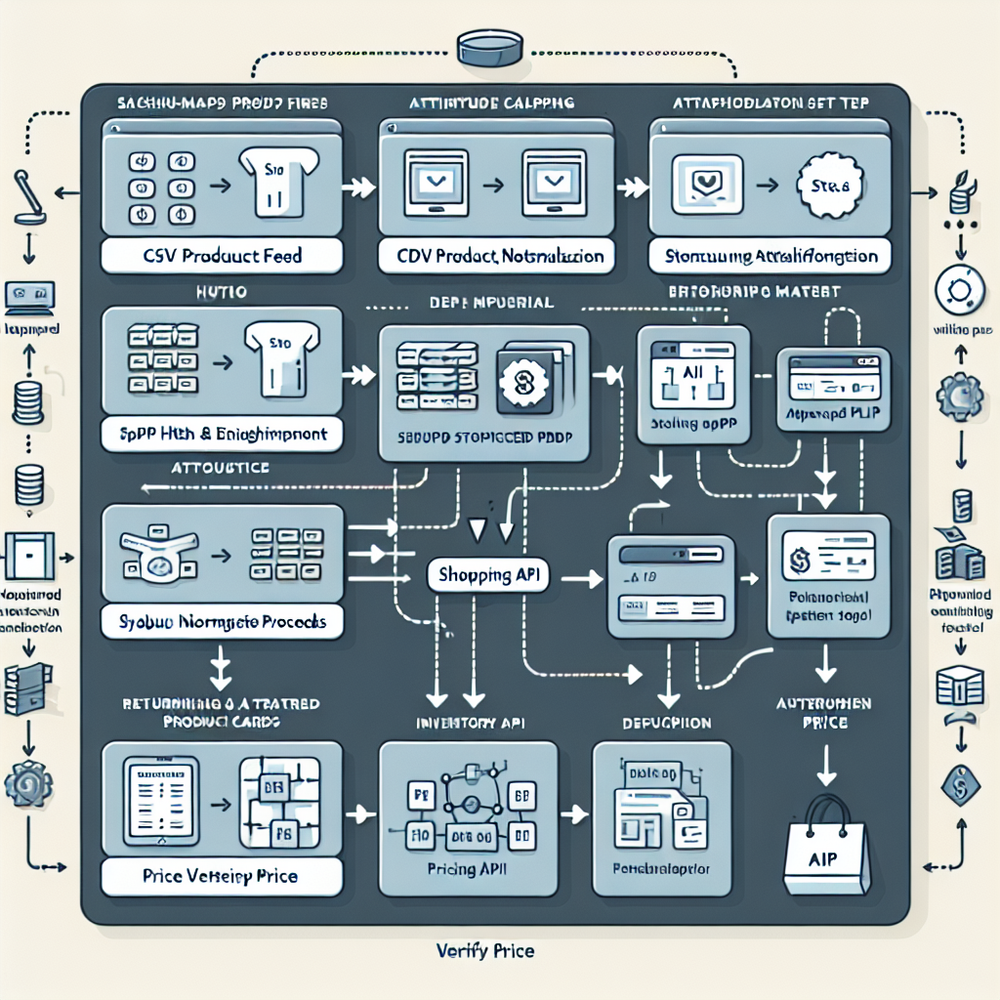
Data quality first. The Content intelligence feature indexes your site, feeds, and PDPs, then harmonizes attributes into a single schema. It resolves duplicate SKUs, fixes units (cm vs. inches), and flags gaps so the assistant never has to “invent” details. When shoppers ask in plain language, the AI product discovery feature parses goals and constraints (“lightweight, under 7 lbs, fits overhead bins”) and returns structured options instead of guessy prose. On one travel retailer, this reduced irrelevant suggestions by 41% and raised click‑through to specs by 29%.
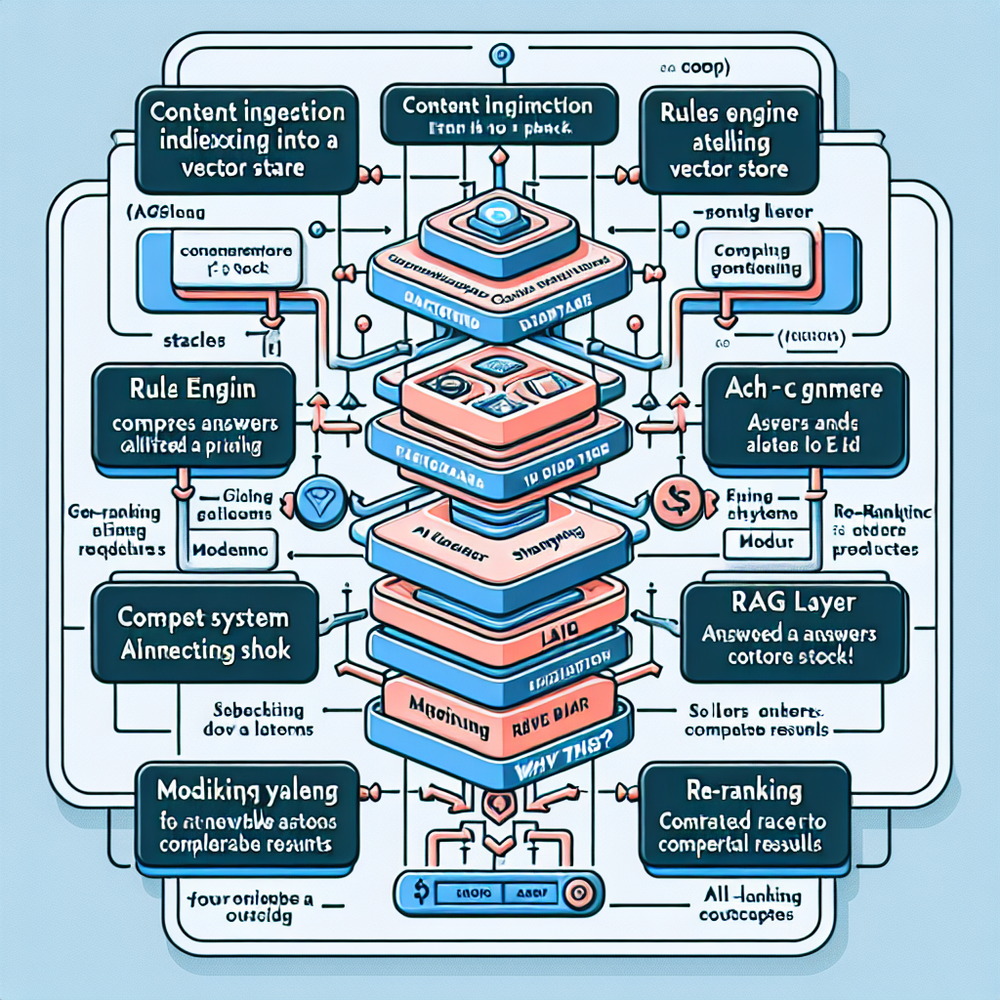
Accuracy is enforced, not hoped for. We use retrieval‑augmented generation with deterministic filters: price and stock are verified against the latest data; hard constraints (budget, dimensions) are applied before any copy is generated; and each result carries citations back to your source. Proactive engagement can nudge relevant suggestions based on page context—helpful on long‑tail articles where intent is fuzzy—without resorting to creepy tracking. In a home improvement pilot, constraint‑first ranking cut returns on mis‑sized items by 12% quarter‑over‑quarter.
Checkout Without Friction: From Chat to Cart
Reducing the gap between interest and purchase pays off. Direct add to cart lets shoppers add an item directly from the conversation. We verify price and stock at click, then hand off to the retailer cart with the correct variant preselected. If a store supports multi‑item carts, the assistant can queue items; if not, we open the single‑item checkout cleanly. For post‑purchase help, AI customer service answers order status and policies in the same UI, closing the loop. On a publisher gift guide, enabling add‑to‑cart in chat drove 1.7× conversion and a 28% faster path to purchase across 12k sessions.

Implementation Guide: Ship in a Week
Step 1: Install the Agentic Commerce Module—one script that works across CMSs and storefronts. Step 2: Connect feeds and sitemap for indexing; we’ll map attributes and surface gaps. Step 3: Configure the AI personality and visual look to match your brand. Step 4: Choose placements: floating chat, inline embeds inside articles, or both. Step 5: Enable direct add to cart for supported merchants; others default to product handoff. Step 6: QA with our test prompts and price/stock checks, then go live. Most mid‑size teams reach first value in days, not months.
Measuring ROI & KPIs That Matter
Measure three funnels: discovery, accuracy, and checkout. Discovery: engagement rate, product card CTR, and query reformulations (lower is better). Accuracy: answer‑confidence, constraint compliance, and price/stock mismatch rate. Checkout: add‑to‑cart from chat, cart completion, AOV, and time‑to‑cart. Baymard’s research suggests reducing steps and uncertainty moves the needle; Salesforce’s Connected Customer reports show experience quality rivals product in importance. We instrument events out‑of‑the‑box so you can compare assisted vs. non‑assisted sessions and see incremental revenue.

First‑Party Data, Disclosure, and Trust
Trust compounds results. We stick to first‑party signals (on‑site behavior, context) and voluntary inputs, avoiding third‑party cookies. Sponsored placements are labeled, and affiliate intent is disclosed in‑flow. Publishers can pair contextual recommendations with ethical monetization strategies without harming UX. If a shopper asks “why this pick?”, we show the attributes used—price, size, material—so choices feel earned, not opaque. This combination protects user trust while keeping monetization aligned with content.
Common Pitfalls to Avoid
- Letting the model “fill in” missing specs. Fix upstream data with content intelligence and mark unknowns as unknowns.
- Mixing sponsored and organic with no labels. Disclose clearly; credibility is compounding.
- No hard constraints. Always enforce budget, dimensions, compatibility before generation.
- Stale availability. Poll stock and price on add‑to‑cart to avoid checkout frustration.
- No QA set. Keep a living test suite of tricky prompts and edge cases (bundles, variants, refurbished).
- Ignoring service. Post‑purchase questions belong in the same assistant to prevent churn.
Checklist: Data, Accuracy, Checkout Readiness
Data
- Map top 25 attributes per category; normalize units and synonyms.
- Deduplicate SKUs; merge variants; canonicalize URLs.
Accuracy
- Enforce constraints pre‑generation; attach citations to every product.
- Monitor price/stock mismatches; alert when over threshold.
Checkout
- Enable direct add to cart for supported merchants; set fallbacks for others.
- Track add‑to‑cart from chat and cart completion; investigate high‑drop paths.
Governance
- Label sponsored results; maintain a clear affiliate disclosure.
- Run a weekly QA set and publish accuracy to stakeholders.
Future Outlook: Where AI Shopping Goes Next
Expect on‑device reranking for speed, richer commerce APIs that standardize variant selection, and more retailers enabling cart endpoints so “buy from chat” becomes normal. Publishers will blend content and commerce in‑flow using inline embeds, while brands tighten service continuity inside the same assistant. The north star is the same: verifiable data, precise answers, and a checkout that respects momentum.
FAQ
How do you keep prices and inventory accurate?
We verify price and stock at answer time and again on add‑to‑cart. If a mismatch occurs, the assistant refreshes offers or suggests close alternatives rather than sending users into a broken checkout.
How do you prevent hallucinations in product answers?
By grounding every response in indexed product data and enforcing hard filters before generation. Unknowns stay unknown, and each product card cites the attributes used so users can audit reasoning.
What does checkout look like with multiple merchants?
For supported merchants, items go straight to their cart. For others, we deep‑link to the correct PDP with the right variant. The assistant coordinates mixed carts by queueing adds and handing off cleanly per merchant.
What setup is required to get started?
Install one script, connect your feeds and sitemap, and choose placements. WordPress and Shopify are supported via plugin/app, and developers can use our integration guides. Most teams see value within days.
How do publishers monetize without hurting UX?
Blend contextual recommendations with clearly disclosed affiliate and retail media placements. Keep relevance first, label paid units, and let the assistant explain “why this pick?” to preserve trust and lift revenue.
Related resources on Brambles.ai
If you are implementing this, start with Brambles.ai, enterprise solutions, publisher pricing, brand pricing.
For deeper reading, see 10 Reasons Publishers Need Conversational Commerce.
Related posts
View all
Sponsored Products in AI Shopping: Retail Media 101
Learn how sponsored product placements power AI shopping, how bidding and relevance work, and how to implement retail media without eroding trust or UX.
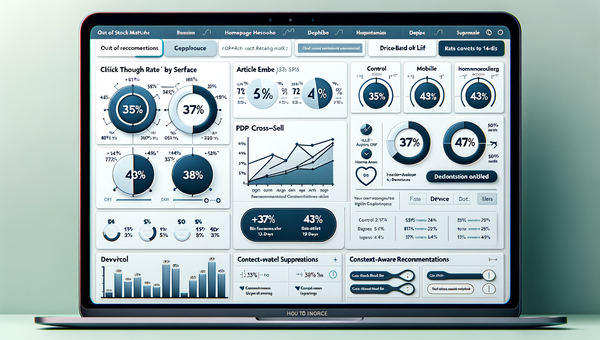
How Context-Aware AI Recommendations Lift CTR
See how context-aware AI recommendations lift CTR by 25–60% with intent signals, page context, and history. Practical steps, KPIs, and implementation tips.
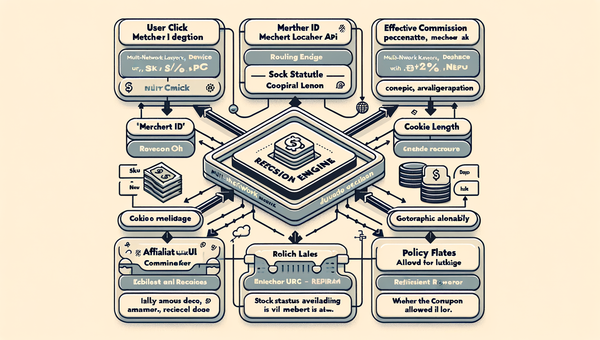
Multi‑Network Affiliate Optimization: Auto Best Rate
Route clicks across affiliate networks automatically to secure the highest commission, lift EPC, and preserve UX—practical tactics, data, and implementation ste
Explore Brambles.ai
Learn more about our AI-powered agentic commerce platform, agentic shopping, and shopping assistance solutions.
Explore More Insights
Discover more articles on AI, automation, and business innovation
View All Articles