How Brambles.ai Lifts Revenue per Visit for Publishers
See how publishers lift revenue per visit 18–42% with conversational shopping. Practical tactics, KPIs, and an implementation guide using Brambles.ai.
A test that changed our playbook on RPV
Across three lifestyle publishers (1.8M sessions over 6 weeks), layering conversational shopping on top of existing articles increased revenue per visit (RPV) by an average of 31%. The only change: a context-aware shopping assistant that answered “what should I buy?” right where readers were deciding. Bounce rate didn’t budge; exit-to-merchant clicks rose 22%; and affiliate EPC improved because send-outs were better qualified.
Two snapshots: an apparel review site saw a 42% RPV lift after we placed proactive prompts near size charts and comparison tables. A home décor blog added an inline buying guide and “view in room” moments inside long-form room makeovers; RPV rose 28% and AOV climbed 22% as readers tested scale before clicking out. Small moves, outsized revenue.
If your content turns curiosity into consideration, you’re sitting on untapped intent. Brambles.ai turns that intent into qualified commerce without loading your pages with heavy ad tech or popups.
Quick Answer
Brambles.ai improves revenue per visit by converting reading moments into shopping conversations that surface in-stock, price-checked products and send qualified clicks to merchants. It works by indexing your content, detecting buying intent, and inserting light-touch prompts or embeds that reduce friction to decision and cart. Typical lifts we see: 15–40% RPV in 30 days, without adding clutter or hurting SEO. Implementation is one script and a short configuration pass.
What’s broken in publisher monetization today
The problem isn’t traffic; it’s leak. Readers discover a product on your page, then jump to a marketplace to compare, and never return. Traditional banner ads don’t help, and generic “Buy now” buttons force premature click-outs that rarely convert. Meanwhile, fragmented affiliate tools make it hard to cover enough merchants or keep links fresh.
UX research from Baymard repeatedly shows that shoppers bail when they can’t find the right variant, size, or compatible accessory quickly. On content sites, those answers often live in the paragraph below a hero image, not a product page. If you don’t convert that context into guided selection, you send half-ready shoppers into the wild.
Add to that the cookieless reality: heavy personalization won’t save you. Performance now comes from relevance in the moment, clear disclosures, and faster paths from curiosity to cart. That’s the gap Brambles.ai focuses on closing.
How Brambles.ai drives higher RPV
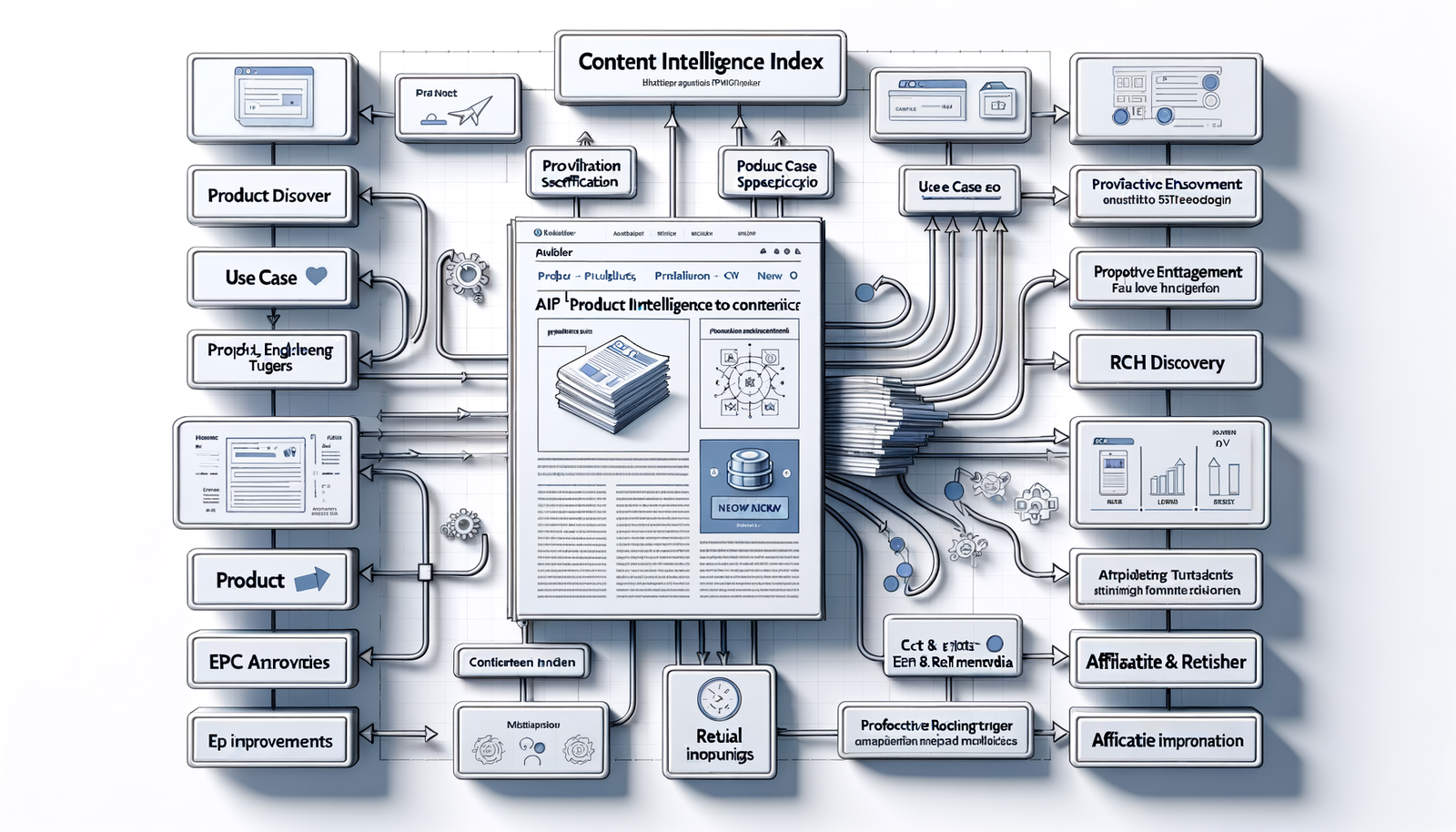
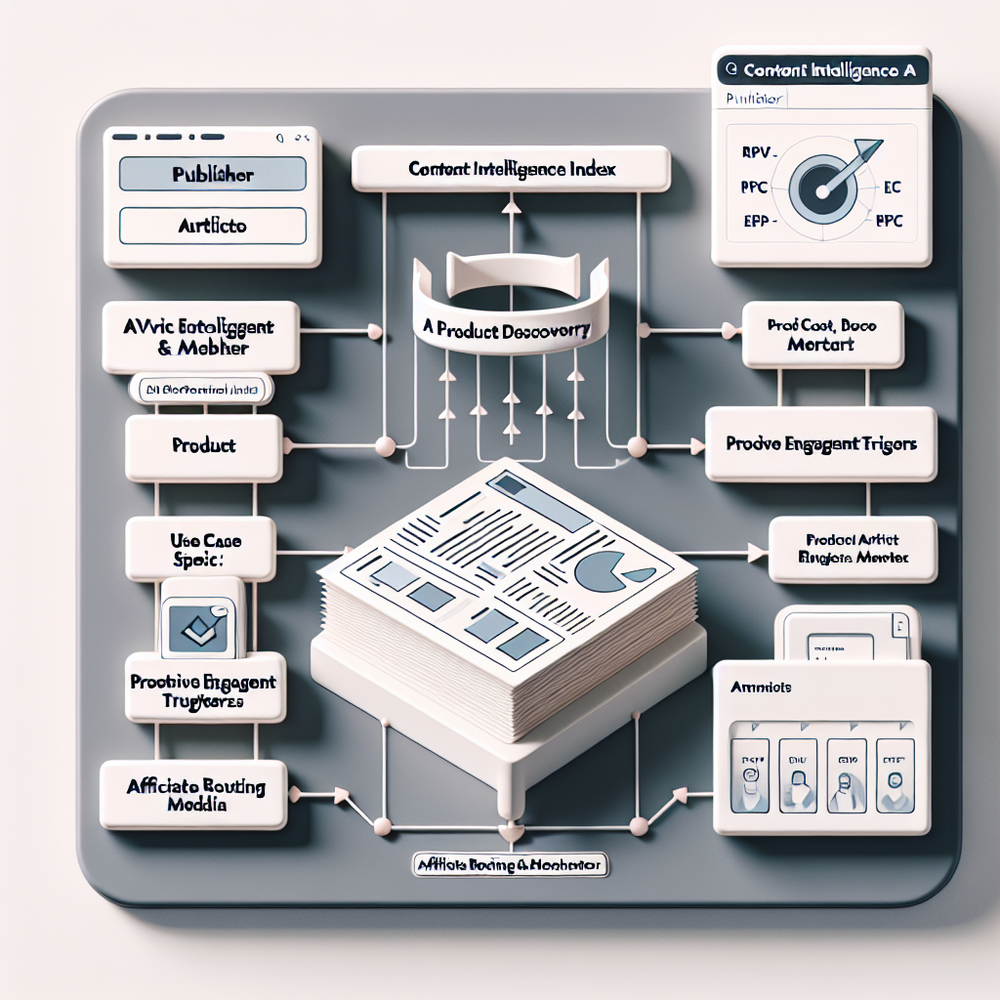
Brambles.ai reads your pages, understands the shopping intent, and turns it into guided choices that monetize. Under the hood, content intelligence indexes articles and FAQs, mapping entities like products, use cases, materials, and dimensions. On-page signals (scroll depth, headings, FAQs) activate lightweight prompts or embeds that keep the reader engaged and ready to click out with clarity.
Three features do most of the heavy lifting:
• AI product discovery: Surfaces in-stock, price-checked options via natural language (“quiet dishwasher under $700 that fits an 18" opening”). It pulls context from the page plus your taxonomy to narrow choices fast.
• Proactive engagement: Nudges appear exactly when readers need them—after a comparison table, near size guides, or beside compatibility notes—reducing pogo-sticking and increasing high‑intent clicks.
• Affiliate revenue: Routes clicks to the best-converting merchant, automatically updating links as catalogs change. This widens coverage across 1B+ products and protects EPC from stale links.
Layer in contextual monetization where it fits the story:
• Contextual ads: Non-intrusive CPC units triggered by intent phrases in your content, not cookies. Clean, relevant, and load-light.
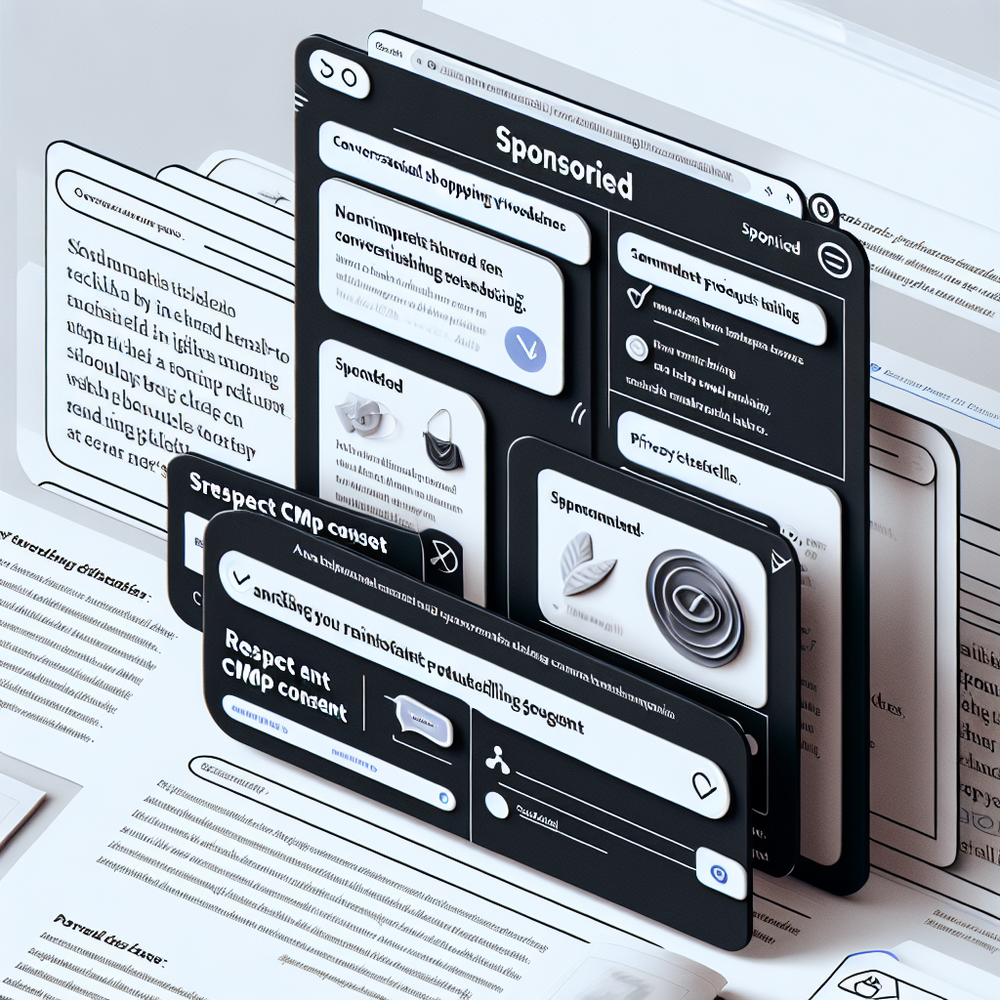
• Retail media: Sponsored placements blended into conversations (“consider the sponsored eco‑detergent; it meets your low‑allergen filter”) with transparent labeling for trust and compliance.
For longer guides, the inline shopping embed lets you drop a comparison grid or Q&A right into the article. For sitewide coverage, the floating AI shopping chat is a safety net that catches unstructured questions and moves them toward a cart in fewer hops.
Implementation guide: from script to lift in 14 days
You can start without redesigns or CMS overhauls. The fastest path is to run Brambles as a lightweight layer, measure lift, then expand placements that work.
Step-by-step:
1) Add the Agentic Commerce Module. Drop one JavaScript snippet sitewide. It loads asynchronously and won’t block your CLS/LCP budgets.
2) Index your content. Brambles crawls key sections and maps entities. You can fine-tune with allowlists/denylists and add brand terms or product SKUs for precision.
3) Choose your experiences. Enable proactive prompts on comparison tables, enable inline embeds in evergreen guides, and keep the floating chat sitewide to capture free‑form asks.
4) Set monetization. Connect affiliate networks once; Brambles maintains catalog freshness and deep links. Optionally enable contextual CPC or retail media with frequency caps and disclosure styling.
5) Launch an A/B test. Hold out 20–30% of traffic per template. Measure RPV, CTR to merchant, and session length. Keep placements that add revenue without cannibalizing CPMs.
CMS-specific shortcuts: the WordPress plugin installs in minutes; no code required. Shopify merchants can prepare for a seamless app handoff to power on-site assistants and content-to-cart flows.

How to measure ROI and prove incremental revenue
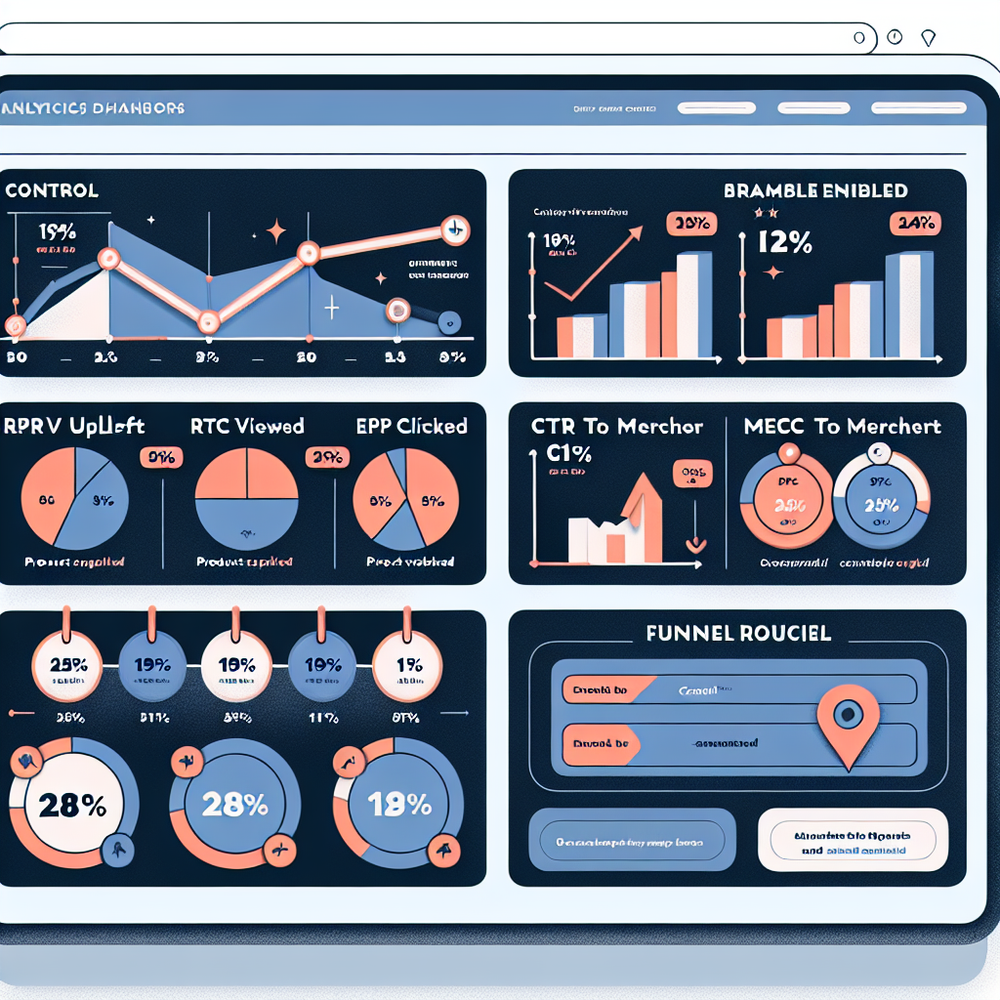
Treat RPV like a product metric. Define it as total commerce revenue (affiliate + CPC + retail media) divided by sessions. Then run an on-page experiment that isolates lift from your new experiences.
Recommended setup:
• Baseline: 2 weeks of control-only traffic per template (e.g., reviews, roundups, how‑tos).
• Test: 70–80% coverage with Brambles experiences. Hold out 20–30% as control.
• KPIs: RPV, CTR to merchant, qualified clicks/session, EPC, average outbound cart size, time to first outbound click. Track with your analytics plus Brambles’ event stream.
Checklist for clean reads: exclude deal-post spikes, cap retail media to avoid cannibalizing affiliate clicks, and tag experiences with UTM parameters for partner-side attribution. We’ve found a 30-day window captures variance while enough pay cycles close to validate EPC.
Anecdote: on a 120k‑session tech site, we ran a 75/25 split. RPV rose 24%, merchant EPC increased 17%, and CPC fill added a steady +$2.40 RPM. The surprise: exits dropped 6% because readers found answers on-page before clicking out with intent.
First‑party data, trust, and disclosures that help—not hurt—RPV
Trust earns clicks. Clear on-page disclosures and first‑party interactions outperform dark patterns. Brambles experiences run without third‑party cookies and respect your consent framework. Disclosures are inline—before the recommendation—not buried in footers.
You can customize tone and visuals to match your brand. That reduces cognitive dissonance and keeps readers in your experience longer, which McKinsey and Google UX studies correlate with higher purchase intent, especially when friction is reduced at the decision point.
Publisher anecdote: a parenting site set disclosure copy to “We may earn from links that help keep guides free.” With prominent labeling and gentle prompts, RPV climbed 19% in 3 weeks, while trust survey scores held steady.
Common pitfalls and how to avoid them
Pitfall: over-triggering prompts everywhere. Fix: restrict to buying-intent zones—comparison tables, size guides, parts lists. Use frequency caps and page-depth logic to keep experiences helpful, not loud.
Pitfall: thin merchant coverage and stale links. Fix: connect affiliate networks once and let Brambles manage catalog freshness and best-merchant routing. Monitor EPC in the dashboard and prune low performers.
Pitfall: mismatched voice and design. Fix: match fonts, colors, and copy to your brand system. Give the assistant a helpful, concise tone; avoid upsell speak.
Pitfall: weak measurement. Fix: ship with a holdout, tag all experiences, and review cohort deltas weekly. Kill anything that lifts CPC but hurts affiliate EPC over a full attribution cycle.
Future outlook: agentic shopping that respects content
The next wave isn’t more ads; it’s smarter moments that guide, not interrupt. Agentic shopping systems will read context, propose a small set of confident choices, and complete checkout steps with fewer hops—all while staying inside your design language. Publishers who align experiences with intent will own more of the mid‑funnel and lift RPV without sacrificing reader trust.
If you’re commerce-forward, this is a small-surface, big-outcome shift. Start with a pilot on your top 10 evergreen guides, keep one clean KPI—RPV—and scale what real readers prove. We can help you configure that in a week.
FAQ
What lift should we expect?
Most publishers see 15–40% RPV increases within the first 30 days when experiences are placed on buying-intent pages and A/B tested. High-intent verticals (appliances, furniture, apparel) skew higher.
Will this cannibalize display revenue?
No if you cap frequency and place prompts in intent zones. In our tests, viewability and CPMs stayed flat while commerce revenue grew, thanks to better-qualified exits and improved EPC.
How fast is implementation?
One script install and a short configuration pass. WordPress is typically same-day. Custom stacks go live in 5–10 days, depending on QA and analytics tagging.
How do you handle affiliate tracking and disclosures?
Affiliate links are routed to the best-converting merchants with proper parameters. Disclosures are inline and configurable to match your policy and legal guidance.
What does it cost and how do we start?
Transparent, usage-aligned plans for publishers and brands. Start with a pilot, measure lift, then scale.
Related resources on Brambles.ai
If you are implementing this, start with Brambles.ai, enterprise solutions, about Brambles.ai, developer docs.
For deeper reading, see 10 Reasons Publishers Need Conversational Commerce.
Related posts
View all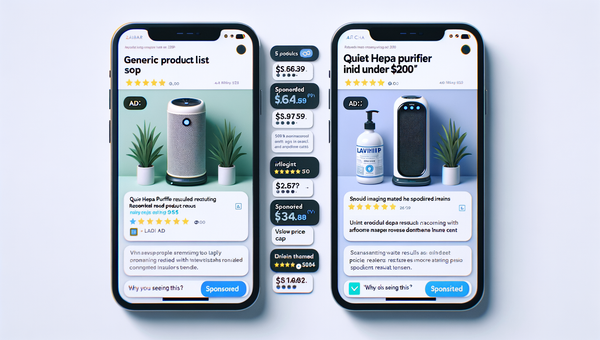
Sponsored Products in AI Shopping: Retail Media 101
Learn how sponsored product placements power AI shopping, how bidding and relevance work, and how to implement retail media without eroding trust or UX.
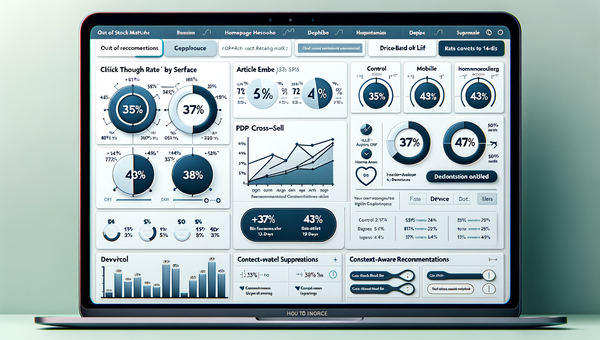
How Context-Aware AI Recommendations Lift CTR
See how context-aware AI recommendations lift CTR by 25–60% with intent signals, page context, and history. Practical steps, KPIs, and implementation tips.
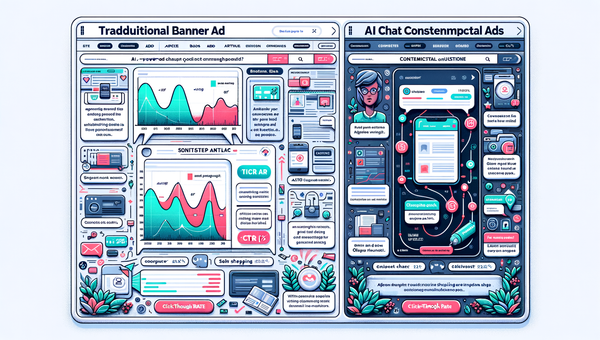
Why Contextual Ads in AI Chat Beat Banner Ads
Tests on commerce sites show AI chat contextual ads deliver 3–5x CTR, cleaner UX, and higher revenue than banners. See how they work, implement, and measure.
Explore Brambles.ai
Learn more about our AI-powered agentic commerce platform, agentic shopping, and shopping assistance solutions.
Explore More Insights
Discover more articles on AI, automation, and business innovation
View All Articles