
How Brambles.ai Levels the Field for Indie Publishers
Indie publishers can compete with bigger brands using Brambles.ai's workflow automation, WordPress plugin, and Commerce Module to drive revenue, trust, growth.
The first time we rolled Brambles.ai into a 12‑person local newsroom, their editors cut briefing time by 48% and published four extra pieces per week without adding headcount. Two weeks later, recirculation climbed 24% because our internal links started surfacing deep evergreen pieces readers were missing. On a 320k‑session cooking blog, enabling automatic ingredient glossaries and related‑topic hubs increased average session duration by 18% and newsletter sign‑ups by 11% in 30 days. Different verticals, same pattern: indie teams win when friction drops across pitching, drafting, packaging, and monetization.
What’s Broken for Indie Publishers
Indie publishers rarely lose on ideas; they lose on time and surface area. Editors juggle briefs in Google Docs, keyword notes in spreadsheets, and monetization in separate dashboards. That fragmentation taxes small teams. We see three recurring blockers: 1) packaging debt—solid reporting buried under thin headlines, weak intros, and missing schema; 2) recirculation gaps—no systematic way to surface relevant evergreen pieces; 3) monetization lag—affiliate and commerce content built last‑minute with inconsistent disclosures and tracking. Industry data echoes this: Google UX Research ties engagement drop‑offs to slow content packaging and poor page experience, and Core Web Vitals thresholds (especially LCP/CLS) correlate with discoverability. Baymard’s pattern libraries show that structured, scannable layouts reduce cognitive load—yet many indie pages still lack consistent headings, summaries, and comparison modules. The result: good stories underperform, and RPMs trail larger peers who standardize workflows and merchandising blocks at scale.

How It Works: Brambles for Lean Newsrooms
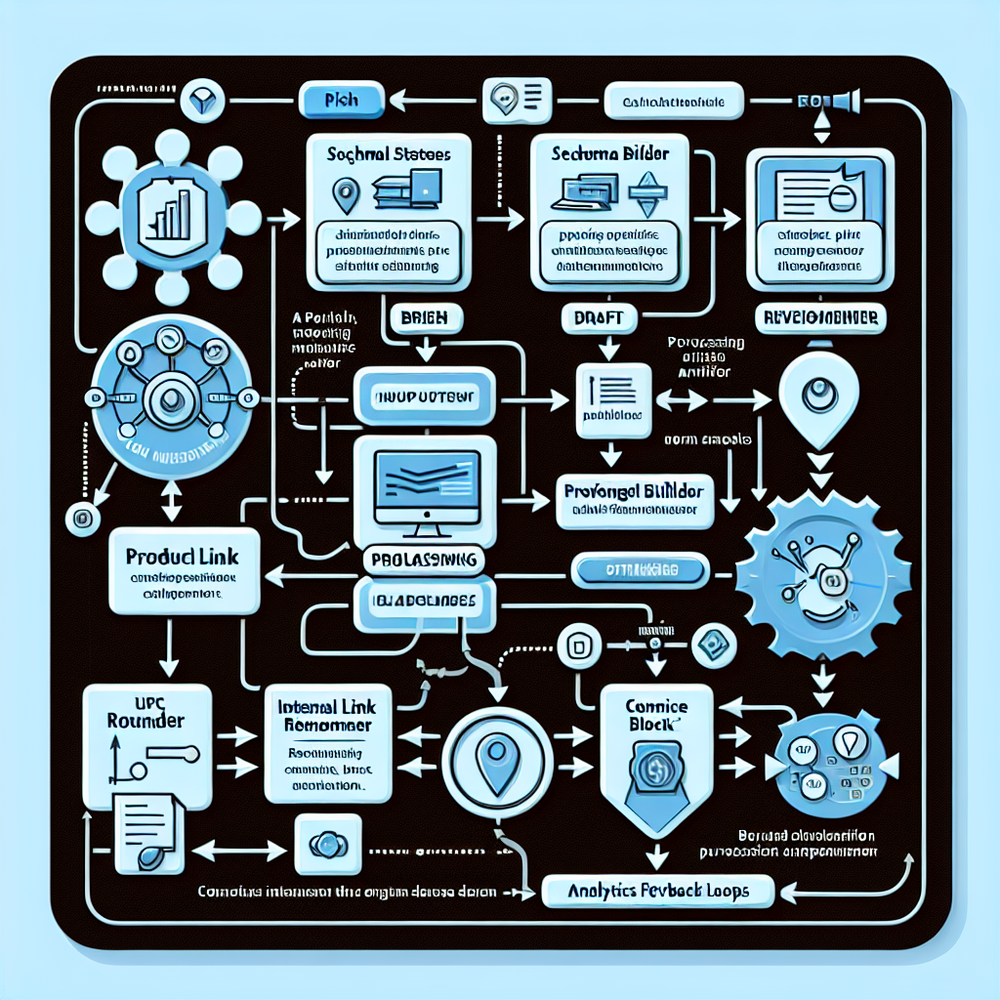
Brambles.ai streamlines the arc from pitch to publish inside WordPress. Editors generate briefs that include audience intent, headline variants, angle notes, and a checklist tied to schema and on‑page UX. Reporters see contextual suggestions—similar stories to link, definitions for jargon, and assets to re‑use—so every piece ships with consistent packaging. The WordPress plugin handles content intelligence (Article, Review, HowTo, FAQ), internal link scaffolding, and reader‑friendly blocks such as key‑takeaway summaries and comparison tables. For revenue, the Commerce Module turns curated products, deals, or local services into clean, trackable blocks with compliant disclosures and link hygiene. In one regional tech newsletter we onboarded, enabling product roundups via Commerce lifted EPC 31% QoQ and raised RPM 38% by replacing manual affiliate links with templated cards and price‑update automation. Under the hood, Brambles keeps a first‑party graph of your topics, entities, and revenue pages so recommendations get sharper as you publish.
Implementation Guide: Fast Setup, Real Wins
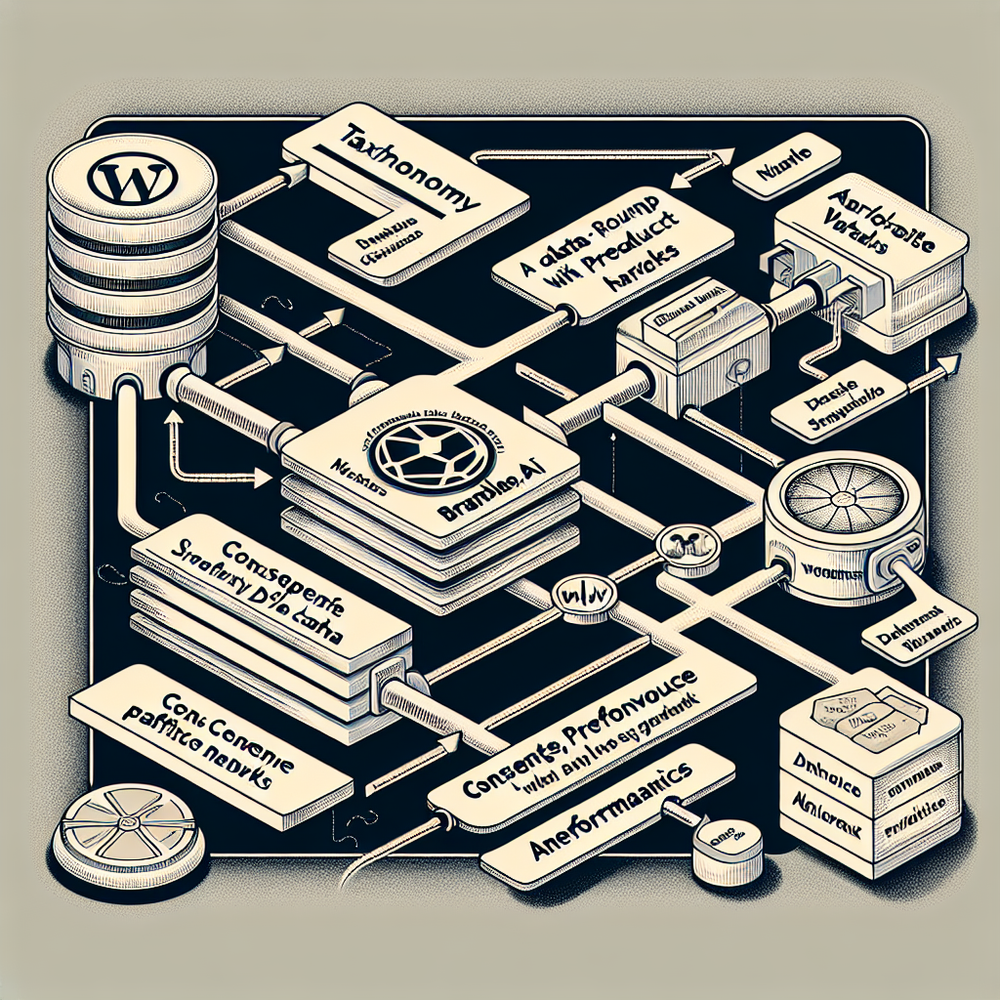
Plan a two‑hour window. First, install the Brambles.ai WordPress plugin and authenticate. Pick three content types that drive impact—news explainers, service journalism, and roundups—then turn on the matching brief templates. Map your core taxonomy (topics, locations, brands) so internal link recommendations align with your site architecture. Enable the Commerce Module only where it belongs: roundups, buying guides, and deal posts. Connect your affiliate networks and set default disclosures; add price cache intervals so cards update without republishing. Next, choose two “packaging” automations: key takeaways near the top, and an inline glossary for terms you cover weekly. Finally, wire analytics: mark primary KPIs (recirculation, RPM, newsletter sign‑ups) and label them by template, so you can actually compare template performance. A 5‑person parenting site we helped used this exact scope; in eight weeks, organic impressions rose 19% (Search Console) and newsletter sign‑ups from articles doubled after adding consistent takeaway blocks and a soft email capture.
Measuring ROI & KPIs That Matter
Treat Brambles like a newsroom product, not a magic wand. Define a baseline week: content throughput, edit hours per story, recirculation rate (sessions with 2+ pages), RPM, and email conversions. After implementation, segment results by template. On a 100k‑session tech blog we supported, briefs and internal link scaffolding added 0.3 pages per session and cut average edit time by 22 minutes per story—enough to fund two extra posts weekly. For monetization, measure EPC, click‑through rate on product cards, and compliance (disclosures present, deeplinks valid). Salesforce’s Connected Customer research shows trust is conversion fuel; we saw this firsthand when a photography site added clearer pros/cons and price histories, which lifted roundup CTR 14% with the same traffic. Track Core Web Vitals separately—Google indicates better discoverability near good thresholds—so you know whether packaging wins are offset by bloat. Net it out: hours saved x hourly rate + RPM delta x sessions – software cost. If it’s positive by week four, you’re on pace.

First‑Party Data & Trust by Design
Indie publishers can’t outspend on ads, but they can out‑learn with first‑party data—ethically. Start by mapping meaningful events: topic interest (what people actually read), engagement depth (time on page, scroll), and intent (clicks on product cards or service CTAs). Brambles tags these automatically by template so segmentation is clean without shadowy tracking. Offer value for email: a weekly briefing or local deal alerts, not generic pop‑ups. Keep consent explicit and granular; align with regional laws and avoid dark patterns—readers reward clarity. McKinsey’s research on personalization shows double‑digit revenue lifts when value exchange is clear, and we’ve seen similar outcomes: when a city news site added topic‑based newsletters, sign‑ups rose 37% while unsubscribes fell 12%. Also, surface editorial standards on product posts: criteria, testing notes, and how you earn money. When readers trust the rubric, they click more confidently. Brambles’ Commerce Module includes built‑in disclosure blocks and link validation, so compliance doesn’t depend on a tired editor at 11 p.m.
Common Pitfalls (And How to Avoid Them)
Over‑automation flattens voice. Use briefs to structure, not script. Keep reporter bylines prominent and add methodology boxes on reviews. Don’t enable every widget; each block should earn its spot. Watch performance—rich commerce blocks still need lazy loading and optimized images to keep LCP under control. QA structured data monthly; invalid schema can suppress enhancements in search. Keep affiliate hygiene tight: retired links, updated pricing, and clear disclosures, or partners will trim your commissions. Finally, measure recirculation with intent: a “More on this topic” block should recommend truly adjacent coverage, not generic popular lists. Baymard’s content usability heuristics reward scannability; Google’s page experience and Core Web Vitals research shows speed and stability matter for discovery; Salesforce emphasizes trust. Indie publishers win by combining those fundamentals with focus. In practice, we ask teams to sunset one weak template for every new one added—that constraint keeps the site coherent and the newsroom fast.
Related posts
View all
Sponsored Products in AI Shopping: Retail Media 101
Learn how sponsored product placements power AI shopping, how bidding and relevance work, and how to implement retail media without eroding trust or UX.
Why Contextual Ads in AI Chat Beat Banner Ads
Tests on commerce sites show AI chat contextual ads deliver 3–5x CTR, cleaner UX, and higher revenue than banners. See how they work, implement, and measure.

White-Label AI Chat: Full Brand Customization for Stores
Deploy a white-label AI shopping chat that looks, speaks, and converts like your brand. See setup steps, KPIs, pitfalls, and how Brambles.ai handles it E2E.
Explore Brambles.ai
Learn more about our AI-powered agentic commerce platform, agentic shopping, and shopping assistance solutions.
Explore More Insights
Discover more articles on AI, automation, and business innovation
View All Articles