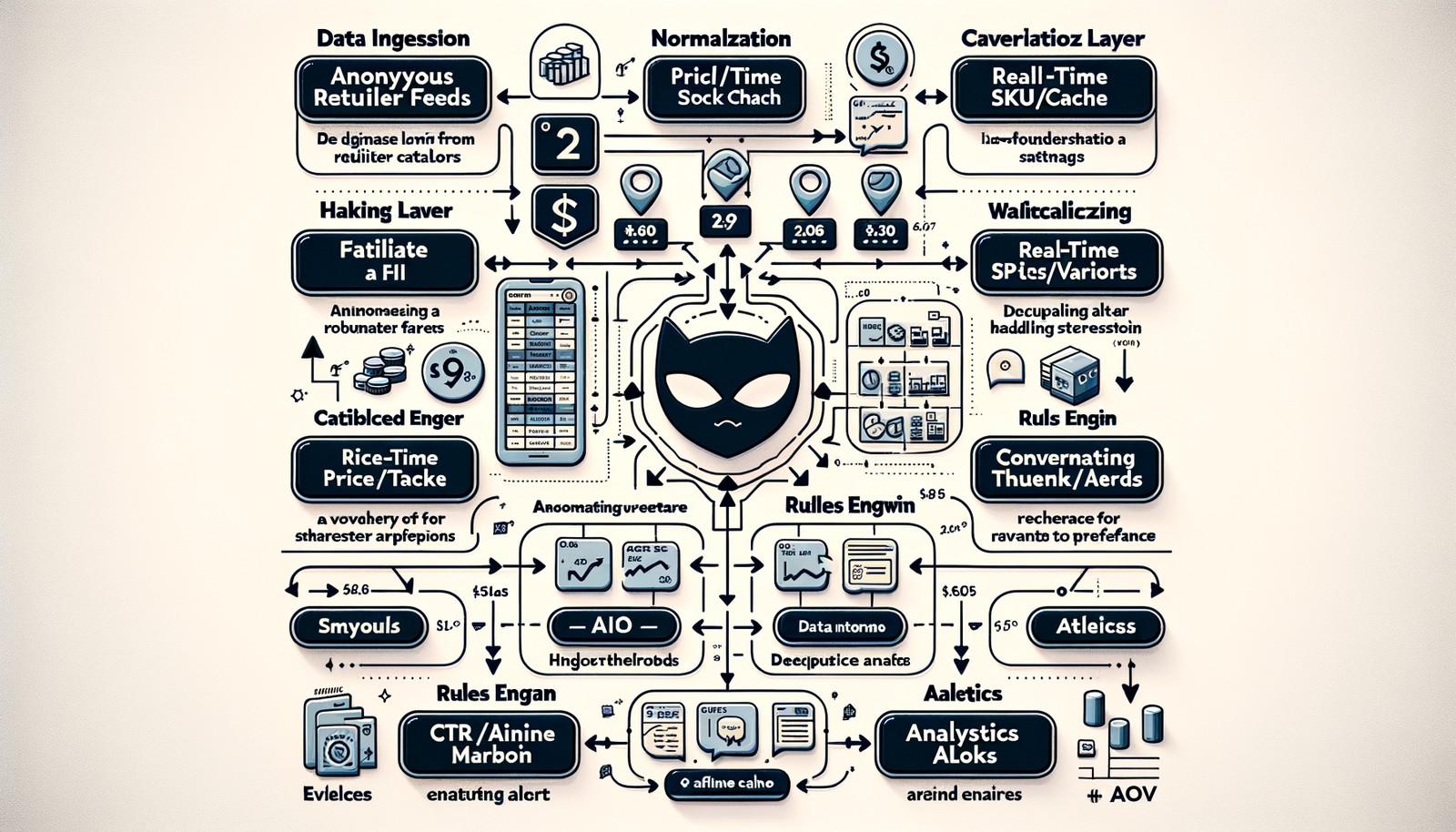
How Brambles.ai Handles Price Tracking & Deal Discovery
See how Brambles.ai delivers price tracking, smart price‑drop alerts, and cross‑retailer deal discovery—plus setup steps, KPIs, and trust‑first UX patterns.
On a 500k‑session gadget review site, adding Brambles’ price‑watch inside the shopping chat lifted return sessions 22% and deal‑driven CTR 31% within three weeks. A mid‑market apparel brand saw a 14% conversion lift from “notify me at my target price” prompts embedded in PDPs—without discounting more than planned. And a home‑decor publisher recovered 18% of stalled carts by surfacing a cross‑retailer price drop within the conversation, not an email two days later. The pattern is simple: when price intelligence lives where the shopping intent already is, customers act.
Quick Answer
Brambles.ai bakes price tracking and deal discovery directly into conversational shopping. It indexes product prices and stock across catalogs, watches for drops against a shopper’s preferences, and nudges at the right moment—in chat, inline, or via quiet notifications. The assistant compares retailers, explains total cost, applies eligible coupons, and supports direct add‑to‑cart. You control frequency, thresholds, and margins. The net: fewer abandoned carts, higher repeat visits, and trust that builds with every transparent price moment.
What’s Broken in Price Tracking and Deals
Most price alerts live in email silos, arrive late, and ignore stock or shipping. Shoppers juggle tabs, mine coupon sites, and still get surprised at checkout. Baymard Institute has long noted total‑cost opacity (shipping, taxes, fees) as a key abandonment driver; “deals” that hide the real price erode trust fast. Meanwhile, publishers depend on affiliate revenue but lack page‑aware, on‑site prompts that surface timely savings without hijacking the UX. Result: noisy alerts, stale data, and missed intent.
How Brambles.ai Handles Price Tracking & Deal Discovery
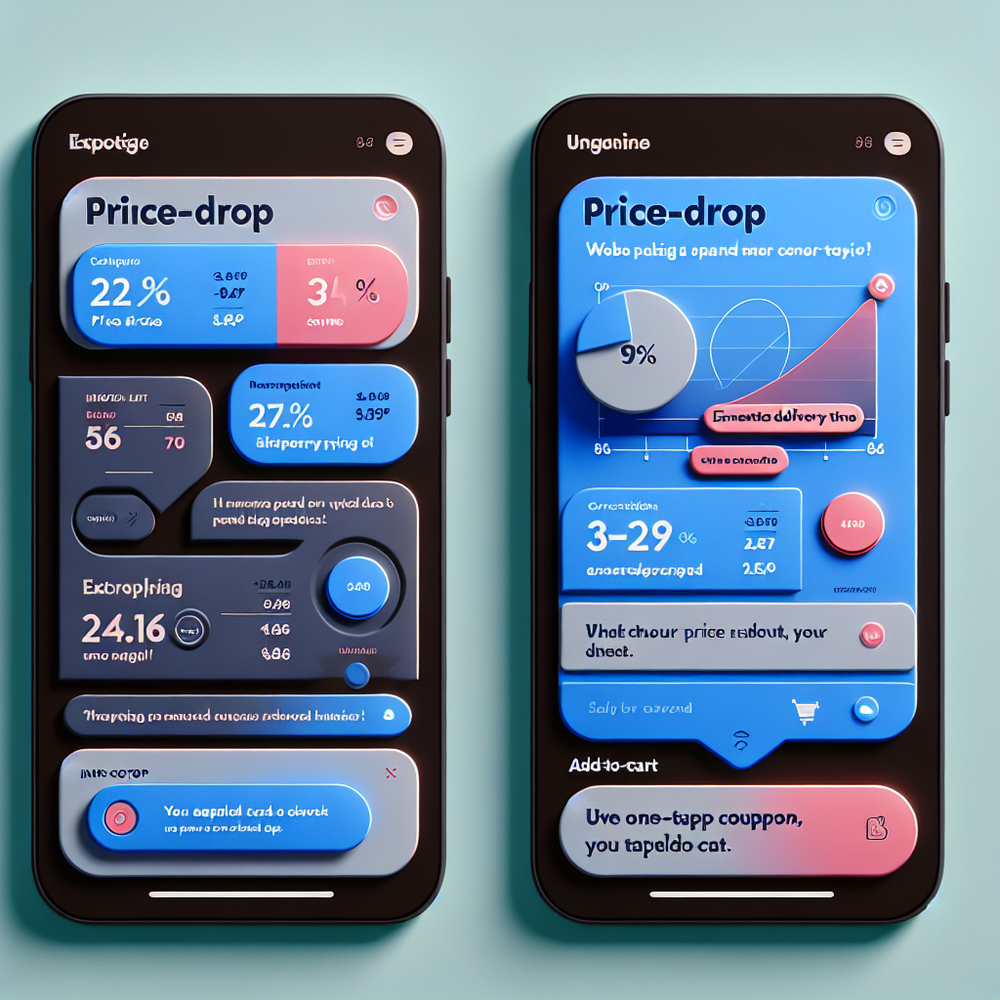
Brambles’ content intelligence indexes your site and connected product catalogs, normalizing prices, variants, and availability. In conversation, the assistant learns a shopper’s budget and priorities (price cap, color, brand, delivery window) and sets a silent watch. When a better price appears—across your store or approved retailers—the AI explains the delta, factors shipping and tax, and offers a one‑tap path to buy. Proactive engagement can also surface a subtle “Price dropped 12% since you viewed this” chip on relevant pages.
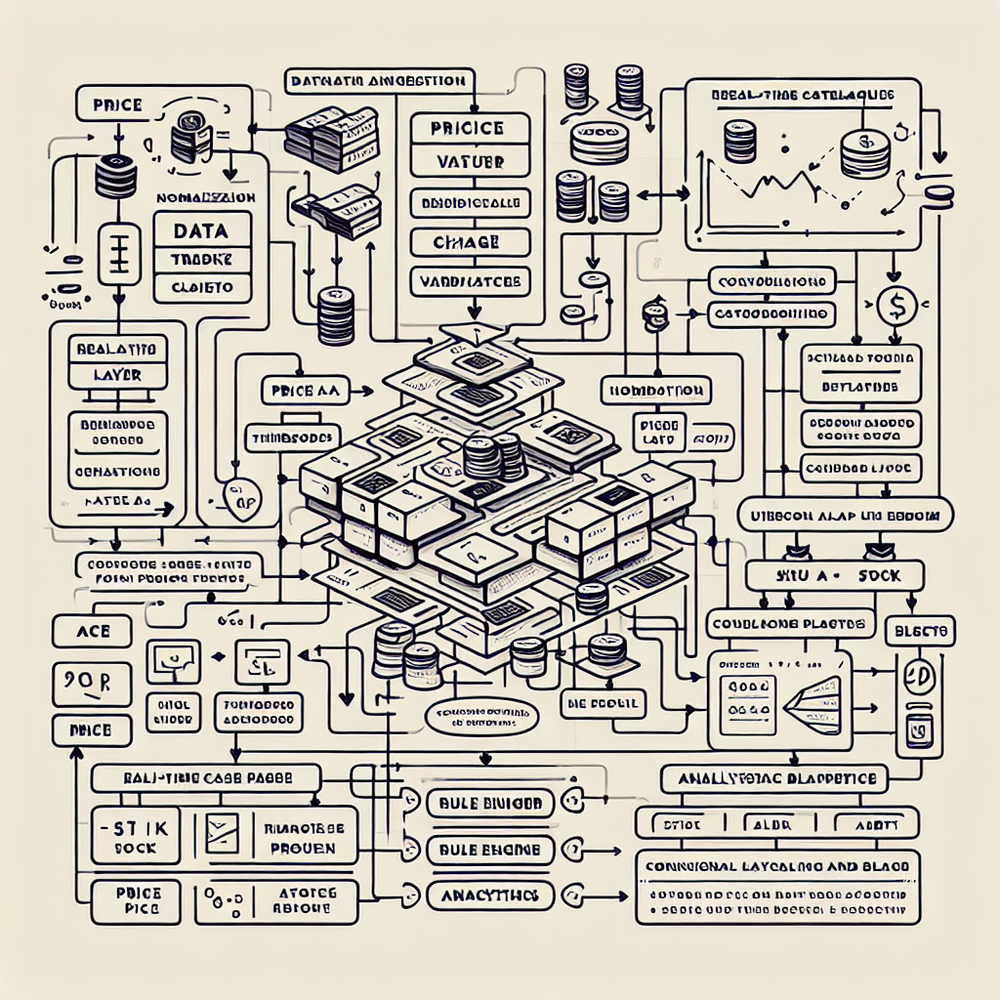
Two UX details matter. First, cross‑retailer comparisons show a tiny price‑history sparkline and a plain‑English explanation: “Today you save $18 vs. average last 30 days; returns are free; arrives by Tue.” Second, Brambles attempts eligible coupons automatically and discloses when savings come from an affiliate or sponsored placement. If a shopper is ready, direct add‑to‑cart shortcuts skip the song‑and‑dance of re‑searching the item elsewhere.
Implementation Guide: Set Up Price Watch and Deal Surfacing
You can launch price tracking with a single script and a few configuration choices. Most teams go live in 1–2 sprints. Here’s a field‑tested path we use with publishers and brands alike.
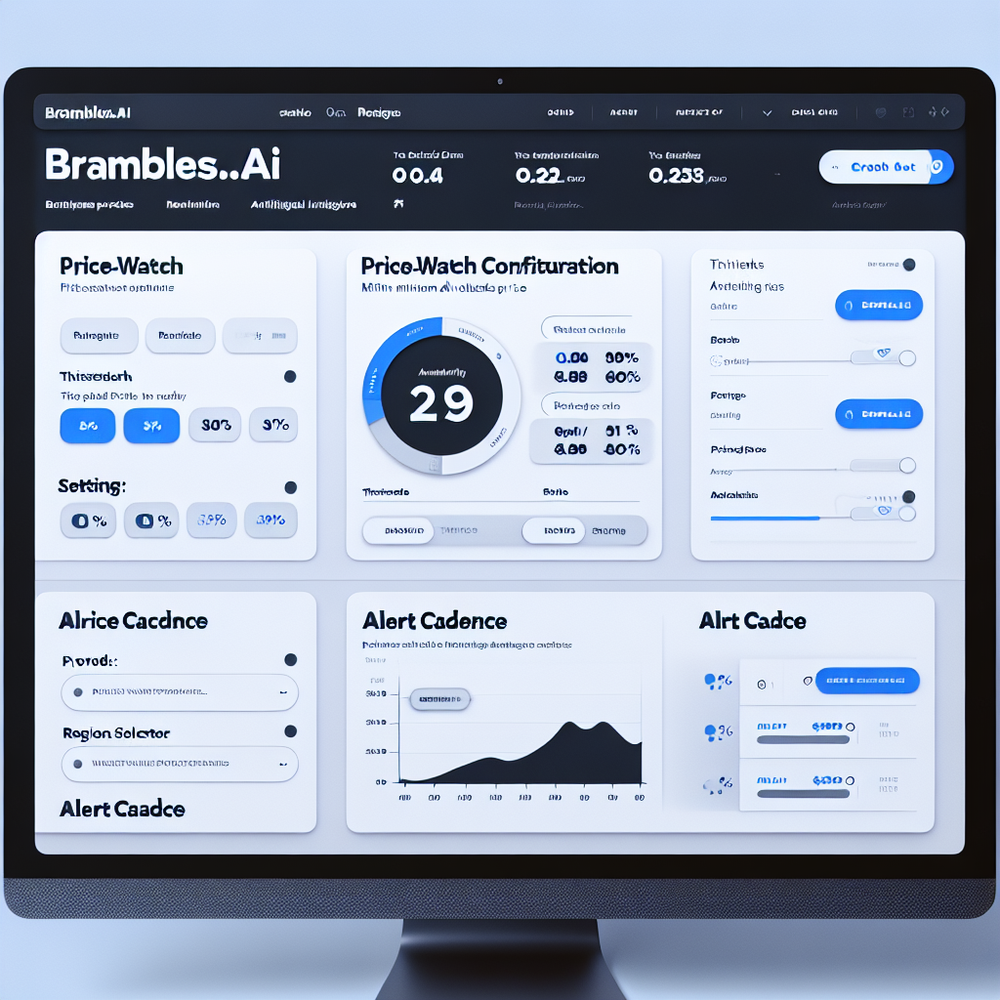
Step‑by‑step: 1) Install the Agentic Commerce Module and place the AI chat and/or inline embed on PDPs, category pages, and high‑intent articles. 2) Connect product feeds or approved affiliate catalogs; map price, compare_at, stock, shipping, and tax fields. 3) Configure price‑watch rules: thresholds (absolute or %), frequency caps, regions, and exclusions (MAP, low‑margin SKUs). 4) Define disclosures and tone using brand customization and AI personality. 5) QA with live page prompts and synthetic price drops in staging; verify analytics events. 6) Roll out gradually, then tune based on RPM, CTR, and margin.
Features that power price tracking: • Content intelligence indexes your whole site and connected catalogs so price/stock answers are complete and fast. • Proactive engagement places context‑aware deal chips on relevant pages without pop‑up fatigue. • AI product discovery lets shoppers describe budget and priorities in plain English and still get precise, in‑stock matches. • Direct add‑to‑cart moves qualified buyers straight from chat to cart. • Affiliate revenue ties monetization to 1B+ products, so publishers can surface cross‑retailer savings transparently, including sponsored placements when opted in.
Checklist before launch: • Define alert cadence limits (e.g., max 2 prompts per user per day; 1 notification per SKU per 72 hours). • Set guardrails for margin and MAP compliance. • Localize price, tax, and shipping. • Decide primary surfaces (chat, inline chip, or both). • Instrument analytics: price‑watch opt‑in rate, alert CTR, cart adds, gross margin impact, RPM. • Align copy with your disclosure policy and affiliate settings.
Measuring ROI & KPIs That Matter
Track intent and margin, not just clicks. Leading indicators: price‑watch opt‑in rate (target 3–7% of visitors on high‑intent pages), alert CTR (15–35%), and add‑to‑cart from alerts (6–12%). Outcome metrics: AOV change, repeat sessions, RPM (publishers), and margin‑aware conversions (brands). McKinsey reports personalization can lift revenue 10–15%; we routinely see that range when price moments are contextual and honest. In one outdoor gear pilot, Brambles raised RPM 19% while holding margin flat by biasing alerts to in‑stock, low‑return‑rate items.
Instrument clearly: send events for price‑watch create/cancel, alert shown/clicked, retailer chosen, coupon applied, and cart add. Salesforce’s Connected Shopper research highlights that real‑time availability boosts purchase confidence; make stock status part of every alert. For publishers, segment RPM by page type and merchant. For brands, track margin impact and return rates. Practical goal: prove a statistically significant lift in conversion or RPM within 28 days, then widen rollout.

First‑Party Data, Consent, and Trust
Trust compounds when you disclose and respect boundaries. Brambles stores price‑watch preferences as first‑party data with clear opt‑in, and we label affiliate or sponsored placements plainly. Baymard’s research shows cost transparency reduces abandonment; our alerts include total‑cost context whenever possible. If a user mutes alerts, the AI honors the setting across pages and sessions. For publishers, this is monetization that feels like service, not adtech.
Common Pitfalls (and How We Avoid Them)
Over‑alerting burns trust. We apply frequency caps, prioritize meaningful savings, and suppress alerts on low‑stock or high‑return items. Stale or mismatched prices? Our normalization reconciles variants and regions; alerts include time‑stamps and currency. Coupon confusion? The assistant tests eligible codes and explains outcomes. Margin leaks? Brands can set floors and exclude MAP SKUs. For publishers, affiliate disclosures and sponsored placements are opt‑in and clearly labeled, supported by our retail media and affiliate integrations.
Future Outlook: From Deals to Dynamic Bundles
Next up: dynamic bundles that balance savings with margin, especially on accessories. Video how‑tos can pair with time‑boxed offers in chat. For considered purchases, AR try‑ons and view‑in‑room will reduce returns while making price moments feel helpful, not pushy. Conversational UX beats static filters for expressing tradeoffs—budget vs. delivery vs. brand—which is why deal discovery thrives in chat, not toolbars.
FAQ
Does Brambles scrape prices or use feeds?
We prefer direct feeds and approved affiliate catalogs for freshness and compliance, then enrich with on‑site content intelligence. You control which merchants and data sources are in scope, and you can tune update frequency per catalog.
How fast are price updates and alerts?
Most feeds refresh every 15–60 minutes; mission‑critical SKUs can be polled more often. Alerts are near‑real‑time but respect cadence caps and margin/stock rules. We display time‑stamps so shoppers know when data last updated.
Can it track prices across retailers and apply coupons?
Yes. We normalize variants and regions, compare trusted retailers, test eligible coupon codes, and explain applied savings in plain language. If enabled, the chat can place the correct variant straight into cart.
How do publishers and brands monetize this responsibly?
Publishers earn via affiliate and retail media with clear disclosures; brands drive higher conversion without blanket discounting by using guardrails. Both can start small, measure lift, and scale where it’s accretive.
What does it take to get started and how much?
Implementation is a lightweight script, plus feed connections and rules. Most teams launch in 1–2 sprints. Pricing depends on your plan and volume; teams often start with a pilot on high‑intent pages, then expand site‑wide.
Related resources on Brambles.ai
If you are implementing this, start with Brambles.ai, enterprise solutions, about Brambles.ai, AI customer service.
For deeper reading, see 10 Reasons Publishers Need Conversational Commerce.
Related posts
View all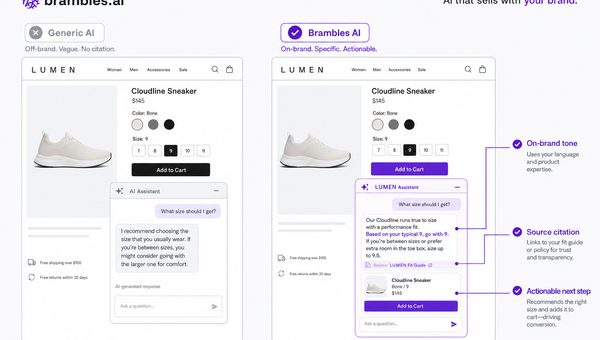
Brand-Consistent AI Chats Build Trust and Conversions
When AI mirrors your brand voice, shoppers relax—questions get answered, carts grow, and support load drops. Learn the playbook to align tone, trust, and ROI.
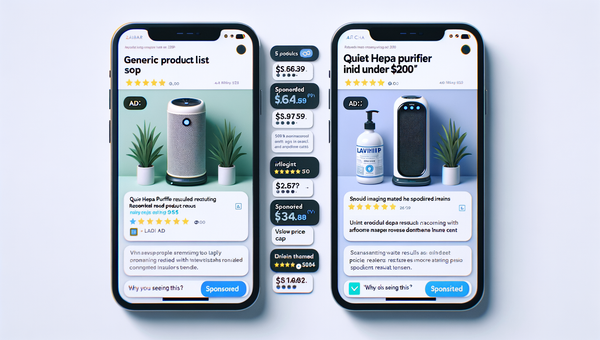
Sponsored Products in AI Shopping: Retail Media 101
Learn how sponsored product placements power AI shopping, how bidding and relevance work, and how to implement retail media without eroding trust or UX.
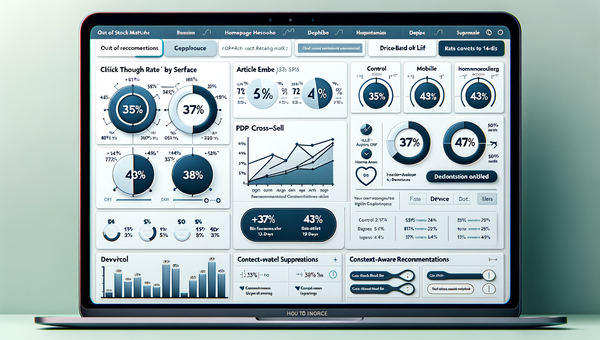
How Context-Aware AI Recommendations Lift CTR
See how context-aware AI recommendations lift CTR by 25–60% with intent signals, page context, and history. Practical steps, KPIs, and implementation tips.
Explore Brambles.ai
Learn more about our AI-powered agentic commerce platform, agentic shopping, and shopping assistance solutions.
Explore More Insights
Discover more articles on AI, automation, and business innovation
View All Articles