Conversational Product Discovery vs Filters & Search
A practical comparison of conversational product discovery vs traditional filters and search—what’s broken, ROI benchmarks, and how to ship it with Brambles.ai.
Conversational Product Discovery vs Filters & Search
On a 200k‑session apparel site, we watched 38% of shoppers abandon after two filter clicks. The moment we added conversational discovery, the exit rate on search pages fell 29% and AOV ticked up 14%. That swing didn’t come from magic algorithms—it came from letting shoppers ask for what they actually wanted without wrestling tiny checkboxes on mobile.
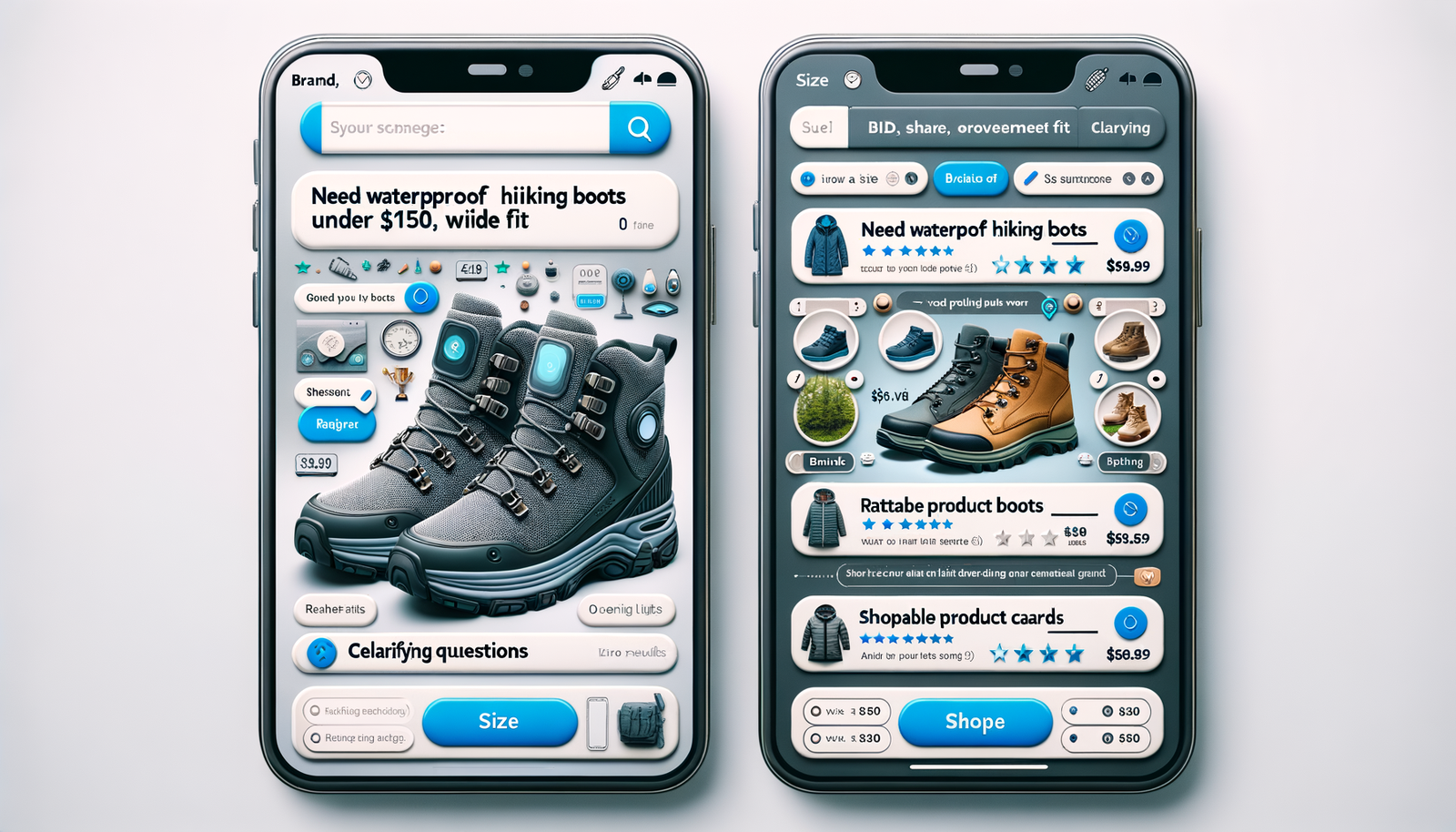
The pattern repeats. Filters are great for power users; they’re punishing for everyone else. Baymard’s research has long flagged zero‑results traps and synonym blind spots. In our tests, a chat that understands “waterproof hiking boots under $150, good for wide feet” wins not just because it returns results, but because it negotiates constraints in real time. For a deeper UX view, see how teams are moving “from query to conversation.”
Quick Answer
Conversational product discovery beats traditional filters and site search when shoppers have multi‑constraint needs, fuzzy vocab, or are browsing on mobile. A chat interface clarifies intent, handles synonyms, and proposes trade‑offs (“faster shipping vs lower price?”). Filters still matter for precise narrowing, but conversation gets people to the right short list faster. Brambles.ai implements this with natural‑language discovery, proactive prompts, and add‑to‑cart directly from chat.
What’s Broken with Traditional Filters and Search
Filters assume shoppers know the taxonomy. Most don’t. They know the job—“quiet robot vacuum for high‑pile rugs”—not your category tree.
Facets also stack uncertainty: every click risks a dead end, especially on mobile where horizontal scroll hides critical options.
Baymard notes that avoidable zero‑results states drive abandonment; we’ve seen up to 22% of shoppers bounce after one bad “No products found.”
Search struggles with synonyms and context. A customer types “sofa,” your catalog says “couch.” Or they ask for “eco paint” and get wall art. Even strong engines rarely ask clarifying questions. In one electronics test, we cut search exits 28% by letting shoppers say things like “4K TV for bright room, under $800” and then clarifying panel type vs size vs glare trade‑offs in chat.
How Conversational Product Discovery Works
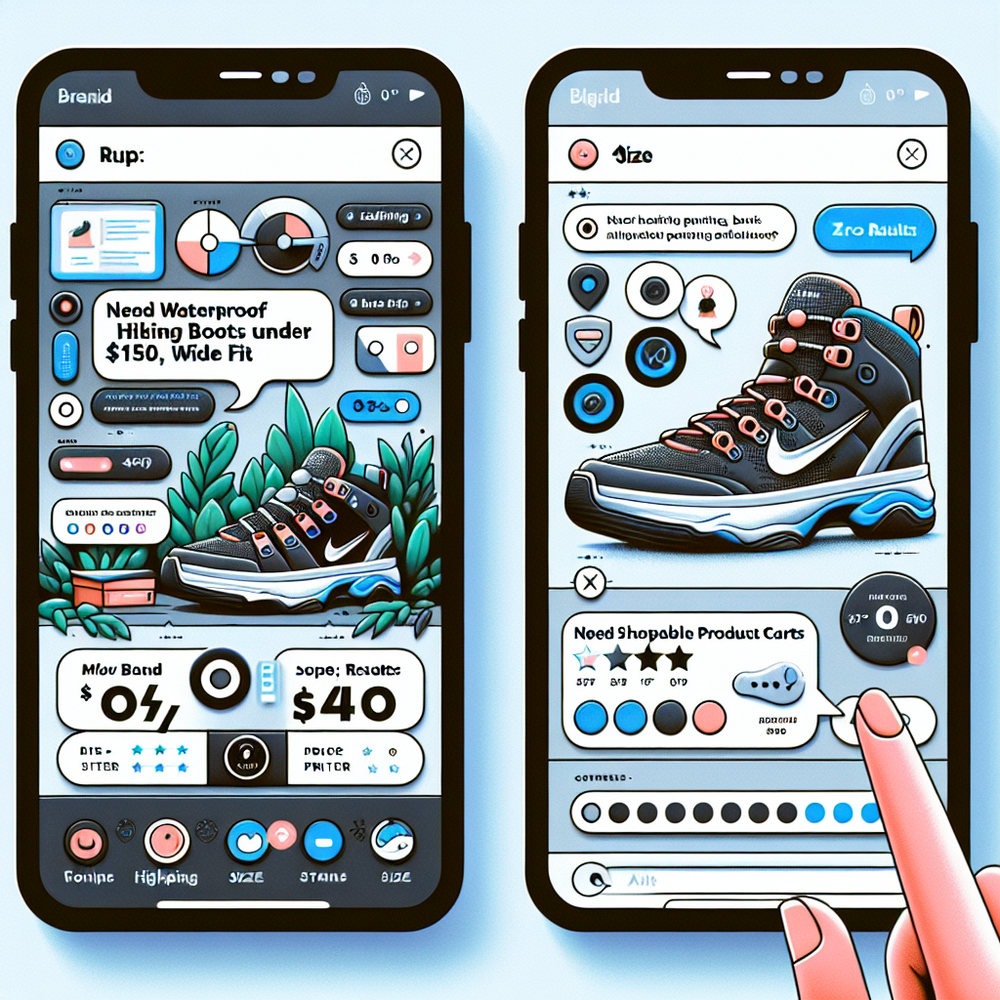
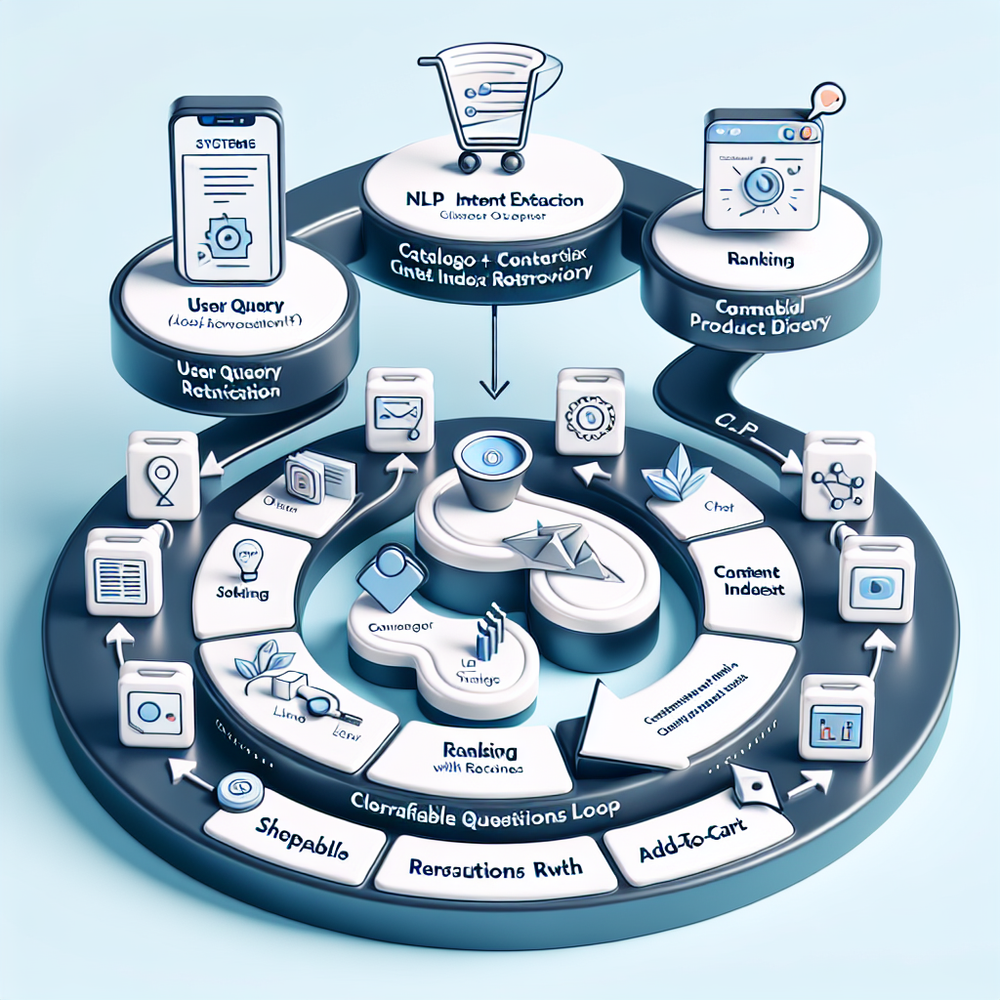
The engine parses natural language, extracts constraints (budget, features, style), fills gaps with clarifying questions, and returns a short, defensible list.
It also explains trade‑offs in plain English—why Product A beats Product B for your specific scenario. The best systems remember context across steps and adapt when the shopper pivots (“Actually, make it vegan leather.”).
How Brambles.ai handles it:
• AI product discovery — Natural‑language shopping that understands multi‑constraint requests and brand/style intent. It connects to your catalog and returns evidence‑based picks.
• AI shopping chat — A floating chat that works on every page, capturing context from content and past steps. Shoppers can ask, compare, and buy without leaving the flow.
• Proactive engagement — The assistant suggests smart entry points based on the page (“Need a desk under $300 that fits a 34” monitor?”), boosting starts and reducing pogo‑sticking.
• Content intelligence — Brambles indexes your site so the assistant can answer long‑tail questions from buying guides and compare tables, not just SKUs. This prevents “I don’t know” moments.
• Direct add to cart — When the shopper is ready, they can add the recommended product to cart directly from chat—no detour. This trims steps from PDP to checkout.
• Visual confidence — For certain categories, virtual try‑on and view‑in‑room close the last‑mile gap by showing fit and scale in context, right from the conversation.
Implementation Guide with Brambles.ai
You can ship a solid MVP in under two weeks. Here’s the field‑tested path we use with mid‑market brands and large publishers.
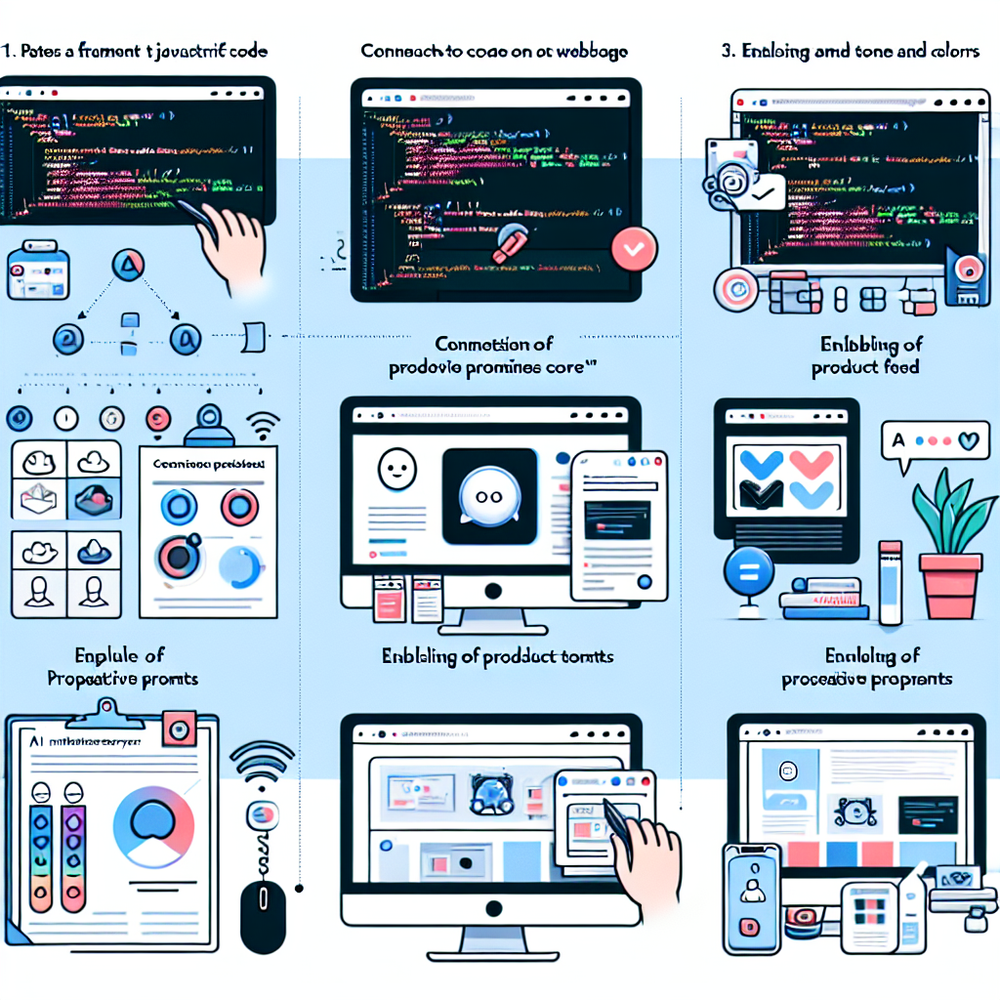
1) Install the Agentic Commerce Module. Drop a small script on your site or app to embed the chat and inline widgets. WordPress and Shopify setups are even faster.
2) Connect your catalog and content. Use the developer guides to map product feeds and allow indexing of buying guides and compare pages. Better context equals better answers.
3) Configure brand voice and UI. Set tone, disclaimers, and prompts to fit your brand. Match colors and placement so the assistant feels native, not bolted on.
4) Enable the high‑impact features. Turn on proactive prompts on key pages, natural‑language discovery in chat, and direct add‑to‑cart for top converters. Consider VTO or view‑in‑room for fashion and home.
5) Choose your go‑to‑market motion. Brands integrate for conversion lift and service deflection; publishers monetize via affiliate and retail media. Pricing is straightforward, and you can start small.
Launch checklist:
- Map top five intent prompts per category (budget + use case + style).
- Add two proactive starters per high‑traffic page.
- Wire add‑to‑cart for your top 50 SKUs.
- QA zero‑results fallback and synonym handling.
- Define guardrails for brand tone and disclosures.
- Set up KPI dashboards and an A/B holdout.
Anecdote: a home‑decor publisher layered the inline shopping embed into gift guides and added proactive prompts on scroll. Result: 31% more product clicks and a 35% lift in RPM via high‑intent affiliate sales.
Measuring ROI & KPIs That Matter
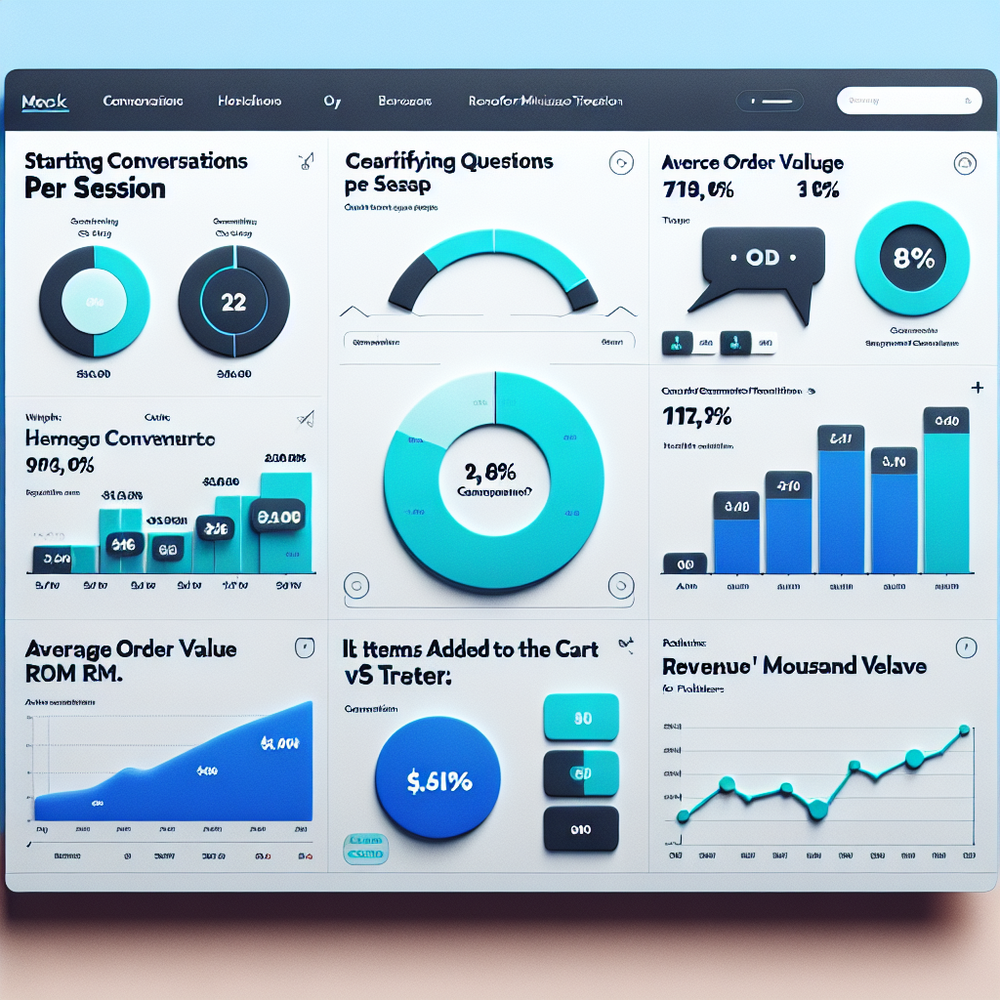
Decide success before launch. For commerce, track: conversation start rate, assisted product views per session, add‑to‑cart from chat, conversion rate, AOV, and revenue per session. For publishers, monitor click‑through to merchants, EPC/RPM, and sponsored placement yield.
In a DTC footwear pilot (100k monthly sessions), conversational discovery reduced search exits 33%, raised add‑to‑cart 18% from chat, and lifted revenue per visitor 11%. For a news publisher, contextual chat next to buying guides increased outbound clicks 27% with no ad clutter—aligned with an ad‑light vision for shopping.
Attribution matters. Use holdouts and last‑touch overrides to see where chat assists vs owns the sale. If you monetize through deals content, layer affiliate and retail media inside the assistant—clearly labeled and disclosure‑ready.
First‑Party Data, Trust, and Disclosures
Conversations generate volunteered first‑party data—style, fit, budget, preferences—that you can use to improve recommendations without third‑party cookies. Use it to refine prompts, stock forecasting, and content planning. According to large‑scale retail surveys, shoppers reward helpful guidance and transparency more than hyper‑targeted ads.
Trust is earned. Label sponsored items. Make affiliate disclosures unobtrusive but unmistakable. We’ve tested a subtle sentence at the top of chat and again near outbound links; it preserves CTR while satisfying compliance teams.
Common Pitfalls (and How to Avoid Them)
The biggest mistakes are avoidable. Teams overfit prompts to marketing copy, forget zero‑results fallbacks, or bury the chat behind a tiny icon. Others ignore measurement until week six.
Pitfall checklist:
- No clarifying questions after vague queries.
- Not indexing buying guides, fit notes, or compatibility tables.
- Leaving synonyms unmapped (“sofa” vs “couch”).
- Chat launches only on homepage instead of high‑intent pages.
- Missing branded tone and disclosures.
- No holdout for ROI proof.
If you’re a publisher, make the assistant context‑aware on articles and category hubs. If you’re a retailer, put it where buying happens—PLPs, PDPs, and the cart. Both groups should align on monetization and UX goals up front. This playbook works whether you sell directly or monetize via shopping content.
Future Outlook: From Queries to Journeys
Discovery is moving from single query to multi‑step journey—chat, video, AR, and checkout in one flow. Expect assistants to blend comparison charts, creator videos, and instant purchase without friction, especially on mobile.
Brambles is building for that future. Native mobile shopping gives an app‑like feel in the browser; video discovery surfaces creator reviews inside chat; and the assistant can complete the loop from advice to basket.
FAQ
Is conversational discovery replacing filters entirely?
No. Think complement, not replacement. Keep clean filters for power users and comparison tables for researchers. Use conversation to capture intent quickly, negotiate trade‑offs, and create a curated shortlist that maps to your taxonomy.
How long does Brambles.ai take to implement?
Most teams launch an MVP in 1–2 weeks using the JavaScript module or the WordPress/Shopify options. Connect your catalog, configure tone, enable proactive prompts, and you’re live. If you’re ready, start here.
Will this hurt SEO or page speed?
No. The widget loads asynchronously and can be scoped to key pages. For content sites, use the inline embed so conversation lives inside articles without layout shifts. Indexing your content actually improves on‑site relevance.
How is pricing structured for brands vs publishers?
Plans differ by use case and scale. Brands focus on conversion and service deflection; publishers on RPM and partner mix. Review the tiers or talk to us—there’s a low‑risk path for pilots.
How do you handle affiliate disclosures and sponsored items?
Use clear, short labels in chat and on sponsored cards. Configure tone and disclosure rules centrally so they’re consistent everywhere. We’ve documented proven patterns that preserve UX and trust.
Related resources on Brambles.ai
If you are implementing this, start with Brambles.ai, enterprise solutions, about Brambles.ai, developer docs.
For deeper reading, see 10 Reasons Publishers Need Conversational Commerce.
Related posts
View all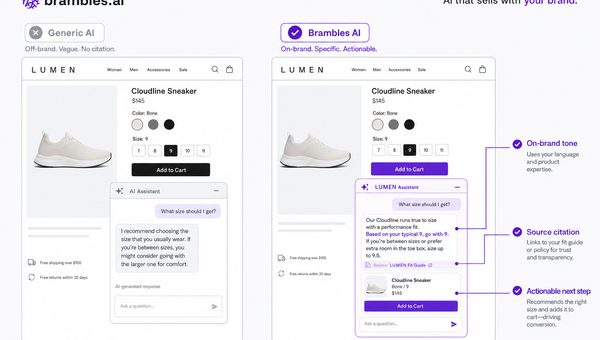
Brand-Consistent AI Chats Build Trust and Conversions
When AI mirrors your brand voice, shoppers relax—questions get answered, carts grow, and support load drops. Learn the playbook to align tone, trust, and ROI.
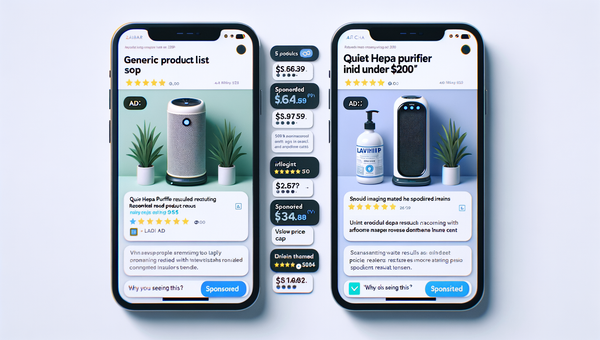
Sponsored Products in AI Shopping: Retail Media 101
Learn how sponsored product placements power AI shopping, how bidding and relevance work, and how to implement retail media without eroding trust or UX.
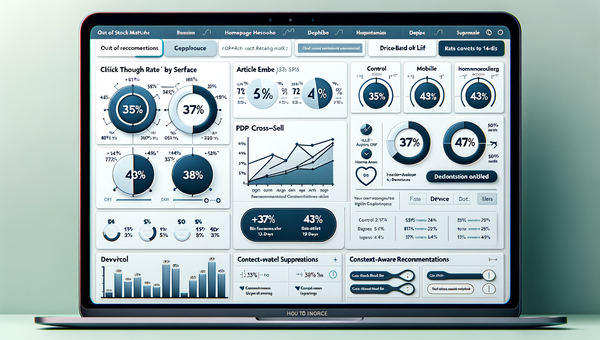
How Context-Aware AI Recommendations Lift CTR
See how context-aware AI recommendations lift CTR by 25–60% with intent signals, page context, and history. Practical steps, KPIs, and implementation tips.
Explore Brambles.ai
Learn more about our AI-powered agentic commerce platform, agentic shopping, and shopping assistance solutions.
Explore More Insights
Discover more articles on AI, automation, and business innovation
View All Articles