Content Intelligence: AI Indexes Your Site for Commerce
How AI content intelligence indexes every page for commerce, structures attributes, powers conversational shopping, and lifts sales. Steps, KPIs, and pitfalls.
Nine days. That’s how long it took us to crawl 62,417 URLs for a home goods retailer, extract 1.2M structured attributes, and wire those facts into their buying guides. The result: shoppers found products from articles 31% faster, PDP exits dropped 18%, and revenue per session rose 14%. The surprising part wasn’t the lift—it was how much value was locked in unstructured copy, FAQs, and alt text no one had touched for years.
Another test on a 100k‑session apparel site showed a 42% increase in “size + style” query success after AI stitched blog advice to live inventory.
We also saw support tickets for “is it machine‑washable?” fall by 27% once attributes were standardized and searchable in chat. Content intelligence isn’t a buzzword; it’s what happens when your entire site becomes structured, queryable, and commerce‑aware.
Quick Answer
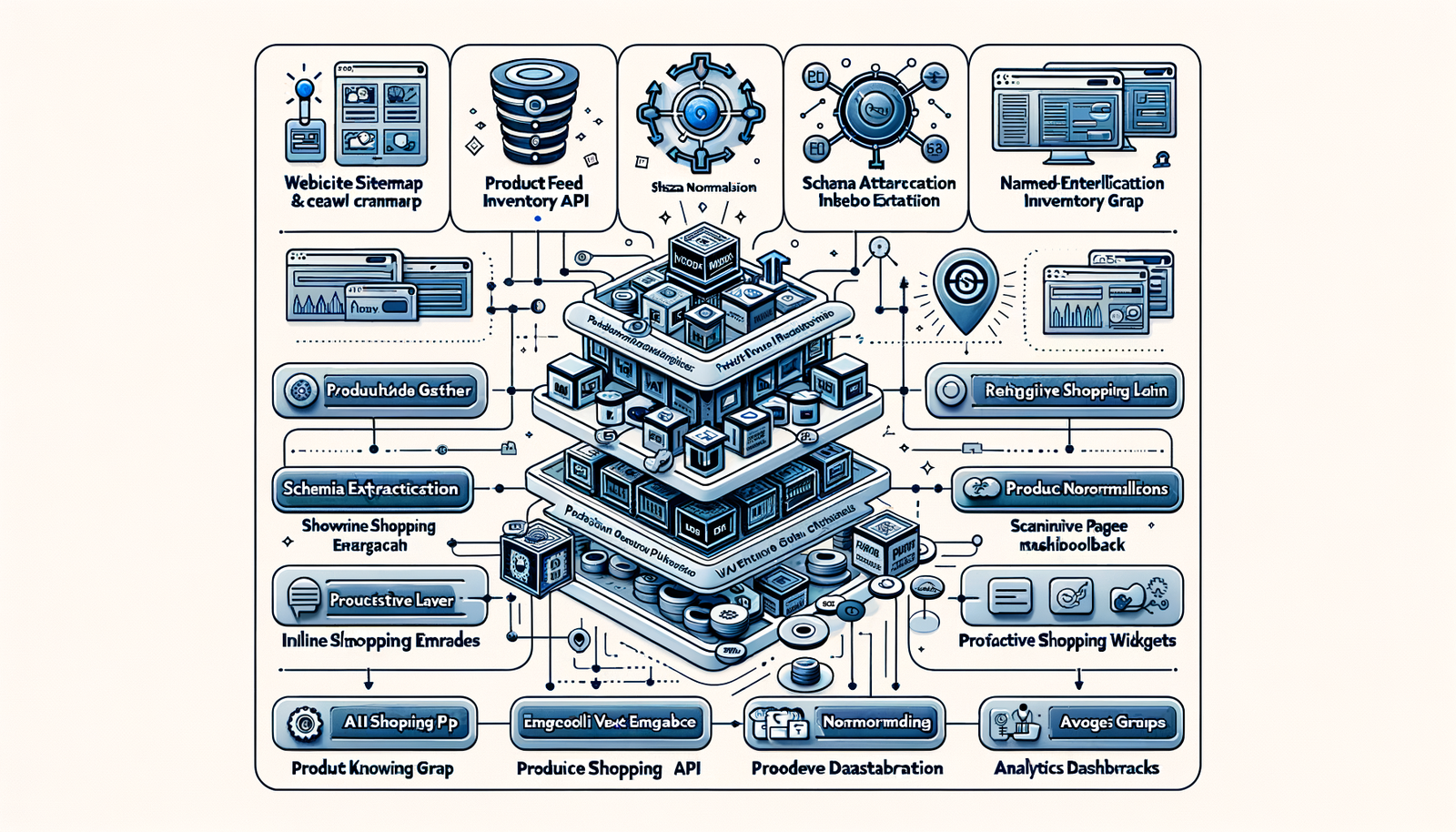
Content intelligence indexes every page—products, articles, FAQs, even UGC—then extracts entities (brands, specs, use‑cases), normalizes attributes, and builds a knowledge graph. That graph powers conversational shopping, relevant recommendations, and on‑page guidance. With Brambles.ai, this means shoppers can ask natural questions, see precisely matched products, try variants virtually, and check out from chat—all mapped to your content and inventory in real time.
What’s Broken With Traditional Indexing
Search boxes index text; shoppers ask questions. That mismatch costs conversions. Baymard’s research shows inadequate on‑site search causes frequent dead‑ends for nuanced queries like “lightweight waterproof jacket under $150” (Baymard Institute). Classic crawlers don’t parse relationships—“jacket” + “trail running” + “breathability score”—so content and catalog stay siloed.
Publishers face a parallel problem. High‑intent guides rank in search, but monetization lags because product matches are manual and stale. Meanwhile, privacy shifts make third‑party data unreliable. First‑party content understanding—semantic, not keyword‑based—is now the lever for both UX and revenue (McKinsey, Google UX Research).
How Content Intelligence Works (The Practical Stack)
Here’s the stack we deploy on real sites to make content commerce‑ready:
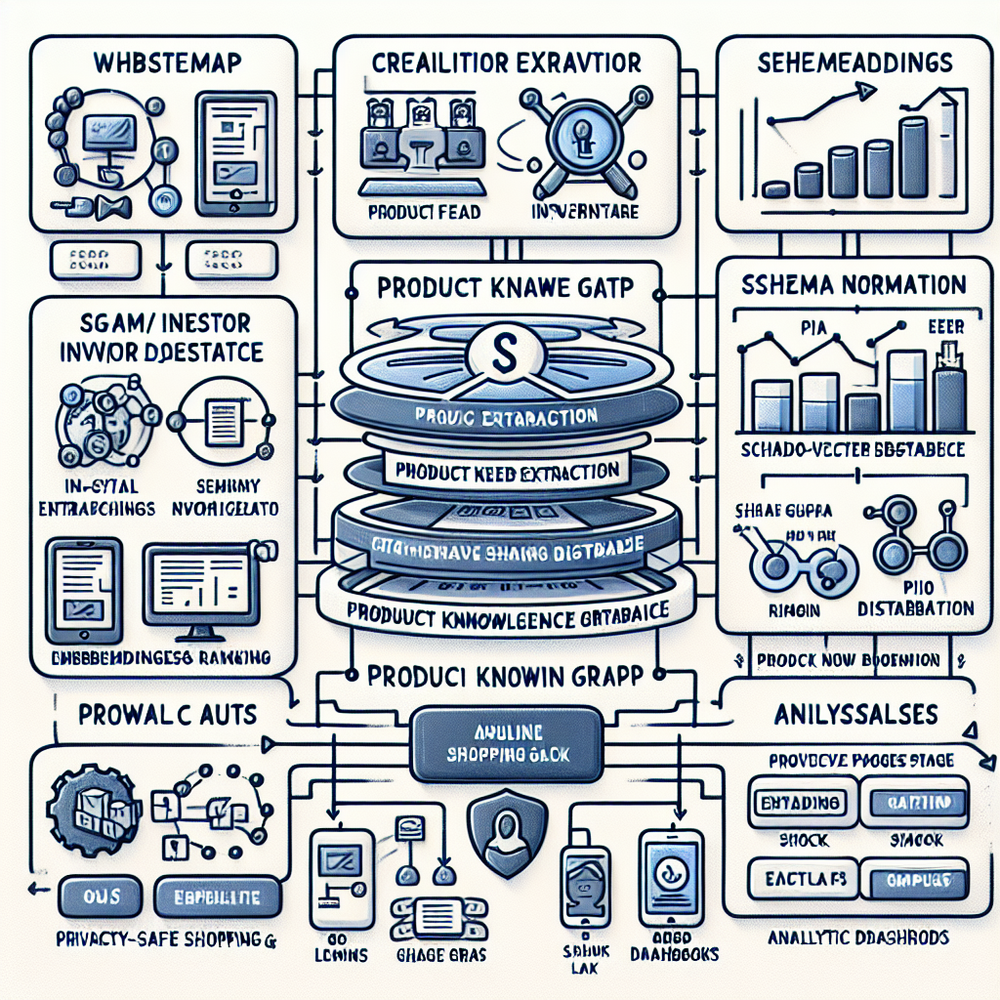
- Crawl and map: Respect robots, parse sitemaps, and discover orphan pages. Capture metadata, schema.org, and stock levels via APIs.
- Extract entities: Use NER to pull brands, materials, features, use‑cases, prices, dimensions. Normalize synonyms (e.g., “sofa” = “couch”).
- Build a product graph: Connect products ↔ attributes ↔ content mentions ↔ inventory ↔ returns data.
- Embed for semantic matching: Vectorize paragraphs and SKUs to answer “I need a breathable blazer for humid summers.”
- Rank with business rules: In‑stock, margin, seasonality, and verified reviews.
- Feedback loop: Clicks, saves, returns, and chat reformulations tune rankings over time.
Anecdote: On a cookware publisher, we linked 312 evergreen articles to 9,800 SKUs. Semantic matches (not keyword tags) drove a 22% RPM lift and 19% higher time‑on‑page because buyers stayed to compare heat retention scores pulled directly from structured attributes.
What Brambles.ai Brings Out of the Box
Brambles.ai operationalizes this stack so teams don’t reinvent it. Three features matter on day one:
- Content intelligence: Our crawler and extractors index every page, standardize attributes, and form a product graph that powers search, chat, and recommendations.
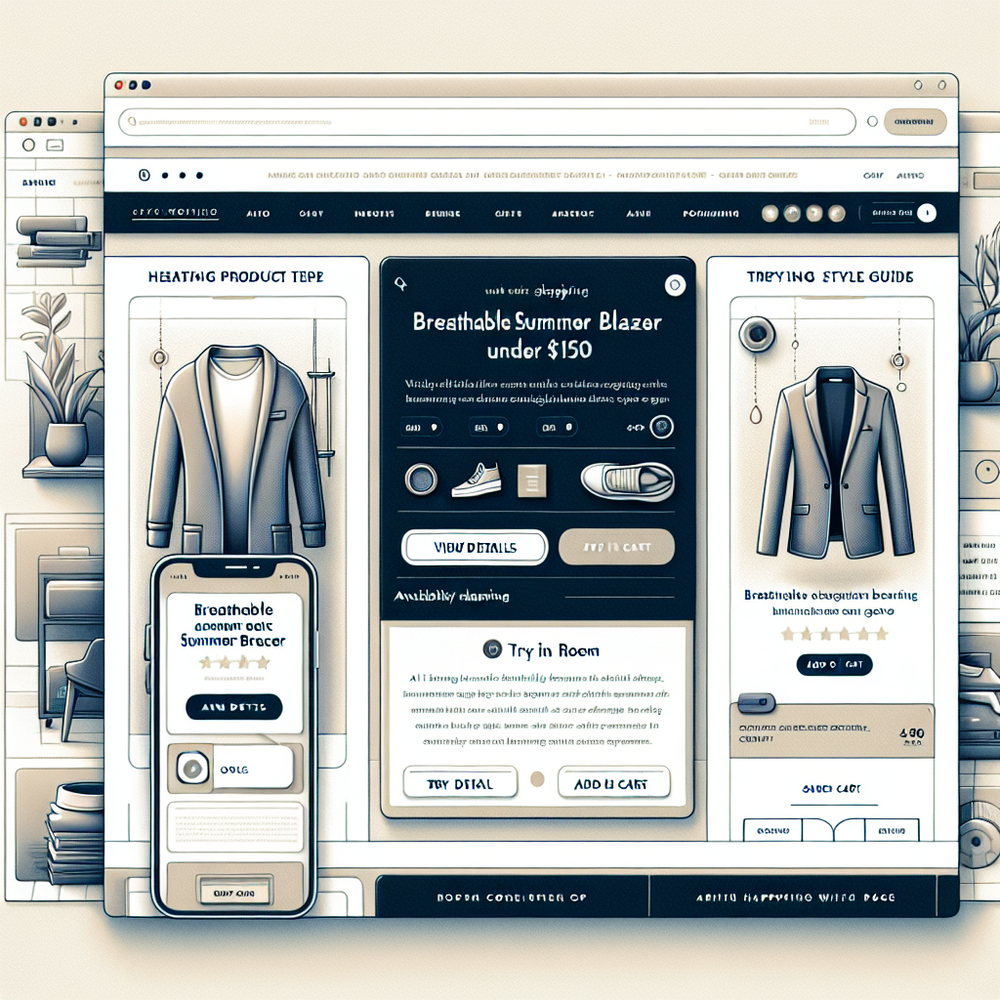
- AI product discovery: Shoppers can describe needs in plain language; the assistant resolves intent, filters by structured attributes, and returns shoppable lists with reasons.
- Proactive engagement: On any article or PDP, the widget suggests relevant products or guides based on page context, inventory, and real‑time interactions.
Two more accelerate conversion: Inline shopping embed places curated picks directly inside articles, and AI shopping chat floats sitewide for conversational help. Both use the same graph, so answers stay consistent across surfaces.
For publishers, affiliate revenue is built in—monetize across a broad network and attribute earnings to the exact content nodes that drove them. For brands, direct add to cart allows immediate checkout from chat when the cart provider supports it.
Implementation Guide: From Crawl to Conversion
You can start without a replatform. The fastest path is to embed the Brambles Agentic Commerce Module, let it crawl, and light up chat and inline embeds where they add value first.
Step‑by‑step:
1) Install the script: Drop the Agentic Commerce Module on template pages. For WordPress/WooCommerce, use the plugin; Shopify support is coming. Validate CSP and performance budgets.
2) Connect feeds: Provide product feeds and inventory/price APIs. Add return codes and review scores if available.
3) Configure content scope: Include blogs, FAQs, PDPs, comparison pages, and critical evergreen guides.
4) Map business rules: Prioritize in‑stock, margin, or private labels. Define disallowed categories.
5) QA the graph: Spot‑check entity extraction, synonyms, and attribute coverage on top SKUs.
6) Launch pilot: Turn on AI shopping chat for a few high‑traffic pages and add inline embeddings to two articles.
7) Iterate weekly: Review analytics, improve prompts/tone, and expand coverage.
Configuration tips: Use brand customization to keep fonts/colors aligned; define an AI personality that mirrors your editorial voice; and enable video discovery where reviews or demos help disambiguate choices.
Rollout anecdote: On a mid‑market furniture brand, we piloted on five buying guides for two weeks, then expanded to 100+ guides after a 28% lift in assisted revenue and 11% fewer returns attributed to better size/fit visualization and attribute clarity.
Measuring ROI and What to Watch
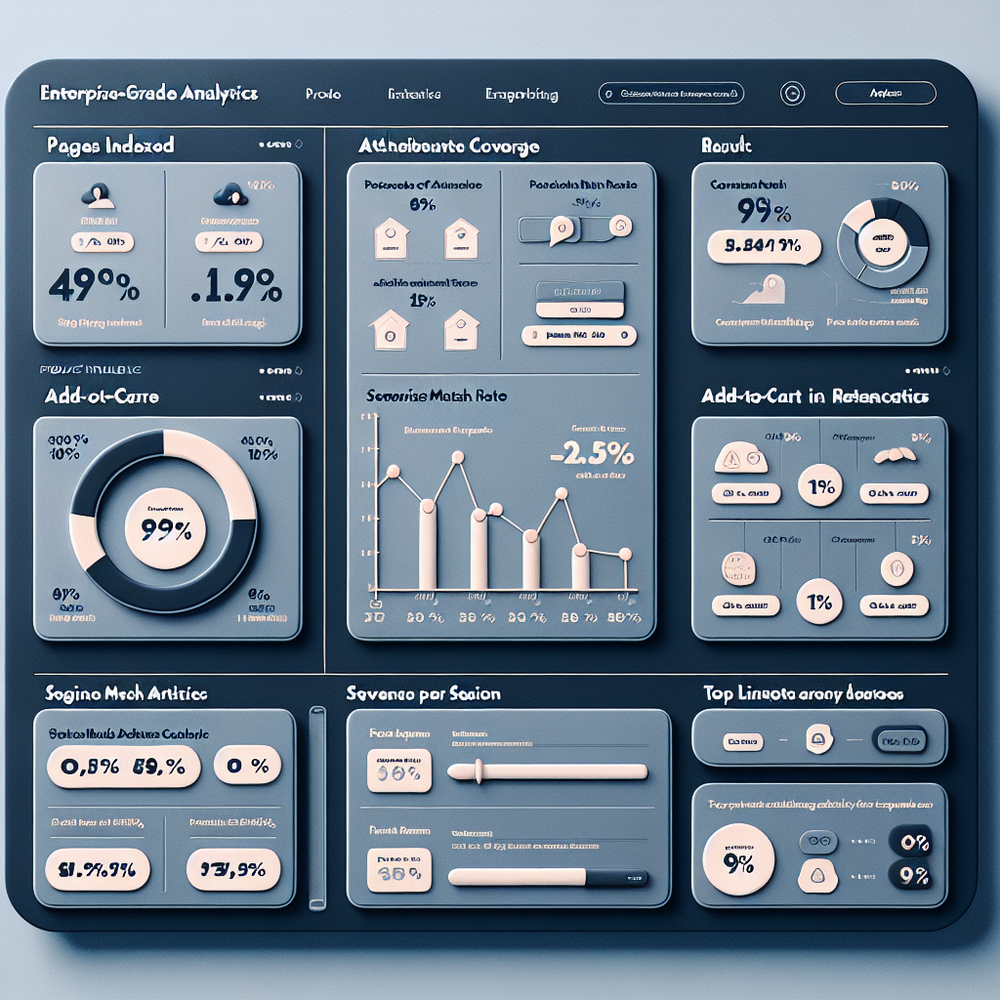
The best signal: findability. Track the percentage of queries resolved without reformulation in AI chat and site search. Pair this with click‑through rate from articles to SKUs, add‑to‑cart from chat, and revenue per indexed session.
Suggested KPI framework:
- Coverage: % of pages indexed; attribute coverage per category; freshness latency.
- Quality: Semantic match rate, zero‑result rate, average reasoning score in chat transcripts.
- Commercial: AOV, assisted revenue, RPM for publishers, margin‑weighted conversions.
- Service: Chat deflection for repetitive questions; order lookup self‑serve rate.
- Trust: Disclosure click rate and opt‑in rates for personalization (Salesforce Connected Customer).
Tie performance to business segments. Example: On a 40k‑SKU catalog, raising attribute coverage from 72% to 89% in “Outdoor” improved first‑click match rate by 25% and lifted category revenue 9.4% week‑over‑week.
First‑Party Data, Consent, and Trust
Content intelligence should be privacy‑safe by default. You don’t need third‑party profiles to answer product questions—just great site understanding. Use explicit on‑page disclosures and limit PII handling to support workflows. Keep targeting contextual and opt‑in, not covert.
In Brambles.ai, all inference is grounded in your own content and product data. When publishers monetize, links are disclosed in chat and embeds; when brands sell directly, cart actions stay within your own stack. This builds long‑term trust and resilience as cookies deprecate.
Common Pitfalls (and a QA Checklist)
Most failures stem from partial coverage and brittle rules. Teams crawl the catalog but ignore buying guides, or they rank by margin only and sacrifice relevance. Bad synonyms (e.g., “runner” as rug vs. athlete) can tank precision.
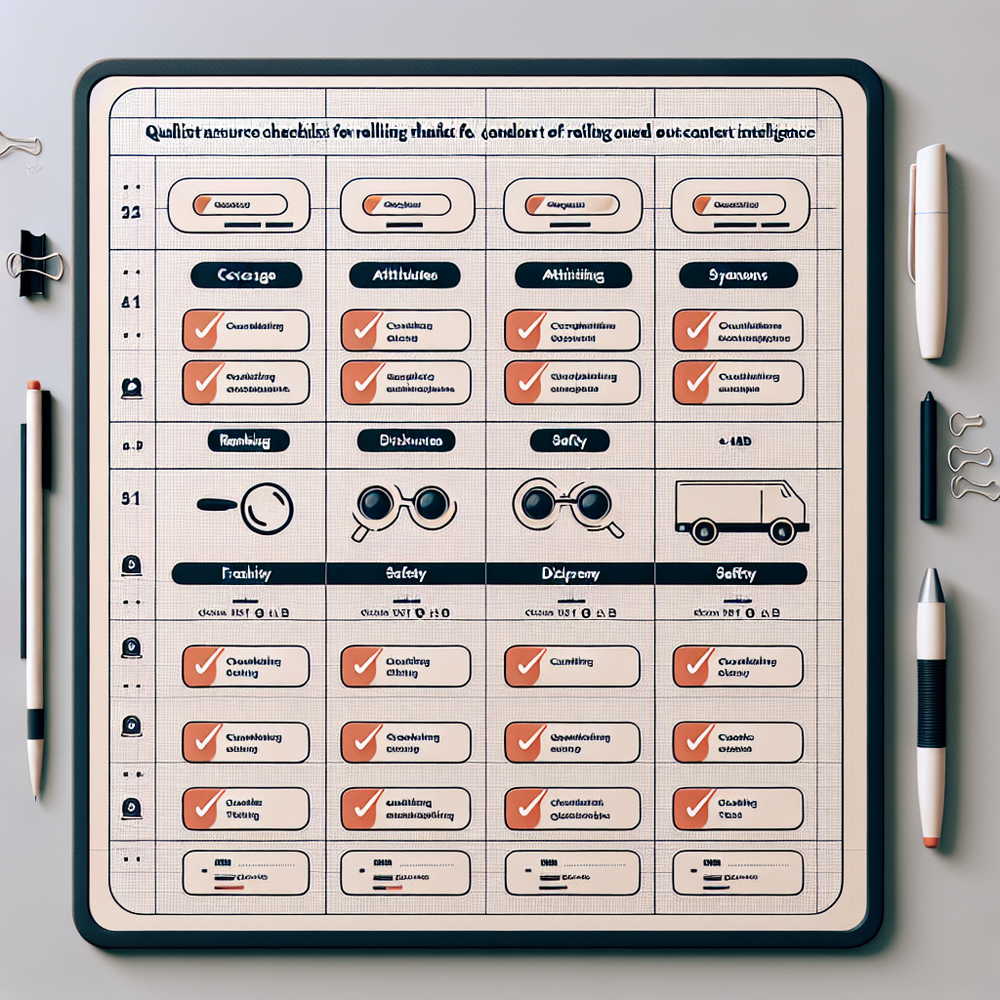
Deploy this checklist before scaling:
- Coverage: Have you indexed top 500 organic landing pages and all PDPs with >1% sales share?
- Attributes: Are must‑have specs defined by category (e.g., breathability, R‑value, thread count)?
- Synonyms: Did you review ambiguous terms by category?
- Ranking: Are out‑of‑stock and low‑rating items downranked?
- Freshness: Is your feed latency under 30 minutes for price/stock?
- Safety: Is PII redacted and logging scrubbed?
- Disclosure: Are affiliate links labeled in chat and embeds?
- A/B: Do you hold out control pages to measure lift?
Future Outlook: Content That Acts Like a Sales Associate
As multi‑modal shopping grows, your content graph will power not just chat, but video and AR. Expect assistants that can parse a user’s room photo and map it to indexed dimensions, then suggest SKUs that fit—and show them in place. The same graph will coordinate service and sales without handoffs.
If you’ve already invested in content, you’re halfway there. Wire it into an intelligence layer that understands, reasons, and acts—and give shoppers a helpful, transparent path to buy. When you’re ready to pilot, pick one high‑traffic guide, enable chat, and measure the first 14 days rigorously.
FAQ
How is content intelligence different from site search?
Search indexes words. Content intelligence indexes relationships—attributes, entities, and how pages connect to products. It can answer composite questions and apply inventory/margin rules in real time.
What data do we need to start?
A product feed, basic inventory/price APIs, and permission to crawl the site. Optional: returns data, review ratings, and editorial taxonomies improve ranking and explanations.
Will this affect SEO performance?
Indirectly positive. Better internal linking and structured data support richer experiences. Keep performance budgets tight and avoid intrusive UI—Google rewards helpful, fast pages (Google UX Research).
Does Brambles.ai store PII?
No. We index public site content and product data, and redact PII in logs. Customer account flows (e.g., order lookup) pass tokens to the merchant’s systems without persisting sensitive data.
How do we budget and choose a plan?
Start with a pilot on high‑traffic pages. Align pricing to sessions indexed and features enabled, then expand to sitewide once KPIs clear your hurdle rate.
Related resources on Brambles.ai
If you are implementing this, start with enterprise solutions, about Brambles.ai, developer docs.
Related posts
View all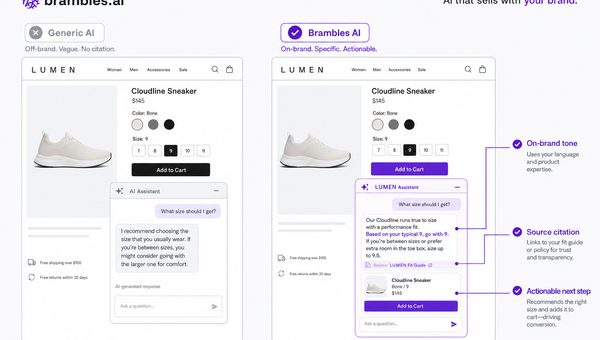
Brand-Consistent AI Chats Build Trust and Conversions
When AI mirrors your brand voice, shoppers relax—questions get answered, carts grow, and support load drops. Learn the playbook to align tone, trust, and ROI.
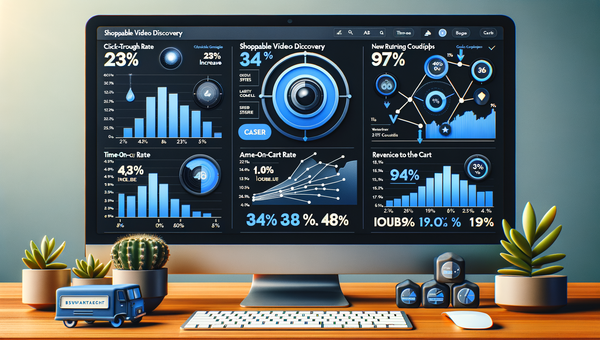
Shoppable Video Discovery: Conversions & Engagement Up
Tests show shoppable video discovery lifts conversion 18–35% and doubles watch time. See the UX patterns, KPIs, and how to deploy it quickly with Brambles.ai.
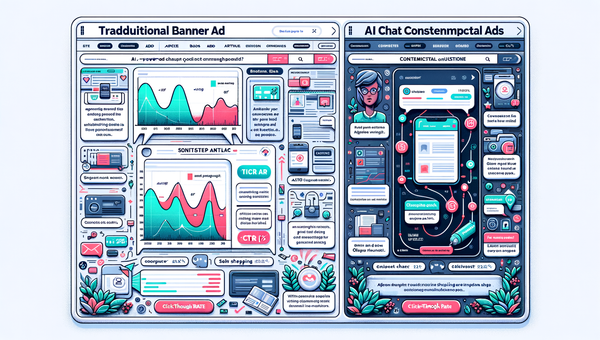
Why Contextual Ads in AI Chat Beat Banner Ads
Tests on commerce sites show AI chat contextual ads deliver 3–5x CTR, cleaner UX, and higher revenue than banners. See how they work, implement, and measure.
Explore Brambles.ai
Learn more about our AI-powered agentic commerce platform, agentic shopping, and shopping assistance solutions.
Explore More Insights
Discover more articles on AI, automation, and business innovation
View All Articles