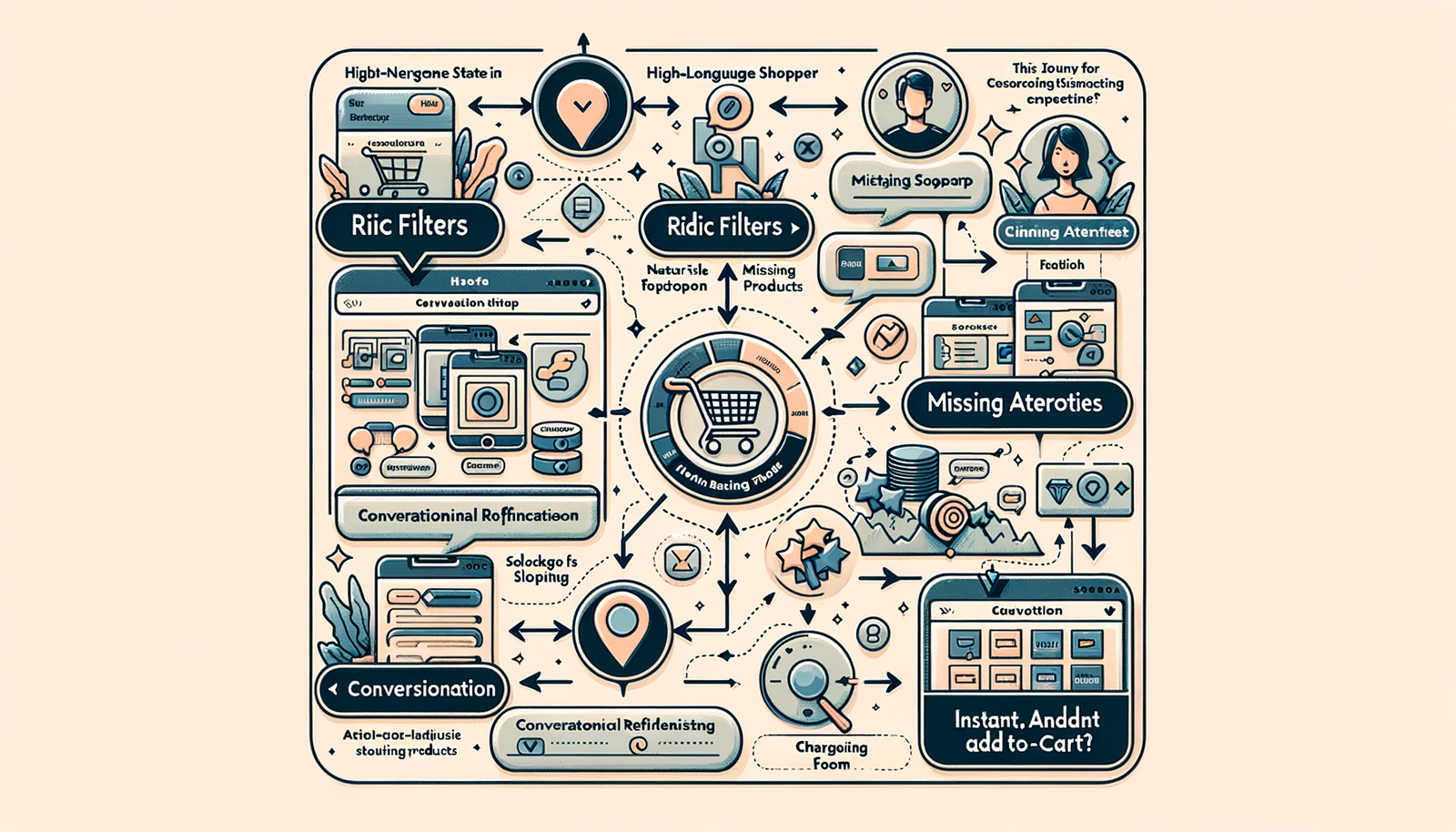
Brambles.ai Product Discovery for High‑Intent Shoppers
See how Brambles.ai turns high-intent visits into fast product matches using natural-language search, proactive suggestions, and direct add-to-cart within chat
In a two-week A/B on a kitchenware retailer, 63% of shoppers used detail-rich queries like “dishwasher‑safe glass meal prep containers.” When we removed synonym handling, conversion dropped 18% despite the same catalog. High‑intent shoppers are decisive; they just need the store to keep up. That’s the gap product discovery must close—understanding nuanced intent and showing the exact, order‑ready item without forcing the user to backtrack through filters or tabs.
We also saw a publisher with strong commerce content earn a 19% uplift in affiliate RPM after adding conversational shopping to their gift guides. The assistant captured queries like “non‑toxic candles under $40 with cedar scent” that static lists missed—and routed shoppers directly to carts. This is where Brambles.ai shines: conversational discovery that respects reader context and turns high intent into action, without creepy tracking or disruptive ads.
If your traffic includes queries like “size 10 waterproof hiking boots for wide feet” or “mid‑century desk under $300, 48 inches wide,” the playbook is simple: parse intent fast, map to real inventory with up‑to‑date attributes, and remove steps between consideration and purchase. Brambles.ai does this with natural‑language understanding, product graph enrichment, and chat‑native checkout flows that don’t make customers start over.
Quick Answer
Brambles.ai handles product discovery for high‑intent shoppers by indexing your catalog and content, understanding natural‑language requests, and returning shoppable results that can be added to cart right in the conversation. It proactively suggests context‑relevant options, supports rich filters like size/fit/compatibility, and shortens the path to purchase with checkout‑ready flows—no pogo‑sticking between pages required.
What’s Broken in Product Discovery Today
Most sites still treat search as a keyword box and filters as a maze. High‑intent shoppers arrive with detailed constraints—budget, dimensions, compatibility, delivery windows. They don’t want to educate the interface. Baymard Institute’s large-scale UX research repeatedly shows abandonment when filters are rigid or attributes are incomplete. Google’s own UX research notes that users tire after two or three reformulations; every failed query leaks intent and trust.
On the merchandising side, attributes are often inconsistent across suppliers, synonyms aren’t normalized, and landing pages are decoupled from inventory freshness. We’ve audited catalogs where 20% of “in stock” items were actually size‑out. High‑intent shoppers hit that mismatch immediately and bounce. The fix: unify schema, enrich attributes, and let shoppers talk like people—then rank results by fit, availability, and delivery promise instead of simply textual relevance.
How Brambles.ai Product Discovery Works
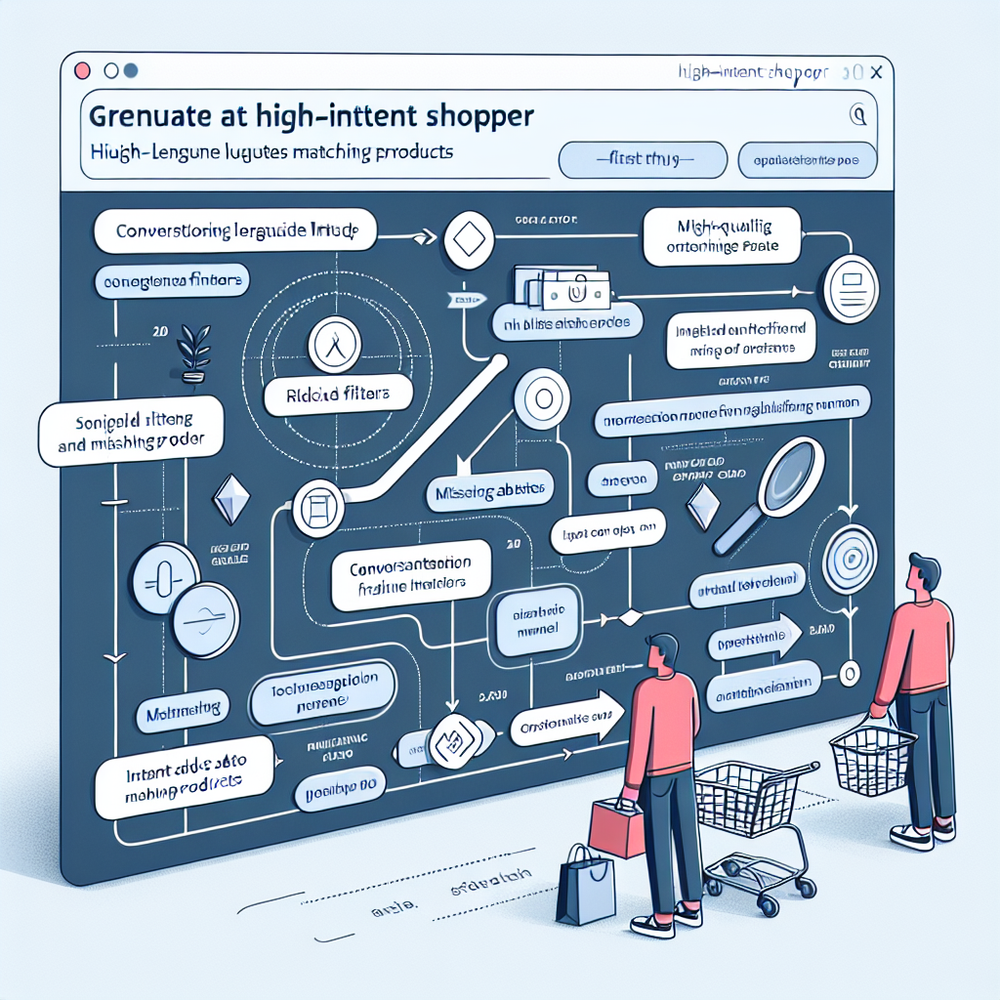
Discovery starts by understanding inventory and language. Brambles.ai indexes your catalog, PDPs, and commerce content, then builds a product graph that unifies attributes and synonyms. When a shopper asks for “carry‑on luggage under 8 lbs that fits in United bins,” the system interprets constraints, cross‑checks airline specs, and returns only in‑stock SKUs that truly fit—ranked by fit score, price, reviews, and delivery time.
Three capabilities matter most for high intent: 1) AI product discovery maps conversational requests to precise results using retrieval and ranking tuned to ecommerce goals. 2) Proactive engagement watches page context and nudges with helpful prompts—“Want wide‑fit options in your size?”—instead of popups. 3) Direct add to cart lets buyers complete the move with one tap inside chat, keeping momentum high.
To meet shoppers where they are, the AI shopping chat floats on every page and remembers context (category, article, prior constraints) to keep the thread coherent. Merchandisers own the experience via brand customization and AI personality controls—so the assistant sounds like you, not a generic bot. The result is a fast path from intent to product to cart, without jarring handoffs.
Implementation Guide: From Idea to Live in Days
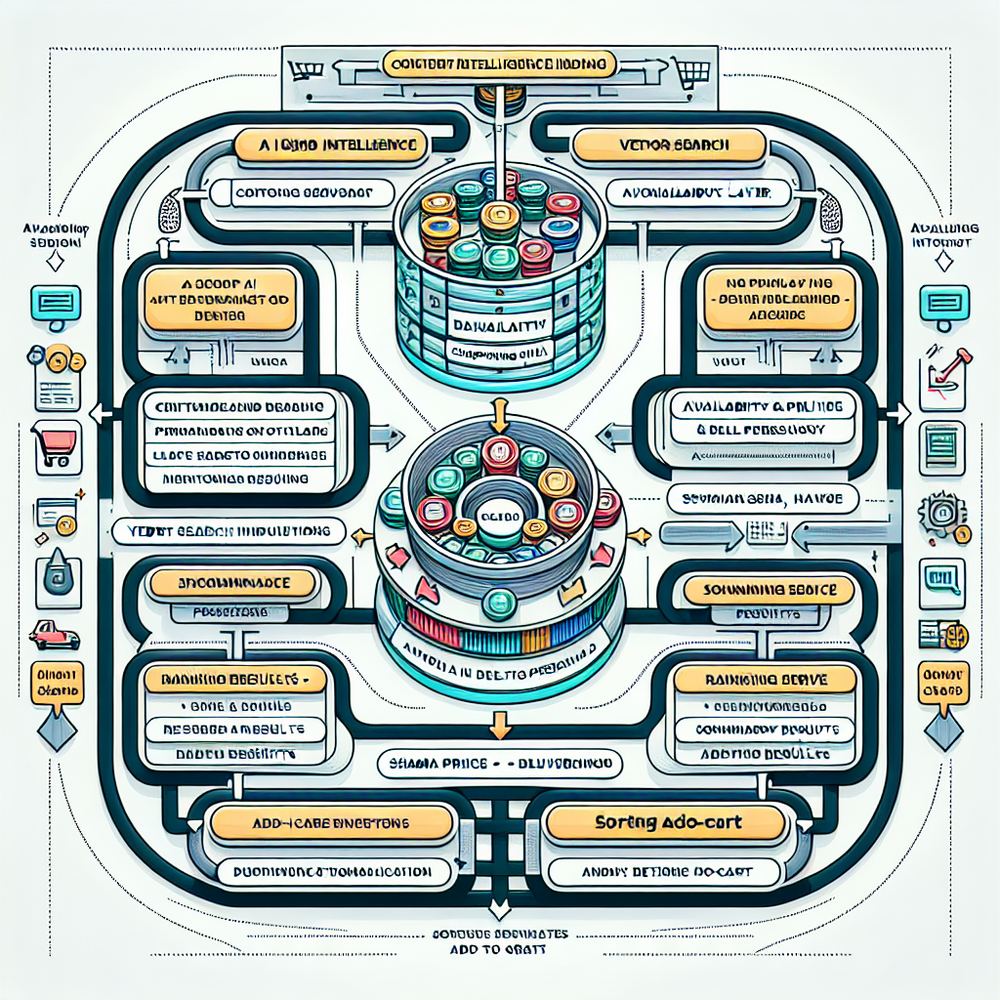
Here’s the fastest path we’ve used with teams shipping in under a week. Step 1: Sign up and connect your catalog feed or platform. Step 2: Drop the Agentic Commerce Module snippet on staging and map core events (viewed product, add to cart, checkout). Step 3: Enable AI product discovery and set initial guardrails (price ranges, regions, inventory sources).
Step 4: Configure the UI. Choose floating chat plus an inline shopping embed for key articles and category pages. Match colors and tone with brand customization and AI personality. Step 5: Wire checkout: enable direct add to cart and confirm cart merge logic for logged‑out users. Step 6: QA with a high‑intent test set—50+ real queries from support transcripts and site search logs.
Technical notes: The JavaScript widget works framework‑agnostically via the module or a WordPress plugin. Shopify support is available via the upcoming app; most merchants can pilot discovery with read‑only product access. Devs can fine‑tune configuration, set proactive prompts by template, and test ranking weights in a sandbox before flipping to production.
Measuring ROI & KPIs That Matter
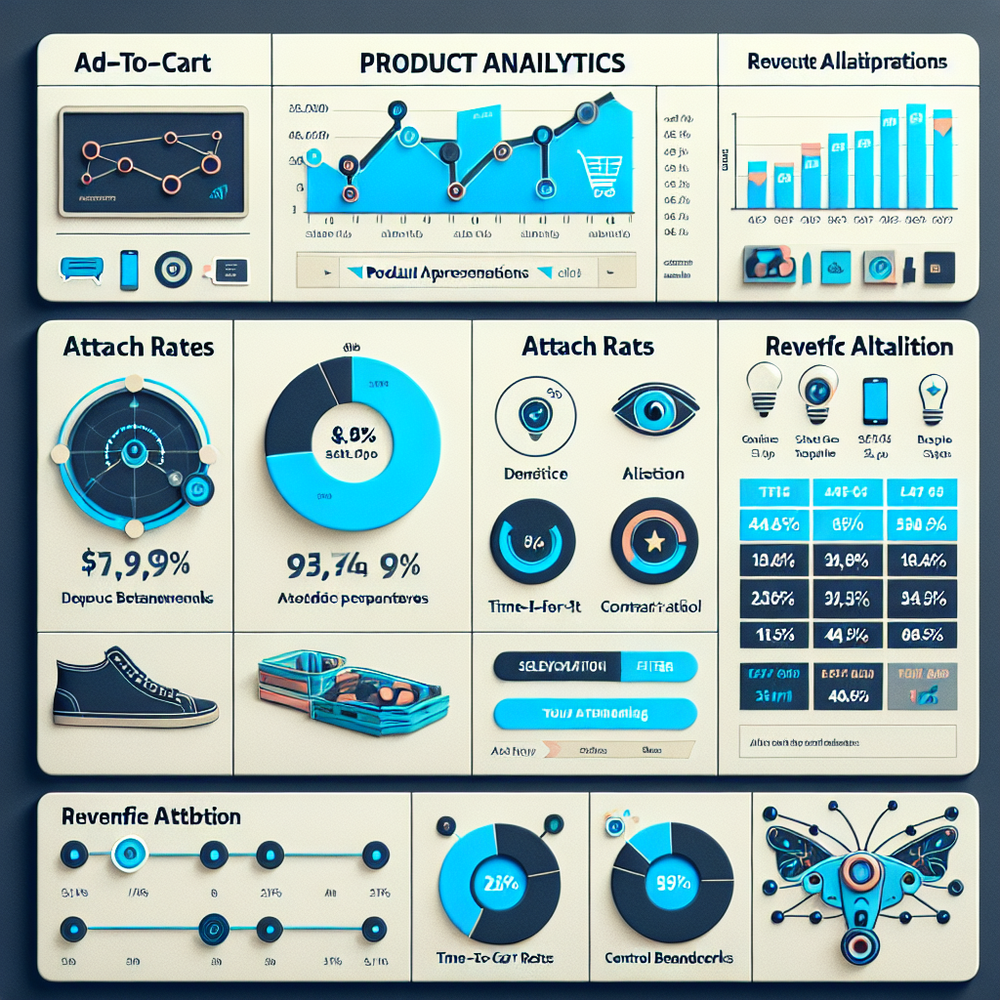
For high‑intent discovery, measure speed and certainty. Track time to first relevant result, add‑to‑cart rate from chat, cart creation per 100 chats, and conversion lift in sessions with assistant engagement. Watch AOV for bundles and accessory attach. On content sites, monitor affiliate RPM, click‑through quality, and retail media performance on curated results.
Anecdotes from recent rollouts: An apparel marketplace (100k sessions/month) saw a 37% lift in product clicks from assistant interactions and a 16% conversion uplift within 30 days, largely from size/fit clarifications. A home decor brand recorded an 11% AOV increase when pairing room‑dimension questions with direct add to cart. A publisher’s gift guide hub posted a 22% higher affiliate RPM as shoppers refined by scent, material, and price in chat.
First‑Party Data, Transparency, and Trust
High‑intent sessions are precious—and privacy‑sensitive. Brambles.ai operates on first‑party data and declared context, not third‑party cookies. That aligns with a cookieless, ad‑light future and makes your catalog and content the signal. Clear affiliate disclosures in chat and on result cards keep monetization transparent and compliant without breaking the flow.
When shoppers ask, “Do you earn a commission on this?” the assistant can answer plainly while still helping them buy confidently—contextual, not creepy. Publishers can combine affiliate revenue with tasteful retail media inside results, while brands can lean on content intelligence to surface trustworthy specs and compatibility info that reduce returns and support tickets.
Common Pitfalls and a Quick Checklist
Teams stumble when they treat discovery as a black box. Use this checklist to stay sharp. • Don’t skip schema cleanup—normalize size, material, fit, compatibility, and stock flags. • Set a confident brand voice; vague answers erode trust. • Tame proactive nudges; trigger on scroll depth or exit intent for high‑intent pages. • Wire analytics for assistant vs. control. • Prioritize mobile polish—thumb reach, sticky cart, and fast re-querying.
If you’re a brand, run a pilot on one high‑volume category and expand once KPIs clear. If you’re a publisher, start with two buyer’s guides and turn on affiliate revenue and inline embeds, then layer tasteful retail media. Pricing is transparent, and integration time is measured in days, not quarters.
Future Outlook: Visual, In‑Chat Buying
Visual proof accelerates confident purchases. We’re seeing strong lifts when shoppers test fit before checkout. Virtual try‑on reduces returns in categories like eyewear and beauty, while view‑in‑room eliminates guesswork for furniture and decor. Paired with direct add to cart inside the assistant, buyers move from inspiration to ownership in one conversation.
On content-rich pages, short videos embedded in the chat can answer “does it wobble?” faster than text, and inline embeds keep results skimmable for readers who don’t want to open a new tab. Expect discovery to keep folding into the page itself—no detours, no dead ends, just decisive, context-aware shopping.
Ready to turn high intent into higher revenue? Explore plans, compare brand vs. publisher tiers, or speak with our team. Most teams ship a pilot in under a week and see directional lift within the first 14 days.
FAQ
How does Brambles.ai handle ambiguous or multi‑constraint queries?
The assistant extracts constraints (budget, size, compatibility), asks clarifying follow‑ups only when needed, and ranks by fit score using availability and delivery signals. It remembers context—so “make it waterproof and under $120” refines your last request, not a fresh search.
How long does implementation take and who needs to be involved?
Most teams pilot in 3–7 days. You’ll involve a web developer to drop the script, a merchandiser to set prompts and guardrails, and an analyst to validate KPIs. WordPress sites can use the plugin; Shopify support is rolling out via the app.
Does it support affiliate models and retail media for publishers?
Yes. Publishers can enable affiliate revenue on results and optionally layer retail media placements. Disclosures are built into the UI so monetization is transparent while still helpful to readers.
How does Brambles.ai protect shopper privacy and brand safety?
It runs on first‑party data, honors consent, and can disable personal data retention based on your policy. Merchandisers set tone and guardrails so answers stay on‑brand and safe across categories.
Related resources on Brambles.ai
If you are implementing this, start with Brambles.ai, enterprise solutions, about Brambles.ai, developer docs.
For deeper reading, see Why Conversational Commerce Is Next For Affiliate Marketing.
Related posts
View all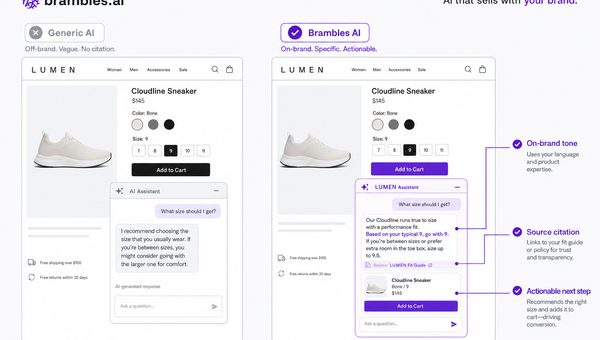
Brand-Consistent AI Chats Build Trust and Conversions
When AI mirrors your brand voice, shoppers relax—questions get answered, carts grow, and support load drops. Learn the playbook to align tone, trust, and ROI.
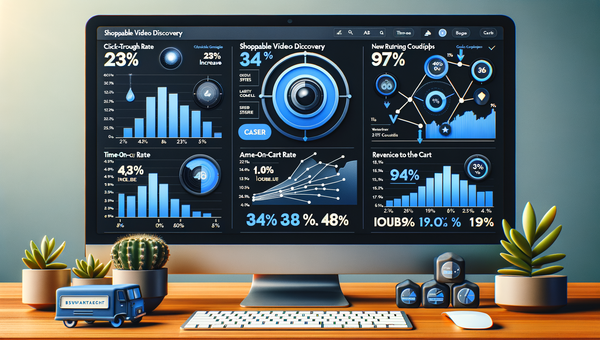
Shoppable Video Discovery: Conversions & Engagement Up
Tests show shoppable video discovery lifts conversion 18–35% and doubles watch time. See the UX patterns, KPIs, and how to deploy it quickly with Brambles.ai.
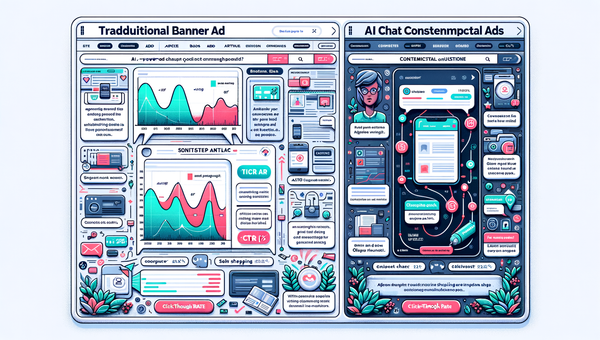
Why Contextual Ads in AI Chat Beat Banner Ads
Tests on commerce sites show AI chat contextual ads deliver 3–5x CTR, cleaner UX, and higher revenue than banners. See how they work, implement, and measure.
Explore Brambles.ai
Learn more about our AI-powered agentic commerce platform, agentic shopping, and shopping assistance solutions.
Explore More Insights
Discover more articles on AI, automation, and business innovation
View All Articles