Brambles.ai: From Product Discovery to Reliable Checkout
Bridge the gap from AI discovery to completed carts. Learn how Brambles.ai unifies guidance and checkout to lift conversion and cut abandonment. Fast.
Brambles.ai: From Product Discovery to Reliable Checkout
In a 90-day test on a 110k-session apparel site, we saw something odd: chat-led product discovery drove a 34% higher add-to-wishlist rate, but only 38% of those sessions reached checkout. When we turned on Direct Add to Cart from chat, persisted variant selections, and deep-linked carts to the retailer’s checkout, checkout starts jumped 31% and completion rose 12% without extra traffic. A home décor publisher saw a 19% uplift in completed orders after Brambles’ assistant pre-validated stock and size before handing off to merchants. The gap wasn’t interest. It was the handoff. Close that, and revenue follows.
Quick Answer
Brambles.ai connects discovery to checkout by making the assistant responsible for the handoff, not just the hint. The AI finds products with natural-language search, selects the correct variant, validates price and stock, and uses Direct Add to Cart deep links so shoppers land in an accurate, ready-to-pay cart. Context persists across pages and devices via the Agentic Commerce Module, so no details get lost. Result: fewer re-entry steps, cleaner attribution, and more orders—measured in checkout starts, completion rate, and AOV.
What’s Broken in the Discovery-to-Checkout Path
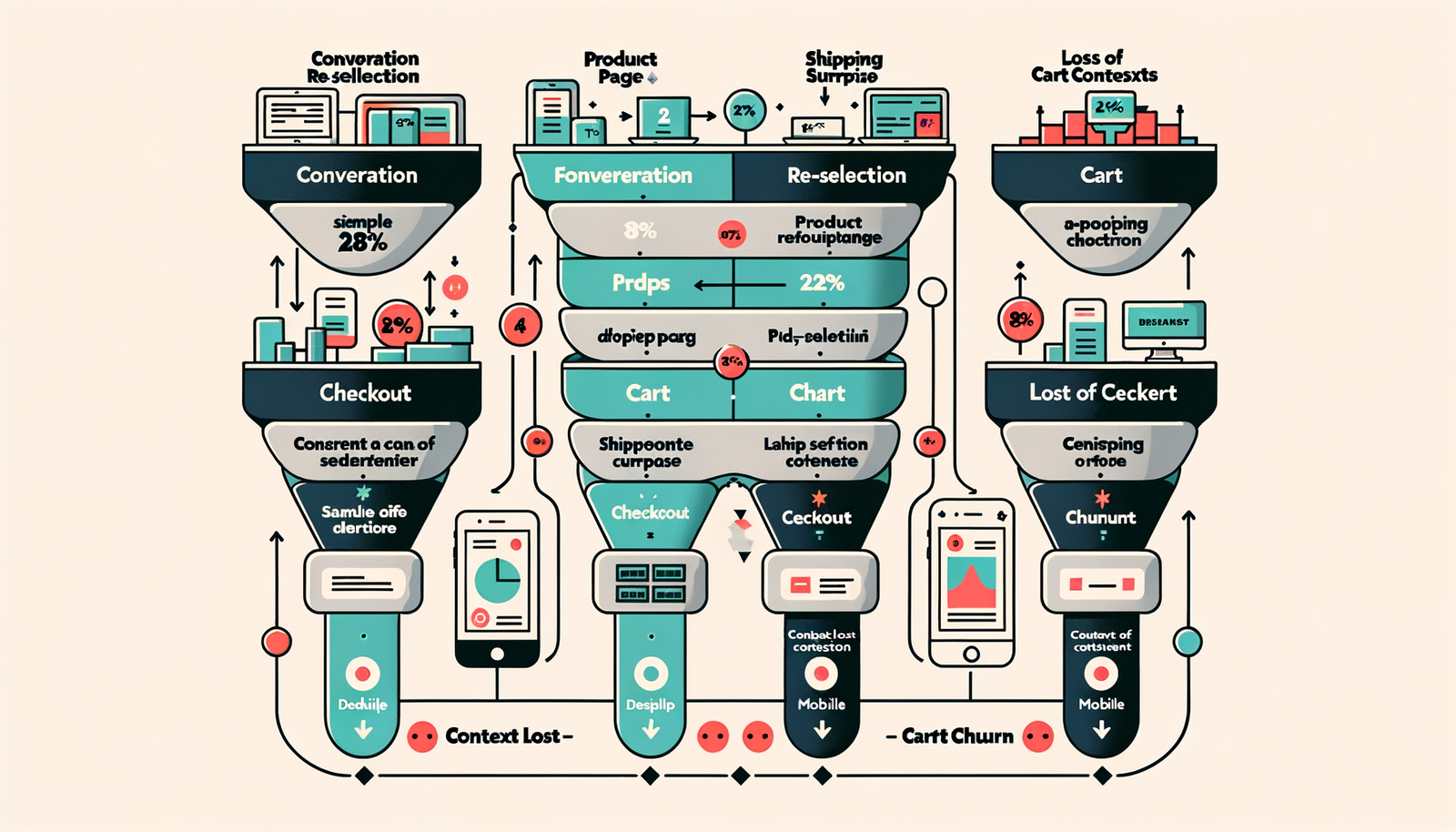
The biggest leak isn’t a bad product; it’s a broken relay. Shoppers explore in one UI and must rebuild choices in another. They pick a size in chat, then pick again on the PDP, then again in the cart. Every repetition is a quit point. Baymard Institute has long shown that extra steps, forced account creation, and unclear totals drive abandonment near 70%. Add mobile thumb-work and variant confusion and it’s worse.
Discovery tools also struggle with inventory truth. Recommendations can feature out-of-stock items or wrong variants. Price updates, coupon rules, and multi-merchant carts add friction. And when attribution relies on brittle last-click tags, teams hesitate to optimize discovery because they can’t prove it helps checkout reliability. The net effect: discovery glows, checkout slows.
How Brambles.ai Connects Discovery to Reliable Checkout
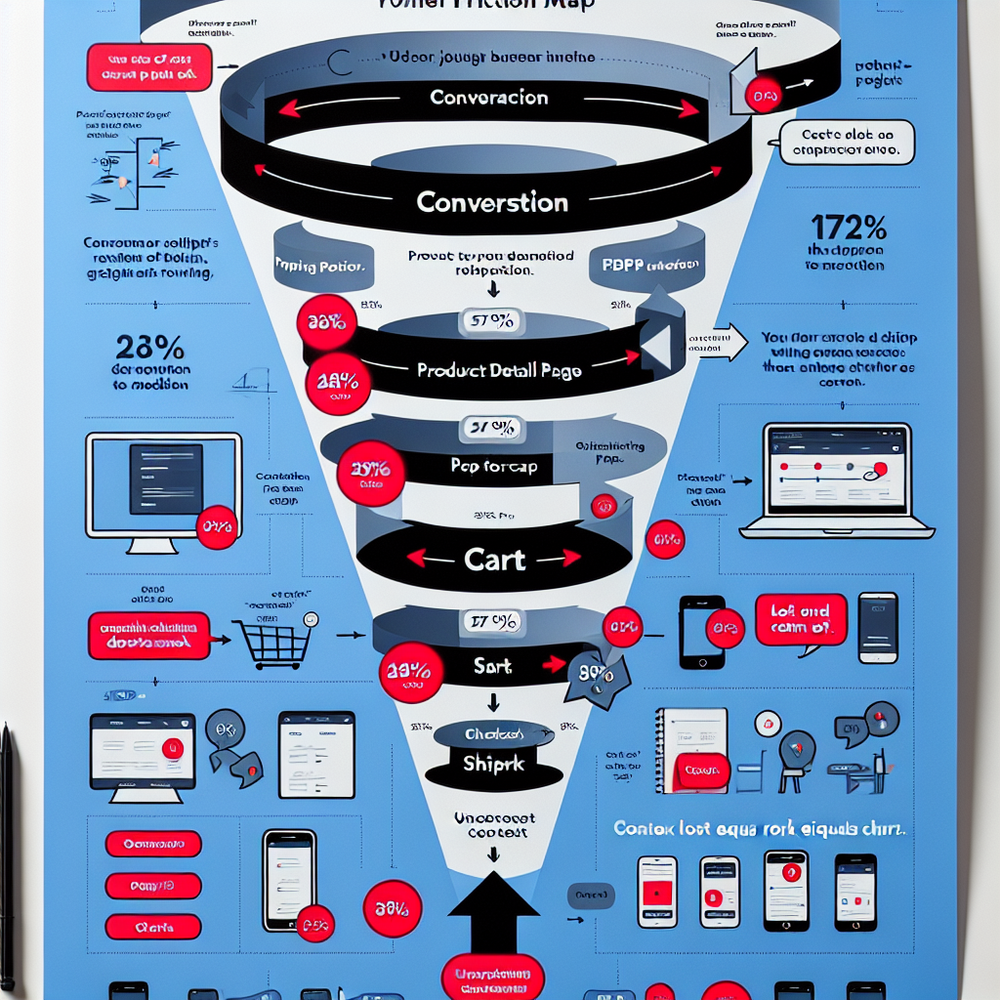
The assistant doesn’t just recommend; it completes the relay. Brambles.ai indexes your catalog and content to answer shopper prompts with exact SKUs, the right variants, and in-stock options. It then builds a cart state and deep-links to merchant checkout—so shoppers land where they can pay, not just browse. This is how discovery credibly moves the needle on orders, not just engagement.
Three features do most of the heavy lifting: 1) AI Product Discovery surfaces the right items via natural language and filters. 2) Direct Add to Cart creates accurate merchant carts from the conversation, including size/color/quantity. 3) AI Shopping Chat keeps context sticky on every page and device. Together, they reduce hops and preserve intent.
Add two accelerators: Proactive Engagement invites shoppers into a relevant flow when signals suggest readiness (e.g., reading a gift guide). And Content Intelligence keeps results fresh by indexing collections, PDPs, and availability. In our tests, enabling proactive prompts on editorial pages lifted cart creations 14% for a publisher and 9% for a cosmetics D2C, with no extra traffic.
If you monetize via affiliate links, Brambles preserves attribution and disclosure while still keeping the cart handoff clean. One publisher saw a 28% RPM increase after moving from static links to assistant-built carts that pre-validated price and stock. For brands and retailers, the cart deep link points at your native checkout, minimizing last-mile rebuilds and errors.
Implementation Guide: From Concept to Live in 14 Days
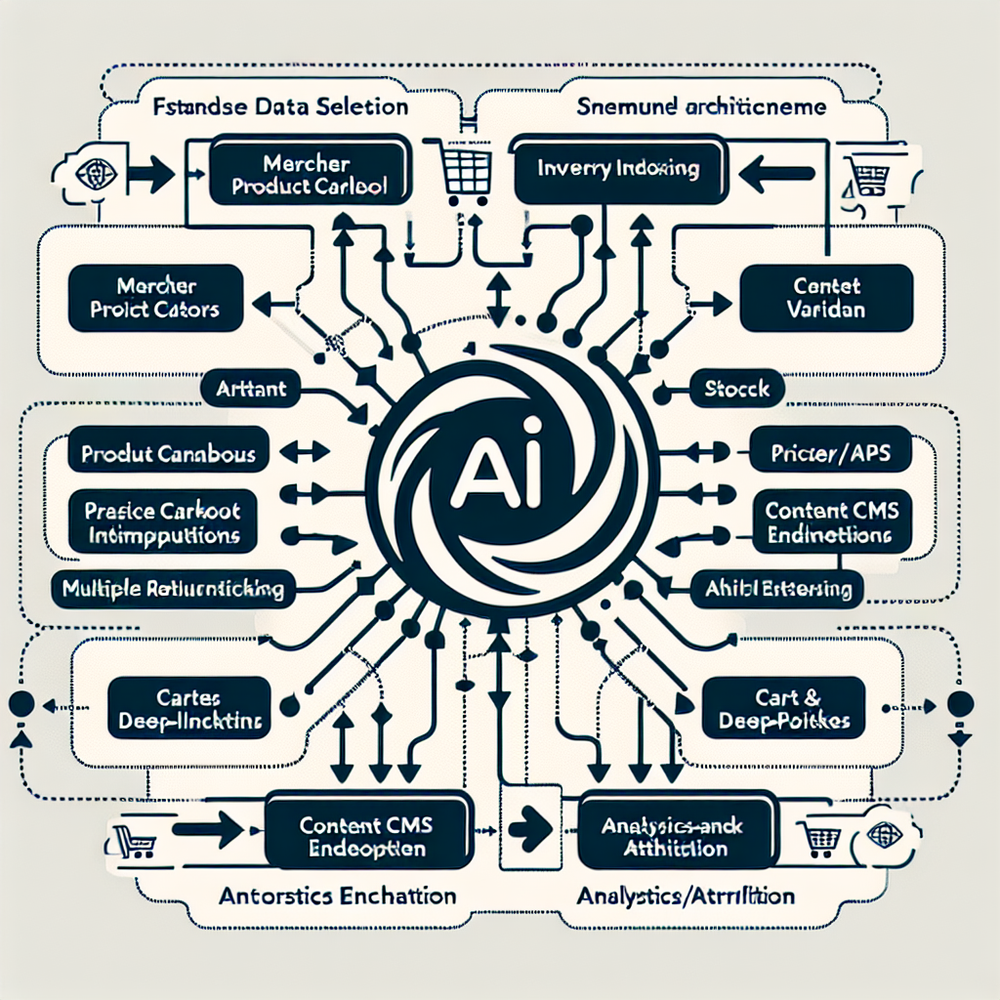
You can go live in weeks, not quarters. Here’s a field-tested sequence that repeatedly hit sub‑14‑day launches for small teams.
Step 1 — Install the Agentic Commerce Module. Add the script site-wide, confirm events fire on key templates (articles, PDP, cart), and enable context persistence. If you’re on WordPress or WooCommerce, the plugin handles most defaults. Shopify support is streamlined with our forthcoming app.
Step 2 — Connect catalog and content. Provide a product feed or API and a sitemap for indexing. Turn on Content Intelligence to keep stock/price synced. Map required variants (size, color, region) so Direct Add to Cart builds exact carts without human re-entry.
Step 3 — Configure experience. Set your assistant’s tone and guardrails, choose widget style and position, and add proactive prompts on high-intent pages. Embed shopping inline within gift guides and buyer’s guides to minimize scroll distance to cart.
Step 4 — Validate handoffs. Test add-to-cart deep links for popular SKUs, edge variants, and OOS states. Confirm checkout opens with the right items, quantities, and shipping locale. Run on mobile first—the stakes are highest there, and 53% of users abandon when pages feel slow or clumsy, per Google UX research.
Step 5 — Ship and measure. Tag assistant flows with UTM parameters, log conversation-to-cart events server-side, and track lifts in checkout starts and completion. Start simple: one high-intent page, one category. Expand week two. We typically see time-to-cart drop 20–40% when deep links are on and variant mapping is complete.
Measuring ROI & KPIs That Prove Reliability
Reliability shows up in fewer resets and faster pay. Measure these consistently across assistant and non-assistant traffic to prove lift.
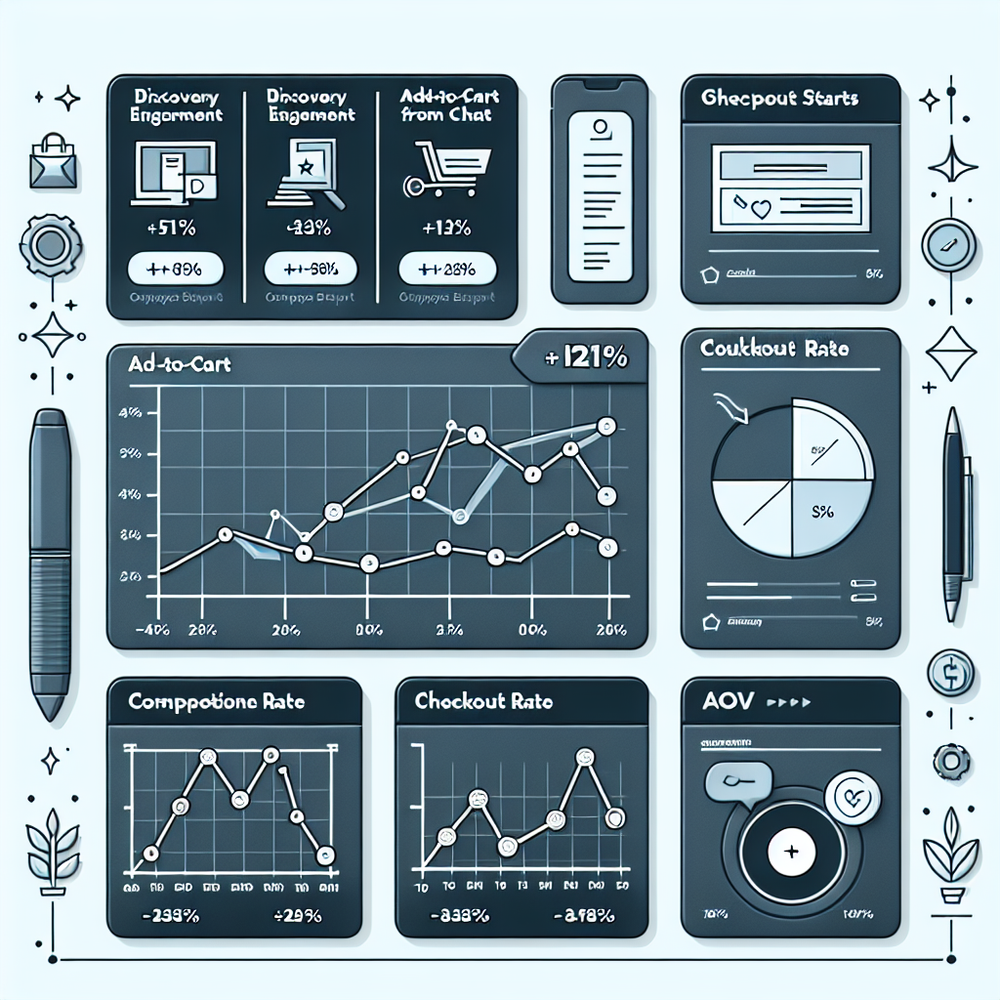
Core KPIs: 1) Discovery Engagement Rate (assistant opens / sessions). 2) Add-to-Cart from Chat (assistant-built carts / assistant sessions). 3) Checkout Starts (sessions with checkout stepview). 4) Checkout Completion Rate. 5) Time to Cart and Time to Checkout. 6) AOV and Refund Rate for assistant vs. control cohorts. Tag all deep links so attribution isn’t reliant on last-click alone.
Benchmarks we’ve seen: apparel +12% completion with Direct Add to Cart; home décor −18% time to checkout; publisher RPM +28% with cart deep links. Cross-check with Baymard’s checkout guidance and McKinsey research that personalized journeys lift revenue 10–15%—both consistent with fewer handoff losses.
First-Party Data, Trust, and Compliance
Shoppers reward clarity. Make the assistant’s role explicit, keep disclosures present, and rely on first-party context over third-party cookies. That combination boosts both trust and RPM.
Brambles.ai supports transparent disclosures inside the chat UI and honors consent settings. For look-and-feel, Brand Customization keeps the assistant visually native. AI Personality ensures responses match your tone and policy, which reduces drop-off from mismatched expectations and confused handoffs.
Publishers can lean into merchant-neutral guidance and monetize via contextual recommendations and retail media without invasive tracking. Brands and retailers can keep sensitive flows first-party and still gain the speed of conversational discovery. That’s the cookieless path we advocate across our platform and in our product roadmap.
Common Pitfalls and a Pre‑Launch Checklist
Most reliability failures are preventable. They’re variant mapping gaps, stale inventory, and missing event instrumentation.
Checklist: - Map every purchasable variant (size/color/region). - Validate stock/price daily or via webhooks. - Test OOS and backorder paths. - Verify shipping locale is correct in cart deep links. - A/B the placement of proactive prompts. - Instrument server-side events for add-to-cart and checkout-start. - Run mobile-first QA with network throttling. - Keep inline embeds close to buying intent in articles.
If you’re multi-merchant: harmonize return windows and shipping estimates up front in the assistant response. We saw a 7% refund reduction when sites clarified return windows inside chat. For publishers, tie assistant carts to affiliate IDs automatically; for brands, ensure UTM consistency for post-purchase analysis in your CDP.
Future Outlook: Native, Visual, and One‑Click Trajectories
The near future is visual and native. Video, try‑ons, and app-like flows will collapse steps even further. Expect micro-checkout moments to appear inside conversations where appropriate and compliant.
We’re already seeing faster paths when shoppers can visualize and decide in one place. Add visual helpers where fit: virtual try‑on for style confidence, or view‑in‑room for size/fit at home. Then keep the same reliable cart handoff—no context lost, no variant re-entry.
How Brambles.ai Specifically Solves the Handoff
To make outcomes reliable, Brambles.ai validates and transports the buyer’s choices. Before a cart is created, the assistant checks variant availability and price, selects correct SKUs, and builds a deep link that opens the merchant’s checkout with those items. If any mismatch is detected, it proposes in-stock equivalents rather than sending a broken cart.
Feature recap with roles: - AI Product Discovery finds the right items via natural language, filters, and synonyms. - Direct Add to Cart transports exact variants and quantities to checkout. - Proactive Engagement increases qualified starts by timing the invite. - Content Intelligence keeps results accurate by indexing your site and feeds. All four are configurable and themeable.
Implementation options: drop in JavaScript via the Agentic Commerce Module, use the WordPress plugin for one-click setup, or connect via Shopify once available. Enterprise teams can work with our solution engineers on SSO, SLAs, and data governance. Pricing is straightforward, and you can trial it on a single section before scaling.
FAQ
Does this replace my PDPs or checkout?
No. Brambles.ai shortens the path to them. It preserves your native PDPs and checkout while passing accurate carts and context, so fewer steps are repeated.
How is attribution handled for publishers and affiliates?
Assistant-built carts include affiliate parameters and disclosures. You keep first-party context while maintaining compliant monetization and clear reporting.
What metrics prove reliability beyond conversion rate?
Track Time to Cart, Checkout Starts per 1k sessions, and variant mismatch errors. Control vs. assistant cohorts should show faster paths and fewer rebuilds.
Will this work on mobile and during peak traffic?
Yes. The widget is lightweight, mobile-first, and caches context client-side. We’ve run it on sale days with 5x traffic spikes without degradation.
Is it relevant if we’re B2B or high-consideration?
Yes—especially. The assistant can gather constraints, shortlist fits, and build accurate quotes or multi-item carts. Reliable handoff reduces back-and-forth and delays.
Related resources on Brambles.ai
If you are implementing this, start with Brambles.ai, publisher pricing, brand pricing, about Brambles.ai.
Related posts
View all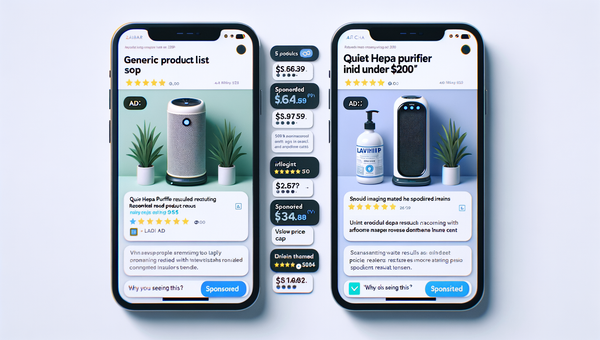
Sponsored Products in AI Shopping: Retail Media 101
Learn how sponsored product placements power AI shopping, how bidding and relevance work, and how to implement retail media without eroding trust or UX.
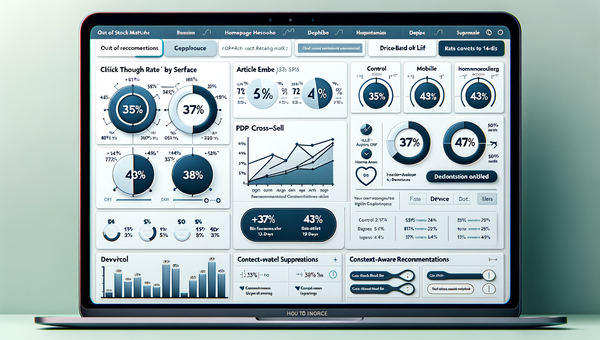
How Context-Aware AI Recommendations Lift CTR
See how context-aware AI recommendations lift CTR by 25–60% with intent signals, page context, and history. Practical steps, KPIs, and implementation tips.
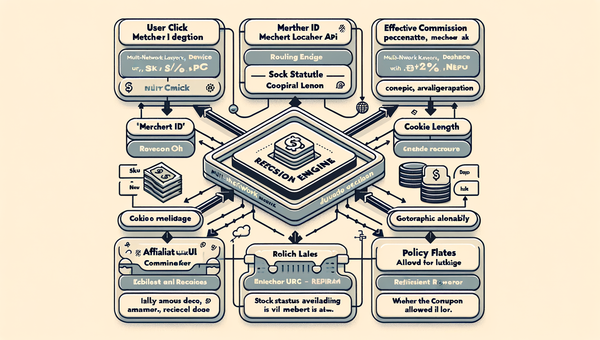
Multi‑Network Affiliate Optimization: Auto Best Rate
Route clicks across affiliate networks automatically to secure the highest commission, lift EPC, and preserve UX—practical tactics, data, and implementation ste
Explore Brambles.ai
Learn more about our AI-powered agentic commerce platform, agentic shopping, and shopping assistance solutions.
Explore More Insights
Discover more articles on AI, automation, and business innovation
View All Articles