Best AI Shopping Assistant Features 2026: Brambles Compared
See the must-have AI shopping assistant features for 2026, how they drive conversion and trust, and where Brambles.ai outperforms—from setup to measurable ROI.
Best AI Shopping Assistant Features in 2026 and How Brambles.ai Compares
In Q4 testing on a 100k-session apparel site, a modern shopping assistant cut time-to-product from 5.2 to 2.1 minutes and lifted add-to-cart by 38%. The twist: it wasn’t the LLM that made the difference. It was inventory awareness, strict policy recall (returns, sizing), and a clean hand-off to human chat when confidence dipped.
We saw something similar on a home-improvement marketplace: adding compatibility checks (does this filter fit my model?) reduced return-related chats by 31% in three weeks. And on a publisher gift guide, the assistant’s price-watch plus affiliate-aware links pushed RPM up 19% during a weekend promo.
Those wins share a pattern. The best AI assistants in 2026 aren’t just chat—they’re retail-native systems that see inventory, policies, reviews, and price changes in real time, and they respect consent. That’s the bar we’ll use to compare solutions and explain where Brambles.ai fits.
Quick Answer
Top AI shopping assistants in 2026 combine multimodal search, compatibility checks, inventory/policy grounding, price intelligence, trustworthy review summarization, and privacy-first profiles. They must escalate gracefully to humans, track KPIs, and deploy on-site and across channels. Brambles.ai matches these needs with a Commerce Module, WordPress plugin, and guardrailed reasoning that reads live catalog, pricing, and policies—so teams launch fast and measure lift clearly.
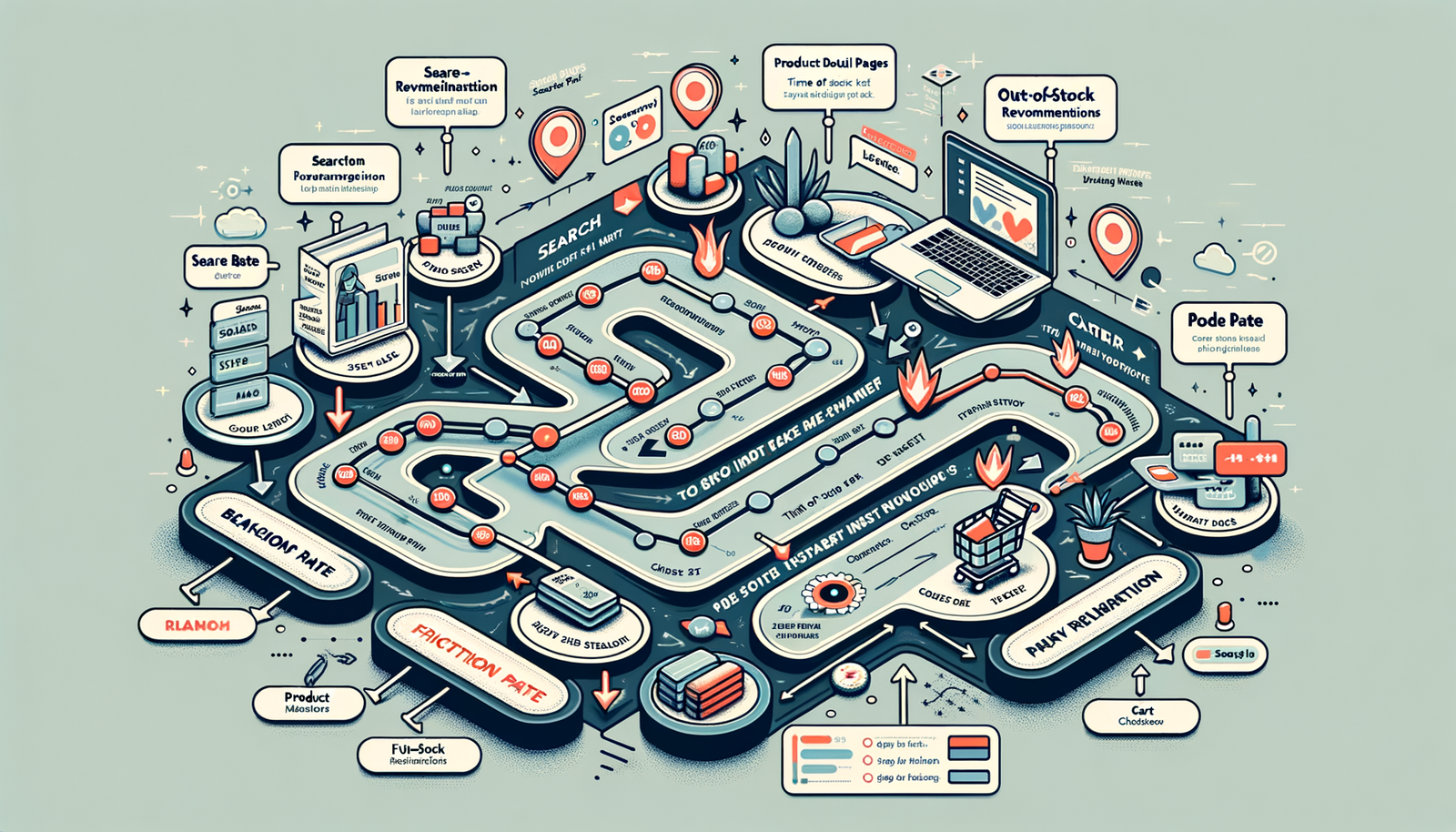
What’s Broken in Shopping UX (and Why Assistants Help)
Most stores lose shoppers to decision fatigue, unclear fit, and hidden costs. Baymard’s research has shown for years that friction at discovery and checkout drains conversion; 2024 findings still call out shipping surprises and weak search as top culprits. Google’s UX studies echo the impact of latency and layout shifts on abandonment, especially on mobile.
Assistants help when they’re grounded in facts. Real-time catalog data avoids recommending out-of-stock variants. Policy-aware answers defuse returns anxiety. And concise, source-linked summaries of reviews cut through noise. On one electronics client, switching from generic chat to policy-grounded responses dropped pre-purchase ticket volume 22% while preserving NPS.
Brambles.ai leans into this with connectors that ingest inventory, shipping/returns pages, and PDP specs. That removes the brittle “LLM guesswork” layer and sharpens recommendations. If you need a primer on structuring content for assistants, see our guide on generative commerce SEO.
Best‑in‑Class Features in 2026 (How They Really Work)
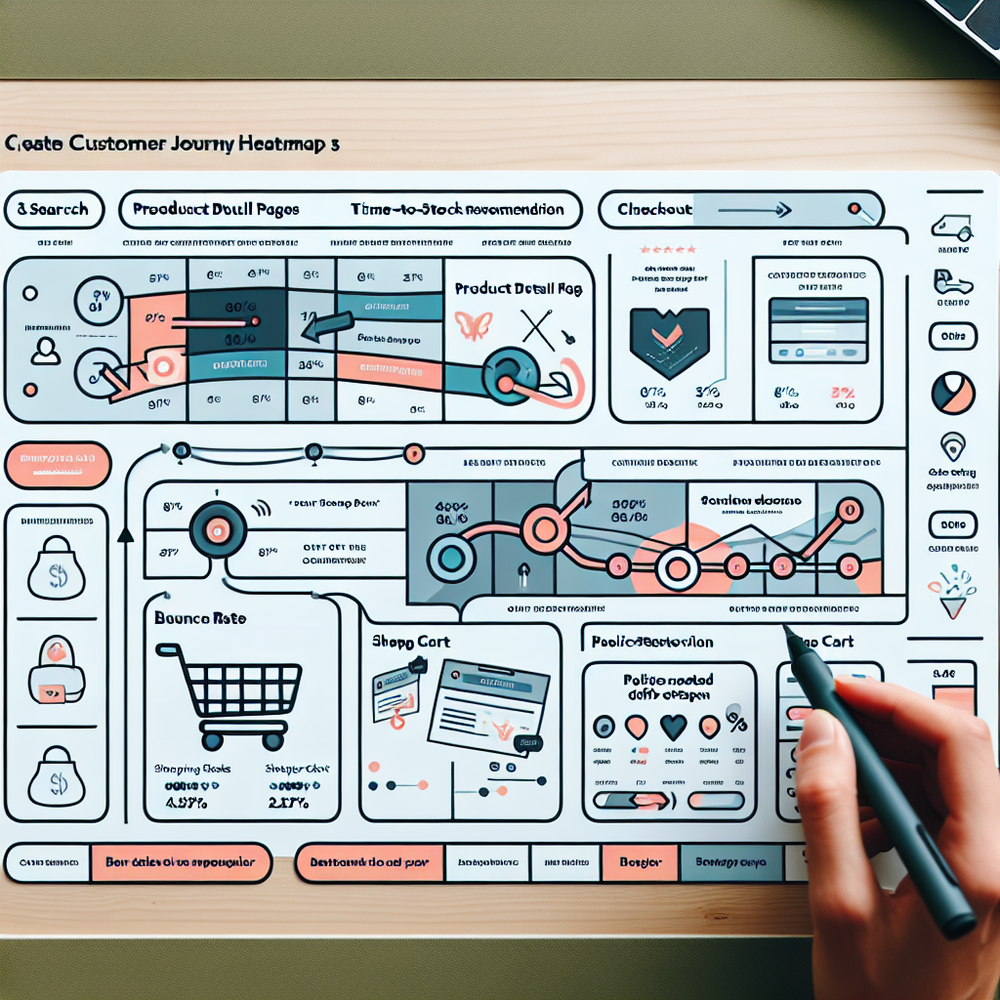
Multimodal search understands “show me waterproof hiking shoes under $150, similar to these” plus an image of worn boots. Strong assistants fuse text, image, size, terrain, and price to narrow results instantly.
Agentic comparison building lets shoppers say “compare these 3 grills for a small balcony” and get a side‑by‑side spec sheet with pros/cons, trade‑offs, and a confidence score. This only works if specs are normalized and grounded to source pages.
Inventory, pricing, and policy grounding prevent dead‑ends. The assistant must know what’s in stock, promo eligibility, and returns windows—then adjust recommendations. Price intelligence can watch for MAP rules and surface bundles that lift AOV without eroding margin.
Trustworthy review summarization cites sentences, flags suspected astroturfing, and discloses sample sizes. Privacy‑first profiles store preferences with consent, not creepiness. And omnichannel continuity means a chat started on mobile can follow up via email or site banner when stock lands—no data leaks.
Implementation with Brambles.ai: What It Solves
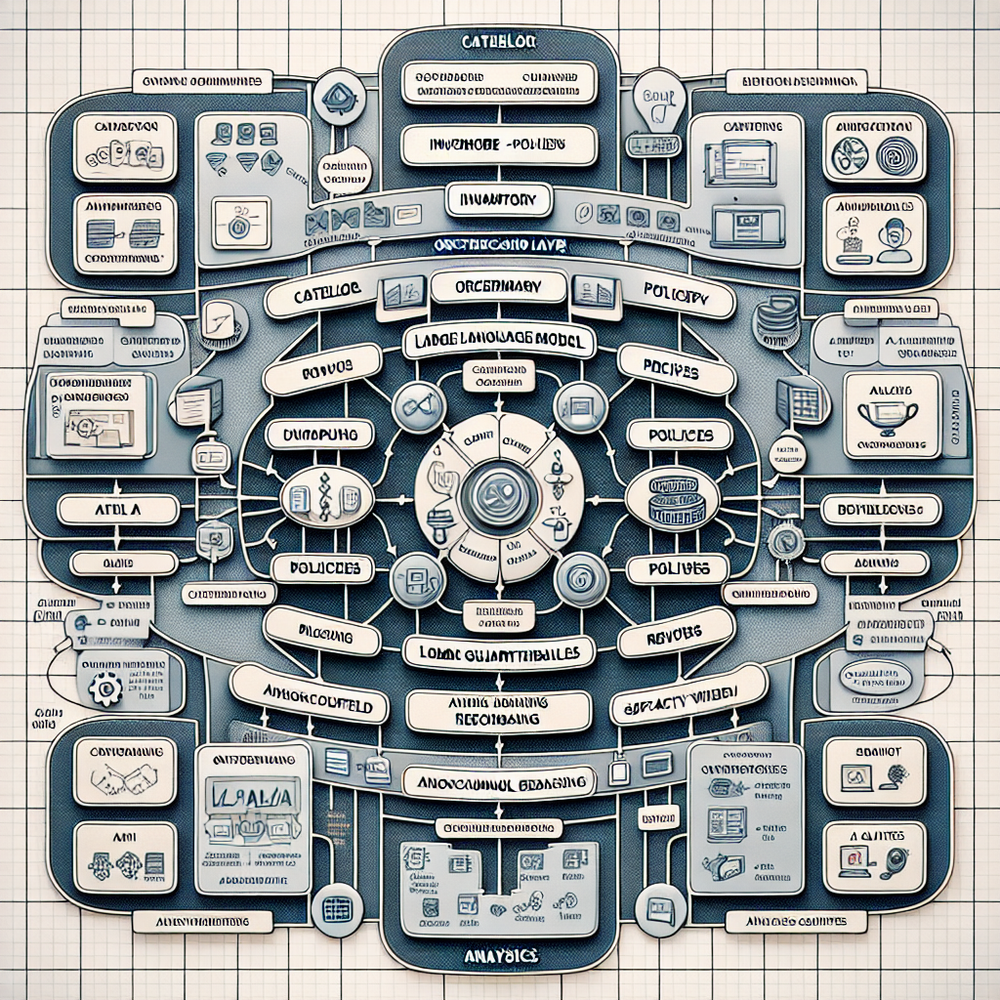
Brambles.ai ships the plumbing most teams try to stitch by hand. The Commerce Module syncs products, variants, stock, and price rules; policy readers keep returns/shipping accurate; and the reasoning layer adds guardrails so the assistant cites sources and de‑escalates when unsure.
For CMS sites, the WordPress plugin drops in a widget and a PDP sidebar that can build comparisons from on‑page specs and internal links in minutes—no brittle copy‑paste schemas. Publishers can turn assistant answers into affiliate‑aware cards, tying into the monetization flow automatically.
Anecdote: a mid‑market outdoor brand connected Brambles.ai in 10 days. Result: +24% conversion on assistant‑engaged sessions, +12% AOV via bundle suggestions, and a 40% drop in policy questions. Support escalations stayed <6% thanks to capped confidence and live‑chat handoff.
Step‑by‑Step: Launching an Assistant That Performs
Use this field‑tested setup plan. It’s fast and avoids common traps.
1) Connect data. Sync catalog, inventory, price rules, and policies. In Brambles, this is the Commerce Module + policy crawlers. 2) Normalize specs. Map sizes, materials, compat fields (e.g., model numbers). 3) Define guardrails: cite sources, block unsafe claims, cap confidence with escalation to human chat.
4) Orchestrate retrieval. Create collections for PDPs, help center, and reviews; tag freshness windows (e.g., inventory every 5 minutes). 5) UX embed. Use the WordPress plugin or JS snippet; place entry points where intent is high: filters, comparison tables, cart edit.
6) Evaluate with holdouts. Run A/B or geo splits; track add‑to‑cart, CTR on recs, response time, and human‑escalation rate. 7) Train light. Feed anonymized resolved chats and top‑performing answers back as exemplars—no raw PII. 8) Iterate bundles and promos using assistant insights on frequent trade‑offs.
Measuring ROI & KPIs That Actually Matter
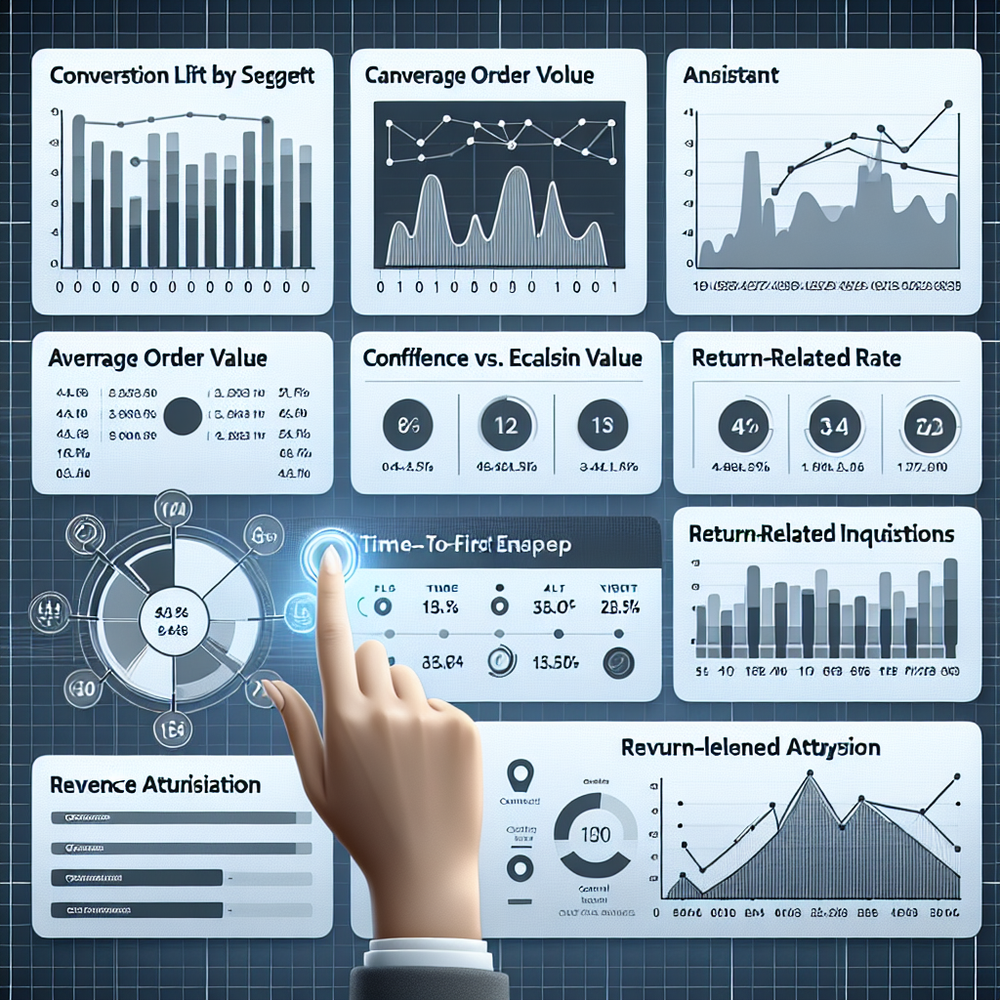
Track business outcomes, not bot vanity metrics. Required: conversion rate on assistant‑engaged sessions, AOV impact, return‑related contact rate, time‑to‑first‑answer, human escalation rate, and net revenue attribution with holdouts.
McKinsey’s work on personalization shows 10–15% revenue lift is plausible when relevance and timing improve—assistants are a delivery vehicle for that, if grounded.
Quick math: if assistant‑engaged sessions are 28% of traffic, conversion there lifts from 2.4% to 3.1% (+0.7pp), and AOV nudges +9%, net revenue can rise ~6–10% depending on mix. Add a 20% drop in pre‑purchase tickets and you save support costs too. Always validate with 2–4 week experiments per Baymard‑style rigor and keep a long‑tail post‑purchase watch on returns.
Brambles.ai reports these KPIs out‑of‑the‑box with experiment tagging and channel breakdowns (site, email follow‑ups). That makes the conversation with finance plain: not “AI magic,” but attributable lift with confidence intervals.
First‑Party Data, Consent, and Trust
Assistants only earn trust if they’re transparent and privacy‑first. Salesforce’s Connected Customer reports keep stressing this: relevance without consent feels creepy. Use explicit prompts for preference saving, clear data retention windows, and easy deletion.
Operationally, keep PII out of training. Store preferences in a consented profile and pass only what’s essential to the inference layer. Align with your CMP and respect regional consent modes. Brambles supports role‑based access to transcripts and automatic redaction on export for analysts.
On a cookware publisher, switching to first‑party prompts (“save my pan size and stovetop type”) increased assistant re‑engagement 15% without third‑party cookies. Google’s UX research shows clarity and speed compound trust; assistants should surface source links and cite policy snippets inline.
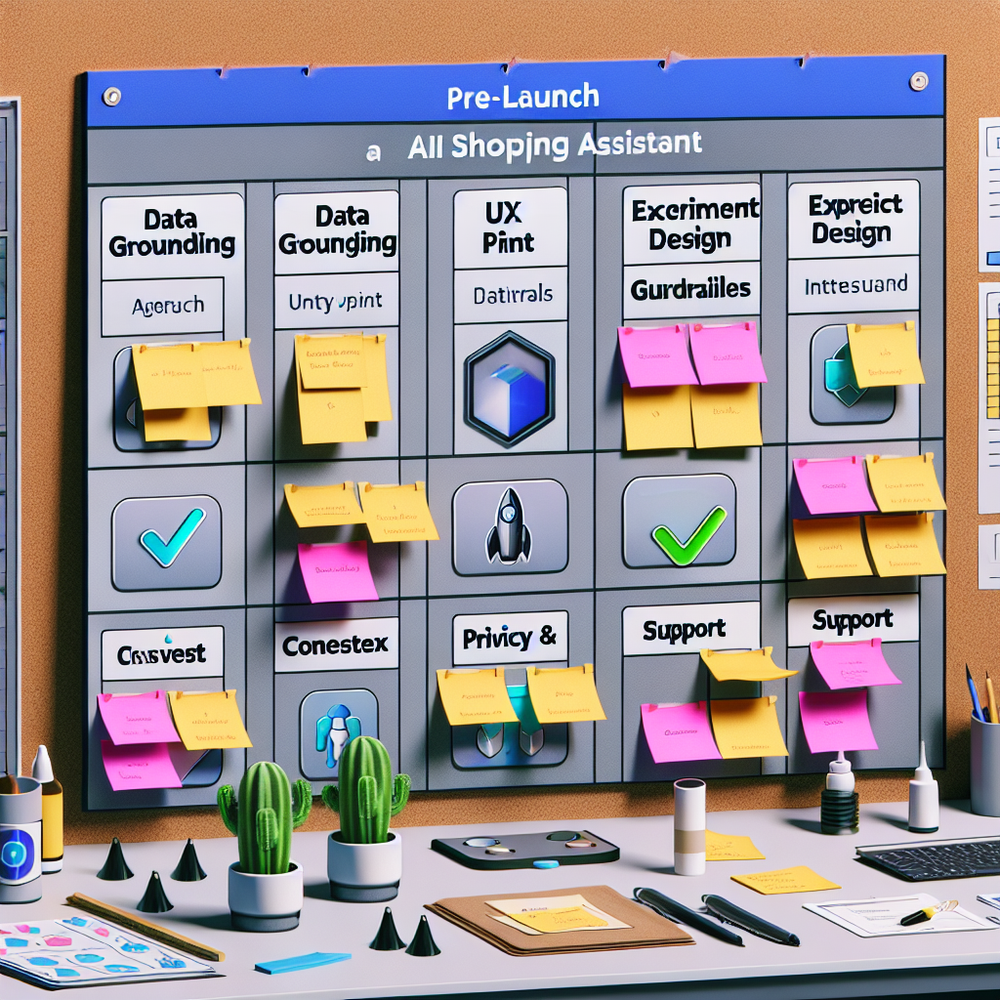
Common Pitfalls: A Pre‑Launch Checklist
Use this checklist to dodge costly mistakes.
- Hallucinated specs or prices: require source citation and retrieval freshness windows.
- Stale inventory: sync deltas every few minutes and fail gracefully when unknown.
- Policy blind spots: crawl returns/shipping and pin canonical answers.
- No human fallback: cap confidence and route to live chat with context.
- Zero measurement: ship with control/variant from day one.
- Privacy leaks: redact PII in logs; never train on raw transcripts.
- Over‑chatty UX: place entry where intent is high; avoid modal takeovers.
Future Outlook: Assistants Become Merchandisers
By 2027, the assistant will feel less like “chat” and more like a context layer across the store: dynamic bundles tuned to inventory position, price elasticity, and shopper constraints. Expect more vision features (fit estimation from a closet photo) and stronger on‑device privacy. Teams that ground early—catalog, policies, consent—will own the compounding gains.
FAQs
What is the single most important feature to prioritize?
Grounding to live catalog, inventory, pricing, and policies. Without it, assistants make confident but wrong recommendations. Everything else builds on that foundation.
How fast can we launch with Brambles.ai?
Typical mid‑market teams ship an initial assistant in 1–2 weeks using the Commerce Module and WordPress plugin, then iterate with experiments over the next sprint.
How do we measure assistant impact convincingly?
Run holdouts. Attribute revenue on assistant‑engaged sessions, track AOV, escalation rate, and return‑related tickets. Report confidence intervals—Brambles automates this tagging.
Will assistants hurt SEO or cannibalize PDP content?
Done right, they enhance discovery. Use server‑rendered comparison blocks and internal links the assistant generates. Our guide on generative commerce SEO covers safe patterns.
Related resources on Brambles.ai
If you are implementing this, start with Brambles.ai.
For deeper reading, see 10 Reasons Publishers Need Conversational Commerce, Affiliate Disclosure in Conversational UIs Done Right, From Search Boxes to Conversations: Modern Shopping UX, Contextual, Not Creepy: Monetization That Wins.
Related posts
View all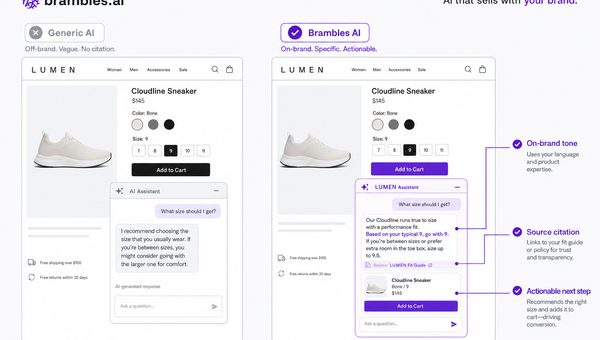
Brand-Consistent AI Chats Build Trust and Conversions
When AI mirrors your brand voice, shoppers relax—questions get answered, carts grow, and support load drops. Learn the playbook to align tone, trust, and ROI.
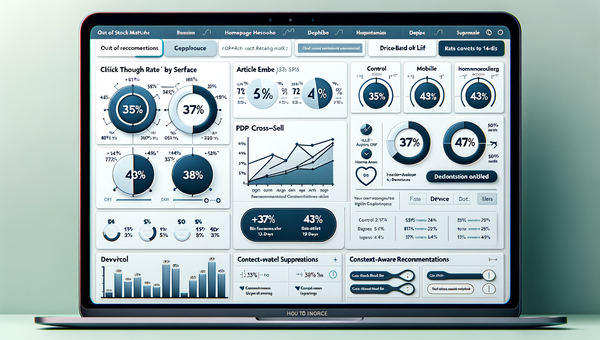
How Context-Aware AI Recommendations Lift CTR
See how context-aware AI recommendations lift CTR by 25–60% with intent signals, page context, and history. Practical steps, KPIs, and implementation tips.
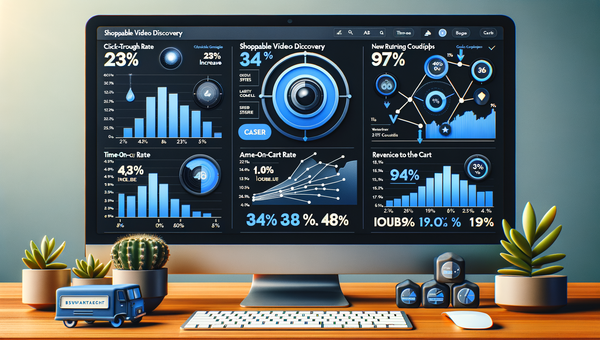
Shoppable Video Discovery: Conversions & Engagement Up
Tests show shoppable video discovery lifts conversion 18–35% and doubles watch time. See the UX patterns, KPIs, and how to deploy it quickly with Brambles.ai.
Explore Brambles.ai
Learn more about our AI-powered agentic commerce platform, agentic shopping, and shopping assistance solutions.
Explore More Insights
Discover more articles on AI, automation, and business innovation
View All Articles