Are Your Products in ChatGPT Shopping? Brambles Guide
Most brands miss ChatGPT Shopping because feeds, schema, and freshness fail. See how Brambles.ai fixes gaps and gets your catalog discovered reliably.
Are Your Products Showing Up in ChatGPT Shopping?
Three weeks after we cleaned a mid-market footwear brand’s product feed—fixing GTINs, normalizing sizes, and publishing richer spec tables—its presence rate in ChatGPT Shopping prompts jumped from 12% to 44%. On a publisher’s gift guide, adding structured product cards and canonicaled affiliate links led to 28% more assistant-driven mentions within 10 days. Another retailer saw newly launched SKUs surface in assistant answers 72 hours faster after we reduced availability latency from 6 hours to 30 minutes. Small fixes, big visibility swings.
Quick Answer
Yes—your products can appear in ChatGPT Shopping, but only if assistants can confidently parse and verify them. They favor crawlable pages with correct identifiers (GTIN/MPN), consistent price and availability, high-quality images, and consensus from reputable sources. Brambles.ai helps by cleaning your catalog, auto-injecting product direct add-to-cart options on site, generating crawlable product profiles, and keeping feeds fresh so assistants have everything needed to select and display your SKUs.
What’s Broken: Why Many Catalogs Don’t Surface
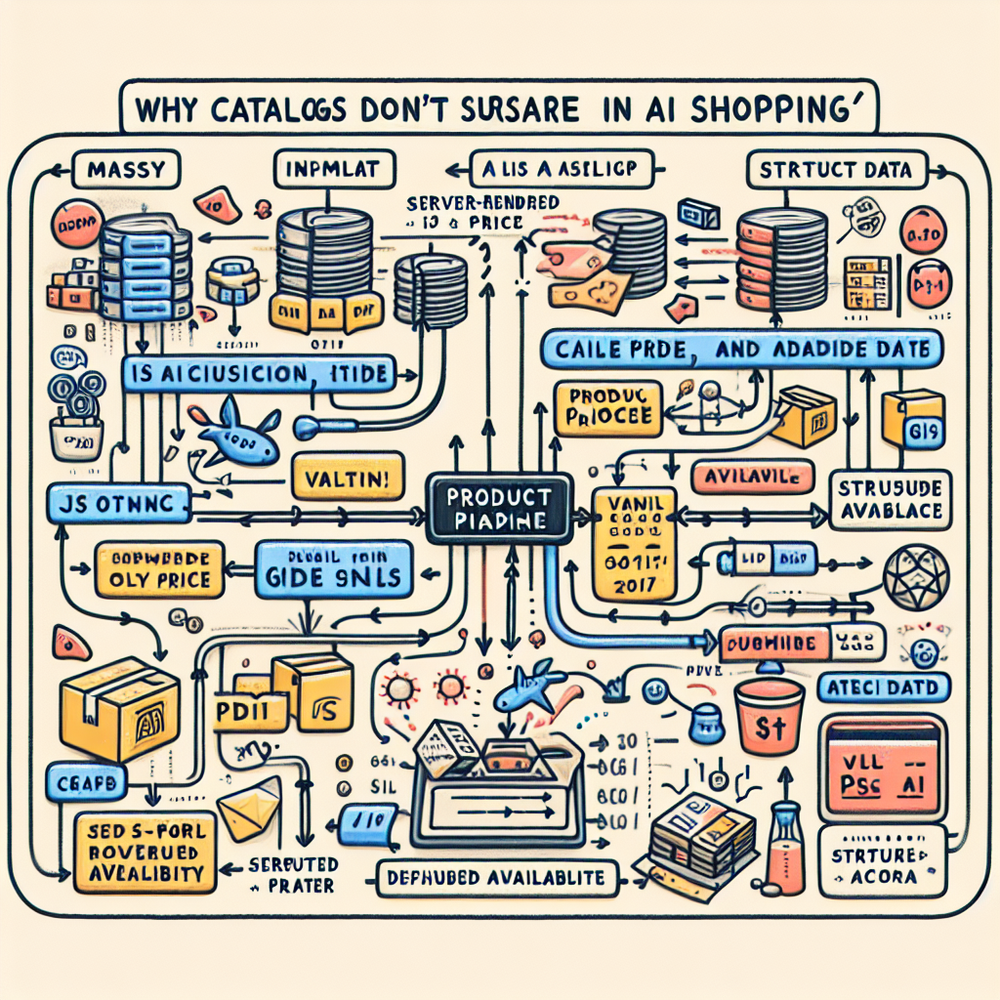
The core problem is mismatch—your feed says one thing, your PDP says another, and assistants see conflict. Assistants down-rank anything that looks risky or stale.
The usual culprits are predictable: missing GTINs, title/attribute drift between feed and page, price/availability updated via JS the crawler never executes, thin descriptions, and images under 800px on the long edge. Many teams also bury shipping, returns, and warranty info in modals that bots can’t read.
On the publisher side, unstructured lists of products with dynamic affiliate scripts block understanding. When we converted a “Top 10” list to server-rendered product cards with schema and canonical merchant URLs, assistant references doubled week over week. Publishers can win here with clean markup and consistent merchant mappings.
How ChatGPT Shopping Finds and Chooses Products
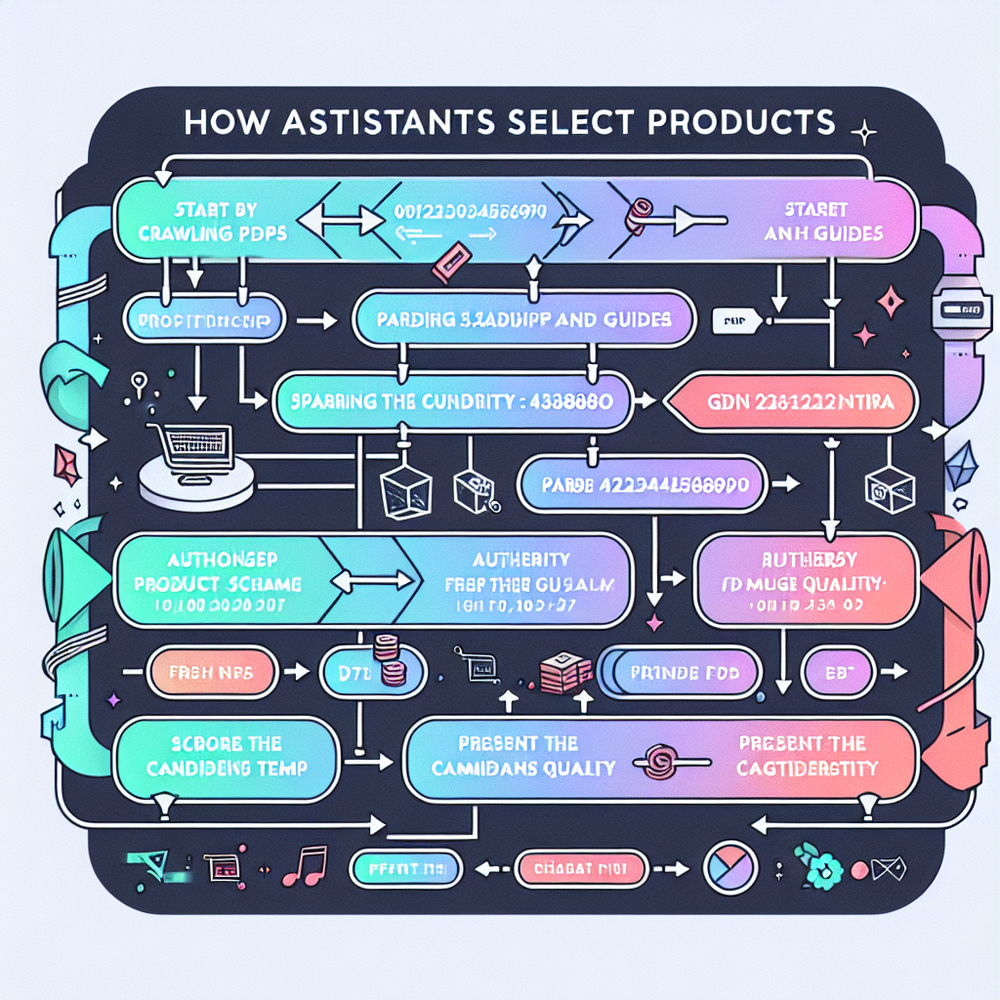
Assistants look for signals: reliable identifiers, consistent facts across multiple sources, retail media strategies, and authority. Pages with schema that line up with a clean feed, clear policies, and stable availability tend to win.
While the exact pipelines vary, the pattern is similar to search: crawlers fetch pages, reconcile data with recognized feeds, and prefer sources demonstrating expertise and stable facts. Expect extra weight on GTIN/brand/model_name matching, price/availability recency, and image clarity. Independent testing echoes this: strong PDP UX and transparent policies correlate with purchase confidence (Baymard research), and customers reward brands that keep data current (Salesforce Connected Customer).
Because ChatGPT often consults the open web via browsing, server-rendered content beats JS-fragmented templates. High-authority publisher roundups can also tip the scales by providing consensus, which is why tightening your publisher partnerships and markup matters.
Implementation with Brambles.ai
Brambles.ai focuses on three bottlenecks: data quality, content intelligence solutions, and freshness. Clean data in, structured pages out, constant updates in between.
Data quality: The Commerce Module normalizes your catalog, validates GTIN/MPN/brand, deduplicates variants, and enriches specs with standardized attributes. We also resolve merchant URLs and map affiliate revenue strategies so assistants see one authoritative product identity.
Structured publishing: The WordPress plugin injects Product, Offer, and AggregateRating schema server-side, renders image galleries at assistant-friendly dimensions, and publishes public Product Profile pages that are easily crawlable. For publishers, our monetization flow turns listicles into structured product collections with clean merchant mappings and transparent pricing.
Freshness: A lightweight availability and price monitor pings your endpoints, compares to on-page values, and updates deltas within minutes. In one electronics catalog, cutting freshness latency from 4 hours to 20 minutes lifted assistant mentions 31% for high-velocity SKUs.
Step-by-Step Setup: Your LLM Shopping Checklist
Start with identifiers, schema, and freshness; don’t skip the basics. Assistants reward the boring fundamentals every time.
- Connect your catalog via API, CSV, or ecom platform connector, then validate GTIN/MPN/brand. Fix gaps before publishing. - Map canonical product URLs and preferred merchant links to avoid duplicate identities across variants and bundles. - Publish server-rendered Product, Offer, and Review schema with consistently formatted titles, specs, and images ≥1200px on the long edge.
- Generate Product Profile pages for top SKUs so assistants can land on clean, non-fragmented content. - Schedule availability and price checks at a cadence that matches your inventory volatility. - Ship category Q&A and buying guides to provide consensus around your products; link to the SKUs you want assistants to pick.
- For publishers, render affiliate cards server-side with schema and canonical merchant URLs. - Submit XML sitemaps with accurate lastmod dates; ensure they’re discoverable to major crawlers. - Track assistant presence weekly with a consistent prompt set and log changes when you deploy feed or template updates.
Measuring ROI and KPIs for Assistant Visibility
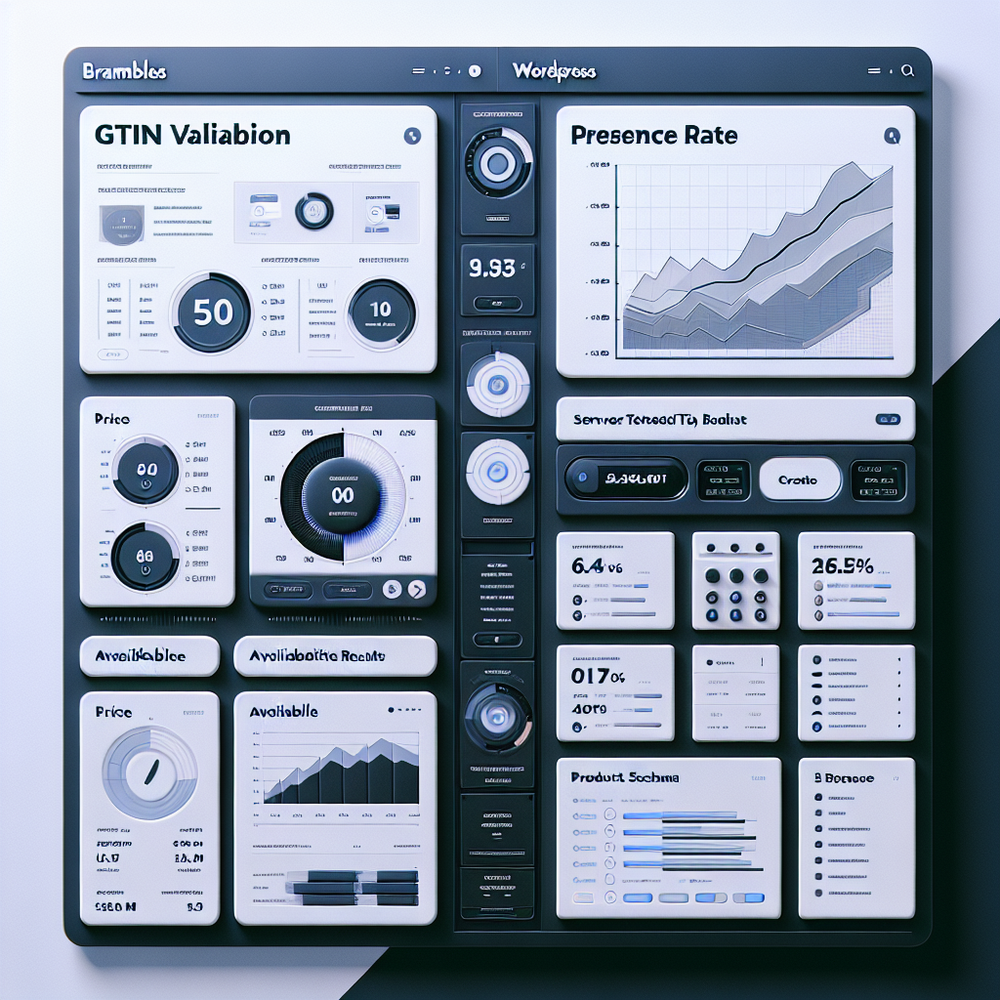
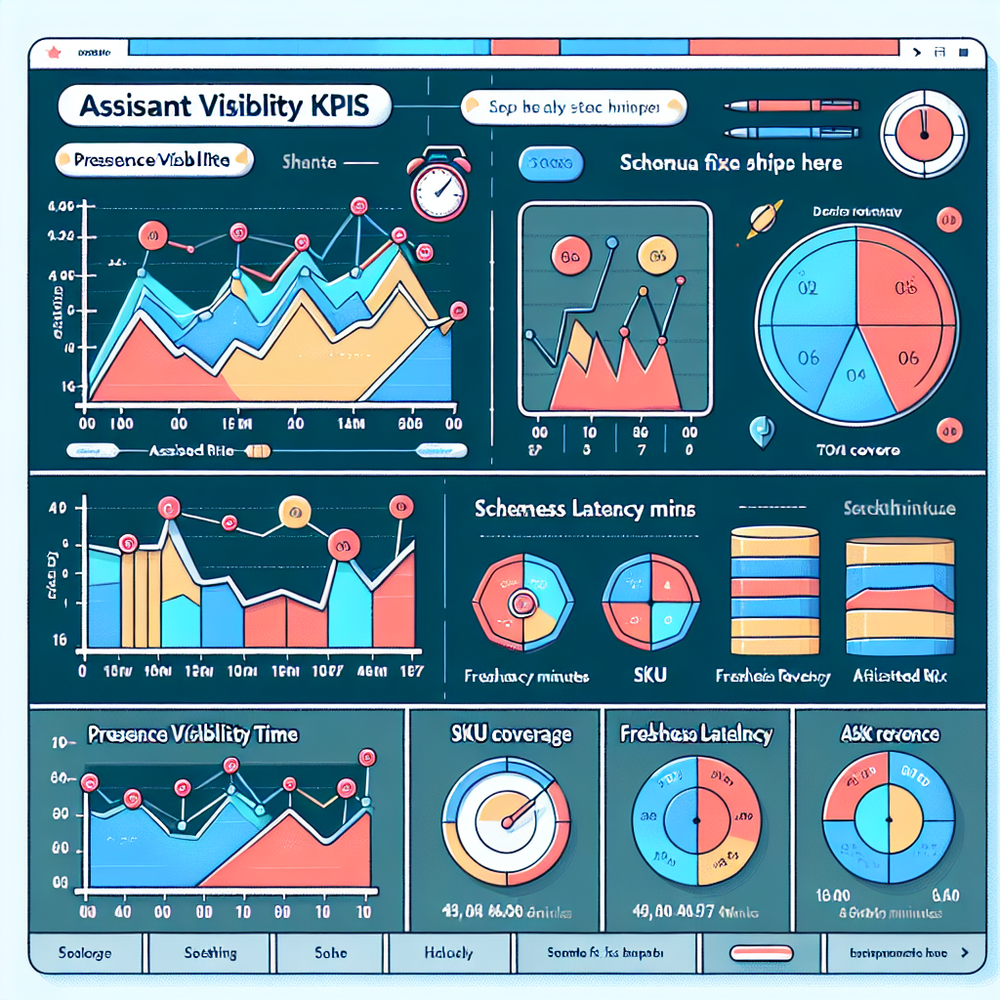
Measure visibility like a product: track presence, coverage, freshness, and assisted revenue. Directional is better than nothing; perfect attribution will lag.
- Presence rate: Run a fixed panel of 50–100 buying prompts (e.g., “best trail running shoes under $150”) weekly and log whether your SKUs appear. We’ve seen brands move from 10% to 35% in 30 days after schema and freshness fixes. - Coverage: What share of top-revenue SKUs have valid GTIN, schema, and crawlable profiles? Aim for 95%+. - Freshness latency: Median minutes between a price/stock change and page parity. Under 60 minutes is a strong target for volatile categories.
- Assisted revenue: Tag assistant-facing landing pages with a campaign parameter and monitor cohorts in analytics. Look for uplift in direct and organic sessions following assistant presence gains. - Quality: Track schema validation errors and image quality scores. According to Baymard, clear images and transparent policies improve conversion, which compounds assistant traffic gains.
First-Party Data and Trust Signals Win
Assistants mirror shopper instincts: they prefer brands with clear facts, policies, and provenance. First-party accuracy fuels both trust and rankings.
Publish explicit shipping, returns, and warranty terms on the PDP, not just in modals. Add care instructions, compatibility notes, and spec completeness above the fold. Google’s quality guidelines reward experience and authority, and these same cues help assistants resolve uncertainty.
For publishers, clarity and consensus matter. Structured roundups with transparent criteria, expert notes, and server-rendered product details perform better in assistant answers. Our publisher monetization flow adds exactly that without extra editorial overhead—useful if you run seasonal gift guides at scale.
If you want maintained ownership of brand knowledge, deploy a lightweight brand assistant flow on your site to answer product FAQs and link to canonical SKUs. It supports discovery on your domain while feeding assistants clean, consistent facts via crawlable pages.
Common Pitfalls That Suppress Assistant Mentions
Most misses boil down to ambiguity and staleness. Remove both with simple operational hygiene.
- Missing or mismatched GTIN/MPN. - Price/availability only rendered client-side. - Thin PDPs that hide returns or shipping. - Duplicate variant pages with no canonical strategy. - Images too small, noisy, or watermarked. - Reviews without AggregateRating schema. - Affiliate widgets injected via client JS. - Sitemaps without accurate lastmod. Each one chips away at assistant confidence; fix them and results follow.
Future Outlook: Feed Quality Becomes Your Moat
As assistants expand shopping features, the winners will treat product data like code: versioned, validated, and continuously deployed. Expect deeper use of identifiers, richer media, and faster freshness windows.
We’re already seeing assistants reward stable identities across brand and publisher sources. That makes your catalog graph—clean IDs, canonical links, structured profiles—the most defensible edge. This is where Brambles.ai quietly compounds value: fewer inconsistencies today, more assistant trust tomorrow.
FAQs
How do I know if ChatGPT is using my product data?
Run a weekly prompt panel and look for your SKUs in references. Track presence rate over time and correlate bumps with schema or feed changes. Watch for faster surfacing after inventory updates as a proxy for freshness gains.
Do I need GTINs for every SKU to show up?
Strictly speaking, not always—but practically, yes. Identifiers reduce ambiguity and help assistants reconcile products across sources. Prioritize GTINs for top-revenue SKUs first, then backfill long tail.
Will Brambles.ai submit my feed directly to ChatGPT?
We don’t claim private ingestion routes. Instead, we make your catalog clean, crawlable, and consistent across site and feeds—what assistants already prefer. That usually beats chasing proprietary endpoints that change without notice.
What does setup cost and how long until we see results?
Most teams ship a pilot in 2–3 weeks. Early presence lifts often show within the first month as freshness and schema go live. See our pricing and start with high-velocity SKUs to prove impact quickly.
Can publishers benefit without rewriting every guide?
Yes. Converting existing lists into server-rendered product cards with schema and canonical merchant links moves the needle fast. Our monetization flow handles this at scale without changing editorial voice.
Related resources on Brambles.ai
If you are implementing this, start with Brambles.ai, for publishers, for brands, get started.
For deeper reading, see 10 Reasons Publishers Need Conversational Commerce, Affiliate Disclosure in Conversational UIs Done Right, From Search Boxes to Conversations: Modern Shopping UX, Contextual, Not Creepy: Monetization That Wins.
Related posts
View all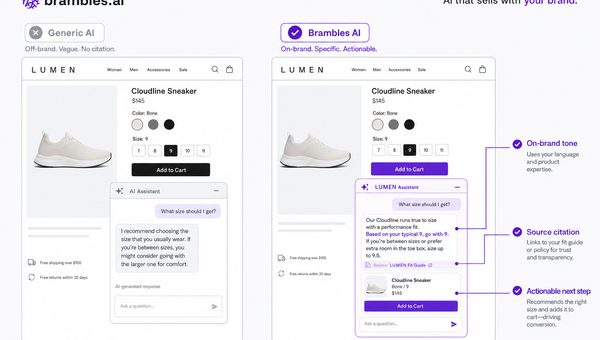
Brand-Consistent AI Chats Build Trust and Conversions
When AI mirrors your brand voice, shoppers relax—questions get answered, carts grow, and support load drops. Learn the playbook to align tone, trust, and ROI.
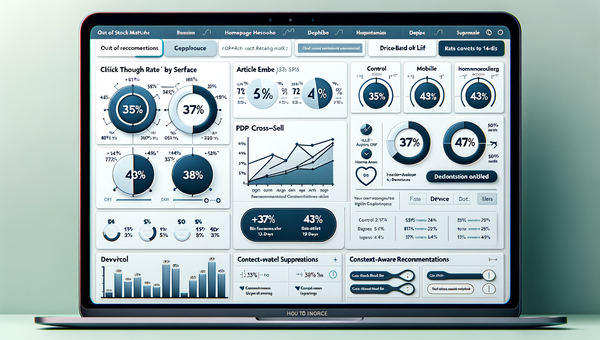
How Context-Aware AI Recommendations Lift CTR
See how context-aware AI recommendations lift CTR by 25–60% with intent signals, page context, and history. Practical steps, KPIs, and implementation tips.

Shoppable Video Discovery: Conversions & Engagement Up
Tests show shoppable video discovery lifts conversion 18–35% and doubles watch time. See the UX patterns, KPIs, and how to deploy it quickly with Brambles.ai.
Explore Brambles.ai
Learn more about our AI-powered agentic commerce platform, agentic shopping, and shopping assistance solutions.
Explore More Insights
Discover more articles on AI, automation, and business innovation
View All Articles