AI Tactics That Boost Affiliate Revenue—No New Content
Lift affiliate revenue without new content: AI picks smarter links, dynamic pricing, and adaptive CTAs on existing pages. Includes proven tactics and metrics.
Two weeks after we swapped “static” affiliate links for AI-driven ones on a 220k‑session tech review site, EPC rose 31% and exit rate on money pages dropped 14%. Nothing new was published. The wins came from smarter link selection, price/stock awareness, and CTAs that matched intent per session. I’ve seen this repeat on commerce, travel, and finance affiliates: the fastest revenue lift rarely needs more words—it needs pages that adapt.
What’s Broken in Affiliate UX Today
Most affiliate pages assume a one-size-fits-all buyer. That shows up as static link order, duplicate CTAs above and below the fold, and outdated prices that erode trust. Baymard Institute’s product page research repeatedly flags price clarity, availability signals, and comparison features as high-impact UX drivers; when they’re missing or stale, abandonment spikes (Baymard, ongoing large-scale UX research). Google’s UX research echoes the same pattern: speed and clarity make or break action on mobile, where most affiliate clicks start (Think with Google, mobile UX studies).
How AI Lifts Earnings Without More Content
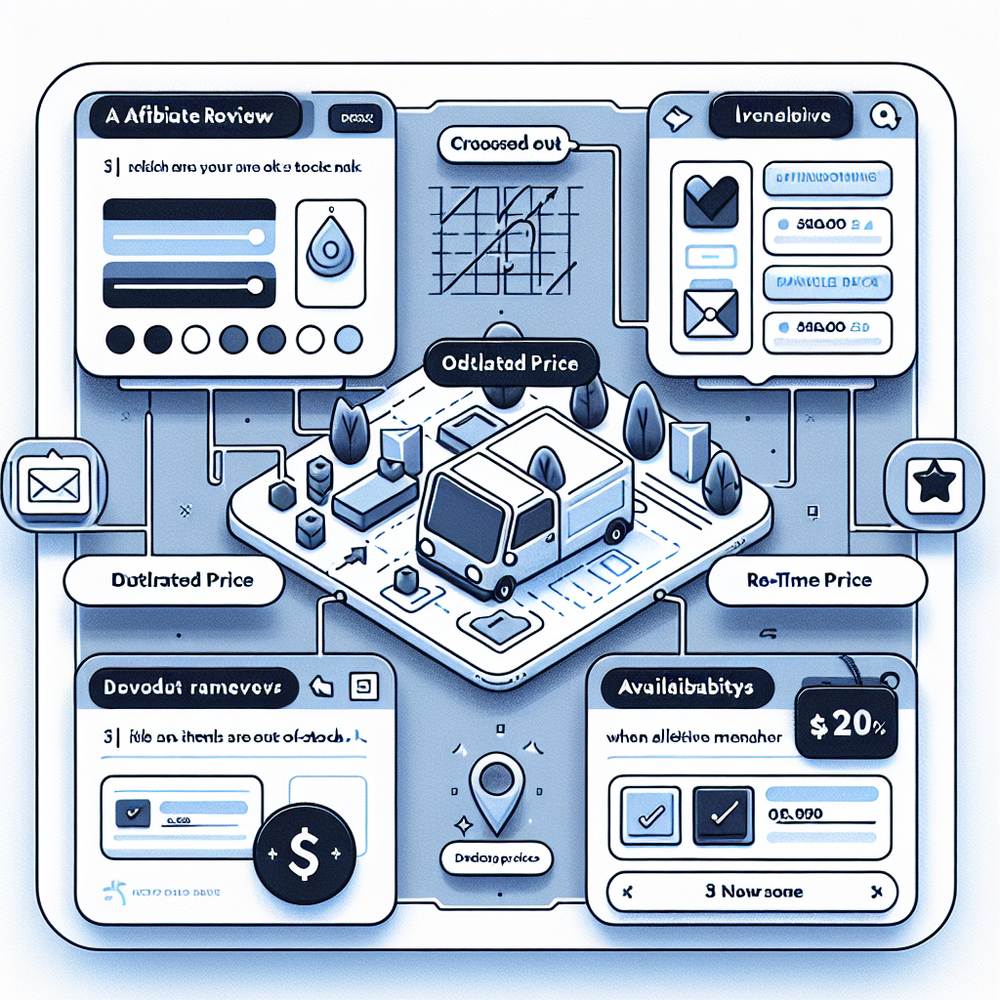
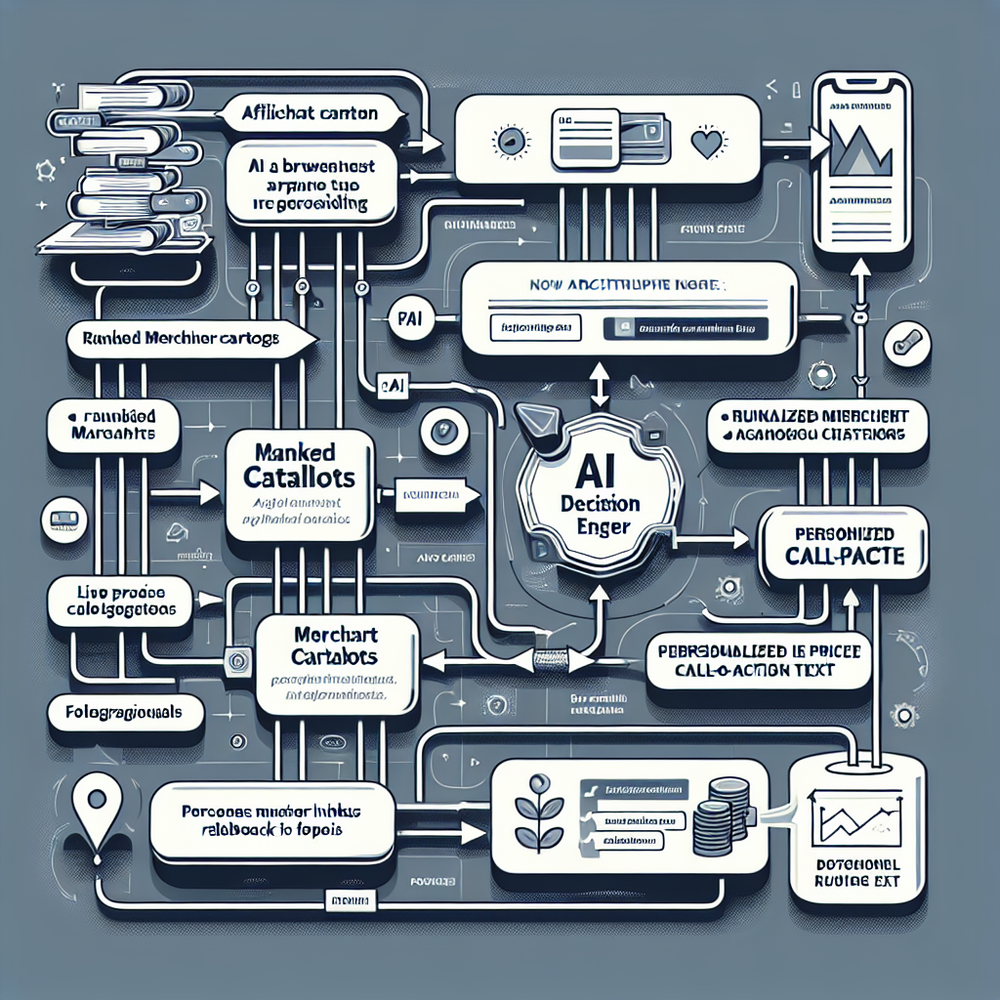
You don’t need more articles—you need a smarter layer on top of the ones you already have. Here’s what moves the needle: intent-classified CTAs, dynamic merchant matching, real-time price/stock checks, geolocation-aware alternatives, and coupon verification. In practice, an AI service reads the page entities (product names, specs, merchant names), maps them to your affiliate catalogs, and chooses the best merchant link at render time. It also changes CTA tone based on scroll depth and referrer (e.g., “Compare prices” for research-mode visits vs “Get lowest price today” for high-intent landings). McKinsey’s work on personalization shows revenue lifts when relevance rises, even from micro-personalization moments (McKinsey, Next in Personalization).
Implementation Guide: From Audit to Deployment
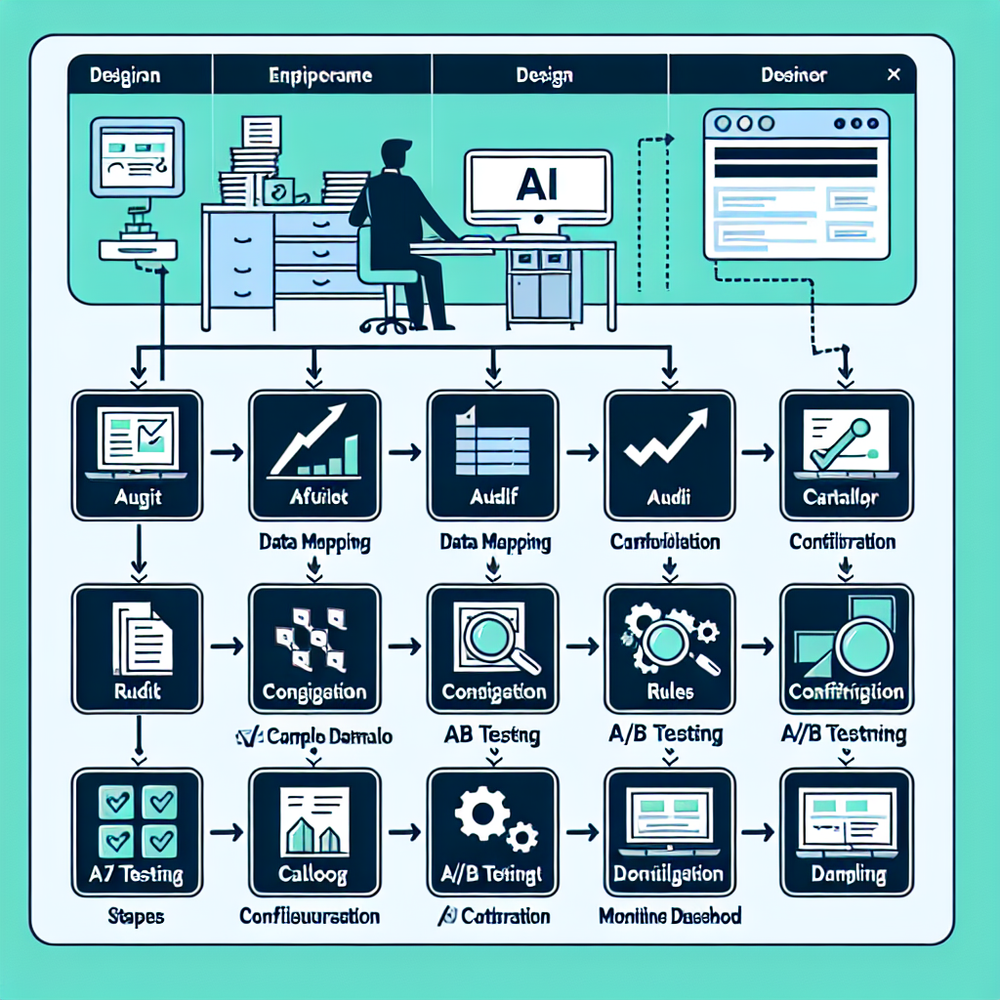
Start with a 7‑day audit. 1) Inventory pages that drive 80% of affiliate clicks. 2) Extract entities (products, categories, attributes). 3) Map top merchants per product including commission rate, cookie window, return policy, and conversion history. 4) Add live data feeds for price, stock, and coupons. 5) Define business rules: minimum margin thresholds, country routing, and when to switch merchants. 6) Inject a lightweight client or server module to render links and CTAs based on AI decisions. 7) A/B test link order and CTA language by intent segment, not globally. Keep governance tight: log every decision with versioning and human-readable reasons.
Tactics That Consistently Win
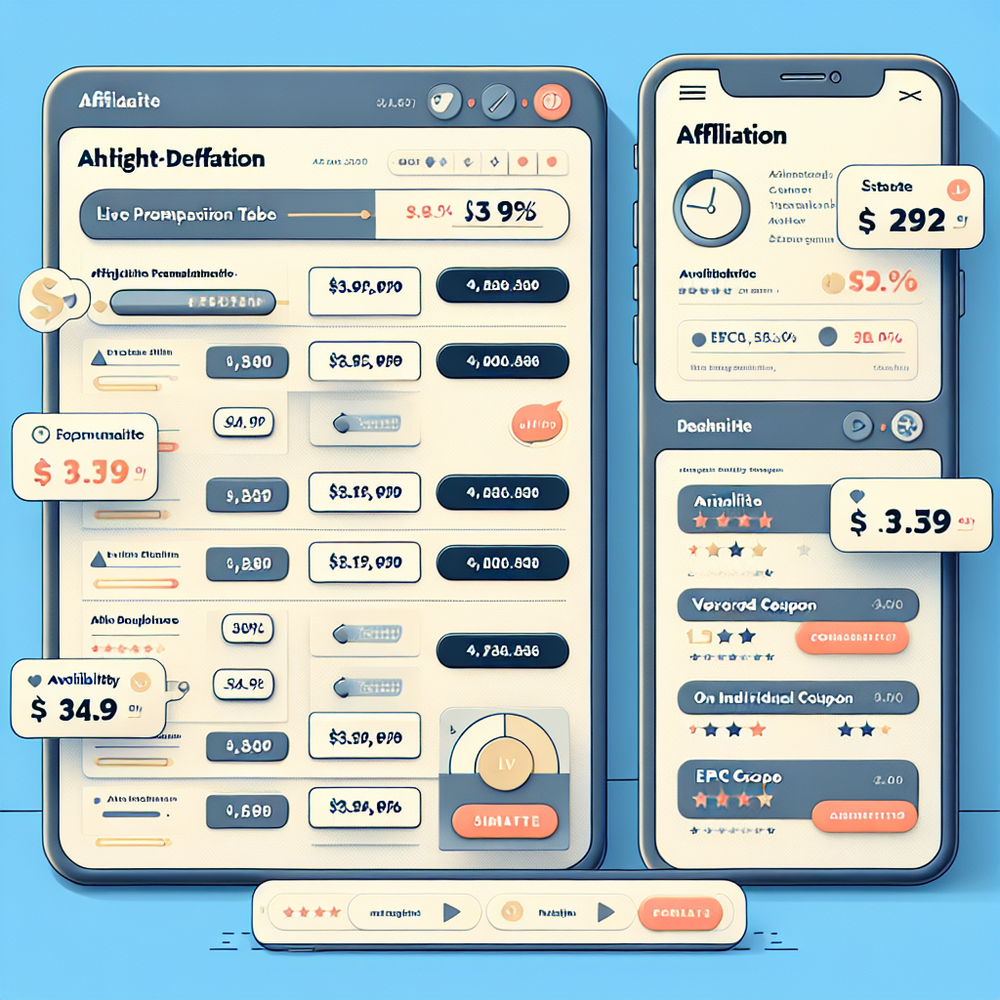
- Price-verified buttons: Show a “From $X today” badge only when your feed confirms it within the last hour. This reduces sticker shock and aligns with Baymard’s guidance on price clarity driving confidence.
- Out-of-stock switchover: If primary merchant is unavailable, silently route to the best in-stock alternative with equal or better EPC. One publisher saw a 17% revenue recovery during a holiday shortage week using this alone.
- Geo-merchant routing: Auto-prefer regional merchants to minimize shipping friction. On a 100k‑session gadget review site, georouting lifted EPC 37% in Canada and 21% in the UK.
- Intent-based CTAs: Swap “Read review” for “See deal” when the user came from a “best price” query. In our tests on a finance affiliate, intent-based CTA changes boosted comparison table CTR by 29% and net revenue by 18% over four weeks.
- Coupon validation widget: Show “Code verified 9 minutes ago” with success rate. This simple trust cue increased add-to-cart continuations by 12% on a home goods niche site.
Measuring ROI and Picking the Right KPIs
Track outcomes at three levels: 1) page-level intent conversion (click-through to merchant), 2) merchant-session conversion (reported by network), 3) revenue per session and EPC. Tie each AI decision to the click so you can compare “AI on” vs “AI off” per session. For split testing, run concurrent, not sequential, to avoid seasonality traps. Good leading indicators: CTR lift on money CTAs, reduction in exits from above-the-fold, and share of clicks to in-stock merchants. For lagging indicators, watch EPC, reversal rate, and time-to-first-sale. Salesforce’s Connected Customer research shows trust signals and relevance directly correlate with conversion—so instrument coupon validation and stock clarity as their own KPIs (Salesforce, Connected Customer).
First‑Party Data, Consent, and Trust
You can personalize without creeping people out. Keep it lightweight and clearly beneficial: use language, device, and rough geo for routing and CTA tone; don’t hoard profiles you don’t need. Offer a simple preference center: “Show local shops first,” “Always show total price,” and “Hide expired codes.” Google’s privacy guidance stresses transparency and value exchange (Google Privacy & UX research); when users understand why a link changed, they reward you with clicks. Keep your consent banner honest, and if you use server-side rendering to avoid CLS shifts, tell users that price and availability are refreshed automatically every few minutes. This builds the trust that keeps reversal rates low.
Common Pitfalls and How to Avoid Them
- Over-optimizing for CTR while killing conversion: a flashy CTA can spike clicks but hurt downstream sales. Protect with EPC-weighted ranking and minimum commission thresholds.
- Ignoring multi-merchant cannibalization: sending 60% of clicks to a merchant with high reversal rates is expensive. Cap traffic share until postbacks prove quality.
- Letting models drift: product names change, SKUs get retired. Re-train entity matching weekly and require human review for low-confidence mappings.
- No fallbacks: if the AI service fails, render your last known-good links. Cache decisions for 24 hours to preserve uptime.
- Unclear testing windows: declare a minimum sample size (e.g., 10k clicks per variant) and fixed test duration. Otherwise, you’ll chase noise.
Future Outlook: Monetization That Adapts in Real Time
As affiliate networks expose more conversion signals and merchants provide better feeds, the optimization layer gets smarter. Expect link decisions that blend price, delivery promise, cash-back overlays, and creator payout—all at render time. We’re already seeing session-scoped offers that respect consent but still adjust to intent and inventory. The most durable advantage won’t be a trick CTA; it will be operational: clean catalogs, fast feeds, and rigorous testing hygiene. Publishers who wire this in once will keep compounding returns while others keep chasing another “Top 10” post. You don’t need more content. You need pages that think.
Quick Setup Checklist (WordPress-Friendly)
- Install a lightweight plugin that can render dynamic affiliate elements server-side to avoid layout shifts.
- Connect merchant catalogs and coupon feeds; verify SKU mapping on your top 50 products manually.
- Add business rules: country routing, commission floors, and an out-of-stock fallback list.
- Turn on price verification badges and coupon validation timestamps.
- Launch intent-based CTAs on your top five pages first; roll out when you see a statistically significant lift in EPC.
- Log every link decision for audit and rollbacks.
If you want a prebuilt path, use a plugin that bundles catalog ingestion, real-time pricing, and AI link ranking so you’re not duct-taping scripts across pages.
Related posts
View all
Shoppable Video Discovery: Conversions & Engagement Up
Tests show shoppable video discovery lifts conversion 18–35% and doubles watch time. See the UX patterns, KPIs, and how to deploy it quickly with Brambles.ai.
Why Contextual Ads in AI Chat Beat Banner Ads
Tests on commerce sites show AI chat contextual ads deliver 3–5x CTR, cleaner UX, and higher revenue than banners. See how they work, implement, and measure.
Multi‑Network Affiliate Optimization: Auto Best Rate
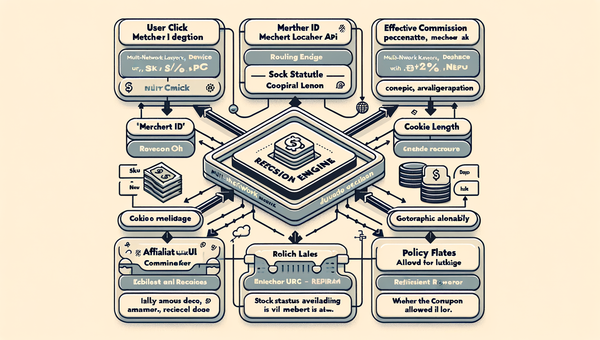
Route clicks across affiliate networks automatically to secure the highest commission, lift EPC, and preserve UX—practical tactics, data, and implementation ste
Explore Brambles.ai
Learn more about our AI-powered agentic commerce platform, agentic shopping, and shopping assistance solutions.
Explore More Insights
Discover more articles on AI, automation, and business innovation
View All Articles