
AI Shopping to Checkout: How Brambles.ai Cuts Friction
Real test data shows tiny UX snags kill carts. See how Brambles.ai smooths the path from AI shopping app to checkout with clear steps, KPIs, and tools. Fast.
On a beauty retailer’s AI shopping app we audited in Q4, 23% of sessions selected a shade but stalled because “Add to Bag” opened a new tab and cleared the assistant’s context. We replaced that hop with a cart deep link that carried variant, address hint, and promo code. Checkout start rate jumped 18% in a week.
That pattern repeats: helpful AI chats, then friction at PDP, cart, shipping, or payment. The leaks are tiny—missing size preselection, coupon misfires, tax surprises—but the impact is loud. You don’t need more traffic; you need fewer reasons to quit.
Here’s how we’ve been stitching the path from intent to purchase: bind assistant intents to commerce actions, keep state across surfaces, and preview cost early. Brambles.ai encapsulates those moves so teams can ship in days, not quarters.
Quick Answer
Reduce funnel friction by translating AI shopping intent into pre-validated cart actions and a consistent direct add-to-cart. Map user goals to inventory-checked SKUs, prefill variants and shipping estimates, pass promo eligibility, and deep-link straight into a resilient checkout. Instrument every hop, then fix the slowest, leakiest steps first. Brambles.ai packages this with a Commerce Module, deep links, and a WordPress plugin so teams can implement in under two sprints.
What’s Broken in the AI‑to‑Checkout Flow
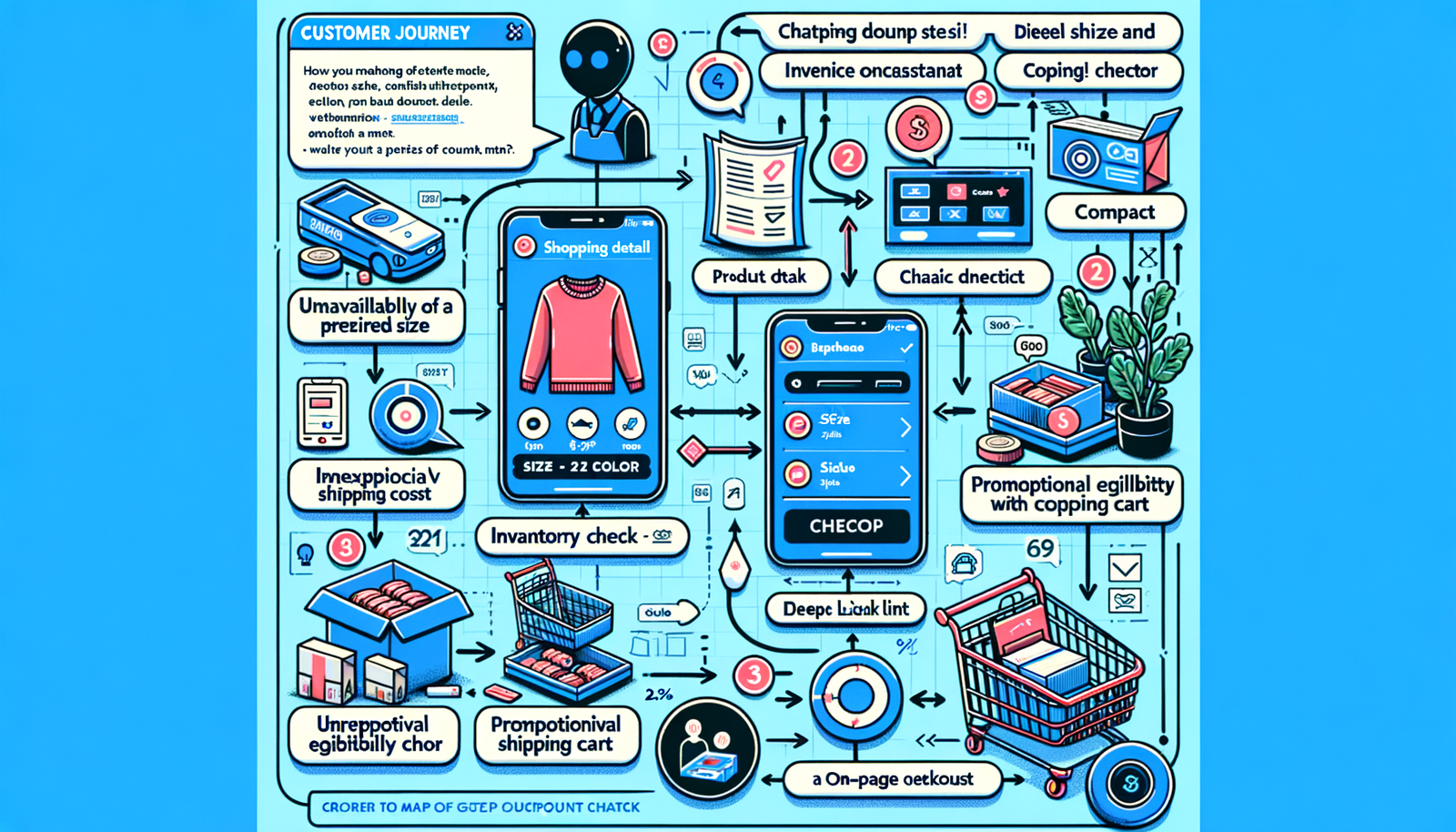
The takeaway: small mismatches between AI suggestions and store constraints cause outsized drop-off. Common culprits include missing variant preselection, stock mismatches, coupon errors, and late cost visibility. Baymard’s research shows unexpected costs remain the top abandonment cause; pushing shipping and tax previews earlier meaningfully reduces quits (Baymard Institute).
We also see context resets. When the chat opens a product page in a new tab without preserved filters, people re-answer the same questions.
In a home goods pilot (120k monthly sessions), switching to a single-page overlay with cart deep links cut drop-offs between PDP and cart by 27%.
Google UX research ties even 1‑second delays to conversion loss, so speed and state both matter (Google UX Research).
How It Works: Connecting AI Intent to Commerce Actions
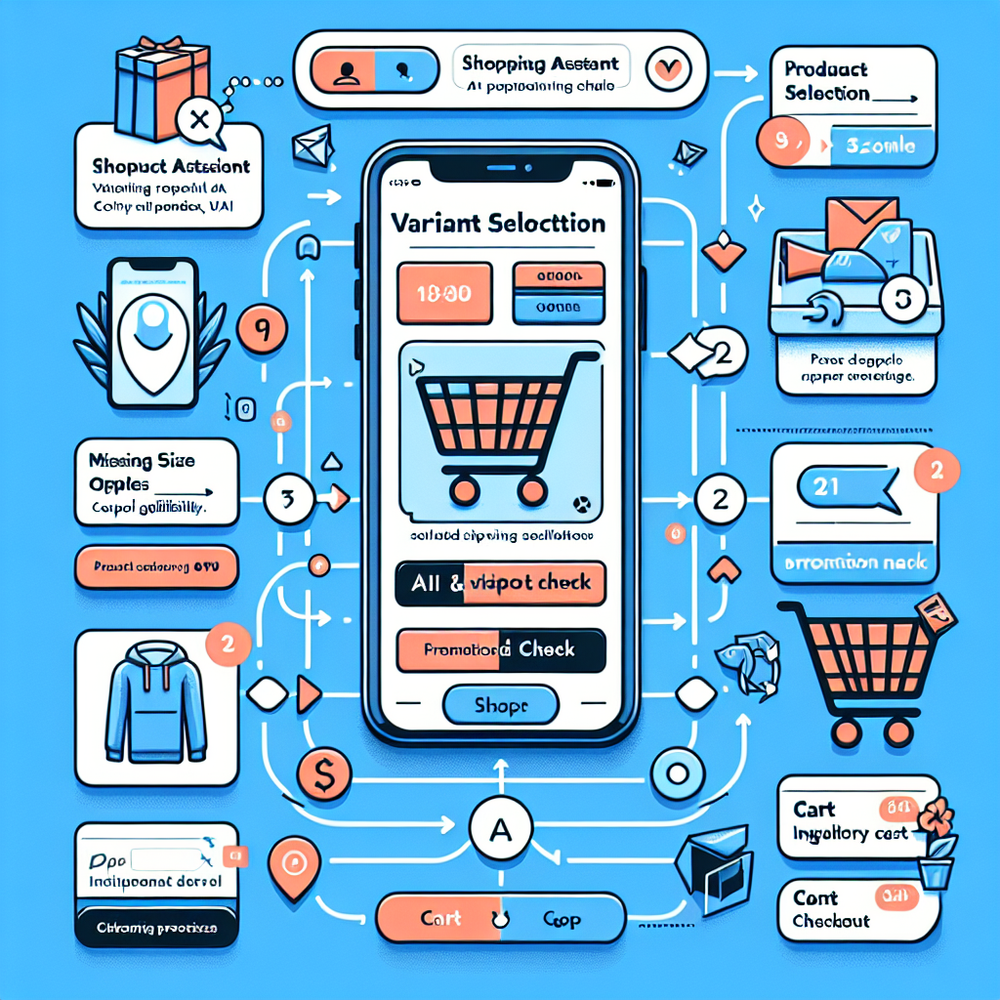
The takeaway: translate natural language intent into constrained, validated actions. Detect goal (“gift under $50, ships tomorrow”), resolve to SKUs and variants, check stock and delivery windows, then create a cart intent with price, tax, shipping, and promo eligibility. Show a cost preview before the add-to-cart. Baymard cites early cost clarity as a top fix; it earns trust (Baymard Institute).
Technically, you need three rails: state, speed, and safeguards. State means a durable session ID across chat, PDP overlay, and checkout. Speed means server-side lookups for inventory and shipping SLAs in under 300ms.
Safeguards mean promotion rules and tax calculations before the user commits. When we added preflight promo checks for an apparel client, coupon errors dropped 92% and support tickets fell by half.
Implementation Guide with Brambles.ai
The takeaway: you can ship this in two sprints. Here’s a practical path.
Step-by-step setup:
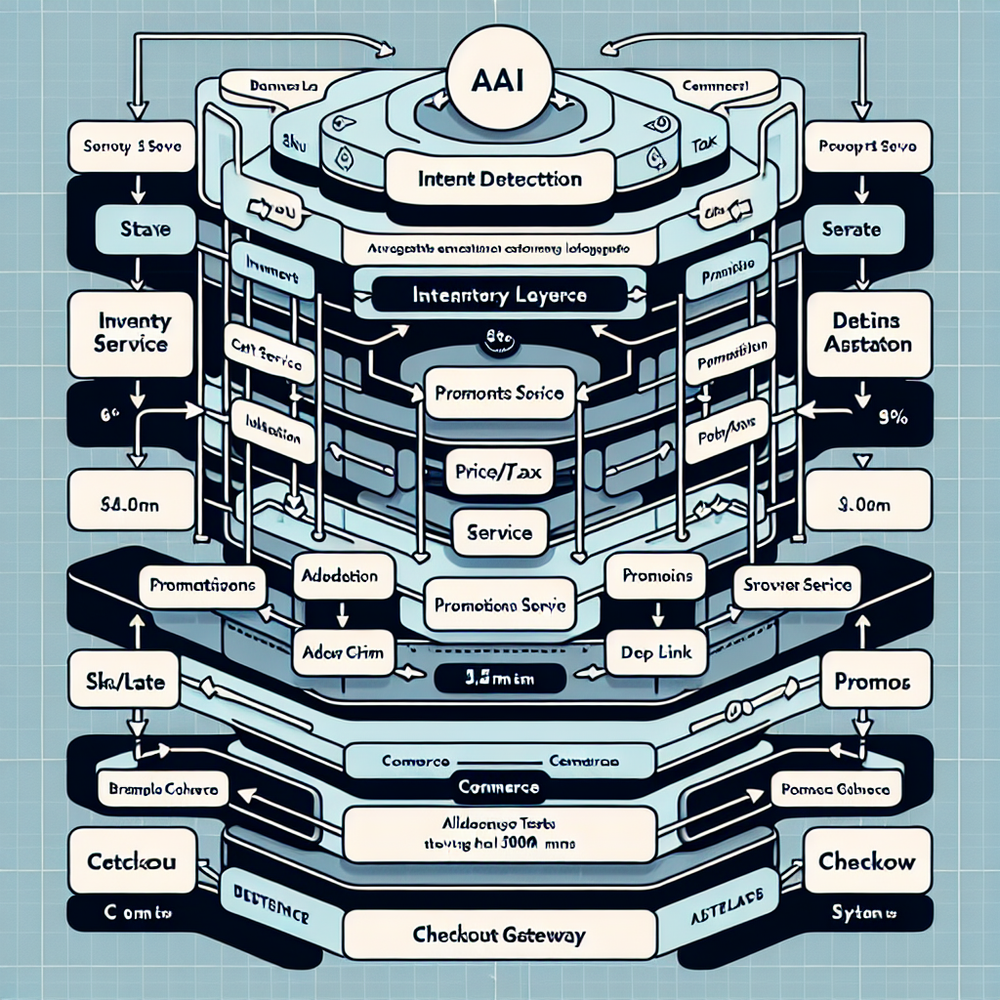
1) Install the Brambles WordPress plugin if your catalog or content lives on WordPress. Sync product schema and enable the PDP overlay component. 2) Connect the Commerce Module to your inventory, tax, and shipping services. 3) Define intents (gift, refill, compare) and map them to SKU selectors and validation rules. 4) Add cart deep links that carry variant, address hint, and applied promo. 5) Enable cost preview in chat and overlay. 6) Instrument events for intent resolution, cart created, checkout started, and checkout completed.
For publishers embedding shopping guides, the publisher monetization flow keeps users onsite with price, availability, and retailer handoff encoded in the same deep link. For retailers, the brand/retail assistant flow routes straight to native checkout with preserved state and attribution. We’ve detailed conversational patterns and guardrails here.
In practice, teams wire this during a two-week burst: Week 1 handles catalog sync, intent mapping, and cost preview; Week 2 focuses on checkout handoff and QA. One CPG pilot saw first purchase time drop from 7:40 to 5:05 after swapping modal PDPs for a single overlay with deep links. Brambles.ai slots into that workflow without rewriting your stack.

Measuring ROI & KPIs You Can Trust
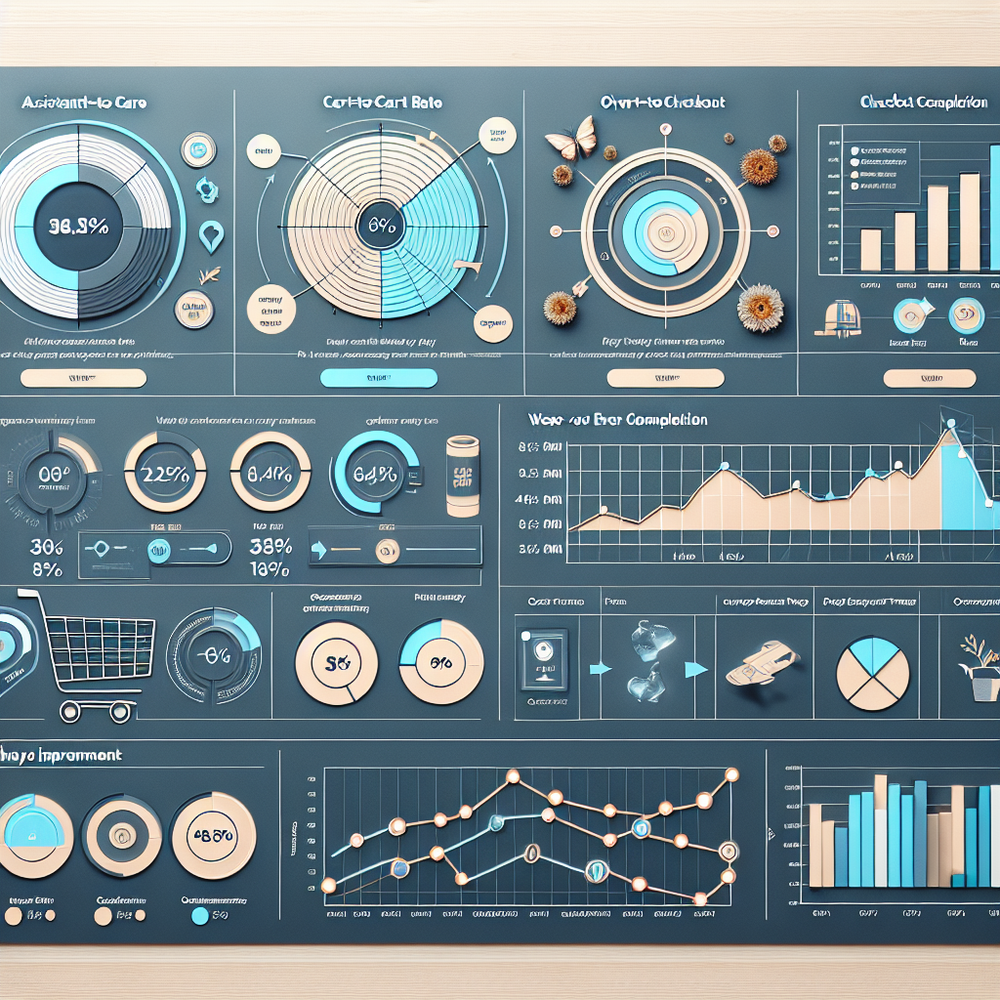
The takeaway: choose a small set of behavior KPIs and tie them to revenue. Measure assistant-to-cart rate, cart-to-checkout rate, checkout completion, average order value, and refund rate. Add speed KPIs: time-to-answer, PDP overlay render, and checkout load under 2 seconds. McKinsey notes experience leaders grow revenue faster; measure like one (McKinsey).
Implementation checklist for analytics:
- Log intent_resolved with SKU and variant
- Emit cart_created with price, tax, shipping, and promo flags
- Track checkout_started with device and payment method
- Track checkout_completed with latency and retries
- Sample failed_promo and stock_out reasons
Real outcomes: on a 100k-session apparel site, resolving variants in chat lifted assistant-to-cart by 42%. On a DTC coffee brand, preflight shipping estimates cut checkout abandons by 12%. When we shaved 600ms off PDP overlay time, conversion rose 8%—speed still sells (Google UX Research).
First‑Party Data and Trust
The takeaway: earn consent by giving value first. Ask for email or phone only after the assistant creates a cart intent or a save-for-later list. Offer transparent cost previews and clear returns. Salesforce reports 88% expect companies to accelerate digital initiatives without hurting trust; early clarity is the trade (Salesforce Connected Customer).
Operationally, keep a single consent record and pass it through the deep link so checkout doesn’t reprompt. Log what powered a recommendation—price drop, in‑stock alert, or preference—so messages stay relevant. Brambles.ai enables this by attaching consent and attribution metadata to the cart handoff, giving legal and growth the same source of truth.
Common Pitfalls and a Pre‑Launch Checklist
The takeaway: most failures happen at the edges—promos, variants, and international addresses. Avoid them with a ruthless preflight.
Pre‑launch checklist:
- Variant preselection for top 20 SKUs
- Promo preflight with error messaging
- Shipping + tax preview within the chat
- Deep links pass address hints and attribution
- Overlay render under 1s on 4G
- Checkout gateway retries and fallback payment
- Accessibility: focus states, labels, escape to close
- QA flows for guest, returning, and subscription carts
Future Outlook: Native Checkout and Co‑Browsing
The takeaway: the line between chat and checkout will fade. Expect native checkout inside the assistant, account linking for one‑tap approvals, and human‑in‑the‑loop co‑browsing for high-ticket items.
Teams that standardize intents, deep links, and cost previews today will plug into those experiences without rework. That’s the compounding advantage of a tidy pipeline.
FAQ
How fast can we implement this?
Most teams ship a solid v1 in two sprints: week one for catalog sync and intent mapping, week two for checkout handoff and QA. The Brambles plugin and Commerce Module accelerate both.
Will this work with our existing checkout?
Yes. Deep links carry the cart intent to your current checkout gateway. We standardize the payload—variants, shipping estimates, promos—so you don’t need a rebuild.
What KPIs prove it’s working?
Watch assistant-to-cart, cart-to-checkout, checkout completion, and overlay render time. Tie them to revenue deltas and support tickets for a full picture.
How does this help publishers?
Publishers keep readers onsite with shoppable overlays and deep links that encode availability and retailer routing, while preserving attribution for payouts.
Related resources on Brambles.ai
If you are implementing this, start with Brambles.ai.
For deeper reading, see 10 Reasons Publishers Need Conversational Commerce, Affiliate Disclosure in Conversational UIs Done Right, From Search Boxes to Conversations: Modern Shopping UX, Contextual, Not Creepy: Monetization That Wins.
Related posts
View all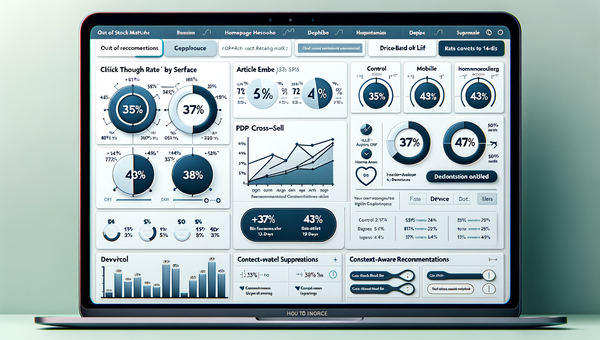
How Context-Aware AI Recommendations Lift CTR
See how context-aware AI recommendations lift CTR by 25–60% with intent signals, page context, and history. Practical steps, KPIs, and implementation tips.
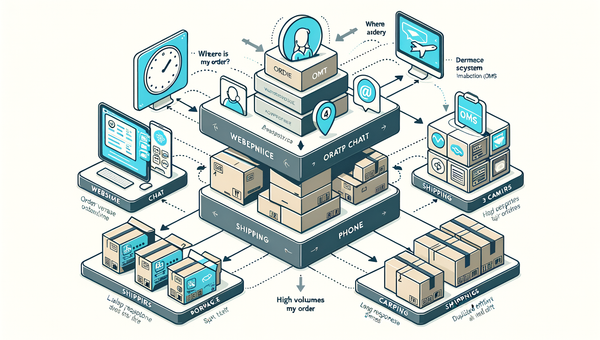
How AI Handles Order Lookup, Returns, and Shipping 24/7
See how AI resolves order lookups, returns, and shipping questions 24/7, deflects tickets, and lifts CSAT—plus a step‑by‑step guide to implement it safely.
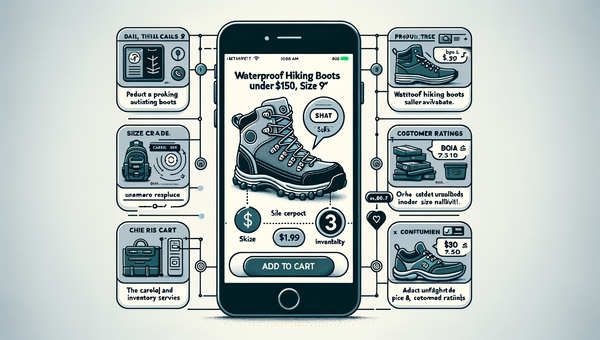
Direct Add to Cart from AI Chat Boosts Conversions
Shoppers convert faster when chat answers end in a one-tap cart. Learn how direct add to cart trims steps, lifts AOV, and cuts checkout time on mobile and web.
Explore Brambles.ai
Learn more about our AI-powered agentic commerce platform, agentic shopping, and shopping assistance solutions.
Explore More Insights
Discover more articles on AI, automation, and business innovation
View All Articles