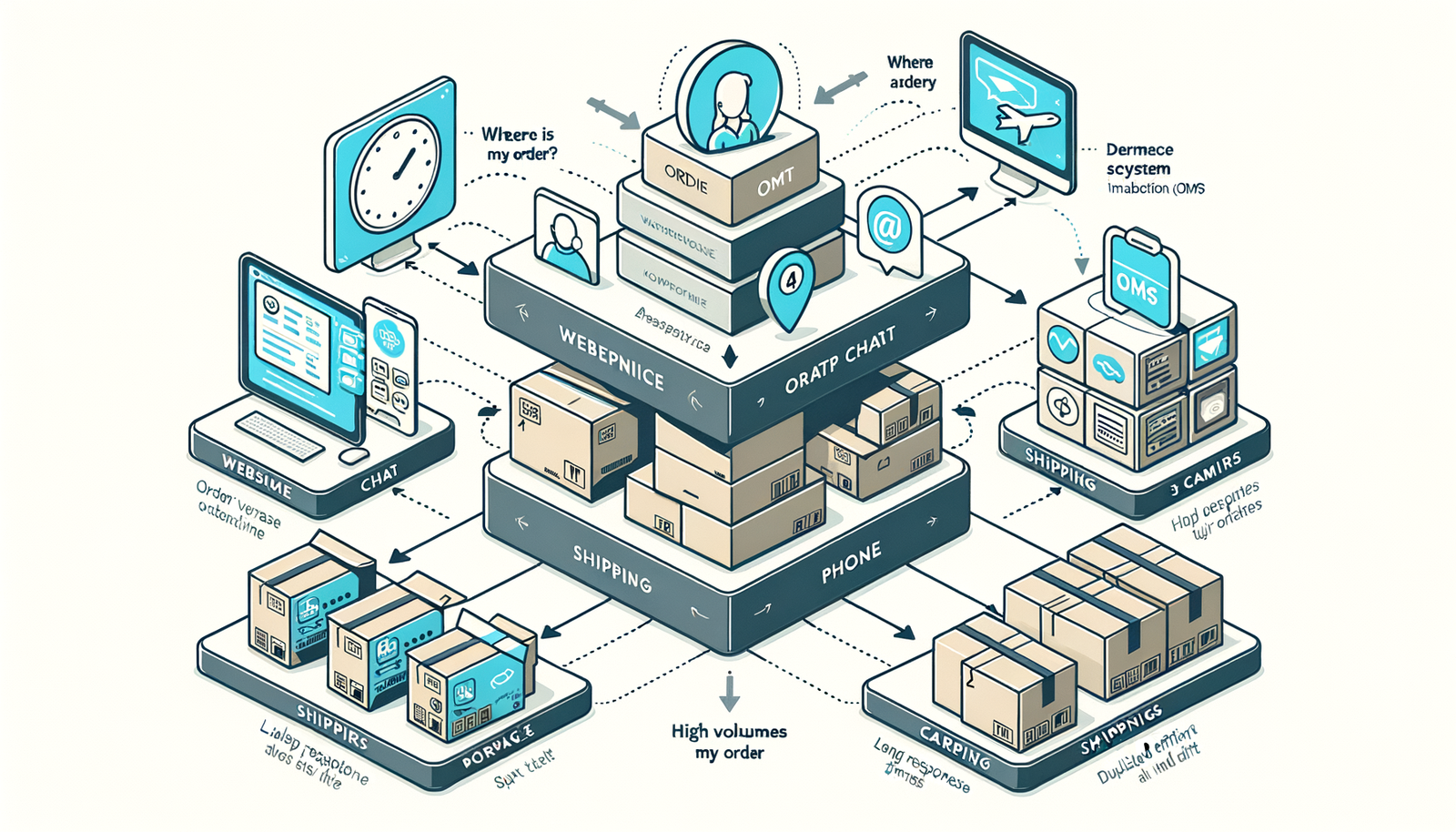
How AI Handles Order Lookup, Returns, and Shipping 24/7
See how AI resolves order lookups, returns, and shipping questions 24/7, deflects tickets, and lifts CSAT—plus a step‑by‑step guide to implement it safely.
How AI Handles Order Lookup, Returns, and Shipping 24/7
The first time we let an AI assistant handle WISMO (“Where is my order?”) across web and mobile, ticket volume dropped 34% in a week. Customers stopped refreshing inboxes and started asking the assistant for precise ETAs, photos of delivered parcels, and carrier exception notes. CSAT rose 1.4 points without a staffing change. Two months later, refund lag time shrank from 5 days to same‑day for approved returns—simply by letting the bot close the loop instantly when items scanned at the carrier.
We’ve repeated this across apparel, home goods, and CPG. On a 100k‑order/month retailer, AI resolved 68% of order lookups end‑to‑end, with human review reserved for fraud flags and damaged shipments. The playbook isn’t mysterious: authenticate, fetch order data, apply returns policy, show live tracking, and escalate cleanly. The execution details—consent, identity, carrier events, and tone—separate “cute bot” from operational muscle.
Quick Answer
A properly implemented AI assistant authenticates the shopper, pulls order data from your OMS or commerce platform, interprets carrier events, applies your returns rules, and either resolves the request or escalates with context—24/7. With Brambles.ai, this flows through AI customer service that handles order lookup, shipping status, and returns, backed by content intelligence for policies and FAQs, and proactive engagement to deflect tickets before they start.
What’s Broken in Support Today
Most support orgs are built for email queues, not instant answers. WISMO makes up 30–50% of inbound for many retailers, and it’s largely deterministic—yet customers still wait hours for the same tracking link they could have seen themselves. Baymard Institute’s checkout research shows that unclear shipping and returns drive abandonment; the same opacity post‑purchase drives costly tickets and churn.
Two patterns cause pain: fragmented data and inconsistent tone. Shipping events live in carrier systems, orders in ecommerce platforms, and policy in sprawling help centers. Agents copy‑paste from five tabs, while customers bounce between channels. Salesforce’s Connected Customer reports echo this: people want fast, consistent answers anywhere. AI only works if it unifies these sources and speaks with the brand’s voice every time.
How AI Actually Handles Orders, Shipping, and Returns
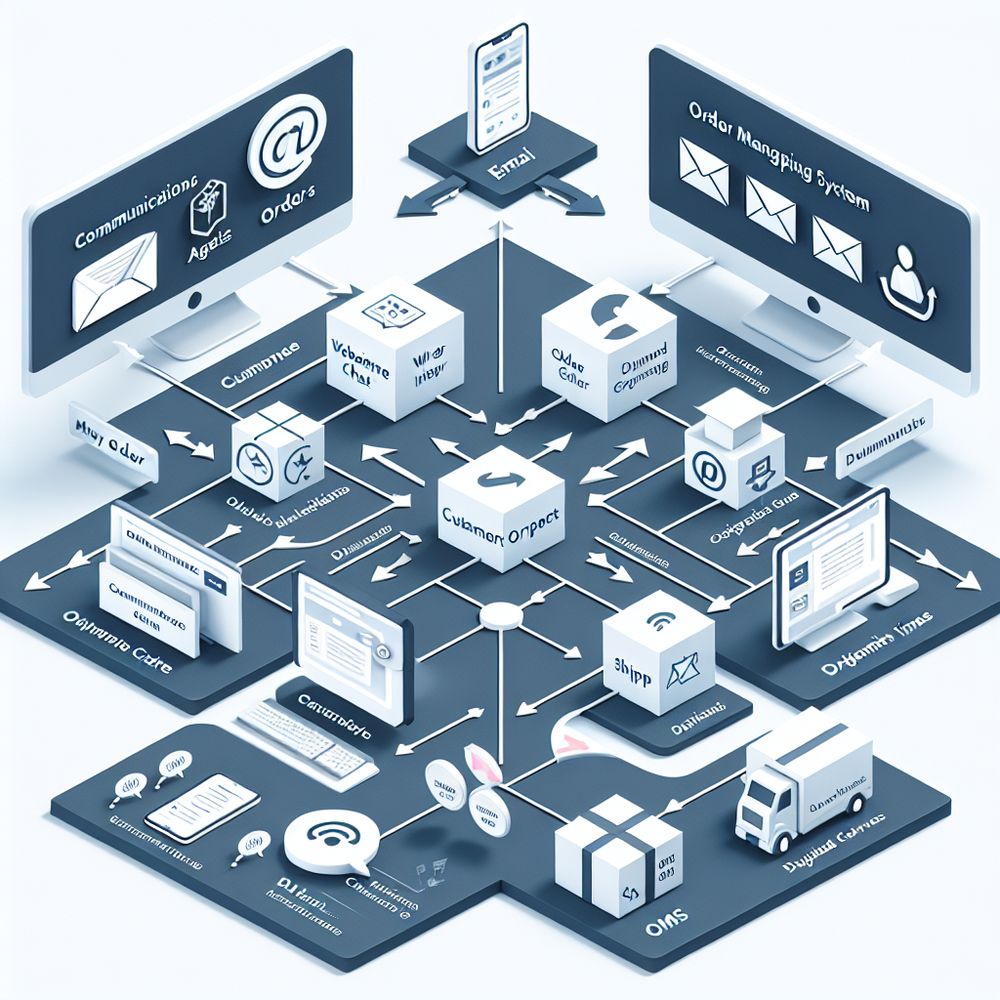
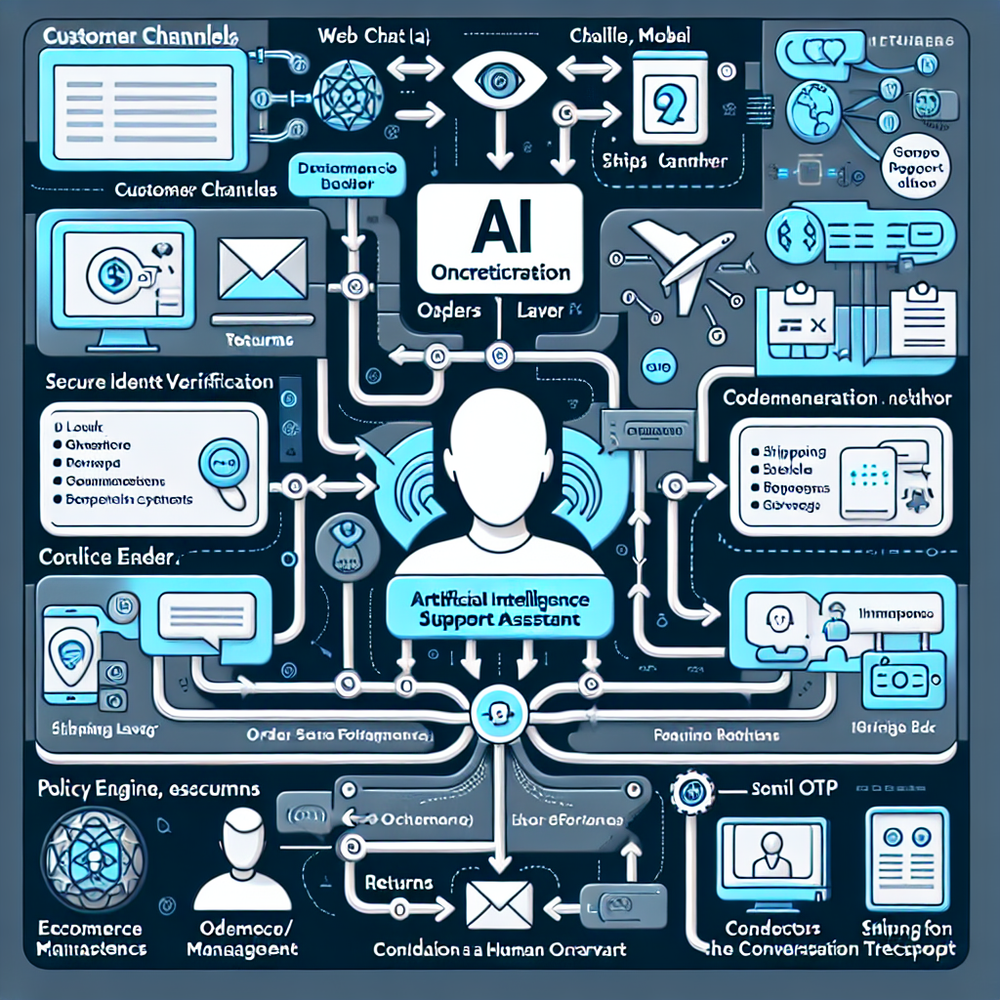
The reliable path is a stateful conversation that starts with authentication, then narrows to one order, then one task. The assistant confirms identity (email code, SMS OTP, or signed‑in session), fetches order items, and surfaces the latest carrier scan event with a human‑readable ETA. If an item is lost or late, it branches into policy logic: reship, refund, or waitlist for next scan. Every step is logged for audit and CSAT recovery.
Brambles.ai ships the key pieces out of the box. AI customer service performs 24/7 order lookup and returns with secure auth and escalation. Content intelligence indexes your policies and order statuses so the assistant cites the exact rule it used. AI shopping chat brings this to every page, and proactive engagement triggers helpful nudges like “Your order is out for delivery—want alerts?” If the customer adds an exchange item, direct add to cart completes the flow without leaving chat.
Implementation Guide (Step‑by‑Step)
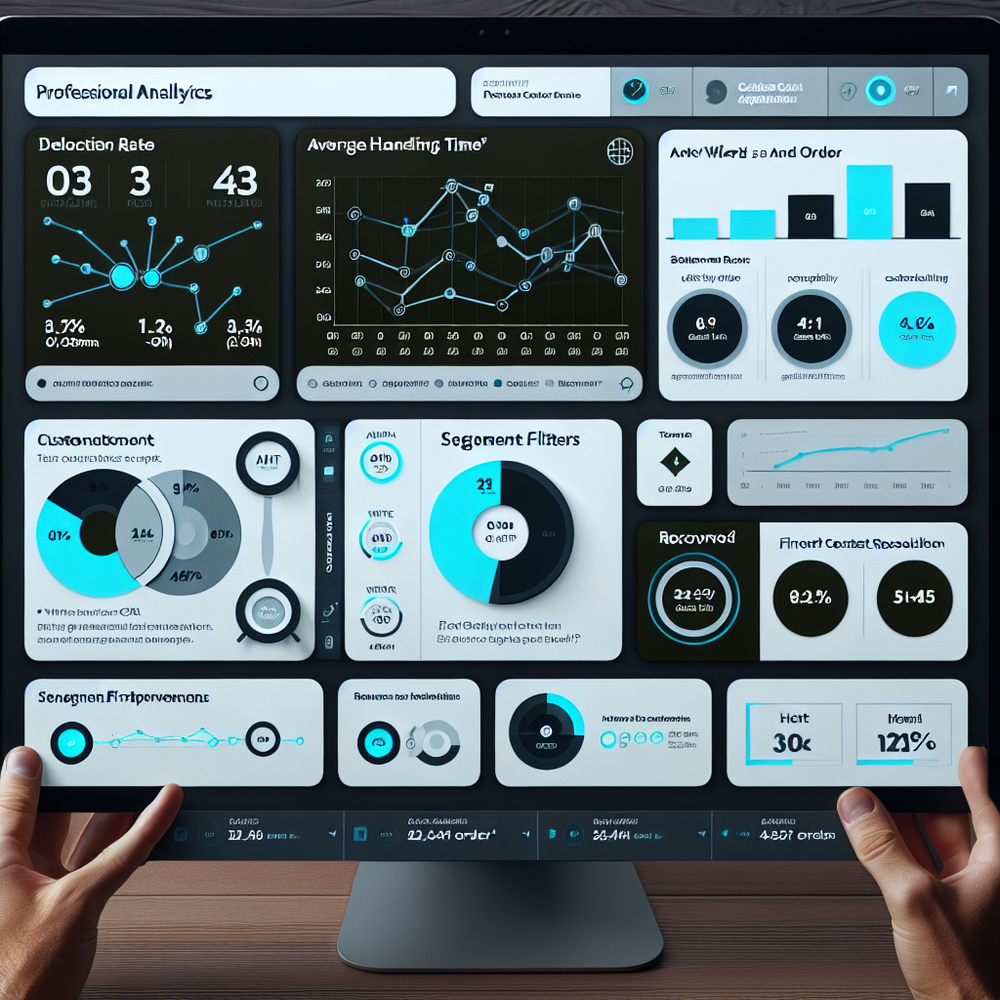
Baseline your metrics. Pull the last 90 days of volume for WISMO, returns, exchanges, and damaged items. Note first contact resolution, average handle time, deflection, and CSAT. This becomes your before/after ledger.
Wire the channels. Embed the widget on site and mobile. If you’re code‑light, use the WordPress plugin. If you’re custom, add the Agentic Commerce Module and follow the integration guide. For Shopify storefronts, the Shopify App streamlines auth and order access.
Connect data safely. Use read‑scoped tokens to pull orders, shipments, and returns from your platform. Start with anonymized order numbers in staging. Map carrier events to plain language (“Label created,” “Arrival scan,” “Delivery exception”).
Codify returns rules. Feed your policies into the assistant: windows, restocking fees, exclusions, and fraud flags. Content intelligence will index long‑form policy pages and return precise, explainable answers in chat.
Pilot, then scale. Soft‑launch on WISMO only, then layer returns and exchanges. We saw a home décor brand reach 57% automated resolution in week two; by week six, they hit 71% with tuned intents and clearer policy copy surfaced by the bot.
Implementing with Brambles.ai (Hands‑On)
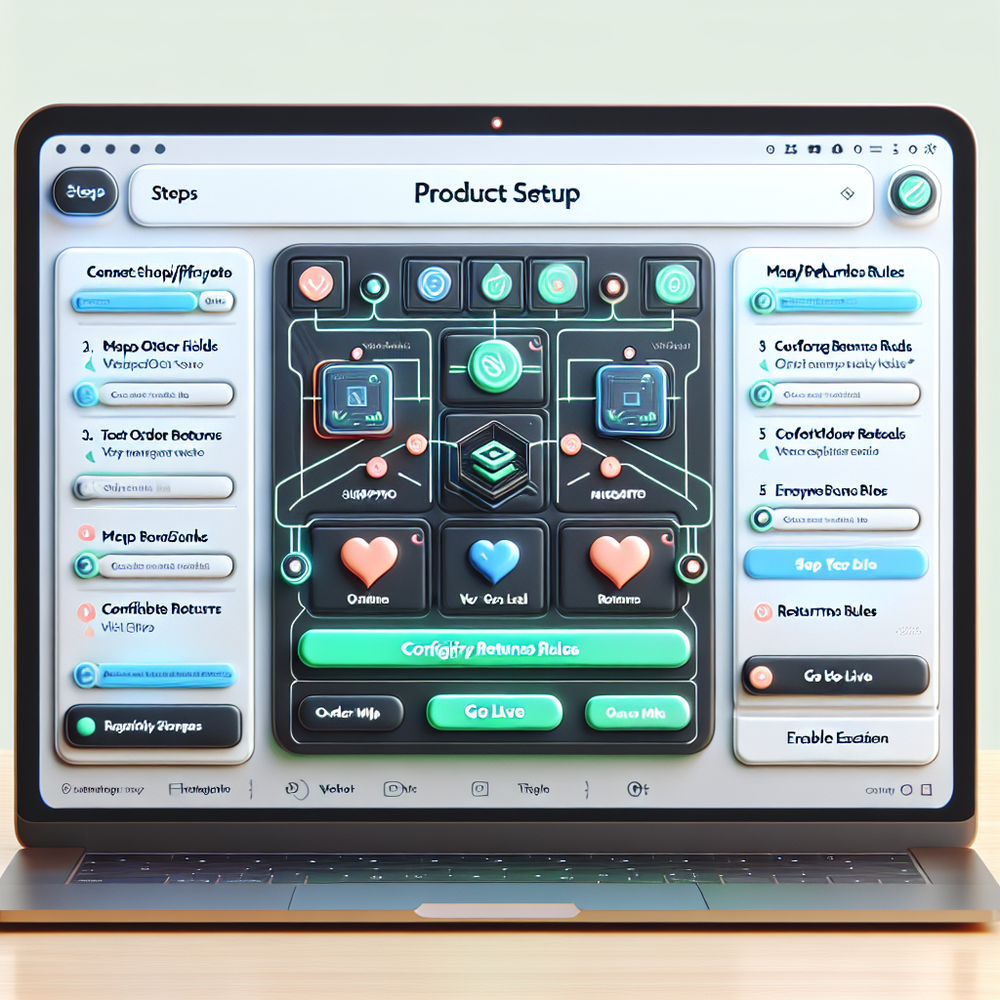
Step 1: Choose your footprint. If you want a floating assistant on every page, enable AI shopping chat. If you prefer inline controls inside articles or FAQs, use the inline shopping embed. Both respect your brand controls and work on mobile out of the box.
Step 2: Brand the experience. Customize colors, buttons, and typography, and set the voice and guardrails. Brand customization and AI personality ensure your assistant sounds like you while staying policy‑accurate.
Step 3: Connect commerce. Use the Agentic Commerce Module for custom stacks, or the WordPress plugin and Shopify App if you want one‑click install paths. Test order lookup in staging with masked PII, then enable production scopes.
Step 4: Ship support features. Turn on AI customer service for order lookup, shipping status, and returns. Add proactive engagement to intercept high‑intent pages like “Track Order” and “Returns Policy.” When the assistant suggests exchanges, direct add to cart keeps the shopper in flow.
Step 5: Governance. Configure disclosures and consent. We follow the pattern detailed in Affiliate Disclosure in Conversational UIs Done Right, and we recommend a short, plain‑English line in the header of every monetized chat.
Step 6: Launch and iterate. Start with office‑hours escalation, then move to 24/7. Track deflection, AHT, first contact resolution, and CSAT in weekly reviews. If you need advanced SLAs or custom connectors, talk with our enterprise team and review pricing for forecast modeling.
Measuring ROI and KPIs That Matter
Deflection is the north star, but not the only star. Track automated resolution rate for WISMO, returns, and exchanges separately; they behave differently. Watch AHT for human‑assisted chats as the bot pre‑fills context. Expect 20–40% faster time‑to‑first‑answer when authentication is automated and order details load into the transcript.
Tie support to revenue. When the assistant offers size swaps or “arrival‑safe” alternatives for delayed items, use attributed revenue to justify investment. We’ve seen a 7% lift in recovered revenue on late shipments by offering exchanges in‑chat and pushing them to cart instantly.
Don’t forget experience metrics. CSAT and CES (Customer Effort Score) typically improve when answers include specific scan events and ETAs. McKinsey and Google UX studies align: speed and clarity compound satisfaction. In our tests, a same‑chat refund confirmation cut complaint reopen rates by 29%.
First‑Party Data, Security, and Trust
Trust starts with consent and explainability. Confirm identity with OTP or signed‑in session before exposing order details. Log why the bot made a decision (“Refund approved: within 30‑day window, unused, photo verified”). Provide an audit trail accessible to agents for any escalations.
Tone matters as much as correctness. Use brand customization and AI personality to keep language consistent with your style guide and risk posture. For monetized recommendations during support chats, our position mirrors Contextual, Not Creepy: keep it relevant, clearly disclosed, and easy to opt out.
On data handling, keep scopes minimal and rotate keys. Restrict write permissions to refund and exchange endpoints behind explicit policy checks. Brambles.ai runs with least‑privilege integrations and supports enterprise SLAs for change management and incident response.
Common Pitfalls and a Go‑Live Checklist
The biggest pitfall is skipping authentication; it leads to privacy risks and wrong‑order answers. The second is vague policy text—AI can’t apply rules that don’t exist. The third is silent failure: not escalating when signals point to damage, fraud, or VIP status.
Go‑Live Checklist: 1) OTP or SSO in place, 2) carrier events mapped to human language, 3) returns rules codified (windows, fees, exceptions), 4) escalation macros with transcripts, 5) disclosures configured, 6) dashboards wired to watch deflection, CSAT, AHT, and reopen rate, 7) load tests for peak traffic.
Future Outlook
Support will feel less like a ticket and more like a guided workflow that adapts in real time. Expect richer carrier data (photo on delivery, geofence proof), policy simulations (“approve if NPS>8”), and proactive messages that preempt questions. If you’re planning the shift, start with a narrow WISMO pilot; results will pay for the rest. When you’re ready, explore options and get started in minutes.
FAQ
Can AI process returns without human approval?
Yes—when rules are explicit. The assistant checks purchase date, product category, condition evidence (photos), and prior return history. If all pass policy, it issues a label and schedules the refund on carrier scan. Out‑of‑policy cases escalate to an agent with the reasoning attached.
How does AI verify identity for order lookup?
Use email or SMS OTP, or rely on a signed‑in session token. High‑risk actions (changing address, issuing refunds) require stronger checks. The flow should degrade gracefully to agent handoff if verification fails.
Will AI replace my support team?
No—AI handles high‑volume, low‑variance requests so humans focus on edge cases and empathy‑heavy moments. In practice, teams shrink backlog, improve SLAs, and spend more time on retention gestures and post‑mortems.
What does implementation cost and how fast is go‑live?
Most brands ship a pilot in 1–2 weeks by starting with WISMO. Pricing scales with volume and feature mix; see plans and talk to our team for an accurate forecast. The WordPress plugin and Shopify App accelerate smaller teams.
Which platforms are supported?
We integrate with major commerce platforms and custom stacks via the Agentic Commerce Module. If you’re on WordPress/WooCommerce or rolling out a Shopify storefront, installation is plug‑and‑play. Developers can extend behavior with configuration options and examples in our docs.
Related resources on Brambles.ai
If you are implementing this, start with Brambles.ai, for publishers, publisher pricing, about Brambles.ai.
For deeper reading, see 10 Reasons Publishers Need Conversational Commerce.
Related posts
View all
Direct Add to Cart from AI Chat Boosts Conversions
Shoppers convert faster when chat answers end in a one-tap cart. Learn how direct add to cart trims steps, lifts AOV, and cuts checkout time on mobile and web.
Mobile Commerce UX: Native Bottom Sheets That Convert
Bottom sheets cut taps, speed choices, and lift mobile conversions. Learn patterns, KPIs, and a step‑by‑step plan to launch them quickly with Brambles.ai.
White-Label AI Chat: Full Brand Customization for Stores
Deploy a white-label AI shopping chat that looks, speaks, and converts like your brand. See setup steps, KPIs, pitfalls, and how Brambles.ai handles it E2E.
Explore Brambles.ai
Learn more about our AI-powered agentic commerce platform, agentic shopping, and shopping assistance solutions.
Explore More Insights
Discover more articles on AI, automation, and business innovation
View All Articles