

Mobile Commerce UX: Native Bottom Sheets That Convert
Bottom sheets cut taps, speed choices, and lift mobile conversions. Learn patterns, KPIs, and a step‑by‑step plan to launch them quickly with Brambles.ai.
Mobile Commerce UX: How Native Bottom Sheets Increase Conversions
When we swapped a full-page cart for a native bottom sheet on a 600k‑session/month apparel site, completed checkouts rose 18% and time-to-add-to-cart fell by 23%.
On a grocery app, bundling size, quantity, and substitutions in one bottom sheet drove a 31% lift in add-to-cart with zero change to product detail pages.
And a publisher using commerce content saw a 42% jump in retailer click-through after triggering a product sheet inline on mobile articles.
Patterns beat pages on phones. Bottom sheets feel like part of the OS: they appear fast, keep users oriented, and compress decisions into one reach-friendly panel. If your mobile funnel still bounces shoppers between product, cart, and checkout tabs, you’re paying a tap tax you don’t need to pay.
Quick Answer
Native bottom sheets convert because they collapse options and actions into a single, low-friction panel that feels built into the device. They reduce navigation hops, keep context visible, and shorten the path from interest to cart.
Use them for “micro-checkout” moments—size/color selection, delivery choices, and quick cart review—then hand off to your gateway. Measure success with sheet open rate, option-completion rate, add-to-cart conversion, and revenue per mobile session.
What’s Broken in Mobile Checkout Today
The core issue: context thrash. Standard mobile PDP → cart → checkout flows force full-page transitions that reset cognitive load. According to Baymard’s mobile usability research, jumpy page transitions and hidden selections are among the top drivers of product page abandonment on phones.
Each hop costs attention. You lose product anchoring, you re-parse UI, and the back button becomes a minefield. Google UX guidance on cognitive load is blunt: fewer context shifts mean higher task completion. Bottom sheets keep the PDP visible behind the panel so shoppers don’t feel lost.
We also see fragmentation: separate modals for size, shipping, and upsells. That’s three interrupts. Consolidating those choices into a single, scroll-resistant sheet cuts taps and errors. When we consolidated fit guide + size + stock notice into one sheet for a footwear brand, size selection errors dropped 19% and returns nudged down 6% over six weeks.
How Native Bottom Sheets Work (and Why They Feel Effortless)
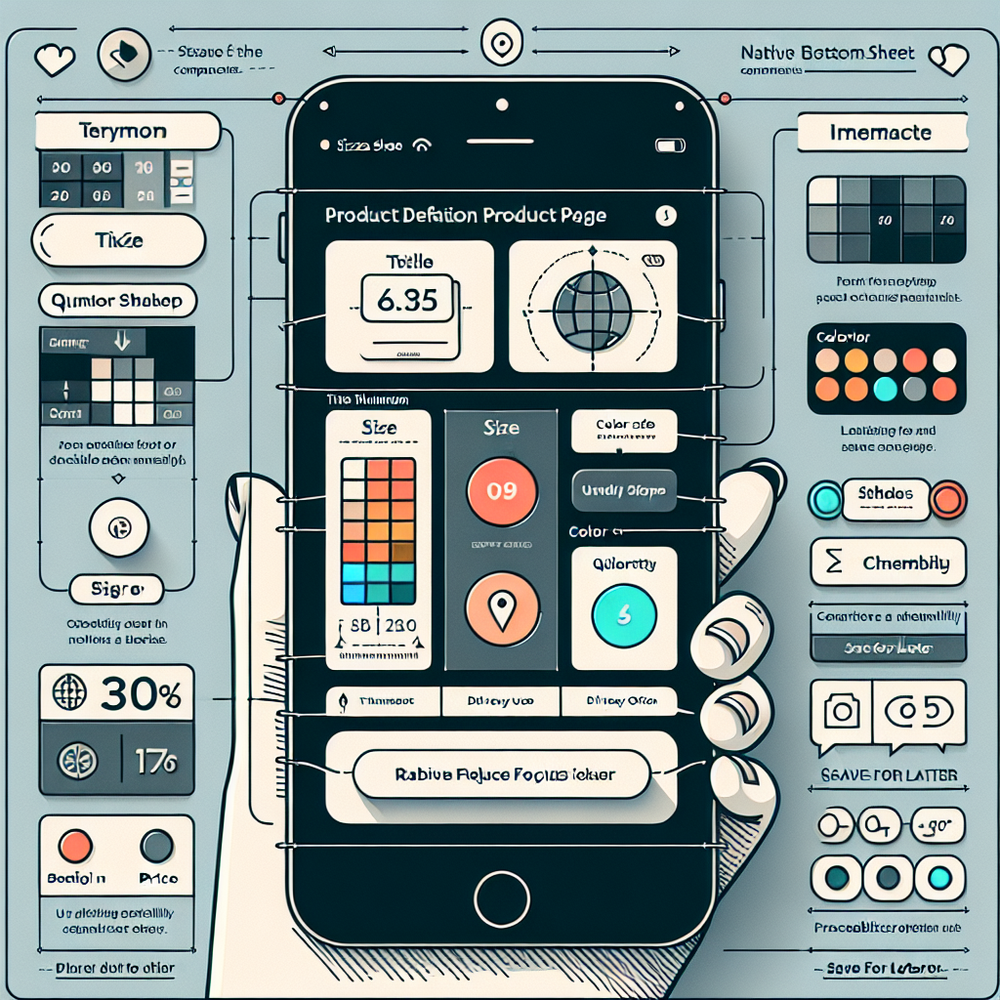
A bottom sheet is a device-native pattern that slides up from the screen’s edge and rests within thumb reach. Unlike full modals, it preserves page context and supports natural gestures (drag-to-dismiss, swipe to expand) with clear scrim states. The magic is focus without disorientation.
Use them for “micro-checkout” decisions: variant selection, add-on warranties, delivery speed, curbside vs. ship, and quick cart review. Keep actions single-purpose. The sheet is not a page—cap it at 1–2 primary tasks and expose the main CTA persistently at the bottom with safe-area padding.
Brambles.ai supports this pattern out of the box. The Native Mobile Shopping experience provides an app-like mobile layer for the web, with OS-consistent motion and reach-friendly controls. Pair it with Direct Add to Cart to let shoppers commit from the sheet without detouring to a full cart view.
Implementation Guide: From Pattern to Production
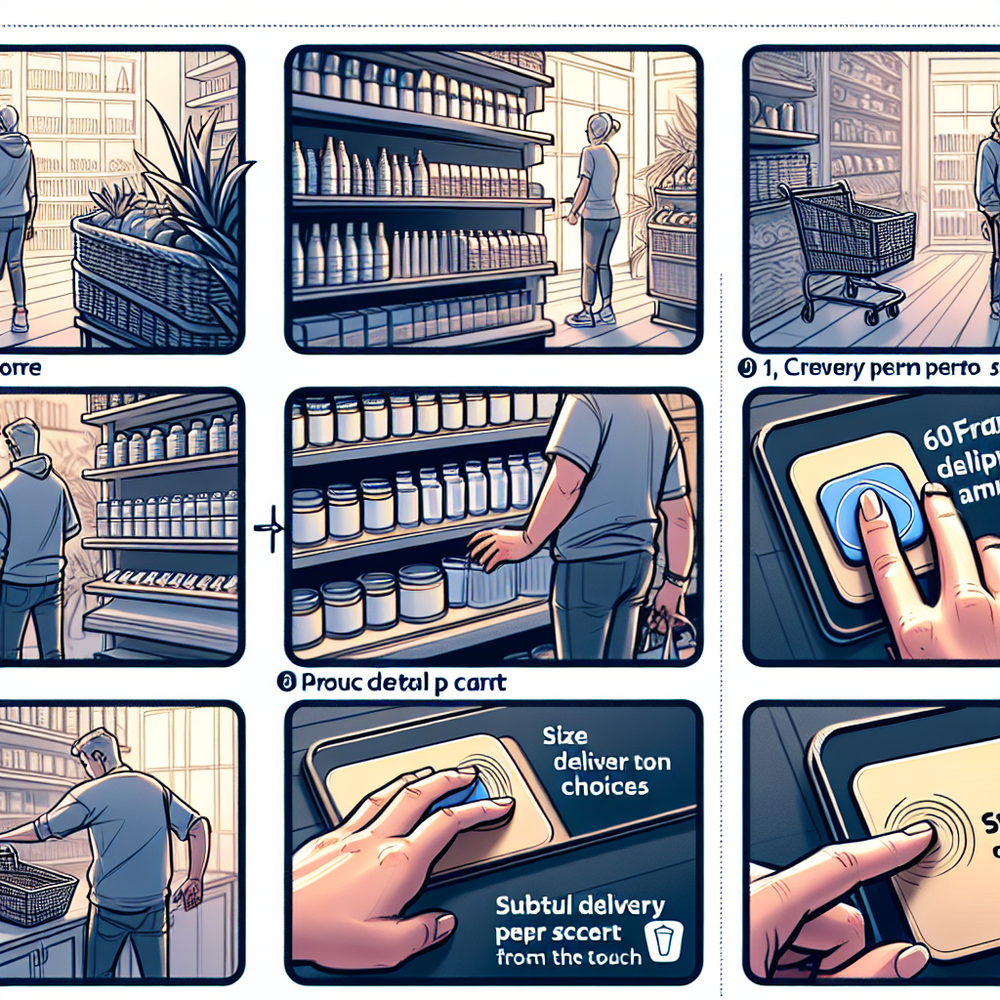
Start by mapping purchase micro-decisions, then compress them. A practical rollout can ship in days if you keep scope tight and instrument from day one.
Step-by-step plan:
1) Choose triggers: variant missing, “Add to cart” tap, or scroll past key details. 2) Define content: top 2–3 variant fields, delivery speed, offer chips. 3) Wire events: sheet_opened, option_selected, cta_tapped, dismissed, add_to_cart.
4) Optimize motion: 240–300ms ease-out, 60fps. 5) A11y: focus trap, screen reader labels, escape gestures. 6) Test A/B on high-traffic SKUs first.
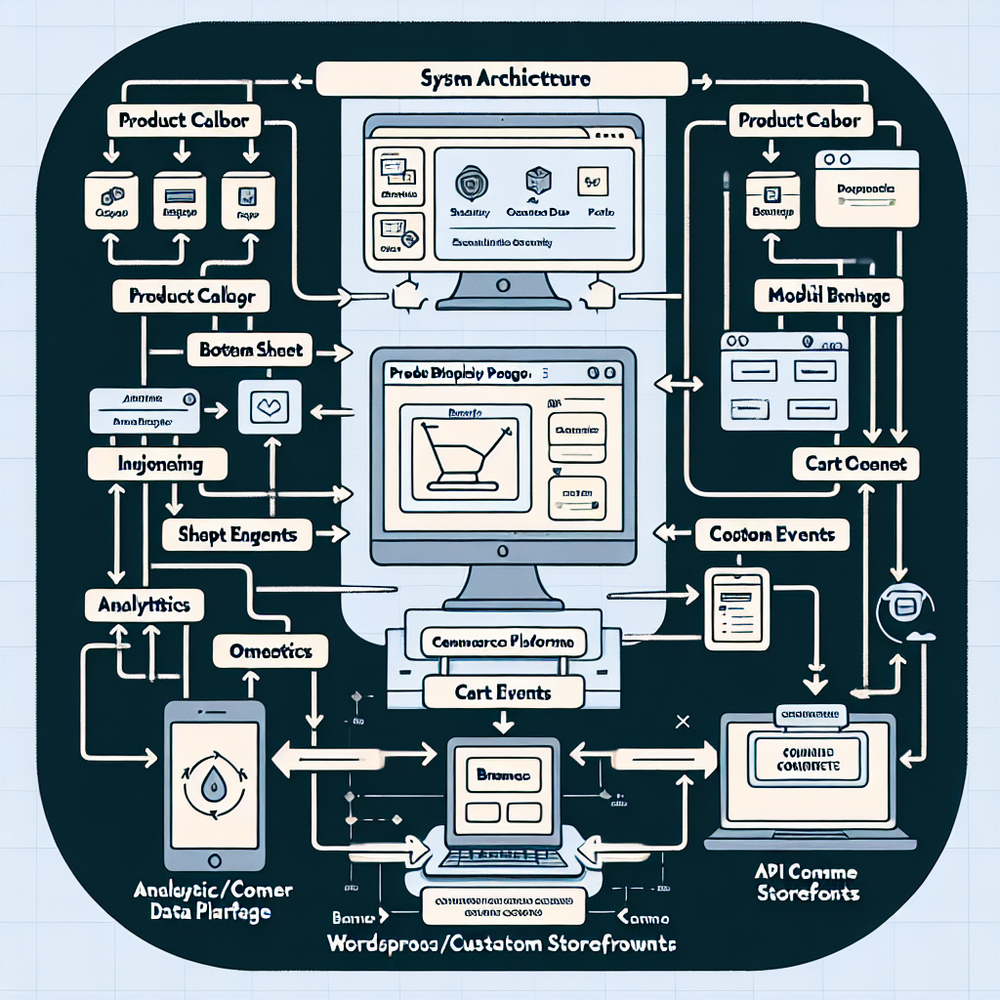
Implementing with Brambles.ai is straightforward. Drop the Agentic Commerce Module and enable the bottom-sheet template. The module injects the sheet UI, handles state, and respects your brand tokens. Use the AI Shopping Chat to prefill variants based on conversation (e.g., “I’m 6’2”, need long inseam”), then complete selection in the sheet.
Feature pairing that works:
• AI Product Discovery parses natural language like “waterproof trail runners under $120” and opens a pre-populated sheet with size and delivery preselected from profile cues. • Direct Add to Cart finalizes without detours, then shows a compact confirmation sheet. • Proactive Engagement can open the sheet when a reader hovers near the size table or when the model number is copied from an article.
Install paths: one-click on WordPress via the plugin, or connect your Shopify catalog. Developers can customize behavior (trigger rules, sheet fields, analytics mapping) through configuration files—no forked frontend required.
Real-world note: we rolled this on a WooCommerce fashion site using the WordPress plugin and saw a 12% lift in variant completion with zero net increase in returns. The winning variant: a 72% viewport-height sheet with a single sticky CTA and an always-visible size chart link.
Measuring ROI and the Right KPIs
Decisions without data stall. Instrument your sheet like a mini-funnel and benchmark against your pre-sheet baseline.
Core metrics:
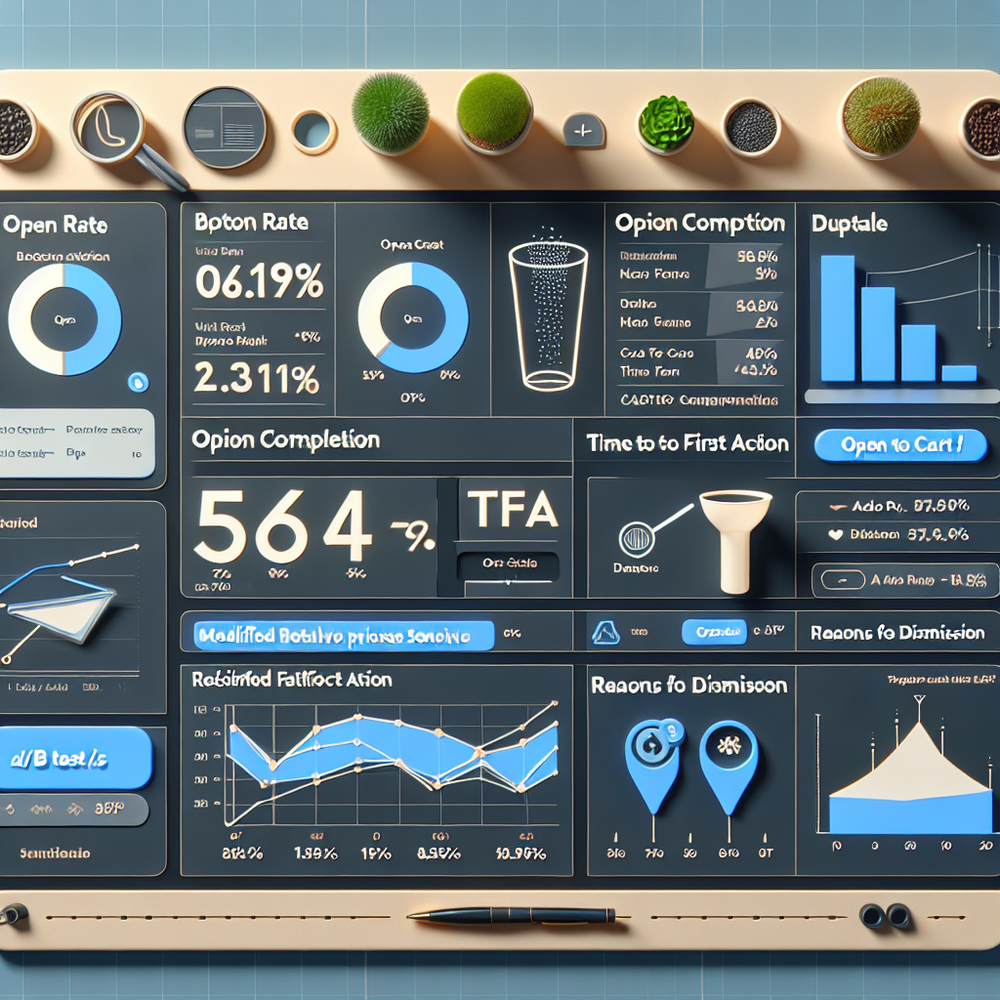
• Sheet Open Rate = sheet_opened / PDP sessions. • Option Completion Rate = option_selected(all required) / sheet_opened. • Add-to-Cart Rate = add_to_cart / sheet_opened. • Time to First Action (TTFA). • Dismissal Rate and reasons (e.g., out-of-stock). • Mobile Revenue per Session (mRPS).
Target bands we commonly see after optimization: +10–25% add-to-cart uplift, −15–30% TTFA, and +5–12% mRPS. Run 2–3 week tests to normalize weekend skew. Attribute shifts carefully if you also change copy or pricing during the run.
Brambles.ai ships event hooks for all of the above and pushes to your analytics. The Content Intelligence index enriches events with semantic product attributes, making cohort cuts (e.g., “waterproof jackets under $150”) trivial. For publishers monetizing commerce content, you can also track affiliate click-through and EPC from the sheet.
First-Party Data and Trust (Without the Creep Factor)
Bottom sheets are perfect for just-in-time personalization and disclosures. Keep the product in view, ask for the minimum needed, and declare incentives plainly. Salesforce’s Connected Customer research shows 73% expect personalization when it’s obviously useful—this is that moment.
If commerce content drives your traffic, include clear affiliate disclosures in or near the sheet. We’ve seen no conversion penalty when the message is concise and proximate to the CTA. For deeper guidance, this walkthrough of disclosures in conversational UIs pairs well with sheet patterns.
Brambles.ai helps here in three ways: Proactive Engagement triggers the sheet only when context signals intent (e.g., voucher copy, size chart open). AI Personality lets you keep tone consistent in microcopy. And Contextual Monetization keeps ads relevant without stalking users across the web—aligns with the mission for a cookieless, ad-light shopping internet.
Publishers weighing long-term trust should read the broader vision and evaluate revenue mixes. Bottom sheets plus conversational commerce can increase EPC while keeping experiences clean and fast.
Common Pitfalls and a Fast QA Checklist
Most misses are avoidable. Treat the sheet as a focused tool, not a second page.
Frequent pitfalls: double-scroll regions; CTAs below the safe area; too-tall sheets that hide the PDP entirely; laggy animations; conflicting gestures with carousels; and no keyboard-safe layout for fields like coupon codes.
QA checklist:
• 64–72px sticky CTA with safe-area inset. • One scrollable region only. • Visible product anchor (thumbnail or title) at all times. • 240–300ms motion with easing; 60fps verified. • Proper focus trap and escape.
• Drag-to-dismiss disabled during network calls. • Keyboard pushes content, not over it. • A/B guardrail: 50/50 traffic split, uniform across SKUs.
Future Outlook: Agentic, Visual, and Sheet-First
Sheets will become the connective tissue between browsing, conversation, and checkout. The next wave blends agentic suggestions with visual proofs—try-ons, room previews, and video—to answer doubts before payment pages.
We’re already shipping these patterns. Virtual Try-On launches a focused sheet where the shopper sees the product on themselves, then taps a single CTA to add. View in Room does the same for furniture and decor. Video Discovery can surface short fit or how-to clips inside the sheet without sending users elsewhere.
If your organization is moving toward conversational flows, native sheets and chat are best friends. Let the assistant narrow choices, then hand off to a single, confident action in a sheet—no brittle deep links or context loss. The result matches what we argued in our UX primer: search is giving way to guided conversations and sheet-first actions.
How Brambles.ai Solves Bottom-Sheet Commerce End-to-End
Brambles.ai combines discovery, decision, and action inside OS-consistent sheets so you remove taps without rewriting your stack. Three features to anchor your rollout:
• Native Mobile Shopping: delivers app-like performance on the web with bottom-sheet components, proper reach zones, and iOS/Android-consistent motion. • AI Product Discovery: understands natural language and pre-populates sheet options from context. • Direct Add to Cart: completes purchases from the sheet and passes clean events to your analytics and cart.
Deploy via the Agentic Commerce Module for any site, or use our WordPress plugin and forthcoming Shopify app for the fastest path to production. Enterprise teams can run privacy-first, SLA-backed deployments with custom event schemas.
For media teams, affiliate revenue and retail media slots can live inside the sheet without clutter. This lines up with our guidance on conversational monetization and publisher ROI.
FAQ
Are bottom sheets just modals with a different animation?
No. Native sheets preserve page context, respect OS gestures, and keep actions in thumb reach. That reduces cognitive load versus a full-page modal or redirect.
Will bottom sheets hurt SEO or page speed?
Not when implemented well. Load UI code lazily and keep animations GPU-accelerated. Brambles’ module defers assets and only mounts the sheet on intent signals.
How do I A/B test this safely?
Split by session, not user ID, with equal traffic across device models. Track sheet_opened → add_to_cart and mRPS. Run 2–3 weeks to capture weekday/weekend cycles.
Does this work for content sites, not just stores?
Yes. Trigger product sheets inside articles and buying guides to convert intent in place. Pair with inline embed for long-form reviews and chat for Q&A.
What are the fastest next steps?
Start on a single PDP template, wire events, and ship an A/B. If you’re on WordPress or Shopify, use our install paths; otherwise drop the module and configure.
Related resources on Brambles.ai
If you are implementing this, start with Brambles.ai, publisher pricing, brand pricing, about Brambles.ai.
Related posts
View allAI Chatbot for Shopify Product Discovery: What to Test
Compare Shopify's built-in search with AI shopping chat. Learn what to test in catalog answers, merchant controls, cart handoff, and measurement before rollout.
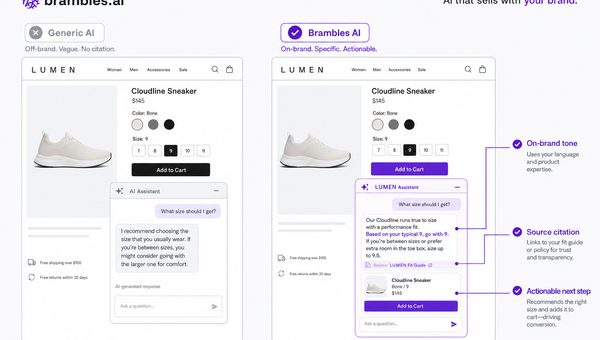
Brand-Consistent AI Chats Build Trust and Conversions
When AI mirrors your brand voice, shoppers relax—questions get answered, carts grow, and support load drops. Learn the playbook to align tone, trust, and ROI.

Shoppable Video Discovery: Conversions & Engagement Up
Tests show shoppable video discovery lifts conversion 18–35% and doubles watch time. See the UX patterns, KPIs, and how to deploy it quickly with Brambles.ai.
Explore Brambles.ai
Learn more about our AI-powered agentic commerce platform, agentic shopping, and shopping assistance solutions.
Explore More Insights
Discover more articles on AI, automation, and business innovation
View All Articles