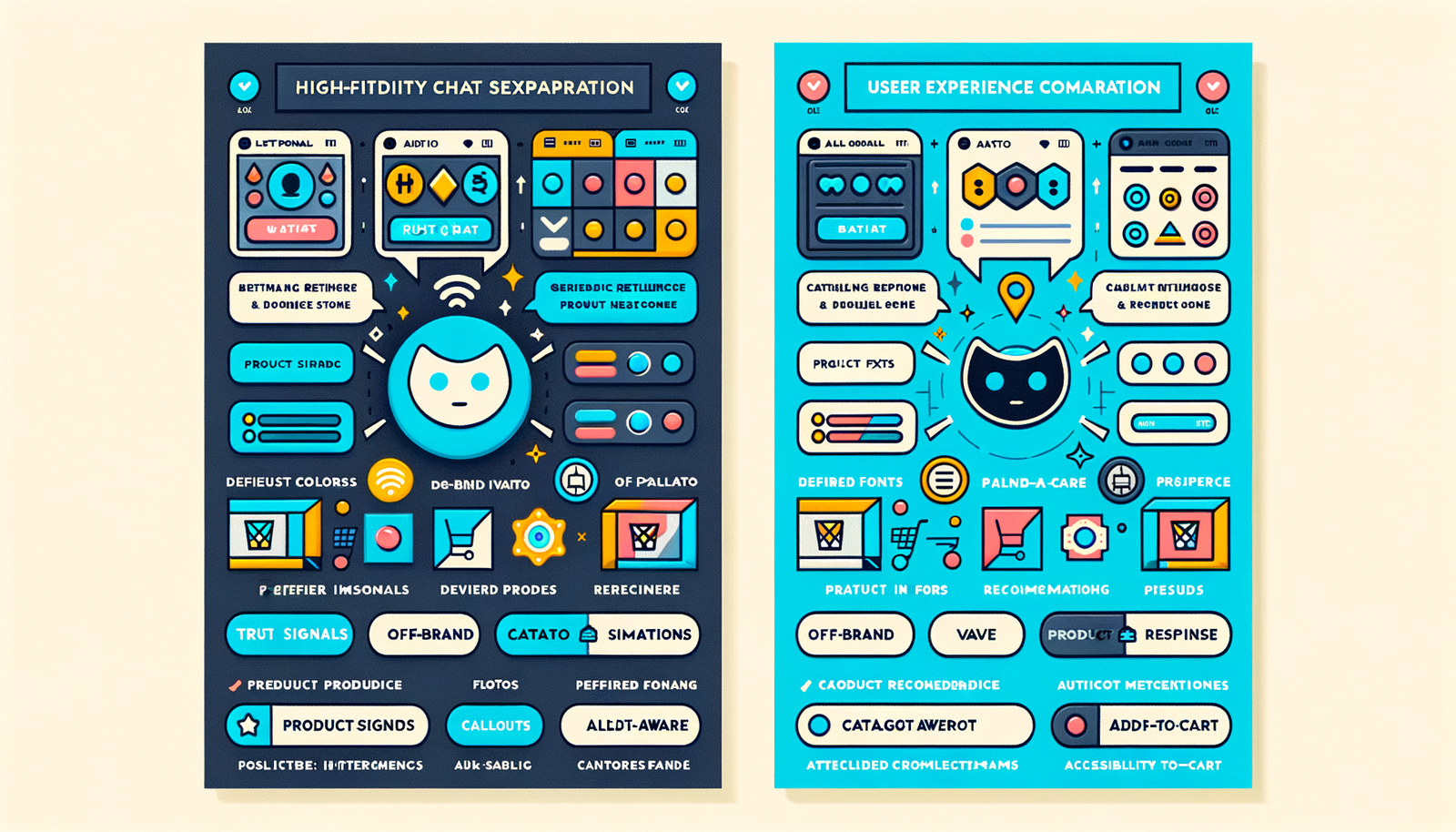
White-Label AI Chat: Full Brand Customization for Stores
Deploy a white-label AI shopping chat that looks, speaks, and converts like your brand. See setup steps, KPIs, pitfalls, and how Brambles.ai handles it E2E.
In a 14-day A/B on a lifestyle retailer (180k sessions), a white-labeled AI chat—skinned and scripted to their tone—drove a 27% lift in chat-initiated revenue and cut bounce from product pages by 11%. The control used a generic chat UI with the same model and catalog. The only difference was branding, guardrails, and where/when chat surfaced. That pattern has repeated for us on fashion, home, and CE sites: shoppers trust what feels like the store, not an anonymous bot. When the assistant knows your catalog, speaks your style, and blends into your UX, it sells. When it doesn’t, it distracts.
Quick Answer
White-label AI chat lets you deploy an on-brand shopping assistant—your colors, fonts, icon, tone, and rules—without rebuilding AI infrastructure. With Brambles.ai, you theme the widget, define voice and policies, index your catalog, and go live via a drop-in module or plugin. The result is a conversational layer that looks and behaves like your store while handling discovery, sizing advice, and even direct add-to-cart—measurably lifting conversion and AOV.
What’s broken with generic chatbots
Generic chatbots underperform because they feel bolted-on and untrustworthy. Baymard Institute’s usability research shows that perceived credibility is tightly linked to visual consistency; mismatched UI cues increase hesitation during critical decisions. We’ve seen this in the field: a DTC apparel brand swapped a vendor’s default chat bubble for a fully themed experience and lifted chat open rates by 38%—same placement, same prompts, different trust signal.
Another failure mode: content blindness. If the assistant can’t parse your PDPs, sizing charts, and policies, it gives vague answers. McKinsey notes shoppers expect immediate, relevant guidance; vague replies erode confidence and spike exits. White-label doesn’t just mean a new skin—it means your data and rules drive the experience, so answers feel precise and human, not generic filler.
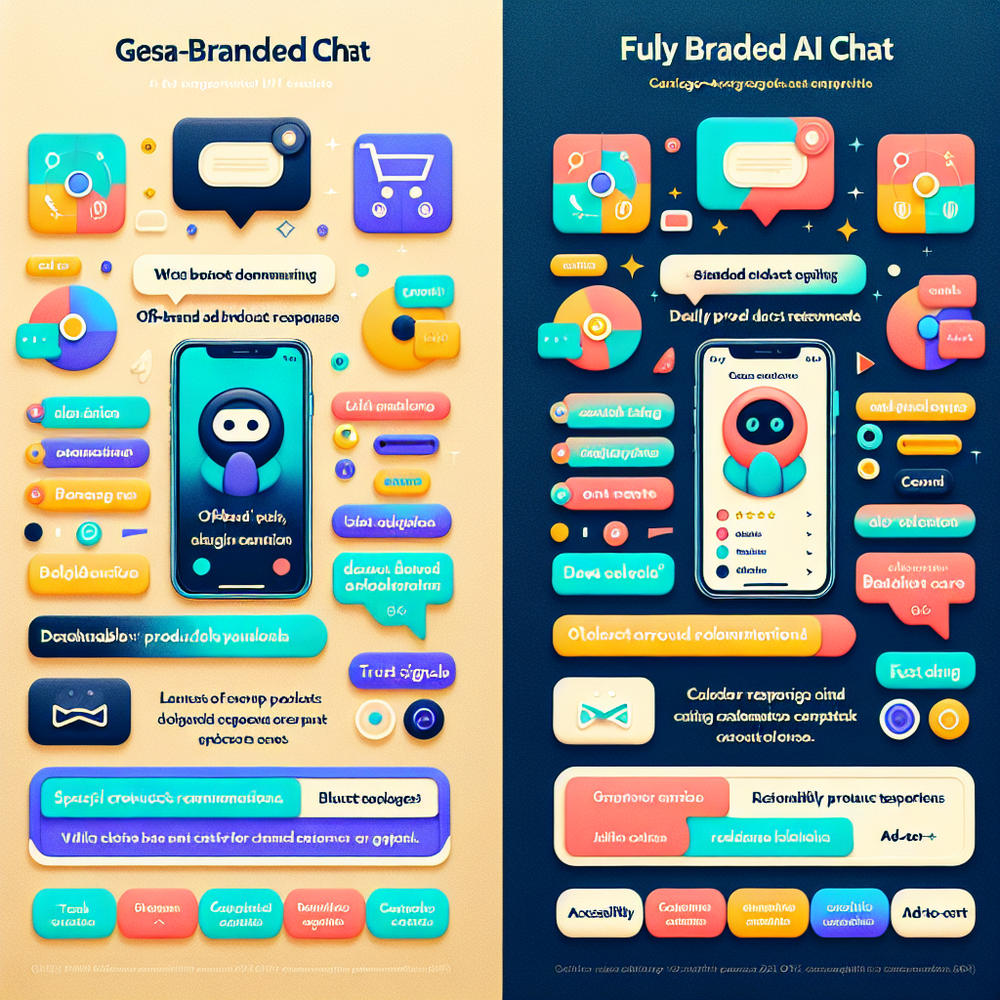
How white-label AI chat works (your stack, your brand)
White-label means the chat layer adopts your identity and business logic while AI handles the conversation. Brambles.ai ships three pieces that matter most:
1) Brand customization—theme everything from bubble shape to buttons and loading states. The Brand Customization feature lets you set colors, fonts, logos, and widget position, ensuring WCAG-friendly contrasts and seamless design continuity.
2) AI personality—codify your store’s voice, tone, and guardrails. With AI Personality, you define how the assistant greets, escalates, and handles edge cases (e.g., sustainability questions, sizing sensitivity). It’s your playbook, enforced consistently.
3) Content intelligence—index PDPs, buying guides, videos, and policies for precise answers. This powers fast, accurate retrieval so the assistant cites model numbers, compatibility, and shipping details instead of guessing.
For shopping flows, pair product understanding with AI Product Discovery so customers can ask “breathable running shoes under $120, neutral colors.” Surface SKUs with attributes, inventory, and variants, then let shoppers convert right inside the chat with Direct Add to Cart—no detours, no friction.
Finally, drive engagement intentionally. Proactive Engagement triggers context-aware prompts (e.g., “Need help with fit?” on denim PDPs) and Inline Shopping Embed slots curated results inside editorial. That’s how you extend chat beyond a bubble into your broader UX.
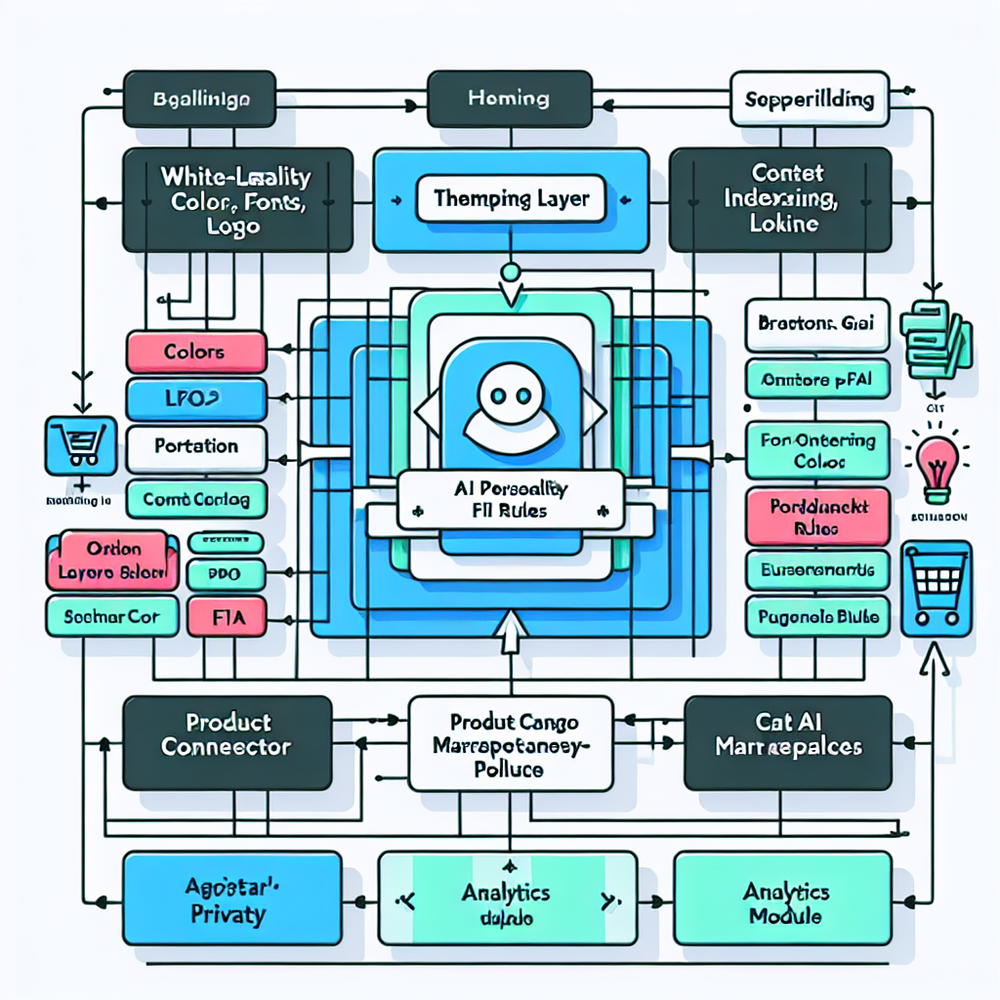
Implementation guide (step-by-step)
Here’s the fastest path to production. We’ve implemented this on Shopify, WooCommerce, and custom stacks in under a week when ownership is clear and assets are ready.
Step 1 — Create your instance. Sign up, choose your base theme, and connect your store. If you’re not sure where to start, book a sandbox and invite design + CX to co-pilot.
Step 2 — Install the snippet or plugin. Use the Agentic Commerce Module for any web stack or the WordPress plugin for WooCommerce. On Shopify, enable our app and grant catalog + cart scopes.
Step 3 — Index your content. Point Content Intelligence at PDPs, collections, size charts, FAQs, and policies. Include videos and buying guides if you have them; shoppers ask about care, compatibility, and warranties more than you think.
Step 4 — Configure voice and rules. In AI Personality, define tone, approved claims, escalation thresholds, and sensitive-topic responses. Add product taxonomy hints so discovery answers sound expert, not generic.
Step 5 — Wire commerce. Enable Direct Add to Cart and map variant IDs, inventory, and promotions. Decide which flows (bundles, subscriptions, preorders) can complete directly in chat versus deep-link to PDPs.
Step 6 — Launch targeting. Use Proactive Engagement rules by page-type and scroll-depth. Start narrowly on high-exit PDPs, then expand to category and editorial pages with Inline Shopping Embeds.
Step 7 — QA and accessibility. Confirm color contrast (WCAG AA+), keyboard navigation, and fallback help paths. Validate that disclosures and returns policies are cited consistently and accurately.
Step 8 — Measure and iterate. Instrument events and set your baseline for conversion, AOV, time-to-answer, and resolution. Ship small copy changes weekly; they compound.
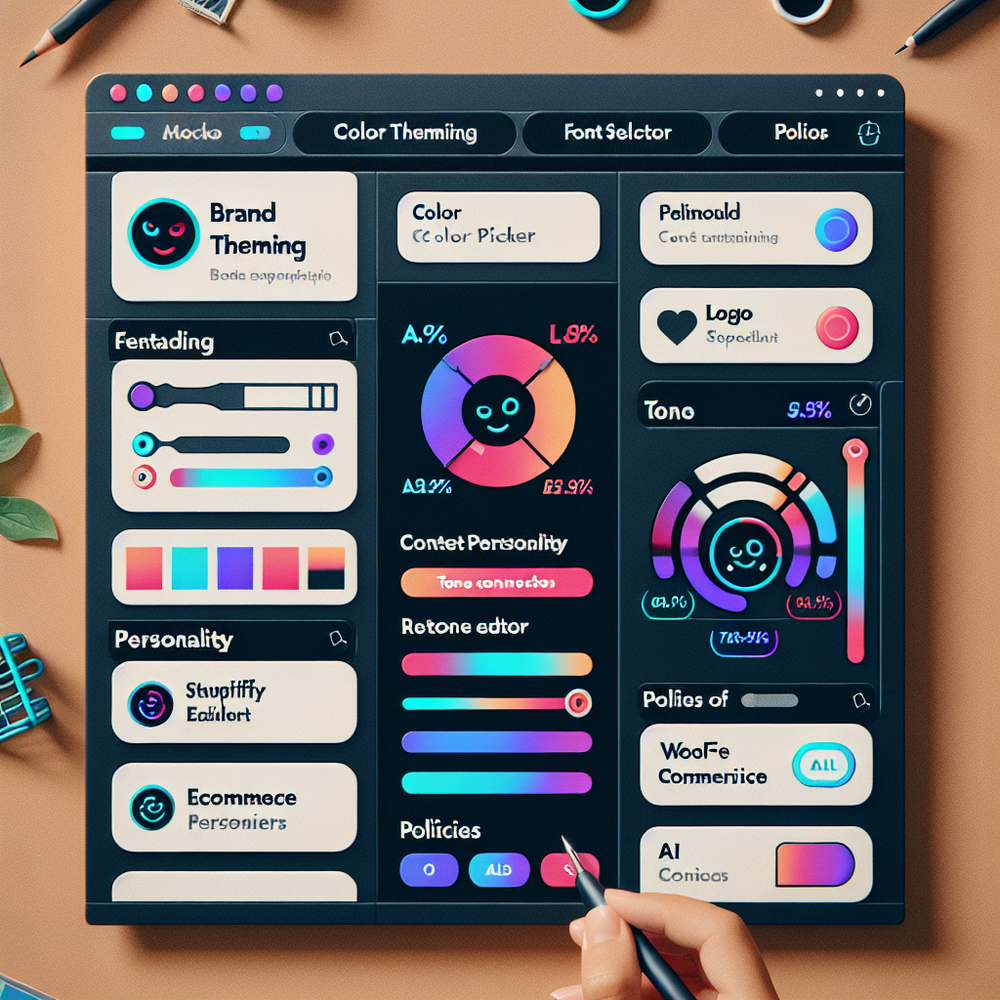
Measuring ROI and KPIs that actually move
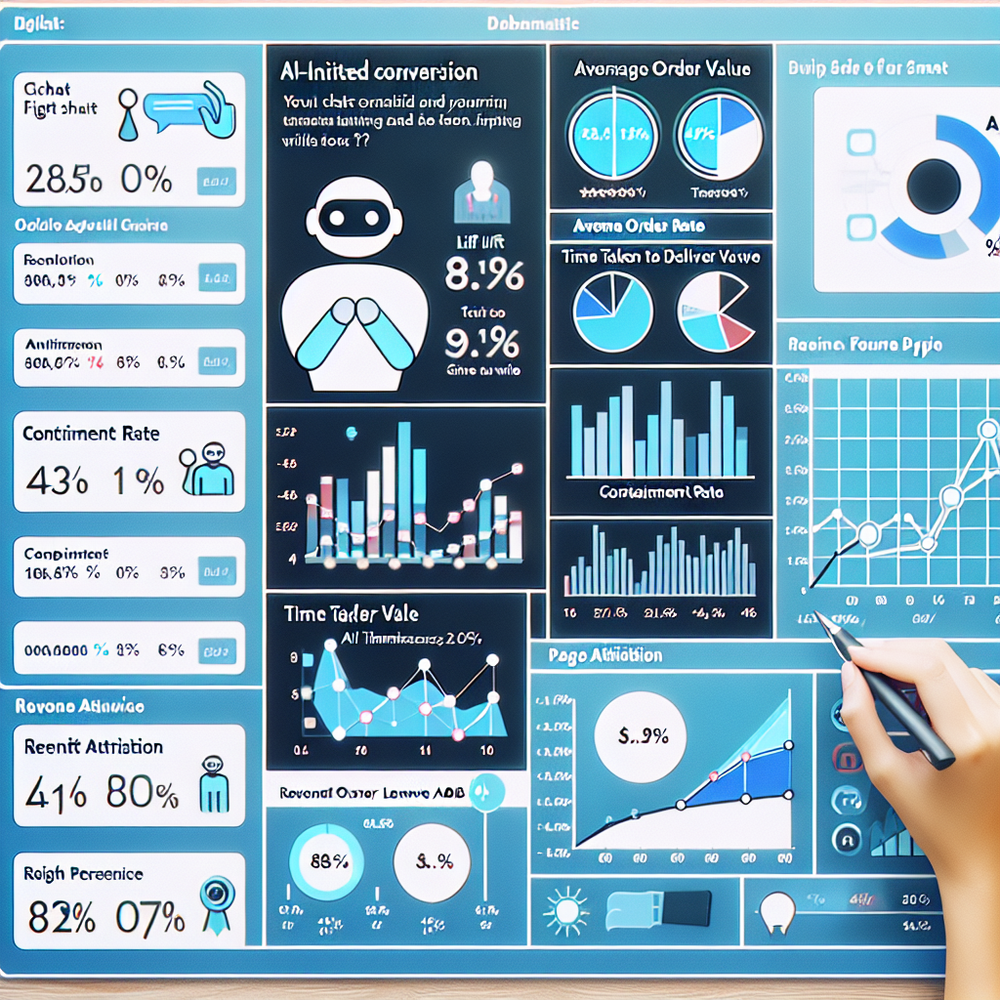
The right metrics show whether white-label chat is selling or just chatting. Start with chat-initiated conversion rate, AOV from chat sessions, time-to-first-answer, and containment (no human needed). Salesforce’s Connected Customer data suggests speed and accuracy dominate satisfaction; our benchmarks agree.
On a 100k-session/month CE site, adding Proactive Engagement on comparison pages increased chat starts by 2.1x and delivered a 15% lift in AOV from those sessions. Another retailer saw a 42% reduction in time-to-first-answer after indexing fit guides—fewer escalations, faster decisions.
Two sanity checks help avoid vanity metrics: compare assisted vs. non-assisted sessions for the same traffic sources, and cohort by intent (PDP, category, editorial). If your assistant also powers discovery, attribute uplift to the full journey, not just last-click.
First-party data and trust by design
Trust comes from consistent branding, clear disclosures, and accurate answers. Google UX research shows that predictability reduces cognitive load; users prefer experiences that behave the way the UI promises. Your white-label chat should cite sources (PDP, policy page) and make affiliate or sponsorship context explicit where relevant.
Brambles.ai treats your content as first-party. Content Intelligence keeps retrieval scoped to your indexed materials. AI Personality enforces brand-safe language, and escalation paths route complex issues to AI Customer Service for order lookup or human handoff without breaking the brand shell.
If you monetize with affiliate or retail media, white-label chat can stay helpful and transparent. Publishers can weave commerce into advice, not interrupt it. We’ve seen contextual offers via chat perform better than banners because they answer intent in the moment.
Common pitfalls: a quick checklist
Avoid these seven speed bumps we see most often:
- Off-brand visuals. Fix with Brand Customization and an accessibility pass.
- Vague voice. Set explicit tone, claims, and escalation rules in AI Personality.
- Content gaps. Index size charts, warranty pages, and shipping cutoffs in Content Intelligence.
- Long clicks to buy. Enable Direct Add to Cart for core SKUs.
- Overexposure. Start Proactive Engagement narrowly on high-exit PDPs.
- Lack of measurement. Instrument chat events and compare assisted vs non-assisted cohorts.
- No mobile polish. Use Native Mobile Shopping for smooth, app-like chat on phones.
Why Brambles.ai for white-label chat
You get a deeply customizable shell, retrieval that respects your content, and shopping flows that convert. The Agentic Commerce Module drops onto any CMS or headless stack; WordPress and Shopify are turnkey. You can start with AI Shopping Chat, then layer Product Discovery, Direct Add to Cart, and Inline Shopping Embeds as you prove lift.
Two closing anecdotes from the trenches: a footwear brand tightened tone guidelines and added size-chart indexing—chat-led orders jumped 19% week-over-week. A home decor marketplace themed the chat, enabled View in Room on relevant SKUs, and saw a 24% boost in assisted conversion from mobile traffic. The model wasn’t new. The execution was.
If you’re deciding whether to build or buy, weigh speed and maintenance. Teams that shipped with Brambles in under a sprint usually told us their alternative was a 3–4 month in-house effort plus ongoing model and UI upkeep. Start small, measure, expand—your brand-owning assistant will pay for itself if you hold it to real KPIs.
FAQ
How long does setup take?
Most teams launch a branded MVP in 3–7 days using the Agentic Commerce Module or plugins. The longest step is content indexing if your docs are scattered.
Will it match our exact tone and design?
Yes. Use Brand Customization for colors, fonts, and placement, and AI Personality for greeting style, claims, and escalation rules. Most teams A/B a couple of voices.
Can shoppers buy directly in chat?
Yes. Enable Direct Add to Cart with your cart API. Many brands start with hero SKUs and expand. Expect faster decisions on mobile where deep PDPs can slow users.
What about customer service and order lookup?
Use AI Customer Service to answer policy questions and fetch order status. Complex cases can hand off to human agents without breaking the brand shell.
Does this work for publishers?
Yes. White-label chat can present impartial recommendations, cite sources, and monetize via affiliate or retail media without feeling intrusive to readers.
Related resources on Brambles.ai
If you are implementing this, start with enterprise solutions, publisher pricing, about Brambles.ai, developer docs.
Related posts
View all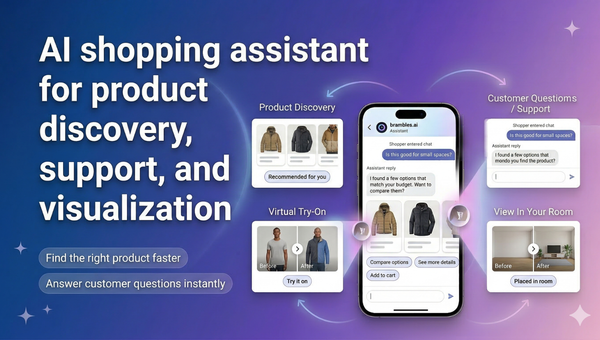
Brambles.ai Is Live on the Shopify App Store
Brambles.ai is live on the Shopify App Store, giving merchants an AI shopping assistant for discovery, support, try-on, and add-to-cart.
Sponsored Products in AI Shopping: Retail Media 101
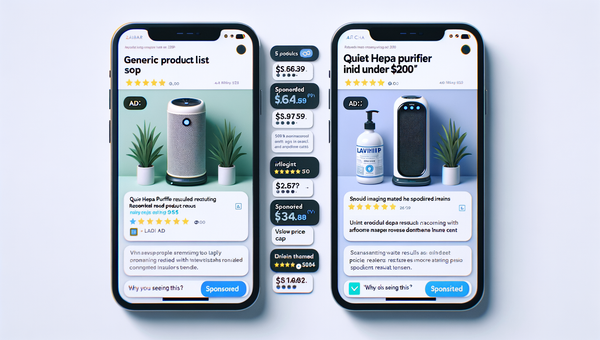
Learn how sponsored product placements power AI shopping, how bidding and relevance work, and how to implement retail media without eroding trust or UX.
How Context-Aware AI Recommendations Lift CTR
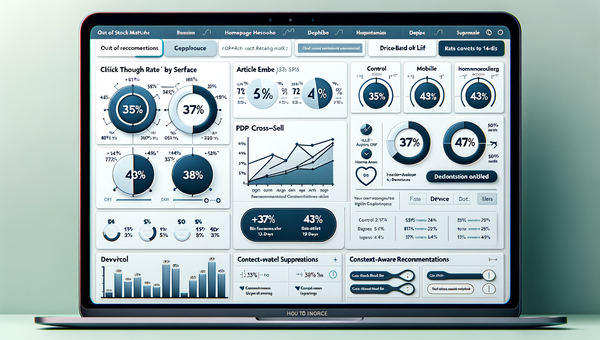
See how context-aware AI recommendations lift CTR by 25–60% with intent signals, page context, and history. Practical steps, KPIs, and implementation tips.
Explore Brambles.ai
Learn more about our AI-powered agentic commerce platform, agentic shopping, and shopping assistance solutions.
Explore More Insights
Discover more articles on AI, automation, and business innovation
View All Articles