AI Shopping Personalization: Brambles.ai Rules That Convert
Real rules, tested flows, and implementation steps for AI shopping personalization that lifts conversions. Learn Brambles.ai's playbook with metrics, UX, and UX
AI Shopping Personalization: Brambles.ai Rules That Convert
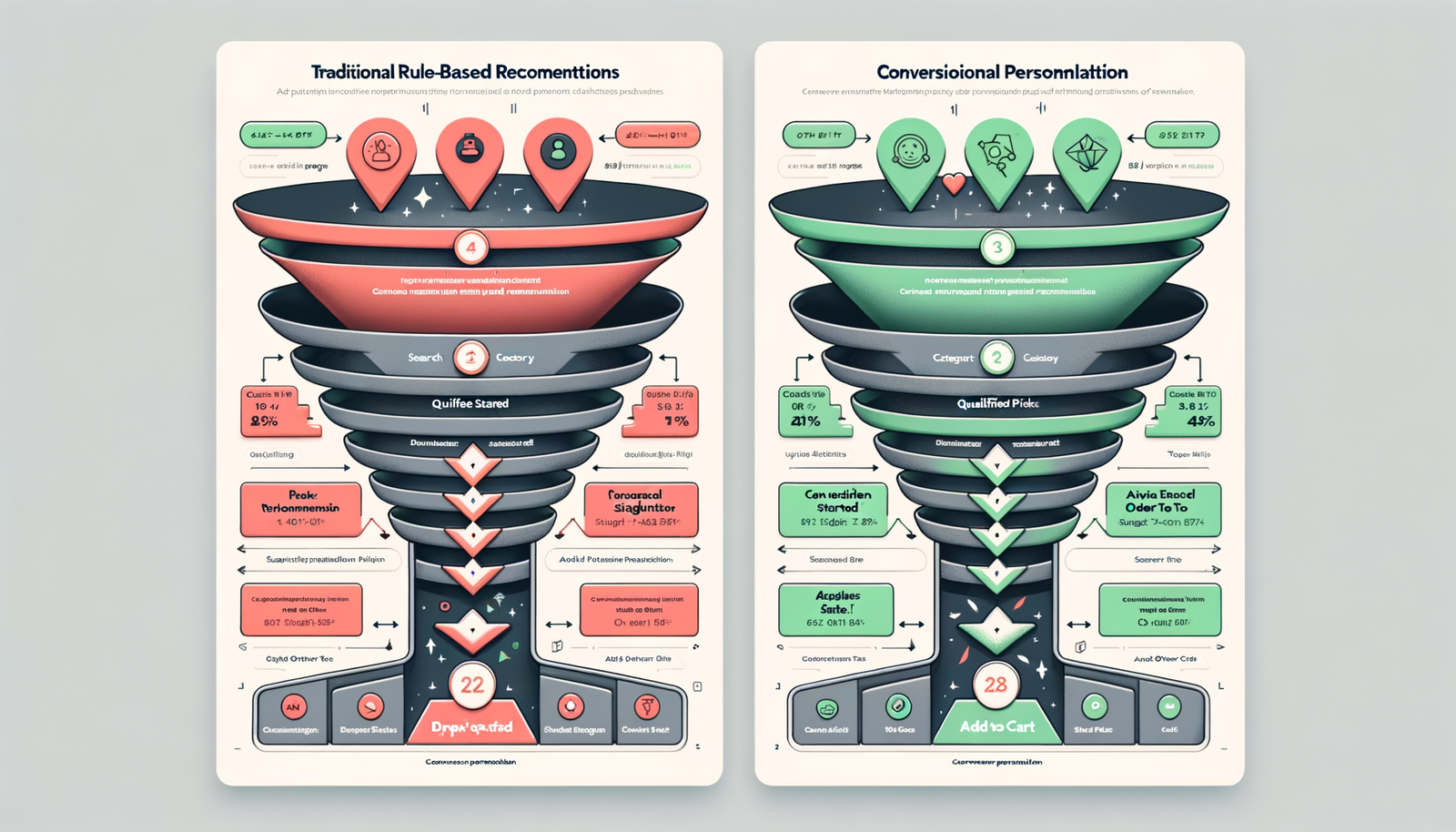
On a 120k‑SKU home goods site we audited, “Customers also bought” blocks drove a 0.9% CTR. When we replaced those static tiles with a conversational prompt—“Hosting 6 guests? I’ll kit your table in under $150”—session add‑to‑cart rose to 3.2% and AOV climbed 14% in two weeks. The difference wasn’t more data. It was better intent capture, faster pathing, and fewer dead ends. If you’re still tuning rules and hoping segments will save you, you’re leaving money on the table. Modern shoppers want to ask for exactly what they mean—and get credible answers that fit their constraints, not just their cohort.
Quick Answer
Personalization that actually converts is conversational, session‑aware, and grounded in first‑party signals. Brambles.ai does this by indexing your catalog and content, engaging shoppers contextually, and guiding them to “right‑now” picks with checkout shortcuts. Key pieces: proactive prompts when intent spikes, natural‑language product discovery, and direct add‑to‑cart from chat—shipped via the lightweight Agentic Commerce Module. You’ll see gains fastest by deploying on high‑intent pages, measuring conversation start rate, add‑to‑cart, and revenue per session.
What’s Broken in AI Shopping Personalization
Two patterns tank performance: one‑size‑fits‑many components (carousel spam) and cold, rules‑based logic that ignores the current task. Baymard’s research shows shoppers abandon when search and filters don’t map to real‑world language. We see the same in logs: users ask for “quiet dishwasher for 4‑person apartment,” get a generic category, and bounce. Recommendation engines map people to segments; shoppers need tools that map products to constraints, preferences, and trade‑offs in the moment.
Privacy turbulence also broke a lot of legacy playbooks. Third‑party cookies fade, and opaque profiling is a reputational risk. First‑party, transparent help wins. That’s why session‑level assistance—grounded in your own catalog, policies, and content—outperforms stalker‑ish retargeting. We’ve seen publishers shift from interruptive widgets to contextual guidance and grow affiliate RPM without tanking trust.
How Brambles.ai Personalization Actually Works
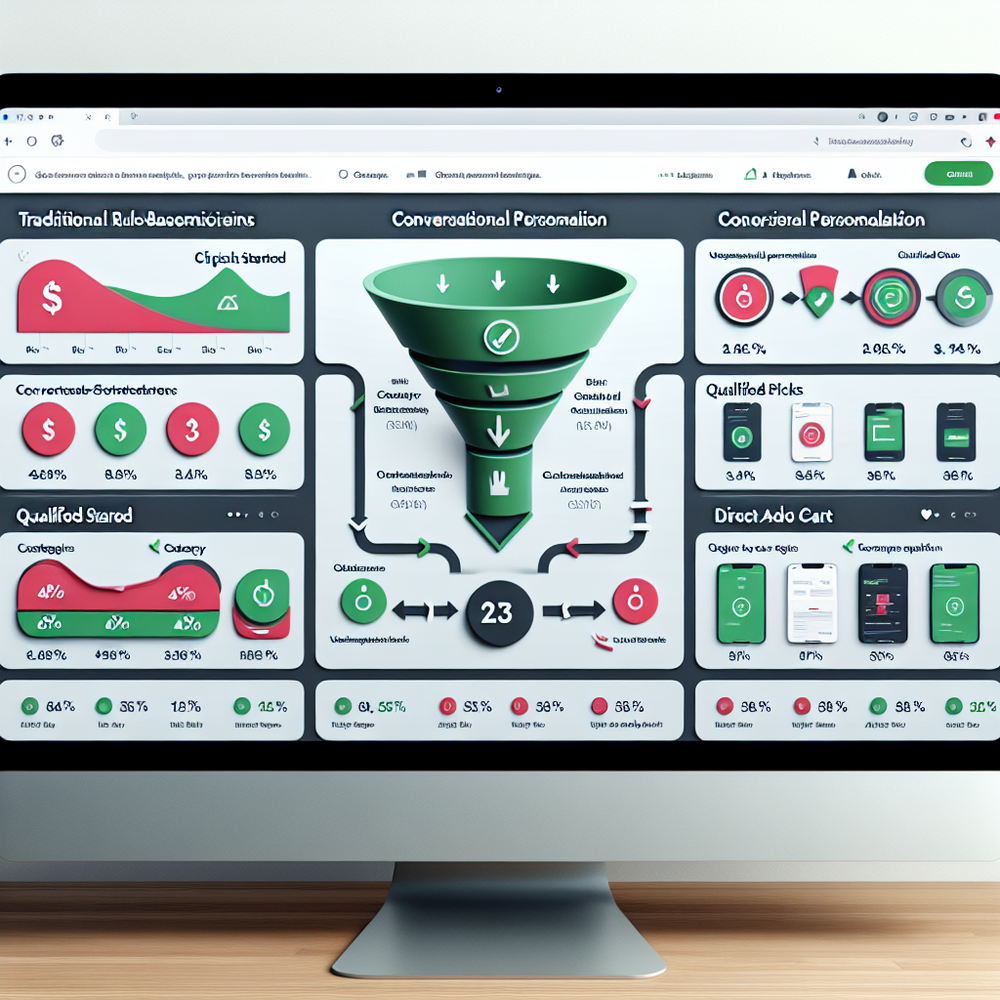
Brambles.ai personalizes by understanding the shopper’s task, the page context, and your full catalog—then guiding to a confident choice with the fewest hops. Under the hood, your site is indexed so the assistant can answer questions about specs, compatibility, and trade‑offs, not just keywords. The result feels like a great store associate who remembers the shelf map and the return policy—and can put the item in the cart for you.
Key features you’ll use first:
- AI product discovery: shoppers type or say constraints (“vegan protein under $40, chocolate, not chalky”) and get ranked, explainable picks with reasons and alternatives.
- AI shopping chat: a floating assistant on every page that carries context from intent to checkout, including follow‑ups like “compare two sizes.”
- Proactive engagement: smart prompts that trigger on high‑intent signals (e.g., long dwell on specs) and invite a guided flow instead of waiting for bounces.
- Direct add to cart: when the shopper is ready, add variants straight from chat and hand off to your cart with the correct options.
- Content intelligence: indexes your catalog, PDPs, sizing guides, and FAQs so answers are grounded and consistent.
All of this ships via the Agentic Commerce Module—one lightweight script that injects the assistant where it matters most.
Anecdote: a mid‑market apparel brand (100k sessions/week) used Brambles prompts on size‑sensitive PDPs. Conversation start rate hit 19%, add‑to‑cart lifted 18%, and return‑related chats dropped 22% after the assistant clarified fit before checkout.
Another test on a hardware retailer replaced a generic search page with AI discovery; search‑to‑purchase time fell from 7:40 to 4:05, and revenue/session rose 11%.
Implementation Guide: From Zero to Live in 10 Days
You can launch incrementally—start where intent is already hot and attribution is clean. A practical rollout we’ve repeated many times:
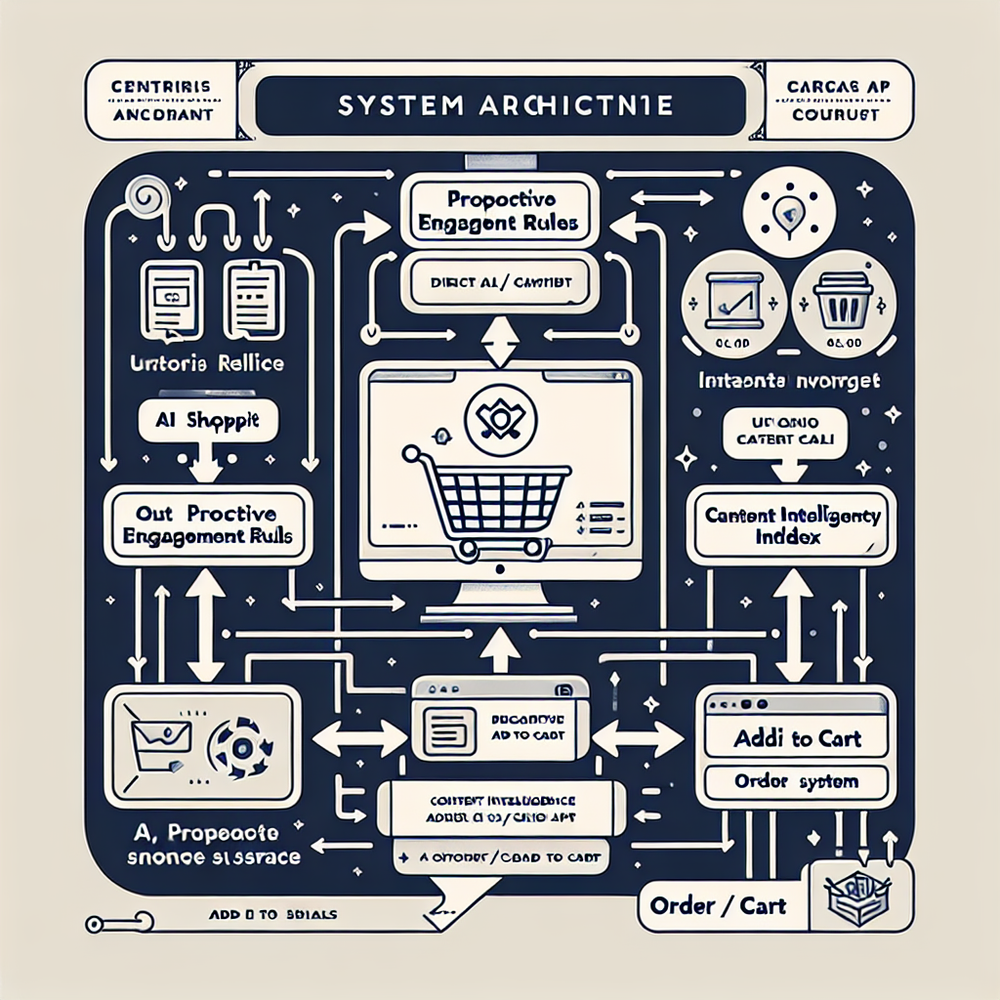
1) Pick pilot surfaces. Choose search results, high‑exit PDPs, or buying guides. 2) Install the module. Add the Agentic Commerce Module to your theme and place the assistant on chosen pages. 3) Connect catalog data. Provide a feed or API for products, pricing, and inventory; let content intelligence index PDPs, buying guides, and FAQs. 4) Configure experience. Set brand colors and voice, then define guardrails for claims and returns. 5) Define prompts. Add 3–5 proactive prompts keyed to your pages. 6) Wire analytics. Track conversation start, add‑to‑cart, checkout, and revenue/session with a holdout. 7) Expand. Roll across more categories after you’ve proven lift.
Deployment notes: on WordPress/WooCommerce, the one‑click plugin handles placement and data mapping; Shopify support is app‑based and coming soon. A cookware brand shipped the pilot in 8 days via the WordPress route and saw a 31% lift in product views from proactive prompts and a 9% AOV bump after enabling direct add‑to‑cart. If you don’t have a dev team, Brambles can provide hands‑on support for enterprise rollouts.
Measuring ROI & KPIs That Matter
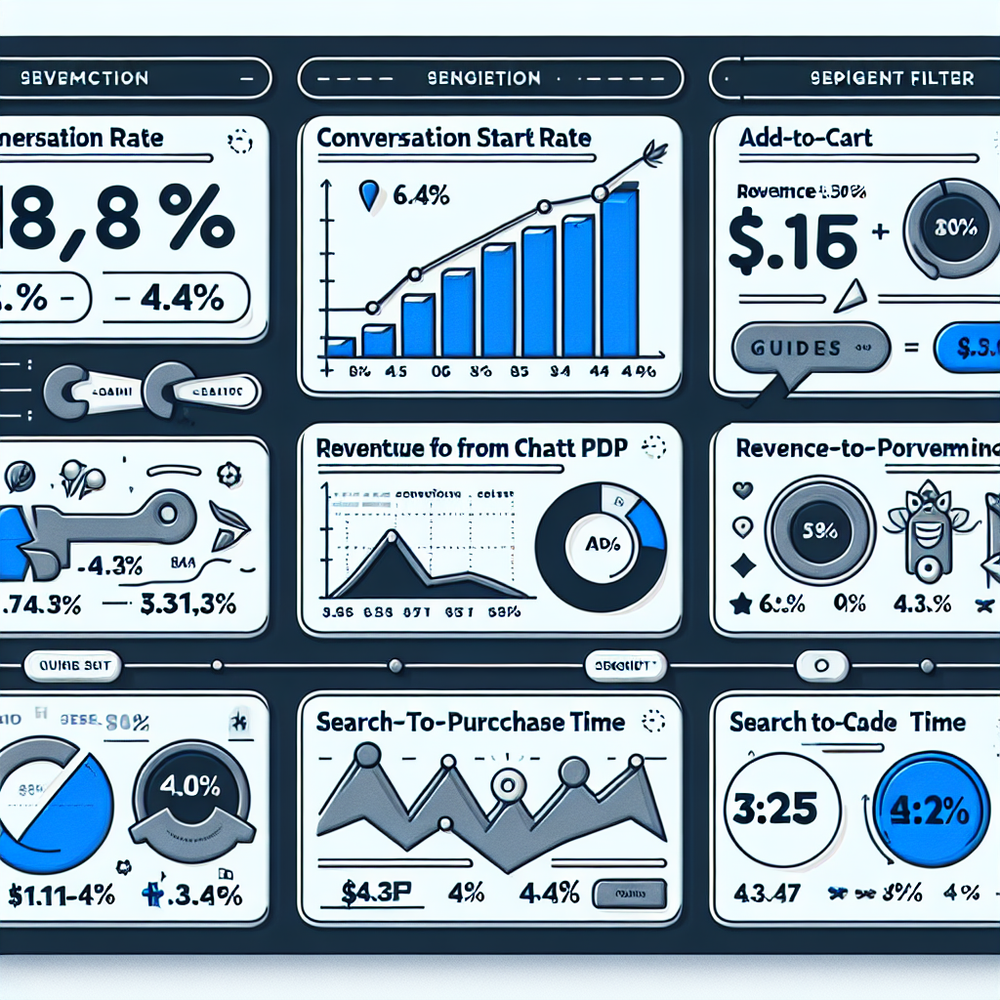
Treat personalization like a product launch, not a widget. Establish a clean A/B or geo holdout and agree on primary KPIs before you ship. We typically use revenue per session as the North Star, then monitor add‑to‑cart rate, AOV, and conversation start rate. Google UX research emphasizes task completion speed; measure search‑to‑purchase time and compare to baseline. Salesforce’s consumer reports echo this: helpful assistance earns loyalty; fluff erodes it.
Practical checklist:
- Coverage: % of sessions that see the assistant on key pages.
- Engagement: conversation start rate and time to first qualified pick.
- Quality: share of responses with cited PDP sources; CSAT on chat snippets.
- Commerce: add‑to‑cart from chat, checkout starts, revenue/session, return rate.
- Speed: P95 response time and cart handoff speed.
A nutrition retailer saw revenue/session rise 13% with a 50/50 split test after limiting prompts to high‑intent surfaces and enabling direct add‑to‑cart for top 200 SKUs.
First‑Party Data, Privacy, and Trust
Trust isn’t a banner; it’s how the assistant behaves. Brambles.ai grounds answers in your content and shows sources so shoppers can verify claims without leaving the flow. That transparency is the difference between “creepy” and “credible.” For publishers, this is also how you increase monetization without ambushing readers—contextual help that earns the click, not auctions it.
If you monetize, do it contextually: disclose, recommend, and then convert. Brambles supports affiliate and retail media models inside the conversation so assistance stays helpful and honest. For publishers, that means higher RPM via curated, first‑party experiences rather than disjointed ad placements.
Common Pitfalls (and How to Avoid Them)
- Over‑personalizing, under‑assisting: segments don’t answer sizing or compatibility. Fix with content intelligence so the assistant cites PDPs, guides, and specs in‑flow.
- Prompts everywhere: indiscriminate pop‑ups hurt trust. Limit proactive engagement to high‑intent heuristics (e.g., second visit, long dwell on comparisons).
- Inconsistent voice: train one tone and add disclaimers for offers. Use brand customization and AI personality to standardize copy.
- Latency: slow replies kill uptake. Keep P95 under 2s; preload top categories and FAQs.
- Mobile neglect: test thumb‑reach, quick replies, and cart handoff. The native mobile shopping UX matters more than desktop polish.
Future Outlook: Beyond Clicks to Real Assistance
The next leap isn’t “more recommendations.” It’s multi‑modal help that reduces doubt. Expect conversational flows to pair with try‑before‑you‑buy visuals and short videos that answer, not distract. That’s where virtual try‑on, view‑in‑room overlays, and video snippets inside the chat accelerate confidence without a page hop.
FAQ
What data does Brambles.ai need to start?
A product feed or API (title, price, images, variants, stock) and permission to index public PDPs, buying guides, and FAQs. Optional: order status endpoints for support flows. You control what’s indexed and where prompts appear via configuration.
How fast can we launch a pilot?
Most teams ship within 7–14 days. The Agentic Commerce Module drops in with minimal code, and WordPress sites can go live in a few clicks. Shopify support is via the app as it rolls out. Start on search and a few PDPs, then expand based on lift.
Does this replace my site search or run alongside it?
Run it alongside first. Keep your search box; add AI product discovery with conversational refinement and show its value in A/B tests. Many teams later make the assistant the default on mobile because it shortens the path to a confident pick.
Impact on SEO or site speed?
The assistant is client‑side and does not block rendering. You control where it loads and can defer on low‑intent pages. For SEO, conversational components do not replace your crawlable content; they amplify it by reducing pogo‑sticking and improving engagement.
How do publishers monetize without hurting trust?
Disclose, recommend with context, and keep control. Use affiliate and retail media placements inside the chat where they’re helpful—never interruptive. We’ve seen RPM lifts when assistance earns clicks through relevance rather than pop‑ups.
Related resources on Brambles.ai
If you are implementing this, start with Brambles.ai, publisher pricing, brand pricing, about Brambles.ai.
Related posts
View all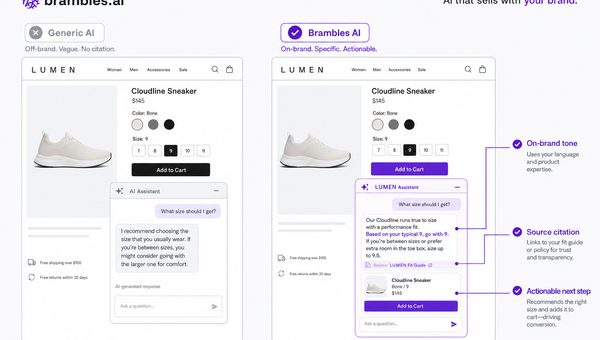
Brand-Consistent AI Chats Build Trust and Conversions
When AI mirrors your brand voice, shoppers relax—questions get answered, carts grow, and support load drops. Learn the playbook to align tone, trust, and ROI.
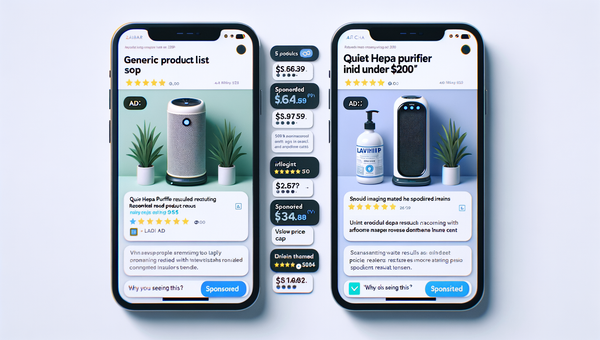
Sponsored Products in AI Shopping: Retail Media 101
Learn how sponsored product placements power AI shopping, how bidding and relevance work, and how to implement retail media without eroding trust or UX.
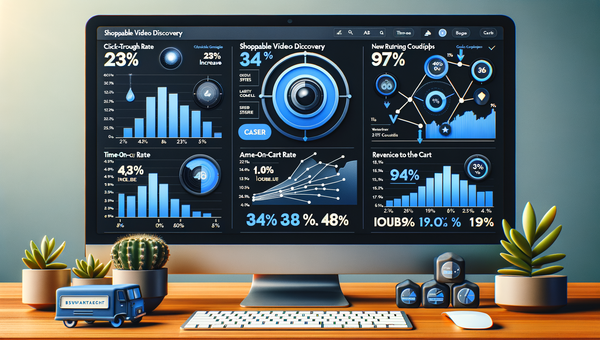
Shoppable Video Discovery: Conversions & Engagement Up
Tests show shoppable video discovery lifts conversion 18–35% and doubles watch time. See the UX patterns, KPIs, and how to deploy it quickly with Brambles.ai.
Explore Brambles.ai
Learn more about our AI-powered agentic commerce platform, agentic shopping, and shopping assistance solutions.
Explore More Insights
Discover more articles on AI, automation, and business innovation
View All Articles