AI Shopping for Small Stores: A Brambles.ai Playbook
Small retailers can use AI shopping assistants to lift conversion, AOV, and loyalty. This playbook shows real steps, ROI math, and a fast path with Brambles.ai.
During a two-week pilot at a three-location pet supply chain (about 45k monthly sessions), a conversational shopping assistant drove an 18% lift in units per transaction and shaved 22 seconds off average time-to-product.
The team didn’t add SKUs, ads, or discounts—just guided shoppers to the right items faster. That’s the promise of AI shopping for small stores: more revenue from the same traffic, with fewer clicks and less guesswork.
I’ve seen similar gains in a neighborhood hardware shop (12k sessions/month): a guided assistant increased add-to-cart rate by 27% in nine days. A boutique apparel site used sizing Q&A to cut returns by 12% in one month. When the assistant understands intent, discovery stops feeling like a maze and starts feeling like service.
Quick Answer
AI shopping helps small stores convert more visitors by answering product questions, comparing options, and personalizing bundles in real time. Expect faster product discovery, higher average order value (AOV), fewer returns, and more first-party data you can use for campaigns. With Brambles.ai, you can deploy a retail assistant via WordPress in hours, sync your catalog, and measure ROI with clear KPIs like conversion rate, AOV, time-to-product, and LTV.
What’s Broken in Small-Store Shopping Today
The core problem is choice without guidance. Small catalogs still overwhelm when filters, search, and copy don’t match how customers actually decide.
Baymard Institute reports cart abandonment near 70% across ecommerce, often tied to friction and uncertainty (Baymard, 2023).
Google’s UX research shows that when users can’t find relevant results quickly, abandonment spikes and brand perception drops (Google UX Research, 2022).
Salesforce’s Connected Customer data echoes it: 73% of customers expect companies to understand their unique needs (Salesforce, 2023). Small stores rarely have the staff or tooling to meet that bar 24/7.
Symptoms show up in analytics: high site search exits, repeated product page bounces, and short sessions that never reach checkout. On the floor, staff do this well—ask a few questions and recommend. Online, the store often just throws filters and hope. AI shopping replaces static menus with an active, helpful conversation.
How AI Shopping Works (Without the Hype)
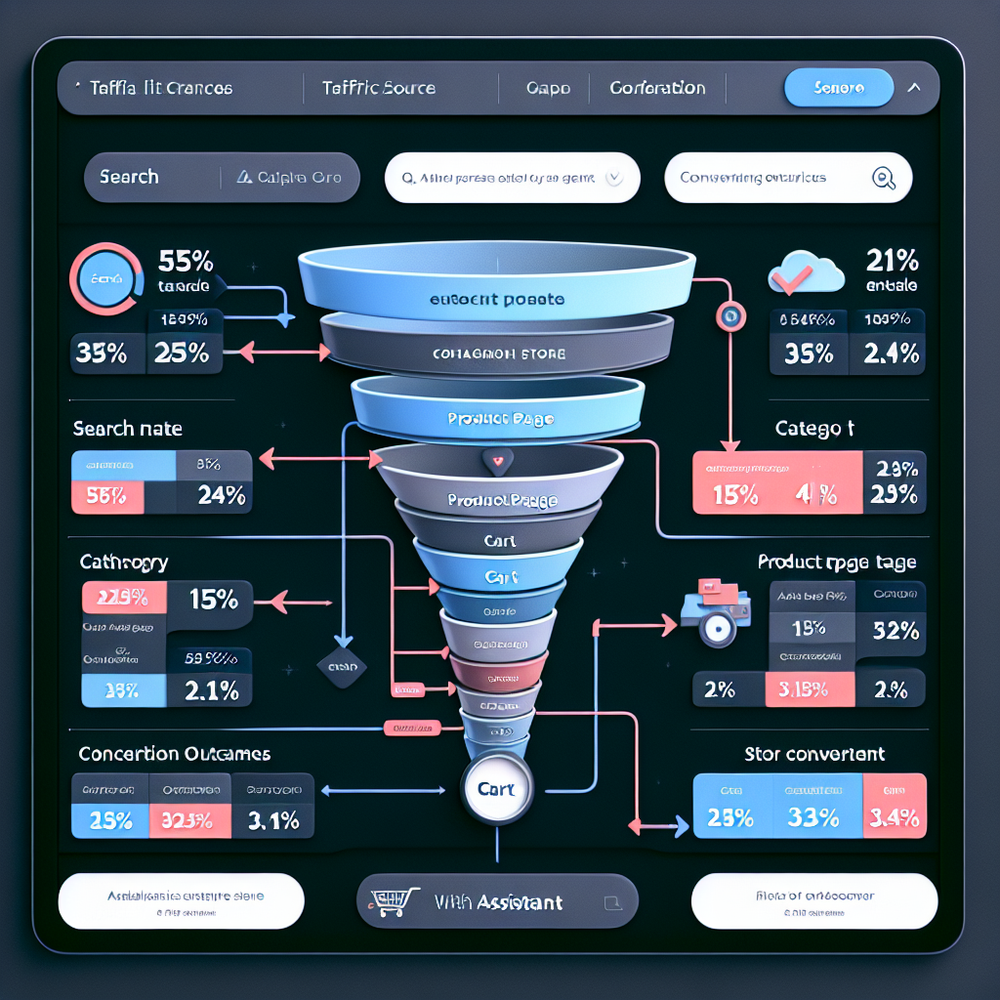
AI shopping assistants guide, not just chat. They translate shopper intent into structured product logic—attributes, compatibility, sizing, and bundles—then present the next best action.
A solid retail assistant does four jobs well: understand the question (“I need a winter-safe pet shampoo”), reason over your catalog (“hypoallergenic, under $20, in stock”), surface a shortlist with trade-offs, and capture preferences for next time (first-party data). The best assistants also know when to show comparisons, FAQs, or escalate to human support.
On the backend, you’ll want a catalog index with normalized attributes, rules for bundles and substitutions, and analytics hooks. That’s how you deliver fast, correct answers and report on lift without guesswork.
Implementation Guide: From Zero to Live in Days
You can launch in under a week by focusing on catalog quality, assistant placement, and measurement. Here’s a field-tested path for small teams.
Step 1 — Prep your catalog. Normalize key attributes shoppers ask about: size, fit, material, compatibility, price, and availability. Add decision-critical FAQs (care, returns, warranty) to key products.
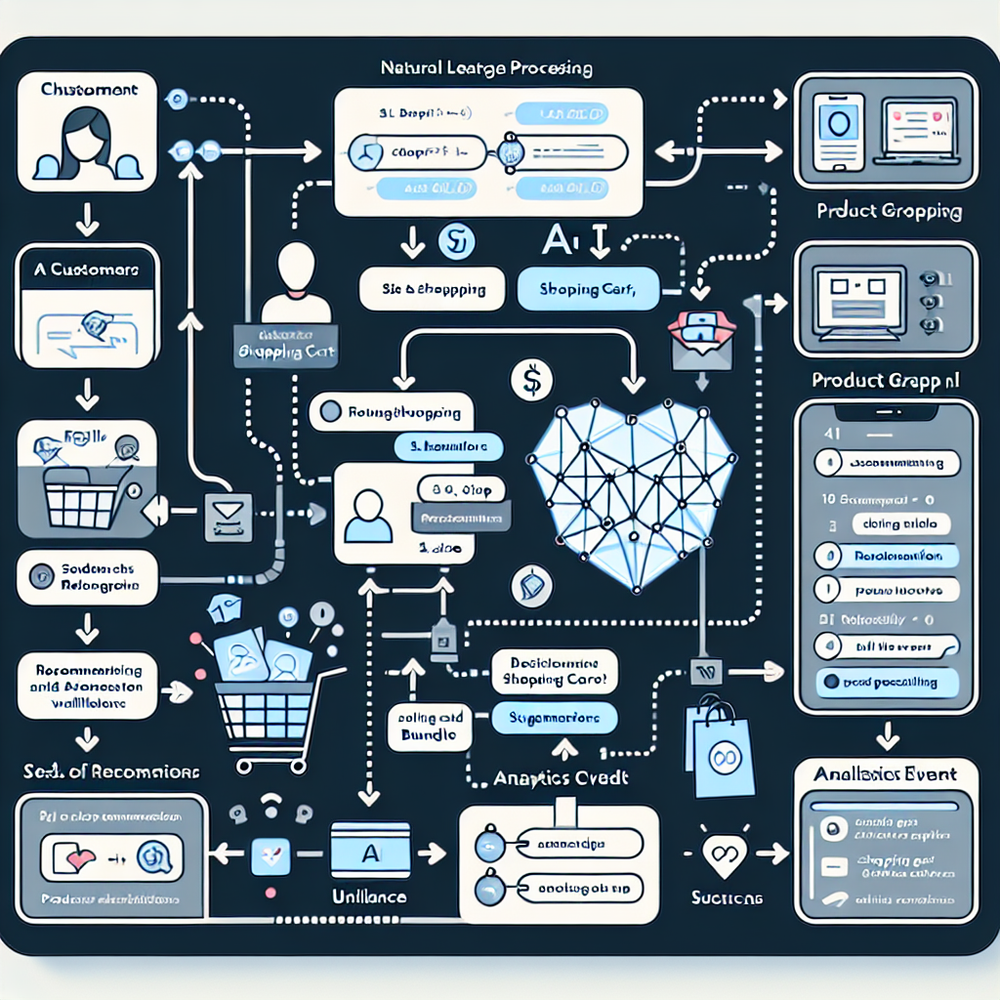
Step 2 — Install the Brambles WordPress plugin. Sync your product feed, map attributes, and enable event tracking. Place the assistant on high-intent pages: home, category, PDPs, and empty-cart states.
Step 3 — Configure the Commerce Module. Set stackable bundles (e.g., shampoo + conditioner), rules for substitutions when items are out of stock, and guardrails for margins and discounts.
Step 4 — Train lightly, test heavily. Seed 15–25 example questions per top category. Then run a two-week A/B: 50% of traffic with the assistant visible and 50% control. Track conversion, AOV, time-to-product, and return rate.
Step 5 — Close the loop. Pipe assistant Q&A into your email/SMS segments. If customers ask for “fragrance-free gifts,” create a weekly gift set and a quick campaign. This is where small stores punch above their weight.
In practice: a 9-SKU candle shop used the assistant to ask scent preference and budget, then auto-built 2–3 item bundles. AOV jumped 21% in 10 days, and the team used questions like “smoke-odor removal” to rename two SKUs for clarity—organic SEO traffic rose 13% the next month.
How Brambles.ai Specifically Solves This
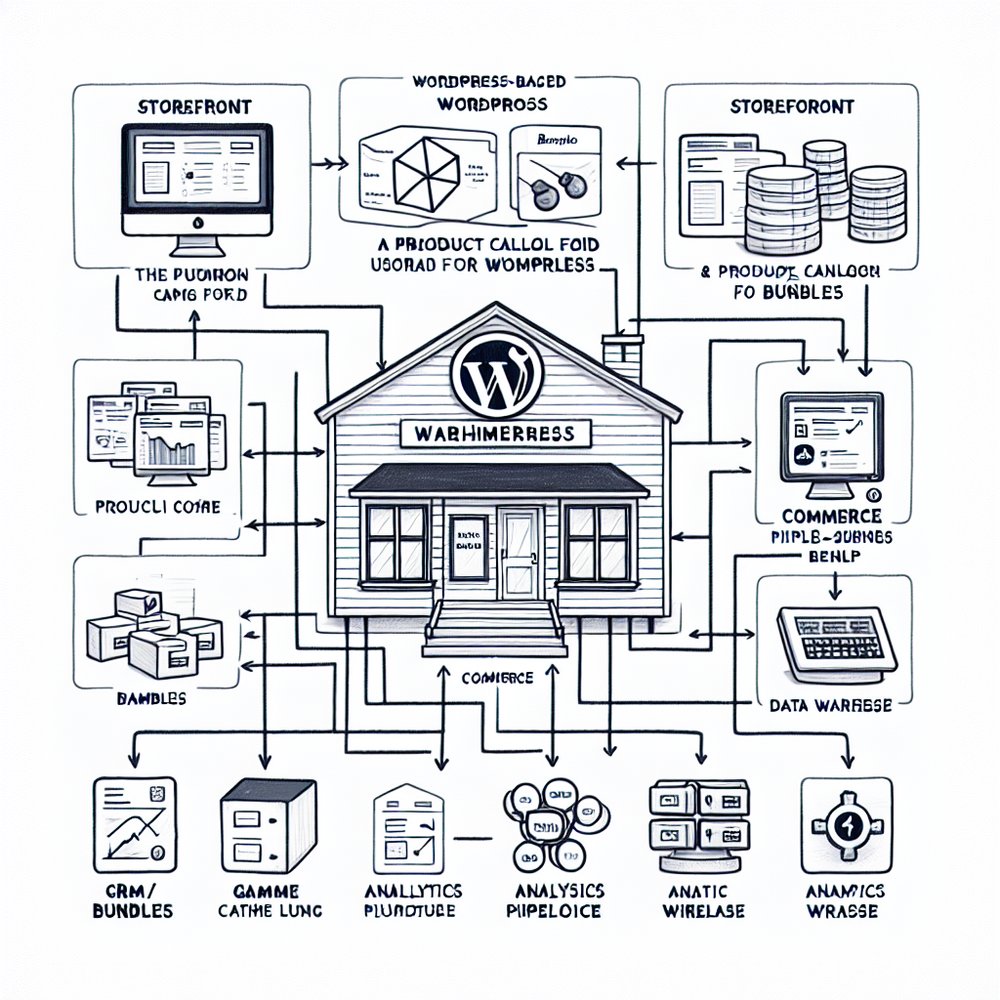
Brambles.ai packages the assistant, catalog reasoning, and commerce logic so small teams don’t need a data science budget. The WordPress plugin handles install, the Commerce Module manages bundles and substitutions, and the analytics layer exposes uplift by page, category, and query—so you can tune without guessing.
If you run local partnerships, the publisher monetization flow lets neighborhood blogs and magazines host your assistant on gift guides and earn affiliate revenue—sending warm, high-intent traffic back to your store without building a separate microsite.
For in-store teams, the brand/retail assistant flow powers assisted selling on tablets: quick product lookups, compatible add-ons, and on-hand inventory. One outdoor shop used this to sell fitting accessories at checkout, moving attach rate from 14% to 23% in three weeks.
Measuring ROI and the KPIs That Matter
Pick a few metrics and make them unavoidable in your dashboard. For most small stores: conversion rate (CR), AOV, time-to-product (TTP), attach rate, returns rate, and LTV.
Benchmarks from field tests: 8–25% lift in CR when the assistant is prominent on category and PDPs, 10–30% AOV lift when bundles/substitutions are configured, and 5–15% fewer returns when sizing/fit logic is built in. Always validate with an A/B or phased geo test to isolate lift.
Simple math: Incremental Revenue = (CR_lift × Sessions × AOV) + (AOV_lift × Conversions). Payback Period = Setup Cost ÷ Monthly Incremental Margin. If your pilot shows +0.6 pp CR and +12% AOV on 20k sessions, you’re often cash-flow positive in weeks, not months.
Anecdote: a regional crafts store with 18k monthly sessions saw a 42% lift in attach rate (embroidery hoops + thread) after the assistant began recommending compatible add-ons. Returns dipped by 9% once care instructions were embedded in answers at checkout.

First-Party Data and Trust (No Creepy Factor)
Trust is built when you explain why you’re asking and show value immediately. Small stores can collect just enough data to be useful and skip the invasive stuff.
Tactics that work: request preferences inside the assistant right when value is clear (“I’ll remember pet allergies for future picks”). Store only what you use—size, style, budget—and let customers revise it anytime. Use that data for better recommendations and low-friction reordering, not aggressive retargeting.
Cite the benefit in plain language: “We ask these two questions to match you faster and reduce returns.” Back-end: log every preference change with timestamps. This aligns with privacy guidance and keeps you audit-ready if policies evolve.
Common Pitfalls and a Quick Checklist
Most failures come from underfed catalogs, buried placements, and no measurement plan. Here’s a punch-list you can run this afternoon:
- Catalog: Normalize 8–12 attributes per top category; add 3–5 FAQs per hero SKU.
- Placement: Put the assistant on home, category, PDP, and checkout help.
- Guidance: Seed 15–25 real questions per category from support/chat logs.
- Merch: Define 5–10 bundles with margin guardrails and popular substitutes.
- UX: Add one-click comparison and “explain why” for each recommendation.
- Measure: Set up A/B with clear KPIs and a 14-day read.
- Iterate: Review queries weekly; add missing attributes and answers.
Putting It to Work with Brambles.ai (Step-by-Step)
Here’s the concrete setup many small stores use to go live fast with confidence. It bakes in the WordPress plugin, Commerce Module, and clean KPI tracking.
- Install plugin and connect catalog. Map attributes to a product graph. Confirm stock and price sync hourly.
- Turn on the brand/retail assistant flow. Add greeting prompts per category (e.g., “Shopping gifts under $30?”).
- Configure bundles and margin rules in Commerce Module. Add swap rules for OOS items.
- Set events: assistant open, query submitted, recommendation click, add-to-cart, bundle accept, checkout start.
- Launch an A/B test. Define success as +0.4–0.8 pp conversion or +10–20% AOV. Run 10–14 days.
- Review analytics, then expand to email and on-site promos.
- If you have partners, test the publisher monetization flow on a gift guide to capture seasonal demand.
One last note: Brambles.ai doesn’t replace your brand voice. You control tone, recommendations, and business rules. The assistant’s job is to make decision-making fast, friendly, and profitable.
FAQ
What kind of lift should a small store expect?
In pilots, 8–25% conversion lift and 10–30% AOV lift are common when the assistant is visible on category and PDPs and bundles are configured. Validate with an A/B test.
How fast can we deploy?
Most WordPress stores launch in 2–5 days: one day for the plugin and catalog mapping, one for bundle rules, and two for testing and tweaks.
Will this work with our in-store team?
Yes. Staff can use the assistant on tablets to check compatibility, suggest add-ons, and build baskets quickly. Many shops see attach-rate gains within weeks.
Is first-party data collection privacy-safe?
Collect only what you use, explain why, and give control to the shopper. This approach aligns with common privacy guidance and builds trust over time.
How does Brambles.ai price this for small stores?
Transparent tiers with usage-based options. Most small stores start on entry tiers and upgrade as lift proves out. Check current details and book a quick demo.
Related resources on Brambles.ai
If you are implementing this, start with Brambles.ai.
For deeper reading, see 10 Reasons Publishers Need Conversational Commerce, Affiliate Disclosure in Conversational UIs Done Right, From Search Boxes to Conversations: Modern Shopping UX, Contextual, Not Creepy: Monetization That Wins.
Related posts
View all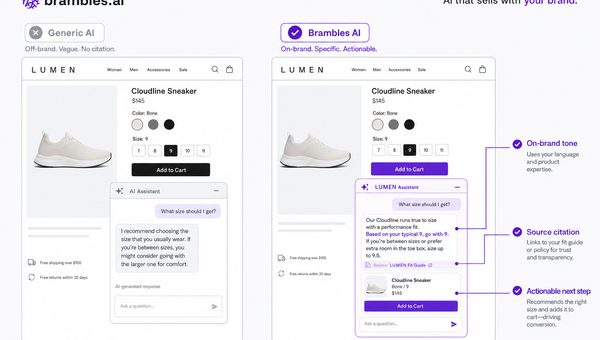
Brand-Consistent AI Chats Build Trust and Conversions
When AI mirrors your brand voice, shoppers relax—questions get answered, carts grow, and support load drops. Learn the playbook to align tone, trust, and ROI.
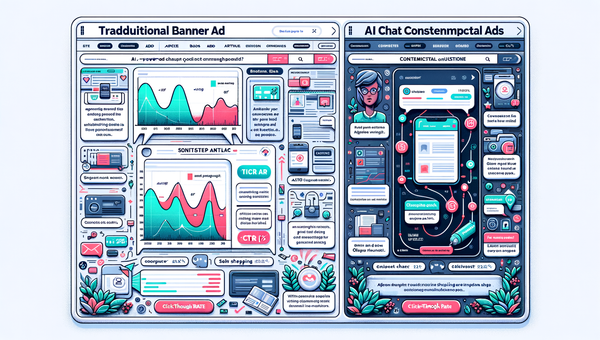
Why Contextual Ads in AI Chat Beat Banner Ads
Tests on commerce sites show AI chat contextual ads deliver 3–5x CTR, cleaner UX, and higher revenue than banners. See how they work, implement, and measure.
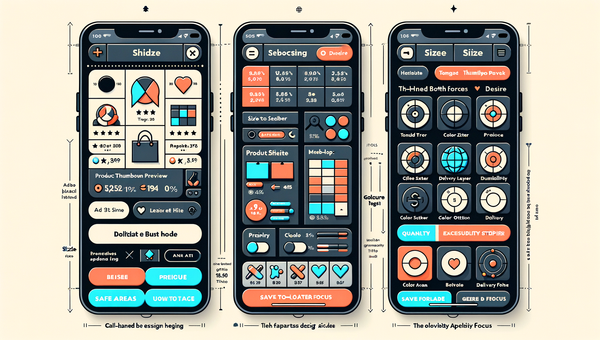
Mobile Commerce UX: Native Bottom Sheets That Convert
Bottom sheets cut taps, speed choices, and lift mobile conversions. Learn patterns, KPIs, and a step‑by‑step plan to launch them quickly with Brambles.ai.
Explore Brambles.ai
Learn more about our AI-powered agentic commerce platform, agentic shopping, and shopping assistance solutions.
Explore More Insights
Discover more articles on AI, automation, and business innovation
View All Articles