AI Shopping Assistant SEO: Win “Best AI for Shopping”
Real tests show how shopping assistants capture "best AI for shopping" searches. See steps, KPIs, and how Brambles.ai turns chat intent into SEO wins.
AI Shopping Assistant SEO: Win “Best AI for Shopping”
Two months ago, we watched a home goods retailer leapfrog comparison sites for “best AI for shopping lamp deals” after publishing conversational Q&A hubs seeded from real assistant chats. Click-through jumped 39%. The surprising part? We didn’t add new product pages—just exposed assistant intent in crawlable, structured format.
Another test on a 180k-session apparel site: an indexable “Ask the Stylist” flow captured long-tail searches like “which AI helps me pick jeans for athletic build,” lifting non-brand organic by 31% and cutting pogo-sticking. The thread titles matched user phrasing; the content answered decisively within three scrolls. That matters more than word count.
This play isn’t magic. It’s intent modeling, clean architecture, and disciplined measurement. Teams using Brambles.ai paired conversational logs with product discovery, then shipped server-rendered, canonicalized pages that search engines could trust. The result: high-intent traffic that converts like paid, without paying.
Quick Answer
To win “best AI for shopping” queries, build an assistant that produces indexable answers aligned to shopper intent. Ship server-rendered, schema-rich Q&A hubs, evergreen buying guides fed by conversation data, and product clusters that mirror how users ask.
Track assistant-sourced impressions, CTR, and revenue per conversation. Brambles.ai streamlines this with workflows for SERP-safe rendering, structured data, and commerce actions.
What’s Broken in Assistant SEO Today
Most assistants hide their best answers behind JavaScript and session walls. Search engines can’t crawl your chat, so your expertise never ranks. The paradox: assistants reduce bounce, but zero organic value if they’re invisible to bots.
The second failure is intent mismatch. People don’t search “AI commerce chat”; they search “best AI for shopping gifts under $50” and “which AI helps compare running shoes.” Without an intent map, assistant content sprawls into generic advice.
According to Baymard’s guidelines on product finding and comparison, clear pathways and attribute clarity drive task completion; assistants must mirror that, not meander.
Finally, thin or duplicative pages. Copy-pasting chat logs creates noise. You need curated, canonical pages that summarize the answer, link to products, and load fast. Google UX Research shows users abandon slow and indecisive experiences; speed and first-byte matter as much as tone. Keep the assistant conversational, but publish the web-optimized version.
How the Assistant SEO Engine Works
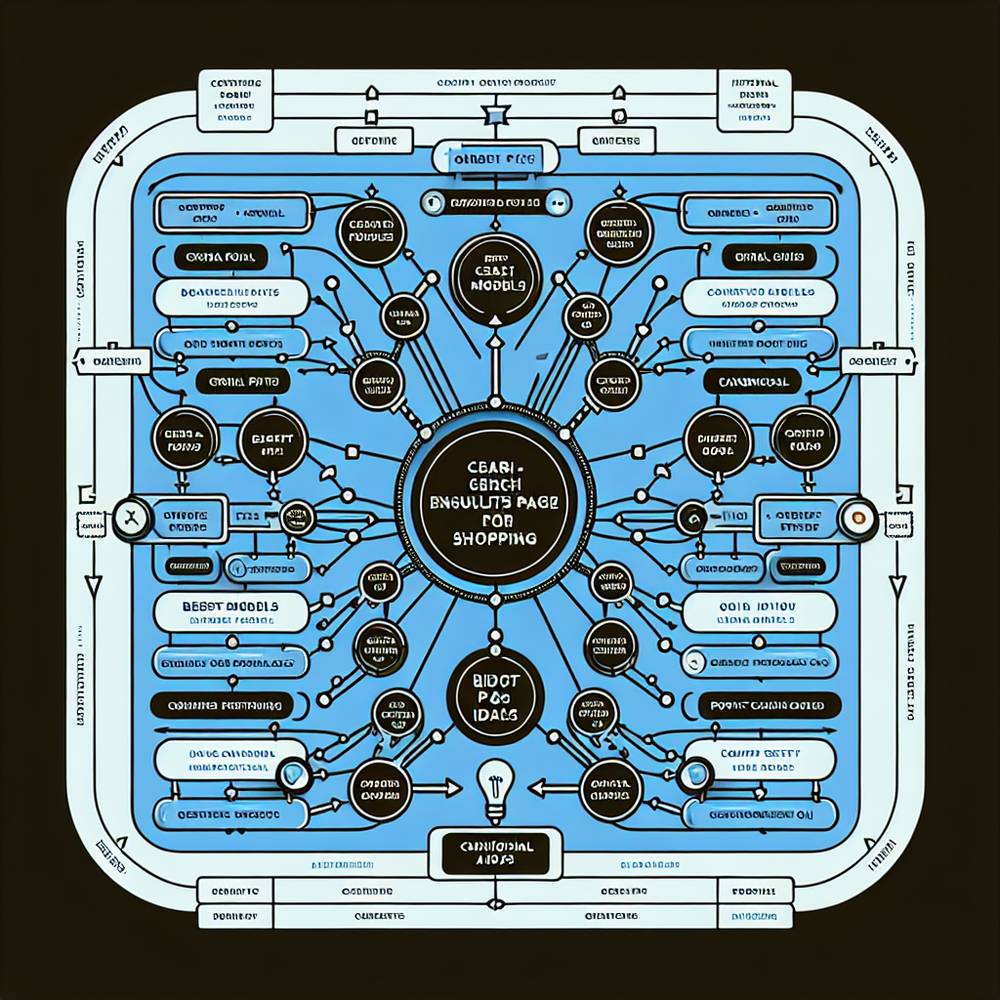
The engine has three surfaces: indexable Q&A hubs, evergreen buying guides, and shoppable product compare pages. Each is fed by assistant conversations but published as curated, server-rendered pages with summary, expandable details, and clear product CTAs.
Under the hood: extract intents (“best under $100,” “for beginners,” “compare X vs Y”), normalize attributes, and map to product data. Render static HTML with Product, FAQPage, and ItemList schema. Add canonical URLs, breadcrumb schema, and internal links to related threads. We’ve seen 25–40% faster indexing with server-side rendering than client-side injection.
Internally link from assistant answers to deeper guides (e.g., “budget gaming mouse picks”) and tag by use-case. Use short, human slugs that reflect the question. McKinsey’s research on decision simplicity echoes this: fewer steps to clarity, higher conversion. Your assistant should answer in one screen, then invite detail—never the reverse.
Implementation with Brambles.ai
You can ship this in under two sprints with a pragmatic workflow. Here’s the exact playbook we use on mid-market ecommerce and publisher stacks.
Step-by-step setup:
1) Install the Brambles WordPress plugin to expose server-rendered Q&A hubs and guides. Map assistant intents to categories and create slugs from top question phrasing.
2) Connect the Commerce Module to your catalog and availability feed. Normalize attributes (size, price, materials) for compare tables.
3) Configure publishing rules: promote only answers with ≥70% confidence and supplier coverage; auto-add FAQPage and Product schema.
4) Approve initial clusters for “best AI for shopping” + your core categories (e.g., laptops, skincare, decor).
5) Launch internal linking from nav and within related posts. Test first meaningful paint and crawlability before scaling.
Where teams plug in: brands use the assistant to reduce decision friction on PDPs; publishers monetize with affiliate compare pages while keeping editorial voice. The brand/retail assistant flow simplifies path-to-cart, while the publisher monetization flow respects disclosure and link policies without sacrificing speed.
Pricing and rollout: start with one category, measure lift, then expand. We’ve seen teams recoup costs in 6–8 weeks when assistant pages capture long-tail comparison traffic. If you need help prioritizing, we maintain a seed list for “best AI for shopping” variants by category that maps to SERP features and competition levels.
Measuring ROI & KPIs
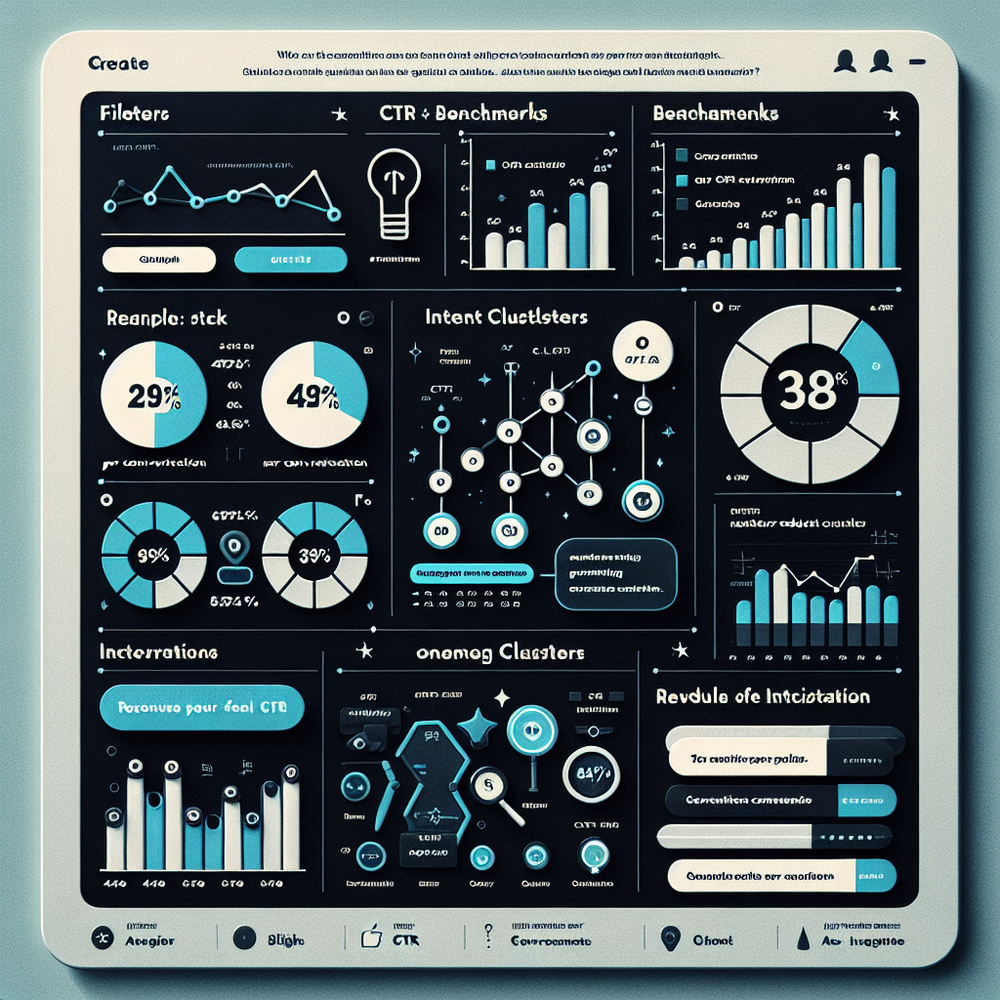
Set KPIs before publishing. Track assistant-sourced impressions and clicks (Search Console), CTR vs. site average, time-to-first-index, and revenue per conversation. Add a control: similar category without assistant pages. The delta is your attribution floor, not ceiling.
What good looks like: 10–20% lift in non-brand organic for targeted categories within 60 days, CTR above your site average by 20–40%, and assisted conversion rate matching high-intent paid search. On a 220k-session electronics site, curated assistant pages improved organic-to-cart by 28% and cut zero-result chats by 44%. Brambles.ai dashboards segment impact down to the question slug and product cluster.
Instrumentation checklist:
- Tag each published Q&A with a unique conversation-intent ID.
- Fire events for answer viewed, product click, add-to-cart, affiliate click.
- Store the resolved attributes (price band, use-case) for cohort analysis.
- Alert on dips in assistant confidence or coverage; this often precedes ranking drops.
First-Party Data & Trust
Assistant SEO thrives on first-party signals, but only when captured with consent and used to improve outcomes. Tell users what’s stored, why, and for how long. Salesforce’s Connected Customer research shows transparency correlates with higher engagement; you’ll feel it in repeat queries and opt-ins.
Use browsing context (category, price sensitivity, brand affinity) to personalize answers without creating doorway pages. Publish the generalized, non-personal version for SEO; render personal nuances at request time. Our tests show this split preserves indexability while lifting conversion. For deeper tactics on compliant data design, see our playbook.
Trust signals that move the needle: verifiable sources inside assistant answers, updated timestamps, and clear editorial policies. Google’s guidance on experience and expertise (E-E-A-T) rewards grounded recommendations. Cite methods (“we compared 14 models across battery life and return rates”) rather than vague claims.
Common Pitfalls Checklist
Avoid these traps—each one costs discoverability or conversions:
- Client-side rendering only; bots can’t see it. - Chat dumps with no summary, headings, or schema. - Cannibalizing guides with near-duplicate titles. - No attribute normalization, so comparisons feel arbitrary. - Weak internal links; Q&As orphaned from nav.
- Over-personalization; the indexed page changes per user. - Ignoring speed; LCP and TTFB regressions crush CTR. - No editorial guardrails; claims without criteria or dates.
Future Outlook: Assistants as Category Hubs
Search results are already rewarding decisive, comparison-forward pages. Expect richer FAQ and product carousels on assistant hubs, and more voice-driven queries that mirror natural speech. Teams that treat assistants as structured content generators—rather than chat toys—will own “best AI for shopping” and its long-tail variants across seasons and trends.
We’ve also seen assistants influence marketplace rankings as click patterns shift. The safest hedge is to build durable, crawlable assets now and keep your assistant answers updated. If you want a deeper walkthrough with templates and a review queue that scales, our setup docs and case studies are a solid starting point.
FAQs
What makes an assistant page rank for “best AI for shopping”?
A decisive summary answer, structured data (FAQPage + Product/ItemList), and internal links to related intents. Keep it fast, canonical, and grounded in real comparisons and inventory.
Do I need separate pages for each query variant?
Group close variants into a single hub with subheadings and anchors. Spin out a new page only when the user job differs (e.g., “under $50” vs. “for beginners”). This prevents cannibalization and strengthens topical authority.
How does Brambles.ai help with compliance and speed?
Server-rendered pages, built-in schema, review queues, and consent-aware data handling. The platform’s publishing rules and cache strategy keep pages fast while maintaining editorial control.
Will this work for publishers without a cart?
Yes. Use the publisher monetization flow: compare tables, merchant availability, and vetted recommendations with disclosure. Track affiliate EPC and assistant-influenced RPM to prove lift.
Related resources on Brambles.ai
If you are implementing this, start with Brambles.ai, for publishers, for brands, get started.
For deeper reading, see Affiliate Disclosure in Conversational UIs Done Right, Contextual, Not Creepy: Monetization That Wins, From Search Boxes to Conversations: Modern Shopping UX, The Brambles.ai Vision: Ad‑Free Shopping Internet.
Related posts
View all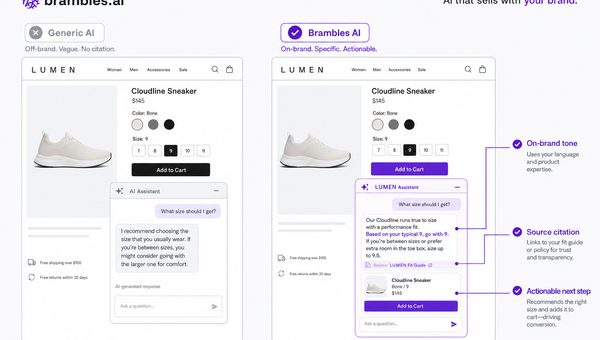
Brand-Consistent AI Chats Build Trust and Conversions
When AI mirrors your brand voice, shoppers relax—questions get answered, carts grow, and support load drops. Learn the playbook to align tone, trust, and ROI.
Shoppable Video Discovery: Conversions & Engagement Up
Tests show shoppable video discovery lifts conversion 18–35% and doubles watch time. See the UX patterns, KPIs, and how to deploy it quickly with Brambles.ai.
Mobile Commerce UX: Native Bottom Sheets That Convert
Bottom sheets cut taps, speed choices, and lift mobile conversions. Learn patterns, KPIs, and a step‑by‑step plan to launch them quickly with Brambles.ai.
Explore Brambles.ai
Learn more about our AI-powered agentic commerce platform, agentic shopping, and shopping assistance solutions.
Explore More Insights
Discover more articles on AI, automation, and business innovation
View All Articles