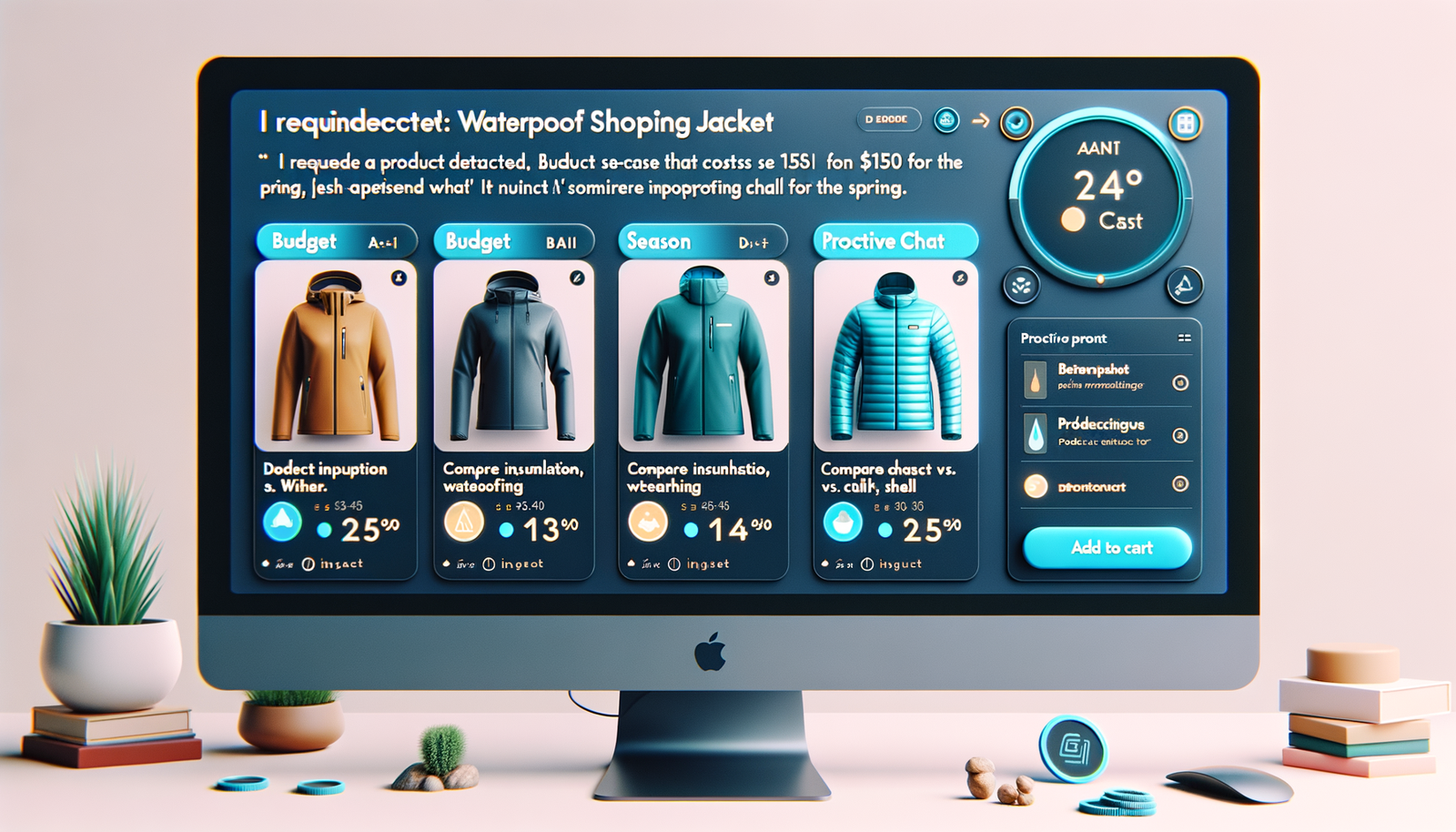
AI Shopping and Product Discovery: Capturing Intent
See how AI shopping reshapes product discovery and how Brambles.ai captures real-time intent with chat, on-page cues, and add-to-cart—steps, KPIs, pitfalls.
On a 100k‑session apparel site, replacing the top‑nav search box with an on‑page shopping assistant increased product discovery rate by 38% in two weeks and cut search exits by 22%. A gear publisher I worked with embedded conversational shopping in evergreen guides and saw a 27% RPM lift without adding a single ad unit. And a mid‑market furniture brand captured 2.1x more “add to cart” actions after introducing guided, multi‑turn questions about space, style, and budget. The common thread: intent moves from guesswork to dialogue—fast, specific, and measurable.
Quick Answer
AI shopping changes discovery by turning static searches into multi‑turn conversations that collect context—use case, constraints, and preferences—then instantly map that intent to in‑stock products. Brambles.ai captures this intent through page context, chat signals, and behavioral cues, then shortens the path to purchase with proactive prompts and direct add‑to‑cart from chat. The result: more relevant results, higher conversion, and cleaner first‑party data you actually own.
What’s Broken in Search‑Led Discovery
Traditional filters and keyword search weren’t designed for fuzzy needs like “quiet blender for small apartment under $80.” They miss synonyms, fail on compatibility, and bury trade‑offs across pages. Baymard’s ecommerce research repeatedly shows that search struggles with thematic queries and attribute combinations—exactly what shoppers bring to mid‑funnel discovery (Baymard Institute).
The UX tax is real: pogo‑sticking between product pages to compare specs, scanning reviews for deal‑breakers, and tweaking filters that reset on every reload. Meanwhile, marketers infer intent from clicks and session depth—proxies at best. McKinsey found personalized experiences drive 10–15% revenue lift on average, but only when grounded in high‑quality, first‑party signals (McKinsey). That’s the ceiling you hit with legacy search on its own.
How AI Shopping Changes Discovery
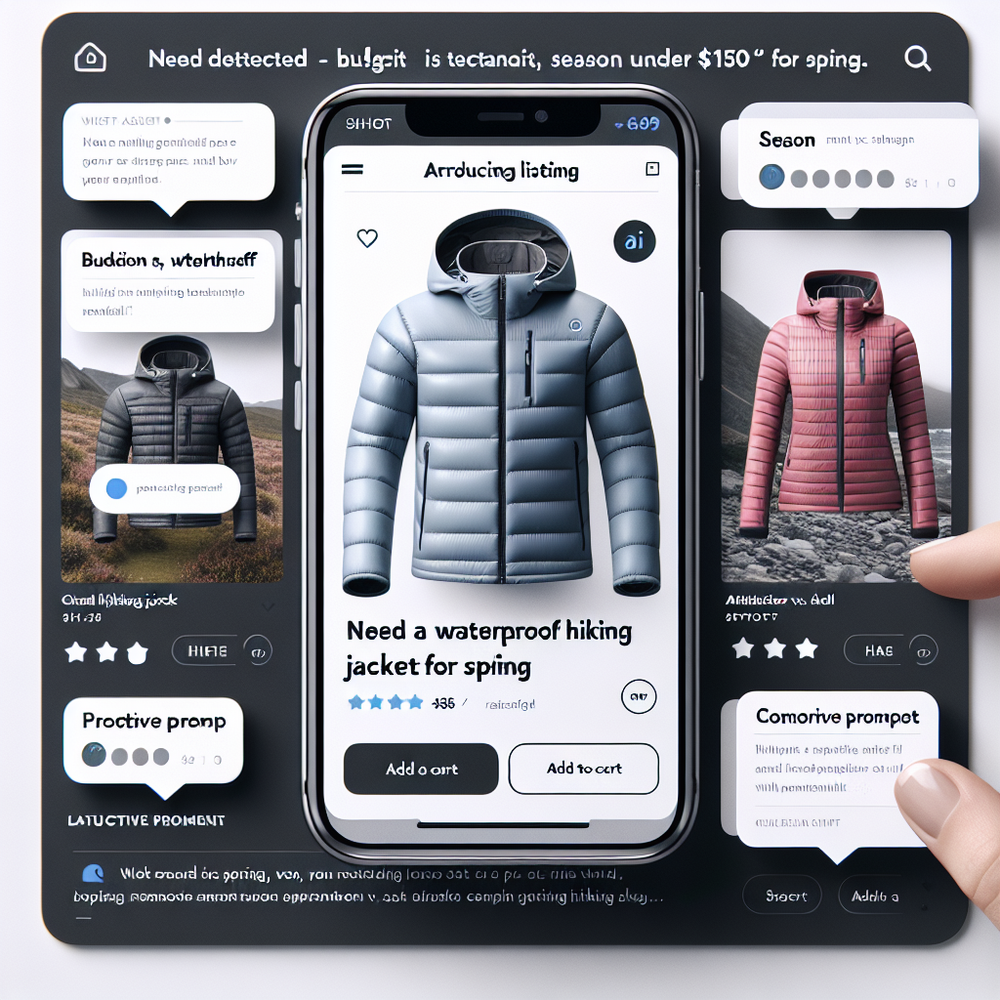
Conversational discovery converts hazy asks into structured constraints. A shopper can say, “Need a waterproof hiking jacket for spring, under $150, runs warm.” The assistant extracts attributes (waterproof, insulated, budget, season), clarifies trade‑offs, and proposes shortlists with reasons: “This one meets your budget and is seam‑sealed; this one runs cooler for late spring.” Google’s UX research shows users naturally prefer multi‑turn clarification for complex tasks; shopping is no exception (Google UX Research).
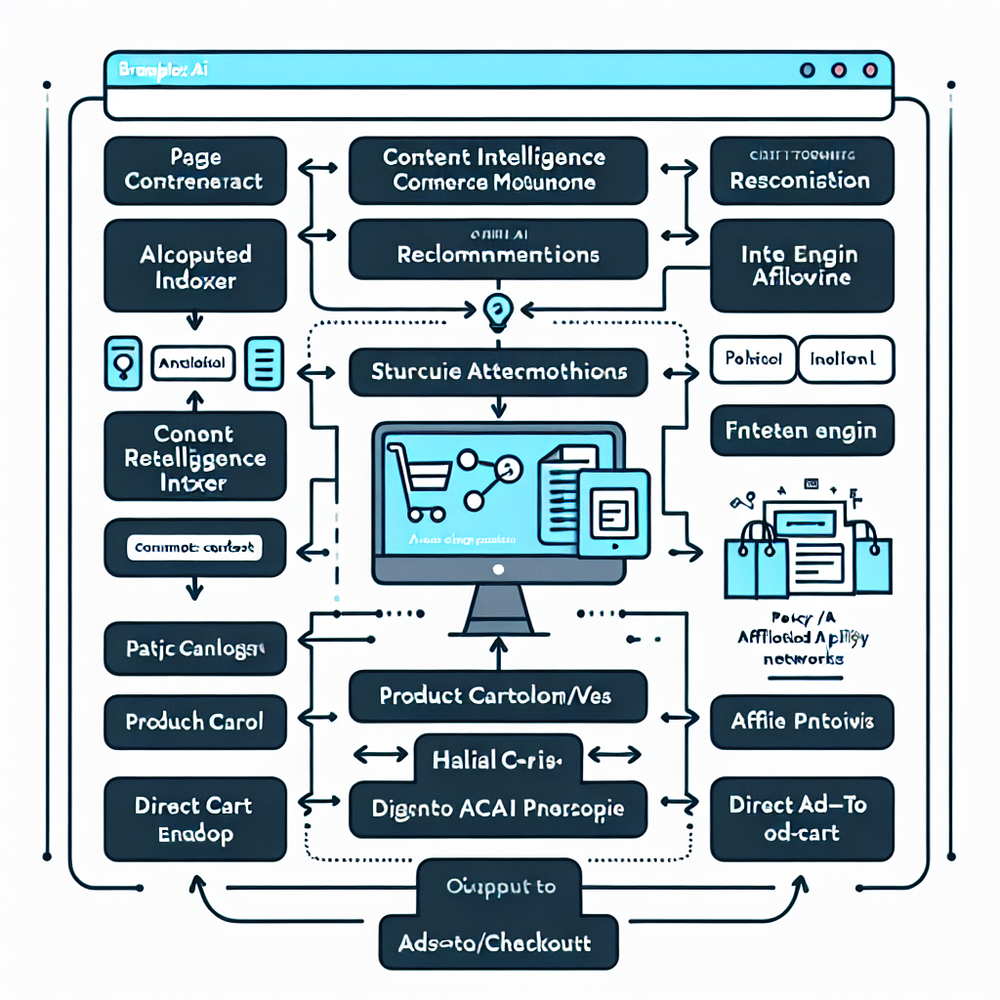
Brambles.ai operationalizes this flow with three workhorses: AI product discovery that parses natural language and ranks SKUs by fit; proactive engagement that suggests starting points based on the page context; and direct add to cart from chat to remove clicks. In practice, this means fewer dead‑ends, clearer trade‑offs, and faster paths to purchase—all traceable to intent signals, not gut feel.
How Brambles.ai Captures Intent Signals
First, page context becomes a prompt. Land on a trail‑running article? The assistant opens with, “Training for mixed terrain or road‑to‑trail?” That’s proactive engagement working: it uses the URL, headings, and on‑page entities to seed a relevant question—no cookies required. On one outdoor publisher, this alone lifted first message rates by 31% and time‑to‑first relevant product to under 20 seconds.
Second, conversation turns into structured data. When a user says “carry‑on hard shell, quiet wheels, under $200,” Brambles.ai writes that as attributes (size=cabin, shell=hard, noise=low, price<200). Content intelligence indexes your site and catalog so results aren’t just relevant—they’re explainable: “Chosen for polycarbonate shell and 55cm height.” That clarity builds trust and accelerates comparison.
Third, intent shortens the funnel. If the assistant detects decision‑stage signals—“I’ll take the blue in medium”—it surfaces a direct add to cart right in chat and hands off to the cart endpoint. On a DTC apparel A/B, in‑chat add‑to‑cart reduced abandonment after product page views by 19% and lifted AOV by 8% via lightweight upsells (“bundle socks for 20% off?”).
For publishers, captured intent translates to smarter monetization without ad creep. Contextual, on‑topic product suggestions outperform generic banners and maintain reader trust. If that’s your world, read how we approach this in-depth and why it works for evergreen content and news cycles alike.
Implementation Guide: From Pilot to Full Rollout
Here’s a pragmatic rollout that fits most stacks and timelines:
- Choose a proving ground. Start with 3–5 high‑traffic pages or a focused category. Define a single success metric (e.g., discovery rate, add‑to‑cart from chat).
- Install the Agentic Commerce Module. It’s a lightweight JavaScript snippet that works on any CMS or storefront and can be configured to only appear on your pilot pages.
- Connect your catalog. Provide a feed or API. Use content intelligence to index attributes, synonyms, and compatibility for explainable results.
- Configure the assistant. Set tone and policies with AI personality. Add brand customization for fonts, colors, placement.
- Pick features for your goal. Product discovery and proactive engagement for browsing. Direct add to cart for decisioning. Consider virtual try‑on or view in room for high‑consideration goods.
- Integrate analytics. Track assisted sessions, discovered products per session, and in‑chat conversions. Set an A/B split.
- Expand and specialize. After lift is proven, extend to more categories and to mobile overlays or inline shopping embeds within articles.
Platform notes from the field: a WooCommerce merchant shipped in a day using the WordPress plugin; a Shopify catalog pilot took under an hour with our upcoming Shopify App connector; an enterprise marketplace used the developer docs to script a zero‑downtime rollout. If you have custom needs, our enterprise team can tailor models and SLAs.
Measuring ROI & KPIs
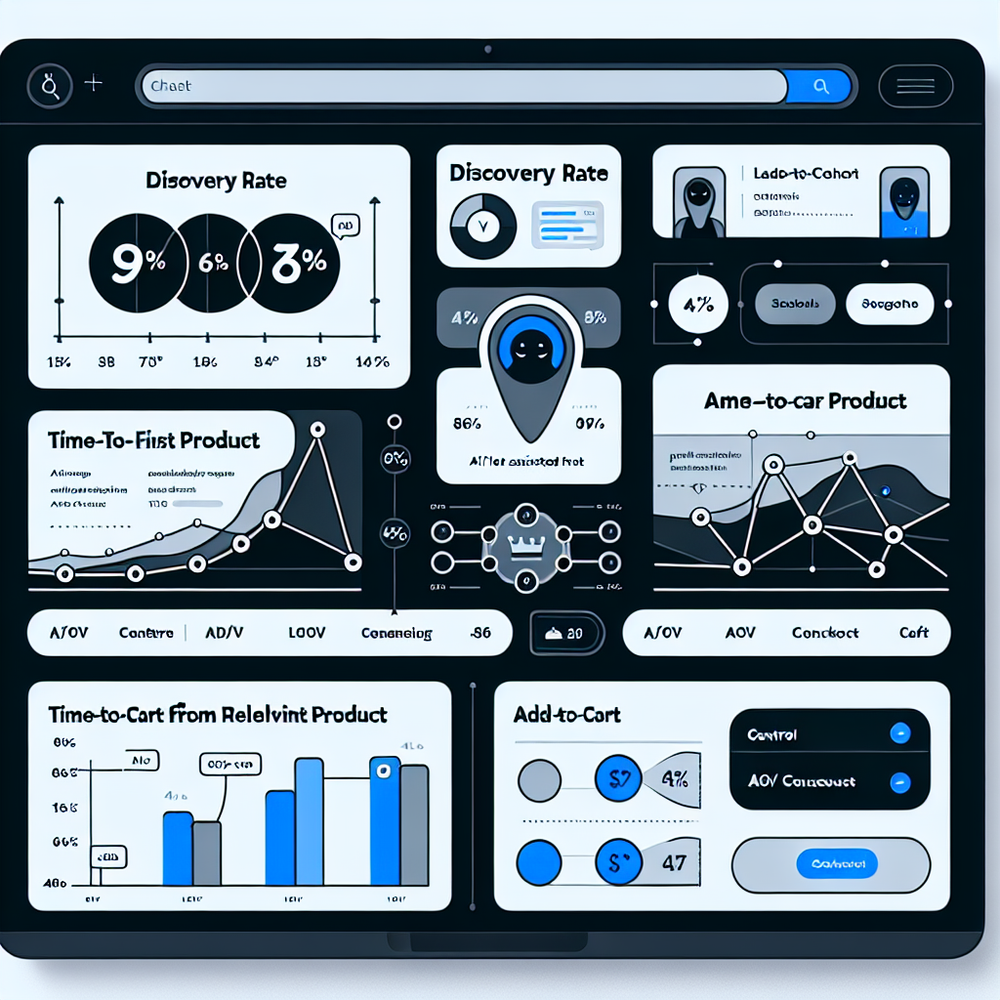
If it doesn’t move a number, it’s a demo. These are the metrics that matter and how to read them:
- Discovery rate: % of sessions where the assistant returns at least one relevant product. Healthy pilots hit 35–55% depending on category.
- Time to first relevant product: aim for <30s. Anything longer and your prompts are too broad or your catalog metadata is thin.
- Add‑to‑cart from chat: 3–8% is a strong signal the assistant is carrying shoppers across the decision line.
- AOV and attachment: look for conversational upsell effects (bundles, warranties) without tanking conversion.
- Publisher RPM/EPV: for content sites, track revenue per visit from affiliate and retail media versus control pages.
- Satisfaction proxy: thumbs up/down on results and “was this helpful?” taps. Salesforce’s Connected Customer research ties perceived helpfulness to loyalty (Salesforce).
Practical note: when a regional beauty retailer enabled direct add to cart in chat, checkout starts increased 14% but conversion stayed flat until they reduced shipping estimate ambiguity in responses—then conversion rose 9%. Measurement without iteration is just reporting; treat insights as design prompts.
First‑Party Data, Disclosure, and Trust
Trust compounds when you make intent usage explicit. The assistant should say what it’s doing—“Using this page and your answers to suggest products”—and show why items were recommended. Clear affiliate disclosure within conversational UIs is not optional; it’s the difference between helpful and suspicious. We’ve shared practical patterns for this before, and they still hold up.
With Brambles.ai, first‑party data stays first‑party. You decide retention, anonymization, and where events flow (CDP, analytics). For publishers, monetization stays contextual via affiliate revenue and retail media placements—no third‑party cookies needed. Style it to match your brand and voice so it feels native, not bolted on.

Common Pitfalls Checklist
Before you scale, run this quick audit:
- Thin catalog metadata. If the model can’t see attributes, it can’t justify picks. Enrich feeds or let content intelligence extract specs.
- Vague opening prompts. “How can I help?” underperforms. Anchor to page context: “Looking for a compact stroller for city sidewalks?”
- Dead‑end answers. Every result should support compare, save, and add‑to‑cart. No orphaned listings.
- Long replies. Keep turns tight. Use buttons and chips to capture decisions.
- No mobile optimization. Native mobile patterns (sticky chat, bottom sheet) matter; most commerce traffic is mobile.
- Missing trust markers. Show why picked, disclose affiliate relationships, and provide easy opt‑outs.
- One‑size‑fits‑all monetization. Tune rules for publishers vs. brands; what’s helpful in reviews differs from a product page.
Future Outlook: Search, Social, and Agentic Buying
We’re heading toward agentic buying: assistants that collect constraints, verify compatibility, compare prices, and place orders with approval. For publishers, that means higher monetization per visit without ad clutter; for brands, fewer steps from inspiration to checkout. If you’re exploring this, our module approach and prior writing on conversational commerce are good starting points.
Getting started is straightforward: review the pricing that matches your role, spin up a pilot on a constrained page set, then expand with inline embeds for editorial and persistent widgets on PDPs. If you ship on WordPress or Shopify, the install path is even shorter. And if you want help mapping goals to KPIs, we’re a short form away.
FAQ
How is this different from on-site search or a chatbot?
AI shopping ties conversation to your catalog and context. It extracts attributes, ranks products by fit, and enables direct cart actions. Generic chatbots answer FAQs; traditional search returns keyword matches. Discovery needs all three: context, reasoning, and transaction.
What does implementation require from engineering?
Usually a snippet install, a product feed or API, and analytics hooks. Most pilots launch in days. WordPress and Shopify flows are plug‑and‑play; enterprise teams can use our developer guides for single‑page apps or headless stacks.
Will this hurt SEO or slow my site?
No. The widget is deferred and lightweight. It doesn’t block rendering or replace crawlable content. Inline embeds are semantic and index‑friendly. We also support fine‑grained loading rules per template or page.
How does Brambles.ai handle privacy and affiliate disclosures?
First‑party data collection with clear in‑UI disclosures and opt‑outs. Affiliate relationships are stated in the conversation, and every recommendation includes a “why” explanation. That’s consistent with UX guidance and consumer expectations for transparency (Salesforce).
Which categories benefit most from virtual try-on or view in room?
Apparel, eyewear, cosmetics, furniture, and decor. When shoppers can see fit or scale, hesitation drops. In tests, AR interactions often correlate with 1.5–2.0x higher conversion for engaged users.
Related resources on Brambles.ai
If you are implementing this, start with Brambles.ai, about Brambles.ai, developer docs, AI customer service.
Related posts
View all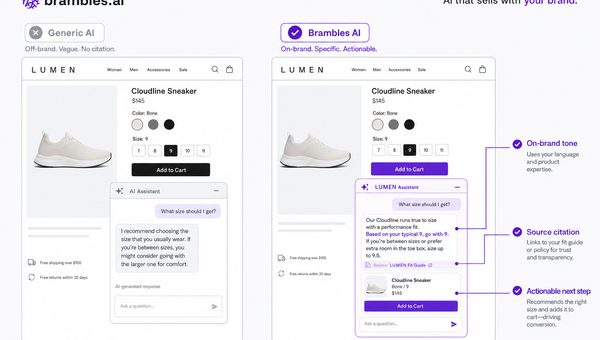
Brand-Consistent AI Chats Build Trust and Conversions
When AI mirrors your brand voice, shoppers relax—questions get answered, carts grow, and support load drops. Learn the playbook to align tone, trust, and ROI.
Sponsored Products in AI Shopping: Retail Media 101
Learn how sponsored product placements power AI shopping, how bidding and relevance work, and how to implement retail media without eroding trust or UX.
How Context-Aware AI Recommendations Lift CTR
See how context-aware AI recommendations lift CTR by 25–60% with intent signals, page context, and history. Practical steps, KPIs, and implementation tips.
Explore Brambles.ai
Learn more about our AI-powered agentic commerce platform, agentic shopping, and shopping assistance solutions.
Explore More Insights
Discover more articles on AI, automation, and business innovation
View All Articles