AI Assistants vs. Static Comparison Tables: Performance Showdown
Explore the strengths and weaknesses of AI assistants compared to static comparison tables. Discover which solution offers the best user experience, efficiency, and value for decision-making in 2024.
AI Assistants vs. Static Comparison Tables: Modern Performance Showdown
Navigating product choices and making data-driven decisions have long relied on static comparison tables. However, the rise of AI assistants has revolutionized this process. Today, consumers and businesses must decide: Should you trust tried-and-true static tables or embrace dynamic AI-powered assistants? In this post, we'll compare these solutions, highlighting their strengths, weaknesses, and performance in 2024.
Understanding Static Comparison Tables
Static comparison tables present key product or service features side-by-side in a grid format. They're simple, visually accessible, and have been a web staple for decades. Platforms like consumer electronics sites, travel aggregators, and software review pages lean heavily on tables to show specs, prices, and ratings.
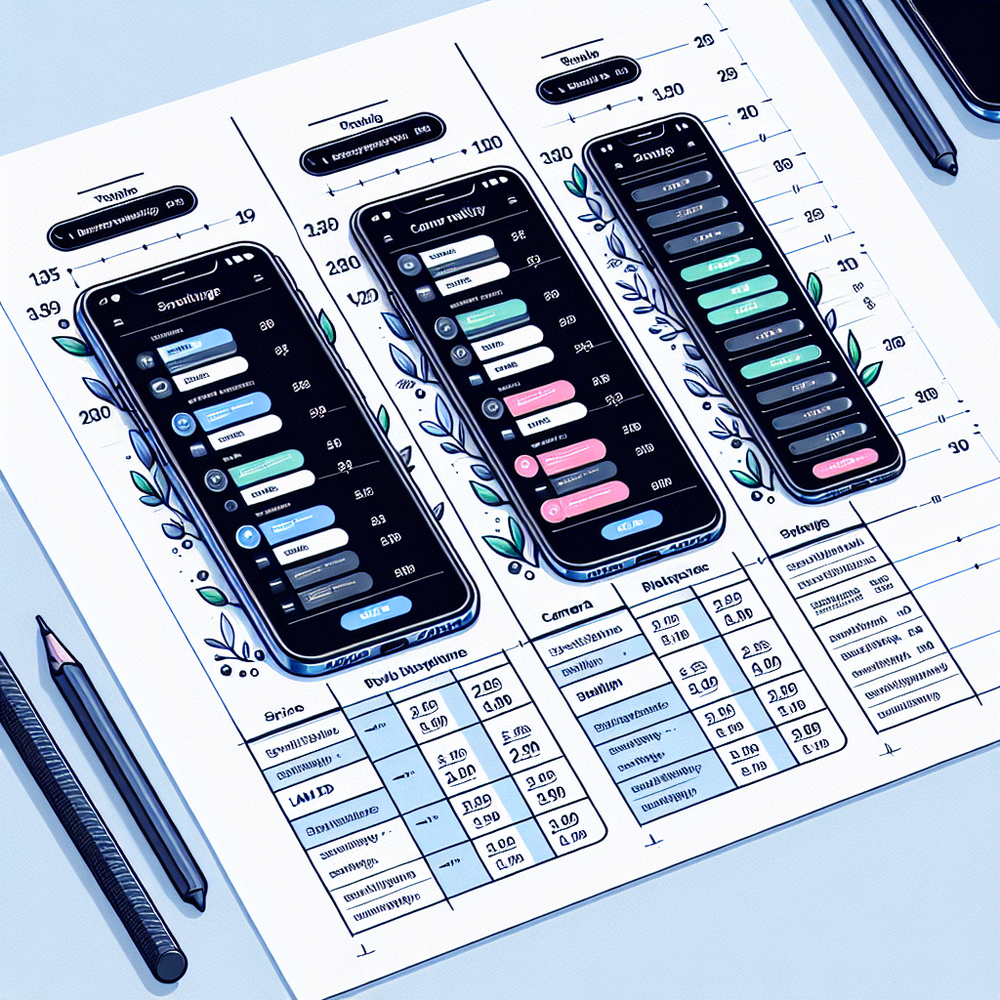
Advantages of static tables include ease of use, quick information access, and reliability. They offer a snapshot that helps users scan and compare at-a-glance. But they lack flexibility. If a user wants a personalized recommendation or deeper analysis, tables fall short, requiring users to interpret or even hunt down details themselves.
Rise of AI Assistants for Comparison
AI assistants, powered by advanced natural language processing (NLP) and machine learning, bring conversational interaction to the comparison process. Instead of scanning rows and columns, users can ask questions ("What's the best laptop for graphic design under $1000?") and receive tailored, data-driven recommendations on the fly.
Key strengths of AI assistants are their ability to handle complex requirements, filter results, and accommodate preferences instantly. They're designed for efficiency and personalization, often updating results as new information emerges without manual page edits.
Performance Showdown: Key Factors Compared
1. User Experience & Accessibility
Static tables shine for visual learners and users who like a clear overview. But long and complex tables can become overwhelming. AI assistants, meanwhile, reduce information overload through conversational exchange but may pose barriers for those less comfortable with chat interfaces or who prefer seeing all options at once.
2. Personalization & Flexibility
AI assistants provide personalized recommendations by analyzing user input and additional context. Static tables offer the same information to everyone, limiting their relevance in nuanced or evolving scenarios.
3. Efficiency & Up-to-Date Information
Static tables require manual updates, leaving room for outdated information and human error. In contrast, AI assistants can pull from live databases and update facts in real time purchases, enhancing both efficiency and accuracy.
4. Transparency & Control
A potential downside to AI assistants is that their decision logic isn't always transparent, whereas static tables lay all the details out for scrutiny. Some advanced AI solutions now include sources and explanations to improve trust.
Which Tool Is Right for You in 2024?
For simple, broad comparisons—for instance, checking price or feature differences—static tables remain effective. For more complex needs with AI chat, especially when personalization or up-to-the-minute data are priorities, AI assistants come out ahead. Many companies now blend both: displaying a table while also offering an AI chat for deeper insights.
Conclusion: Optimizing Your Decision-Making Tools
AI assistants and static comparison tables each play a vital role in modern web experiences. As AI technology matures, expect even more seamless, transparent, and user-friendly hybrid solutions. For 2024 and beyond, empower your audience by leveraging the strengths of both: crystal-clear tables for overview, and smart assistants for depth and personalization.
Related posts
View all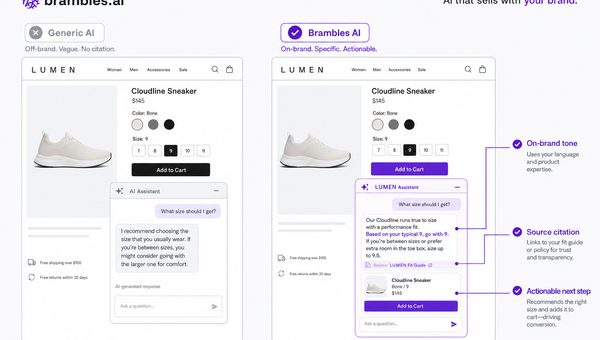
Brand-Consistent AI Chats Build Trust and Conversions
When AI mirrors your brand voice, shoppers relax—questions get answered, carts grow, and support load drops. Learn the playbook to align tone, trust, and ROI.
How Context-Aware AI Recommendations Lift CTR
See how context-aware AI recommendations lift CTR by 25–60% with intent signals, page context, and history. Practical steps, KPIs, and implementation tips.
Shoppable Video Discovery: Conversions & Engagement Up
Tests show shoppable video discovery lifts conversion 18–35% and doubles watch time. See the UX patterns, KPIs, and how to deploy it quickly with Brambles.ai.
Explore Brambles.ai
Learn more about our AI-powered agentic commerce platform, agentic shopping, and shopping assistance solutions.
Explore More Insights
Discover more articles on AI, automation, and business innovation
View All Articles