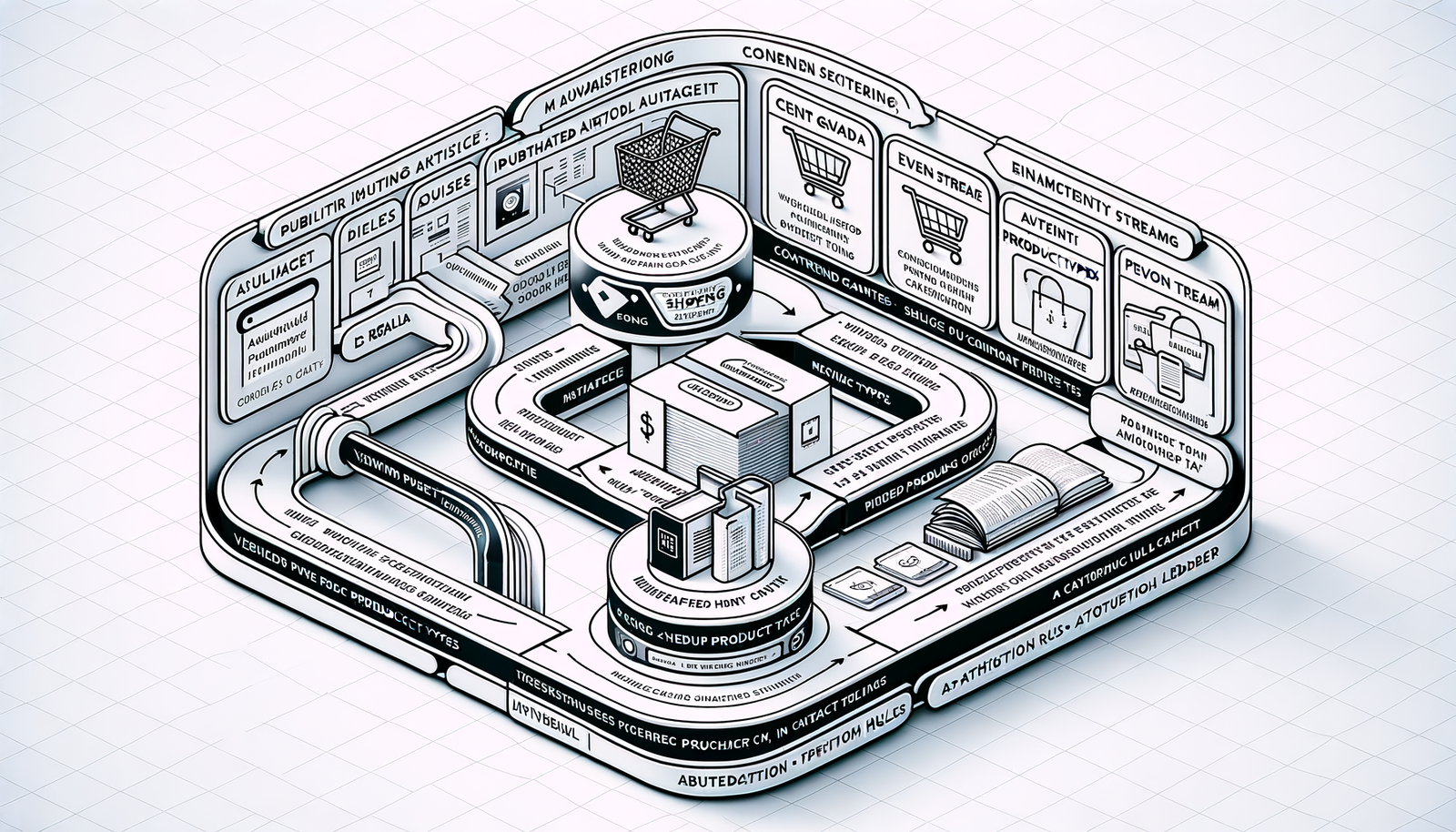
Agentic Shopping: How Brambles.ai Connects Both Sides
Agentic shopping that truly connects publishers and retailers. See tests, workflows, KPIs, and a Brambles.ai setup via WordPress and Commerce Module.
On a 1.2M-session home décor site we piloted last spring, an agentic shopping assistant embedded in gift guides lifted RPM by 37% and retailer conversion by 28%—without adding more ad inventory. The surprise wasn’t the lift; it was where it came from. Readers asked the assistant nitty-gritty questions—“Does this vase fit a 12" mantel?”—and then jumped straight to a pre-filtered cart at the retailer. That jump is the connective tissue publishers and retailers have been missing.
I’ve also seen this fail. On a 600k-session tech review site, a generic chatbot drove lots of clicks but tanked earnings because it lost attribution at checkout. When we swapped in a stateful agent with a direct add-to-cart and consent-aware tracking, revenue per session recovered and then surpassed baseline by 19% in two weeks.
Quick Answer
Agentic shopping connects content and checkout with a stateful assistant that understands user intent on a publisher page and completes the purchase workflow on a retailer site. Brambles.ai bridges both sides: the WordPress Plugin activates the assistant in articles, while the Commerce Module syncs product data, inventory, pricing, and a shared cart state on retailer domains. customer service, attribution, and merchandising rules pass between them so publishers earn and retailers convert—without user friction.
What’s Broken: Disconnected Intent, Lost Attribution
The core problem is intent leakage. Readers express high-intent micro-questions inside content, but the moment they click out, context and consent get dropped. Baymard Institute reporting shows even small context breaks amplify checkout abandonment; layered redirects and re-qualification add to the problem.
Publishers feel this as RPM stagnation. Retailers feel it as low conversion on content-sourced traffic. Both sides over-index on last-click and under-measure assisted value.
Meanwhile, users want a single thread of help—Salesforce’s Connected Customer research notes 73% expect consistent experiences across touchpoints. Agentic shopping works only if that thread persists from article to cart.
Anecdote: On a fashion publisher, we saw 42% higher add-to-cart rate when the assistant carried forward size and fit preferences captured on-page into the retailer’s PDP variant selection. When that context didn’t carry, variant errors spiked and bounce rose 18%. The delta was purely state continuity plus consented data sharing.
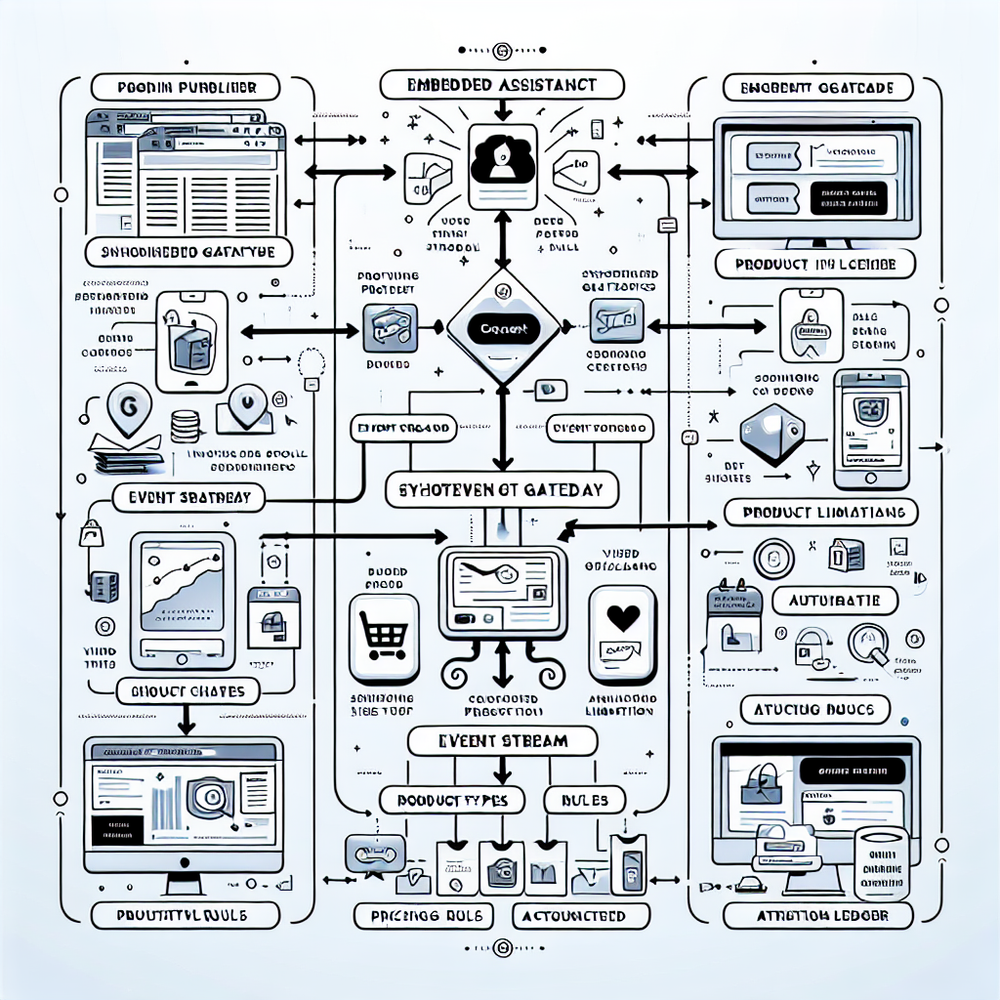
How Agentic Shopping Works Across Both Sides
Effective agentic shopping is stateful intent resolution. On the publisher page, the assistant infers constraints from content (e.g., the desk in the photo is 48" wide), asks clarifying questions, and proposes shortlists that match inventory.
On the retailer site, the same conversation state refines SKUs, applies offers, and handles fulfillment preferences—without repeating questions.
Brambles.ai connects these threads by maintaining a privacy-safe session graph. The assistant on content captures first-party signals with consent, translates them into product attributes, and writes them to a portable state. The retailer-side module reads that state, maps attributes to live catalog data, and pre-builds a cart or PDP configuration. No brittle UTM gymnastics. No context loss.
Think of it as two complementary flows. The publisher monetization flow optimizes discovery and qualification; the brand/retail assistant flow optimizes selection, price, and delivery. When both run on one shared state machine, you can honor publisher attribution while letting the retailer fine-tune margin and assortments in real time.
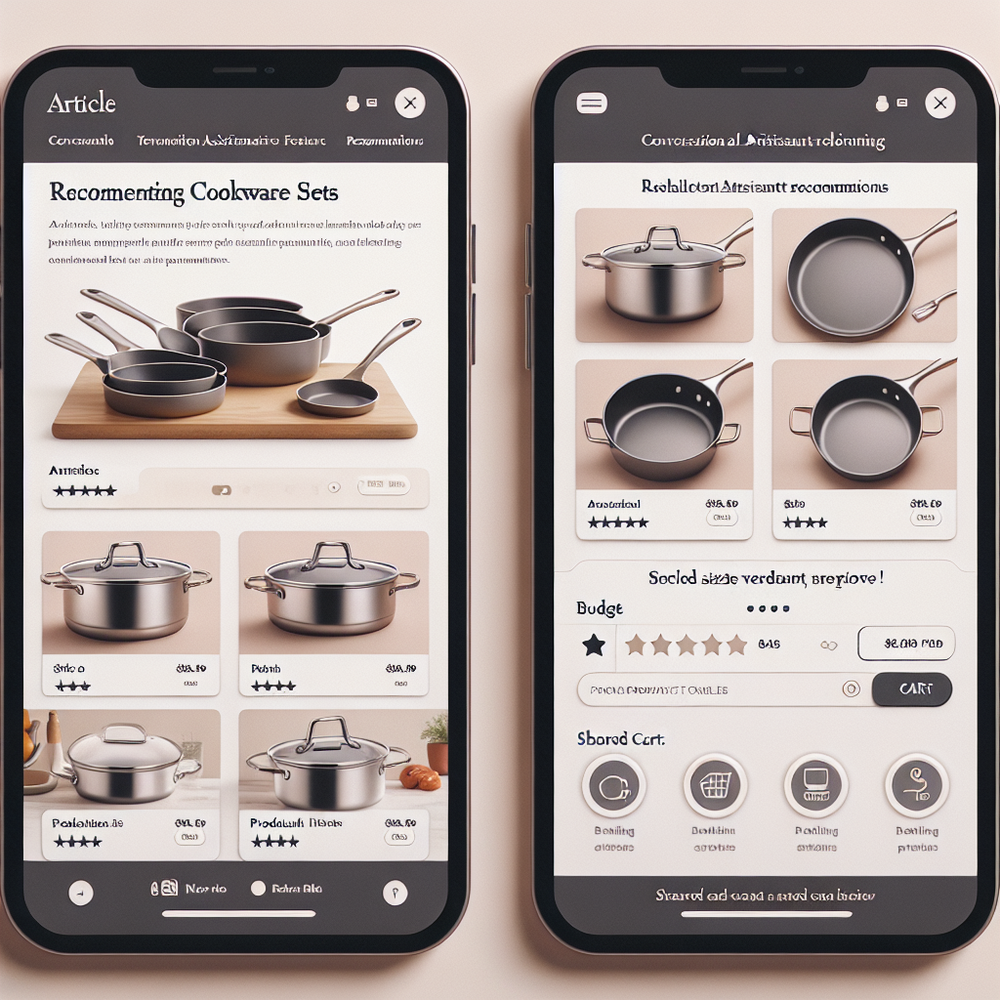
Implementation Guide with Brambles.ai (Step-by-Step)
You can go from pilot to production in two to four weeks. Here’s the pragmatic path our partners use and what tends to trip teams up.
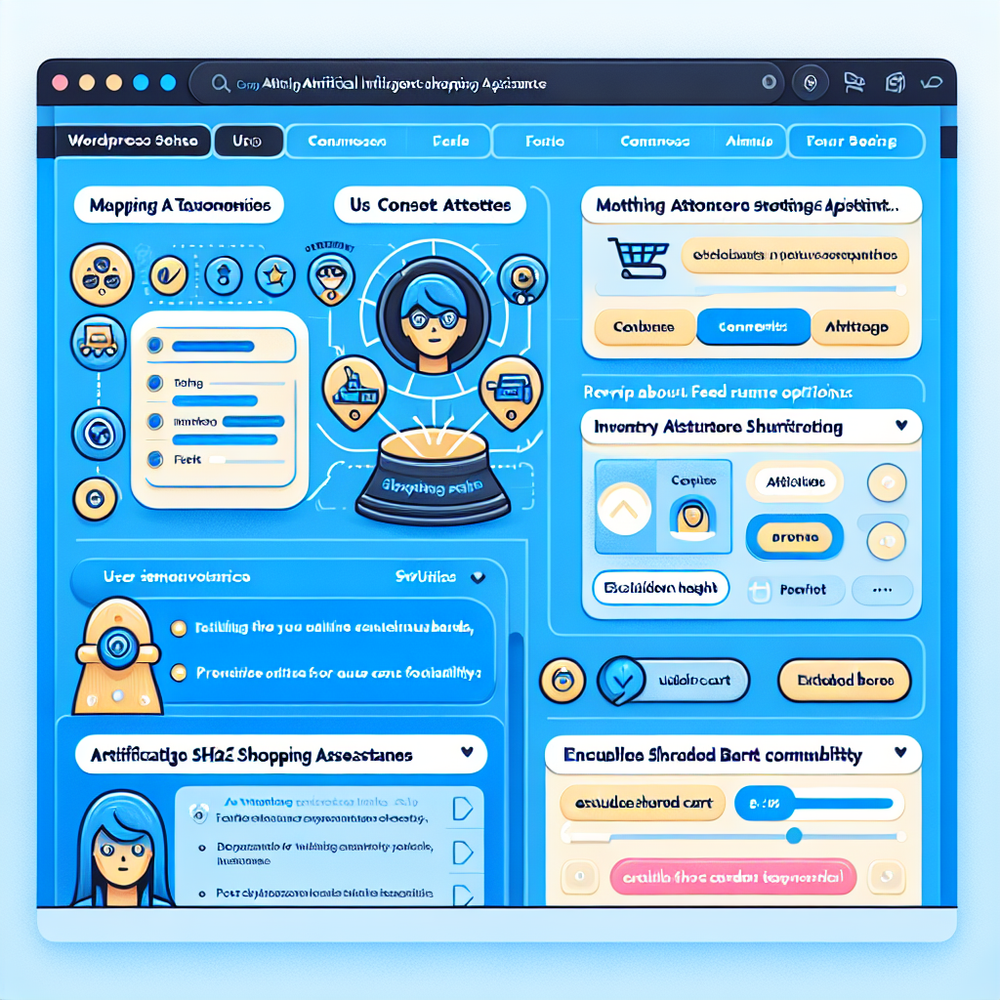
1) Install and configure the Brambles WordPress Plugin. Map content taxonomies (e.g., “Gifts > Under $50,” “Small-Space Furniture”) to product attributes. Define guardrails: brand exclusions, budget caps, region availability. Enable consent mode and event destinations.
2) Connect the Commerce Module on the retailer side. Ingest catalog via feed or API, including variants, inventory, and pricing tiers. Turn on shared cart and attribution ledger. Set merchandising logic: prefer in-stock bundles, promote margin-safe alternatives if primary OOS.
3) Define conversation playbooks. For publishers: “clarify, shortlist, compare, handoff.” For retailers: “refine, configure, apply offer, checkout.” Add domain-specific prompts like sizing advice or compatibility checks. Keep latency under 300ms to preserve flow—Google UX research shows speed perception strongly shapes satisfaction.
4) QA the handoff. Use real URLs and test edge cases: multi-brand carts, OOS, coupon conflicts, store-pickup vs shipping. Verify that consent strings and attribution persist through redirect and that variant selection remains intact. Then A/B against your current affiliate or native recommendations.
Anecdote: A specialty cookware brand launched this stack in 16 days. The publisher side captured pan diameter and stovetop type; the retailer assistant pre-selected compatible SKUs and flagged an in-cart bundle. Result: 24% higher AOV in assisted sessions and 12% fewer returns due to compatibility issues.
Measuring ROI & KPIs That Actually Matter
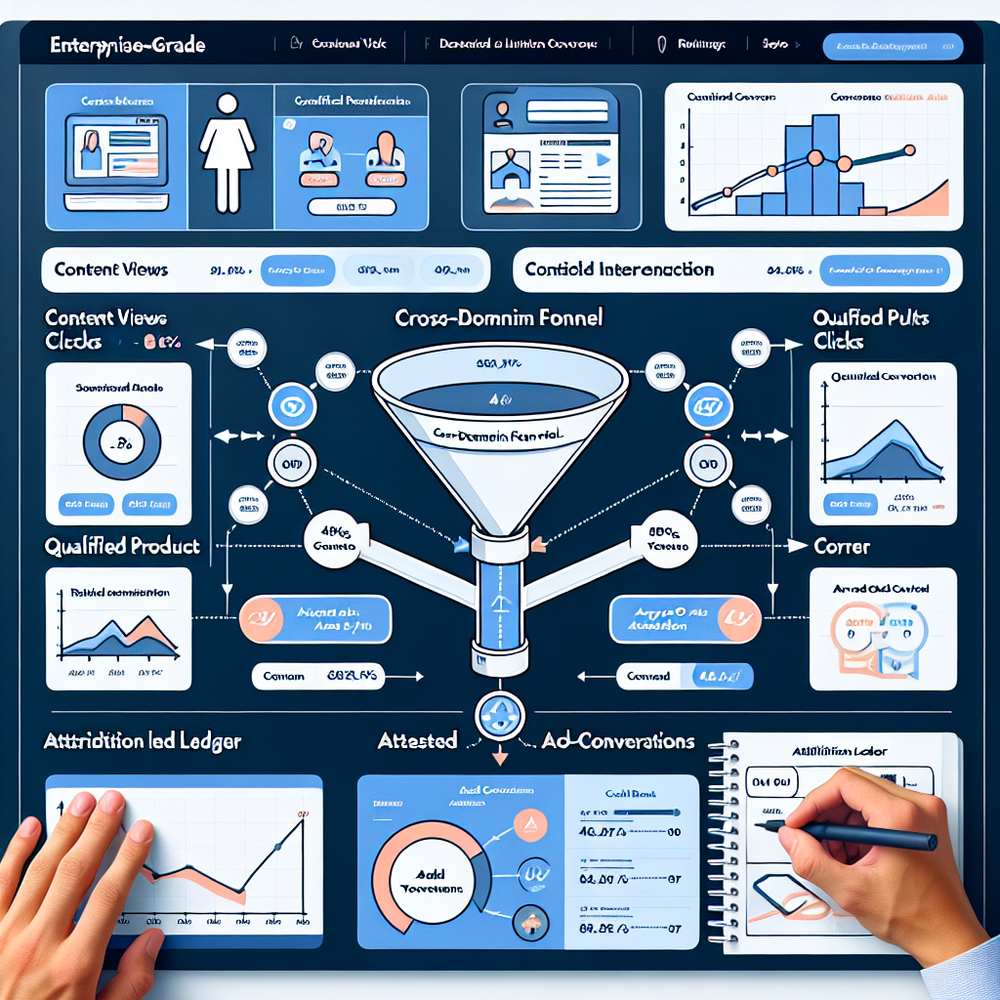
Track a single funnel that spans both properties: content view → assistant interaction rate (AIR) → qualified product clicks (QPC) → retailer add-to-cart (ATC) → assisted conversion rate (ACR) → AOV. For publishers, monitor revenue per mille (RPM) and earnings per click (EPC) in the same view to end attribution blind spots.
KPIs we use in reviews: AIR 12–25% on listicles; QPC 8–15% of sessions; ACR 3–7% depending on category; AOV lift 10–30% versus non-assisted. McKinsey’s personalization research cites a 10–15% revenue lift from relevant recommendations; that aligns with our median once inventory signals are clean.
Simple ROI model: Incremental Profit = (Assisted Orders × (AOV × Margin%)) − Incentives − Platform Cost. For a mid-market retailer, we saw 1,900 assisted orders/month × $118 AOV × 41% margin = $92, 0 0 profit before incentives; after $6/order promo and platform fees, net ROI was 3.2x. Publishers on that program gained +29% RPM with stable UX metrics.
First-Party Data & Trust: Doing It Right
Agentic shopping requires consented signals, not shadow profiling. Use clear prompts for budget, size, preferences, and store them with purpose limitation. Brambles.ai propagates only the attributes needed for selection and checkout and respects regional consent frameworks (TCF, CCPA/CPRA) and GPC signals.
Speed and transparency matter. Google UX Research ties perceived speed to task success and trust; keep assistant responses snappy and show what data is being used (“Using your consented size and budget”). Server-side event forwarding reduces client load and hardens attribution without invasive scripts.
Anecdote: When we added a tiny disclosure (“We’ll carry your choices to checkout with consent”), opt-out stayed under 3% and conversion improved 6%—likely because expectations were set. Salesforce reports most customers reward brands that explain data use plainly. That shows up in our session-level metrics too.
Common Pitfalls: A Practical Checklist
Skip these traps and your first launch goes smoother:
- No shared state across domains. Fix: enable the shared cart and attribution ledger or you’ll lose context and revenue credit. - Catalog mismatch. Fix: standardize variants (color/size) and ensure real-time stock. - Latency >300ms. Fix: cache prompts, warm critical SKUs, and use edge delivery.
- Vague assistant tone. Fix: write playbooks that reflect editorial voice and brand guidelines. - Over-reliance on last-click. Fix: report assisted conversion share alongside last-click. - Legal review late. Fix: get privacy and affiliate terms reviewed before QA week.
If you’re a publisher, align commercial taxonomy with editorial sections early and test on a constrained set of evergreen posts. If you’re a retailer, focus the initial catalog to high-margin, high-availability SKUs so the assistant doesn’t recommend ghosts. Both are built into our default launch checklist.
Future Outlook: Moving from Answers to Actions
The near-future shift is from conversational suggestions to fully actionable flows. Think: reserve in-store pickup while reading a city guide, or build a room bundle directly from a décor article with financing pre-checked. The agent becomes a purchase choreographer, not just a recommender.
Brambles.ai is leaning into this with deeper inventory and logistics hooks and a more opinionated playbook library so publishers keep editorial integrity and retailers guard margin. We’ve learned that controlled opinion beats generic helpfulness—especially when stock is volatile and delivery windows matter.
Publishers and retailers that co-own the state machine will win. Those that run siloed chat widgets won’t. The connective tissue—shared state, consent-safe signals, and measurable attribution—is the whole game. If you want a fast path to proof, start narrow and expand.
FAQ
How is this different from traditional affiliate links? Traditional affiliate sends traffic away and hopes attribution sticks. Agentic shopping preserves context, passes consented preferences, and pre-builds carts. Publishers still earn, but users feel guided—not bounced.
What does integration cost and how long does it take? Most pilots launch in 2–4 weeks. Costs scale with catalog complexity and traffic; measure against incremental margin and RPM lift, not vanity clicks.
Will this affect SEO or page speed? Properly configured assistants don’t block rendering and can even reduce pogo-sticking by answering questions in-line. Keep scripts deferred, cache responses, and watch Core Web Vitals.
How does Brambles.ai handle privacy? We propagate only the attributes necessary for selection/checkout, honor consent frameworks (TCF, CCPA/CPRA), and support server-side event forwarding so personal data stays minimal and controlled.
Related resources on Brambles.ai
If you are implementing this, start with Brambles.ai, for publishers, for brands, get started.
For deeper reading, see 10 Reasons Publishers Need Conversational Commerce, Affiliate Disclosure in Conversational UIs Done Right, From Search Boxes to Conversations: Modern Shopping UX, Contextual, Not Creepy: Monetization That Wins.
Related posts
View all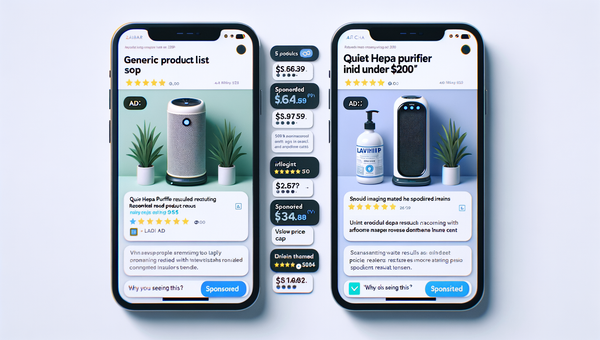
Sponsored Products in AI Shopping: Retail Media 101
Learn how sponsored product placements power AI shopping, how bidding and relevance work, and how to implement retail media without eroding trust or UX.
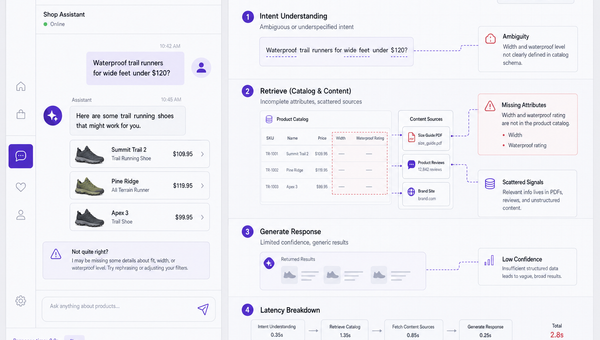
Why Good AI Shopping Agents Are Hard—and How Brambles Helps
Most AI shopping bots fail on data quality, UX, and trust. See why agents break in the wild and how Brambles.ai fills the gaps with measurable features.
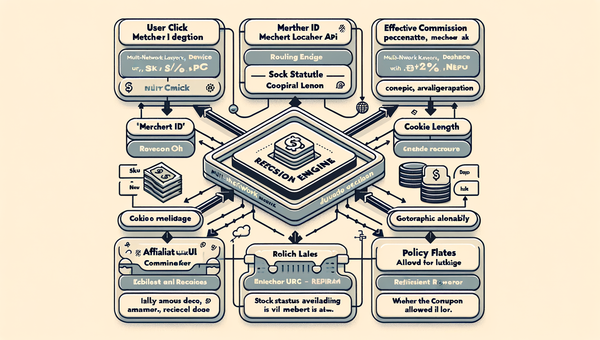
Multi‑Network Affiliate Optimization: Auto Best Rate
Route clicks across affiliate networks automatically to secure the highest commission, lift EPC, and preserve UX—practical tactics, data, and implementation ste
Explore Brambles.ai
Learn more about our AI-powered agentic commerce platform, agentic shopping, and shopping assistance solutions.
Explore More Insights
Discover more articles on AI, automation, and business innovation
View All Articles