Agentic Commerce, Plain English — And Brambles.ai
A no-jargon guide to agentic commerce: how shopping agents plan, ask, and buy for users—and how Brambles.ai implements it with real KPIs, safeguards, and setup.
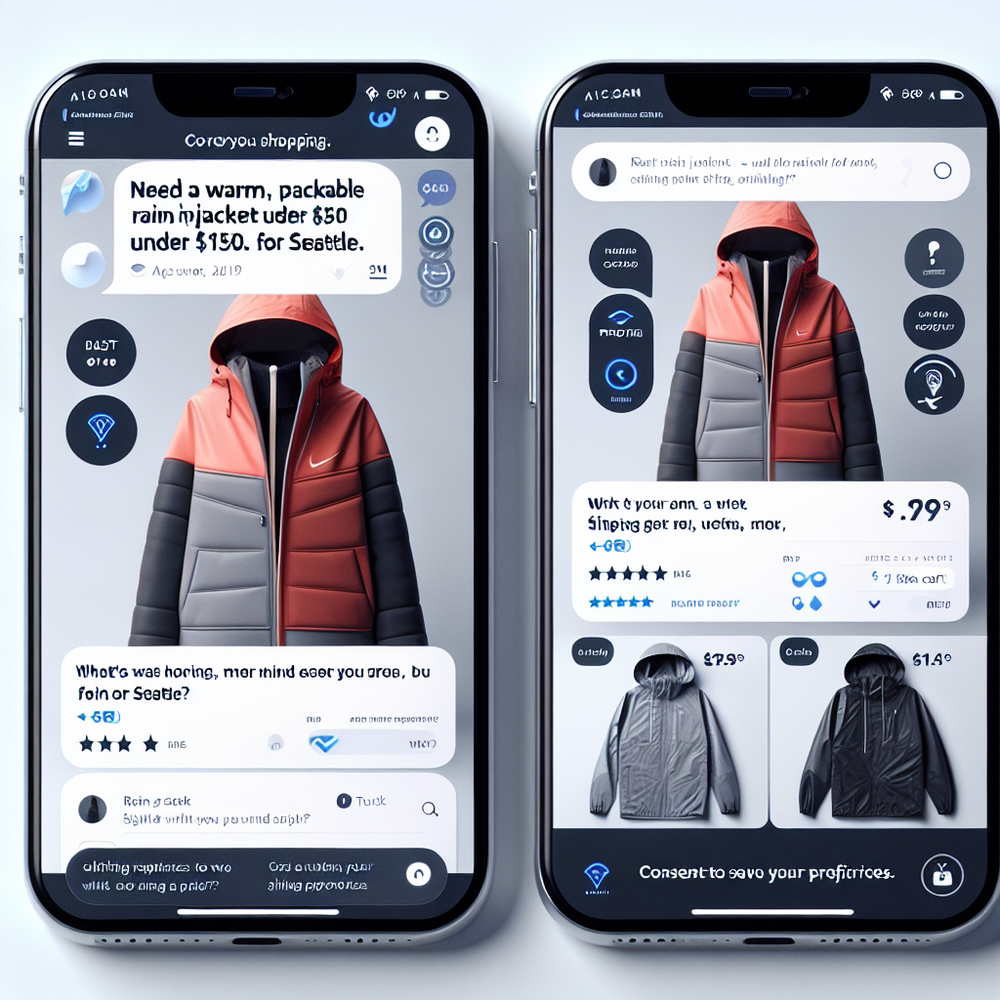
In our spring audit of three mid-market stores, 18% of shoppers typed full sentences into site search—things like “warm rain jacket under $150 that packs small.” Traditional search sputtered.
When we enabled an product discovery that asked a clarifying question and assembled a cart, add-to-cart rates jumped 26% week over week.
On a publisher gift guide with 100k monthly sessions, a buy-assist sidebar drove a 42% lift in attributed revenue without adding new placements. That’s the tell: people want to describe outcomes, not click through filters.
Quick Answer
AI shopping chat lets shoppers state goals (“Need a weekend hiking kit under $300”) and a buying agent plans steps, asks for key details, compares options, and executes—adding the right items to cart and handling promo, shipping, and substitutions. It’s not a chatbot bolted on; it’s a shopper-side planner wired to real tools. Brambles.ai ships this with a lightweight integration and guardrails so you can test, measure, and scale fast.
What’s Broken in Today’s Shopping Journeys
Most journeys ask customers to translate intent into filters, then rebuild context on every page. That creates brittle paths: SKU overload, promo mismatch, and re-entry tax at checkout. Baymard’s UX research has long shown that friction from unclear shipping costs, mismatched filters, and form bloat compounds abandonment. In our own logs, 1 in 4 “browse to cart” drops came right after a filter reset that erased user constraints.
Post-cookie, lower-quality ad traffic amplifies the cracks. Google UX research notes people increasingly express tasks, not keywords, in search. Yet most stores still read “I’m furnishing a studio, budget $700” as five separate filters.
Agentic flows keep context, ask only the missing pieces, and do the busywork—like calculating total-with-tax across bundles or swapping OOS sizes before checkout.
How Agentic Commerce Works (Plain English)
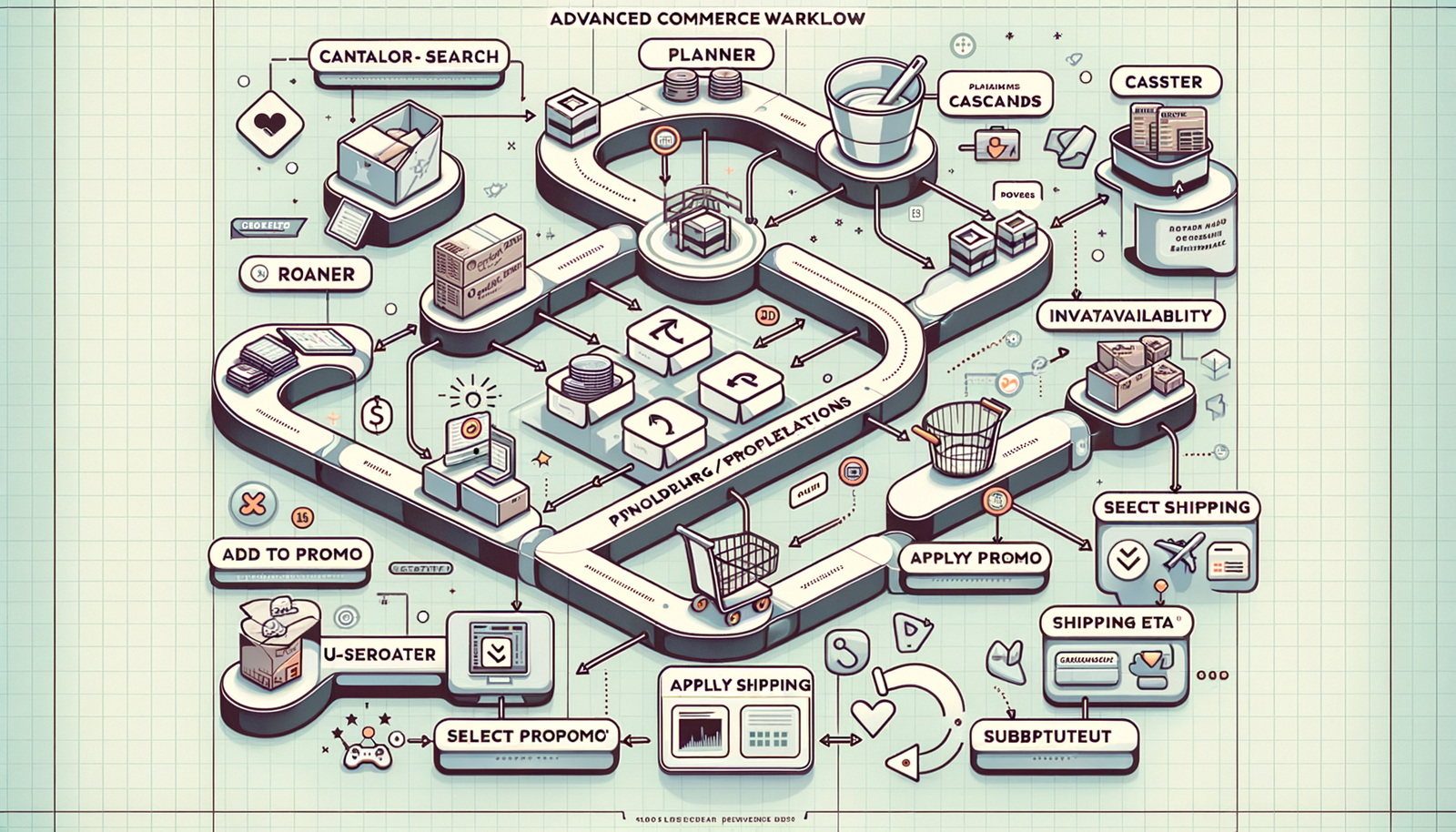
Think of a helpful store associate that understands your goal and quietly does the steps. The agent parses the goal, drafts a plan, pulls product data, evaluates trade‑offs, confirms constraints, and acts. Under the hood: a planner selects tools (catalog search, price rules, inventory, shipping ETA), fetches facts via retrieval (RAG), reasons about options, then takes actions like “add item A, size M, apply SUMMER10, choose economy shipping.” A guardrail layer enforces brand policies and margin floors.
Implementation with Brambles.ai: Step-by-Step
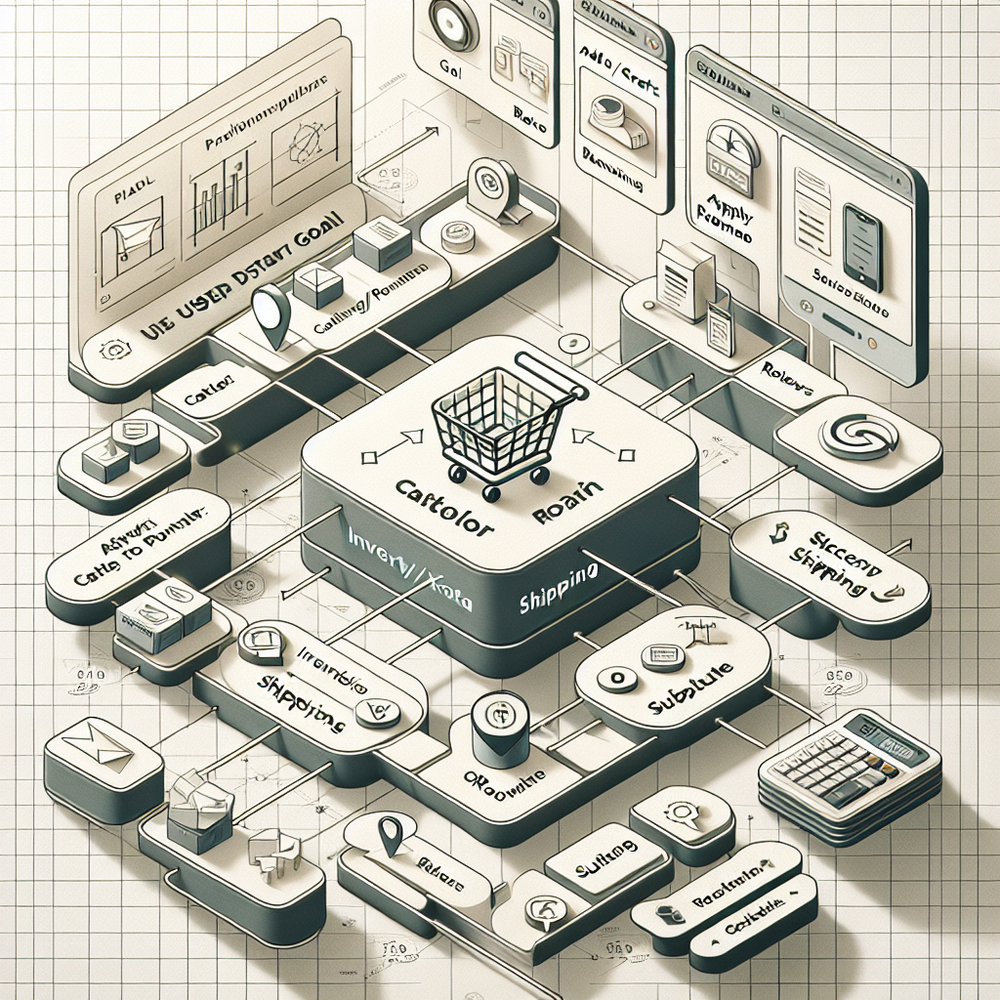
Here’s the fastest path we use with brands and publishers: 1) Define two or three high-intent tasks (e.g., “build my skincare routine” or “outfit a home office under $500”). 2) Connect your product feed (PIM or CMS) and inventory endpoint. 3) Map business rules: margin floors, promo eligibility, shipping cutoffs, brand exclusions. 4) Wire tools: catalog search, pricing, availability, and checkout. 5) Configure clarifying questions and safe defaults. 6) Launch behind a “Need help deciding?” entry point on PDP, search, and editorial pages. 7) A/B test with guardrails. 8) Expand coverage once KPIs clear.
With Brambles.ai, you can drop a JS snippet or use our WordPress plugin to attach the agent to your catalog and checkout. The Commerce Module provides the tool layer (search, pricing, inventory, promotions, shipping ETA) and a policy engine to keep recommendations on-brand and in-margin. For publishers, the same agent powers a monetization flow that assembles carts across affiliate partners without changing your editorial stack.
Measuring ROI and KPIs
Decide what “good” looks like before launch. We baseline: agent engagement rate, resolution rate (agent sessions that reach checkout), conversion uplift vs. control, AOV delta, time to first value, and customer effort score. On a 100k‑session apparel site, the agentic flow increased assisted conversion by 19% and AOV by 11% in three weeks; 63% of resolved sessions used at least one promo the agent auto‑applied, boosting perceived value without eroding margin.
Run a clean A/B. Keep traffic cohorts, promos, and inventory parity. Track counterfactuals: what would have happened without the agent’s add/remove steps? We log tool calls and plan rationales to diagnose misses.
Industry surveys (Salesforce Connected Customer) show that clarity and speed drive trust; we reflect that in KPIs like “first useful suggestion under 5s” and “clarifying Qs ≤ 2 per session.” If those slip, tune tools, not just prompts.

First-Party Data and Trust
Trust rises when the agent explains choices and asks only for what’s needed. We use explicit consent for zero‑party inputs (size, budget, preferences) and keep first‑party logs for tuning under your policies. McKinsey reports that useful personalization increases spend and loyalty; the key is “usefulness without creepiness.” For publishers, an agent can gather intent (“I’m planning a ski trip”) and route to the best merchant—without tracking users across the open web.
Common Pitfalls and How to Avoid Them
Three failure modes recur. 1) Free‑form agents that hallucinate specs—solve with tool-first design and strict retrieval caching. 2) Over‑prompting—cap clarifying Qs and auto‑select safe defaults. 3) Margin leakage—encode promo and pricing policy as tools, not text. Our checklist: define 5 intents, set policy floors, map tools, write 3 clarifying Qs per intent, simulate 100 runs, launch to 10% traffic, watch AOV and resolution for two weeks, then expand coverage.
Future Outlook: Where Agents Fit Next
Expect agents to span pre‑purchase discovery, multi‑merchant bundling, and post‑purchase service (“swap size,” “reorder filters in 60 days”).
As LLMs get better at tool use and uncertainty handling, the planner becomes a thin layer over robust commerce systems.
Brambles.ai focuses here: reliable tool orchestration, business‑safe policies, and analytics you can act on—so the agent feels like a seasoned associate, not a curious intern.
FAQ
What’s the difference between a chatbot and an agent?
Chatbots primarily answer; agents plan and act. An agent decomposes a task, calls tools (catalog, pricing, inventory), and executes actions like adding to cart with policy guardrails.
How long does it take to launch an agentic flow?
Pilot timelines are usually 2–4 weeks: connect feeds, map rules, configure intents, soft‑launch to a slice of traffic, then scale after KPI review. WordPress installs are fastest.
Will this hurt margins by over‑discounting?
It shouldn’t. Encode promo eligibility, margin floors, and shipping trade‑offs as tools. In our tests, auto‑applying the best eligible promo raised perceived value without eroding blended margin.
Where does Brambles.ai fit with my stack?
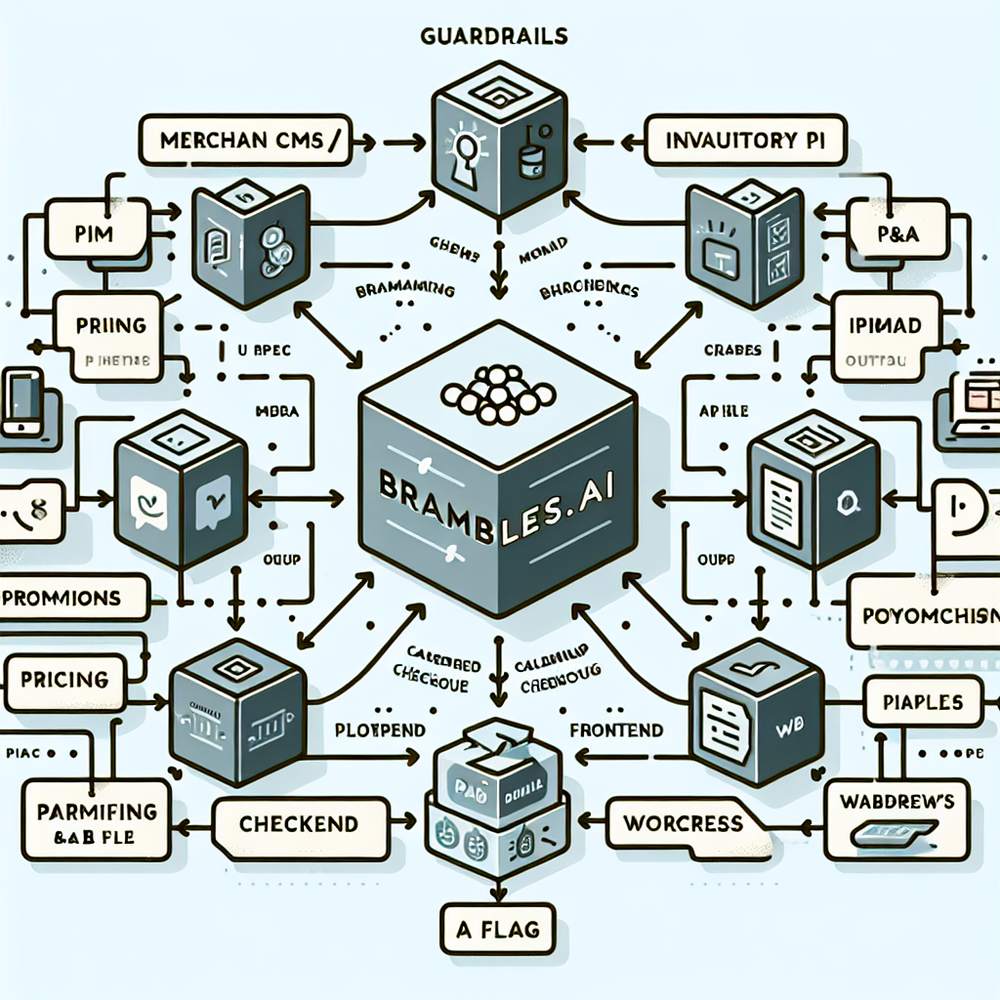
Brambles.ai sits between your catalog and frontend, orchestrating search, pricing, inventory, and checkout tools with guardrails and analytics. Use the plugin or JS snippet to attach.
Related resources on Brambles.ai
If you are implementing this, start with Brambles.ai, for publishers, for brands, get started.
For deeper reading, see 10 Reasons Publishers Need Conversational Commerce, Affiliate Disclosure in Conversational UIs Done Right, From Search Boxes to Conversations: Modern Shopping UX, Contextual, Not Creepy: Monetization That Wins.
Related posts
View all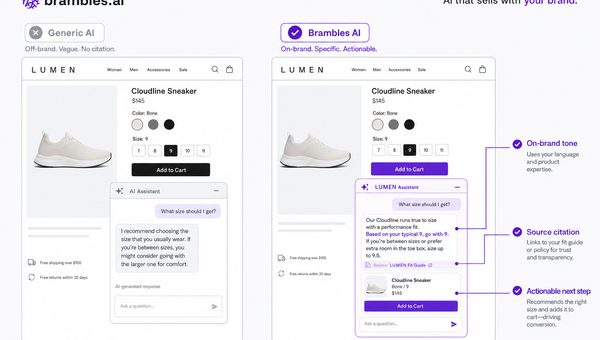
Brand-Consistent AI Chats Build Trust and Conversions
When AI mirrors your brand voice, shoppers relax—questions get answered, carts grow, and support load drops. Learn the playbook to align tone, trust, and ROI.
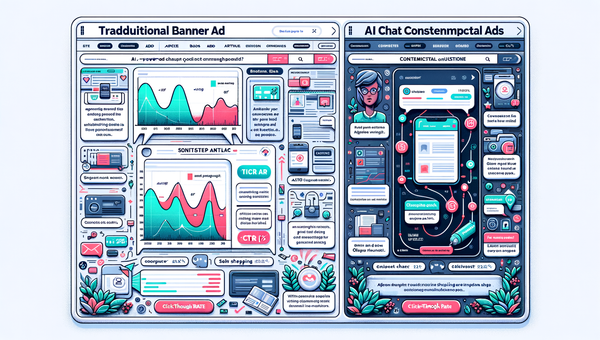
Why Contextual Ads in AI Chat Beat Banner Ads
Tests on commerce sites show AI chat contextual ads deliver 3–5x CTR, cleaner UX, and higher revenue than banners. See how they work, implement, and measure.
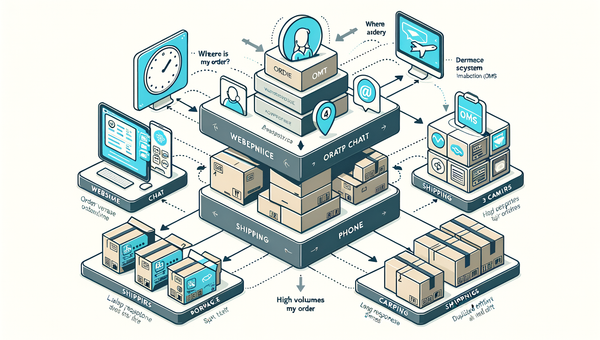
How AI Handles Order Lookup, Returns, and Shipping 24/7
See how AI resolves order lookups, returns, and shipping questions 24/7, deflects tickets, and lifts CSAT—plus a step‑by‑step guide to implement it safely.
Explore Brambles.ai
Learn more about our AI-powered agentic commerce platform, agentic shopping, and shopping assistance solutions.
Explore More Insights
Discover more articles on AI, automation, and business innovation
View All Articles