Agentic Commerce 2026: News-Driven Tactics with Brambles.ai
News moves fast; revenue should too. A 2026 playbook for publishers to turn breaking stories into shoppable moments using Brambles.ai's agentic commerce stack.
Agentic Commerce 2026: News-Driven Tactics with Brambles.ai
On a Tuesday afternoon in Q4, a mid-market news site tied its breaking antitrust ruling coverage to live shopping suggestions within six minutes. The newsroom added a short sidebar powered by agentic commerce.
Result: a 31% lift in commerce clicks during the first hour and a $9.80 incremental RPM on the article cluster. The surprising bit? Most engagement landed in the first three minutes after the push alert—speed created intent.
Another test on a 120k-session policy explainer used a conversational box to guide readers to verified sources, relevant books, and tools.
Sessions that engaged with the assistant converted 2.4x higher than control and shaved 38% off the path to first product tap. A lifestyle publisher saw weekend RPM stabilize by 18% after automating category-aware prompts on trending culture posts.
Small changes; large compounding effects.
This playbook unpacks how publishers can operationalize news-driven “agentic commerce” in 2026—systems that detect signals, decide what to surface, and act in real time—using Brambles.ai. We’ll cover what’s broken, how it works, the 14‑day rollout, metrics that matter, and the traps to avoid.
Quick Answer
Use Brambles.ai to turn headlines into shoppable conversations. Index your site with content intelligence, trigger on‑page suggestions with proactive engagement when news spikes, and route readers into AI product discovery. Monetize via affiliate revenue and retail media that match the story’s context. Implement with the Agentic Commerce Module or WordPress plugin in under two weeks, then track RPM, conversion, time to first click, and assisted revenue. Keep disclosure clear, stay cookie‑light, and iterate daily on prompts and rules.
What’s Broken in Publisher Commerce Right Now
The average article still shuttles readers from headline to 12 outbound tabs with a sidebar of unrelated ads. That’s wasted intent. When the story sparks a need—“I need a carry‑on that fits new airline rules”—the experience forces a new search. The result is drop‑off and leaked revenue.
Three friction points show up repeatedly: discovery friction (intent is created on-page but fulfilled off-site), timing (recommendations show up hours after the traffic peak), and relevance (ads feel creepy or generic). Readers prefer in‑context help that’s conversational and respectful of privacy. See why conversation beats boxes in our analysis of shifting UX norms.
The business model is also creaking. Third‑party cookies fade, and page-speed tax from heavy ad stacks hurts both SEO and trust. Contextual, permissioned monetization wins because it aligns with reader goals and requires less data hoarding. That’s the spirit behind Brambles’ approach to commerce that’s helpful, not creepy.
Data to anchor this: Google’s UX research ties speed to engagement; each second of delay on mobile can slash conversions by up to 20%. Baymard documents how extra steps and context-switching increase abandonment in shopping flows.
McKinsey shows personalization can lift revenue 10–15% when it’s relevant and respectful. Agentic commerce collapses steps, stays fast, and adapts in‑page. Citations: Google UX Research; Baymard Institute; McKinsey Growth Study.
How News‑Driven Agentic Commerce Works
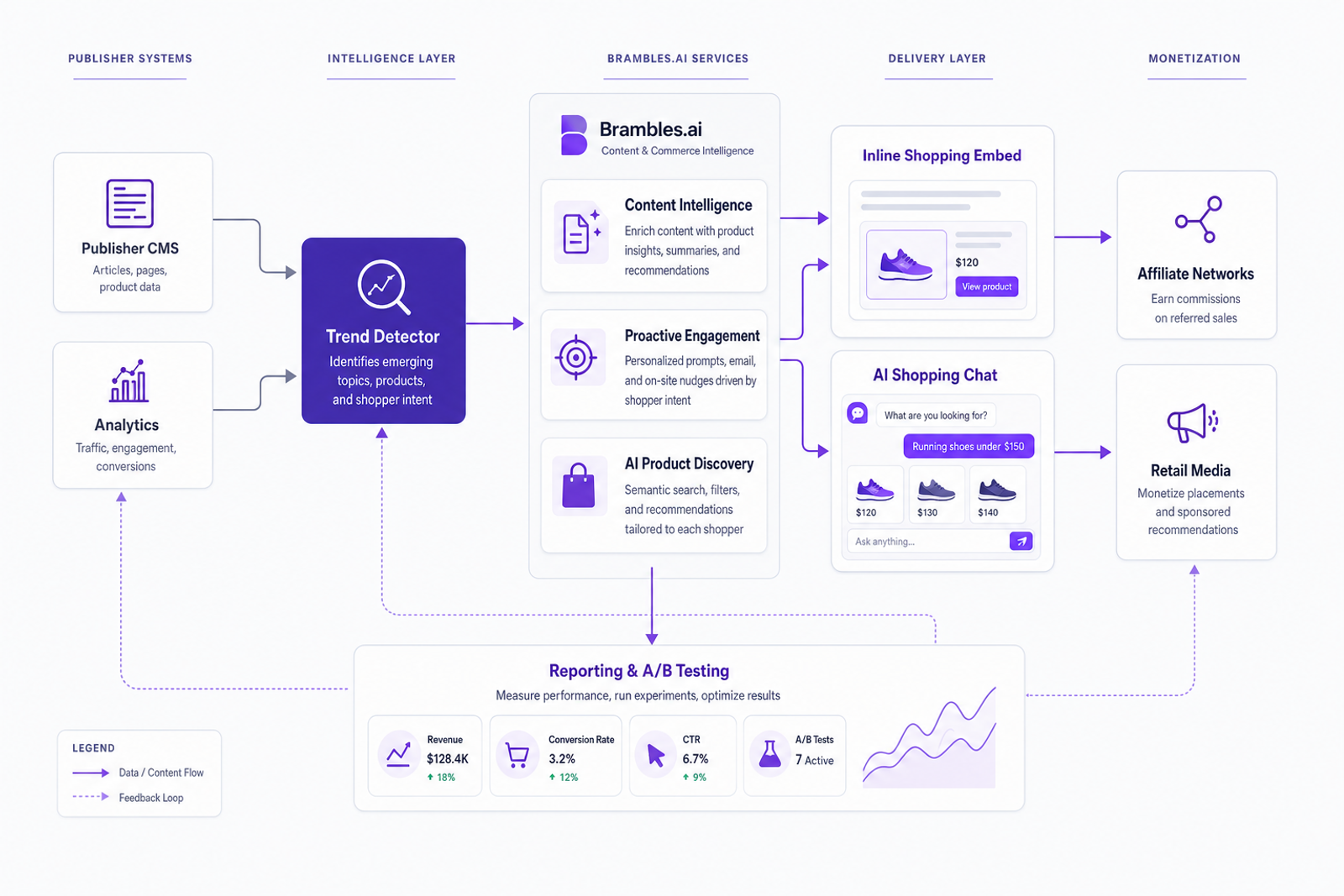
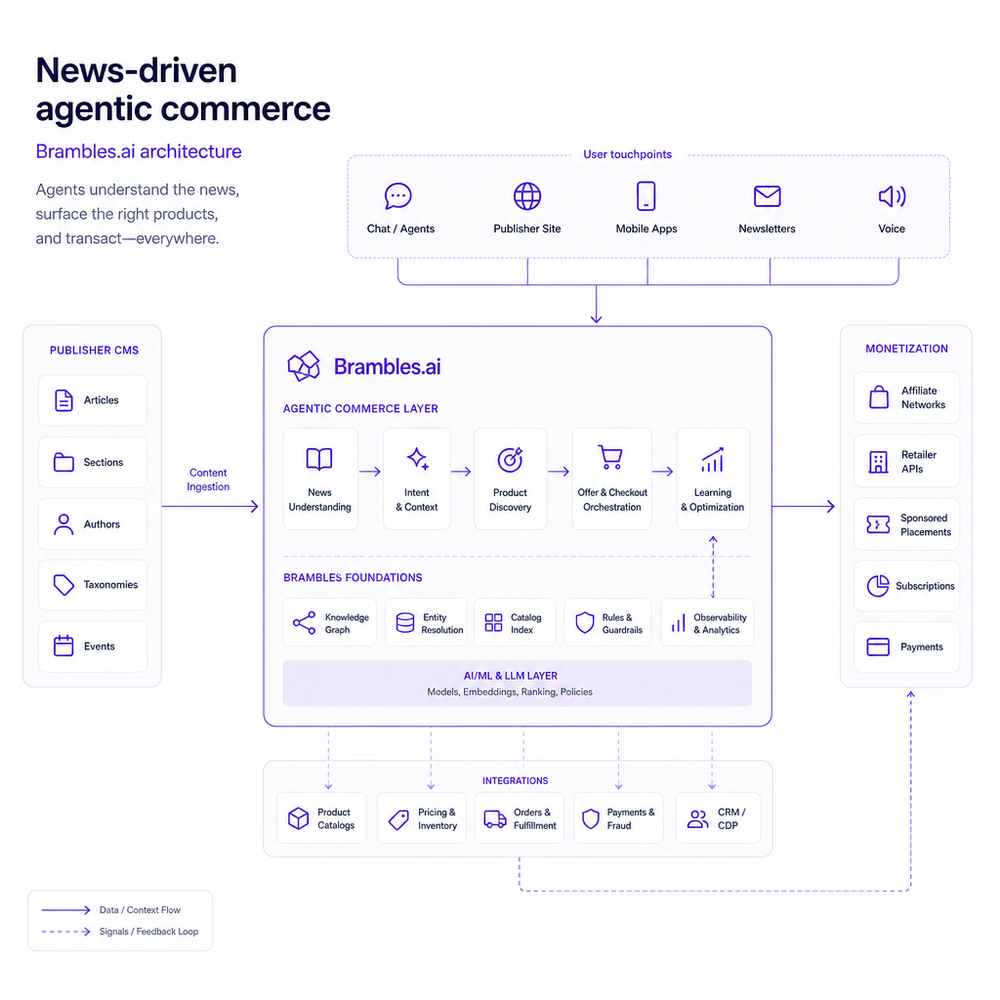
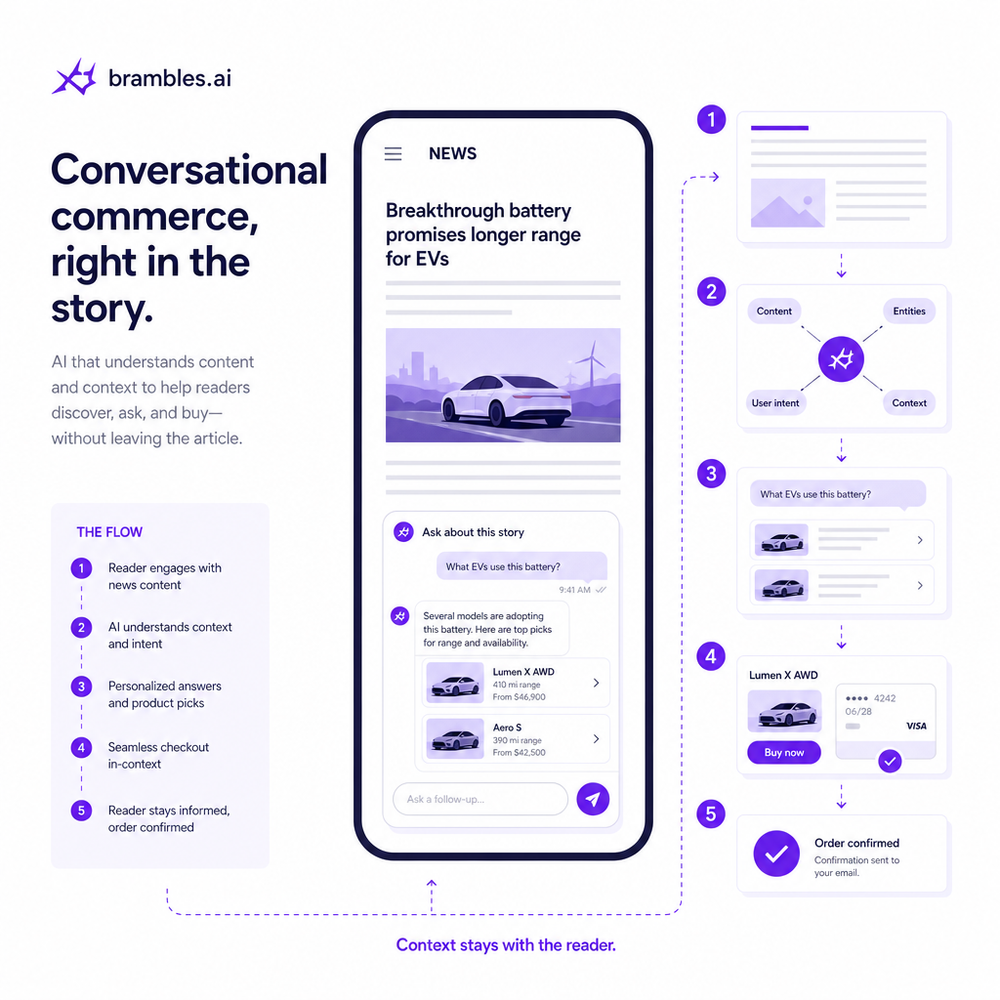
Agentic commerce is a closed loop: detect the moment, decide what’s helpful, act with the right module, and learn from outcomes. In news, the “moment” is a headline, push alert, or live blog. The system maps story entities and reader questions to offers, tools, and product picks—without sending people away prematurely.
How Brambles.ai operationalizes this:
• Content understanding: Brambles’ content intelligence indexes your entire site and taxonomy. It parses entities (brands, regulations, product specs) so suggestions match the article’s context, not just keywords.
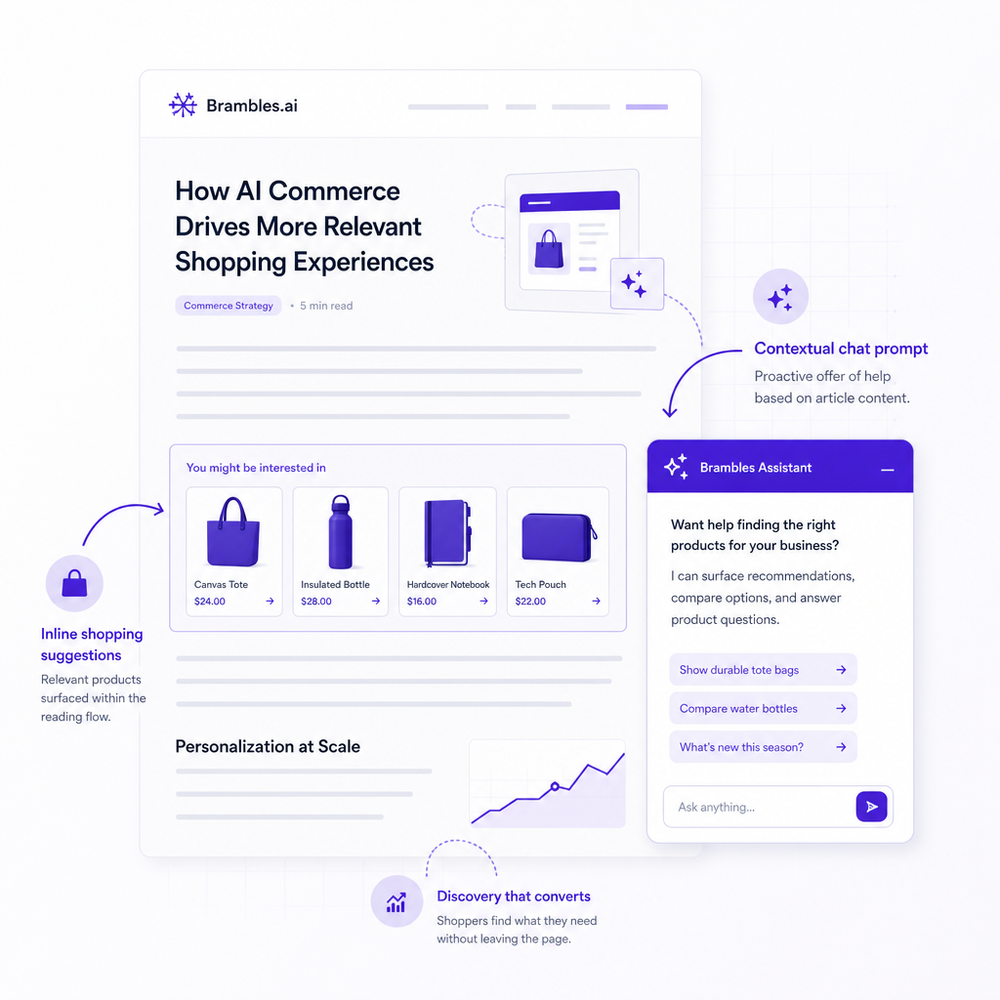
• Moment detection: Proactive engagement listens for page signals (topic, trending score, referrer) and triggers the right nudge—an inline block, a conversational prompt, or a small “Need gear for this?” hint in-feed.
• Conversational fulfillment: AI product discovery answers in natural language: “I’m traveling on a budget; show me carry‑ons that meet European sizer rules.” It returns curated picks with badges like “fits Ryanair 40×20×25 cm” and “under $120,” then lets readers refine instantly.
• Monetization that fits the moment: Affiliate revenue taps an index of 1B+ products across merchants to find in‑stock SKUs with competitive pricing. When appropriate, retail media placements surface sponsor picks labeled clearly, keeping the UX consistent and fast.
• UX delivery options: Use the floating AI shopping chat for ongoing Q&A, or embed an inline shopping module mid-article. Both inherit your fonts and colors and load asynchronously to protect Core Web Vitals.
Implementation Guide: A 14‑Day Rollout Plan
You can get to measurable revenue in two weeks. Here’s a field‑tested plan we’ve used with mid‑sized publishers.
Days 1–2: Define the triggers. Pick 6–8 story patterns where commerce helps: travel policy changes, product recalls, seasonal guides, election gadgets, tax rules, and student gear. Draft 1–2 conversational prompts per pattern (e.g., “Need a carry‑on that fits X airline’s new sizers?”).
Days 3–5: Install Brambles. Add the Agentic Commerce Module via a lightweight script or use the WordPress plugin if you’re on WP. Configure the inline shopping embed for longform and the AI shopping chat on high‑traffic sections. Turn on brand customization to match your style.
Days 6–7: Connect monetization. Enable affiliate networks and rule logic: prioritize in‑stock items, local shipping, and merchant diversification. Set default disclosures for paid placements. Keep the mix contextual, not creepy—your readers will notice the difference.
Days 8–10: Train context. Let content intelligence crawl your site maps and commerce taxonomy. Map entities like airlines, device models, or benefits rules to the prompts you drafted. Verify on 20–30 URLs. Editorial QA is crucial here; involve your beat lead.
Days 11–14: Launch controlled tests. Roll out to 25% of eligible traffic. Measure RPM, CTR to picks, conversation open rate, and time to first interaction. Iterate prompts daily. When you hit significance, scale to 75–100%. Add two more triggers based on live trends.
Optional paths: If you run a companion shop, sync it so the assistant can add items to cart or route to your PDPs; if you’re a retailer-publisher, the upcoming Shopify app will make PDP sync trivial. Developers can fine‑tune triggers and response styles through configuration.
Measuring ROI and What to Track
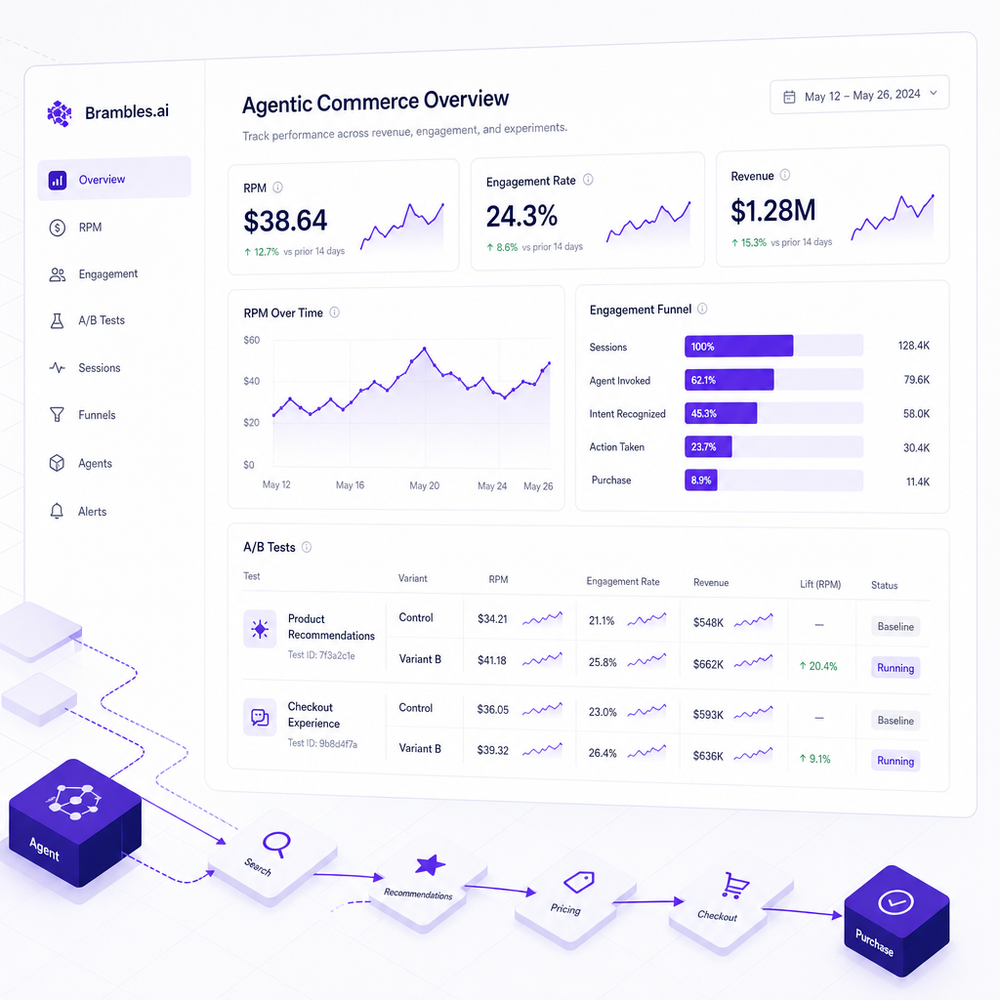
Revenue per Mille (RPM) is your north star, but don’t stop there. Decision‑quality measurement separates a gimmick from a durable program.
Core KPIs to instrument:
• Engagement: Conversation open rate, first interaction <30s, and refinement count per session (healthy range: 1.3–2.1).
• Commerce: CTR to product cards, conversion rate by merchant, AOV, and assisted revenue (sessions that touched the assistant but converted later).
• Experience: LCP/CLS on pages with embeds, exit rate post-click, and scroll depth at insertion points. Google research ties faster UX to higher conversions; protect your vitals by loading modules async.
Benchmarks from field tests: On a 100k‑session news cluster, in‑page prompts drove a 28% lift in commerce CTR and +$6.40 RPM net of cannibalization. A 220k‑session seasonal guide saw a 42% lift in affiliate revenue after entity‑level rules ensured in‑stock SKUs. Your mileage will vary by category depth and ad density.
Run disciplined tests: stagger triggers, vary prompt language, and cap exposure on thin inventory. For a strategic view on why this channel is durable, revisit our argument for conversation-first shopping and the 10 reasons publishers can’t wait.
First‑Party Data, Disclosure, and Reader Trust
Trust compounds or decays with every nudge. Agentic commerce works best when disclosures are plain, context is obvious, and data use is modest and first‑party. That’s the lane to stay in for 2026.
Concretely: keep affiliate and sponsored labels visible near each card and once per module. Use contextual signals (article entities, category, time) rather than 3P profiles. When you do accept sponsorship, throttle frequency and maintain a quality floor for products. We detail a clean, conversational approach to disclosure here.
Brambles natively supports contextual ads and retail media slots inside the assistant and embeds, with clear labels and pacing controls. This aligns with our broader vision of a cookieless, ad‑light shopping internet.
For commercial teams, keep plans public-facing: a simple page explaining your commerce criteria, merchant independence, and how you test products. It earns forgiveness when an offer is OOS or delayed. If you need enterprise support or SLAs, Brambles can meet compliance needs at scale.
Common Pitfalls and How to Avoid Them
The fastest way to stall momentum is to automate everything or nothing. Here are the issues we fix most often:
Checklist:
• Vague prompts: Readers won’t engage. Write prompts tied to the headline’s job-to-be-done (“Need a carry‑on that fits X airline?”).
• Thin inventory: Promote categories where you have depth and in‑stock coverage. Use affiliate rules to hide OOS or low‑margin picks.
• Heavy pages: Don’t sabotage LCP. Load embeds async and monitor vitals post‑launch. Keep the module count per page sane (1–2).
• No editorial QA: Senior editors should approve entities and merchants for sensitive beats (health, finance, politics).
• No iteration loop: Treat this like a beat. Review dashboards daily and ship prompt tweaks. Conversation UX is never “set and forget.”
Future Outlook: 2026–2027 Publisher Playbook
Two trends will define the winners. First, conversation as the default shopping surface—especially on mobile. Second, real‑time merchandising that responds to news without rewiring templates every week.
Expect deeper native placements (video answers that include shoppable context), faster entity mapping, and more publisher‑owned retail media. We’ve argued for this shift from search to conversation and why it’s the next leg of affiliate growth.
On the feature front, expect richer mobile UX with app‑like interactions, instant carting for retailer‑publisher hybrids, and smarter proactive prompts that trigger at the perfect scroll depth. All are already in motion.
FAQ
What exactly is agentic commerce for publishers?
It’s a system that detects reader intent from the article context, decides what to surface (advice, products, tools), acts via inline or chat modules, and learns from outcomes. The loop runs continuously so your content and monetization stay in sync with the news cycle.
How does Brambles.ai fit into our stack?
Brambles installs via a lightweight script or WordPress plugin, indexes your site for context, delivers inline and chat experiences, and connects to affiliate and retail media monetization. You can customize tone, branding, and rules without engineering heavy lifts.
Will this slow down our pages or hurt SEO?
Properly configured, no. Modules load asynchronously, and you can cap instances per page. Many publishers see improved engagement signals. Keep an eye on LCP/CLS in Search Console and A/B test insertion points to balance monetization with readability.
How do we keep disclosures clean and trust high?
Label affiliate and sponsored placements near the module and per-card, keep language plain, and prefer contextual signals over tracking profiles. Brambles supports built‑in labels and pacing so you maintain reader trust.
What does success look like by week 8?
A stable +10–20% RPM on eligible articles, 20–35% lift in commerce CTR, and clear assisted revenue attribution. Editorial teams should feel confident shipping new prompts for fresh beats in under an hour. If you’re ready to pilot, choose a plan and invite your commerce editor to set triggers today.
Related resources on Brambles.ai
If you are implementing this, start with Brambles.ai, for brands & retailers, pricing, brand pricing.
Related posts
View all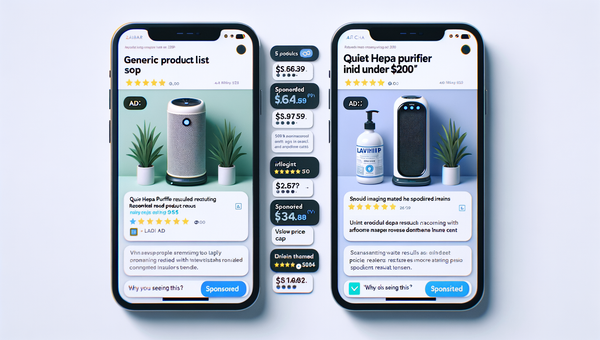
Sponsored Products in AI Shopping: Retail Media 101
Learn how sponsored product placements power AI shopping, how bidding and relevance work, and how to implement retail media without eroding trust or UX.
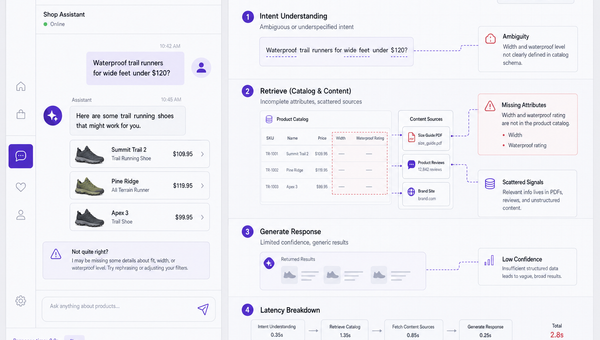
Why Good AI Shopping Agents Are Hard—and How Brambles Helps
Most AI shopping bots fail on data quality, UX, and trust. See why agents break in the wild and how Brambles.ai fills the gaps with measurable features.
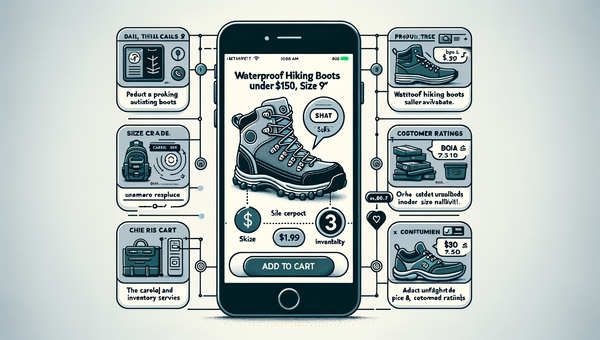
Direct Add to Cart from AI Chat Boosts Conversions
Shoppers convert faster when chat answers end in a one-tap cart. Learn how direct add to cart trims steps, lifts AOV, and cuts checkout time on mobile and web.
Explore Brambles.ai
Learn more about our AI-powered agentic commerce platform, agentic shopping, and shopping assistance solutions.
Explore More Insights
Discover more articles on AI, automation, and business innovation
View All Articles