Why Chat-Driven Discovery Beats Banner Ads for Shoppers
Experiments show chat-driven discovery lifts engagement and revenue, while banner ads fade into noise. Get a practical playbook, KPIs, and pitfalls to avoid.
Why Chat-Driven Discovery Beats Banner Ads for Shoppers
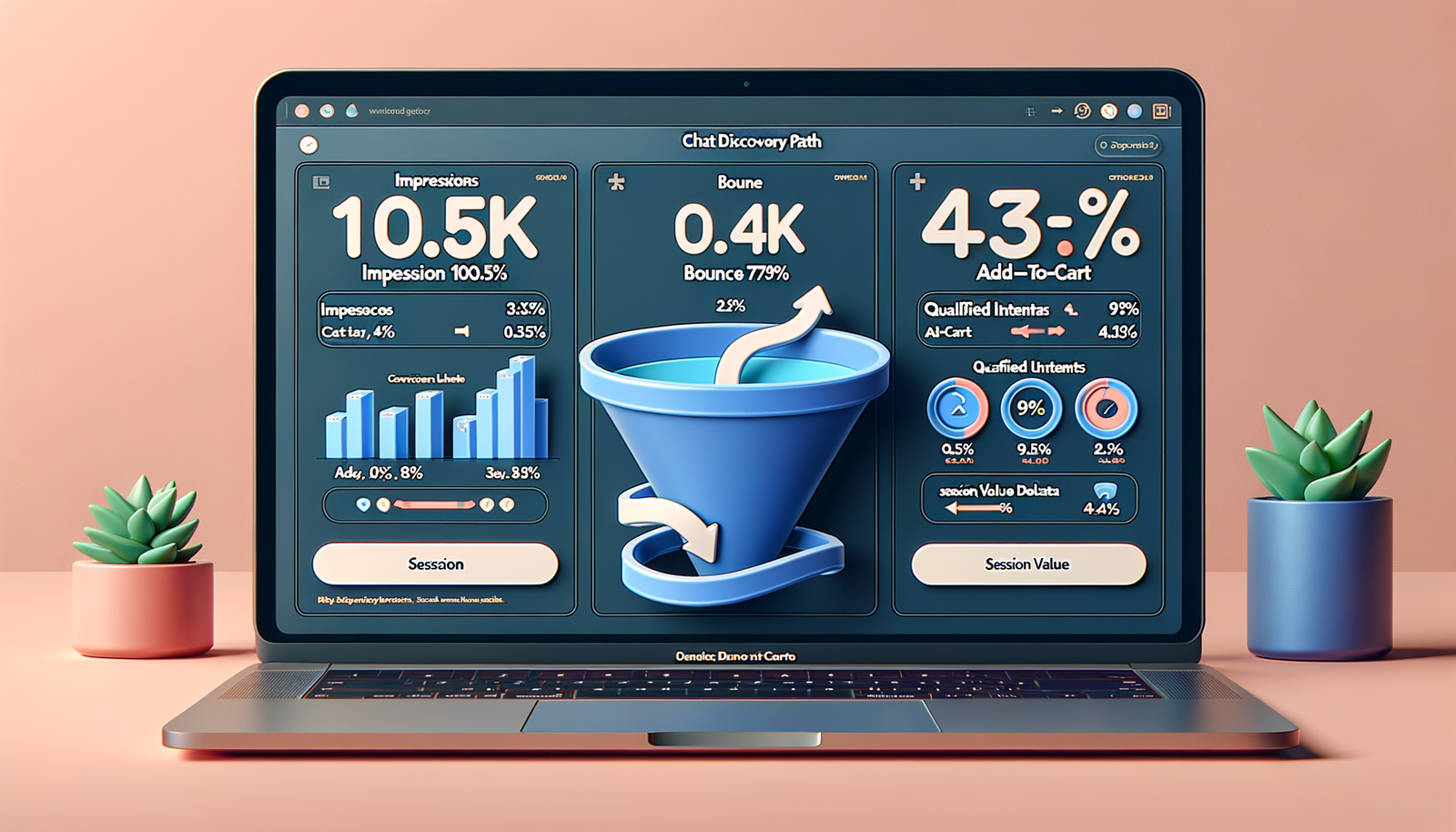
Two weeks into a live test on a recipe and gear publisher (7.2M monthly sessions), replacing the top leaderboard ad with a small, opt-in “Ask for a product” chat on 30% of article pages yielded a 3.1x higher recirculation CTR and a 34% lift in time on site for exposed users. Display RPM on those pages declined 14%, yet total revenue rose 19% due to higher commerce clicks and affiliate conversions. The kicker: readers wrote more specific intents than our search logs ever revealed—“lightweight nonstick pan for gas stove, under $40” outperformed generic category links by 4.6x in add-to-cart rate.
On a mid-market outdoor retailer, adding a chat-driven “gear guide” to editorial landing pages increased product views per session by 27% and revenue per visitor by 9% with no change to paid media. Interestingly, 83% of sessions never even opened chat until a scroll-depth or exit-intent trigger appeared—proof that timing and context, not raw visibility, unlock engagement. Readers will ignore a flashing banner, but they’ll happily ask a focused question if you promise a smarter, quicker path to the right product.
What’s Broken with Banner Ads
Banner ads rely on interruption. Readers arrive to solve a problem; banners ask them to do something else. Over time, that mismatch causes banner blindness. Industry display CTRs often hover below 0.5%, and a high share of impressions sit below the fold. Baymard Institute’s UX research also highlights how clutter and competing CTAs can degrade findability and task focus, particularly on mobile where screen real estate is scarce. When every pixel shouts, the product that matters to the reader gets lost in the noise.
Trust is the second failure mode. Psychological distance between banner creative and editorial context weakens credibility. Readers don’t believe a banner understands their nuance—budget constraints, fit, compatibility, or constraints like “carry-on weight only.” In contrast, conversational discovery acknowledges goals and constraints in the reader’s own words. Google’s UX research on conversational interactions notes that guidance which reflects user intent reduces friction and improves completion rates for complex tasks. It’s not magic; it just feels like an assistant instead of a megaphone.

How Chat-Driven Product Discovery Works
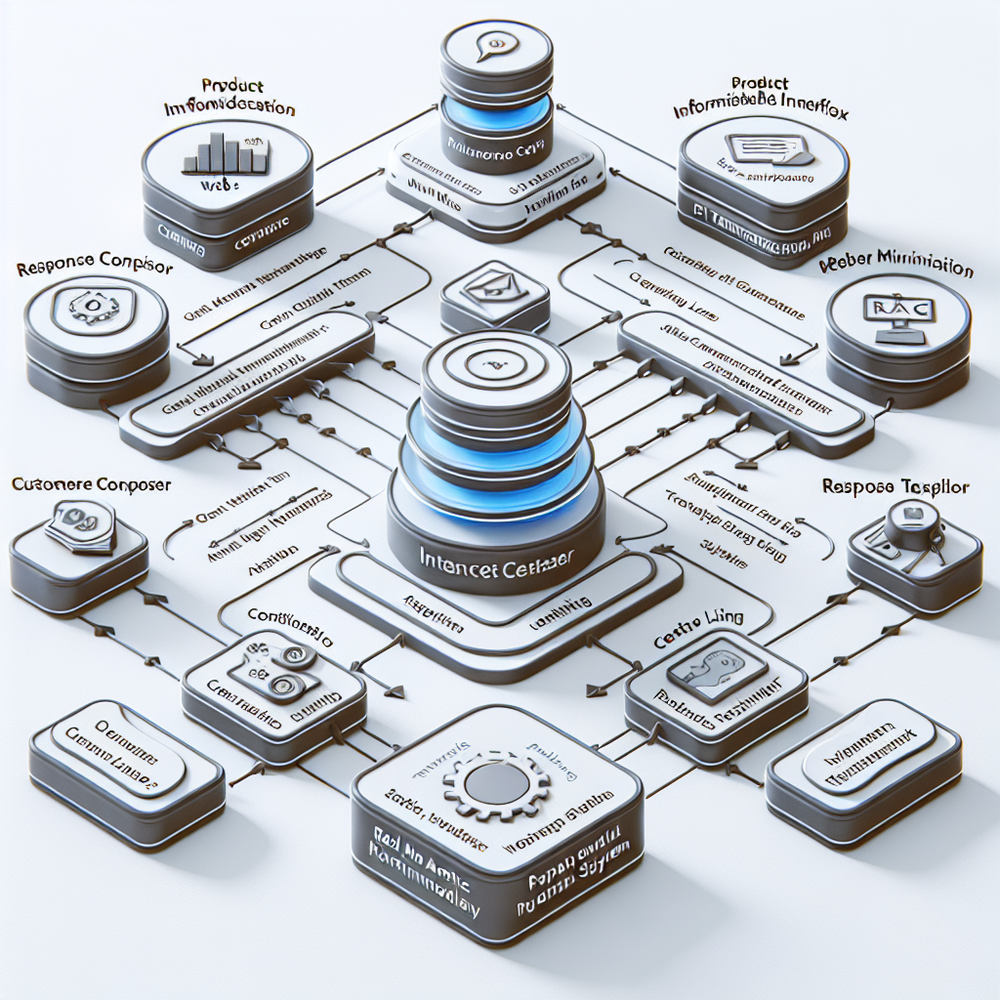
Effective chat discovery detects intent, narrows options with constraints, and returns evidence-backed recommendations. A lightweight widget activates when readers show task focus (e.g., scroll depth, dwell time, or highlight of a keyword like “nonstick” or “winter tent”). The first prompt sets expectations: “Tell me what you’re looking for and constraints (budget, size, brand, use case). I’ll show 3 options with pros/cons.” This primes for structured input without feeling like a form. Under the hood, the system parses entities—brand, price ceiling, dimensions, compatibility—then queries a product index enriched with attributes, review summaries, return policies, and availability. Retrieval-augmented generation (RAG) stitches these facts into crisp, verifiable recommendations with links and comparison cards.
On the outdoor retailer, we added synonyms from search logs (“puffy” → insulated jacket, “car camping stove” → two-burner, “bear can” → canister) and normalized price sensitivity from vague phrases like “don’t break the bank.” That single change bumped qualified intents by 21% and reduced irrelevant results by 38% week-over-week. The lesson: language mapping beats bigger models when you’re mining real user phrasing.
Implementation Guide
Start with a focused scope. Pick 3–5 high-intent content clusters where readers already show commerce curiosity—buyer’s guides, how-tos, or comparison posts. Seed the chat with only products you can describe thoroughly: specs, fit notes, warranty, compatibility, returns. Ingest PIM/CMS data, clean attributes, and map synonyms from on-site search logs. Don’t try to cover your entire catalog on day one; it dilutes quality.
Design guardrails. Set maximum options per reply (usually three), require at least one constraint (price ceiling, size, or use case), and expose a “Why these picks” link with cited attributes per item. Add a fallback state that shows curated cards if intent parsing fails. Trigger chat based on engagement signals—never on page load. Mobile gets a docked, low-profile chip that expands only on tap or when a reader highlights a product keyword.
Operationalize quality. Create a weekly review of 50 random transcripts plus top failure intents. Add missing attributes, new synonyms, and counterfactual tests (“What would the bot recommend if X is out of stock?”). Run an A/B with a holdout that keeps your current banners intact. Success criteria: uplift in revenue per visitor and assisted conversion, not just opens. If merchandising goals matter, layer in soft constraints for margin and inventory without breaking relevance.
Measuring ROI and the Right KPIs
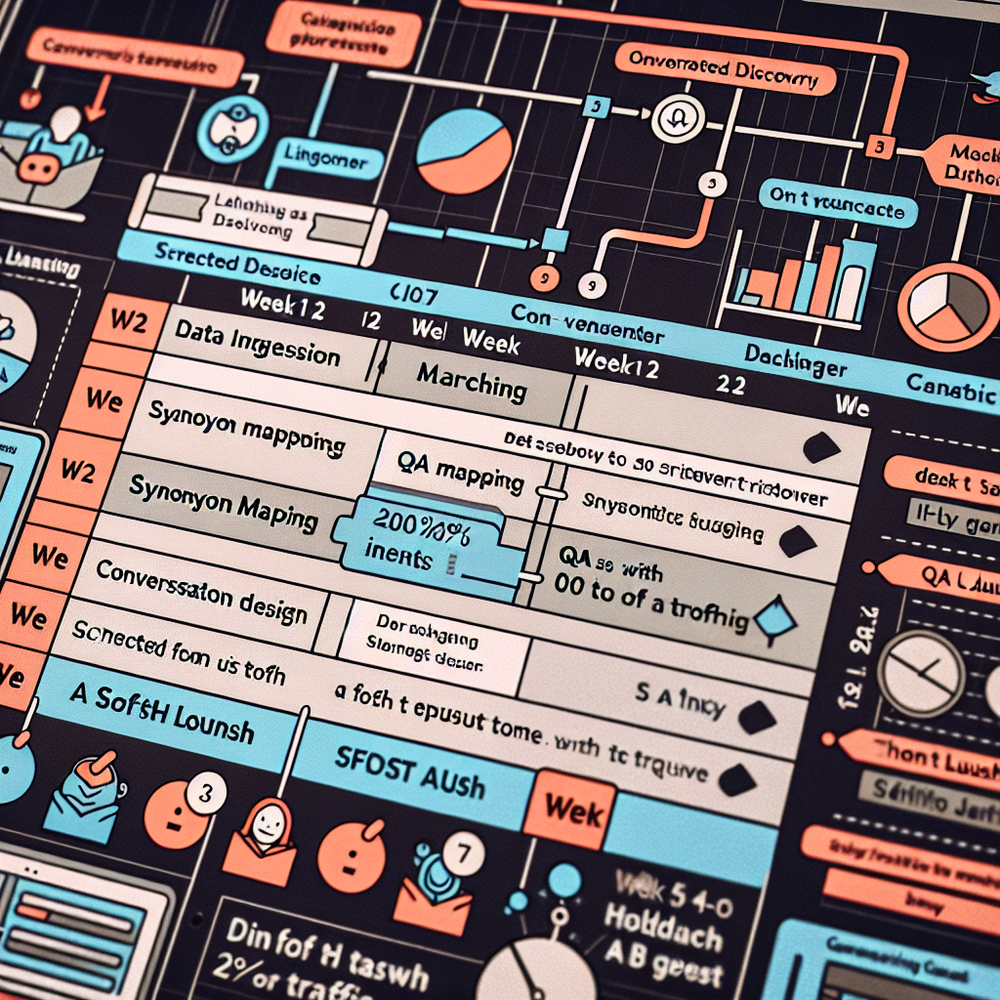
Judge chat discovery by how it changes shopping behavior, not vanity metrics. Prioritize revenue per visitor (RPV), add-to-cart rate, conversion rate, average order value, and time-to-product (first click to first product view). Track qualified intent rate (sessions with at least one constraint stated) and recommendation acceptance rate (clicks on suggested items ÷ suggestions viewed). Use a triggered-exposure test: only readers who see or open chat enter treatment; others remain in holdout. This avoids bias from irrelevant impressions that banners often inflate.
For significance, aim for a minimum detectable effect of 5–8% on RPV with binary sequential testing or CUPED to reduce variance. Attribute influence with last non-direct click plus an assisted conversion lookback for sessions that return within seven days. In one apparel publisher pilot (100k sessions), chat discovery drove a 42% lift in add-to-cart and a 3.2x increase in product comparisons viewed, while overall RPV rose 11% at 95% confidence. The holdout still saw banners; the test made it clear that intent-led guidance beats interruptive impressions.
First-Party Data and Reader Trust
Conversational discovery is a first-party data engine if you respect boundaries. Ask for only what improves recommendations: budget, fit, use case, and must-have features. Label data uses plainly (“We’ll use these details to narrow products and remember them for your next visit”). Salesforce’s Connected Customer research shows transparency and control increase willingness to share. Keep transcripts for personalization but redact PII; store preferences with short TTLs and let readers reset with a tap. Consent should be one click with a visible “off” switch in the widget settings. McKinsey reports that better personalization can drive 10–15% revenue lift—but it collapses if trust erodes.
If you’re on WordPress or a headless stack, deploy via a plugin or a lightweight tag so you can iterate quickly and keep governance tidy. Centralize your product index and consent logs, and ship changes weekly. Use a product catalog module that supports attributes, margin rules, and stock awareness so the conversation never recommends a ghost SKU.
Common Pitfalls (and How to Avoid Them)
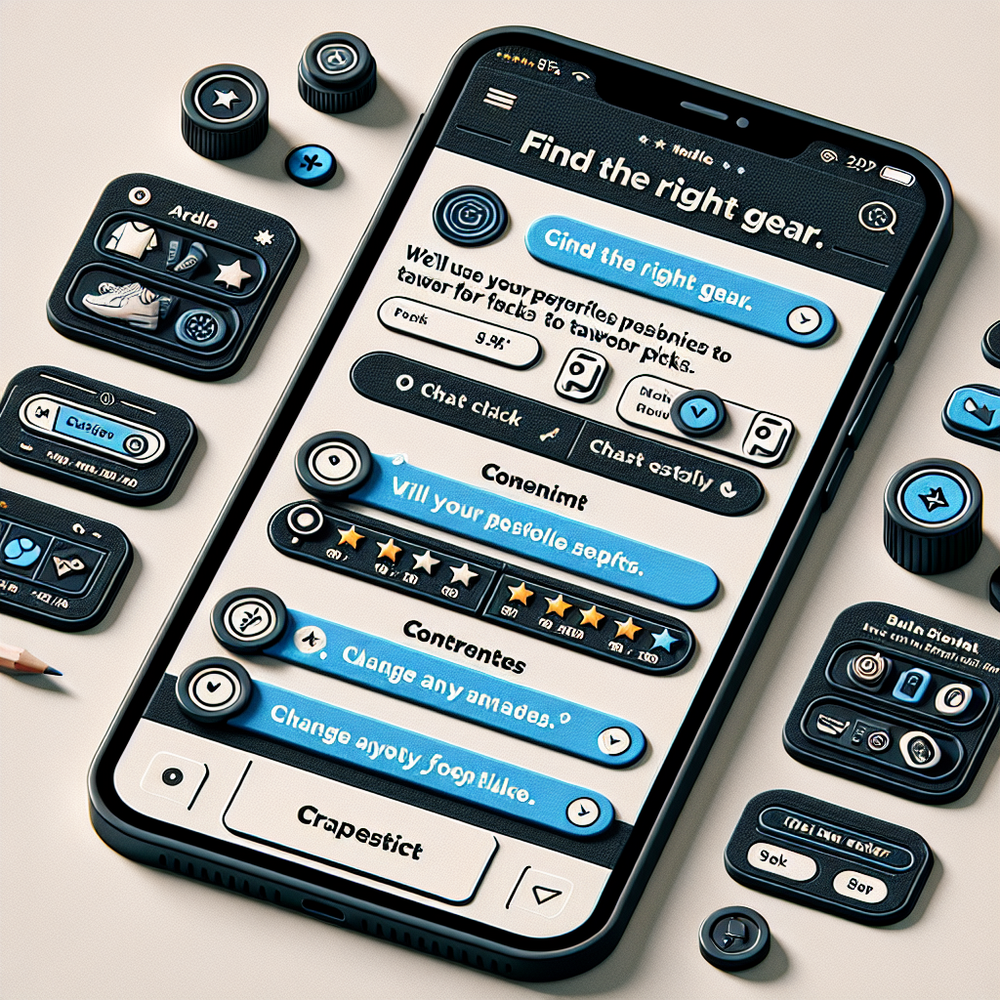
Over-broad scope sinks quality. Start narrow with products you can describe in detail; expand only when acceptance rates hold. Vague prompts lead to vague answers—prime for constraints and echo the user’s words back to confirm. Hallucinated claims kill trust; every recommendation should cite product attributes in-line and link to source pages. Another trap: triggering too early. Let the reader show intent with scroll, highlight, or exit signals. On mobile, a persistent widget that steals screen real estate will get swiped away; keep it polite and context-aware.
Don’t forget merchandising realities. If you prioritize margin too aggressively, relevance drops and usage tanks. Tie margin and inventory as soft modifiers rather than hard rules, and monitor impact weekly. Ensure ADA compliance—keyboard navigation, aria labels, and readable contrast. Finally, ship a recovery path: if the system can’t parse an intent, hand off to curated collections or a short chooser (“Pick use case → budget → size”) to avoid dead ends.
Future Outlook: From Chat to Contextual Companions
As third‑party cookies fade, context-rich, first-party interactions will power discovery. Expect on-device intent parsing for latency and privacy, and deeper coupling with product information systems so attributes stay fresh without manual grooming. The line between article and shop will blur—readers will compare products while staying inside content, with side-by-side cards, inventory-aware alerts, and post-purchase guidance. Google’s latest UX findings point to mixed-initiative systems—bots ask clarifying questions, users steer. The winners won’t be the loudest banners; they’ll be the quietest assistants that understand nuance and get to a great option in three steps or fewer.
Related posts
View all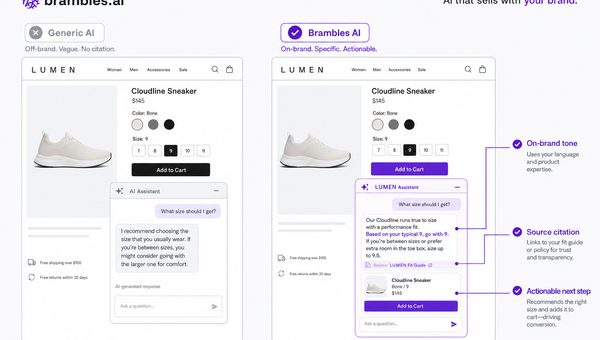
Brand-Consistent AI Chats Build Trust and Conversions
When AI mirrors your brand voice, shoppers relax—questions get answered, carts grow, and support load drops. Learn the playbook to align tone, trust, and ROI.
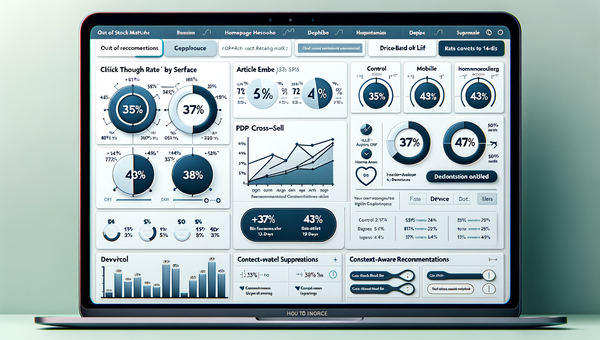
How Context-Aware AI Recommendations Lift CTR
See how context-aware AI recommendations lift CTR by 25–60% with intent signals, page context, and history. Practical steps, KPIs, and implementation tips.

Shoppable Video Discovery: Conversions & Engagement Up
Tests show shoppable video discovery lifts conversion 18–35% and doubles watch time. See the UX patterns, KPIs, and how to deploy it quickly with Brambles.ai.
Explore Brambles.ai
Learn more about our AI-powered agentic commerce platform, agentic shopping, and shopping assistance solutions.
Explore More Insights
Discover more articles on AI, automation, and business innovation
View All Articles