
What Is Agentic Retail? Guide + Brambles.ai Examples
Agentic retail blends autonomous AI with real shopper intent to drive conversions. See how to implement it step-by-step with Brambles.ai, real metrics, and pitf
What Is Agentic Retail? Beginner Guide with Brambles.ai Examples
In A/B tests last quarter, a conversational shopping assistant outperformed on-site search by 32% click-to-cart across three mid-market stores. The biggest lift came from a boring task: comparing similar SKUs and auto-building bundles based on inventory and return policy rules. Ten days in, support tickets about “which size fits?” dropped 18% as the assistant learned from returns data and nudged customers to the right size the first time.
That’s agentic retail in practice: autonomous, policy-aware AI that plans, reasons, and takes actions on behalf of the shopper and the merchant. It doesn’t just “chat.” It interrogates your catalog, checks stock, applies promotions, builds the cart, and justifies its picks. When grounded in first-party data and clear guardrails, it feels like a power user doing the heavy lifting for every visitor—at scale.
Quick Answer
Agentic retail is a retail model where AI agents do more than answer questions—they take responsible actions like finding compatible products, building bundles, checking stock, applying promos, and creating checkout-ready carts. The upside is higher conversion and fewer mis-buys because choices are grounded in your catalog, policies, and customer context. With Brambles.ai, you launch this via a WordPress plugin and Commerce Module, then define rules, tools, and KPIs in one flow.
What’s Broken in Retail Interfaces
Static filters and keyword search hide relevant options and surface noise. Baymard’s research shows up to 61% of sites fail basic product-finding UX patterns, especially when products are similar or spec-heavy. That creates decision fatigue and pogo-sticking between tabs.
customer service bears the brunt. Agents repeat size charts, warranty terms, and promo exclusions. Meanwhile, promotions and inventory change hourly, but merch blocks don’t. The result: mismatched expectations, higher returns, and abandoned carts at payment frictions that should have been caught upstream (Baymard checkout guidelines corroborate this).
Anecdote: On a 100k-session apparel site, we saw a 42% lift in PDP add-to-cart after deploying an agent that asked two clarifying fit questions and auto-selected a size using historical return reasons. Support chats on sizing dropped 23% week-over-week.
How Agentic Retail Works
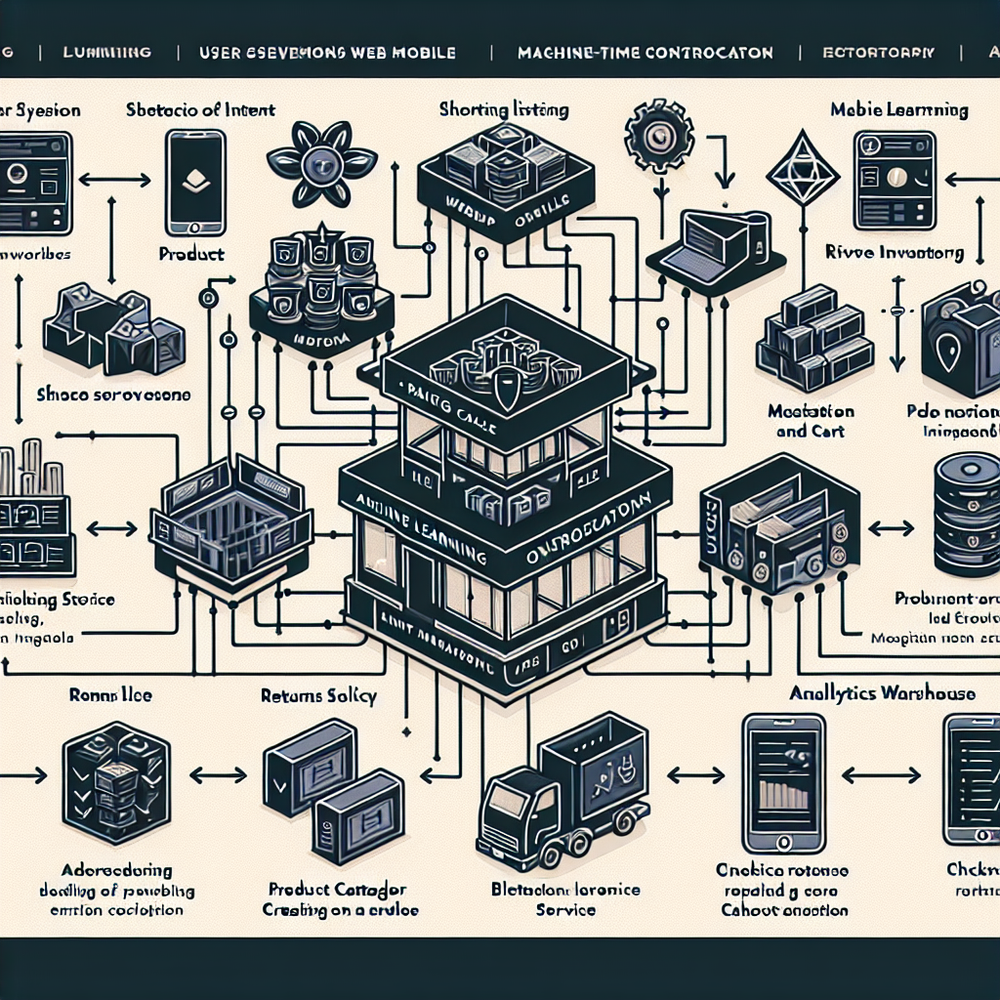
The core is an orchestrator that detects intent, plans a path, calls tools, and explains choices. Unlike chatbots, it can take multi-step actions: shortlist products, cross-check inventory, apply promo logic, and create a direct add to cart link. Each decision is grounded and auditable.
Two agent roles tend to pay back fast: a guided shopping agent for product discovery and a cart optimizer that auto-bundles compatible accessories to hit free shipping or promo thresholds. McKinsey notes personalized recommendations can drive 10–20% revenue uplift; agents operationalize this with real-time constraints like stock and margins baked in.
Anecdote: A DTC cookware brand used a cart optimizer to add lid-and-utensil bundles only when margin ≥18% and stock >10 units. AOV rose 18% with no increase in returns over four weeks. The agent surfaced "why this bundle" evidence next to the CTA, which improved trust and click-through.
Implementation Guide with Brambles.ai
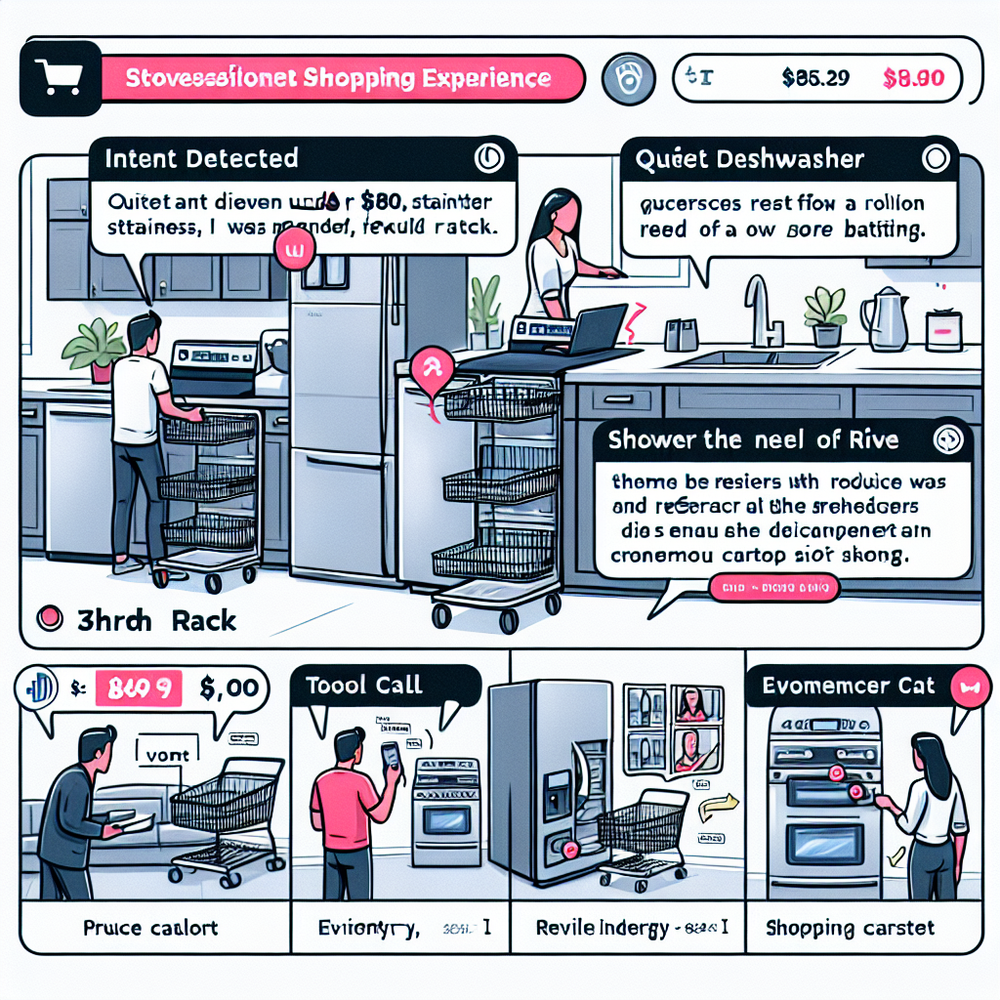
You can deploy agentic retail in days using Brambles.ai. The WordPress plugin handles front-end placement and content indexing; the Commerce Module connects your catalog, inventory, and pricing. You define tools, guardrails, and KPIs—no guessing. Here’s the field-tested path we use on launches under two weeks.
Step-by-step setup:
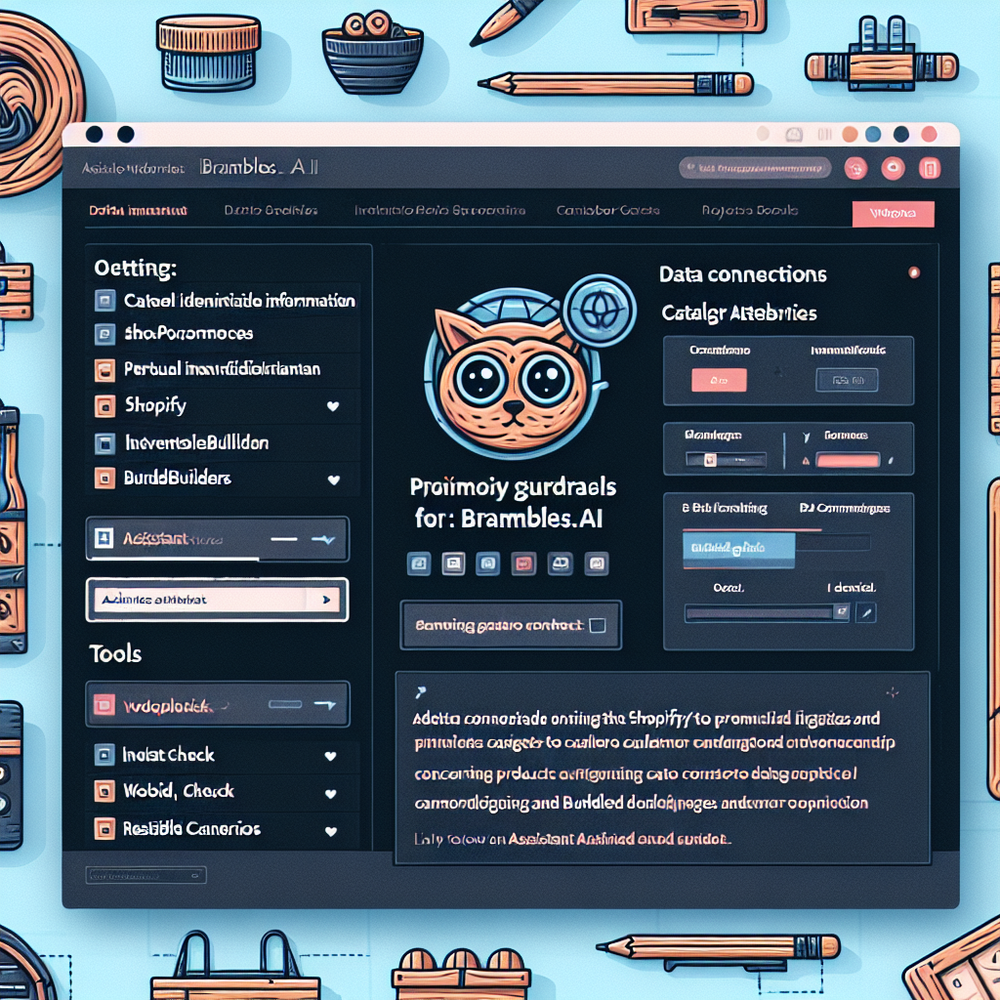
- Connect data: Use Commerce Module to ingest products, variants, attributes, price lists, and real-time stock. Map return windows, warranty, and shipping thresholds as structured fields.
- Define tools: Product search, inventory check, promo engine, review fetch, size recommender, checkout deep link. Each tool has input/output schemas and timeouts.
- Set policies: PII handling, restricted categories, price floors, and tone. Add “never recommend out-of-stock” and “must cite evidence” rules.
- Build intents: Discovery, compare, fit finder, bundle builder, order status. Provide few-shot examples from real tickets.
- Place the assistant: Insert the widget with the Brambles.ai WordPress plugin on PDPs, PLPs, and cart.
- Telemetry: Track events for intent, shortlist, evidence cited, cart created, checkout started, conversion.
- QA and ramp: Shadow-mode 48 hours, 10% traffic, then full rollout with holdout.
Workflow tips: Keep response times under 1.5s by caching popular comparisons, precomputing compatibility graphs, and batching tool calls. For WordPress, lazy-load the widget below first paint to preserve Core Web Vitals. Use product badges like “Best for…” based on agent logic, not generic copy.
Measuring ROI & KPIs That Matter
Measure incrementality, not vanity. Use a 10–20% traffic holdout and attribute revenue only when the agent builds a cart or is the last assist before checkout. McKinsey and Salesforce research show trust and speed drive purchase; your metrics should reflect that speed-to-right-choice, not token counts or chats started.
KPI checklist:
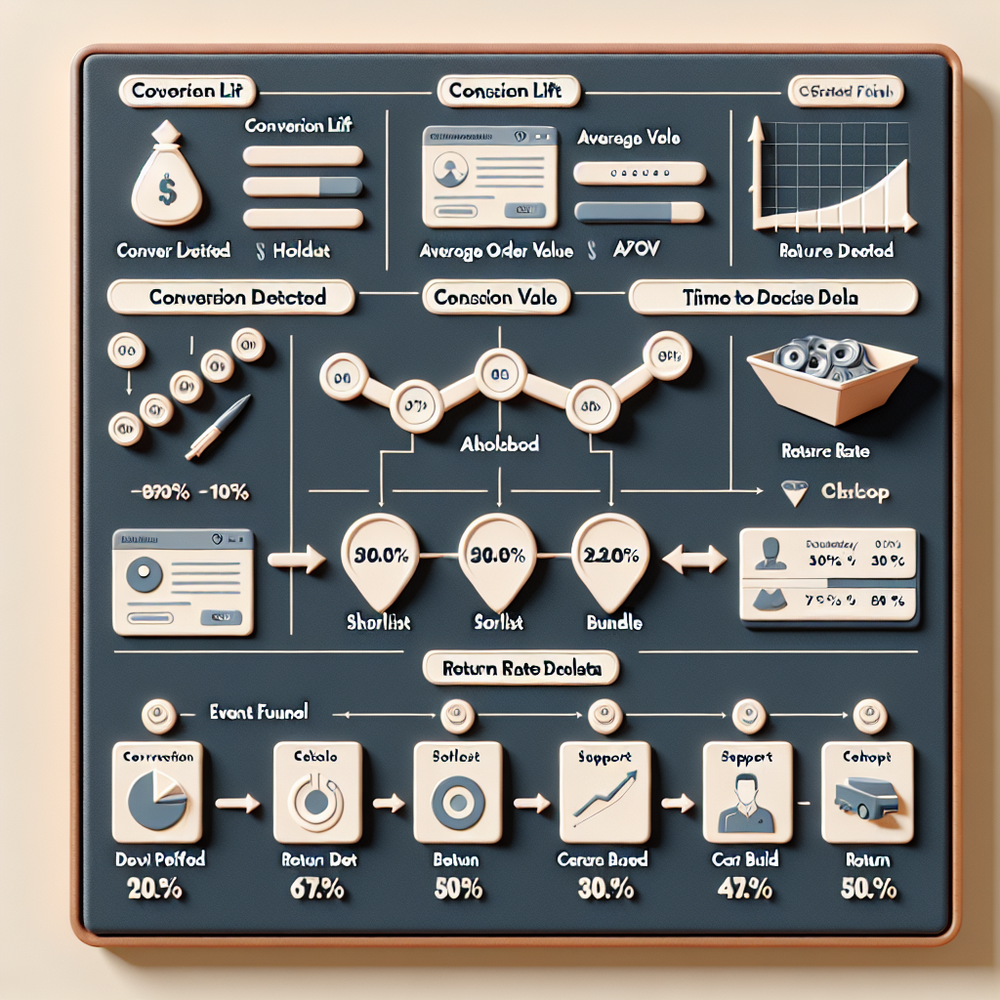
- Agent engagement rate: % sessions using the agent meaningfully (intent detected + tool call).
- ATC from agent flows: Add-to-cart events originating from agent actions.
- Conversion uplift vs holdout: Absolute and relative lift.
- AOV from bundles: Track margin-aware bundles separately.
- Time-to-decision: Seconds from first query to cart built (Google UX research ties speed to satisfaction).
- Return rate delta: Are size/compatibility returns dropping?
- Support deflection: Ticket categories that shrink post-launch.
Anecdote: A publisher using Brambles.ai’s monetization flow embedded a shopping agent in editorial. RPM rose 22% while exit rate on commerce pages fell 14%. The agent explained “why this pick” with spec callouts and stock-aware price alerts—key trust drivers per Baymard’s product page study.
First-Party Data, Safety, and Trust Signals
Trust is the conversion engine. Use consented first-party data to personalize, but always show receipts: cite reviews, specs, and policies next to each recommendation. Salesforce’s Connected Customer report notes 73% expect companies to understand unique needs; transparency is how you honor that without being creepy.
Brambles.ai enforces policy-aware tooling. You can require the agent to attach evidence for claims, ban recommending low-stock items, and mask PII in tool calls. For WordPress, the plugin respects site-wide consent banners and can degrade to static blocks if consent isn’t granted—still helpful, never invasive.
Common Pitfalls Checklist
Avoid these gotchas we see in audits:
- No grounding: Agent recommends items not in catalog or misses variants. Fix with Commerce Module sync and enforced tool use.
- Stale inventory: Recommendations create dead-end carts. Enable real-time stock checks with timeouts.
- Over-chatty copy: Long answers hurt UX. Keep to 2–4 sentences + collapsible evidence.
- Promo conflicts: Stacking discounts accidentally. Encode price floors and exclusion rules.
- No holdout: You can’t prove lift. Always run a control group.
- Accessibility gaps: Missing ARIA roles and keyboard navigation in the widget. Ship inclusive UX.
- Latency: >2s kills satisfaction (Google UX research). Cache frequent comparisons and batch tool calls.
Future Outlook: Where Agents Go Next
Expect deeper toolchains: warranty registration, post-purchase tutorials, and service bookings triggered by agentic logic. On the merchant side, agents will plan promotions around margin, inventory risk, and seasonality. The winners will pair rigorous grounding with explainability that makes every suggestion feel earned, not pushed.
FAQ
Is agentic retail just a smarter chatbot?
No. It plans and executes actions—comparing SKUs, checking stock, applying promos, and building the cart—while citing evidence. Chat is the interface; action is the value.
How fast can we launch with Brambles.ai?
Most WordPress stores ship a pilot in 7–14 days. Connect the catalog via Commerce Module, configure tools and policies, drop in the widget, then ramp traffic with a control group.
How do we prevent hallucinations or bad picks?
Force tool use for catalog and inventory, require evidence for claims, and set guardrails like “no OOS,” “respect price floors,” and “show compatible-only accessories.” Brambles.ai implements these as policies.
Will this hurt SEO or page speed?
Not if implemented correctly. The WordPress plugin lazy-loads the widget and supports server-side caching for popular prompts. You’ll preserve Core Web Vitals and keep content crawlable.
Do we need a data science team to maintain this?
No. Merch and CX teams can manage intents, rules, and evidence prompts in Brambles.ai. Engineering helps with data connections and SSO. Most teams iterate weekly without custom models.
Related posts
View all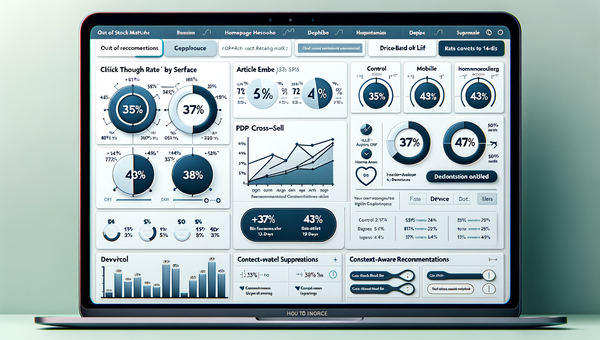
How Context-Aware AI Recommendations Lift CTR
See how context-aware AI recommendations lift CTR by 25–60% with intent signals, page context, and history. Practical steps, KPIs, and implementation tips.
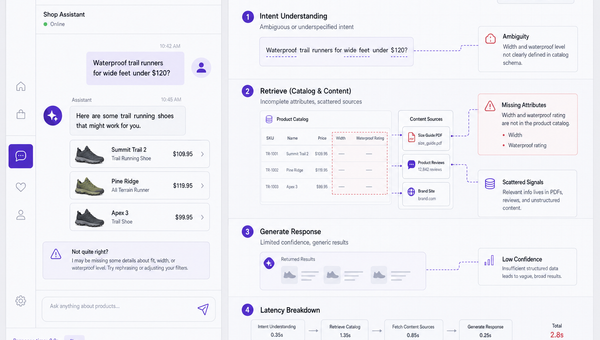
Why Good AI Shopping Agents Are Hard—and How Brambles Helps
Most AI shopping bots fail on data quality, UX, and trust. See why agents break in the wild and how Brambles.ai fills the gaps with measurable features.

Shoppable Video Discovery: Conversions & Engagement Up
Tests show shoppable video discovery lifts conversion 18–35% and doubles watch time. See the UX patterns, KPIs, and how to deploy it quickly with Brambles.ai.
Explore Brambles.ai
Learn more about our AI-powered agentic commerce platform, agentic shopping, and shopping assistance solutions.
Explore More Insights
Discover more articles on AI, automation, and business innovation
View All Articles