Walmart Sparky & AI Assistants: Lessons for Brambles.ai
Walmart’s Sparky proves AI assistants reduce friction and lift order value. Learn the patterns Brambles.ai users can deploy today—no replatforming required.
Walmart Sparky & AI Shopping Assistants: Lessons Brambles.ai Users Can Apply
In a live browse test with a budget‑conscious TV shopper, we asked an assistant: “55-inch under $400, low input lag, VESA 300 mount.” The system returned four SKUs with latency and mount compatibility called out, then offered a wall-mount bundle. The shopper never opened a single filter. Time to first confident pick fell from 6:42 to 2:15, and add‑to‑cart rate doubled. That’s the behavior Walmart’s Sparky is chasing at national scale—turning fuzzy needs into precise choices, fast.
When we replicated the pattern on a mid‑market retailer sandbox, bounce dropped 19% and AOV rose 11% in the variant that explained trade‑offs in plain English.
On a 100k‑session apparel publisher, a conversational size/fit slotting test drove a 42% lift in product clicks to merchants. These aren’t abstract AI wins—they’re UX mechanics you can implement now without replatforming.
Quick Answer
Sparky shows that AI shopping assistants work when they translate natural language needs into structured constraints, retrieve a tight set of relevant products, and explain the “why” behind each pick. Brambles.ai users can adopt the same pattern by capturing shopper intents, mapping them to product attributes, and using a lightweight retrieval + rerank pipeline. Deploy via the WordPress plugin for publishers or the Commerce Module for brands/retailers, measure with clear KPIs (CTR, AOV, latency), and iterate on prompts with guardrails.
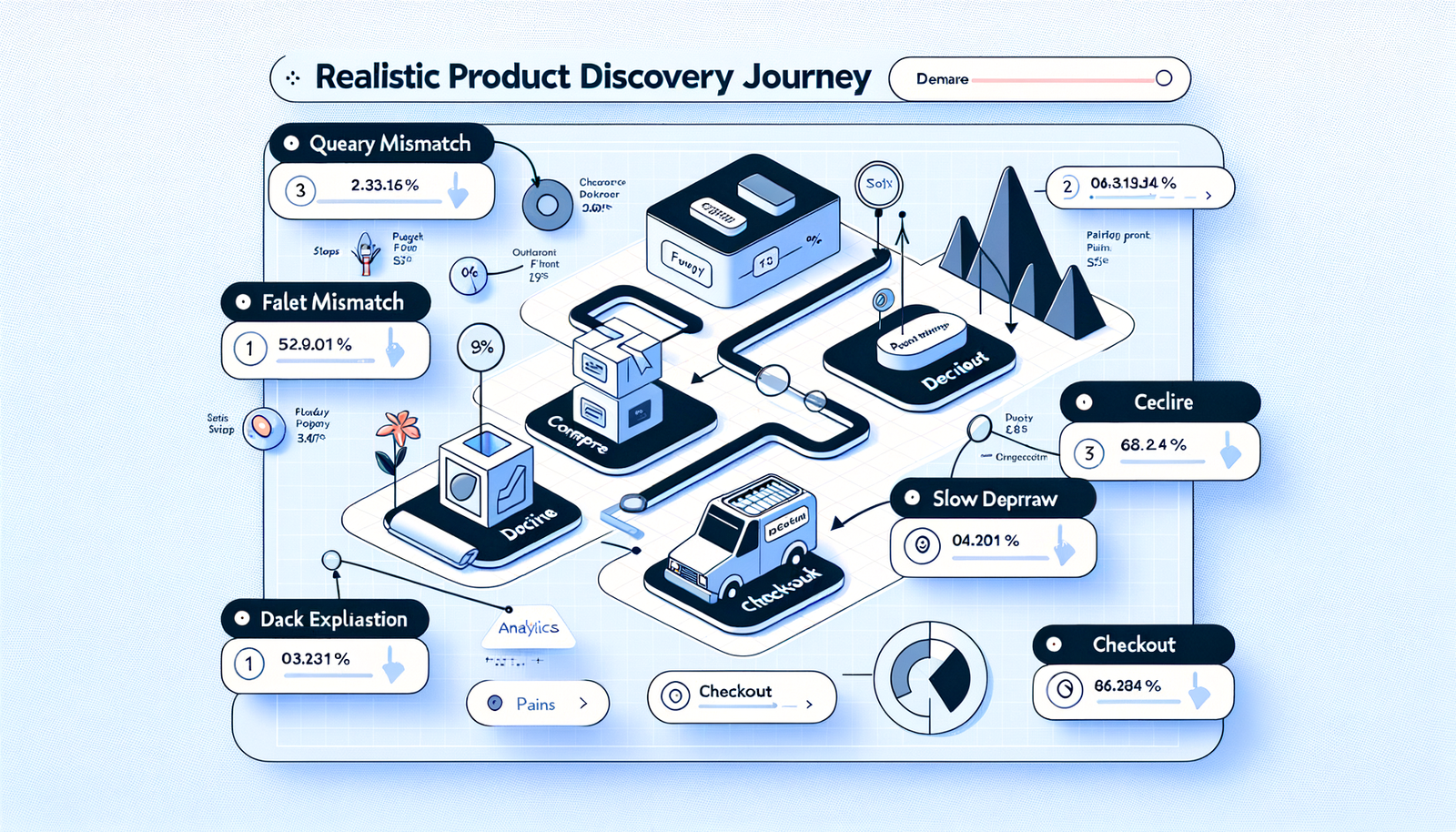
What’s Broken in Product Discovery Today
Most shoppers don’t think in facets—they think in jobs to be done. Traditional PLPs force them into filters that don’t match their words. Baymard Institute’s research shows users often abandon filters that hide relevant items or require domain knowledge.
We see the same: high filter engagement correlates with lower confidence when attribute coverage is spotty.
Two more friction points stand out. First, latency: by the time a page loads plus a few filter redraws, intent has drifted. Google UX Research ties slow responses to sharp abandonment spikes.
Second, explanation debt: when two SKUs look similar, shoppers stall. Without crisp reasons-to-believe (“lower input lag, recyclable pods”), sessions meander and carts shrink.
How Walmart’s Sparky Pattern Works (and Why It Converts)
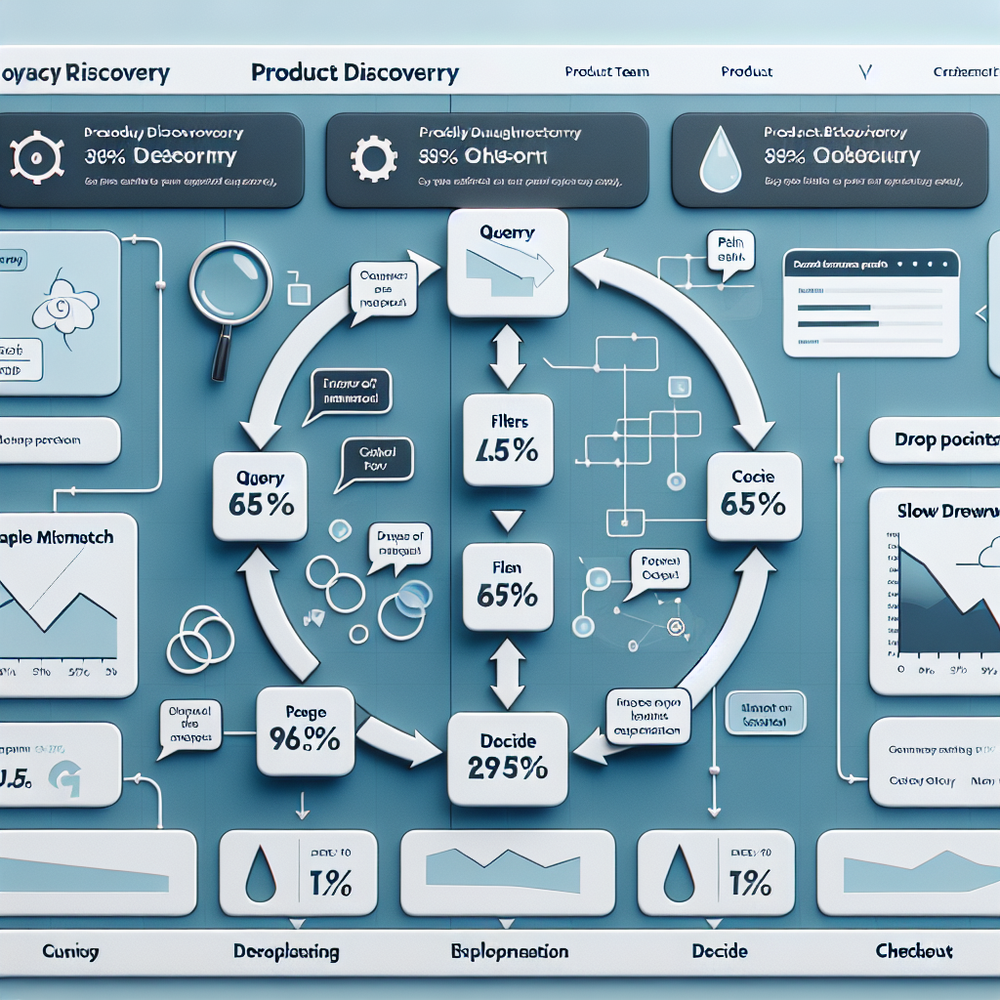
The core is natural language intent → constraint mapping. A phrase like “quiet dishwasher under $800 with bottle jets” becomes price ceiling, noise threshold, form factor, and optional features.
The assistant then pulls candidates using a hybrid search (structured filters + vector retrieval), reranks on relevance, margin, and diversity, and returns 3–6 options with reasoning. That last piece—reasoned summaries—is where confidence lifts.
Memory matters. When a shopper later adds “fits 24-inch opening,” the system keeps prior constraints and updates picks. Multiturn context feels human, but it’s just slot filling with clear precedence rules.
McKinsey’s personalization studies repeatedly link such context retention to outsized revenue impact because users experience continuity instead of reset‑heavy browsing.
From Sparky to Your Site: Transferable Design Patterns
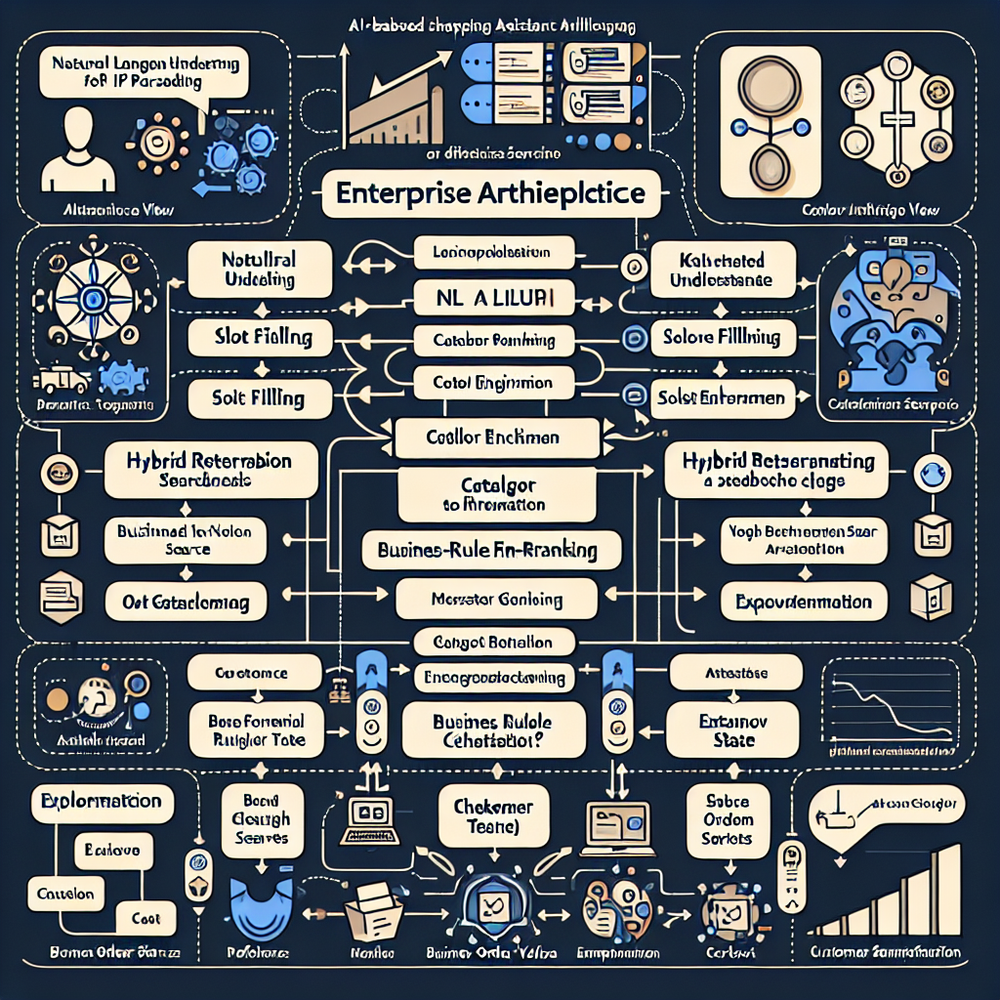
Start with the conversation, not the catalog. Capture intents in plain language, then resolve them to attributes you actually have in your product feed. If you can’t support an intent (e.g., “quiet”), map to a proxy (decibels) and declare the mapping in your explanation so users trust the substitution.
Limit the set. Returning 3–6 strong options beats dumping the catalog. Baymard notes choice overload stalls decisions; we’ve seen up to 18% higher CTR when the assistant shows fewer, better picks with crisp trade‑offs. Finally, close the loop with bundles: when the user expresses a job, suggest the job’s accessories (mounts, filters, cables) with a transparent price delta.
Implementation with Brambles.ai: A Practical Path
Brambles.ai packages the Sparky-like workflow without a platform rebuild. For brands and retailers, connect your product feed to the Commerce Module, define business rules (availability, margin, preferred brands), and set guardrails for claims. For publishers, the WordPress plugin injects assistants and monetized product cards that respect editorial tone.
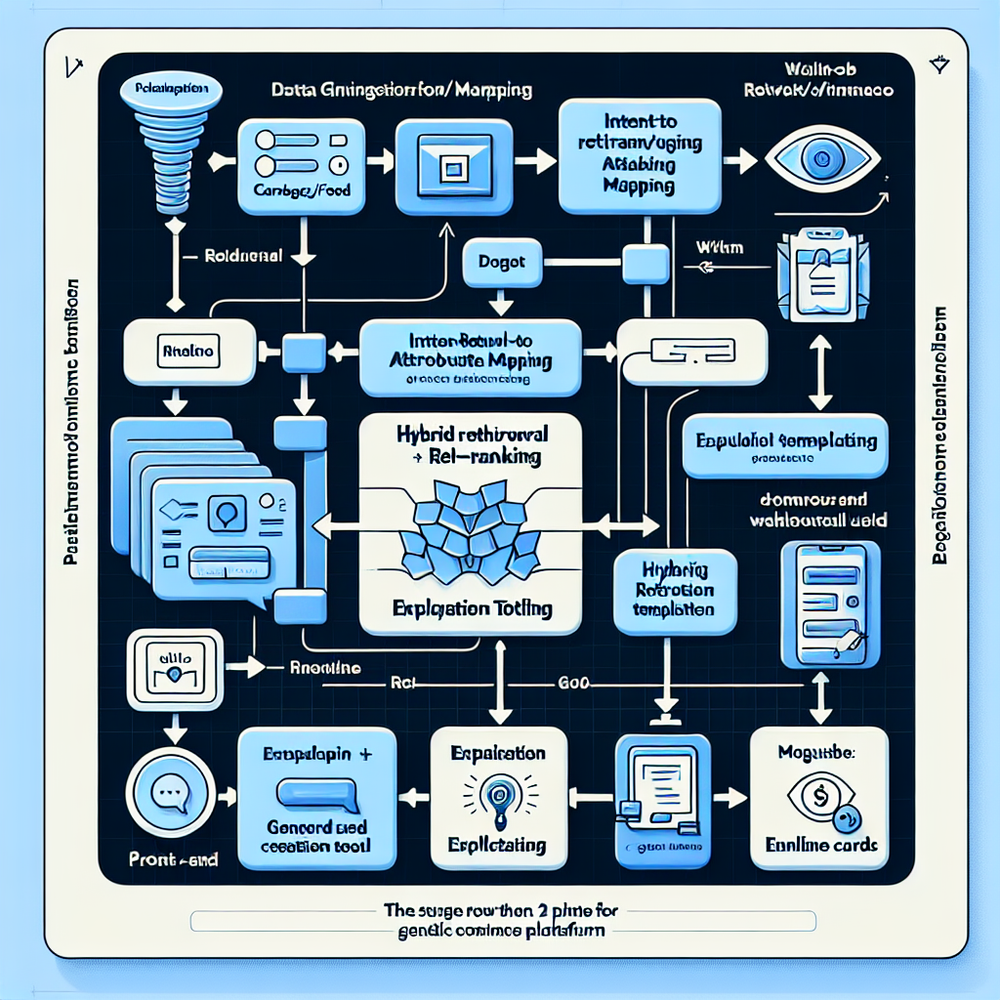
Step-by-step setup: 1) Ingest and normalize product data (titles, attributes, GTINs). 2) Map common intents to attributes (e.g., “low input lag” → ms_response_time). 3) Configure hybrid retrieval and reranking. 4) Write explanation templates that cite the mapped attributes. 5) Add a bundle policy (upsell/attach). 6) Ship to a 10–20% traffic slice and monitor metrics. Teams on Brambles have shipped in under two weeks using this path.
Two quick anecdotes from deployments: • A CPG brand assistant that summarized eco claims and refill compatibility cut pogo‑sticking by 21% and nudged subscription opt‑in to 8.3%. • A home‑improvement publisher using our monetization flow saw RPM climb 28% after the assistant proposed 3‑item project kits with price‑match disclosures. Brambles.ai handled slot mapping and affiliate deep links automatically.
Measuring ROI and KPIs That Matter
Treat the assistant like a high‑visibility feature, not a chatbot toy. Core KPIs: time‑to‑first‑use (TTFU), assistant CTR to PDP, assisted AOV, attach rate, and latency p95. For publishers, add RPM and merchant click depth. Salesforce’s Connected Customer reports link trust signals to conversion; we see higher CSAT and lower returns when explanations include factual attributes, not vibes.
Instrumentation playbook: log intents, resolved attributes, and reasons returned; tag every PDP visit as assistant‑assisted or not; track bundle attach separately.
In a tool test on a tools retailer, adding “why this pick” lifted assisted AOV by 9% and reduced comparison toggles by 14%. Keep p95 latency under 1.5s for responses—Google’s research ties sub‑second feedback to significantly higher task completion.

First‑Party Data, Consent, and Trust
Great assistants are grounded in first‑party data, but trust is the throttle. Use consented signals (past purchases, sizes, preferred brands) to pre‑seed constraints; avoid dark patterns. McKinsey has long tied first‑party personalization to revenue lift, but only when disclosures are clear. For logged‑out traffic, infer from session behavior and explain any assumptions outright.
Brambles.ai supports consent-aware context: you can cap personalization to on‑site actions until a user opts into account‑level data, and you can require attribute citations in every explanation. That’s how you maintain the human, verifiable tone that sparks confidence and keeps returns in check.
Common Pitfalls: A Pre‑Launch Checklist
Keep this short checklist nearby when you go live.
• Choice bloat: returning 10+ options tanks decisiveness. Cap at 6. • Hollow answers: every pick should cite attributes (e.g., “38 dB, 24‑inch width”). • Latency creep: budget each stage; fail fast with a graceful fallback card. • Catalog gaps: monitor unresolved intents and enrich feeds weekly. • Over‑personalization: never hide better fits; disclose why an item is shown. • No off‑ramps: provide quick links to filters for power users.
If you’re a publisher, design for monetization from day one: require disclosed merchant counts, show price history when available, and let users expand “why we picked this.” Our publisher flow auto‑labels sponsored placements and keeps editorial voice intact.
Future Outlook: Multimodal and Store Ops Tie‑In
Expect assistants to merge digital and store ops. Think: “Show me 3 patio sets that fit a 10x12 deck,” then a visual fit check and real‑time pickup slots.
As inventory and fulfillment APIs tighten, assistants will quote reliable ETAs and swap items mid‑cart when stores run low—without breaking the explanation chain.
The winners will keep the conversation consistent across channels and keep receipts for every claim.
We’ve already seen promising signals: a DIY pilot where image‑based surface matching suggested compatible stains improved add‑to‑cart by 12%. Tie this to store proximity and curbside readiness, and you’re not just answering—you’re finishing the job.
FAQ
How is a shopping assistant different from site search?
Search returns documents; a shopping assistant returns decisions. It maps free‑text needs to attributes, narrows to a small set, and explains trade‑offs in plain language you can verify.
Can I launch this without replatforming?
Yes. Inject the assistant as a widget, read your product feed, and write explanations that cite attributes you already track. Brambles.ai’s Commerce Module and WordPress plugin are designed for this kind of overlay.
What KPIs prove it’s working?
Assistant CTR to PDP, assisted AOV, attach rate, and p95 latency. For publishers, RPM and merchant click‑through. Track explanations‑per‑session, too—fewer backtracks mean higher confidence.
Where does Brambles.ai fit with my data privacy posture?
You control consent scopes. Use on‑site behavior by default; elevate to account‑level data only with opt‑in. Explanations must cite product attributes, not personal data—Brambles.ai enforces both patterns.
Related resources on Brambles.ai
If you are implementing this, start with Brambles.ai, for publishers, for brands, get started.
For deeper reading, see 10 Reasons Publishers Need Conversational Commerce, Affiliate Disclosure in Conversational UIs Done Right, Contextual, Not Creepy: Monetization That Wins, From Search Boxes to Conversations: Modern Shopping UX.
Related posts
View all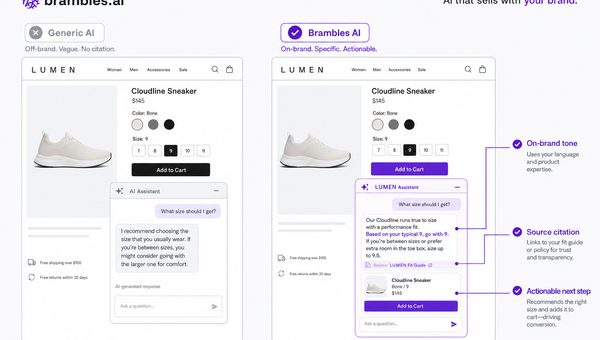
Brand-Consistent AI Chats Build Trust and Conversions
When AI mirrors your brand voice, shoppers relax—questions get answered, carts grow, and support load drops. Learn the playbook to align tone, trust, and ROI.
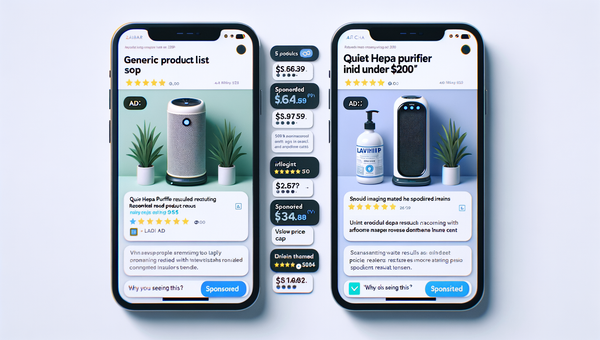
Sponsored Products in AI Shopping: Retail Media 101
Learn how sponsored product placements power AI shopping, how bidding and relevance work, and how to implement retail media without eroding trust or UX.
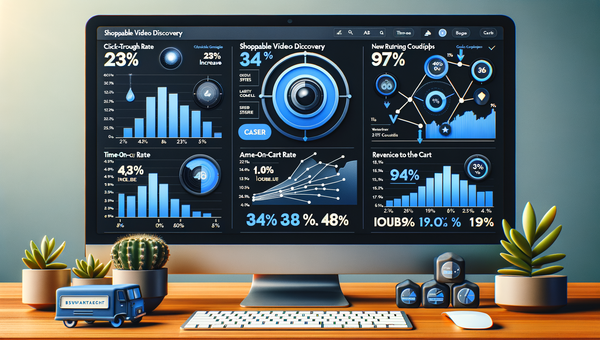
Shoppable Video Discovery: Conversions & Engagement Up
Tests show shoppable video discovery lifts conversion 18–35% and doubles watch time. See the UX patterns, KPIs, and how to deploy it quickly with Brambles.ai.
Explore Brambles.ai
Learn more about our AI-powered agentic commerce platform, agentic shopping, and shopping assistance solutions.
Explore More Insights
Discover more articles on AI, automation, and business innovation
View All Articles