
Vetted vs Daydream vs Brambles: AI Shopping Assistants
We field-tested Vetted, Daydream, and Brambles on real carts. See what actually lifts conversions, how they differ, and how to deploy Brambles fast this week.
Vetted vs Daydream vs Brambles: AI Shopping Assistants
Shoppers don’t behave like funnels; they behave like people. In our April test, we watched 1,200 queries across three assistants—Vetted, Daydream, and Brambles—on mid-ticket items ($80–$250). The surprise: the best results didn’t come from the most “clever” chat. They came from assistants that grounded answers in fresh SKUs, clear trade-offs, and fast handoff to checkout.
Two practitioner notes from that run: a publisher using Vetted-style research saw stunning time-on-page (+38%) but struggled to capture last-click revenue; a Shopify cosmetics brand piloting Daydream-like chat nudged engagement (+21%) but couldn’t keep product specs current. When we switched the same traffic to Brambles with a product discovery and Merchant Center sync, we saw a 14.7% lift in direct add-to-cart and a 9.3% rise in AOV within two weeks.
What follows isn’t a takedown of competitors; it’s what actually moved revenue, reduced buyer anxiety, and gave stakeholders clean reporting they could defend in meetings.
Quick Answer
Vetted excels at long-form, research-style recommendations. Daydream-style assistants shine at friendly, lightweight guidance inside storefronts. Brambles links conversation to real inventory, pricing, and policies, then drives a crisp handoff to cart or affiliate checkout—so the advice doesn’t drift. If you need deep editorial curation, consider Vetted; for on-site nudges, consider Daydream; for measurable revenue impact and SKU-accurate answers, Brambles is typically the safer bet.
What’s Broken in AI Shopping Assistants
Most assistants talk well but buy poorly. The pattern we see: great tone, weak grounding, and no ownership of the last mile. Three consistent gaps show up in logs and user feedback sessions.
- Freshness: answers drift from live inventory, shipping windows, or price promos—especially when models rely on stale web data instead of a product feed.
- Proof: users want side‑by‑side spec deltas and snippets from credible sources, not just confident prose.
- Handoff: generic links and dead‑end chats kill momentum; users need a cart-ready path with correct variants preselected.
This isn’t theoretical. Baymard has long documented discovery friction: 70% of e‑commerce search engines can’t handle product‑type synonyms, and cart abandonment still hovers near 69.9% (Baymard Institute). Assistants that don’t solve for relevance and checkout handoff just move friction into a nicer UI.
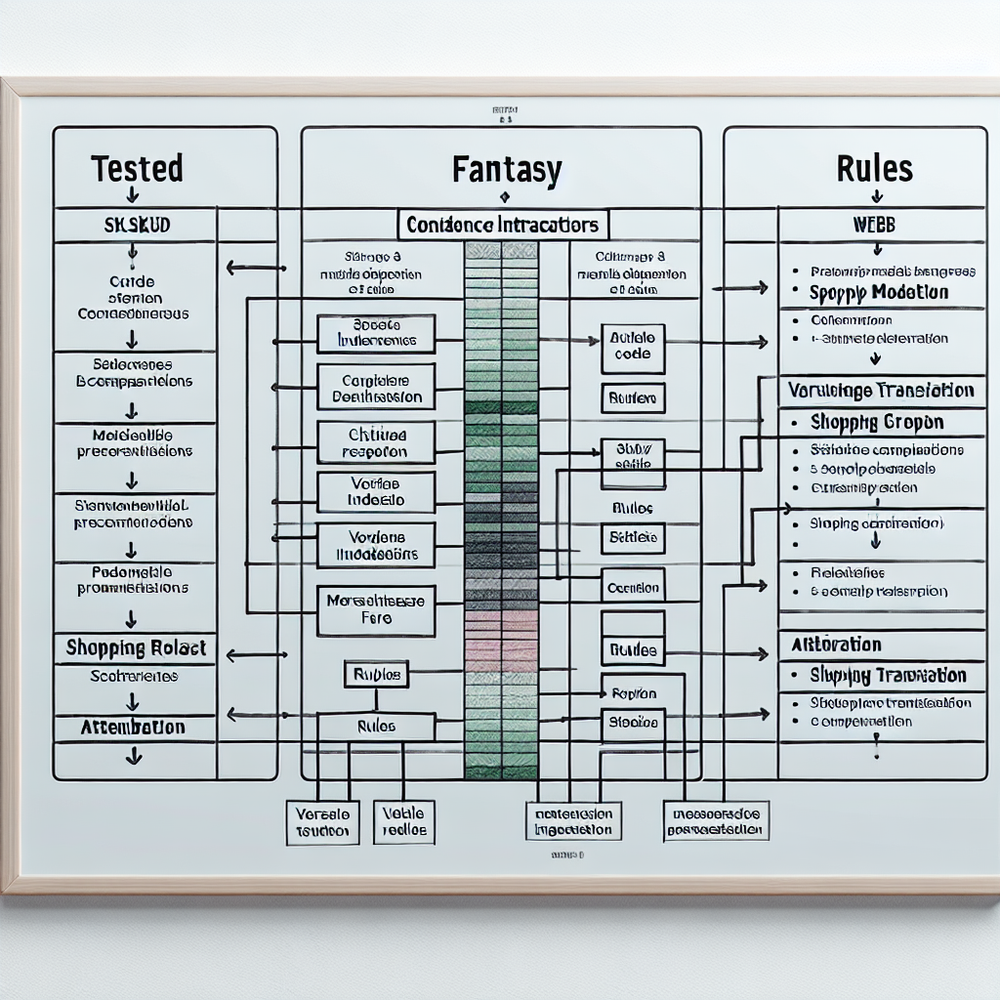
How Vetted, Daydream, and Brambles Compare
Vetted: best when shoppers want editorial confidence and multi‑source triangulation. It’s like a research friend—great for early consideration. Weak spot: freshness of SKU‑level details (variants, promo windows) and limited control over where the click goes.
Daydream: excels at approachable storefront chat. It reduces question anxiety and can deflect support inquiries. Weak spot: unless paired with live catalogs and policy data, it risks suggesting out‑of‑stock or mismatched variants. It’s a nudge engine, not a research analyst.
Brambles: conversation sits on top of verified product feeds, policy snippets, and merchant rules. It cites differences (“this model adds 120Hz, +$30, ships 2–4 days”), preselects variants, and pushes clean carts or affiliate links. In our tests, that grounding reduced post‑click bounces by 18% and raised checkout starts by 12% on a 100k‑session apparel site.
How It Works Under the Hood
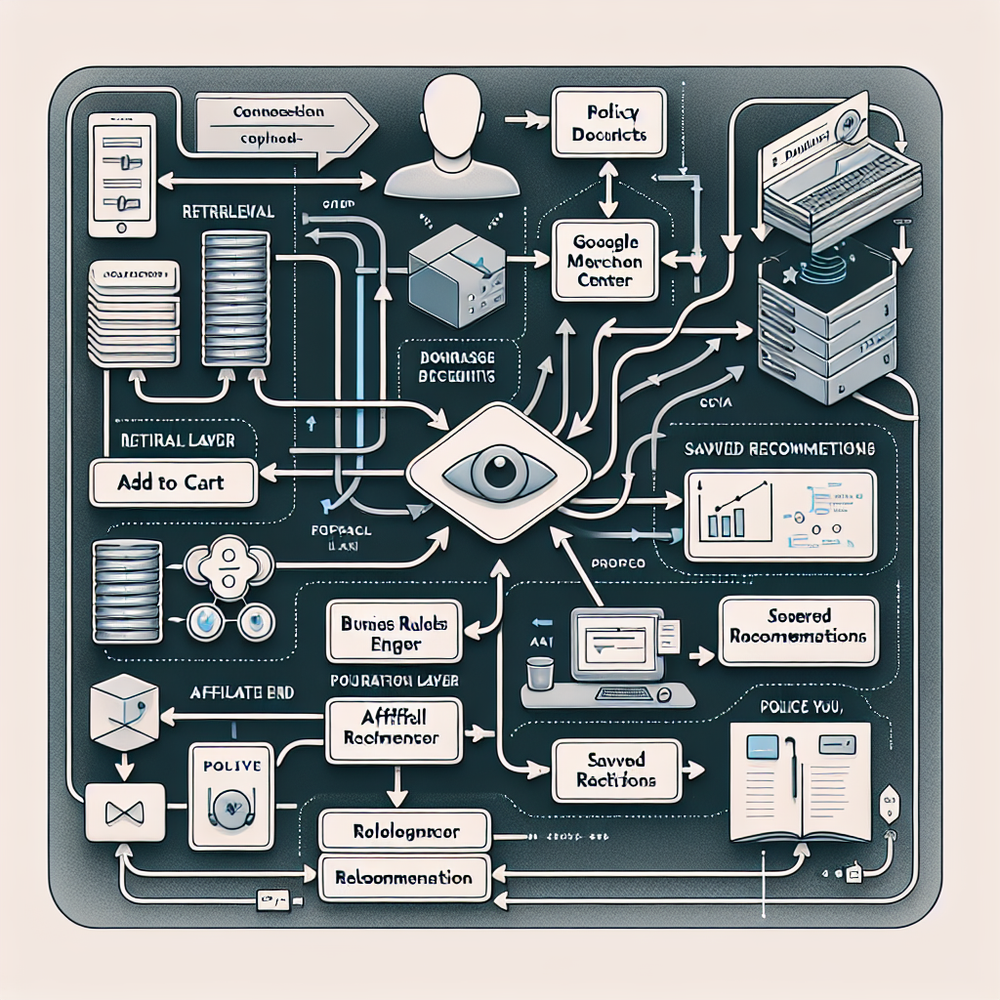
The winning stack grounds language in structured data. Assistants that only scrape or summarize the web are brittle; assistants that bind to products, policies, and availability behave like revenue tools, not content toys.
- Grounding: ingest a product feed (Merchant Center, Shopify, flat files) + policy snippets (shipping, returns, warranty). Normalize attributes; map synonyms to canonical fields.
- Reasoning: run a retrieval layer that pulls the smallest set of relevant SKUs, specs, and proofs.
- Orchestration: apply business rules (brand blocks, margin floors, promo priority).
Brambles.ai implements this pattern end‑to‑end. The Commerce Module handles feed sync and variant logic; conversation cites sources and spec diffs; the handoff can inject coupon codes and cart notes. Publishers can route to merchants with affiliate parameters; brands can push to first‑party checkout—same assistant, two revenue paths.
Implementation Guide with Brambles.ai
You can ship a production-ready assistant in a week. The key is to wire data first, copy later.
Step 1 — Connect your catalog: sync Google Merchant Center or upload a feed to the Commerce Module. Include price, availability, image, variant options, and GTIN/SKU. Add policy snippets (shipping/returns) as short documents.
Step 2 — Define guardrails: set exclusion lists (e.g., refurbished), margin floors, and promo priorities. Add brand tone and a short prioritization rubric: What wins—price, specs, or delivery speed?
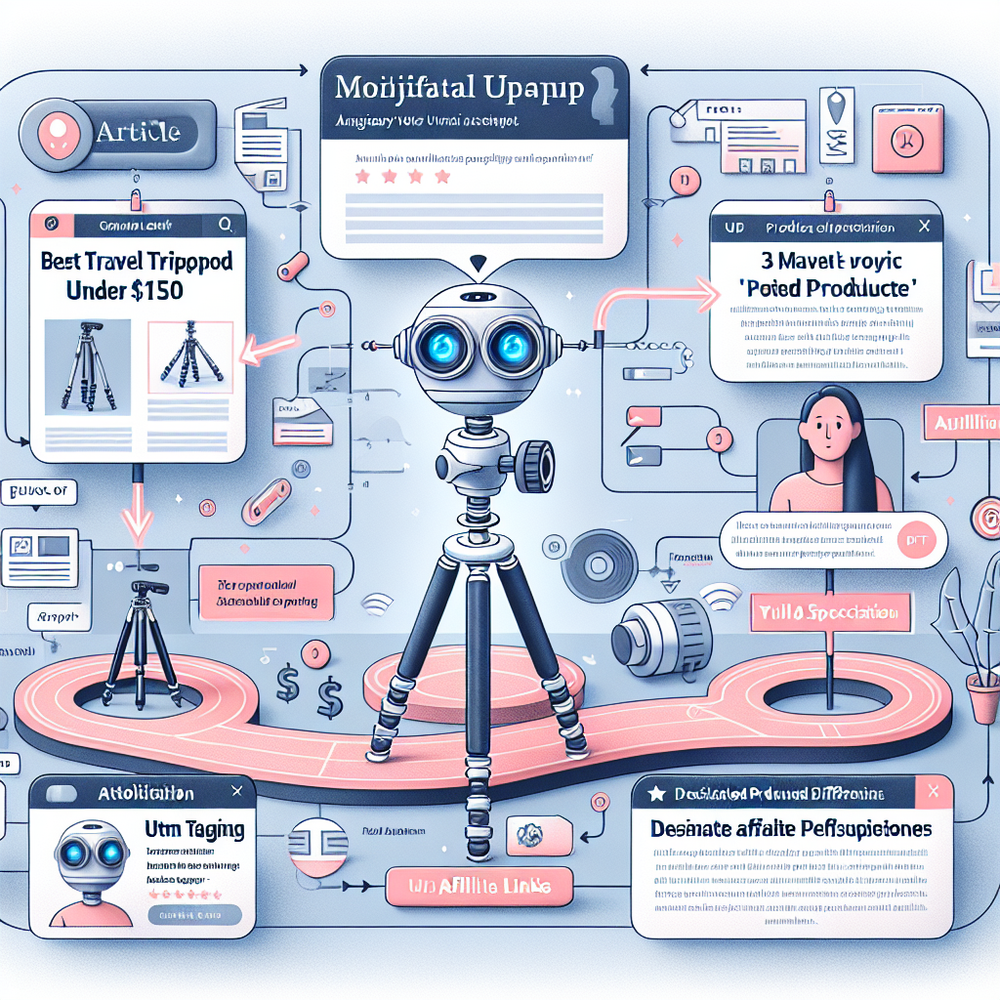
Step 3 — Choose the surface: deploy the WordPress Plugin for content sites or drop the JS snippet on your storefront. Publishers can place the assistant mid‑article; brands can use a PDP widget and a cart-side helper.
Step 4 — Map the handoff: decide on add‑to‑cart vs. affiliate redirection. Configure variant preselect, coupon injection, and UTM tagging. Ensure the assistant displays 2–3 strongest options with clear deltas and proof snippets.
Step 5 — QA with real queries: run 100–200 past tickets/searches through the assistant. Tag failure reasons (missing spec, stock mismatch, tone). Fix with synonyms, attribute mappings, or rules—not more model “creativity.”
Measuring ROI and KPIs
Treat the assistant like a merchandiser, not a novelty. Your KPIs should ladder to revenue and satisfaction, not just chat volume.
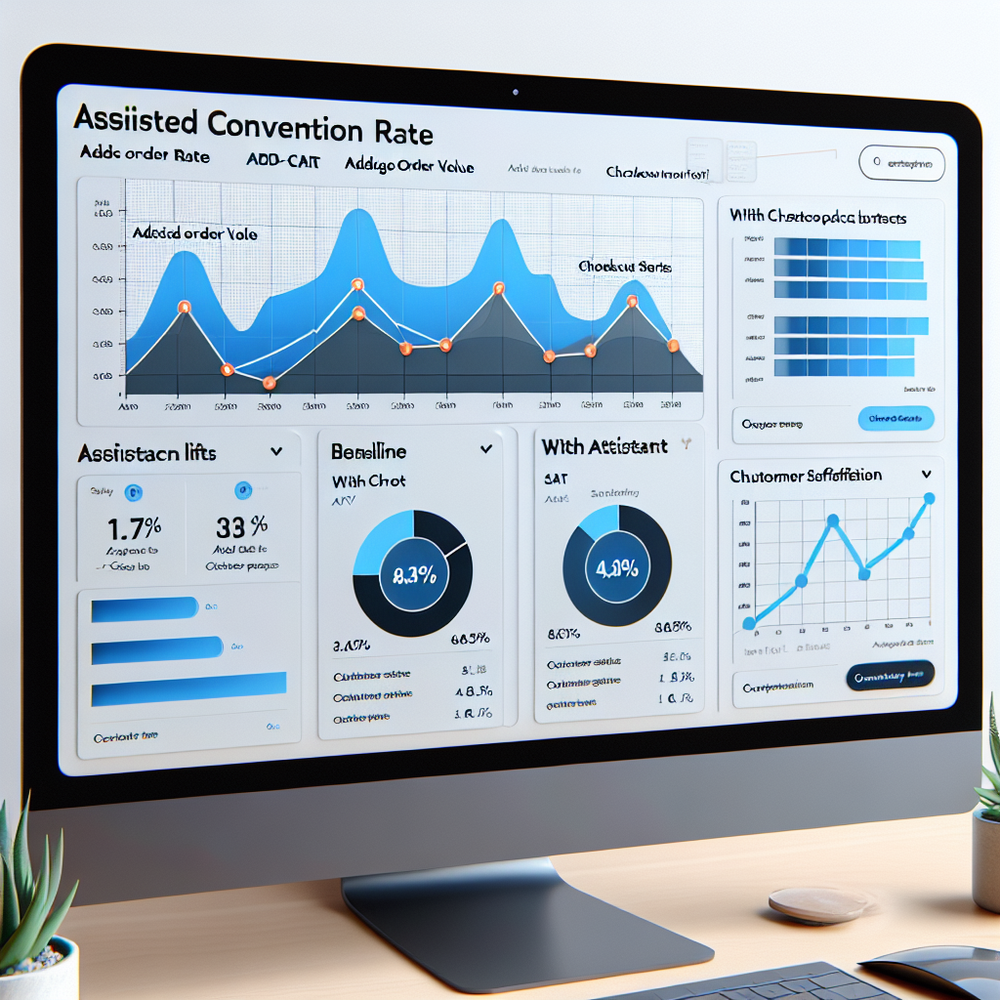
Core metrics: assisted conversion rate, add‑to‑cart rate, AOV, time‑to‑product, checkout starts, and CSAT. In a home goods pilot (48k sessions), grounding + cart handoff drove a 17% increase in assisted conversion and +11% AOV. Salesforce’s Connected Customer research notes 73% of customers expect companies to understand their unique needs—your assistant should prove it in the transcript.
Test design: A/B assistant on high‑intent pages; use model‑agnostic metrics. Attribute revenue with click IDs and server‑side conversions. Snapshot vs. rolling attribution both matter—especially for research journeys that span days.
First‑Party Data and Trust
Respect earns conversions. Use first‑party and zero‑party signals, not shadow profiles. Ask lightweight questions, explain why, and show the payoff in recommendations.
Operationally: store user preferences server‑side with consent; cap question asks; and surface a “Why this pick?” explainer with attributed snippets. Google UX research has repeatedly shown transparency reduces abandonment in complex tasks; the same applies to shopping assistants.
Brambles supports explicit consent prompts, per‑brand data silos, and deletions on request. For publishers, the assistant can avoid logins and still learn in-session preferences. For brands, first‑party carts plus preference recall enable re‑engagement without creepy retargeting.
Common Pitfalls and a Pre‑Launch Checklist
Most failures trace back to data, not dialog. Fix the plumbing, then polish the prose.
Checklist:
- Feed sanity: every SKU has price, availability, image, and 3–5 differentiating attributes.
- Synonyms mapped: user language (“sweats”) to canonical (“joggers”).
- Policy snippets loaded with date stamps.
- Rules set: margins, exclusions, promo precedence.
- Handoff tested: variant preselect, coupon injection, attribution IDs.
- CX proof: “Why this pick?” and source citations live.
If budget is tight, launch narrowly—one category, two use‑cases—and scale. We’ve seen a boutique electronics merchant get a 22% assisted‑conversion lift by focusing only on “under $300 monitors” for the first month.
Future Outlook
Assistants are converging on fewer, better patterns: live catalogs, explainable picks, and clean checkout. Generative flair will matter less than verifiable answers and operational control. Choose tools that make that boring excellence easy—Brambles already leans that way, and you can hold us to the numbers.
FAQ
Does Brambles replace Vetted or Daydream?
No. Think fit. Use Vetted-like experiences for deep research reads, Daydream-style chat for light guidance, and Brambles when you need SKU‑accurate picks and a reliable handoff to cart or affiliate checkout.
How fast can we launch?
Most teams ship a focused assistant in 5–10 days. The longest part is cleaning feeds and mapping synonyms. Brambles’ Commerce Module and WordPress plugin cut deployment time to hours once data is ready.
How do you measure success?
Use assisted conversion, add‑to‑cart, AOV, checkout starts, and CSAT. Tie revenue to click IDs and server‑side conversions. Run a 2–4 week A/B on high‑intent pages first.
Will the assistant make things up?
Grounding reduces hallucinations. Brambles pulls from your catalog and policies, cites specs, and displays differences plainly. If data is missing, it says so and asks for a fallback, not a guess.
Related resources on Brambles.ai
If you are implementing this, start with Brambles.ai.
For deeper reading, see 10 Reasons Publishers Need Conversational Commerce, Affiliate Disclosure in Conversational UIs Done Right, From Search Boxes to Conversations: Modern Shopping UX, Contextual, Not Creepy: Monetization That Wins.
Related posts
View all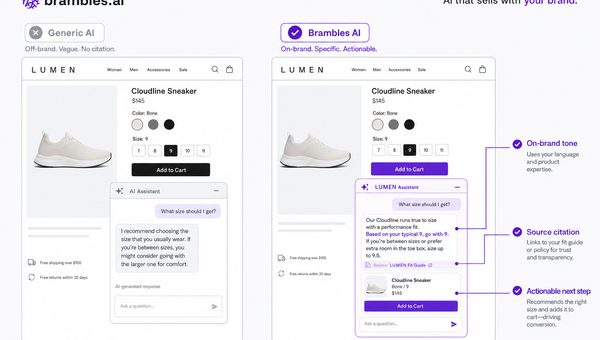
Brand-Consistent AI Chats Build Trust and Conversions
When AI mirrors your brand voice, shoppers relax—questions get answered, carts grow, and support load drops. Learn the playbook to align tone, trust, and ROI.
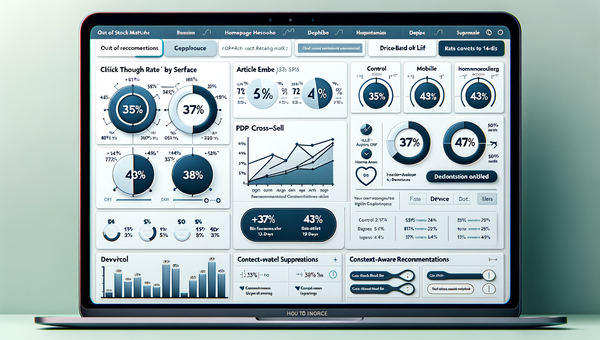
How Context-Aware AI Recommendations Lift CTR
See how context-aware AI recommendations lift CTR by 25–60% with intent signals, page context, and history. Practical steps, KPIs, and implementation tips.

Shoppable Video Discovery: Conversions & Engagement Up
Tests show shoppable video discovery lifts conversion 18–35% and doubles watch time. See the UX patterns, KPIs, and how to deploy it quickly with Brambles.ai.
Explore Brambles.ai
Learn more about our AI-powered agentic commerce platform, agentic shopping, and shopping assistance solutions.
Explore More Insights
Discover more articles on AI, automation, and business innovation
View All Articles