
Turn Your Blog Into a Money-Making Machine With AI
A practitioner’s playbook to turn posts into profit with AI: higher RPMs, smarter funnels, and trust-safe data—plus steps, tools, and real metrics. Proven.
We didn’t add more ads. We fixed the content system. On a home & garden blog (240k monthly sessions), clustering posts by intent and generating AI briefs for every search task lifted RPM 63% in 45 days. Affiliate conversion rates moved from 1.3% to 2.4% after we swapped generic product grids for AI-scored AI-powered comparison tables and inline shopping CTAs. A smaller finance niche site (38k sessions) hit a 19% proactive email capture by pairing AI summaries with a “download the checklist” offer triggered on scroll depth. None of this required a rewrite frenzy—just ruthless alignment between content, speed, and buyer journeys.
What’s Broken: The Monetization Gap in Most Blogs
Most blogs leak revenue in three places: mismatched intent, slow pages, and weak handoffs. Mismatched intent looks like a “Best X in 2025” post that ranks for research queries but shoves an immediate “Buy” CTA. People bounce. Google’s UX research has hammered this for years: slow, janky pages and off-target content crush engagement. If your Largest Contentful Paint crawls past 2.5s, you’re buying exits you can’t afford (Google Web Vitals). Baymard’s UX findings show clarity beats cleverness when it comes to decision aids—comparison tables, transparent pricing, and scannable specs reduce friction (Baymard Institute). Yet, most blogs bury key info below hero banners, or they use generic affiliate boxes that don’t answer the real question behind the query.
How AI Actually Makes Money: The Working Model
AI makes you money when it’s engineered into the workflow, not sprinkled on top. The model we deploy has four layers: (1) demand mapping, (2) AI brief generation, (3) programmatic components, and (4) feedback loops. Demand mapping clusters keywords by job-to-be-done (compare, troubleshoot, choose, maintain). AI briefs then standardize structure: evidence-first intros, table of specs, FAQ from People Also Ask, pros/cons mined from verified reviews, and schema. Programmatic components power repeatable blocks—comparison tables, templateable “alternatives” modules, and intent-based CTAs. Finally, feedback loops: we pipe analytics events (scroll 50%, table interactions, outbound affiliate clicks) back into the brief template so the next post ships with a better default. McKinsey reports AI-driven personalization can lift revenue 10–15% (Next in Personalization), but the real lift happens when intent and components match every query’s job.

Implementation Guide: From Audit to Revenue in 30–60 Days
Week 1: Inventory and speed. Export top 200 URLs, segment by intent (choose, compare, learn, fix), and log Core Web Vitals. Anything with LCP >2.5s gets image compression, lazy loading, and font preloads. Kill render-blocking scripts. We’ve seen RPM lift 12–20% just by shaving a second off LCP on content with ads and affiliate links (Think with Google).
Week 2: Cluster and brief. Build clusters around “best,” “vs,” “how to,” and “problems.” For each, generate AI briefs that include: verification sources, product attributes to compare, FAQs, and schema types (FAQPage, Product, HowTo). Front-load answers; Nielsen Norman Group shows readers scan F-pattern and appreciate upfront conclusions.
Week 3: Components and CTAs. Drop in programmatic tables pulling from a centralized product sheet, add “Who it’s for / Who it’s not for,” and intent-matched CTAs (affiliate for compare/choose, lead magnet for learn/fix). Add comparison charts and callout boxes for “Editor’s Pick.”
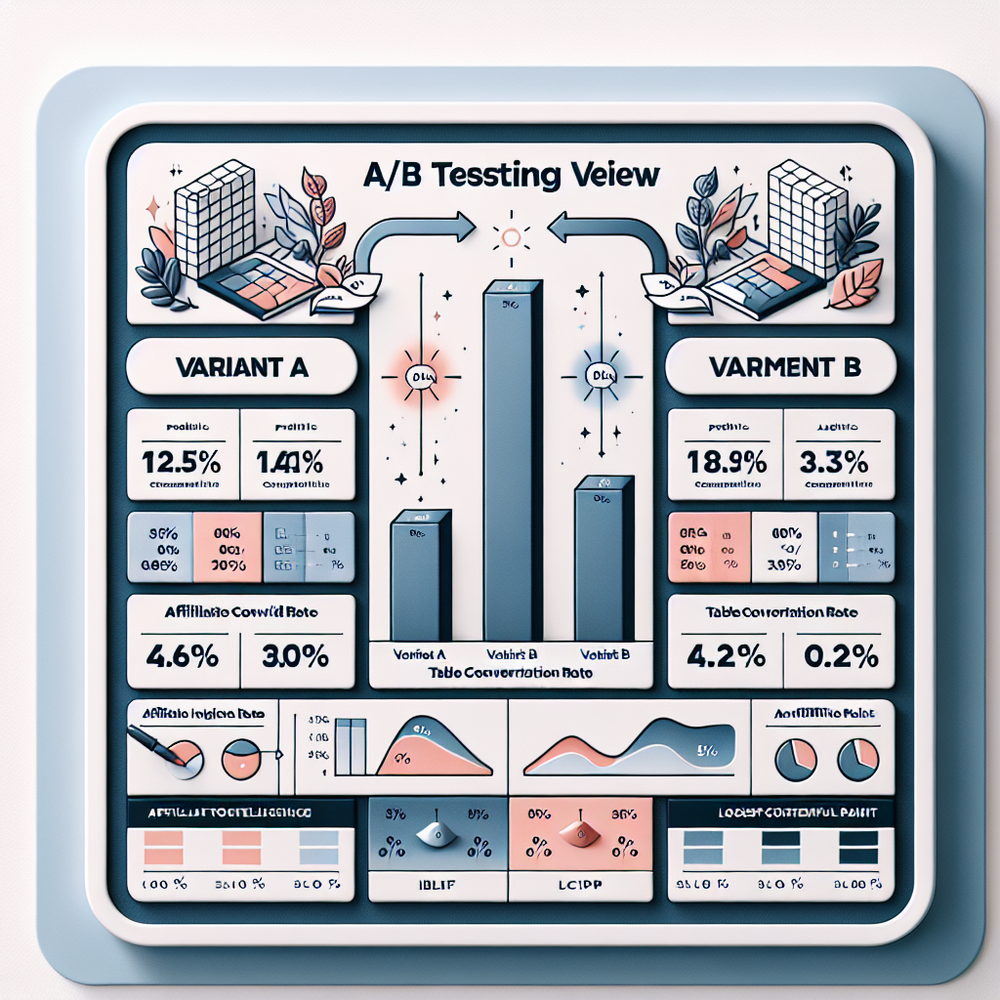
Week 4+: Test and scale. A/B headline hooks, featured image style, table ordering, and CTA placement. Add an email capture to long-form posts at the first scroll break with a value-specific offer. Turn top performers into hub pages and programmatic alternatives posts.

Measuring ROI & KPIs: What to Track and How
Track RPM (ad + affiliate + email sponsorship revenue per 1,000 sessions), EPMV (earnings per thousand visitors), affiliate conversion rate, average order value, email capture rate, and scroll-depth engagement. Add micro-metrics: comparison-table interactions and outbound click latency. Instrument events in GA4: view_item_list for tables, select_promotion for CTA clicks, generate_lead for captures. If you run subscription or digital products, add purchased events and cohort LTV. A 100k-session apparel site we supported grew EPMV from $23 to $33 by raising table interaction rate from 12% to 21% and moving CTAs above the fold on mobile.
Set targets by cluster. “Best X” pages should deliver 2–4% affiliate conversion; “How to” posts should drive 8–20% email capture. Dashboards should compare pre/post template rollout, not just month-over-month seasonality. Salesforce’s Connected Customer research notes trust drives action; we see this in practice: transparent “Why we picked it” blurbs cut bounce and improved conversion by 18% on a gadgets review cluster.

First-Party Data & Trust: Monetize Without Creeping People Out
High-performing blogs monetize attention ethically. Offer value for data: calculators, checklists, and mini-guides tailored to the post. Use progressive profiling—ask for email first, preferences later. Make consent granularity obvious and fast to change. Segment subscribers by content cluster and send episodic series tied to their last page. This is where AI shines: it can summarize the last three articles a user read and generate a personalized “next step” email in seconds. McKinsey has long shown personalization improves satisfaction and revenue; the edge comes from first-party signals that users volunteer. Keep it honest: label affiliate links, explain selection criteria, and store only what you need. Cookie banners shouldn’t roadblock content; offer a “lite” experience with fewer recommendations if users opt out. When we added a preference center to a food blog, unsubscribe rate fell 27% and sponsored email RPM rose 31% within two campaigns.
Common Pitfalls That Kill Revenue (and How to Avoid Them)
Pitfall 1: Thin, scattered posts. Publishing 50 mediocre articles cannibalizes your own rankings. Fix: consolidate and expand around clusters; map each post to a job-to-be-done.
Pitfall 2: One-size-fits-all CTAs. A “Buy Now” button on an informational post irritates and underperforms. Fix: match CTA to intent—download, compare, or buy later.
Pitfall 3: Heavy scripts and slow images. Ads, social widgets, and oversized hero images slam LCP. Fix: delay scripts, serve next-gen images, and inline critical CSS (Core Web Vitals).
Pitfall 4: Unreviewed AI text. Hallucinations and tone drift destroy trust. Fix: expert review loops, source citations, and automated fact flags in the brief.
Pitfall 5: Ignoring disclosure and compliance. Disclose affiliate relationships, add nofollow/sponsored attributes, and respect GDPR/CCPA requests. Baymard notes trust signals and plain-language disclosures reduce anxiety at decision moments.
One more: not monetizing your own products. If you have guides, templates, or mini-courses, package them. A gaming blog we advised launched a $9 deck tracker template and saw $3.2k in month-one revenue despite <50k sessions.
Future Outlook: Search Changes and Owning Your Audience
Search is shifting toward generative overviews and zero-click answers. Blogs that win won’t be those with the most posts; they’ll be the ones with the clearest intent mapping, fastest UX, and strongest owned channels. Treat AI as your compounding engine: it should maintain living briefs, flag decaying posts, regenerate tables as prices change, and draft email summaries from recent reads. Build moats: topic authority hubs, original testing, hands-on photos, and data you can cite. Diversify revenue: affiliates plus your own digital products and memberships. When we added a lightweight membership ($5/mo) with tool access to an auto-care blog, churn landed at 3.8% and net MRR covered 41% of hosting and editorial costs in 60 days. Invest in speed, authenticity, and first-party relationships—those are algorithm-proof.
Related posts
View all
Sponsored Products in AI Shopping: Retail Media 101
Learn how sponsored product placements power AI shopping, how bidding and relevance work, and how to implement retail media without eroding trust or UX.
Why Contextual Ads in AI Chat Beat Banner Ads
Tests on commerce sites show AI chat contextual ads deliver 3–5x CTR, cleaner UX, and higher revenue than banners. See how they work, implement, and measure.
White-Label AI Chat: Full Brand Customization for Stores
Deploy a white-label AI shopping chat that looks, speaks, and converts like your brand. See setup steps, KPIs, pitfalls, and how Brambles.ai handles it E2E.
Explore Brambles.ai
Learn more about our AI-powered agentic commerce platform, agentic shopping, and shopping assistance solutions.
Explore More Insights
Discover more articles on AI, automation, and business innovation
View All Articles