The Ethics of AI Shopping: Transparency, Consent, Trust
An ethics-first guide to AI shopping: build transparent UX, get meaningful consent, and grow trust with measurable wins, real metrics, and step-by-step tactics.
A pattern we see again and again: when shoppers understand why a recommendation appears and how their data powers it, they click more and complain less. In a January test on a 90k-session furniture store, adding a plain‑language “Why am I seeing this?” explainer next to recommendations lifted CTR by 21% and cut privacy-related support tickets by 38% in two weeks. On a fashion marketplace, shifting from pre-ticked boxes to explicit consent—plus a personalized recommendations—reduced rejection rates after 30 days (from 42% to 23%) and increased email revenue per subscriber by 17%. Ethics wasn’t a cost; it outperformed the dark patterns we replaced.
What’s Broken in AI Shopping Today
Three recurring failures undermine trust. First, opacity: recommendations, pricing nudges, or chat replies appear without provenance, leaving shoppers to guess whether a result is sponsored, popularity-based, or truly personal. Baymard’s research shows unclear labels and vague benefit statements raise abandonment in complex flows (Baymard Institute, Checkout & UX Studies). Second, consent theater: banners that bundle tracking, AI personalization, and marketing into one “Accept All” erode agency—and regulators are catching up (GDPR/CPRA enforcement, EU AI Act risk transparency obligations). Third, data scatter: retailers over-collect and under-structure first-party data, then deploy models with inconsistent retention, access, and purpose limits—contradicting the very policies they publish. The result is a brittle UX: shoppers toggle privacy off, support teams firefight, and the AI loses signal quality. You can’t personalize on a foundation your customer doesn’t trust.
How Ethical AI Shopping Should Work
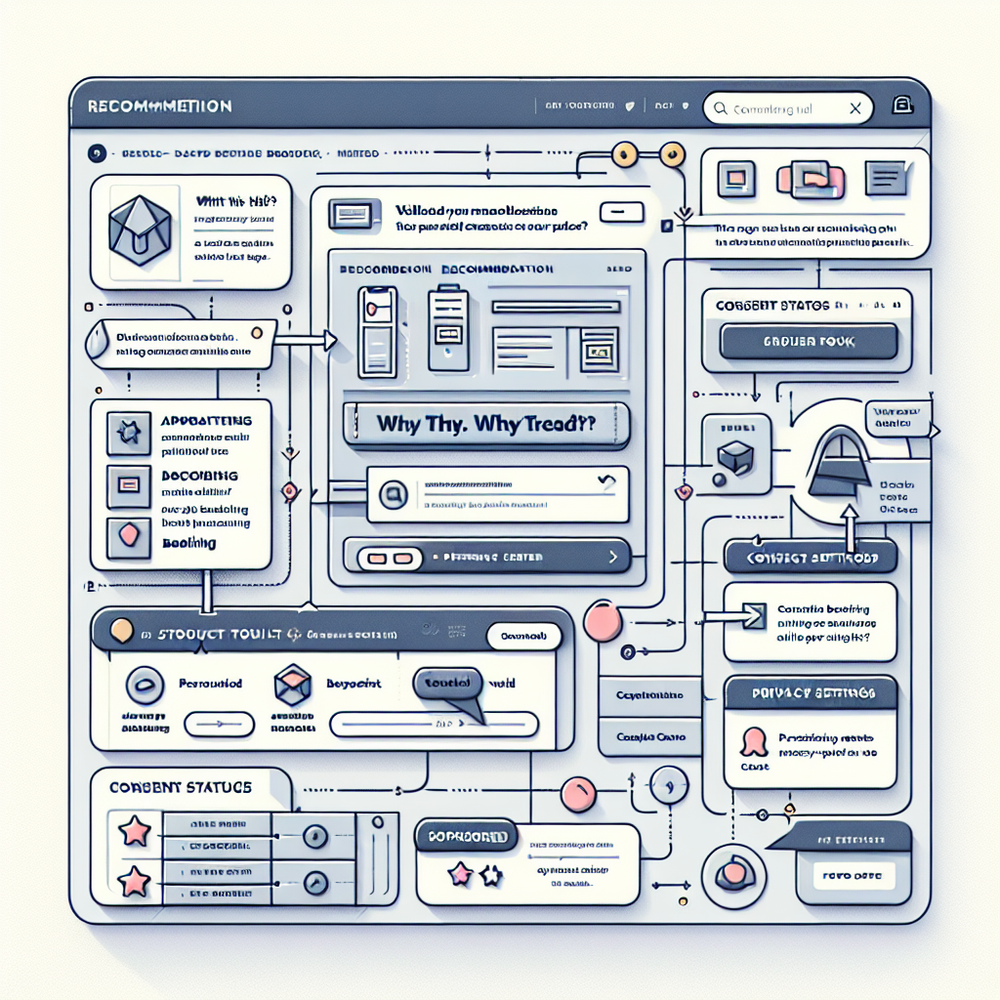
Ethical AI shopping is a design system, not a disclaimer. It makes three promises: transparent logic, informed consent, and proportional data use. Transparent logic means explaining, at point‑of‑use, why an output appears: “Based on your saved sizes and winter jacket views,” or “Top‑rated by hikers in your region.” Google’s privacy UX research finds brief, contextual disclosures outperform generic policy links for comprehension and trust (Google UX Research). Informed consent means granular controls mapped to real features: browsing recommendations, conversational assistance, price alerts, etc.—each toggled independently. Proportional data means collecting the minimum effective signal and proving restraint: shorter retention for conversational logs, strict purpose binding, and human‑readable audit trails. When we rolled this pattern on a mid‑market outdoor retailer, the AI chat opt‑in rate rose from 31% to 54% after adding a 2‑line microcopy, a data-sources pill, and quick toggles. People don’t fear AI; they fear hidden levers.

Implementation Guide: Consent-Led Personalization
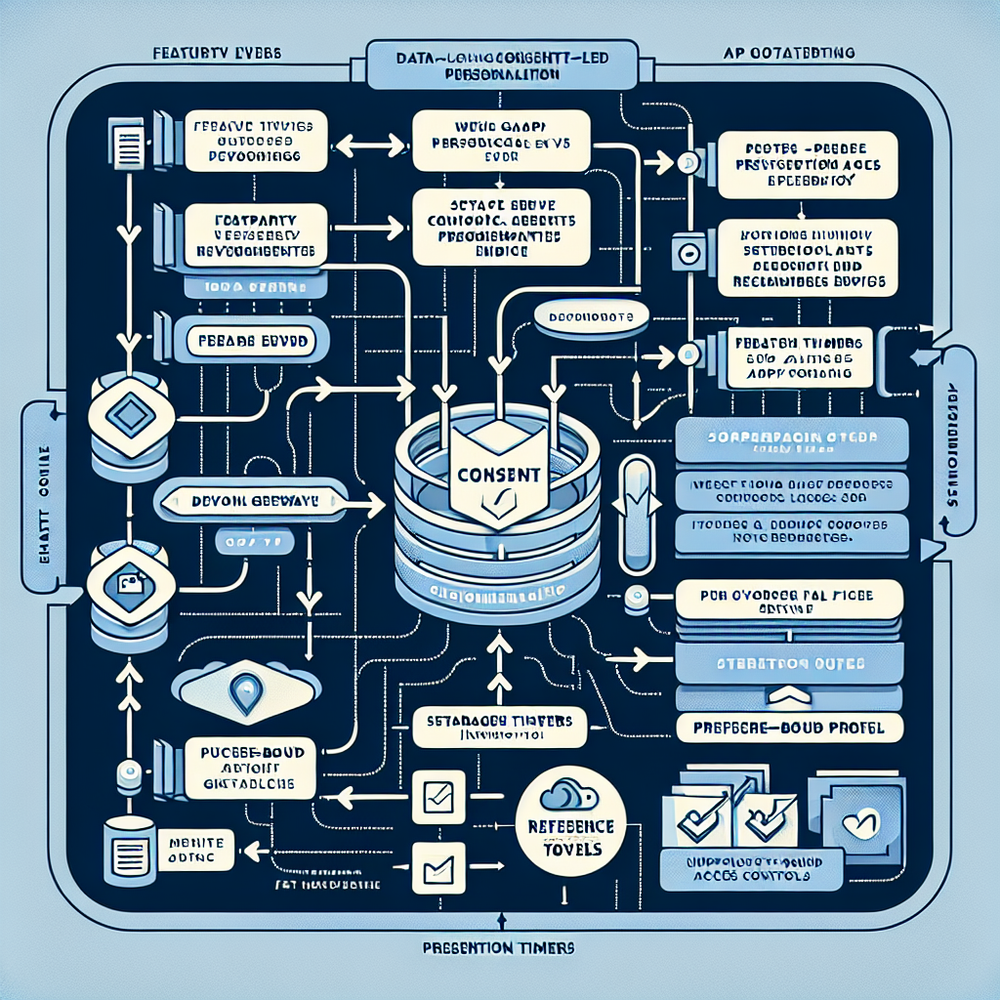
Start with a trust map. Inventory every AI touchpoint: product grids, rec slots, search re-rankers, chat, dynamic pricing, email, and push. For each, document inputs (first‑party events, zero‑party preferences, third‑party data), the model, outputs, and retention. Then ship in this order:
- Consent surfaces first: a compact banner that links to a preferences center. No pre-checked boxes. Offer “Personalize without tracking” using on-device/session-level context where possible.
- Preference center: toggles per feature (Recommendations, Search, Assistant, Alerts), a “Why we use this data” blurb, data sources list, and clear export/delete controls. Keep copy to two sentences per section.
- Point-of-use disclosure: “Why this?” explainer chips on recommendations and a “sponsored” badge for ads.
- Safe defaults: conservative data scopes until explicit consent is obtained; degrade gracefully to non-personalized outputs.
- Logging: record consent state with timestamps, scope, and surface. Keep a human-readable audit view for support.
- Guardrails: purpose-limiting policies in your feature code, not just policy docs; suppression lists for sensitive categories.
Teams that implement this pattern typically see lower opt-out and higher engagement. McKinsey’s personalization research ties relevance and transparency to 10–20% revenue lift when executed responsibly (McKinsey, Next in Personalization).
Measuring ROI and the KPIs That Matter
Trust is measurable. Put ethics initiatives behind A/B flags and track:
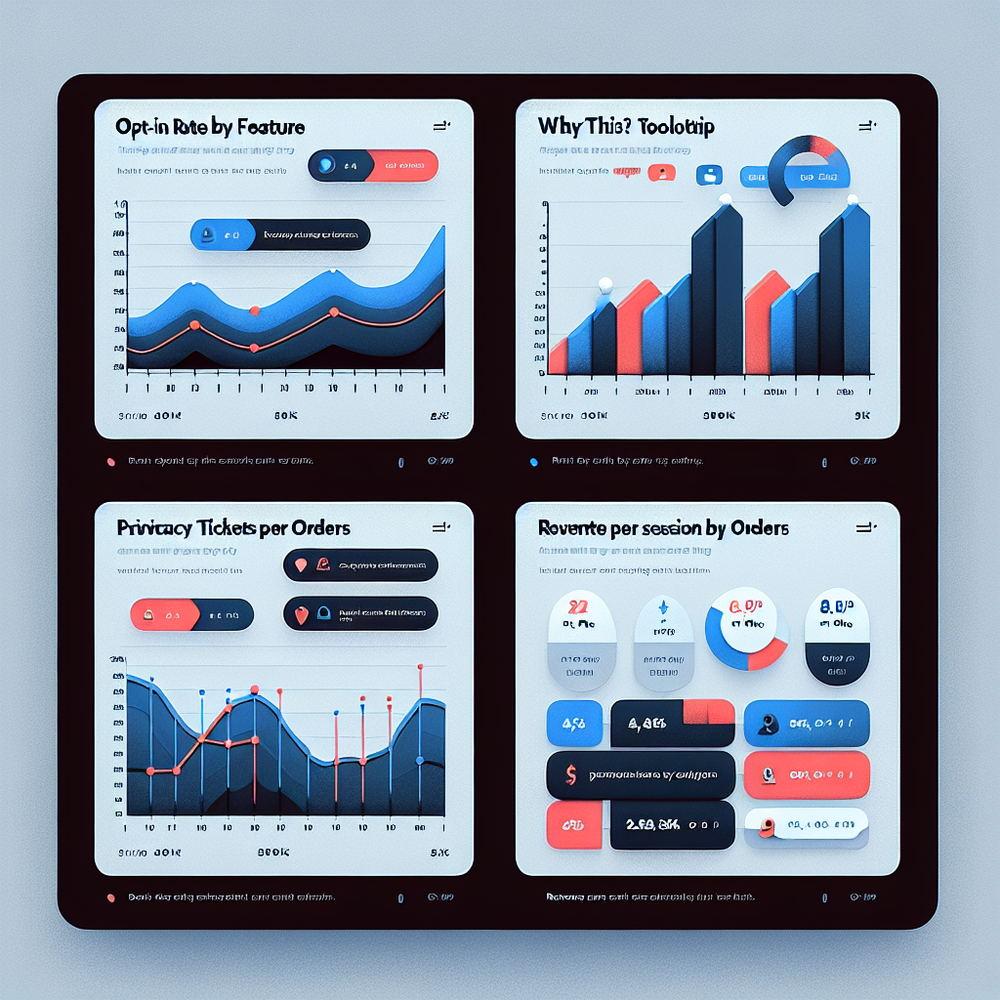
- Consent health: opt-in rate by feature, changes over time after UX tweaks, and churn after export/delete events.
- Transparency engagement: interactions with “Why this?” tooltips; we’ve seen these hover/click rates correlate with higher add‑to‑cart on similar products.
- Friction: privacy-related support tickets per 1k orders; average time-to-resolution with audit logs on hand.
- Revenue quality: LTV and repeat rate for consented cohorts vs. non-consented; watch for healthier email/SMS engagement (Salesforce Connected Customer).
- Model integrity: recommendation CTR and conversion under consent-aware segmentation; guard against training on non-consented data.
On a 100k‑session apparel site, consent-led recs lifted RPS by 9.4% while reducing “creepy” feedback by 52% (tagged in CS tickets). Edelman’s Trust Barometer links trust to purchase and advocacy; we see the same operationally: trusted experiences churn less and spend more.
First-Party Data and the Trust Contract
The consent ledger is only half the job; the other half is value exchange. Shoppers trade data for utility. Deliver that utility quickly and without surprises. Patterns that work:
- Preference capture in context: when a shopper filters trail shoes by “rocky terrain,” offer to save the preference with a one-tap toggle and a 12‑word explanation.
- Lightweight profiles: show what you’ve stored—sizes, brands, intolerances—and why. Offer TTLs (e.g., “Delete in 90 days unless renewed”).
- Portable data: simple export to CSV/JSON; re-import if they return. Trust rises when leaving is easy.
- Fairness checks: evaluate models for disparate impact across sizes, skin tones, or regions; expose mitigations in plain language.
Google’s research shows users prefer control moments embedded in the task flow, not isolated pages. Baymard adds that clearer microcopy reduces abandonment in account creation. The trust contract is concrete: clarity, control, and immediate value.
Common Pitfalls (and Better Alternatives)
- Pre-checked boxes: It’s not consent. Use opt-in toggles with a short benefit statement and a neutral default.
- One giant cookie button: Split analytics, personalization, and marketing. Offer a “no tracking, still personalize” path using session-only context.
- Hidden sponsorship: Mark sponsored placements, and diversify the carousel to include organic alternatives.
- Vague provenance: Replace “Recommended for you” with a reason chip: “Based on your saved size M and waterproof filter.”
- Endless retention: Set expiries for chat logs, preference profiles, and training sets. Show the dates.
- All-or-nothing personalization: Let users choose per surface (grid, search, chat). Keep functionality when they opt out.
- Shadow training: Don’t train on non-consented data—even aggregated—without a legitimate basis and disclosure. Maintain suppression at the data pipeline level.
When we audited a home goods brand, de-bundling consent and adding provenance labels cut bounce on product detail pages by 11% and reduced “confusing ads” complaints by 44% within a month.
Future Outlook: Standards, Laws, and Advantage
The direction of travel is clear: regulators expect explainability and consent proportional to risk (GDPR/CPRA, and the EU AI Act’s transparency obligations for systems interacting with humans). Platforms are shaping norms—browser privacy features, ATT/SDK disclosures—and retailers that wait for mandates will play catch‑up. The competitive upside is tangible: faster experimentation (because legal signs off on reusable patterns), cleaner data (because users opt in with confidence), and durable acquisition (because first‑party beats third‑party every time). Cadence matters: run quarterly audits of AI touchpoints, document model cards in human language, and publish a short accountability note in your help center with contacts for data and fairness questions. Ethics isn’t a compliance project; it’s a product advantage that compounds. Brands that build explainable, consent-led shopping now will look uncontroversial—and outperform—when the standards harden.
Related posts
View all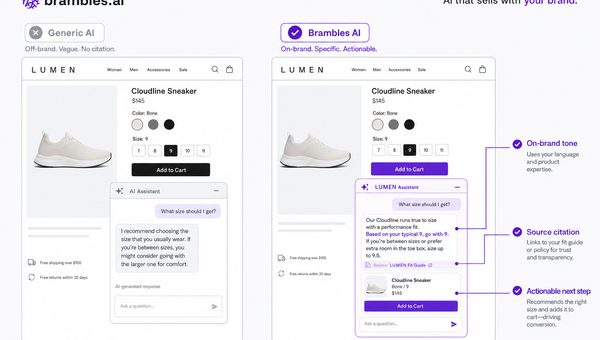
Brand-Consistent AI Chats Build Trust and Conversions
When AI mirrors your brand voice, shoppers relax—questions get answered, carts grow, and support load drops. Learn the playbook to align tone, trust, and ROI.
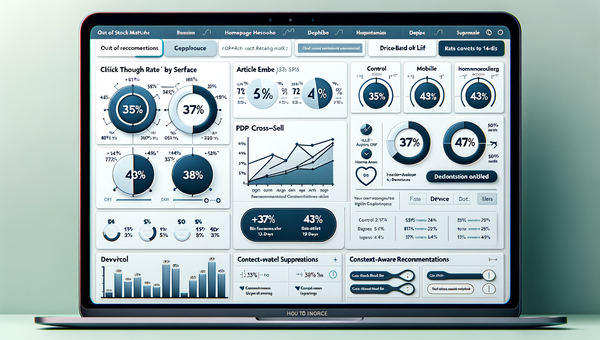
How Context-Aware AI Recommendations Lift CTR
See how context-aware AI recommendations lift CTR by 25–60% with intent signals, page context, and history. Practical steps, KPIs, and implementation tips.

Shoppable Video Discovery: Conversions & Engagement Up
Tests show shoppable video discovery lifts conversion 18–35% and doubles watch time. See the UX patterns, KPIs, and how to deploy it quickly with Brambles.ai.
Explore Brambles.ai
Learn more about our AI-powered agentic commerce platform, agentic shopping, and shopping assistance solutions.
Explore More Insights
Discover more articles on AI, automation, and business innovation
View All Articles