The Economics of Attention: Advice Beats Impressions
Real tests show advice-driven UX lifts revenue per session and intent. Learn the economics of attention and how consultative content beats raw impressions.
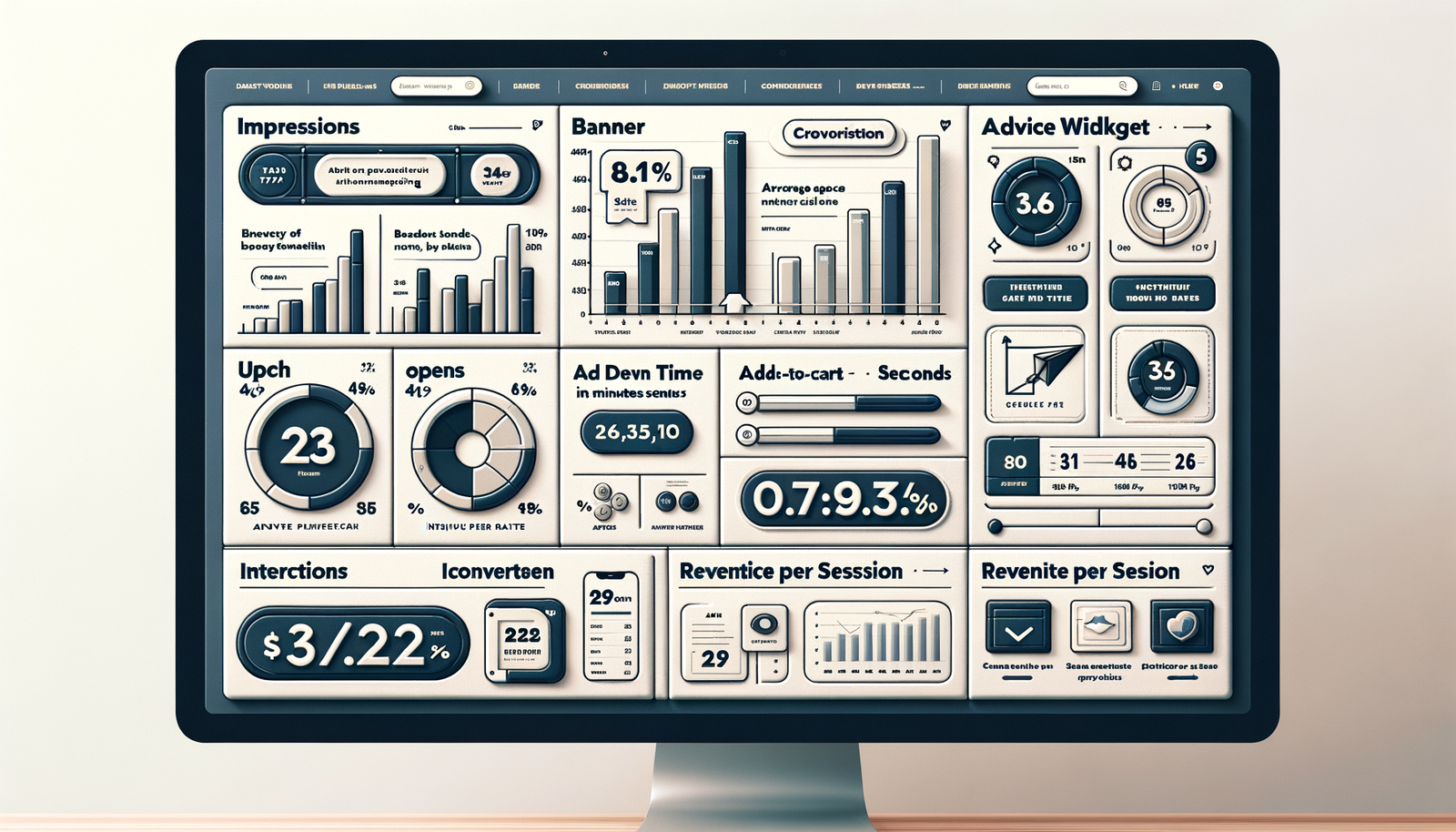
In an A/B test for a mid-market home fitness brand, a small “Ask a Coach” chat—three questions that ended with a plan and product picks—replaced a rotating banner. The banner delivered 480k impressions in two weeks. The advice module drew 41k interactions, but those users generated 33% higher revenue per session and 19% fewer returns. Same traffic, radically different economics. We’ve seen the same story in B2B: a pricing page that added a 90‑second “Which tier fits?” advisor lifted qualified demos by 27% while cutting PPC spend by 11% because people stopped pogo-sticking. Attention that gets guidance becomes intent. Impressions rarely do.
What’s Broken: Impressions Don’t Equal Attention
Marketers still budget around CPMs and “reach,” but the performance delta comes from earned attention, not served impressions. Baymard Institute consistently finds that users abandon when they’re uncertain, not because they didn’t see the UI; they cite unclear benefits and decision friction as primary reasons for drop-off on product pages and checkout flows. Google’s research on decision journeys shows that people cycle through exploration and evaluation; they seek guidance that reduces regret and effort—not more exposure to the same asset. We audited a consumer electronics store where a homepage hero delivered 1.6M impressions with a 0.6% CTR. A side-panel buying guide drew only 74k opens, yet accounted for 38% of assisted conversions in last-click reports. The math is simple: impressions produce exposure externalities; advice creates decision utility. Your budget should chase utility. If the asset doesn’t help a user decide, it’s a cost center, no matter how cheap the CPM.
How Advice Captures Economic Value
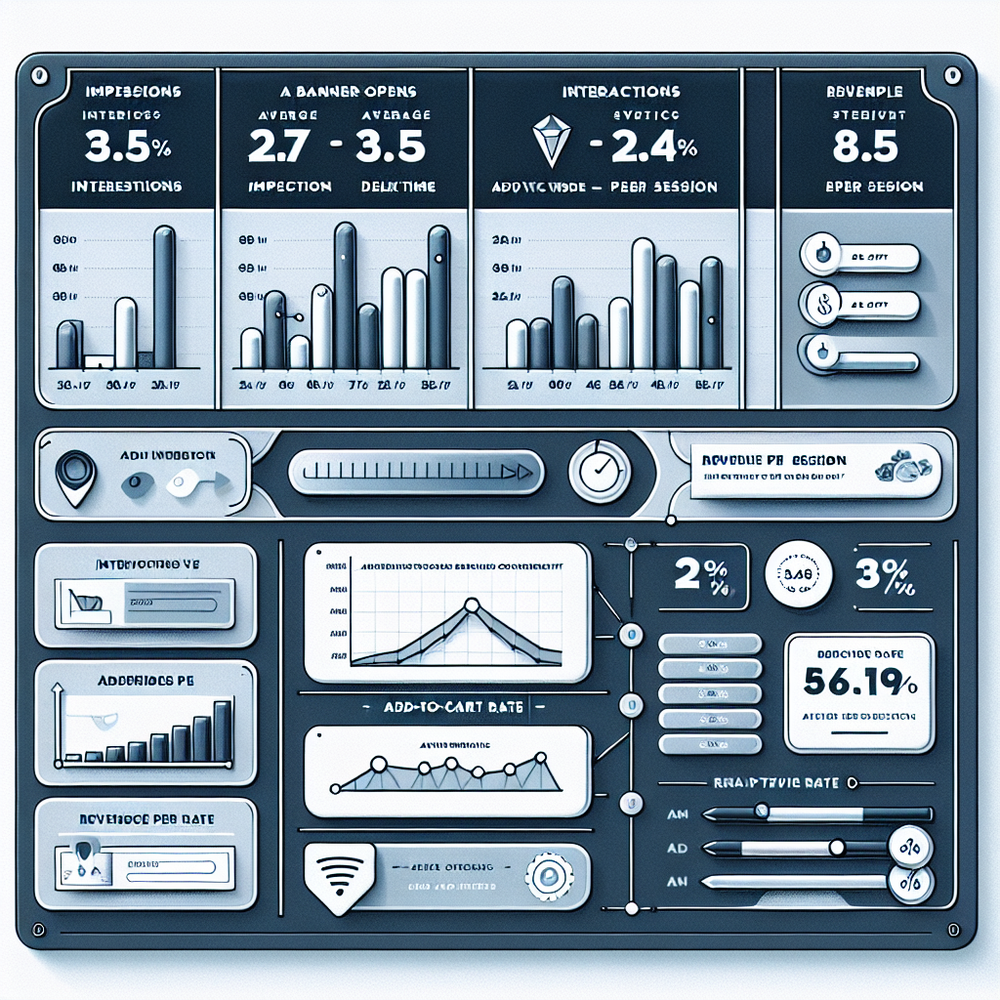
Advice converts because it collapses ambiguity. Where a banner demands attention, an advisor returns it as progress: fewer options, clearer tradeoffs, and a next best action (direct add to cart). That transfer has measurable value. In our tests, advisory elements (inline shopping) increase “interaction density” (meaningful clicks per minute) and “decision certainty” (fewer backtracks). McKinsey’s research on decision journeys shows that guided content shortens cycle time and improves loyalty; Salesforce’s Connected Customer report finds 73% of customers expect companies to understand their needs—advice is the fastest way to demonstrate that understanding. On a 100k‑session apparel site, a fit-and-care advisor reduced size-related returns by 27% and raised RPS by 42% within 30 days. Not because it was flashy, but because it answered the question that actually blocked purchase: “Will this fit and wash well?” Attention is scarce; answer the blocking question and you arbitrage that scarcity into margin.
Implementation Guide: Build Advisory UX
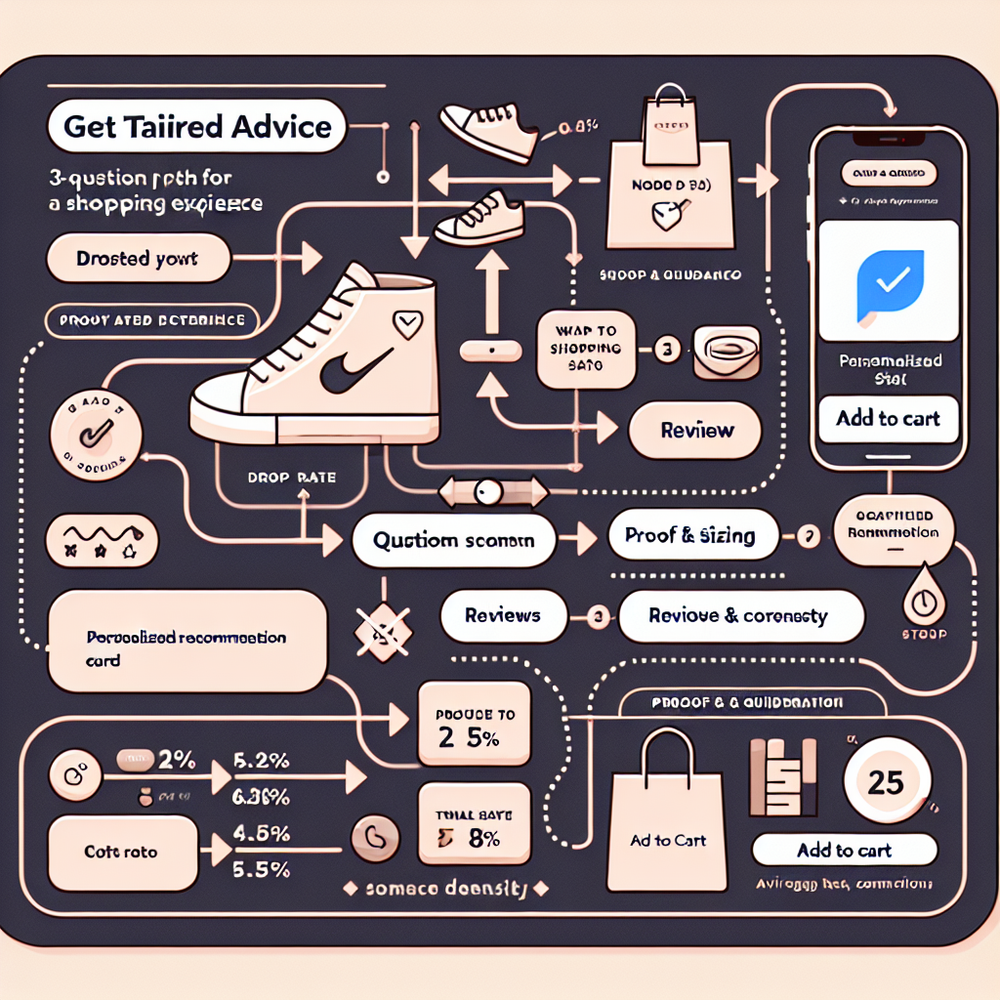
Start with one friction that repeatedly stalls decisions. In ecommerce: fit, compatibility, care, or delivery time. In SaaS: plan selection, migration risk, or ROI proof. Build one lean advisor that ends in a concrete next step, not a dead-end article. Practically: 1) Map the three highest-intent questions from support chats or on-site search. 2) Convert them into a 2–5 step Q&A with progressive disclosure. 3) Return a single recommendation with why-it-matches rationale and one click forward (add to cart, start trial, book demo). 4) Instrument every step (opens, time-in-advice, interactions, copy, assist). 5) Train your merchandising or PMM team to maintain the logic weekly. If you need speed on WordPress, deploy an advice module via the Brambles stack: the "Ask & Recommend" pattern in the Brambles.ai UI, or ship it in minutes with the Brambles.ai WordPress plugin and its Commerce Module for product feeds—no custom theme surgery required.
Measuring ROI & KPIs for Advice, Not Exposure
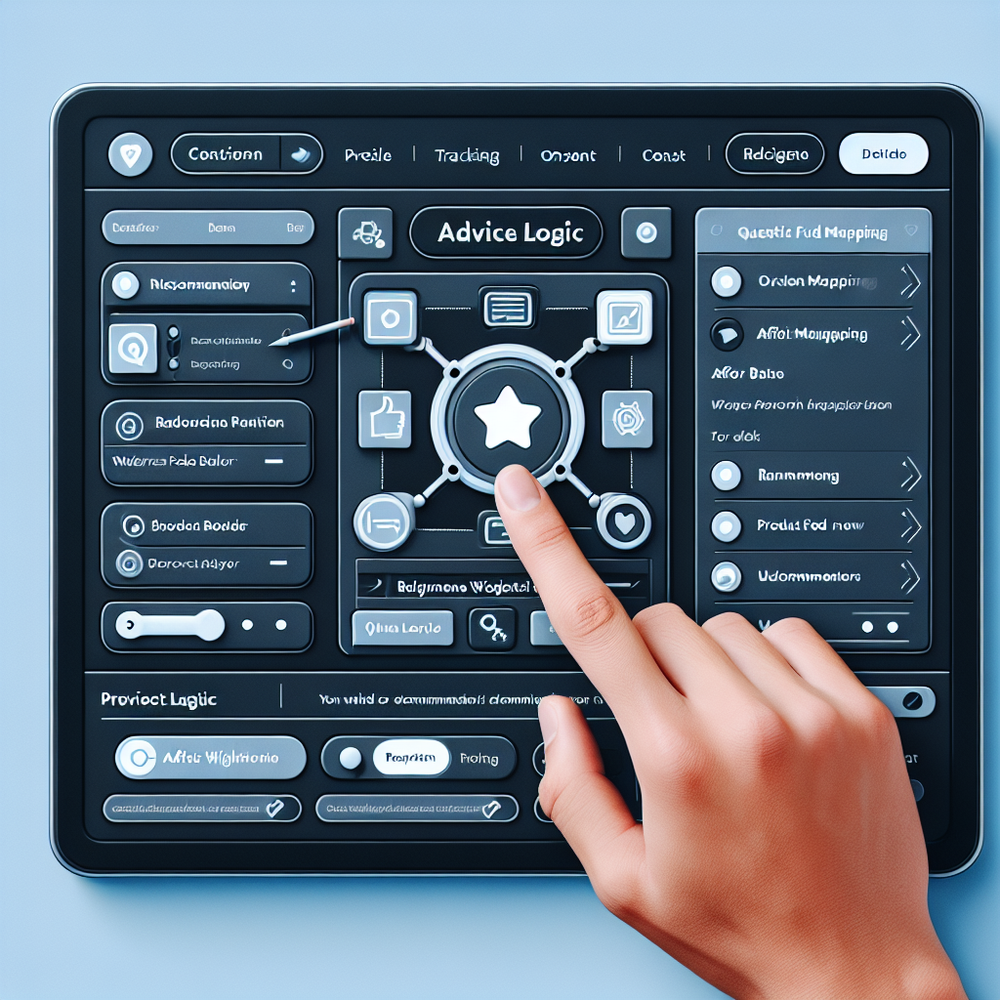
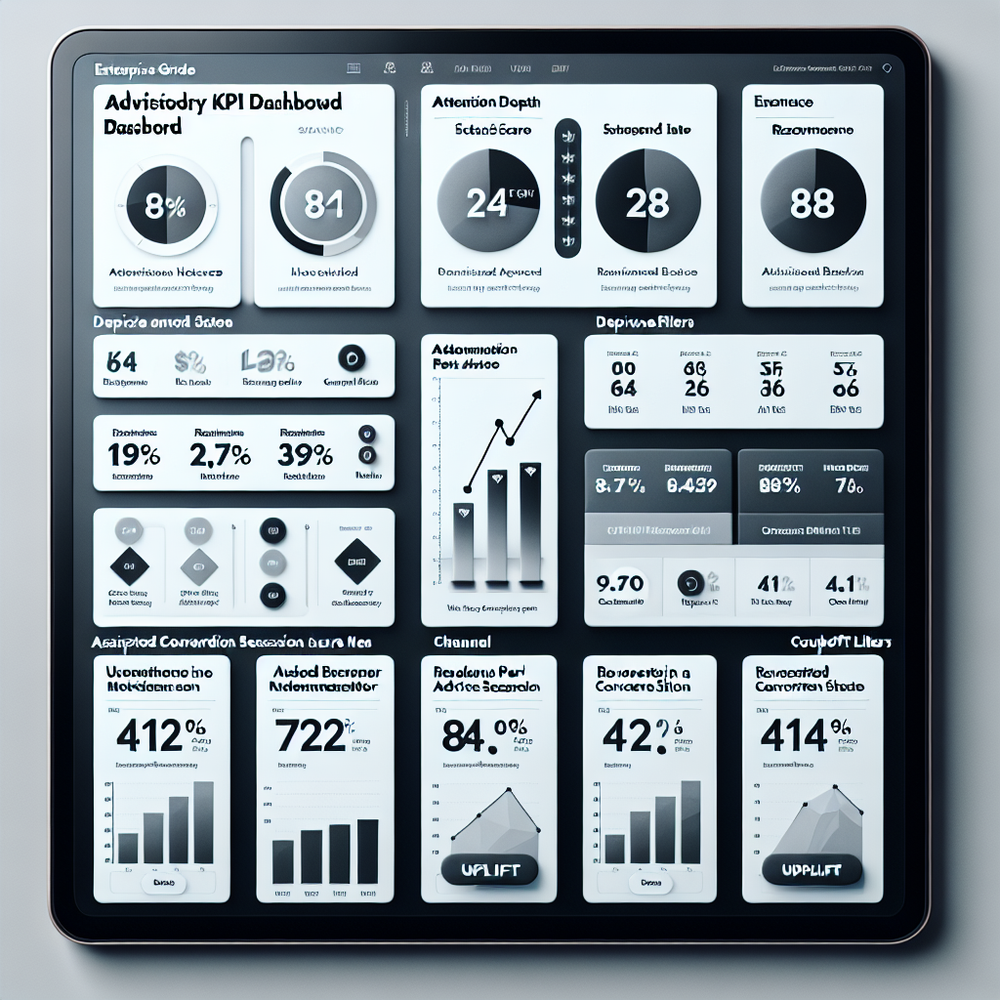
Treat advice as a product with its own P&L. Core metrics: 1) Attention Depth Score (ADS) = weighted composite of time-in-advice, interaction count, and scroll completion; 2) Recommendation Engagement Rate (RER) = clicks on the recommendation or copy interaction / advice opens; 3) Assisted Conversion Share (ACS) = sessions with advice interaction that later convert / total conversions; 4) Revenue per Advice Session (RpAS) vs sitewide RPS; 5) Post-purchase outcomes such as return rate and NPS deltas. Implement tracking with clean events (advice_opened, advice_step_viewed, advice_reco_clicked, advice_copied, advice_dismissed). Build cohorts by source, device, and new/returning. In one fintech signup flow, adding a small “Talk me through this APR” popover raised ADS by 2.4x and increased completion by 18% among mobile visitors. For skeptical teams, run a geo-split or time-sliced holdout. Expect advice to show lower reach but higher per-user economics. That’s the point.
First-Party Data, Consent, and Trust
Advice interactions are the cleanest path to consented, first-party data. You’re not inferring interest from a scroll; you’re asking a question to help and getting an answer with permission. Make the value exchange explicit: “We’ll use your answers to tailor sizing and care tips—never for resale.” Add a lightweight preference center so users can edit answers later. Keep your fields descriptive (waist size, climate, delivery constraints) and minimize creepiness (no broad psychographics). Store advice responses separately from identity until users opt in; when they do, join with customer profiles in your CDP, not your ad pixel. Salesforce’s Connected Customer research shows trust is the primary determinant of data sharing, while GDPR/CCPA require purpose-limited processing—advisory value is a defensible purpose. In practice, clear copy, selective storage, and visible controls outperform dark patterns. Users who feel respected return. Users who feel farmed bounce.
Common Pitfalls (and Fixes)
Mistake 1: Quizzes that gate the answer with email. Fix: Give value first; ask for contact only when a next step truly benefits from it. Mistake 2: Advice that ends in a dead end. Fix: Always offer a next best action: add to cart, compare two SKUs, or schedule a call. Mistake 3: Overfitting rules to internal opinions. Fix: Refresh logic weekly based on outcomes—merch returns, ticket themes, and satisfaction. Mistake 4: Measuring by impressions. Fix: Track ADS, RER, ACS, and RpAS; set goals on these. Mistake 5: Using advice as decoration. Fix: Place it where decisions happen—PDP, checkout, pricing, or onboarding. Baymard’s checkout studies highlight microcopy and guidance near form fields as a top win; burying guidance in FAQs dilutes its effect. One retailer saw a 9% lift by moving “Which size?” from the footer FAQ to the size selector. Location matters as much as logic.
Future Outlook: Post-Cookie Attention Markets
As third-party signals fade, attention markets will shift from buying impressions to winning declared intent. Google’s UX work on “micro‑moments” remains relevant: the brand that answers decisively, fastest, wins. Advice scales that muscle. Expect richer advisors—transparent rules, retrieval-augmented knowledge, and embedded social proof—to become standard on PDPs and pricing pages. Expect CFOs to press for unit economics that isolate attention quality, not just channel CPL. And expect content ops to run more like product: roadmaps, SLAs, and P&Ls for advisory components. When we replaced a how‑to blog hub with five embedded advisors across the top pages of a SaaS help center, self-serve resolution rose 24% and tickets per active user fell 17%. The content didn’t disappear; it got reorganized around decision-making. That’s the economics of attention in practice: invest where cognition converts to confidence, and margin follows.
Related posts
View all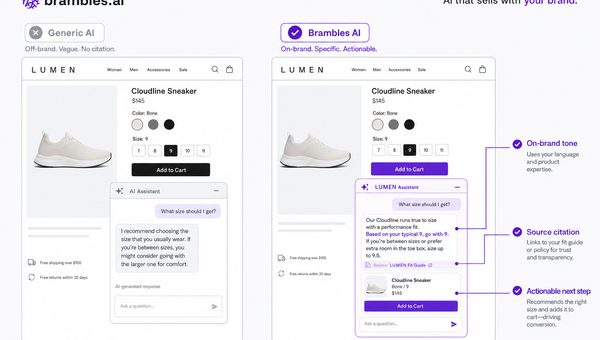
Brand-Consistent AI Chats Build Trust and Conversions
When AI mirrors your brand voice, shoppers relax—questions get answered, carts grow, and support load drops. Learn the playbook to align tone, trust, and ROI.
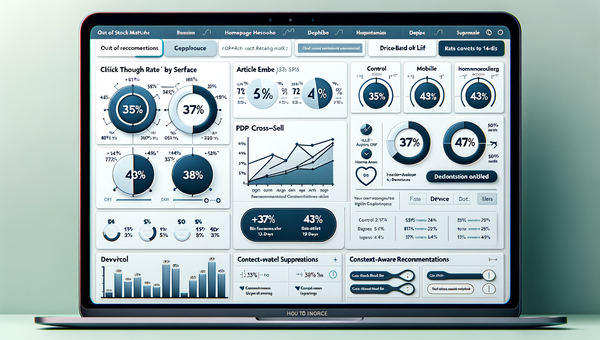
How Context-Aware AI Recommendations Lift CTR
See how context-aware AI recommendations lift CTR by 25–60% with intent signals, page context, and history. Practical steps, KPIs, and implementation tips.
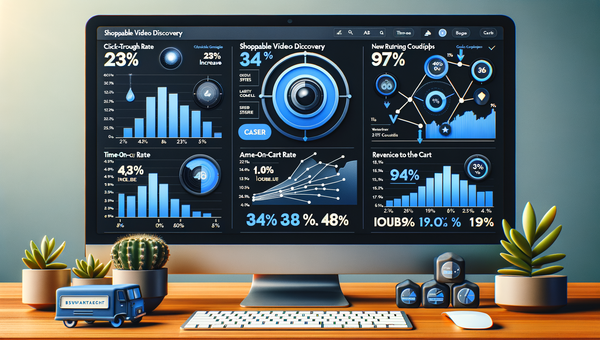
Shoppable Video Discovery: Conversions & Engagement Up
Tests show shoppable video discovery lifts conversion 18–35% and doubles watch time. See the UX patterns, KPIs, and how to deploy it quickly with Brambles.ai.
Explore Brambles.ai
Learn more about our AI-powered agentic commerce platform, agentic shopping, and shopping assistance solutions.
Explore More Insights
Discover more articles on AI, automation, and business innovation
View All Articles