Shopping Within Chat: Inline Carts Beat Affiliate Links
Inline carts inside chat convert faster than affiliate links. Learn proven UX patterns, KPIs, and rollout steps from real tests across retail and media brands.
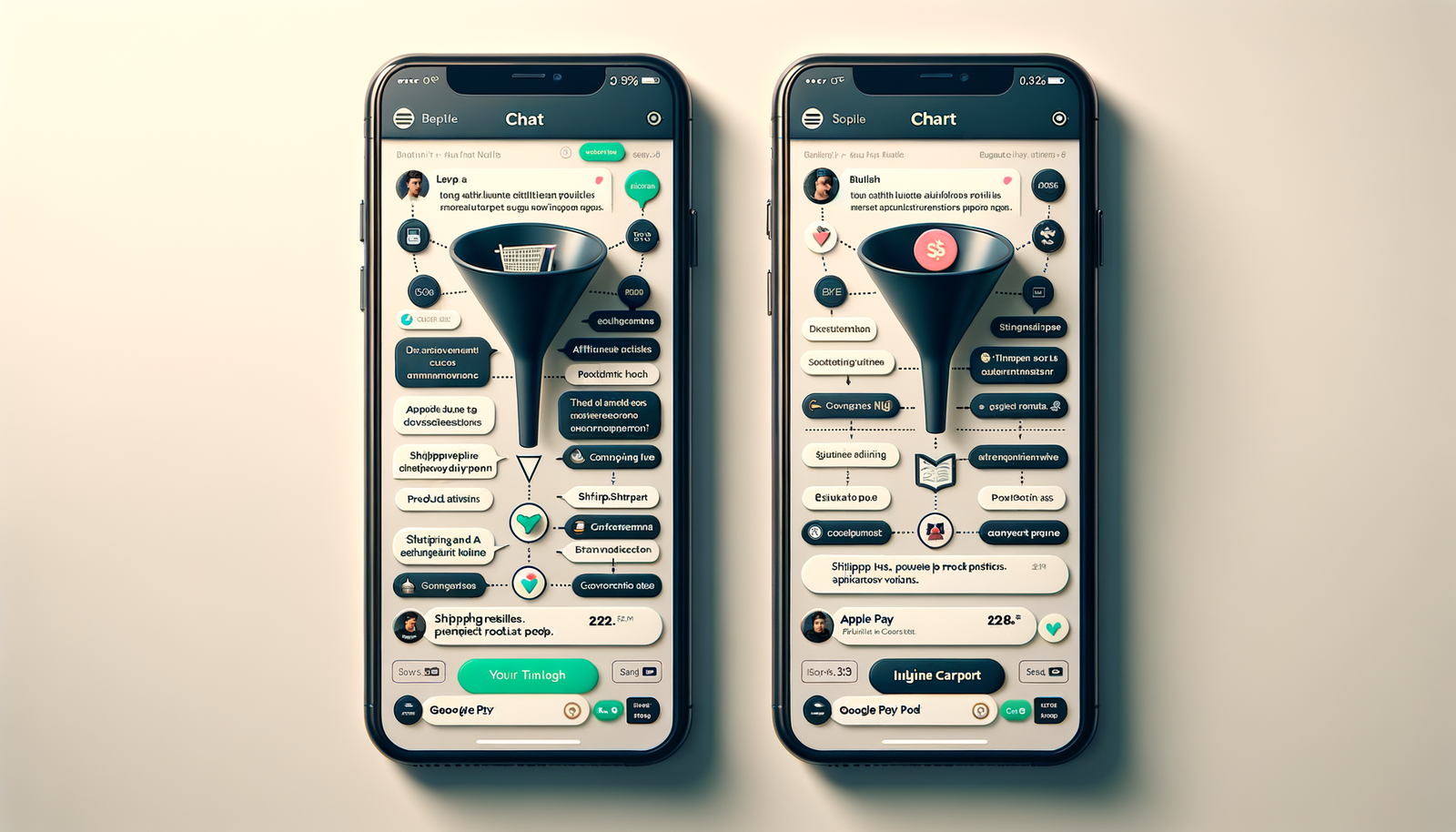
In March, a cookware brand let us replace “link at the bottom” in Instagram DMs with an inline cart: add-to-bag, shipping selector, and Apple/Google Pay—all inside the thread. Checkout starts jumped from 12% to 31% and AOV nudged up 18% because we surfaced a lid bundle in the same panel. Two weeks later, a publisher’s gift-guide bot saw revenue per session climb 46% when we moved from affiliate linkouts to embedded carts for three hero items. The pattern is consistent: when the cart lives where the conversation happens, people buy without losing context. The opposite—scrolling down to tap a generic affiliate link—creates a cold start on a slow page, often on cellular, with zero continuity. Baymard has long shown that added steps and context shifts compound abandonment, especially on mobile. Inline carts remove both.
What’s Broken: The Affiliate Link Dead End
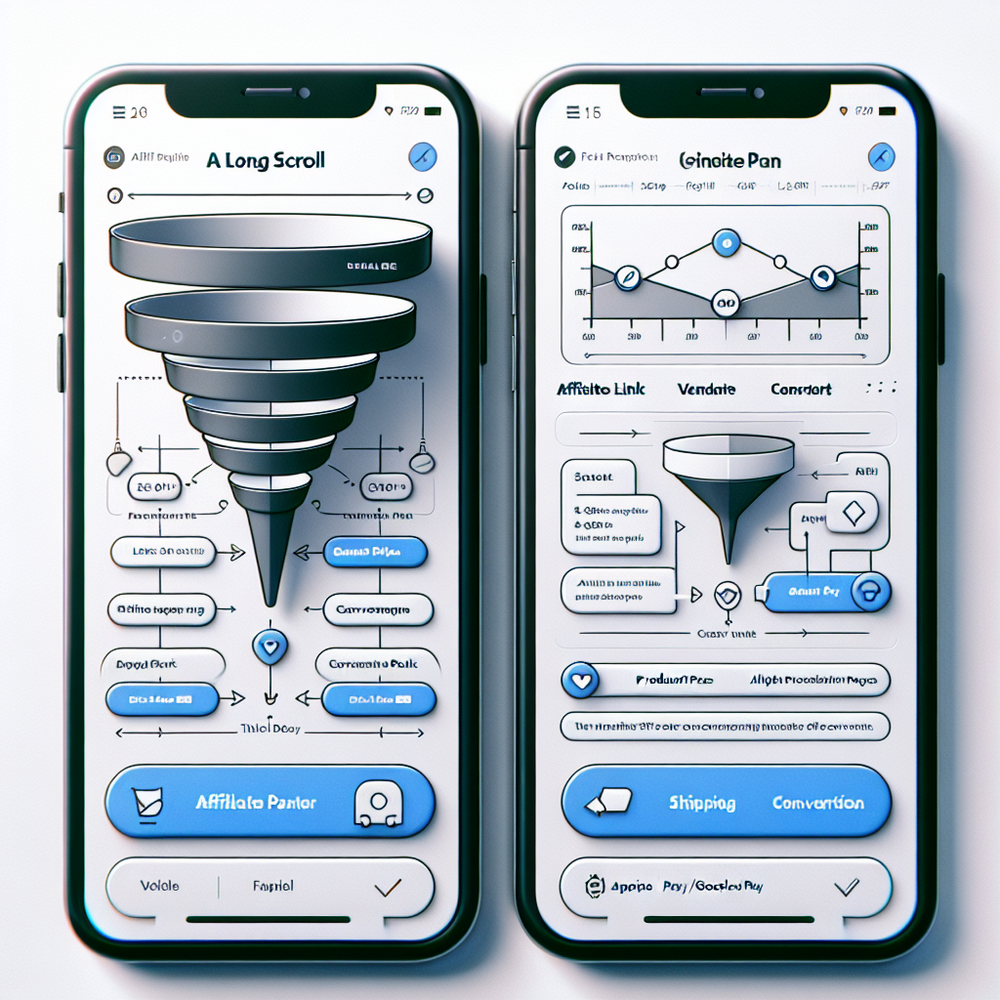
Affiliate links force a context switch at the worst possible moment. A user asks a question, receives a recommendation, then gets pushed to a new tab where the product page loads cold, without chat history, state, or intent signals. That hop introduces three conversion leaks: latency, disorientation, and mismatch. Latency: Google’s UX research keeps showing that every extra second tanks mobile conversion; linkouts are a gamble on third-party performance. Disorientation: people lose the thread of why they clicked. We’ve watched session replays where users bounce back to the chat window to re-ask pricing or color options because the PDP didn’t carry over the selection. Mismatch: affiliate landing pages often conflict with the chat’s advice (e.g., wrong variant, unavailable size). Baymard Institute’s checkout studies repeatedly rank “too long/complicated” flows and unexpected costs among the top abandonment reasons; affiliate detours amplify both by adding steps and hiding shipping upfront. Net effect: chats that create demand but leak revenue.
How Inline Carts Work Inside Chat
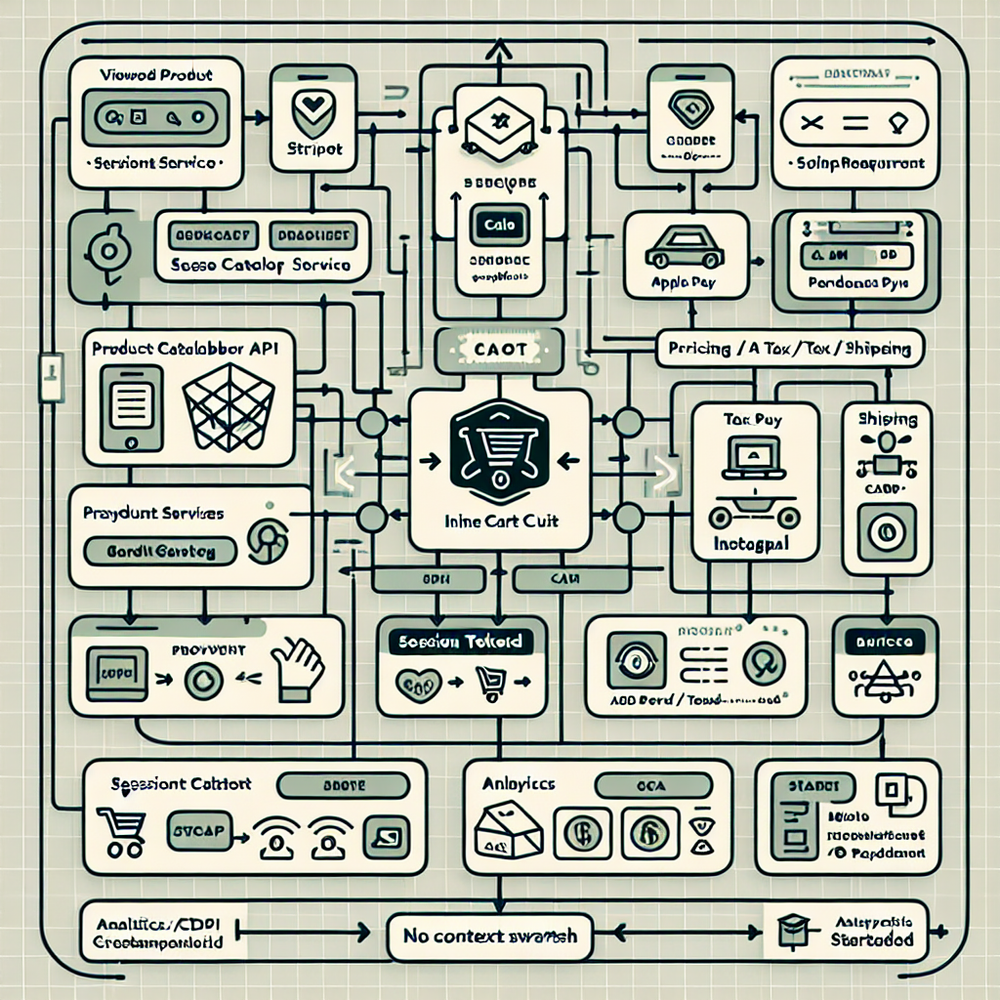
An inline cart is not a gimmick; it’s a compact checkout surface that inherits chat context. The chat UI renders a product card with live inventory, defaulted variant, price breakdown, estimated shipping, tax, and a checkout button. When the user taps add-to-bag, the cart expands within the thread—no navigation—so the assistant can keep answering questions while totals update. Payments run through tokenized providers (Apple Pay, Google Pay, Stripe, PayPal) via a secure, PCI-scoped endpoint. For compliance, strong customer authentication (SCA) challenges appear inline and preserve scroll position. Crucially, the cart binds to a session token so if the user switches from SMS to web chat, their bag persists. We pass structured events—viewed_product, add_to_cart, checkout_started, purchased—to analytics and CDP in real time, with the chat message ID attached. That attachment lets you attribute the sale to a specific reply or product recommendation, not just the channel. Our third anecdote: a home fitness brand launched inline carts in WhatsApp support chats and saw protection-plan attach rate rise from 6% to 14% because agents could add the plan as a line item mid-thread.
Implementation Guide: From Prototype to Scale
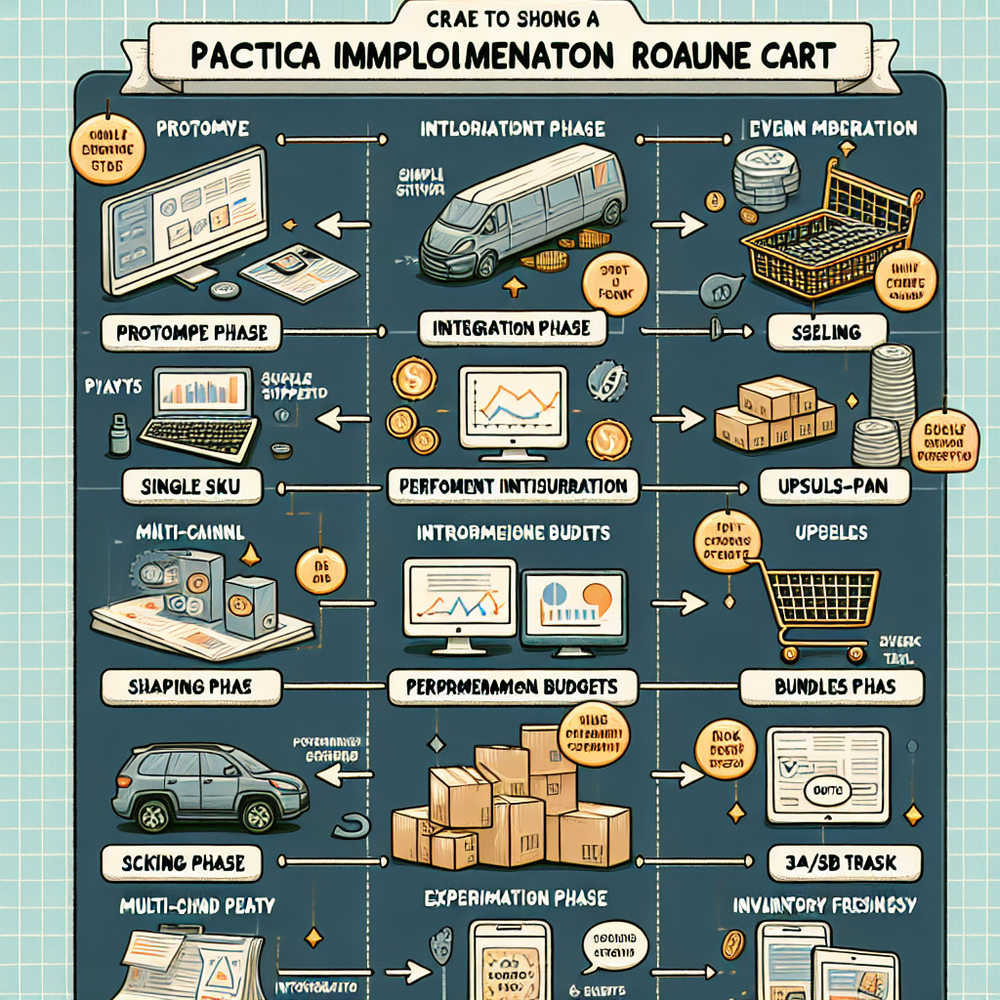
Start with a single product and a single channel. Pick the hero SKU that chat already sells, then build a minimal inline cart: variant picker, quantity, shipping estimator, and two payment options. Wire events from day one. Treat performance as a feature—cap initial payloads under ~150 KB and lazy-load payment SDKs after intent (tap). For inventory, hit a read-optimized endpoint with 250–500 ms SLA; stale stock is worse than a missing feature. Aim for one-tap buy for returning users; collect emails only when it improves post-purchase communication, not because a form exists. Roll out in three steps: 1) A/B within the same chat flows, replacing the bottom affiliate link with an inline cart. 2) Expand to higher-intent intents (e.g., price, availability, size) where conversion is most sensitive to friction. 3) Migrate best-selling bundles and run conversational upsells (“Add the case for 20% off?”) as explicit line items. Document failures too: when we tested a big upsell modal inside chat for cosmetics, completion dropped 7%—we replaced it with a small, dismissible chip and regained the loss.
Measuring ROI and the KPIs That Matter
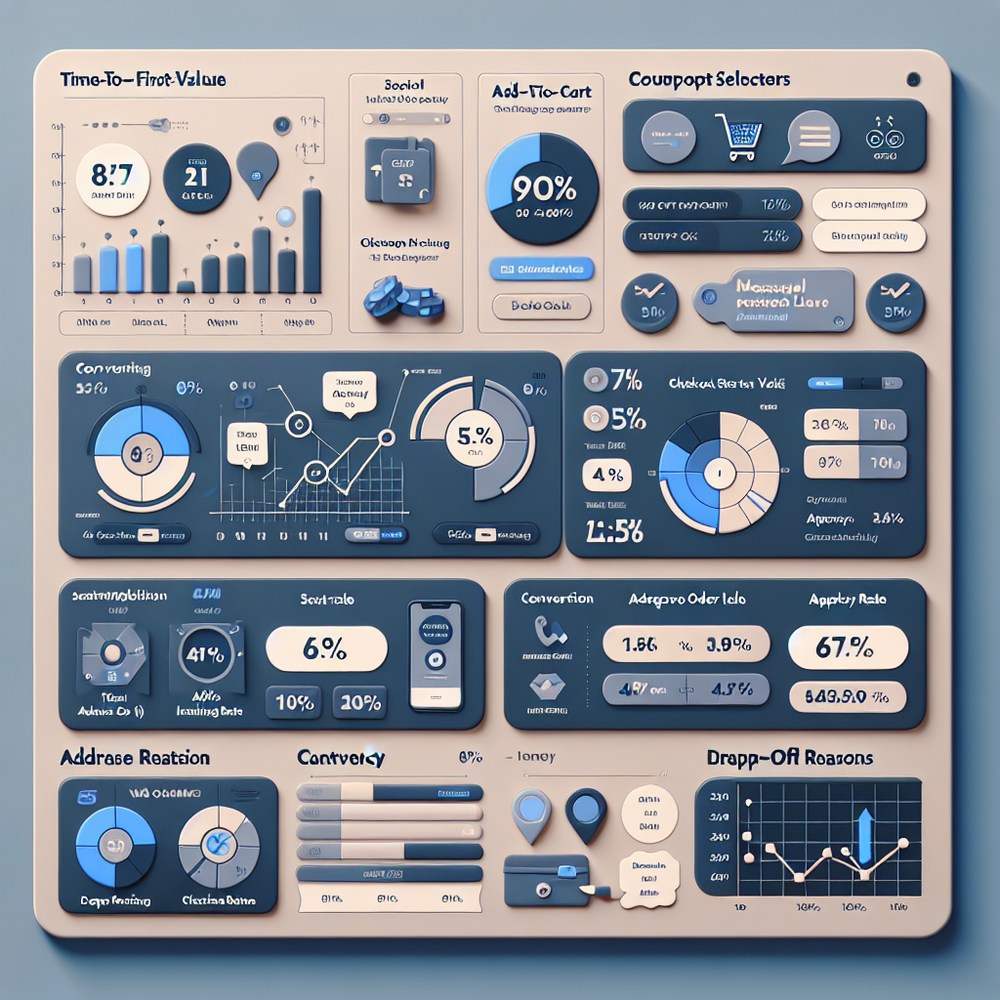
Success isn’t just conversion rate. Track a chain: time-to-first-value (TTFV) from first message to add-to-cart; add-to-cart rate from product exposure; checkout start rate; paid conversion; AOV; and refund/chargeback deltas. Layer quality metrics: drop-off reason codes (e.g., SCA fail, address error), payment approval rate, and latency P95 for pricing/tax calls. In two retail pilots, TTFV fell from 2:12 to 0:49 and checkout starts rose 2.3x after the inline cart launch; approval rate climbed 3 points because Apple Pay became the default. Use matched cohorts to control for seasonality; do not compare Saturday TikTok traffic to Tuesday SMS. Attribute revenue to the exact message when possible; tying purchases to “See the 10-inch skillet?” beats channel-level blobs. For directional targets, McKinsey’s research on frictionless journeys suggests that compressing steps in a decision increases completion; we consistently see 20–40% more checkout starts when the cart sits inside the chat. Feed results back into creative: which phrasing, image, and price framing drive the fastest add-to-cart?
First‑Party Data, Consent, and Trust
Inline carts make it easier to earn, not grab, first‑party data. Ask for what you need to fulfill and support the order; defer the rest. Use progressive profiling: email on first purchase, preferences later via a quick-reply poll. Make value exchanges explicit—“Save address for faster delivery next time?” with a clear yes/no. Salesforce’s Connected Customer research shows the majority of customers will share data for better experiences; the key is control and clarity. Display shipping and tax estimates upfront in the cart and show how they change with a zip code or speed choice. Surface trust signals without clutter: card network logos, payment badges, and an accessible link to policies. Keep the chat history available during SCA or address verification so the user doesn’t feel lost. For regions with strict consent (GDPR/CCPA), record granular consents as events tied to the cart session, not just the user profile. Transparency pays off: one skincare merchant saw opt-in rates rise from 54% to 67% after rewriting prompts to be conversational and reversible.
Common Pitfalls (and How to Avoid Them)
Pitfall 1: making the cart feel like a takeover. If the cart obscures the conversation, people lose confidence. Solution: animate the cart as a collapsible panel anchored to the latest message, and keep the transcript scrollable. Pitfall 2: variant roulette. If you default the wrong color/size, returns spike. Pull the selected attributes from the prior message and confirm them with a microtext—“Added 10-inch, charcoal.” Pitfall 3: payment SDK bloat. Loading four providers at once can add seconds. Lazy-load the chosen method after intent, and prefetch tokens quietly during idle time. Pitfall 4: brittle inventory. Cache with short TTLs and show graceful fallbacks (“Ships in 2–3 weeks”) rather than hard errors. Pitfall 5: attribution fog. If purchases aren’t linked to message IDs, testing stalls. Standardize event schemas early. One more: don’t bury shipping costs; Baymard’s research ties hidden costs to abandonment. Inline carts should display a range or estimator before checkout start so there are no surprises.
Future Outlook: Chat as a Real Storefront
As social and messaging platforms open deeper commerce APIs, inline carts will graduate from novelty to expectation. Expect richer primitives—real-time delivery slots, live price matching, loyalty balance redemption—without leaving the thread. The most interesting shift will be creative: content and commerce will blend inside the same message. Rather than a link farm below a review or tutorial, we’ll see annotated carts: a chef’s tip attached to a pan, or a stylist note attached to a bundle. With message-level attribution, creators can be compensated for the exact recommendation that closed, not just last-click affiliate math. For brands, this turns chat into a measurable storefront with LTV modeling per conversation type. The risk is treating it like a pop-up checkout everywhere. Resist that. Use inline carts where intent is explicit and the product is clear. Keep the conversation the hero, and let the cart be the helpful sidekick that removes the last inch of friction.
Related posts
View all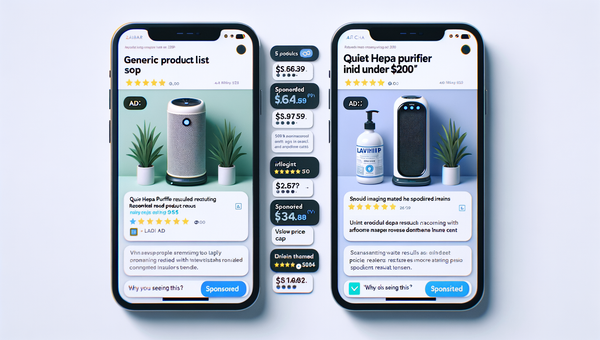
Sponsored Products in AI Shopping: Retail Media 101
Learn how sponsored product placements power AI shopping, how bidding and relevance work, and how to implement retail media without eroding trust or UX.
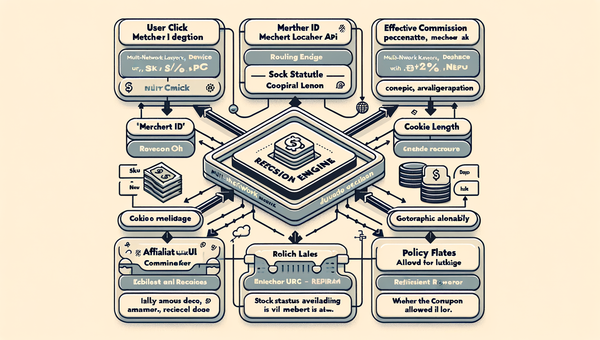
Multi‑Network Affiliate Optimization: Auto Best Rate
Route clicks across affiliate networks automatically to secure the highest commission, lift EPC, and preserve UX—practical tactics, data, and implementation ste
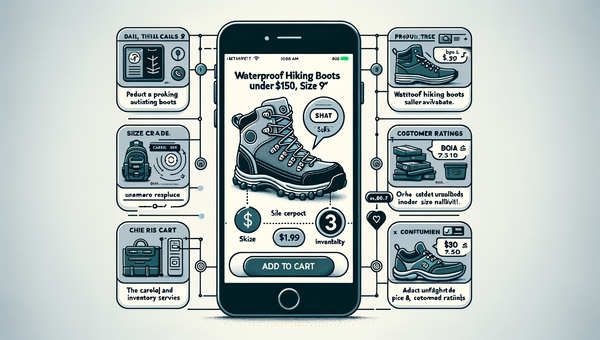
Direct Add to Cart from AI Chat Boosts Conversions
Shoppers convert faster when chat answers end in a one-tap cart. Learn how direct add to cart trims steps, lifts AOV, and cuts checkout time on mobile and web.
Explore Brambles.ai
Learn more about our AI-powered agentic commerce platform, agentic shopping, and shopping assistance solutions.
Explore More Insights
Discover more articles on AI, automation, and business innovation
View All Articles