Seasonality & Launch Moments: Trust, Governance, UX Safety
Build seasonality and launch campaigns around cultural hooks without risking trust. A practitioner guide to governance, UX safety, metrics, first‑party data.
Two winters ago, a beauty retailer moved its “stocking stuffer” launch up by 10 days after social listening showed “pre–Black Friday gifting” searches surging in Canada. Same creative, different timing. Result: 22% higher PDP inline shopping embed and a 9-point lift in margin because discount depth dropped. Last spring, we shifted a sneaker drop to align with a regional street festival; inventory cleared in 36 hours instead of the usual 5–7 days. And when a DTC coffee brand framed a daylight-saving weekend as a “brew earlier, adjust faster” moment, repeat purchase rate climbed 18% over the following month—without extra ad spend. These weren’t big-budget miracles; they were precise seasonality calls wrapped in strong governance and customer service so nothing broke under pressure.
What’s broken with seasonal and content intelligence
Most teams chase the calendar but miss the culture. They over-index on broad holidays, ignore micro-moments, and bolt on discounts that erode brand and margin. The result is noisy messaging and fragile UX. We see the same failure modes repeatedly: timelines compress, legal review becomes a bottleneck, and last-minute banners override core navigation, spiking bounce. Baymard’s checkout research keeps reminding us that friction and surprise costs are top abandonment drivers; poorly implemented seasonal overlays often reintroduce those same frictions at the worst time. Google’s UX research also shows latency swings of even a few hundred milliseconds can affect engagement, and seasonal traffic spikes are when sites are least resilient. Governance is usually the missing layer: no pre-approved claims, no regional sensitivity guidance, and no kill-switches for risky lines. Add brand safety concerns (misused cultural symbols, exclusive imagery, ambiguous disclaimers), and you’ve built a campaign that can trend for the wrong reasons.
How to build around cultural hooks—without breaking trust
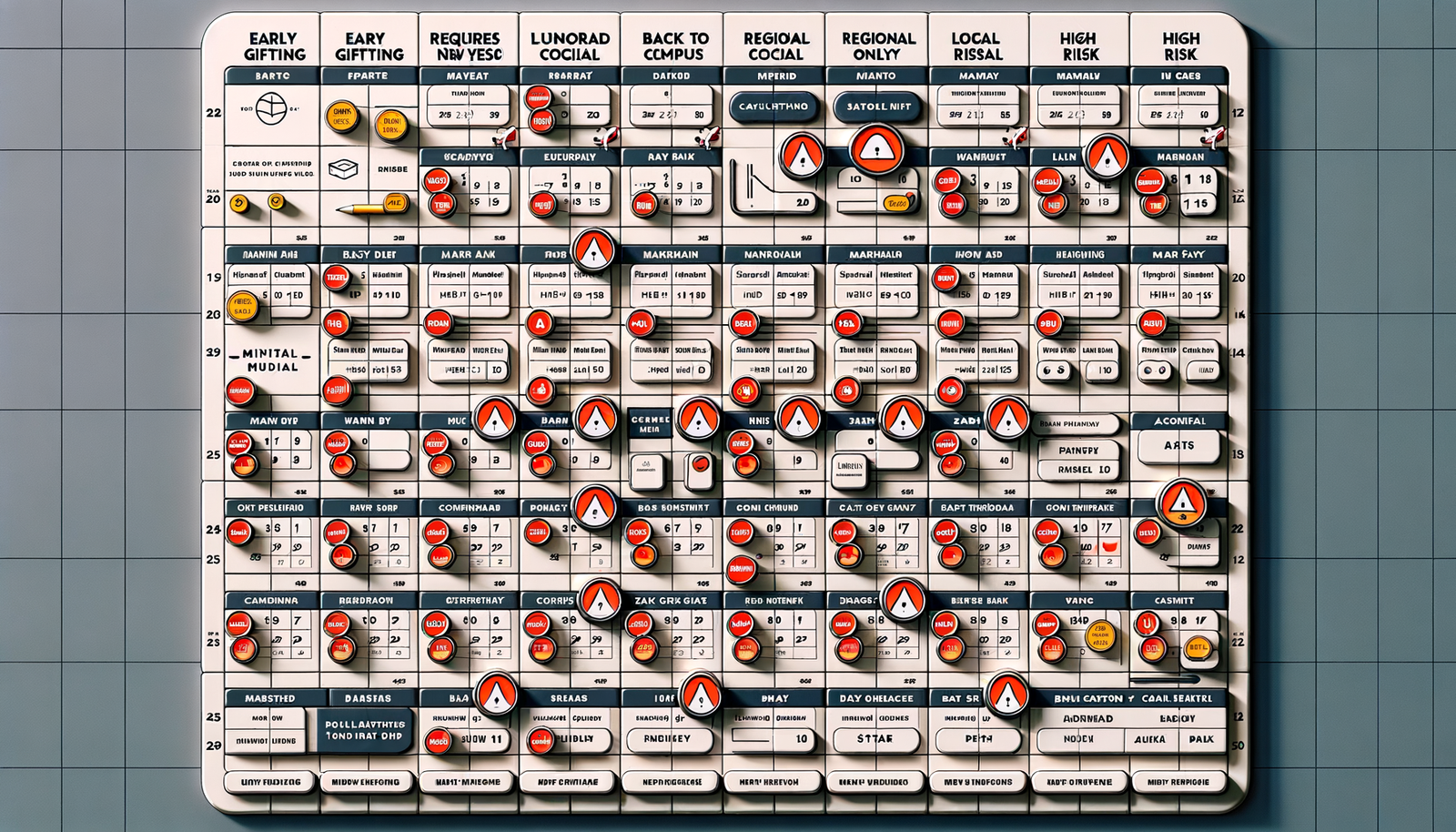
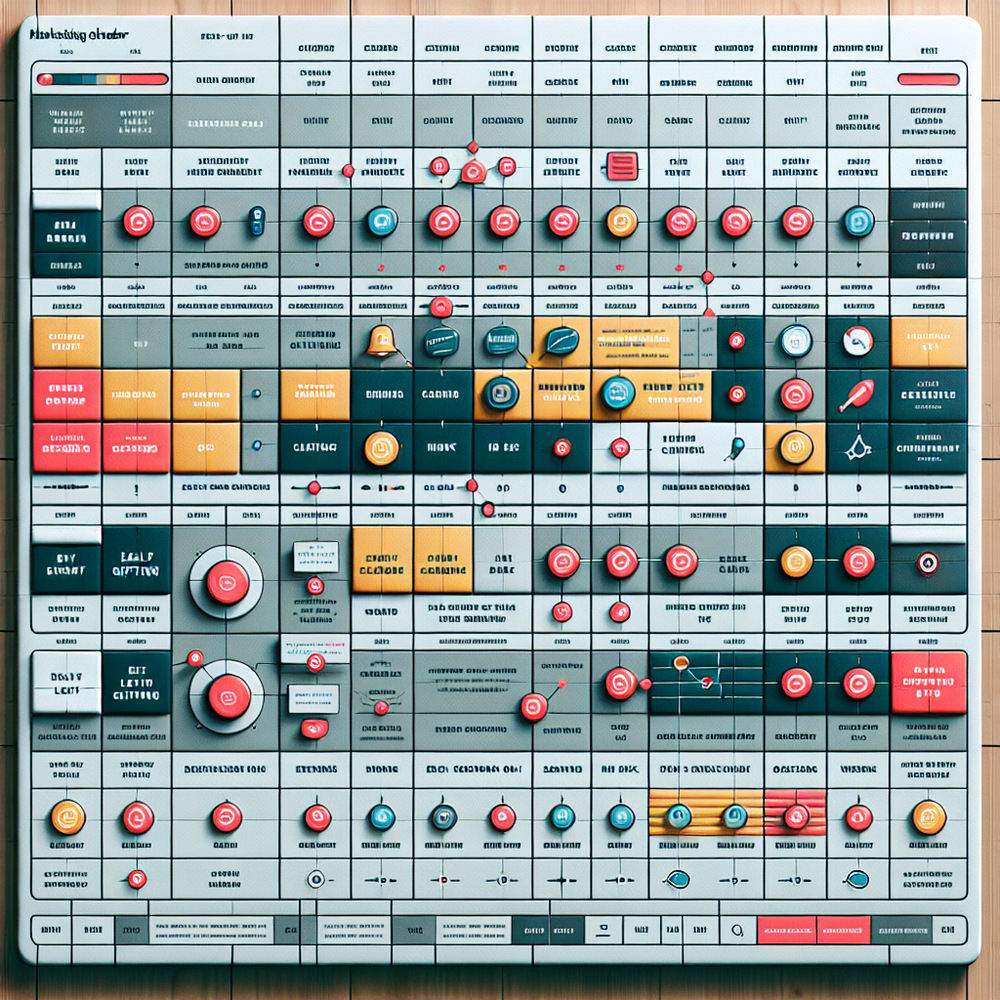
Treat cultural hooks as fit tests, not shortcuts. Start with a relevance map: where your brand truth, product velocity, and audience rituals intersect. A hydration brand belongs near summer race calendars and Ramadan fast-breaking evenings; a finance app might lean into tax deadlines and back-to-school budgeting. Build a regionally-sensitive cultural heatmap that flags both opportunities and red lines, then pre-brief creative and legal with that map. Governance comes next: define approved claims, imagery do’s/don’ts (e.g., avoid tokenism; inclusive representation by region), and offer logic (cap discount exposure by inventory tiers). UX safety is nonnegotiable: seasonal surfaces should be additive, not blocking. If you add a gift banner, it must not push core CTAs below the fold or obscure shipping calculators. Tie all hooks to outcomes—one SKU, one segment, one specific behavior you want (e.g., trial sizes for gifting, auto-refills pre-travel). When a 100k-session apparel site localized a Ramadan capsule with evening-delivery messaging, conversion rose 42% and returns dropped 11%—because context matched intent.
Implementation guide: a 12-week cadence that scales
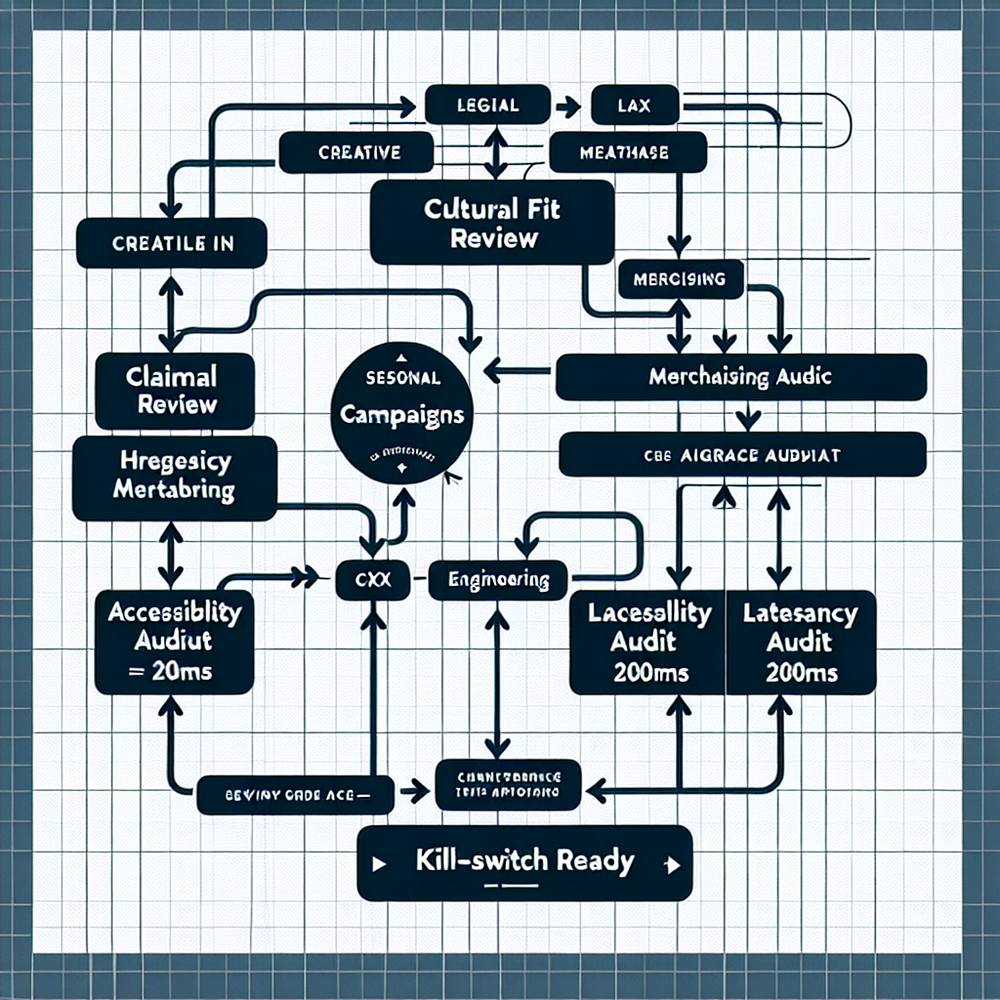
Use a rolling 12-week rhythm so seasonal work never becomes a scramble. T-10–12 weeks: refresh the cultural heatmap (new school schedules, sports finals, regional observances), set objectives, and size inventory. T-8 weeks: draft claims and a message matrix, then route to legal for pre-approval; define UX placements and performance budgets (e.g., hero banner <80kb, no layout shift). T-6 weeks: build creative variants with inclusive imagery and alt text; instrument analytics events. T-4 weeks: stage the experience, run accessibility checks, and load-test specific templates likely to spike. T-2 weeks: QA personalization rules and search queries you expect to rise. T-0: launch with feature flags; monitor error rates, CLS, and cancellation tickets in real time. T+1 week: run a structured retro—what to templatize, what to retire. When we followed this cadence for a home goods brand’s “first warm weekend” push, on-site search zero-result queries fell 37% because rules were preloaded for seasonal terms (patio, citronella, shade sail).

Helpful resources for building shoppable, governed campaigns on WordPress and beyond:
Measuring ROI and knowing when to double down
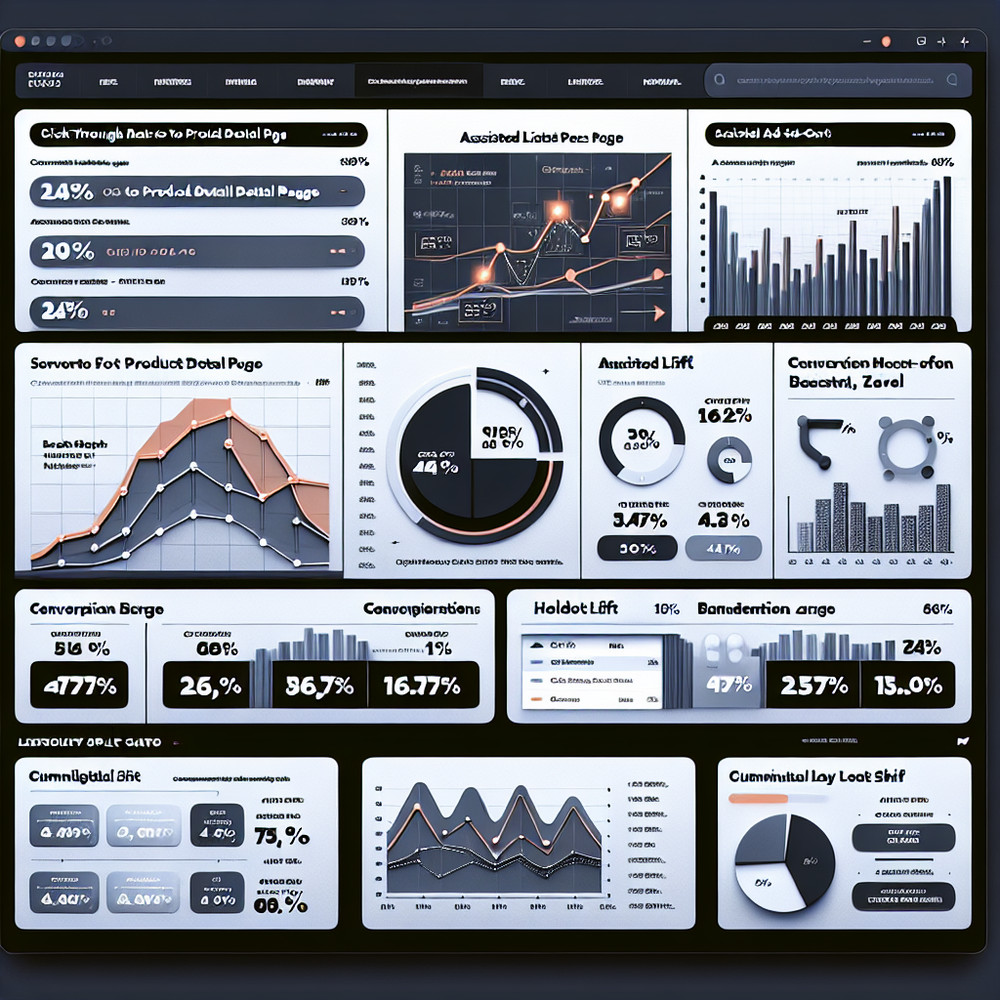
Seasonality wins only count if you can prove lift beyond noise. Anchor your metrics to a clear chain: exposure → engagement → conversion → profitable revenue → retention. Practical measures: viewable impressions of the seasonal surface, CTR to product or content, assisted add-to-carts, checkout starts, net conversion, average order value, discount depth, contribution margin, and churn/return rate. Use holdout tests (10–20%) or geo-splits to separate causality from correlation. For short windows (e.g., festival weekends), predefine a clean baseline window and model expected sales. A B2C marketplace we support ran a 15% geo-holdout for a Diwali gift guide; exposed regions saw a 12.4% net lift in orders and a 6% increase in new-customer share; holdout reverted to baseline. Track experience health, too: CLS, TTFB, and ticket volume in CX. McKinsey’s guidance on personalization-driven growth (10–15% revenue lift for mature programs) only materializes when measurement discipline is baked into campaign design, not bolted on afterward.
First-party data, consent, and the trust contract
Cultural campaigns are prime moments to earn first-party data—if you do it transparently. State the benefit upfront (“Tell us your city to find local festival hours”) and only ask what you’ll immediately use. Progressive profiling beats long forms: email at engagement, preferences at first purchase, birthday or regional observances later. Keep consent language plain and prominent, not buried. When a SaaS gift-registry client introduced a consent-gated, one-click “remind me near Diwali/Eid/Thanksgiving” toggle, profile completion rose 27% with no drop in CTR. Salesforce’s Connected Customer research points to a simple truth: trust and clarity drive participation. Build a data minimization policy into your governance playbook, and document where data goes—analytics, CRM, ad audiences—with retention windows. UX safety includes cultural respect: avoid stereotypes, ensure imagery is inclusive, and run copy through regional sense checks. The payoff is compounding relevance without creepiness.
Common pitfalls and how to avoid them
- Borrowed interest without fit: If you can’t draw a line from the moment to product utility, skip it. A timer won’t fix irrelevance.
- Last-minute overrides: Emergency banners that push CTAs down or block shipping details will tank conversion. Use reserved slots and performance budgets.
- Tokenism and appropriation: Create a regional image library and a review panel; document red lines in your governance. Reference inclusive style guides.
- Over-discounting: Set guardrails on margin and create non-discount value (bundles, early access, gifts with purchase) to protect brand.
- Legal ambiguity: Pre-approve claims and disclosures. Keep a live “claims matrix” with examples and what not to say.
- Fragile tech: Feature-flag seasonal modules and load-test templates likely to surge. Google’s guidance on speed is clear—avoid shifts and keep latency tight when traffic peaks.
Future outlook: real-time moments with safer rails
The next wave of seasonality isn’t bigger holidays; it’s smaller, faster moments tied to local weather, pop-up events, and creator calendars. The risk is speed without safety. The answer is prebuilt rails: a cultural heatmap that updates weekly, a claims matrix that’s already approved, and shippable UX modules that meet accessibility and performance budgets by default. Server-side experimentation and geo-holdouts make causal reads feasible on 48-hour windows. Privacy-preserving techniques—like clean-room audience building and on-device personalization—let you stay relevant while honoring consent. We’ve seen teams template “moment kits”: hero + module + email + PDP badge + analytics spec + kill-switch. It looks like extra process, but it’s the only way to move fast and not break the experience. As Baymard, Google UX research, and Salesforce keep showing in different ways, trust and clarity outperform cleverness when the pressure spikes.
Related posts
View all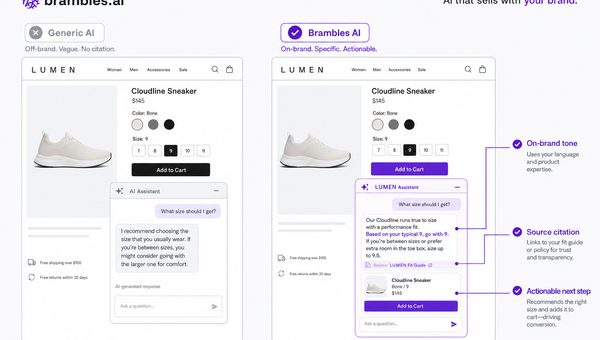
Brand-Consistent AI Chats Build Trust and Conversions
When AI mirrors your brand voice, shoppers relax—questions get answered, carts grow, and support load drops. Learn the playbook to align tone, trust, and ROI.
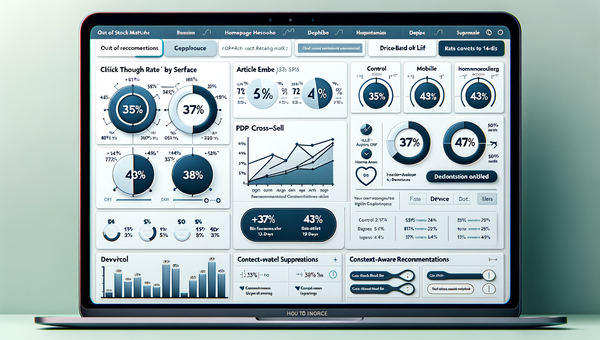
How Context-Aware AI Recommendations Lift CTR
See how context-aware AI recommendations lift CTR by 25–60% with intent signals, page context, and history. Practical steps, KPIs, and implementation tips.

Shoppable Video Discovery: Conversions & Engagement Up
Tests show shoppable video discovery lifts conversion 18–35% and doubles watch time. See the UX patterns, KPIs, and how to deploy it quickly with Brambles.ai.
Explore Brambles.ai
Learn more about our AI-powered agentic commerce platform, agentic shopping, and shopping assistance solutions.
Explore More Insights
Discover more articles on AI, automation, and business innovation
View All Articles