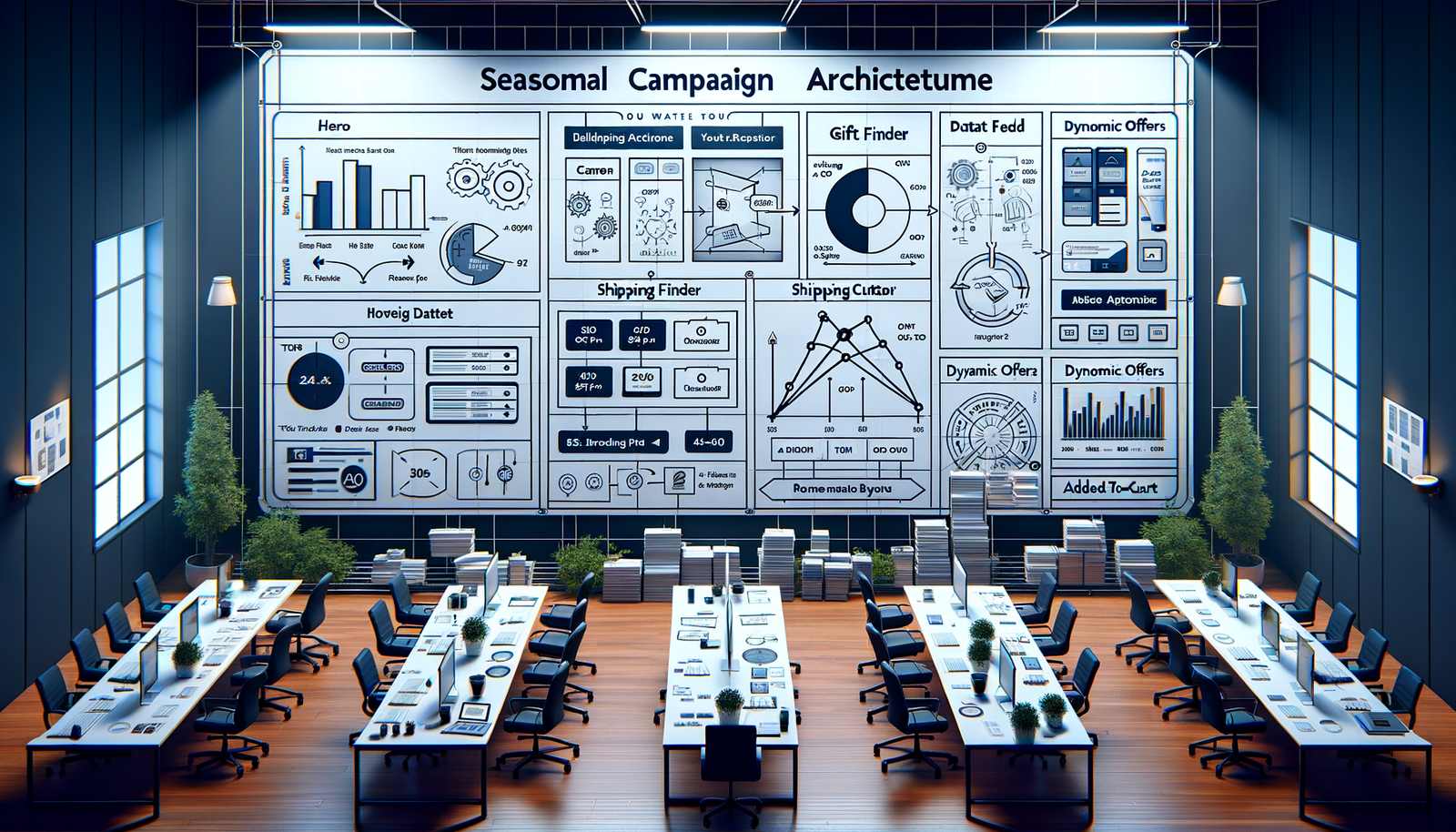
Run Seasonal & Promo Campaigns with Brambles.ai
Plan, launch, and measure seasonal and promo campaigns with Brambles.ai—from WordPress setup to Commerce Module flows, personalization, and ROI tracking.
Run Seasonal & Promo Campaigns with Brambles.ai
Last November, a mid-market outdoor retailer swapped a static Black Friday page for an intent-aware landing experience powered by live inventory and a conversational on-page assistant.
Results over four days: a 27% lift in product page click-through, 12% higher AOV among “gift” shoppers, and 19% fewer support tickets because shipping cutoffs were answered in-session.
Two weeks later, a publisher used a themed buying guide with dynamic merchant offers and saw RPM rise 31% without adding new ad slots.
Seasonal performance isn’t just about bigger discounts—it’s about letting shoppers find the right deal, fast, and keeping the site fast and helpful under load.
Brambles.ai fits neatly into this reality. It orchestrates seasonal pages, promo logic, and guided shopping flows without forcing a massive replatform. If you already run on WordPress or publish deal-driven content, you can launch and iterate in days, not weeks.
Quick Answer
Use Brambles.ai to stand up dynamic seasonal landing pages, power a campaign-specific assistant (gift finder, last-minute shipping checker), and connect product feeds to time-bound offers.
Deploy via the WordPress plugin, pipe in inventory and promo rules with the Commerce Module, then A/B test copy, bundles, and incentives. Measure success on PDP click-through, add-to-cart rate, assisted revenue, and post-promo retention.
You’ll ship faster, learn faster, and avoid over-discounting by aiming offers at intent, not the whole site.
What’s Broken in Seasonal Campaigns
Seasonal pages are often late, generic, and hard to maintain. Creative teams ship a single catch-all landing page, then scramble to retrofit copy as inventory and shipping windows change. Meanwhile, performance teams chase last-click ROAS while missing assisted discovery and LTV shifts.
The cost of generic: Baymard Institute estimates cart abandonment hovers around 70%, with friction and uncertainty as top drivers. McKinsey reports targeted personalization can lift revenue 10–15% and lower acquisition costs by up to 50%.
Google UX Research has repeatedly shown that explicit guidance—“help me choose,” delivery clarity, and social proof—reduces choice paralysis and increases task completion. Seasonal traffic is spiky and impatient; the UX must answer fast and adapt even faster.

How It Works with Brambles.ai
The engine is a campaign-aware assistant layered over dynamic page modules.
You define the seasonal theme (e.g., Back to School, Singles’ Day), connect product feeds and promo rules, then map intents: gift price tiers, size fit, delivery deadlines, or category trails.
The assistant routes visitors to the right block—deal tiles, buying guides, or a short quiz—while banners and content swap automatically as inventory and dates shift.
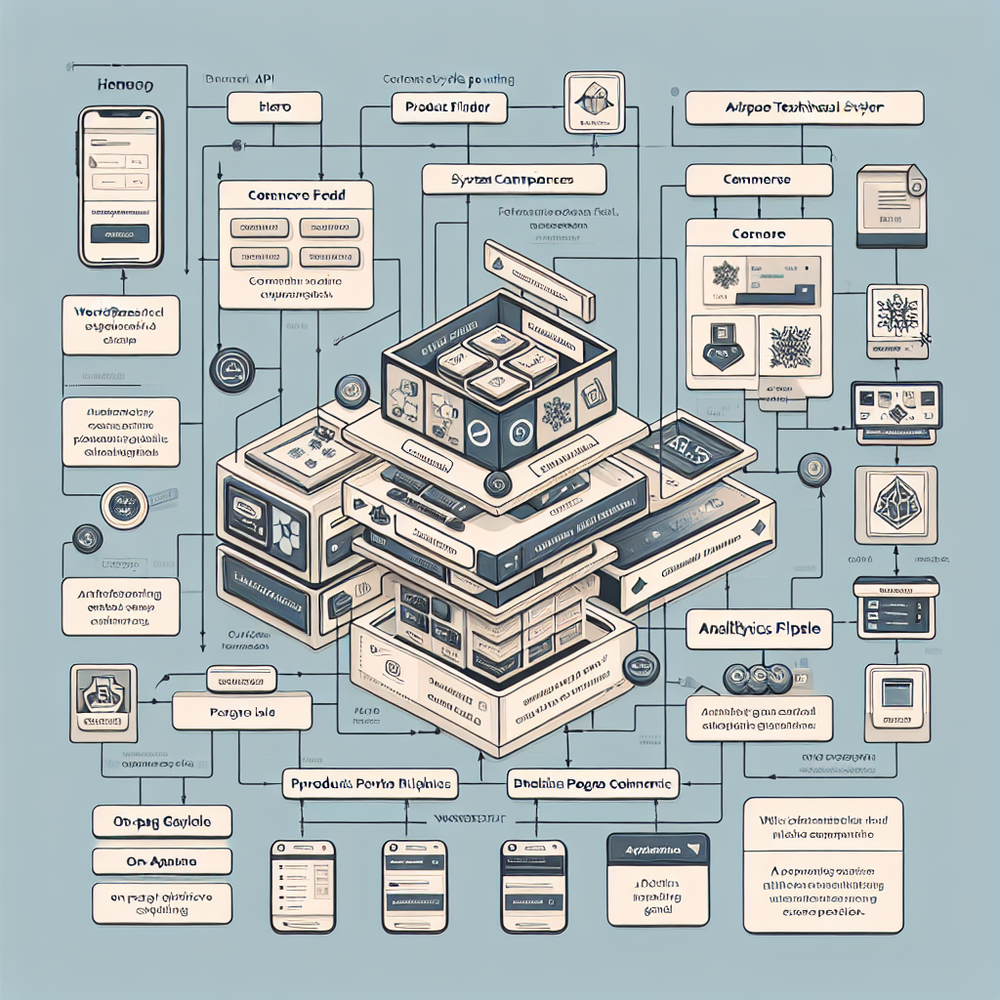
In practice, the workflow looks like: the WordPress plugin injects components on your campaign pages; the Commerce Module consumes SKUs, inventory, and discount logic; and the assistant flow interprets context (UTM source, locale, returning vs.
new) to personalize copy and offers. On a footwear client, mapping intents to size-availability avoided dead ends and delivered a 14% attach-rate increase on accessories during Cyber Week.
Publisher side, the same stack curates merchant offers by commission rate, in-stock status, and reader interest. A lifestyle site that leaned on a “top 10 under $50” dynamic guide saw a 22% improvement in outbound CTR and steadier RPM throughout the weekend because links auto-rotated away from OOS items.
Implementation Guide (Step-by-Step)
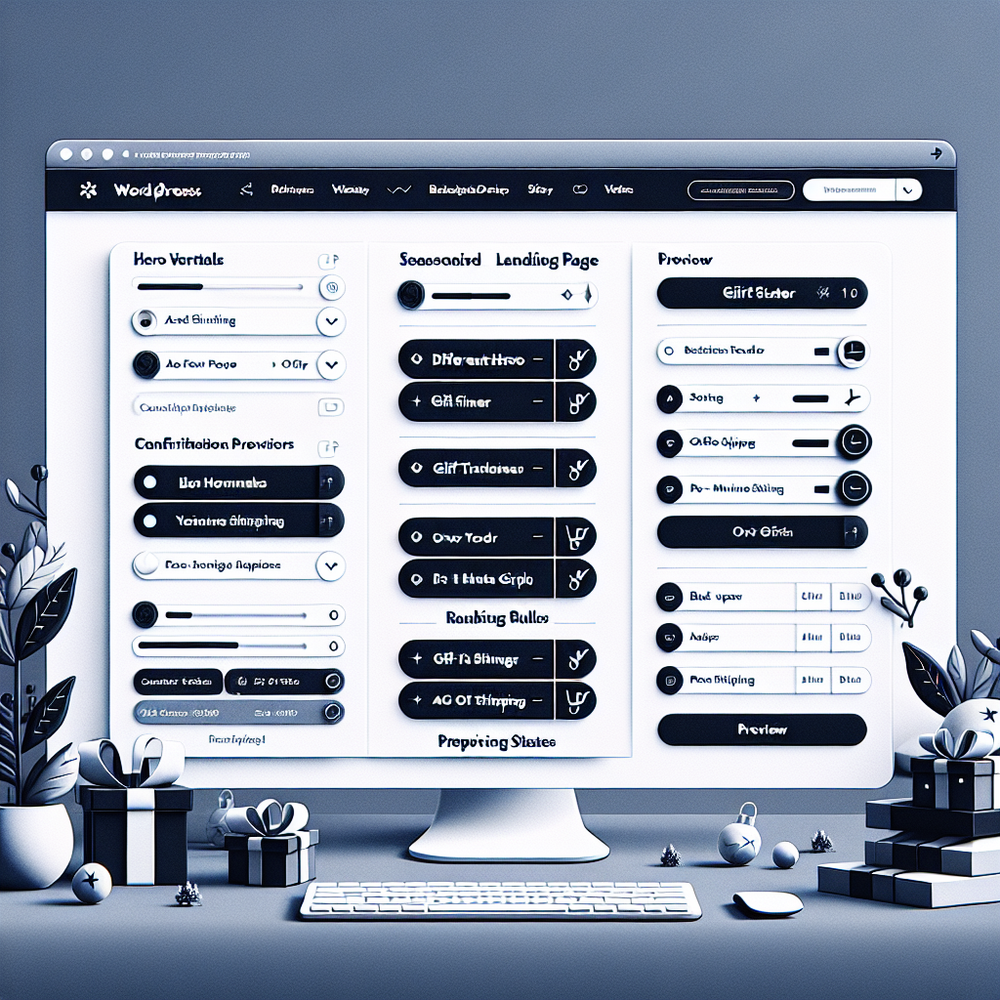
1) Kickoff your campaign object. Name the window, define goals (e.g., +15% PDP CTR, +8% AOV), and set a control group. 2) Install the WordPress plugin and place the seasonal modules on your target templates. 3) Connect the Commerce Module to your product feed, inventory, and promo rules. 4) Design the assistant’s decision tree: budget ranges, persona tags (gift for mom, student kit), shipping cutoffs, and recommended bundles.
5) Build dynamic landing sections: a hero that swaps copy by UTM, a “Help Me Choose” quiz, and an offer grid that ranks by margin and stock. 6) Wire analytics: campaign-scoped events for assistant engagements, quiz completes, PDP click-through, and assisted revenue. 7) QA with edge cases—low inventory, last-day shipping, mobile-first hero crops. 8) Launch with a 10–20% holdout to measure true lift.
If you’re a brand, use the retail assistant flow to answer shipping, fit, and bundle questions inline, then pass purchase-ready traffic into PDPs. If you’re a publisher, enable the monetization flow to prioritize merchants and swap OOS links automatically. Both flows share the same campaign object, so insights and creative updates roll across properties in minutes.
Measuring ROI & KPIs
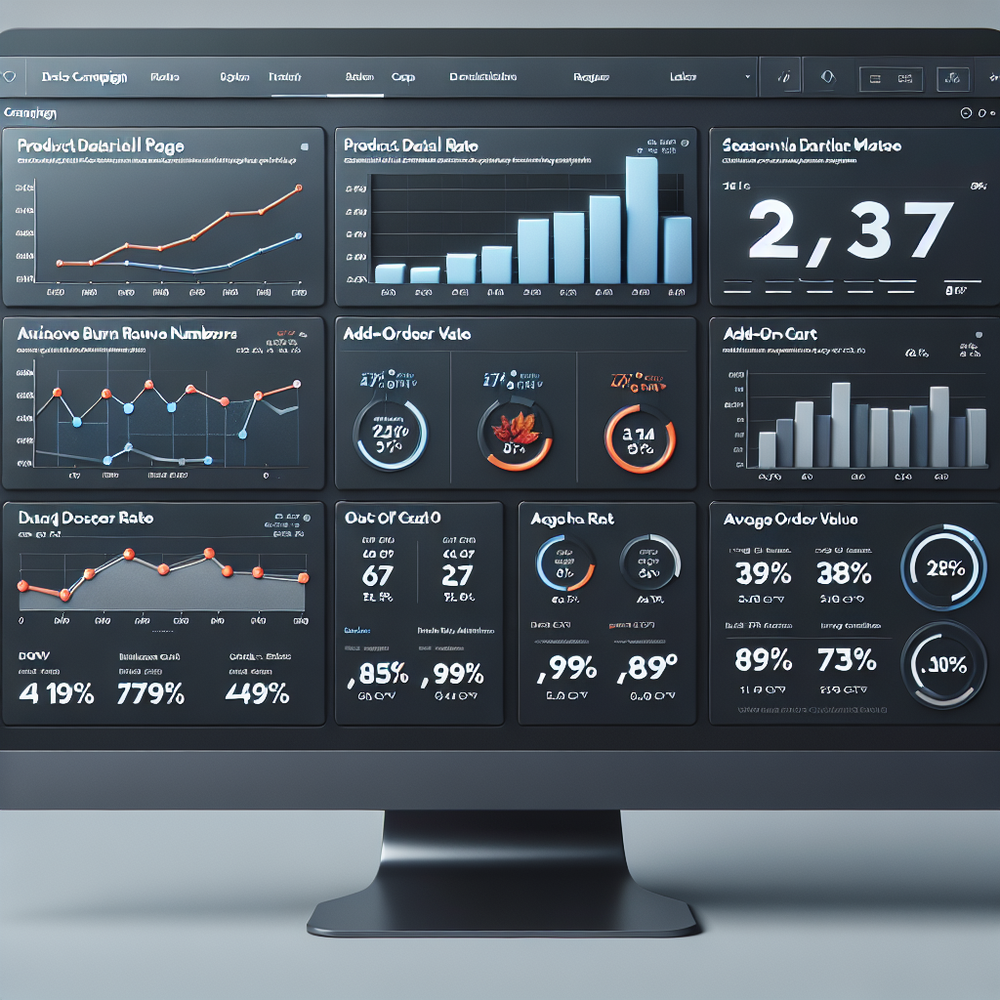
Define success beyond last-click: track assistant engagement rate, PDP CTR from seasonal pages, add-to-cart rate, average order value, discount burn rate, and post-promo return rate. Use a clean holdout to estimate incremental lift, and tag content with campaign IDs to visualize assisted revenue across entry points.
Two real examples: a home goods brand saw a 38% lift in add-to-cart from seasonal traffic and a 9% AOV uptick after introducing bundle prompts; a deals publisher reduced OOS clicks by 63% and improved RPM stability through automated link rotation. Both ran a 15% holdout and reported net-positive contribution even after promo costs.
Operationally, set weekly guardrails: max discount exposure, minimum margin per order, and page performance (Core Web Vitals). Cost control matters—align your experimentation cadence to budget. If you need a simple model, use revenue per session minus discount and media costs, benchmarked to the holdout, then scale the winning flow.
First-Party Data & Trust
Seasonal intensity amplifies trust needs. Collect zero-party signals through short, value-first prompts—budget, recipient, size—and show why you’re asking.
Salesforce’s Connected Customer research shows shoppers reward transparent personalization with higher loyalty, while McKinsey ties relevance to repeat purchase behavior.
Keep the prompts optional and the payoff immediate: a sharper shortlist or a shipping-safe bundle.
Design-wise, cap questions at 3–5, prefill when possible, and echo choices back on the page. Google UX Research emphasizes progressive disclosure and visible benefits; follow that by previewing delivery windows and inventory confidence on the results grid.
Store preferences as first-party data tied to the campaign so you can reuse segments next season without re-asking.
Common Pitfalls + Checklist
Most seasonal misses come from over-discounting and under-guiding. Don’t spray the same promo across the site. Aim incentives at undecided, high-propensity clusters and protect margin for decisive buyers who just need shipping clarity.
Checklist: align promo rules to inventory health; pre-build last-minute shipping states; ensure seasonal pages are indexed and linked from nav; monitor Core Web Vitals under load; rotate OOS offers automatically; maintain a holdout; and plan a post-promo tail (price-match, back-in-stock alerts) to capture laggards. For brands, keep customer service scripts synced with page states. For publishers, rank merchants by commission, EPC, and stock freshness.
Future Outlook
Expect faster creative feedback loops and inventory-aware storytelling. As models improve ranking and summarization, seasonal assistants will fold in returns risk, delivery confidence, and cross-merchant availability.
Measurement will lean on modeled lift and privacy-safe cohorts, but the playbook stays the same: answer intent crisply, keep pages fast, and let data swap modules, not your team at 2 a.m.
How Brambles.ai Fits Your Stack
Brambles.ai plugs into WordPress for rapid seasonal theming, unifies promotional logic with the Commerce Module, and powers a brand/retail assistant or publisher monetization flow from the same campaign object. You get intent-aware landing pages, a guided shopping layer, and analytics that attribute assisted revenue—without a replatform. Most teams go from install to first test in under a week.
FAQ
How fast can we launch a seasonal campaign? Most teams ship a first version in 3–7 days: install the plugin, wire the product feed, set promo rules, and publish a themed landing with an assistant. Budget another week for A/B tests and QA on mobile edge cases.
Does this replace our CMS or ecommerce platform? No. It layers on. Keep your existing stack; Brambles.ai adds campaign-aware modules, an assistant, and promo logic that read from your feeds and write analytics back.
What KPIs should we prioritize for seasonal windows? PDP CTR from landing, add-to-cart rate, AOV, discount burn rate, OOS avoidance, and support deflection. Use a clean holdout and segment by intent to avoid false positives from heavy discounters.
Will this help with SEO during promos? Yes—campaign landings are indexable, fast, and internally linked. Add structured data where appropriate and keep content fresh as inventory and shipping states change. Our blog has detailed checklists and case studies.
Related resources on Brambles.ai
If you are implementing this, start with Brambles.ai.
For deeper reading, see 10 Reasons Publishers Need Conversational Commerce, Affiliate Disclosure in Conversational UIs Done Right, From Search Boxes to Conversations: Modern Shopping UX, Contextual, Not Creepy: Monetization That Wins.
Related posts
View all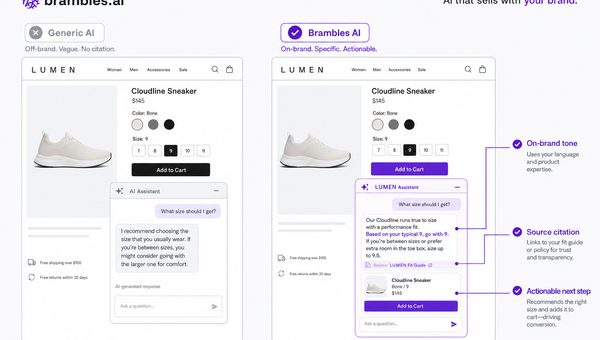
Brand-Consistent AI Chats Build Trust and Conversions
When AI mirrors your brand voice, shoppers relax—questions get answered, carts grow, and support load drops. Learn the playbook to align tone, trust, and ROI.
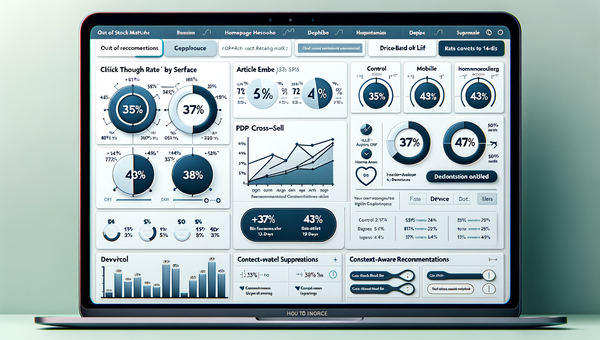
How Context-Aware AI Recommendations Lift CTR
See how context-aware AI recommendations lift CTR by 25–60% with intent signals, page context, and history. Practical steps, KPIs, and implementation tips.
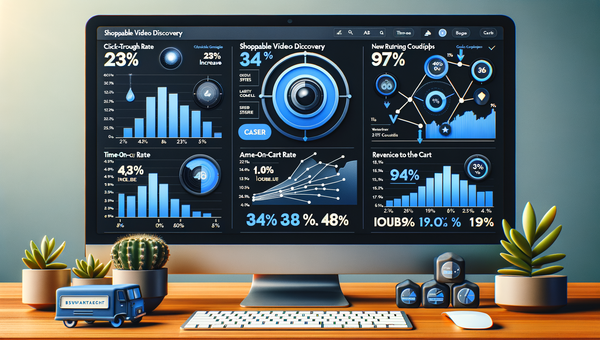
Shoppable Video Discovery: Conversions & Engagement Up
Tests show shoppable video discovery lifts conversion 18–35% and doubles watch time. See the UX patterns, KPIs, and how to deploy it quickly with Brambles.ai.
Explore Brambles.ai
Learn more about our AI-powered agentic commerce platform, agentic shopping, and shopping assistance solutions.
Explore More Insights
Discover more articles on AI, automation, and business innovation
View All Articles