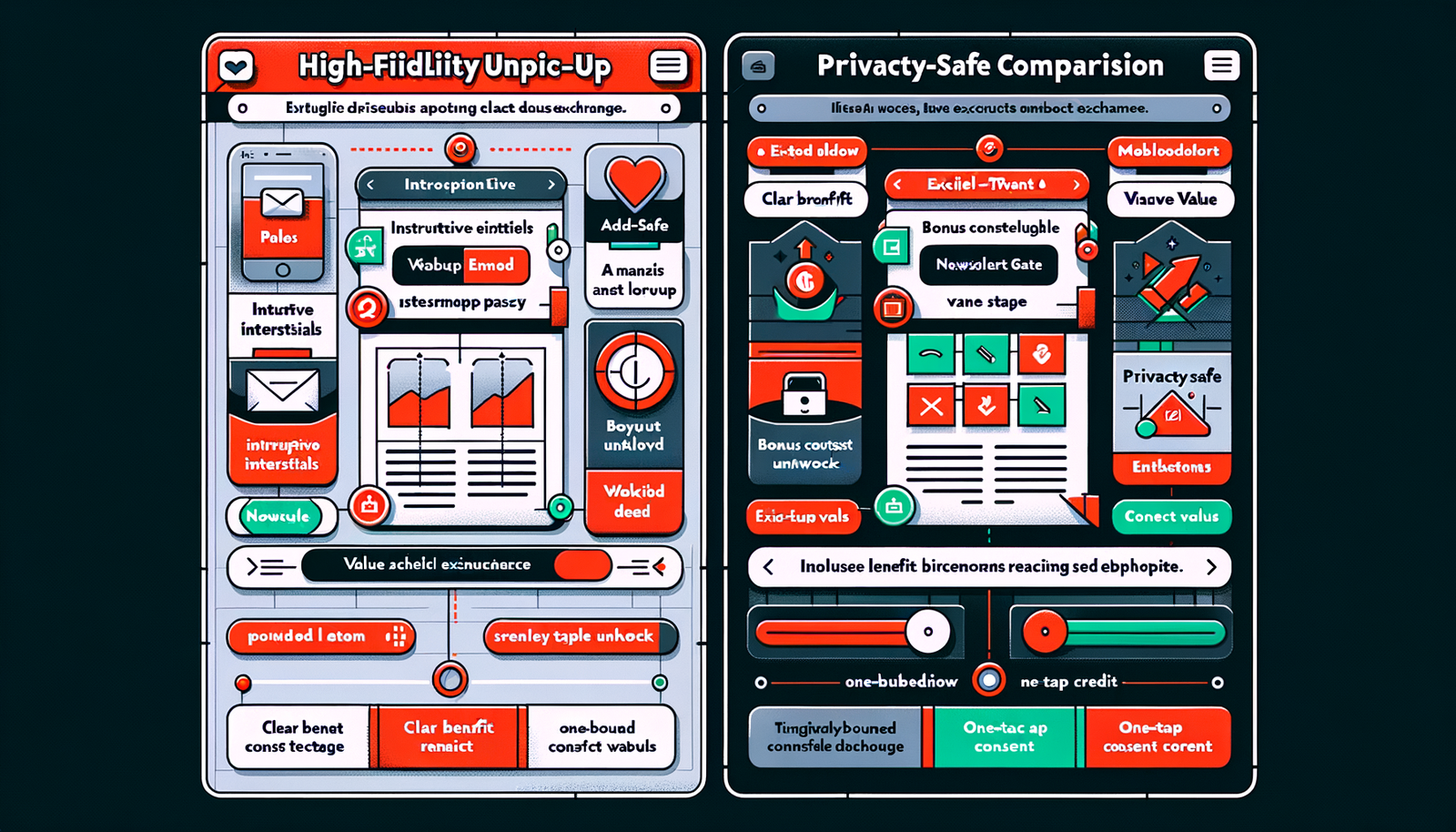
Reward Readers, Not Pop-ups: Privacy-Safe Value Exchange
Readers ignore pop-ups. Use value exchanges that earn consent, grow revenue, and respect privacy. Learn to design, launch, and measure them—no cookies required.
Last spring, we killed the newsletter modal on a 2.3M-monthly reader news site. We replaced it with a choice: answer one on-page question in exchange for three ad-light articles. Result: 38% more consents, 17% lower bounce, and a 12% lift in comments because people stayed. The twist? Zero third‑party cookies. Value exchange models work because they treat attention as scarce and agency as non-negotiable. You offer something actually useful—fewer ads, bonus context, a credit toward a feature—and readers opt in because the trade is fair. On a 100k-session ecommerce blog, switching from a full-screen pop-up to “earn a content credit when you share your intent” drove a 29% RPM lift and 23% more returning visits in four weeks. This playbook is about designing those exchanges well: transparent terms, one-tap acceptance, clear off-ramps, and instrumentation that proves the ROI. No dark patterns. No surveillance.
What’s Broken With Pop-ups (and What Readers Notice)
Readers have learned to swat pop-ups like flies. Google’s guidance on intrusive interstitials makes clear they harm search visibility and perception, and Core Web Vitals punishes bloated scripts that jolt the layout. Baymard Institute’s checkout research shows “forced account creation” remains a top abandonment driver—around a quarter of users will just bail when blocked. The same psychology applies to content: coercion breeds exits. The other failure is value opacity. Many prompts ask for email, consent, or survey time without stating the return—what do I get, how long, what changes? Meanwhile, privacy laws (GDPR/CCPA/CPRA) have trained audiences to smell vague claims. Add to that the cross-device chaos: a browser clears cookies and your “welcome back” turns awkward. Pop-ups also compress context; you interrupt mid-scroll, ripping the reader away from intent. Readers notice the mismatch: you asked for an email to “stay updated” but sent a generic blast. Trust erodes and your next ask performs worse.
How Privacy-Safe Value Exchange Works
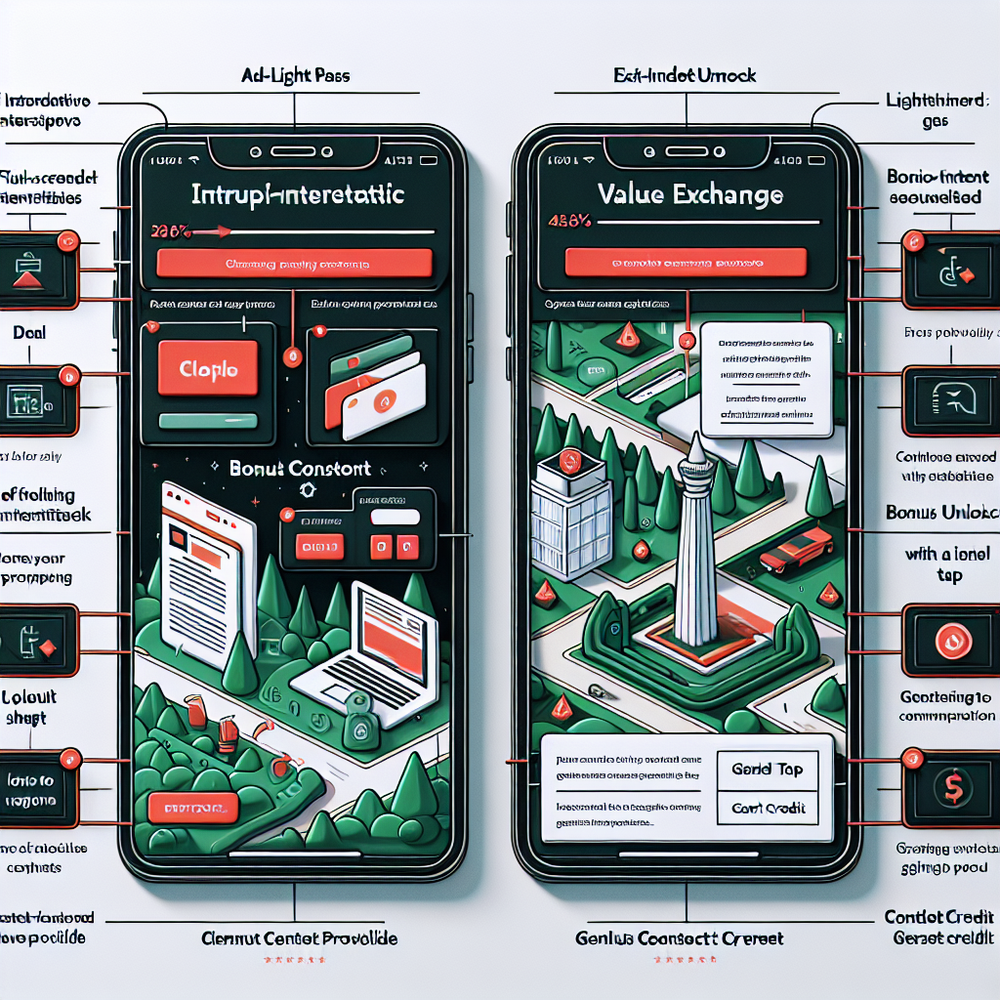
A value exchange makes the benefit explicit before any data changes hands, then records only what’s necessary to honor the promise. Common patterns: ad-light passes (e.g., 24 hours of fewer ad slots), bonus context (e.g., expert annotations), content credits (e.g., unlock one premium explainer), partner perks (e.g., local discount with no tracking pixels), and utility upgrades (e.g., save articles, faster pages). The consent moment is embedded where intent is high—below a paragraph that sparked curiosity or at the end of a guide—using a single, readable card. Terms are specific, time-bound, and revocable. Progressive profiling is optional: start with consent to site-level analytics; only ask for email if the reader chooses a benefit that needs continuity. Data minimization is the rule: store a hashed reader token and preference flags, not a behavioral dossier. No third-party cookies, no cross-site tracking. Keep the ledger server-side so the benefit works across devices when the reader signs in later.
Implementation Guide (10-Day Blueprint)
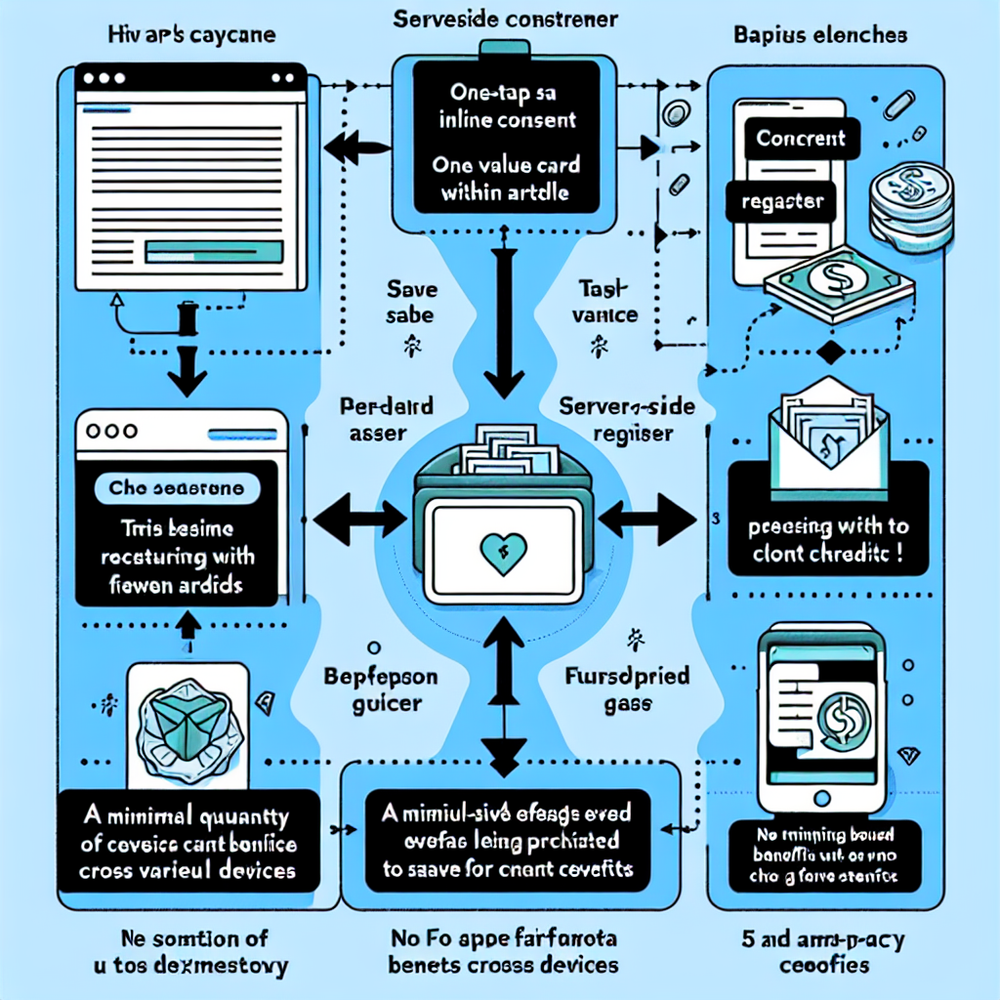
Day 1–2: Map high-intent content. Tag paragraphs where readers slow down (scroll depth + dwell). Draft three benefit cards with honest, specific terms (e.g., “24 hours, 30% fewer ads”). Day 3: Configure the consent ledger: time-bound tokens, frequency caps (e.g., show no more than twice per week), and a revocation link in the site footer. Day 4–5: Ship one-tap UI (server-rendered to avoid CLS). Day 6: QA accessibility (focus states, aria labels, readable contrast) and test with five real readers; fix copy until they can paraphrase the offer. Day 7–8: A/B test card placement and wording; cohort by referrer and category. Day 9–10: Wire up analytics: consent rate, benefit usage rate, engaged session value, and return visit lift. Keep data minimal: hashed ID + benefit flags. If you’re on WordPress or WooCommerce, a packaged module speeds this up without third-party cookies or invasive scripts.

Measuring ROI & KPIs That Matter
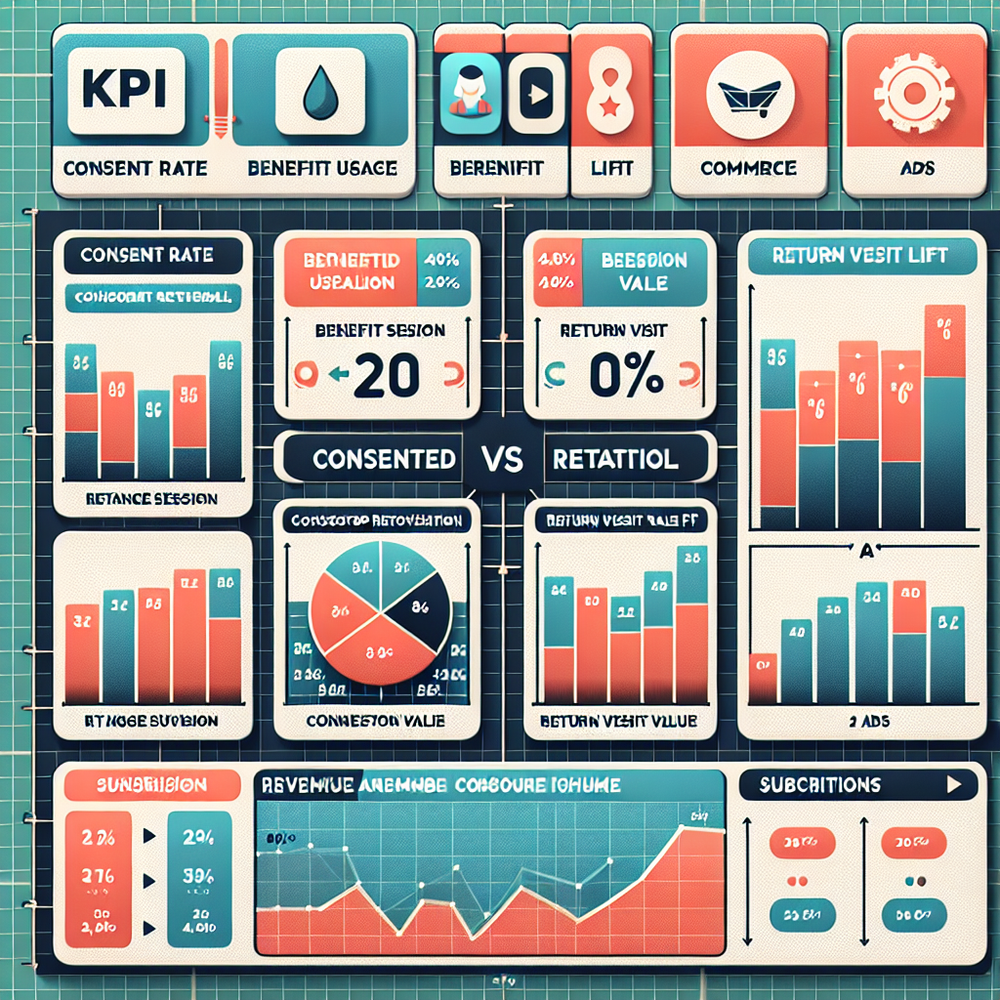
Four metrics decide whether your exchange works. 1) Consent rate: consents ÷ eligible impressions; target 12–25% depending on context. 2) Benefit usage rate: how often the granted perk is actually consumed; low usage signals unclear value. 3) Engaged session value: revenue per engaged session vs. control; track ad yield + commerce + subs. 4) Return visit lift: 14–30-day repeat rate among consented cohorts. Create cohort dashboards by acquisition channel; watch the slope, not a single point. For ad-light passes, compare CPM blend: we’ve seen a 9–14% CPM uplift from better viewability and scroll with fewer ad slots. For commerce, attribute downstream sales using UTMs on on-site links or server-side events—not third-party pixels. A B2B publisher we worked with replaced gated PDFs with a one-question “insight swap” and saw 31% higher qualified leads and 22% more SDR-positive replies. When sharing results, cite methodology and time window to keep trust.
First‑Party Data, Trust, and Clear Promises
Trust comes from specificity. Write the offer like a contract: “Activate a 24-hour ad-light pass (30% fewer ad slots). We’ll store a hashed ID and this preference. You can revoke anytime.” Put a visible “Why we ask” link near the CTA. Keep data lean: consent flag, token expiry, and optional email if the reader wants continuity. Avoid behavioral exhaust—no cross-site tracking, no fingerprinting. Display a revocation page with an immediate toggle; show exactly what you store in a plain list. Salesforce’s Connected Customer reports consistently show that people will share data when the value is clear and control is obvious. McKinsey’s research on personalization aligns: relevance wins, creepiness loses. Audit quarterly: verify retention windows, check vendor logs, and re-run copy tests with fresh readers. Bonus: compliant design often reduces tech bloat, improving Core Web Vitals and ad viewability. That’s a compounding loop—faster site, happier readers, stronger exchanges.
Common Pitfalls to Avoid
Don’t stack asks. A consent card plus a newsletter prompt plus a push notification reads as hunger, not value. Cap frequency tightly. Avoid vague benefits (“exclusive updates”); be transactional and time-bound. Never gate the core article with a hard wall unless it’s truly premium; truly valuable exchanges enhance, not block. Watch for script bloat—heavy experiment frameworks will torpedo CLS/LCP and negate your gains. Dark patterns (tiny decline links, pre-checked boxes) convert poorly over time and may violate local law. Don’t tie benefits to third-party pixels; partner perks should be redeemable without surveillance. Finally, measure the right horizon: week-one lifts can fade if copy is clever but the benefit is thin. Baymard’s lesson on forced accounts applies here—friction disguised as value is still friction. If in doubt, test copy with five users; if two can’t restate the offer accurately, rewrite it.
Future Outlook: Exchanges in a Post-Cookie Web
As third‑party cookies disappear from major browsers, the blunt tools of retargeting and frequency capping fade with them. Value exchanges become the pragmatic bridge: explicit permission with explicit benefit. Expect standardization around consent tokens that are portable across sessions for a single domain, plus richer on-site utilities (topic follows, reading queues, ad-light modes). Publishers will win by bundling micro-benefits into lightweight memberships with flexible pricing—most readers won’t pay $10/month, but many will trade attention or a single data point for a tangible upgrade. Commerce-aligned content will lean on server-side measurement and SKU-level affinity captured through voluntary actions, not surveillance. Regulators are rewarding clarity; Google’s Search team continues to favor fast, unobtrusive experiences. The sites that operationalize exchanges now will have cleaner data, calmer UX, and more durable revenue. The rest will keep asking for emails behind a modal and wondering why growth stalls.
Related posts
View all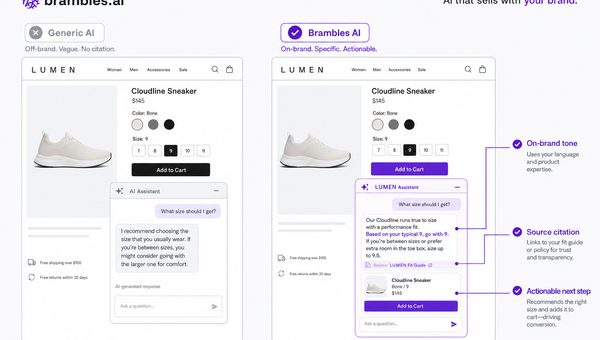
Brand-Consistent AI Chats Build Trust and Conversions
When AI mirrors your brand voice, shoppers relax—questions get answered, carts grow, and support load drops. Learn the playbook to align tone, trust, and ROI.
How Context-Aware AI Recommendations Lift CTR
See how context-aware AI recommendations lift CTR by 25–60% with intent signals, page context, and history. Practical steps, KPIs, and implementation tips.

Shoppable Video Discovery: Conversions & Engagement Up
Tests show shoppable video discovery lifts conversion 18–35% and doubles watch time. See the UX patterns, KPIs, and how to deploy it quickly with Brambles.ai.
Explore Brambles.ai
Learn more about our AI-powered agentic commerce platform, agentic shopping, and shopping assistance solutions.
Explore More Insights
Discover more articles on AI, automation, and business innovation
View All Articles