Retail Media for Publishers: Beyond Affiliate Revenue
Retail media lets publishers earn CPC alongside affiliate, with contextual placements and AI shopping chat. Explore models, KPIs, and step‑by‑step setup.
On a 120k-session home décor site we work with, affiliate EPC had been flat for six months. When we layered contextual retail media units into product roundups and the site’s shopping chat, RPM rose 19% in two weeks while bounce stayed level. A second test on a 90k-session tech blog replaced two generic display slots with category-matched sponsored products; affiliate revenue held steady, but CPC from retail media added a new line of income. That’s the story: additive, not cannibalizing—when the UX is right.
Quick Answer
Retail media gives publishers a second monetization rail—CPC/CPE on sponsored product placements—alongside CPA-based affiliate. You surface contextually relevant products and offers in articles, category pages, and conversational widgets. When powered by first-party context and clean design, it doesn’t steal affiliate clicks; it captures different intent. Brambles.ai slots in with a lightweight module that indexes your content, matches page context to SKUs, runs a transparent auction, and renders native placements and shoppable chat, all measurable in RPM.
What’s Broken With Affiliate-Only Monetization
Relying solely on affiliate is brittle. Cookie loss makes cross-site attribution spotty; out-of-stock products break links; and commercial-intent readers still bounce if there’s no immediate match. Even when publishers do everything right, commission cuts can erase margin overnight. Baymard’s research shows shoppers crave clarity and immediacy; forcing a click-out to a slow PDP introduces friction you don’t control.
Display ads aren’t a safety net either. Programmatic CPMs fluctuate with macro cycles, and heavy ad stacks punish Core Web Vitals. We’ve seen 18–25% RPM swings from CLS issues alone on content sites. Retail media gives you a way to monetize product-seeking moments with CPC and fixed placements that are native to the reading experience.
Our take: affiliate stays your “bottom-of-funnel” pillar. Retail media adds an “in-the-moment discovery” pillar. The combo hedges against commission cuts and captures readers who are browsing but not yet loyal to a retailer.

How Retail Media for Publishers Works
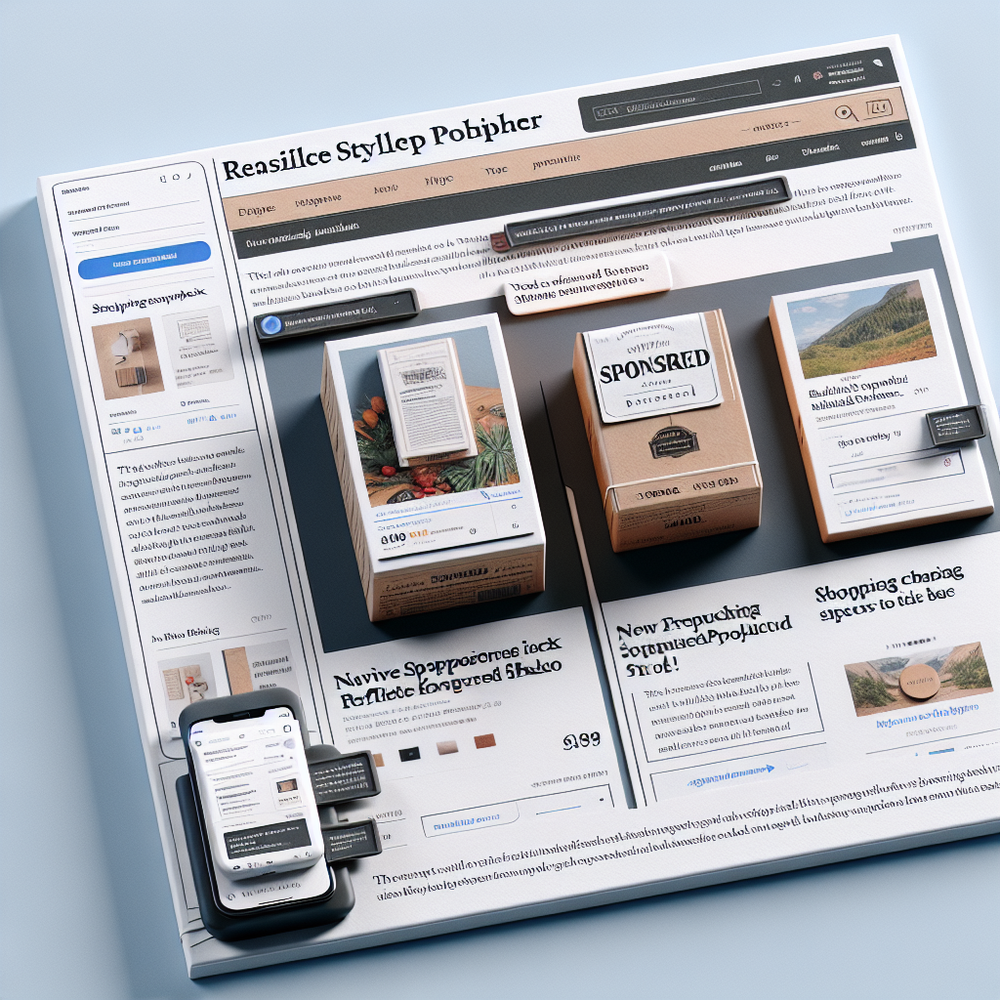
Think of retail media as sponsored product placements that are matched to your page context and reader behavior, paid on a click or engagement basis. Unlike generic display, the creative is a real SKU with price, rating, and availability. Unlike affiliate, you’re paid for attention and action up-front, not only for post-click purchases. When done well, the units read like helpful recommendations, not ads.
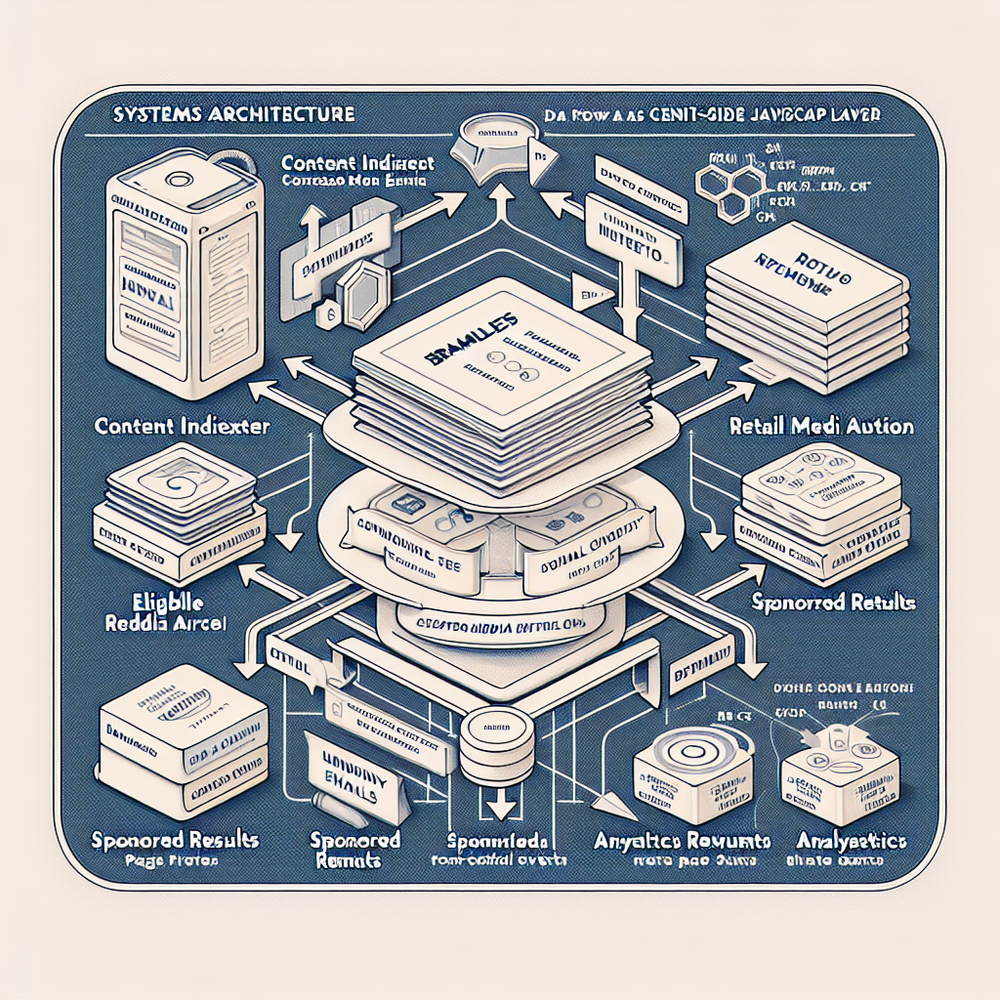
Here’s the flow we deploy: your content is indexed, entities and categories are extracted, then a small auction ranks eligible SKUs and sponsored slots. The winner renders as a native card or a response inside an on-page shopping chat. High-intent readers respond to immediate relevance; casual browsers appreciate scannable alternatives without leaving the page. Google UX research consistently shows reduced interaction cost boosts engagement—native placements lower that cost.
With Brambles.ai, you can run retail media alongside discovery features without code-heavy builds. The system respects your editorial voice and honors disclosure standards in-line. Sponsored results can cap per page, frequency-limit per session, and avoid product conflicts you define (e.g., no competitor to a featured pick).
Implementation Guide With Brambles.ai
You can stand up retail media in days, not quarters. Here’s the step-by-step plan we’ve repeated across news, reviews, and niche blogs.
1) Install the Agentic Commerce Module. Drop a single JS include site-wide and specify where native units and chat should appear. The module handles auctions, rendering, and analytics hooks.
2) Index your site content. Brambles’ Content Intelligence maps categories, entities, and price sensitivity from your archives to drive accurate matching. You can exclude sections or pin evergreen guides to ensure consistent monetization.
3) Choose discovery and retail media surfaces. For conversational entry, enable the floating AI Shopping Chat and on-article Inline Shopping Embeds. For passive discovery, add a native slot below H2 or in the right rail. Keep placements predictable and minimal.
4) Configure ad types and policies. Turn on Retail Media campaigns (CPC/CPE) and Contextual Ads if you want non-product ads that still match the topic. Set competitive exclusions, max sponsored items per page, and disclosure labels site-wide.
5) Enrich shopping UX. AI Product Discovery lets readers ask for alternatives, compare specs, or filter by budget in plain English. You can also allow Direct Add to Cart for select merchants, reducing drop-off between interest and purchase.
6) Pick your install path. WordPress sites can click-to-install the plugin. Large publishers typically embed via the JS module with CI/CD. If you also run a shop, connect the Shopify App (when available) for unified catalog logic on brand-owned pages.
7) Launch guardrails. Start with 10–20% traffic, enforce a hard cap of two sponsored units per view, and set a baseline RPM threshold. If RPM dips, fail back to affiliate-only templates automatically.
Feature spotlight for this use case: Retail Media serves sponsored products with transparent CPC. Contextual Ads fills topic-matched non-product demand. AI Shopping Chat answers product questions in natural language and can include sponsored results. Content Intelligence keeps recommendations grounded in your own articles. Inline Shopping Embed lets you place shoppable modules inside reviews without layout surgery.
Measuring ROI and KPIs That Matter
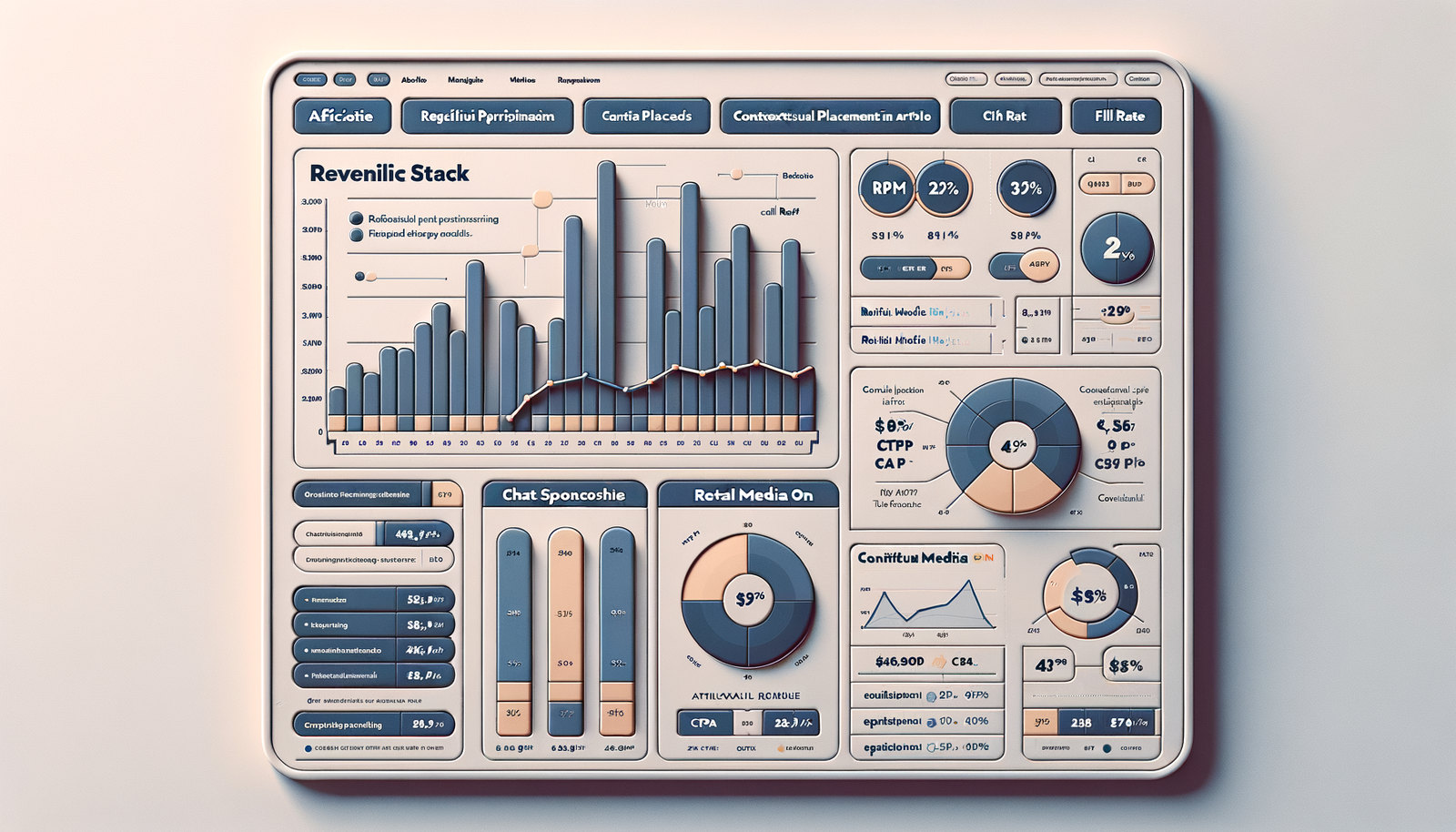
Your north star is incremental RPM with stable UX. Instrument core KPIs: ad RPM, CTR, CPC, fill rate, time on page, bounce, affiliate EPC, and page load impact. Break out by placement type (inline, rail, chat), page category, and traffic source. Salesforce’s Connected Customer data and Google UX studies both echo the same lesson: reduce interaction cost and show relevant info fast; engagement follows.
Anecdote: on an outdoor gear guide, adding a single contextual sponsored slot under the first H2 improved total RPM 14% at the same scroll depth. Another publisher saw CPC flatten after week one; turning on Proactive Engagement nudges in chat restored CTR to 2.3% without adding units to the page.
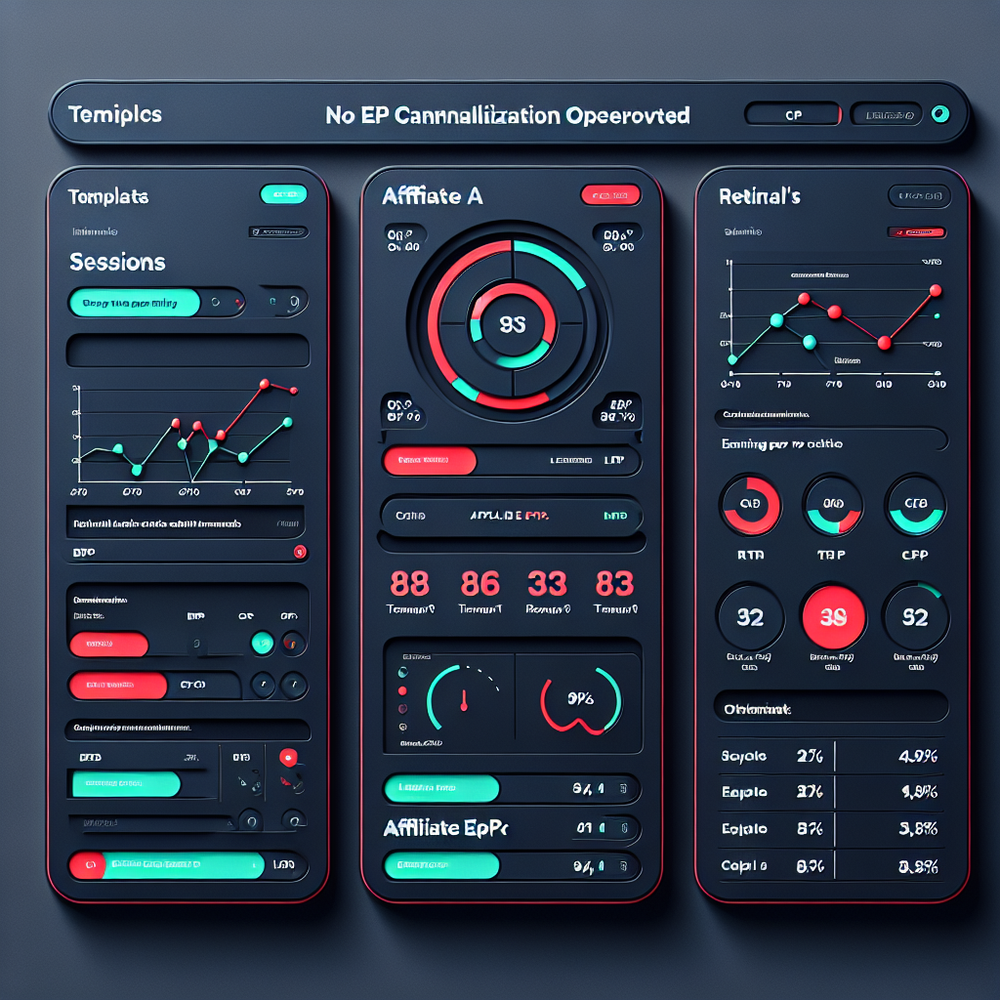
Test method we recommend: create 50/50 templates—A with affiliate-only, B with retail media + affiliate. Hold constant: article, hero image, and intro. Run for a minimum of 10k sessions per cell to power significance. Watch affiliate EPC in both cells to ensure you’re adding, not shifting, revenue. If you have enterprise traffic, add a third cell with conversational commerce only to quantify its independent impact.
First‑Party Data and Reader Trust
Retail media only works long-term if readers trust it. That starts with first‑party context and honest labeling. We train matching on your content and on-page behavior rather than third‑party cookies. Disclosures should be adjacent to units and in conversational responses—no footnote surprises. Clear labeling increases perceived credibility, which Baymard and McKinsey research both tie to purchase confidence.
Brambles.ai supports sitewide disclosure controls, per-unit badges, and chat-specific notices. You can tune tone with AI Personality so callouts match your brand voice without sounding like legalese. If you sell your own products or run a marketplace, coordinate with brand teams to avoid conflicts and to whitelist categories that align with your editorial ethics.
Tip from the field: when we moved disclosure from a footer line to a compact in-unit label plus a one-time chat intro sentence, message comprehension rose, and CTR did not drop. Readers can handle the truth—make it easy to see.
Common Pitfalls and a Preflight Checklist
Avoid clutter and mismatched intent. The fastest way to tank RPM is to cram pages with off-topic SKUs or to let sponsored content outrank your editorial pick. Speed kills too—if units drag load time, both readers and revenue bounce.
Checklist before launch:
- Cap sponsored units to two per view and keep them predictable (e.g., below H2 and in right rail).
- Require in-stock, price-visible SKUs only; hide low-rating items.
- Set floor CPCs and RPM guardrails; auto-fallback to affiliate-only when below threshold.
- Mirror your style guide with Brand Customization for a native look.
- QA on mobile; consider Native Mobile Shopping behaviors.
- Audit disclosures in both units and chat.
- Add at least one conversational surface for high-intent readers.
If you’re resource-constrained, start with one high-traffic category, then scale. Enterprise teams often prefer a phased rollout by content type with SLAs—our Enterprise plan supports that with dedicated assistance and reporting.
Future Outlook: Retail Media Meets Conversational UX
The next wave blends retail media with real-time advice. A reader asks for a “carry-on under $200 that fits a 16-inch laptop,” and your chat returns three SKUs, one sponsored, two organic, with spec comparisons. That experience converts because it’s specific and helpful. As visual shopping rises, expect sponsored options in try-on and AR views to follow suit—ethically labeled and context-first.
For publishers, that means pairing discovery with immersive tools when relevant. Virtual Try‑On and View in Room can sit downstream of an article or chat flow; sponsored placements there will feel natural if they respect user intent and labeling. And yes—affiliate continues to close the loop on purchases across 1B+ products when readers prefer to browse beyond the first click.
FAQ
How is retail media different from affiliate links?
Affiliate pays on conversion (CPA). Retail media pays on click or engagement (CPC/CPE) for contextually matched SKUs. In practice, publishers run both: sponsored units catch mid‑funnel attention; affiliate links serve bottom‑funnel shoppers who want a specific product or retailer.
Will retail media cannibalize my affiliate revenue?
Not if implemented with caps, clear placement rules, and relevance. Our tests typically show neutral EPC alongside a net RPM lift. Start with a 50/50 template test and enforce failover to affiliate-only when RPM dips below a floor.
What placements work best for content sites?
Two high-performers: a native inline unit under the first H2 and a right‑rail module that sticks within the article well. Add one conversational surface—floating chat or an embedded Q&A block—for high‑intent queries. Keep total sponsored units to two per view.
How do I implement this without a big engineering lift?
Use Brambles’ Agentic Commerce Module for a single‑script install, or the WordPress plugin for one‑click setup. Configure placements in the dashboard, then validate via the developer integration guide before ramping traffic.
What KPIs should I track post‑launch?
Track RPM, CTR, CPC, fill rate, bounce, time on page, Core Web Vitals impact, and affiliate EPC. Segment by placement and category. Review weekly; adjust caps and category pins based on performance. If you need help, our team can review strategy on the Enterprise plan.
Related resources on Brambles.ai
If you are implementing this, start with Brambles.ai, pricing, brand pricing, about Brambles.ai.
Related posts
View all
Brand-Consistent AI Chats Build Trust and Conversions
When AI mirrors your brand voice, shoppers relax—questions get answered, carts grow, and support load drops. Learn the playbook to align tone, trust, and ROI.

Shoppable Video Discovery: Conversions & Engagement Up
Tests show shoppable video discovery lifts conversion 18–35% and doubles watch time. See the UX patterns, KPIs, and how to deploy it quickly with Brambles.ai.
Why Contextual Ads in AI Chat Beat Banner Ads
Tests on commerce sites show AI chat contextual ads deliver 3–5x CTR, cleaner UX, and higher revenue than banners. See how they work, implement, and measure.
Explore Brambles.ai
Learn more about our AI-powered agentic commerce platform, agentic shopping, and shopping assistance solutions.
Explore More Insights
Discover more articles on AI, automation, and business innovation
View All Articles